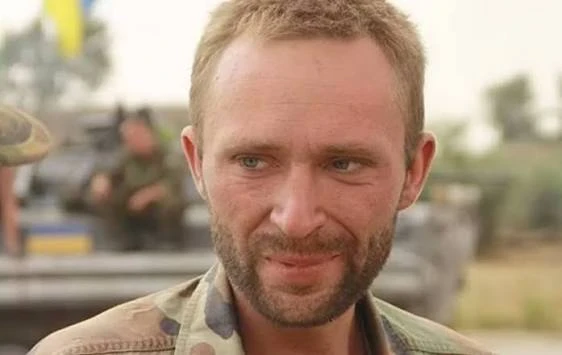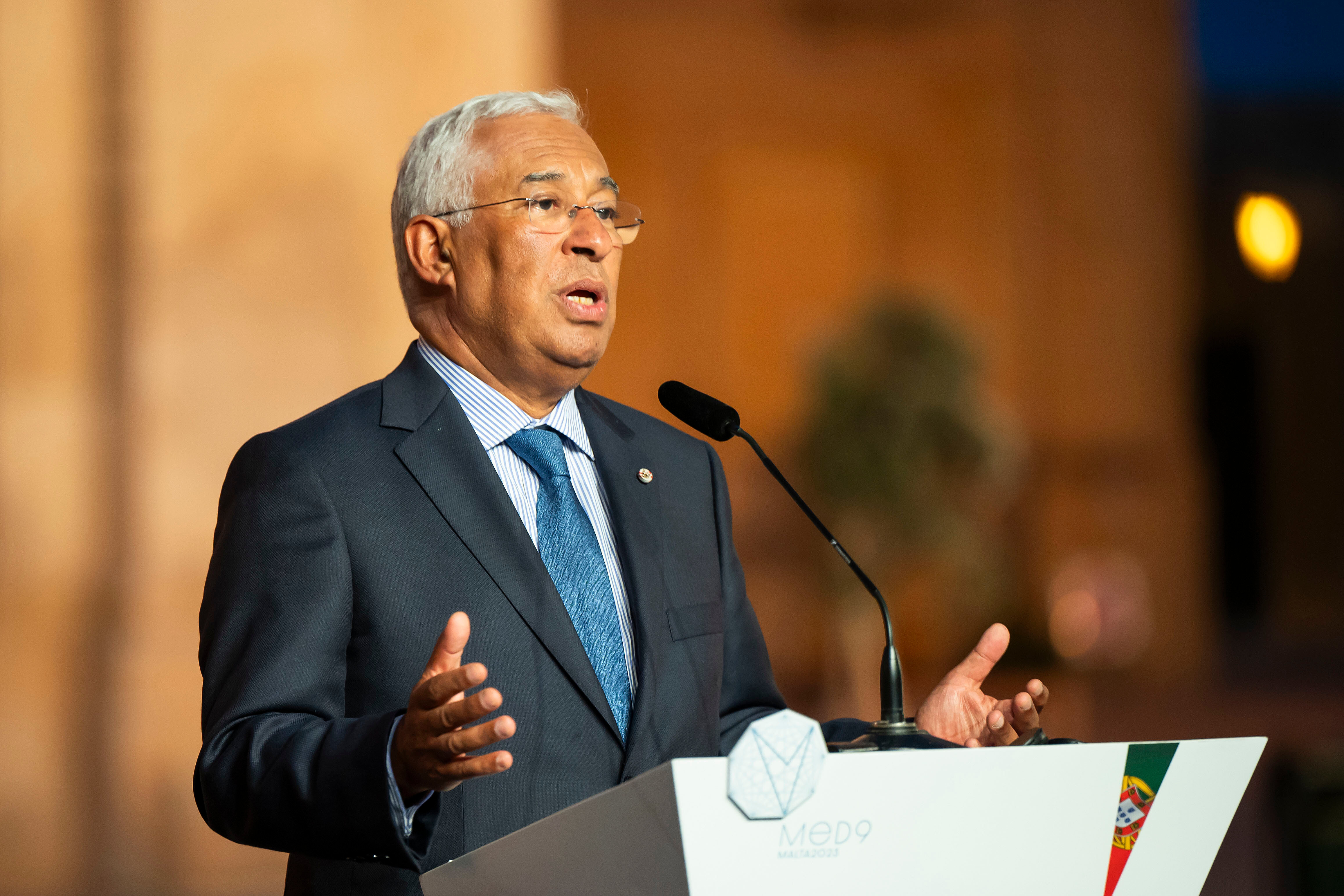




















Mykhailo Fedorov had barely left Ukraine’s government system when he was offered a new political platform abroad. Italian Defense Minister Guido Crosetto invited his former Ukrainian counterpart to come to Rome and work as an adviser.
Crosetto called Fedorov the day after his dismissal. The Italian minister described the offer as a demonstration of respect and personal friendship. In international politics, however, gestures of this kind rarely remain entirely private.
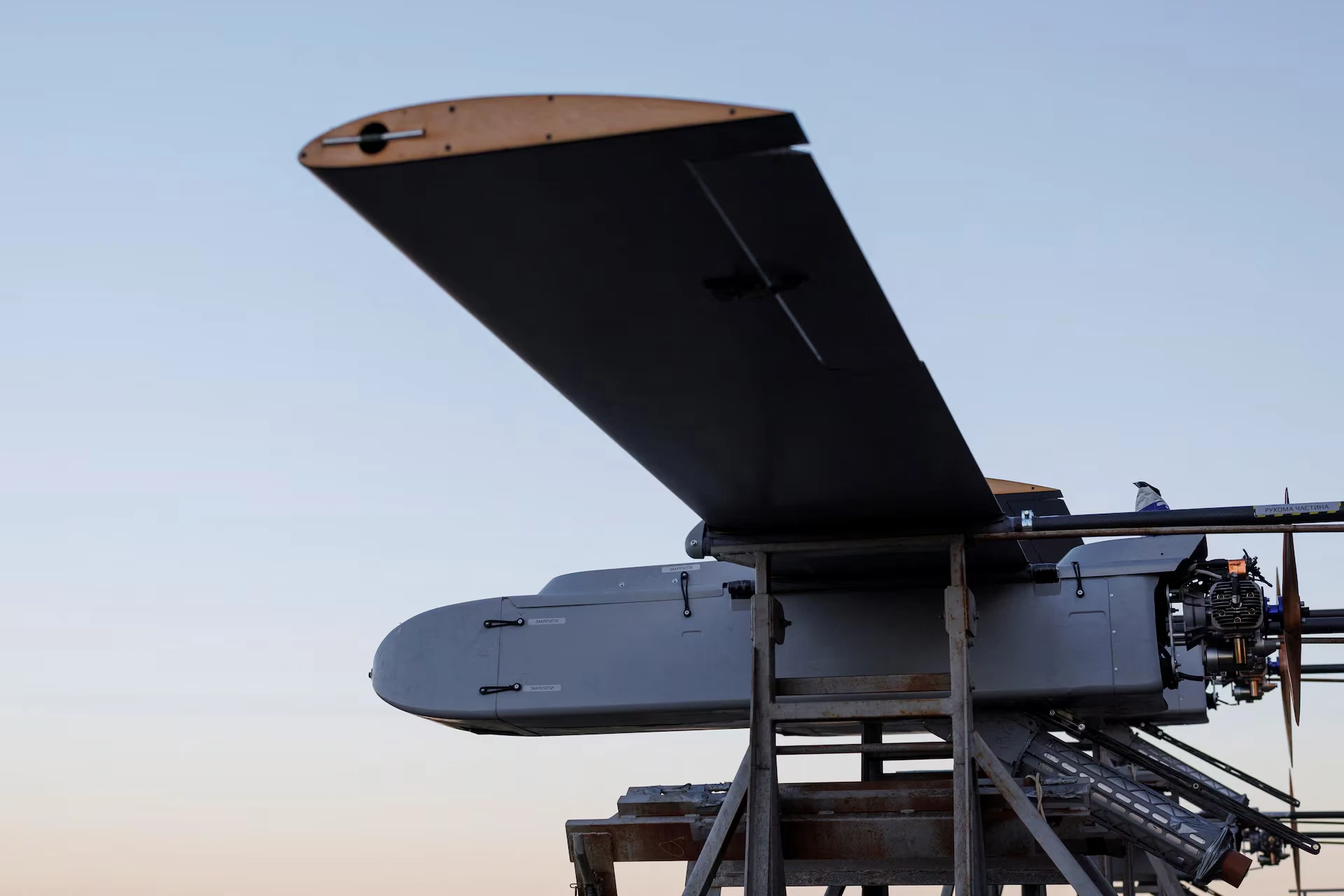
Crosetto called Fedorov one of the people who had rewritten the rules of modern warfare. It was praise not only for an individual official, but for Ukraine’s broader model of military innovation: drones, digital command, robotic systems and the rapid movement from experimentation to battlefield use.
In Daycom’s assessment, Crosetto’s proposal transforms an internal personnel dispute in Kyiv into a foreign-policy signal. A European ally is effectively saying that it sees the dismissed minister not as a bureaucrat defeated in a political struggle, but as a source of expertise Western armed forces urgently need.
For Ukraine, that is both a compliment and an uncomfortable question. If Fedorov truly belongs to the small group of officials capable of changing the logic of war, why might his experience now be more valued in Rome than in Kyiv?
His dismissal had already triggered protests unusual for a country under martial law. Supporters associated Fedorov with the modernization of defense procurement, the expansion of unmanned systems and an attempt to loosen bureaucratic control over technological decisions.
His critics may have considered his approach too rapid, confrontational or insufficiently coordinated with the military hierarchy. Outside Ukraine, however, the dispute is increasingly being interpreted in different terms: as a clash between a new culture of warfare and the inertia of traditional command.
Crosetto did more than express solidarity with a former colleague. He claimed part of the symbolic capital created by Ukraine’s technological revolution. Italy is seeking to accelerate the modernization of its armed forces, and Ukraine has become Europe’s most important laboratory for contemporary warfare.
In that context, Fedorov is valuable not because of a formal title, but because he can connect the state, military units, technology companies and startups. Many European defense ministries lack precisely that link, operating procurement systems in which acquiring a weapon can take longer than the weapon’s entire technological life cycle.
The war in Ukraine has shown that equipment may become obsolete before a contract is completed. Frequencies are jammed, algorithms are identified, designs are copied and an effective drone may require a complete redesign within months. Traditional defense bureaucracies were not built for that tempo.
Fedorov sought to import the logic of the technology sector into government: short development cycles, rapid testing, data-driven decisions and the constant scaling of successful systems. That model made him influential among manufacturers and some military officers, but it also brought him into conflict with institutions built around lengthy approvals.
For Crosetto, inviting such an adviser has practical value. Italy would gain direct access to the experience of an army testing technologies every day under the conditions of an intensive war. That knowledge cannot be fully reproduced in analytical reports, NATO exercises or controlled military simulations.
The proposal’s most immediate effect, however, is political. Fedorov rejected alternative roles in the Ukrainian government and said he would accept only a return to the Defense Ministry. His position is now strengthened by the fact that a foreign ally is prepared to give him a prestigious role.
That leaves President Volodymyr Zelensky with a difficult choice. Bringing Fedorov back would look like an admission that his dismissal was a mistake. Keeping him outside government risks allowing the former minister to become the center of a separate political and technological constituency.
The Italian offer makes that possibility more tangible. A politician publicly valued abroad no longer looks like merely another dismissed official. He gains international legitimacy, a broader network and the opportunity to shape European defense policy without holding office in Ukraine.
Fedorov’s involvement in Italian military reform would also create an uncomfortable paradox. Ukrainian technologies and management practices developed under the pressure of Russia’s invasion could become institutionalized more quickly in another state than in the country that produced them.
That would not mean the disappearance of Ukrainian expertise. The engineers, manufacturers, officers and operational teams would remain in Ukraine. Yet the role of individual reform architects matters when a system has not yet been secured through laws, durable procedures and independent institutions.
Personalized reforms are always vulnerable. If changing one minister can halt a procurement model or technological program, then the innovation has not become part of the state. It remains the political project of a particular official.
The story therefore extends far beyond Fedorov’s career. It raises a larger question about whether Ukraine can retain strong reformers inside government when they create conflict, disrupt established interests and make familiar management structures less comfortable.
States often lose capable officials not because they fail to recognize their value, but because they cannot find a stable place for them between political loyalty and professional autonomy. During war, that loss is particularly expensive because allies and competitors quickly absorb the released expertise.
For Italy, the invitation is also an exercise in soft power. Rome is signaling to Ukrainian society that it values the country’s technological leaders, while showing European partners that it is prepared not only to provide weapons, but also to learn from a state already fighting a new generation of war.
The offer allows Crosetto to present Italy as a country taking future conflict seriously. European governments increasingly understand that military modernization cannot be reduced to larger defense budgets. It requires changing the relationship among armed forces, the state and technology.
Fedorov, meanwhile, does not need to accept immediately for the invitation to benefit him. Its existence alone confirms his professional and political weight. His refusal of other posts in Kyiv now appears less like personal resentment and more like an effort to retain control over the reform agenda.
A move to Rome would nevertheless have clear limitations. An adviser to a foreign minister does not control Ukrainian procurement, command the resources of an army at war or possess the executive authority required to continue domestic reforms. Symbolic status is not the same as power.
Crosetto’s offer is therefore probably more important as a political signal than as a fully developed career path. It tells Ukraine that the official it dismissed remains valuable. It tells Italy that modern defense policy should be built with those who have already experienced technological warfare.
For Zelensky, the episode adds another layer to an already difficult personnel crisis. The decision on Fedorov is now being judged not only by protesters, defense startups and military reformers, but also by allies who see the former minister as a partner for the future.
The president should not reverse a decision simply because an international counterpart praised the person involved. But he must answer a more important set of questions: who will continue the reforms, what authority the new leadership will possess and whether modernization will survive another bureaucratic reshuffle.
If the technological course continues without Fedorov, his dismissal may remain a personnel dispute. If the programs lose momentum, the Italian invitation will become the symbol of a deeper failure: the state’s inability to preserve its own innovative energy.
Crosetto offered Fedorov a place as an adviser, but the real recipient of the gesture is not only in Rome. It is a message to Kyiv that in modern warfare, talent, experience and the ability to break bureaucratic rules have become an international currency.
Ukraine has created a generation of military technologists and public managers for whom its allies are beginning to compete. Its next test is not only to prevail on the battlefield, but to ensure that the architects of its advantage do not build the future of other armies faster than they build Ukraine’s own.