


















The death of a Zaporizhzhia nuclear power plant worker, as claimed by Russia, has become another dangerous episode around Europe’s largest nuclear facility. Moscow accused Ukraine of carrying out a drone attack near the plant, though the claim has not been independently confirmed.
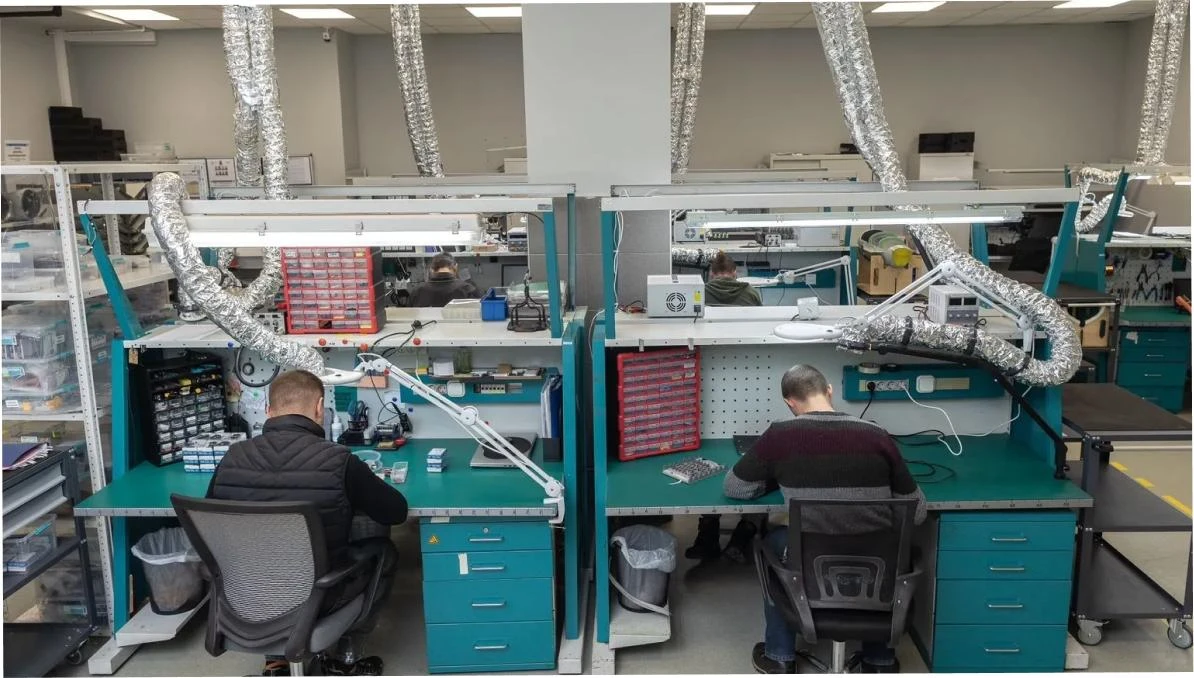
Alexei Likhachev, the head of Russia’s state nuclear corporation Rosatom, said Ukrainian drones attacked Enerhodar, the city where most of the captured plant’s personnel live. According to him, one repair workshop employee was killed, while doctors were fighting for the life of a second injured worker.
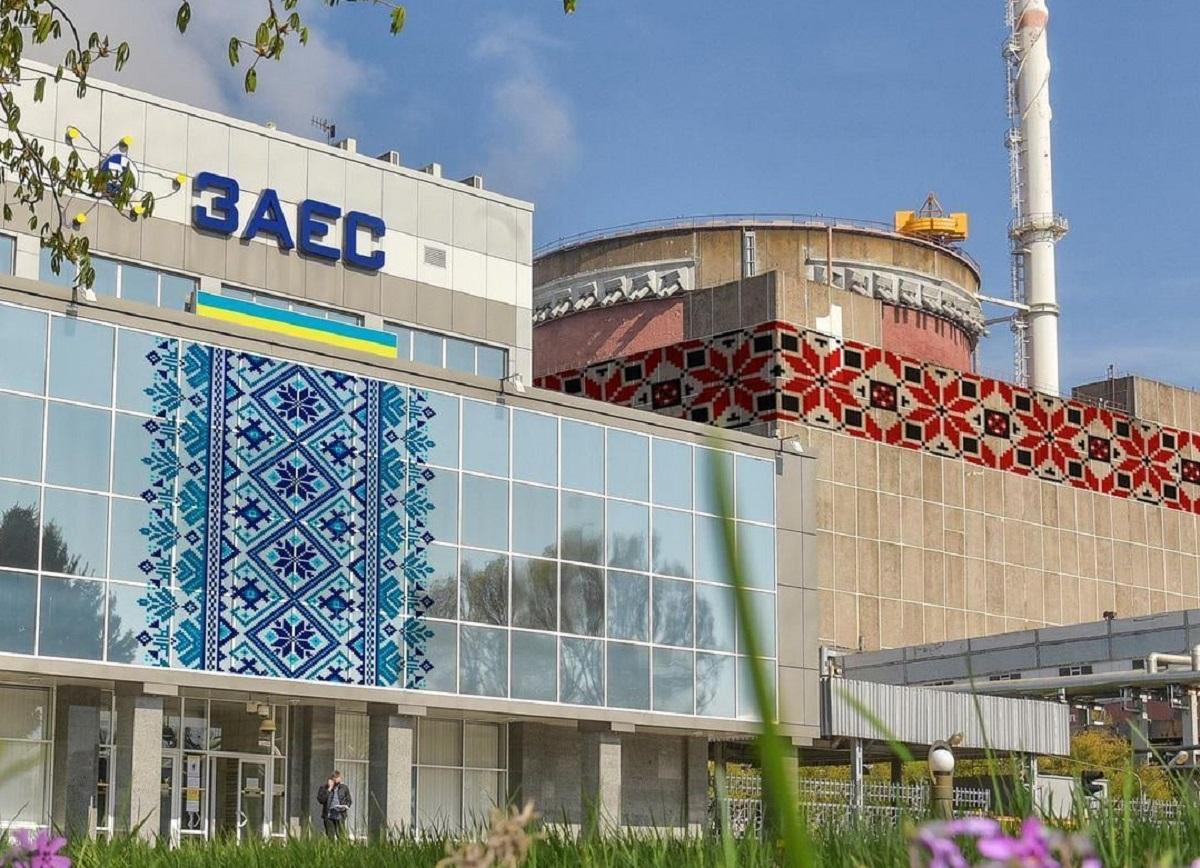
The statement came at an especially sensitive moment. Since 2022, the Zaporizhzhia nuclear power plant has been under Russian control, while formally remaining a Ukrainian facility in occupied territory. Both sides regularly accuse each other of actions that could endanger nuclear safety.
According to Daycom’s assessment, the main danger in this case lies not only in the incident itself, but in the way every event around the plant instantly becomes a political weapon. In a nuclear zone, even an unverified accusation carries more force than an ordinary wartime claim, because the risk extends far beyond the front line.
Likhachev stressed that the victims were part of the plant’s “core personnel,” directly involved in the safe operation of its equipment. That emphasis matters: a nuclear power plant depends not only on reactors, power lines and cooling systems, but also on people who know its technical condition and can act under pressure.
Personnel have become one of the most fragile elements of the occupied plant. Workers have lived for years under coercion, danger, political pressure and military uncertainty. Even when reactors are not operating in normal mode, the facility still requires constant monitoring, repairs, duty shifts, inspections and discipline.
If a specialist involved in repair work was indeed killed, the consequences are not only human but technical. At a nuclear facility, the loss of experienced personnel cannot be quickly replaced. Procedures can be transferred, but practical knowledge of a specific plant is built over years.
At the same time, the Russian accusation cannot be accepted as established fact without verification. Moscow controls the territory around the plant, access to information from Enerhodar is restricted, and drone warfare creates many possible scenarios: a direct strike, debris, air-defense fire, technical failure or another explosive factor.
For Ukraine, any incident around the Zaporizhzhia plant is especially difficult. Kyiv insists that Russia itself created the nuclear danger by seizing the facility, placing military infrastructure near it and turning an energy site into part of the occupation system. It is the occupation that made the plant part of the battlefield.
Russia, by contrast, seeks to present itself as the side supposedly protecting the plant from Ukrainian attacks. In that logic, every event in Enerhodar becomes a tool of pressure on Kyiv and international mediators. But the central cause of instability remains unchanged: the nuclear plant is controlled by the army of the aggressor state.
The Zaporizhzhia plant has long been one of the most dangerous symbols of this war. Its reactors are not an ordinary industrial asset. It is a facility where error, damage to infrastructure, loss of power supply or management chaos could have consequences for Ukraine, Russia, the Black Sea region and all of Europe.
That is why the issue of personnel is not secondary. Nuclear safety rests on procedure, discipline and people capable of performing complex tasks under stress. If plant workers become targets, hostages or instruments of propaganda, the risk shifts from the technical level to the systemic one.
Russia had already claimed in April that another plant employee was killed in an alleged Ukrainian drone attack. The repetition of such reports creates a dangerous frame: Moscow seeks to fix the image of Ukraine as a side threatening nuclear personnel, while Kyiv points to the primary responsibility of the occupier.
In this confrontation, the central point must not be lost. The question of whose drone, debris or munition caused a death must be established technically, not politically. But even the most precise forensic assessment would not erase the larger fact: no nuclear power plant should function under occupation and military pressure.
Enerhodar has become a city where civilian life, nuclear infrastructure and front-line logic are layered on top of one another. Engineers, operators and repair workers live in the same space as political control, military risk and information warfare. That is an abnormal condition for any nuclear facility.
For the international community, this incident should not become another occasion for an exchange of statements, but a reminder of the unresolved issue of demilitarizing the Zaporizhzhia plant. As long as the facility remains under Russian control and military pressure, every attack, fire, worker’s death or damaged power line will be not an accident, but a symptom of systemic danger.
Ukraine’s response, when issued, will matter. But independent establishment of the circumstances matters even more: the strike location, the nature of debris, air-defense activity, drone routes, the timing of the explosion, the condition of facilities and the real status of those killed or injured.
A person’s death, if confirmed, must not disappear behind diplomatic formulas. But a Russian accusation cannot automatically become fact merely because it involves a nuclear plant. In the Zaporizhzhia zone, truth matters no less than power supply, cooling and physical protection.
This incident has again shown how dangerous the very presence of war near a nuclear facility is. Russia seized the plant and turned it into part of its occupation landscape. Now every new claim of a strike or personnel death only underlines the obvious: nuclear safety cannot be stable where it is held hostage by war.