
















Russia’s fuel crisis is entering a new stage. After restrictions on gasoline sales to private drivers, queues at filling stations and administrative fuel distribution, Moscow is preparing to import jet fuel from North Asia. This is no longer a local problem at gas stations, but a sign of pressure across the wider energy system.
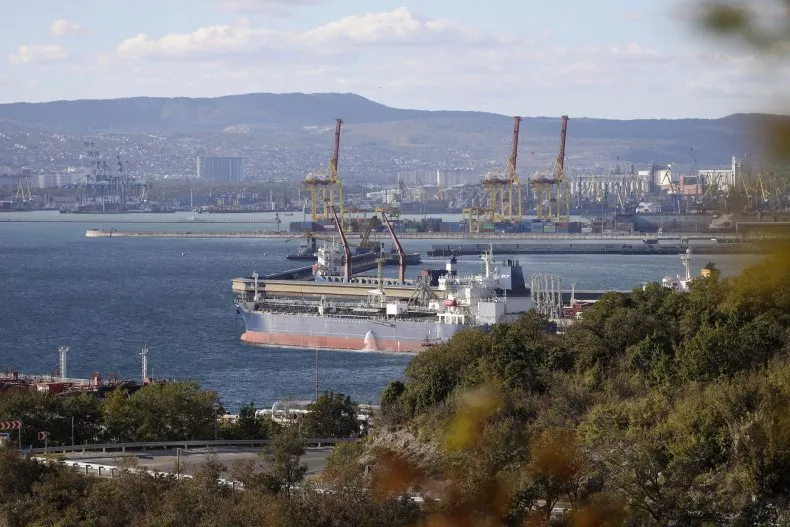
At least 200,000 barrels of jet fuel are expected to be loaded in Chiba, Japan, in the first half of July. The cargo is then expected to move through South Korea, probably via a ship-to-ship transfer near the port of Yeosu, before heading to Russia. Its final destination has not been publicly identified.
The route matters as much as the volume. When a country that spent years exporting petroleum products has to build a complex chain for importing aviation fuel through traders, tankers and a transfer near a third country, this does not look like a routine market operation. It looks like an emergency maneuver.
According to Daycom’s earlier analysis, Russia’s fuel crisis is becoming multilayered. At first, it was visible in gasoline supplies for the public. Now it is showing up in jet fuel — a resource that matters for civil aviation, military logistics, regional transport and the strategic mobility of the state.
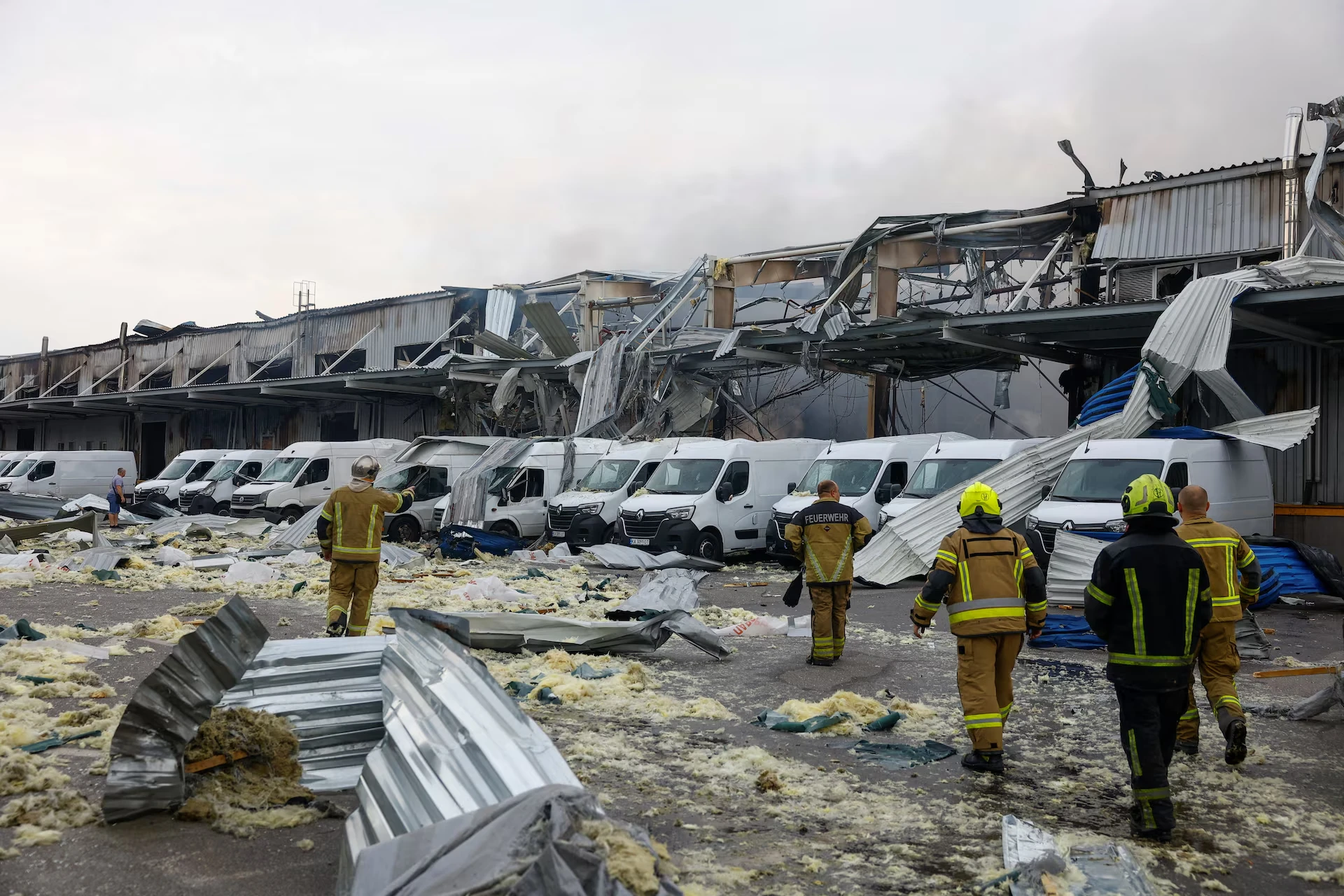
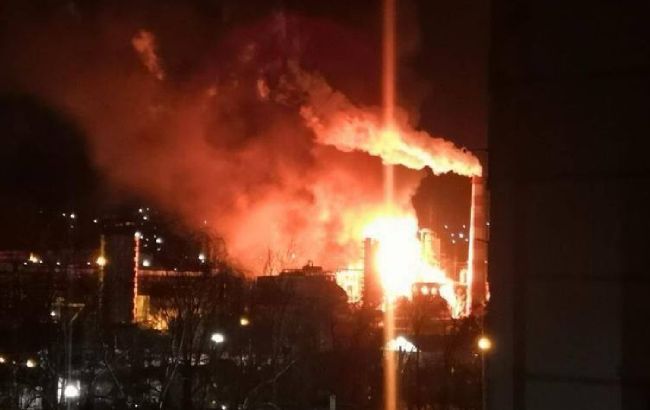
Ukrainian strikes on Russian refineries and oil depots are changing the balance inside a system long treated as one of the pillars of Russian resilience. Russia has oil, but that does not always mean it has enough finished product where it is needed. Crude cannot replace refining, storage tanks, additives, railways and stable logistics.
That is why the planned jet fuel import is so telling. Aviation fuel is not a mass commodity for filling-station queues, but its shortage can carry far deeper consequences. If gasoline affects daily life for citizens, jet fuel touches airlines, cargo transport, remote regions, military needs and state planning.
Russia used to sell aviation fuel abroad. This year, its jet fuel exports have fallen to roughly 13,000 barrels per day, compared with about 30,000 barrels per day last year. Turkey remains the main destination, but the broader trend is clear: the exportable surplus is shrinking.
Imports from North Asia do not mean Russia has exhausted all aviation fuel. They mean something else: the domestic distribution system has become less flexible, and certain nodes now need external support. In a large country with long routes, stretched logistics and an ongoing war, that is a dangerous symptom.
For the Russian Far East and Siberia, aviation fuel carries particular importance. Distances there often cannot be compensated for by roads or railways. Aviation remains a tool of connection, supply and governance. If shortages reach this segment, they can quickly become a regional problem.
A previous similar shipment from South Korea to Russia was far smaller — about 22,000 barrels in February 2022, delivered to Vladivostok. The expected 200,000-barrel cargo now looks less like an isolated episode and more like an attempt to close a visible gap.
The chain through Japan and South Korea also shows how war creates new gray routes of trade. Formally, fuel can move through traders, change vessels, pass through transfers and acquire a different commercial shell. But the political meaning of the route is obvious: Russia is searching for resources where direct channels are becoming increasingly inconvenient.
This does not necessarily violate a specific prohibition at every point in the chain, but it creates reputational and strategic risk for the countries and companies involved. When a commodity ultimately goes to a state waging a full-scale war, the technical neutrality of trade becomes less convincing.
Moscow is trying to compensate for strikes on its energy infrastructure in several ways at once. It is limiting gasoline sales in some regions, directing fuel to priority consumers, temporarily lowering quality standards for gasoline and diesel, looking for imported cargoes and increasing control at filling stations.
Each of these steps is not a sign of strength, but of narrowing room for maneuver. If a state has to distribute fuel by cards, restrict purchases, fight resale and import jet fuel from abroad, the crisis is no longer affecting a single facility. It is affecting the entire supply system.
Russia’s central challenge is the accumulation of effects. One damaged refinery can be covered by reserves. Several strikes can be offset through redistribution. But if attacks continue, repairs take time and logistics operate near their limit, every new disruption falls on a system that is already weakened.
This is especially important in wartime. The Russian army needs uninterrupted fuel supplies for equipment, aviation, rear bases, missile units and transport. Even if the military receives priority, civilian shortages show that resources must be redistributed more harshly.
Farmers have already warned that fuel shortages could disrupt the harvest. That moves the crisis from transport into food security and regional stability. Diesel for combines, gasoline for deliveries, fuel for elevators and logistics — all of it belongs to one chain that cannot be replaced by an order.
This is where Ukraine’s strategy of pressure becomes clear. Its aim is not simply to set another storage tank on fire, but to force Russia to spend resources on repairs, imports, protection, alternative routes, domestic limits and political reassurance. The war must become more expensive for the state that began it.
Russia, meanwhile, continues to strike Ukrainian cities and energy facilities, trying to break Ukraine’s civilian resilience. But attacks on Russia’s fuel system follow a different logic: to hit what materially sustains aggression. Refining, jet fuel, logistics and export nodes are not the periphery of the war. They are its fuel heart.
Imports from North Asia will not save the Russian system if the cause of the shortage remains. They may temporarily cover a specific need, but they will not remove the vulnerability of refineries, depots, railways and ports. The longer the supply chain becomes, the more expensive and politically visible each barrel will be.
For the Kremlin, the problem is also symbolic. An energy superpower forced to bring in aviation fuel through a complicated Asian route loses part of its own image. Propaganda can speak of control, but the market sees something else: shortages, imports, limits, transfers and the search for substitutes.
This story shows that the war is moving deeper into the realm of industrial endurance. Victory is not determined only by who has more oil underground, but by who can refine, move, protect and distribute resources under attack. Russia launched a war of attrition against Ukraine, but now it is feeling the mechanics of attrition itself.
Jet fuel from Japan through South Korea is not just a commercial cargo. It is a marker that Ukrainian strikes on Russian energy infrastructure have begun to change the behavior of a major oil producer. Moscow still has resources, but increasingly it must spend them not on the offensive, but on patching its own system.
If this trend continues, Russia’s fuel crisis will stop being a collection of regional disruptions. It will become a long test for the war economy, transport, agriculture, aviation and domestic stability. Each imported barrel will then be more than fuel. It will be proof that the war is returning to Russia through its most important arteries.