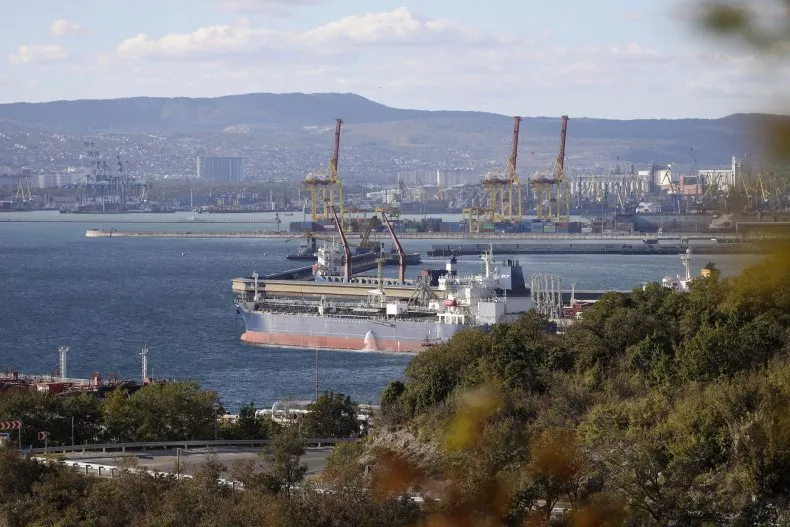






















Russia’s oil industry, long one of the Kremlin’s main sources of financial resilience, is moving deeper into a mode of internal mobilization. The question is no longer only how much crude can be sold abroad, but how much must be kept at home to stop the domestic fuel market from slipping out of balance.
Igor Sechin, the head of Rosneft, has proposed that Russian oil companies send at least 30% of the crude they produce to domestic refineries. His letter to Vladimir Putin comes as Ukrainian strikes on Russian energy infrastructure intensify and shortages of gasoline and diesel become more visible across the regions.
The proposal matters not merely as a technical measure for the government. It reveals a conflict between two needs: preserving export revenue from crude oil while also keeping the domestic market supplied with fuel. In a peacetime economy, that balance could be managed through taxes and logistics. In a wartime economy, it increasingly requires direct administrative control.
According to Daycom’s assessment, Sechin’s letter is a symptom of a deeper shift: Russian oil is no longer only a source of income. It is increasingly becoming a resource of internal stability. When gasoline disappears from filling stations and diesel has to be held back at home, the export advantage of a major oil producer no longer looks unconditional.
Rosneft carries particular weight in this debate. The company is a central player in Russia’s oil sector and controls a significant share of both production and refining. That makes Sechin’s proposal sound less like a private corporate initiative and more like a signal from the core of the system.
Formally, the idea of a minimum domestic refining share may look like an attempt to discipline companies. In practice, it means much more: the state wants to bind oil production more tightly to the needs of the domestic fuel market, even when exporting crude remains easier and more profitable for parts of the industry.
This is where a weak point in the Russian model becomes clear. Producing oil is not the same as reliably producing gasoline, diesel and aviation fuel. That requires functioning refineries, stable logistics, repair capacity, electricity, personnel and protected supply routes. Ukrainian strikes are increasingly hitting precisely those links.
Fuel shortages are no longer limited to occupied Crimea. Reports of disruptions, sales limits and shortages of certain grades of gasoline and diesel have emerged from different Russian regions. Against that backdrop, the government has begun discussing new export restrictions, including a possible ban or partial suspension of diesel exports.
For the Kremlin, this is an uncomfortable political calculation. Russia remains one of the world’s largest oil producers, but that status alone does not guarantee stability in the domestic fuel market. When refining capacity is damaged or unstable, a country can have crude oil and still face shortages of finished fuel.
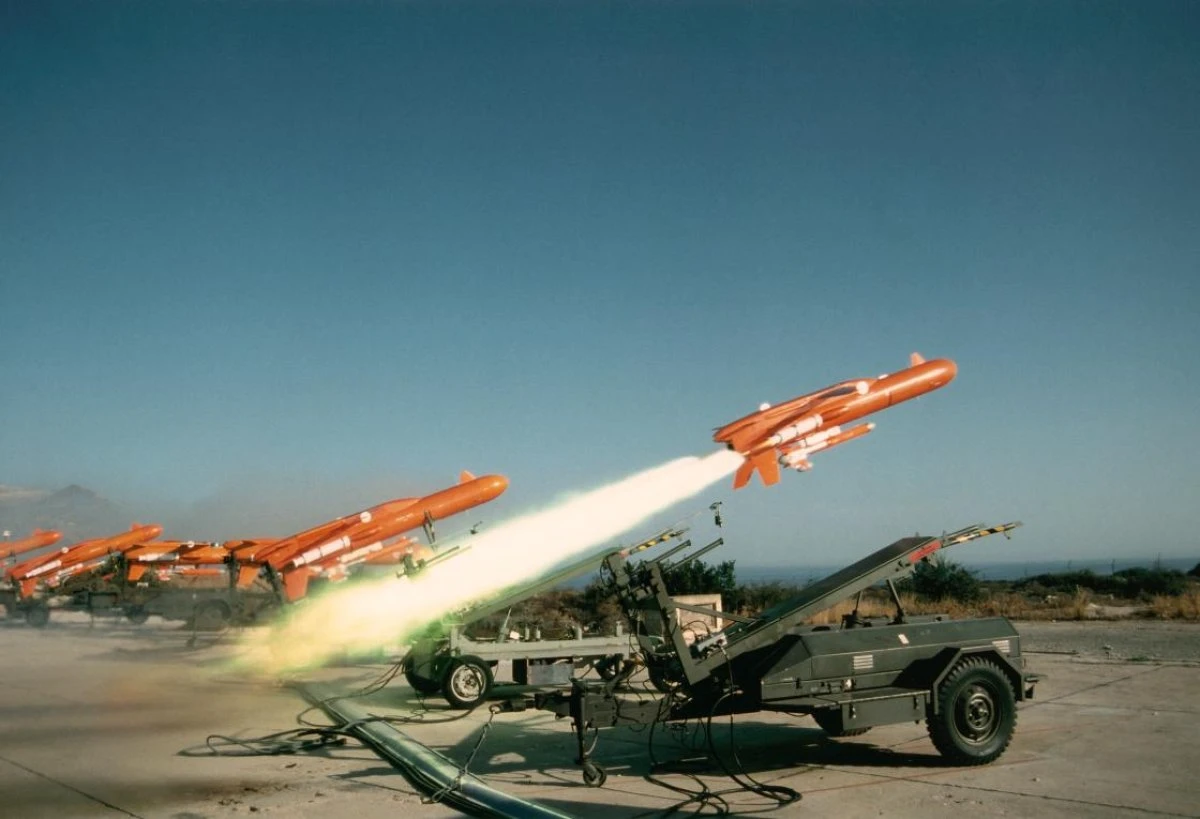
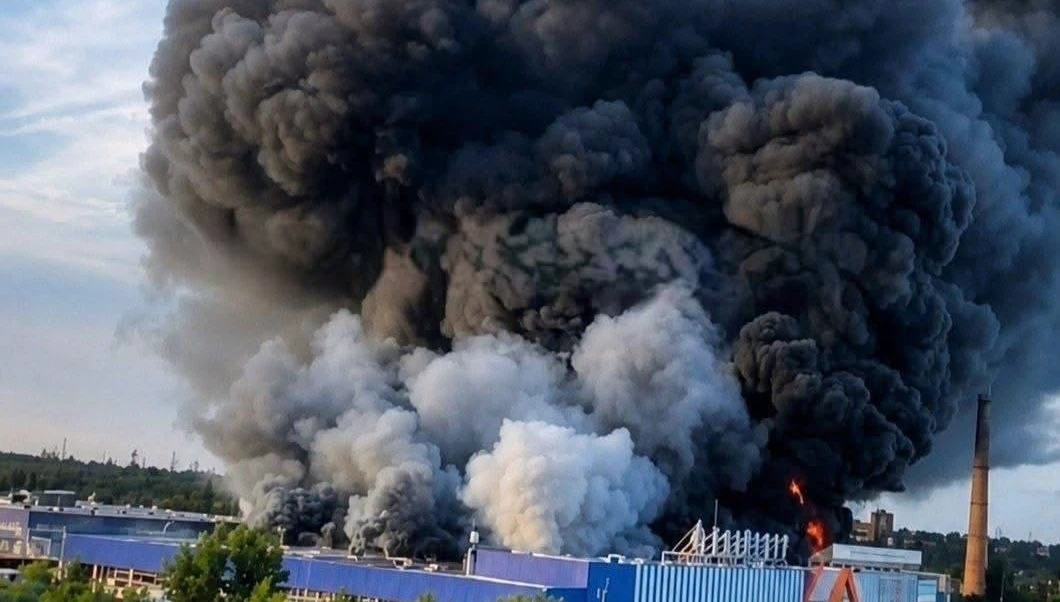
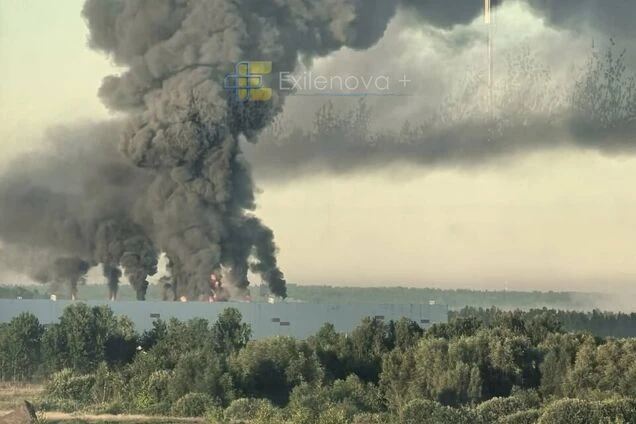
Ukraine’s campaign against Russian energy infrastructure is changing that logic. A strike on a refinery does not always shut down the entire sector immediately, but it triggers a chain of consequences: repairs, redirected flows, lower output, nervous traders, regional shortages, administrative decisions and political pressure on companies.
In June, the Russian market was already feeling the strain through lower gasoline production and reduced seaborne exports of oil products. For an oil power, this is particularly sensitive: fuel exports bring in hard currency, but domestic shortages create social risk. The authorities are forced to choose between external revenue and internal reassurance.
That is why tougher proposals are now appearing. Mandatory domestic refining of 30% of production would effectively turn oil companies into participants in a state crisis-management scheme. They would be expected not merely to maximize profit, but to maintain fuel availability for a country at war and increasingly under attack on its own infrastructure.
The problem is that an order can redirect crude flows, but it cannot instantly restore complex technological units. If refineries are damaged, overloaded or forced to postpone maintenance, additional crude inside Russia does not automatically become stable gasoline at the pump.
That is why a stronger domestic refining requirement looks less like a sign of strength than an attempt to cover cracks in the system. The Kremlin cannot allow fuel shortages to become visible proof of the vulnerability of its war economy. Yet every new export pause, quota or administrative measure shows that the market is no longer operating normally.
For Ukraine, the strategic logic of such strikes is clear. The aim is not only to destroy individual tanks or refinery units. It is to raise the cost of Russia’s war: more expensive repairs, more complicated logistics, less export flexibility, greater budget pressure and rising tension between the state and raw-material corporations.
Russian oil companies now stand between sanctions, wartime risks, budget demands and the requirement to supply the domestic market. In this structure, Sechin is acting not only as the head of the largest company, but also as a representative of an industry asking the Kremlin to formalize new rules of the game.
If the proposal is implemented, Russia’s oil sector will become even less market-driven and even more subordinated to wartime logic. Exports will remain important, but domestic fuel will increasingly be treated as a resource of political stability, military mobility and control over the regions.
That is the central conclusion. Ukrainian strikes on refineries do not merely reduce processing volumes. They force Russia to rewrite the rules of its own oil market, redirect crude, restrict exports and acknowledge that even in a country of abundant oil, fuel can become a scarce wartime resource.