



















Russia’s war is increasingly entering the most ordinary places of Ukrainian life. Not only energy hubs, bridges or military facilities, but filling stations, bus routes, stops and roads — the routes by which people try each day to preserve normality under shelling.
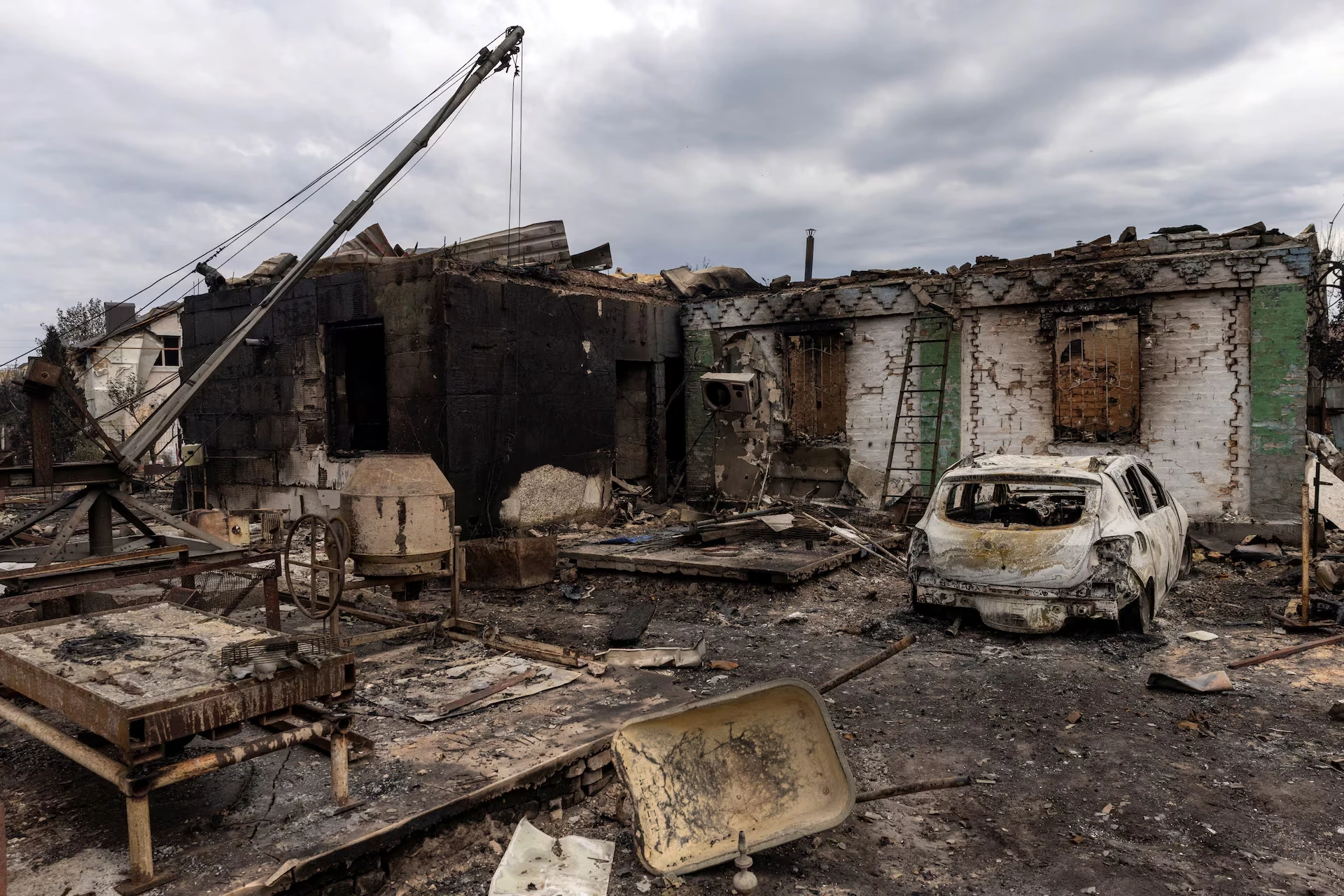
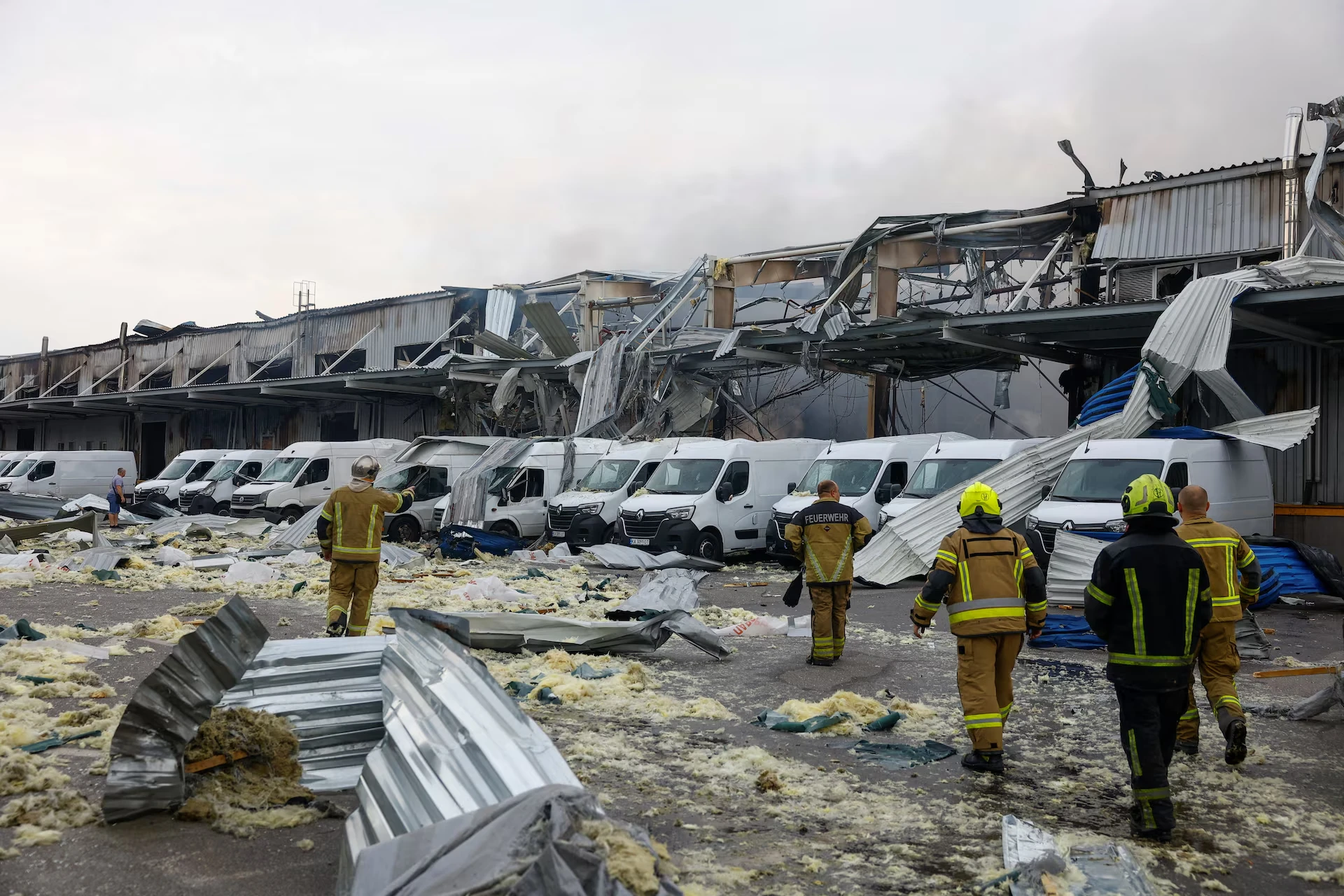
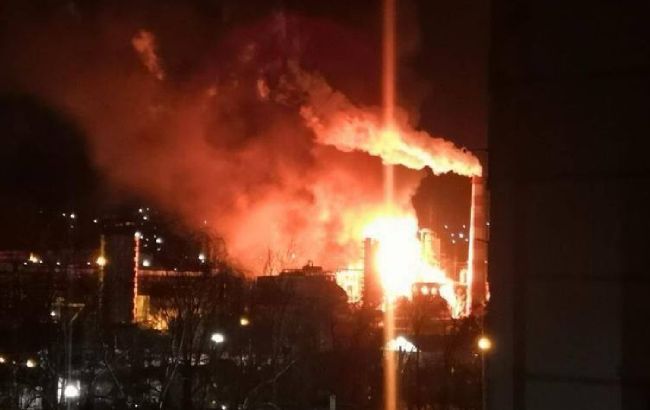
Overnight, Russia attacked five retail fuel stations in Dnipropetrovsk region. A woman was killed, and three other people were wounded. Formally, this was a strike on fuel infrastructure. In reality, it was a strike on a space where civilian life depends on the ability to move, work, evacuate and help others.
The same day, a Russian drone attacked a passenger bus in Kherson. Two people were killed and five were wounded. In a front-line city, a bus is not just transport. It is a connection between districts, hospitals, work, home and those parts of the city where life is still trying to keep to a route.
According to Daycom’s earlier analysis, such strikes show a shift in the focus of Russian pressure: Moscow is increasingly targeting the infrastructure of everyday life. A filling station, a minibus, a bus, a local shop or a service station becomes not a random object, but a node of civilian resilience.
This tactic is especially visible in front-line regions — Zaporizhzhia, Sumy, Kharkiv, Dnipropetrovsk and Kherson. There, almost daily attacks on roads, fuel stations, service vehicles and bus stops are gradually forming another geography of the war: the front runs not only through trenches, but through routes of movement.
Fuel matters more in such a war than it may seem. It is needed not only by the military. It is needed by ambulances, rescuers, evacuation teams, volunteers, utility workers, farmers, doctors, small businesses and families who must decide whether to stay home or leave after another strike.
When Russia attacks filling stations, it strikes at a region’s ability to move. This does not always stop a city immediately, but it creates a chain of consequences: less fuel, longer routes, greater risk for drivers, harder evacuations, more expensive logistics and a slower response after the next attack.
For Dnipropetrovsk region, this strike has particular meaning. The region has become one of the key rear areas of the war: evacuation flows, medical routes, industrial work, military logistics and humanitarian support all pass through it. In such a region, a filling station is part of the nervous system, not merely a commercial point.
Kherson lives in an even harsher reality. After the liberation of the city’s right bank, Russian forces continued to terrorize it daily from the opposite side of the Dnipro River. Drones there have become weapons of hunting movement: they attack buses, cars, ambulances, cyclists, utility workers and pedestrians.
That is why the attack on a passenger bus is not an isolated tragedy. It fits into a broader practice in which civilian transport is turned into a target. Russia is trying to make movement itself dangerous, so that people fear not only an explosion, but also the road to work, hospital or relatives.
The strike on fuel stations and the strike on a bus are connected by one logic: to deprive civilian life of support. If there is no safe road, no stable fuel supply and no confidence that transport will arrive, a city and region begin living in a state of constant contraction. People move less, services work under greater strain, and businesses stop more quickly.
It is also a method of psychological exhaustion. Large missile attacks destroy loudly and at scale. Strikes on filling stations, buses and local routes work differently: they embed fear into routine. A person begins to calculate risk not only during an air alert, but every time they board a bus or pull up to a pump.
Russia has long tried to present its strikes as attacks on military or infrastructure targets. But in front-line cities, that distinction often collapses against reality. A filling station serves not an abstract “infrastructure,” but specific people. A bus carries not a military map, but passengers.
This is where the war becomes a struggle not only for territory, but for the rhythm of life. Ukrainian cities repair roads after every strike, restore routes, search for fuel, evacuate the wounded, reopen shops and restart transport. This is not a secondary rear process. It is part of society’s defense.
Russian attacks on fuel stations in Ukraine have another contrasting dimension. At the same time, Ukrainian strikes on Russian oil refining are creating fuel shortages inside Russia. Moscow responds by hitting Ukrainian filling stations, but the difference is essential: Ukraine is trying to strike the system that feeds aggression, while Russia is hitting civilian routes of survival.
That difference matters for the international understanding of the war. When retail fuel stations and passenger buses come under attack, this is not merely a tactical episode. It is an attempt to make Ukrainian regions less livable, less mobile and more exhausted.
For local authorities, such strikes mean constant emergency management. They must fight fires, treat the wounded, inspect other facilities, reroute transport, secure fuel for services and calm residents all at once. Every strike creates not one problem, but an entire knot of decisions.
For civilians, it is even harder. People in front-line regions have long learned to live beside danger, but repeated strikes on transport and fuel infrastructure take away the sense of control. If even a trip for fuel or a bus route can become deadly, the war narrows the space of personal freedom.
This is exactly what Russia’s strategy of exhaustion seeks to achieve. It aims not only to destroy objects, but to make society lose the ability to act with confidence. Every decision — whether to go or stay, work or close, remain or leave — is meant to be made under the pressure of fear.
Ukrainian resilience rests on the opposite. After strikes on filling stations, fuel is found for ambulances and rescuers. After attacks on buses, routes are changed, but the right of people to the city is not abandoned. After every strike, local services rebuild what Russia is trying to turn into chaos.
The overnight attack on filling stations in Dnipropetrovsk region and the strike on a bus in Kherson are therefore not two separate news items. They are one image of a war against everyday life. Russia is striking the places where a city breathes, moves and keeps its connection with itself.
That is why the response to such attacks cannot be limited to repairing destroyed facilities. Ukraine needs stronger air defense, protected routes, mobile anti-drone teams, fuel reserves, rapid evacuation protocols and international recognition that civilian infrastructure has become a line of defense.
When a filling station and a bus become targets, the war finally moves beyond the front-line map. It passes through the fuel tank of an ambulance, through the route of a Kherson bus, through a queue at a pump, through a family’s decision to leave or stay. Russia is trying to break Ukrainian daily life. Ukraine responds by restoring its movement again and again.