


















On April 4, the Middle East war moved decisively beyond direct military confrontation. The search for a missing American airman, the strike on Iran’s petrochemical core, alarm around Bushehr, attacks across the Gulf and new blows in Lebanon combined into a day in which the true target was no longer only armies, but the governability of the region itself.
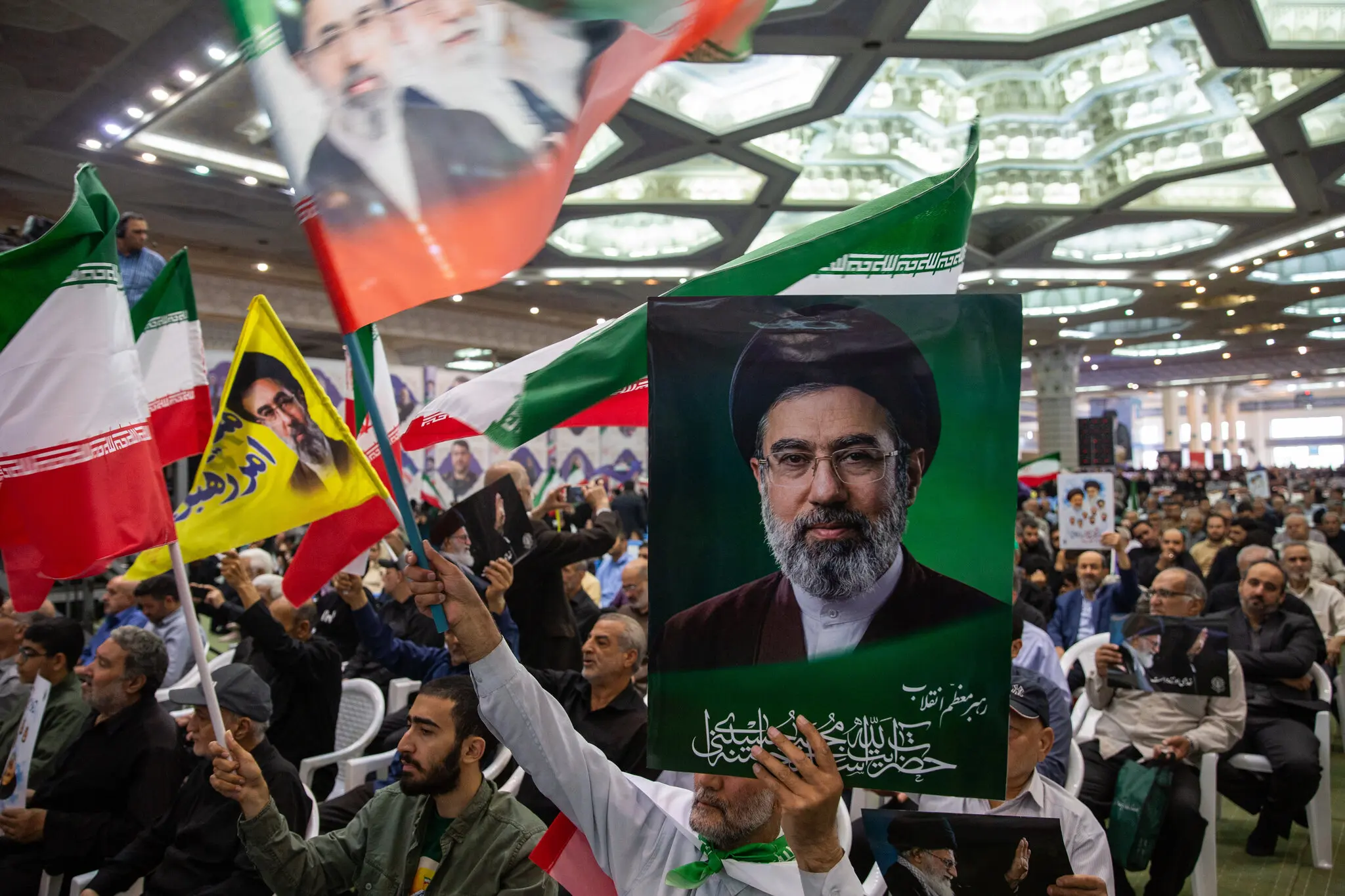
Saturday, April 4, did not produce a single decisive battle. What it produced instead was something more important: proof that the war has entered a different phase — stretched, layered and increasingly difficult to contain. Its logic is no longer confined to strikes on military targets. It now works through infrastructure, energy systems, transport arteries, psychological pressure and the deliberate widening of danger from Tehran to the Gulf and from Lebanon to Israel’s rear.
The clearest thread running through the day remained the fate of the second crew member from the American F-15E shot down the day before. By Saturday evening, the U.S. search-and-rescue operation had entered its second day, and Washington’s inability or unwillingness to offer a clear public update only deepened the political weight of the incident. In wars like this, a missing airman is no longer just a military problem. He is a potential propaganda asset, the seed of a hostage crisis and a direct blow to the image of air superiority the White House had been trying to project.
In Deycom’s preliminary assessment, that episode revealed the deepest shift of all. If the United States and Israel had previously tried to frame the campaign in the language of dominance in the skies and rapid attrition of Iran’s capabilities, the war itself is now imposing another language: the language of cost, vulnerability and prolonged aftershock. A downed aircraft, a dangerous rescue mission, helicopters under fire and the nervous public silence from Washington all point to the same conclusion. Control of the air no longer guarantees control of the narrative.

Even more consequential than the human drama was the character of Israel’s strikes inside Iran. The attack on the Mahshahr Special Petrochemical Economic Zone was not simply another strike on an industrial site. It hit one of the systems through which Iran sustains exports, hard-currency earnings, regional employment and entire chains of downstream production. By targeting the utility nodes that supply power, gas and industrial water to the wider complex, the strike followed a more ambitious strategic logic: there is no need to destroy every plant if the infrastructure that keeps all of them alive can be broken instead.
That is why Mahshahr on Saturday became more than a location. It became a symbol of how the target set is changing. The war is becoming less focused on military hardware alone and more focused on the economic anatomy of the Iranian state. If the earlier phases of the conflict centered on air defenses, airfields, command nodes and missile sites, the current phase is beginning to strike what allows a country to produce, export, pay wages and preserve social stability. This is no longer only a campaign of battlefield pressure. It is beginning to resemble industrial attrition.
At the same time, Saturday pushed the war closer still to a nuclear threshold. Near the Bushehr nuclear power plant, one person was killed and an auxiliary building was damaged. The IAEA emphasized that no increase in radiation levels had been detected. Yet that very formula — no radiation increase — now sounds less reassuring than alarming. It means not that the danger is absent, but that the line was not crossed this time. The strike near Iran’s only operating nuclear power plant again demonstrated just how thin the boundary has become between conventional escalation and a nuclear-security crisis for the entire Gulf.

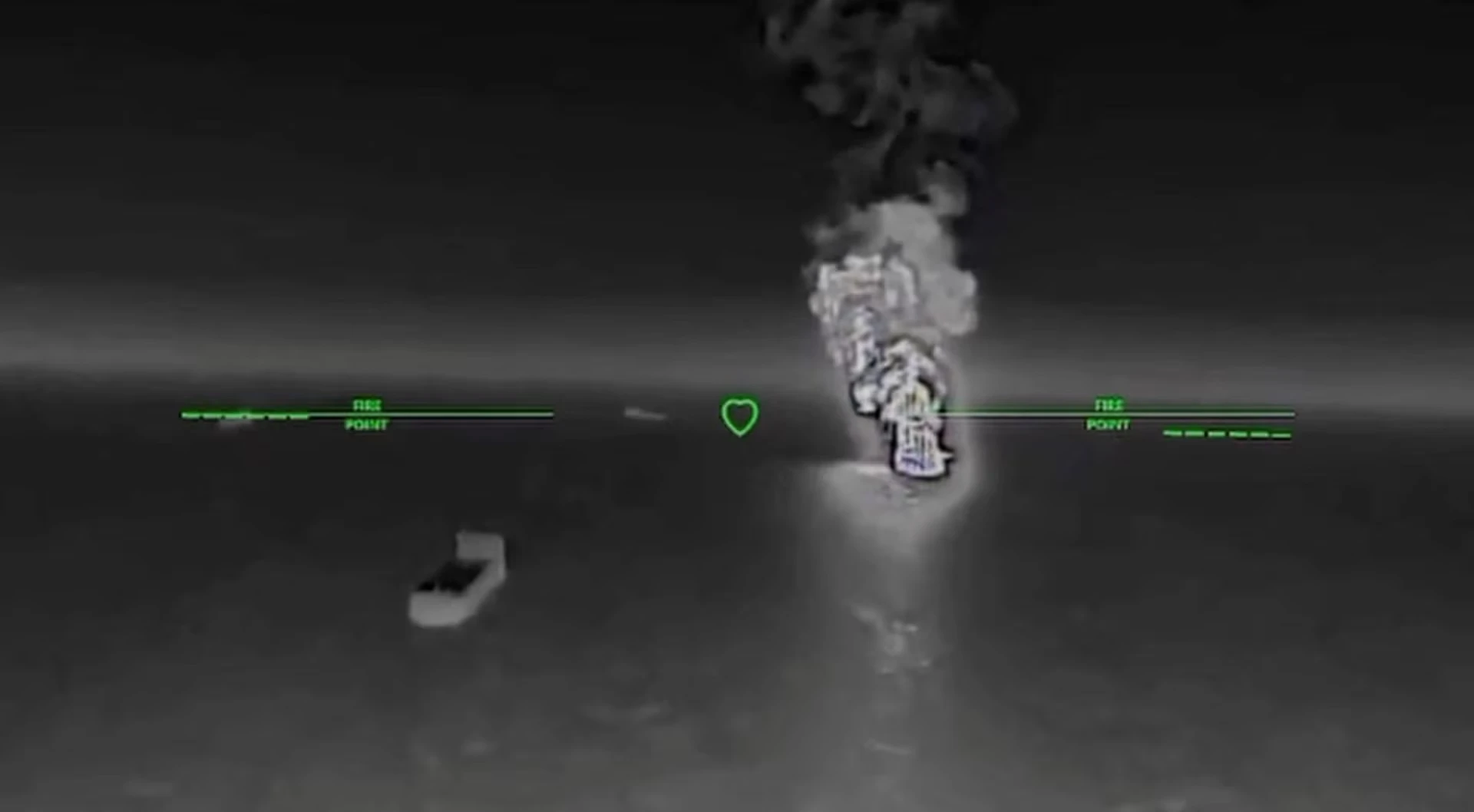
A third dimension of the day was the Persian Gulf itself. Reports of dozens of ballistic missiles and drones intercepted by the UAE and Kuwait showed that the war is no longer confined to the central belligerents. It is now operating as a system of spreading risk. The conflict is dragging into its orbit states that are at once American partners, energy arteries for the global economy and potential hostages of logistics panic. Against that backdrop, Donald Trump’s threat to give Iran 48 hours to stop obstructing the Strait of Hormuz did not read as a de-escalatory gesture. It read as an admission that Hormuz has become the central nerve of the war.
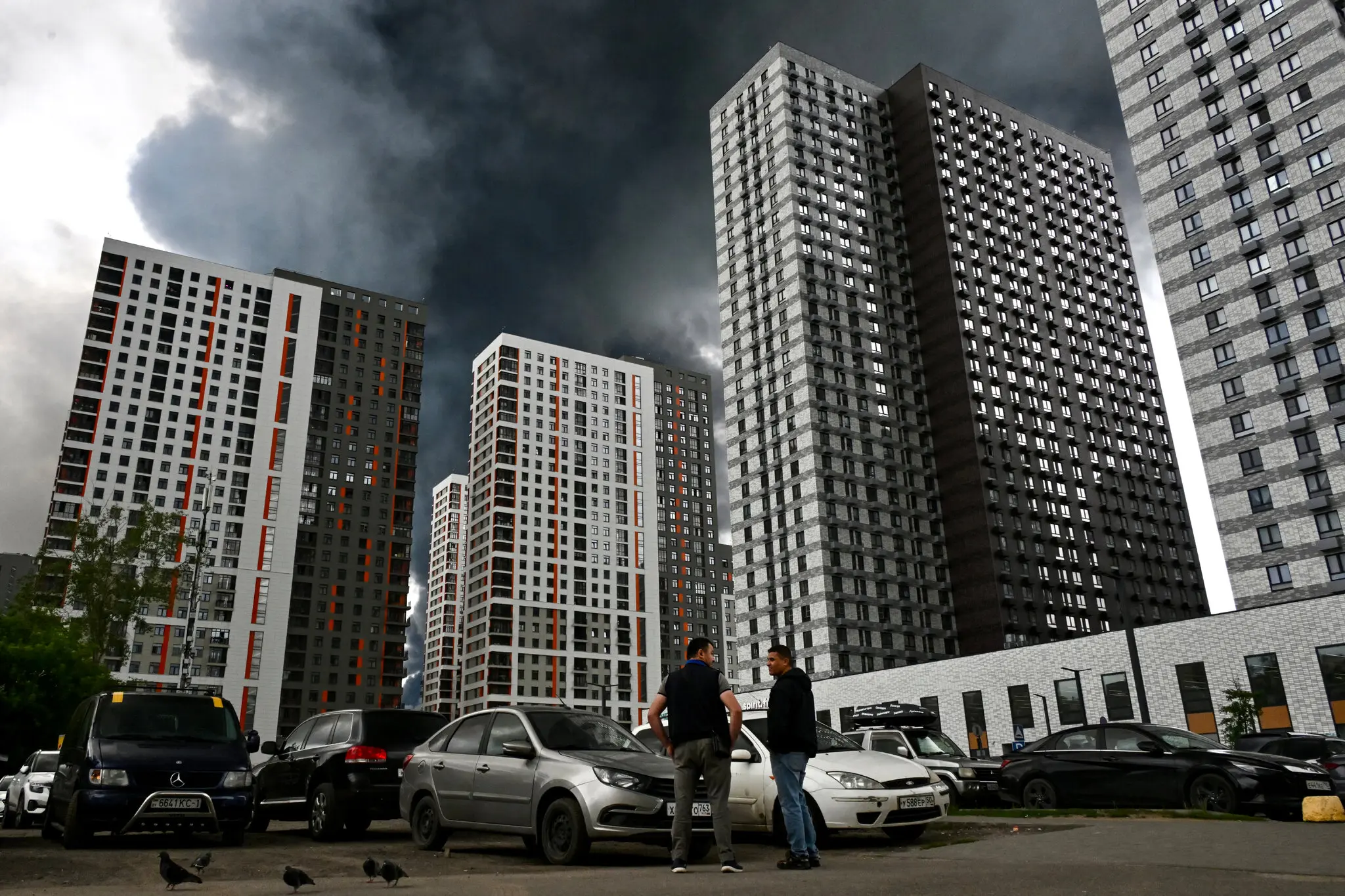
The fact that Iran continued to strike Israel while Israel continued to hit Lebanon completed the picture. The attack on Tyre and the new strikes on Beirut and Dahiya made clear that the Lebanese front can no longer be treated as secondary. It has become part of the same war of exhaustion, where the objective is not only to weaken armed groups but to keep civilian populations moving, fracture urban rhythm and erase the distinction between front line and rear. This is a war that increasingly lives not along a line of contact, but inside a geography of fear.
What mattered most by the end of the day was not the number of strikes, but the way they fit together. The search for the missing American, Mahshahr, Bushehr, Hormuz, the new attacks across the Gulf and the renewed bombardment in Lebanon were no longer separate headlines. They formed one coherent structure. The target is increasingly everything that keeps a state alive: airspace, industry, sea lanes, energy systems, urban life, symbols of security and the basic feeling that events remain governable.
That is why Saturday should be read as a day of major transition. The war is no longer simply expanding. It is becoming systematized. It is finding a new logic: to strike not only at an adversary’s ability to fight, but at its ability to exist normally after the fighting. And the longer this phase continues, the harder it will be to speak of the Middle East as a region of separate battlefields. It is beginning to look instead like a single field of interlinked vulnerability.