























The fifth week of war in the Middle East ended with an episode that sharply altered both the military and political logic of the conflict. A U.S. F-15E was shot down over Iran. One crew member was rescued. The other, as of Saturday, remained the object of a search involving both American forces and Iranian authorities. In wars of this kind, the mere fact of a recovery mission deep inside hostile territory is already a sign that the campaign has entered a more perilous stage.
The significance of that moment extends well beyond the loss of a single aircraft. It was the first confirmed case in this war in which Iran brought down a U.S. combat jet. In doing so, it punctured one of the central assumptions of recent weeks: that Iran’s air defenses and retaliatory capacity had been so thoroughly degraded that they could no longer meaningfully shape the course of the campaign.
The surrounding context made the blow more consequential. During the rescue effort, a U.S. Black Hawk came under fire. Nearly at the same time, an A-10 was also lost near the Strait of Hormuz. Whatever the precise causes of those incidents, the broader conclusion is unmistakable: American air superiority in the Iranian theater no longer looks absolute, and each new operation is beginning to carry a steeper price.
The fifth week of war in the Middle East ended with an episode that sharply altered both the military and political logic of the conflict. A U.S. F-15E was shot down over Iran. One crew member was rescued. The other, as of Saturday, remained the object of a search involving both American forces and Iranian authorities. In wars of this kind, the mere fact of a recovery mission deep inside hostile territory is already a sign that the campaign has entered a more perilous stage.
The significance of that moment extends well beyond the loss of a single aircraft. It was the first confirmed case in this war in which Iran brought down a U.S. combat jet. In doing so, it punctured one of the central assumptions of recent weeks: that Iran’s air defenses and retaliatory capacity had been so thoroughly degraded that they could no longer meaningfully shape the course of the campaign.
The surrounding context made the blow more consequential. During the rescue effort, a U.S. Black Hawk came under fire. Nearly at the same time, an A-10 was also lost near the Strait of Hormuz. Whatever the precise causes of those incidents, the broader conclusion is unmistakable: American air superiority in the Iranian theater no longer looks absolute, and each new operation is beginning to carry a steeper price.
In Deykom’s preliminary assessment, this is the point at which the war crosses an important threshold. It no longer resembles a short coercive campaign with a predictable end state. It is increasingly taking the shape of a war of endurance, where the decisive question is not simply how much damage can be inflicted, but whether logistics, crews, supply routes, air defenses, energy systems, water infrastructure, and political cohesion can all be kept intact under sustained pressure.
Against that backdrop, the Israeli strikes on Tehran overnight into Saturday acquired a wider meaning. Residents described some of the heaviest bombardment since the conflict began. The targets reportedly included sites tied to air defense and ballistic missiles, suggesting that Israel was not merely responding to immediate threats, but trying to dismantle the architecture of Iran’s ability to contest the skies over its own capital.
That, in turn, exposes the central paradox of this phase of the war. The more intense the bombardment of Tehran becomes, the clearer it is that Iran still retains tools of response: ballistic missiles, drones, dispersed air defenses, ground fire, and an ability to stretch the geography of risk far beyond its own borders. A campaign that was framed as a steady process of suppression now looks more like a struggle against a damaged but still functioning defensive system.
A separate and even more alarming dimension of risk emerged near the Bushehr nuclear power plant. A projectile struck the perimeter of the facility, killing one person, though there was no reported rise in radiation levels. That detail matters, but not because it is reassuring. Bushehr has not become a nuclear disaster. Yet the simple fact that active combat has come this close to an operating nuclear site changes the scale of danger for the entire region.
For the Middle East, this means the line of war is no longer drawn only through military bases and missile positions. It now runs through critical infrastructure. The Bushehr plant, the Strait of Hormuz, Gulf oil and gas facilities, and the capital of Iran itself have become parts of one shared zone of vulnerability. Once war moves to the edge of a nuclear installation, it ceases to be merely a regional military confrontation and becomes a crisis of nuclear security.
For the White House, this phase is especially uncomfortable. Claims that Iran had effectively lost its anti-aircraft capacity now collide with a stark and visible contradiction: a U.S. fighter jet shot down, an American airman missing, a rescue mission under fire, and the geography of danger expanding by the day. Even if political rhetoric continues to insist on persistence, the military reality is already demanding a different language—less triumphant, more cautious, and far more costly.
For Tehran, by contrast, even a limited success becomes a strategic asset. In an asymmetric war, symbolic effect can matter as much as battlefield destruction. It is enough to show that an American aircraft can be brought down, that a rescue effort can be disrupted, and that the capital, despite repeated strikes, cannot simply be erased from the operational map. In that logic, a single episode can reshape regional psychology more effectively than a dozen official speeches.
That is why this stage of the conflict can no longer be understood as a tally of strikes and counterstrikes. Iran, Israel, the United States, Tehran, the F-15E, the Strait of Hormuz, the Bushehr nuclear plant, Iranian air defense, ballistic missiles, air raids, nuclear risk, regional escalation, the search for a pilot, the crisis in the Middle East—these are no longer separate story lines. They now form a single system in which one military incident instantly becomes a diplomatic, энергетic and psychological shock across the region.
Saturday’s events, then, should not be read as another installment in a running battlefield chronology. They mark a revealing turn in the war itself. The central question is no longer only how quickly the United States and Israel can weaken Iran. It is how much longer the region can endure a conflict in which airspace, a capital city, maritime chokepoints, and a nuclear facility have fused into one continuous line of strategic danger.
















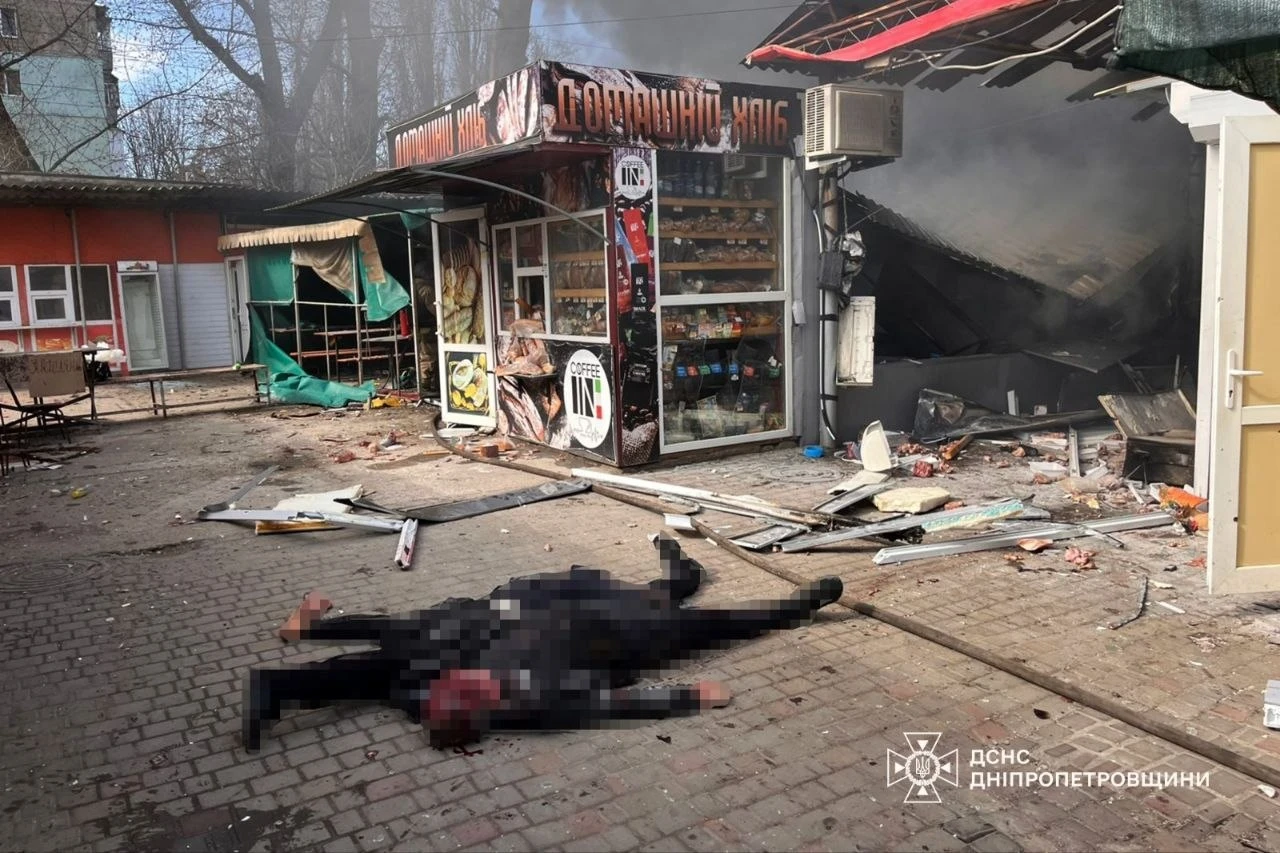
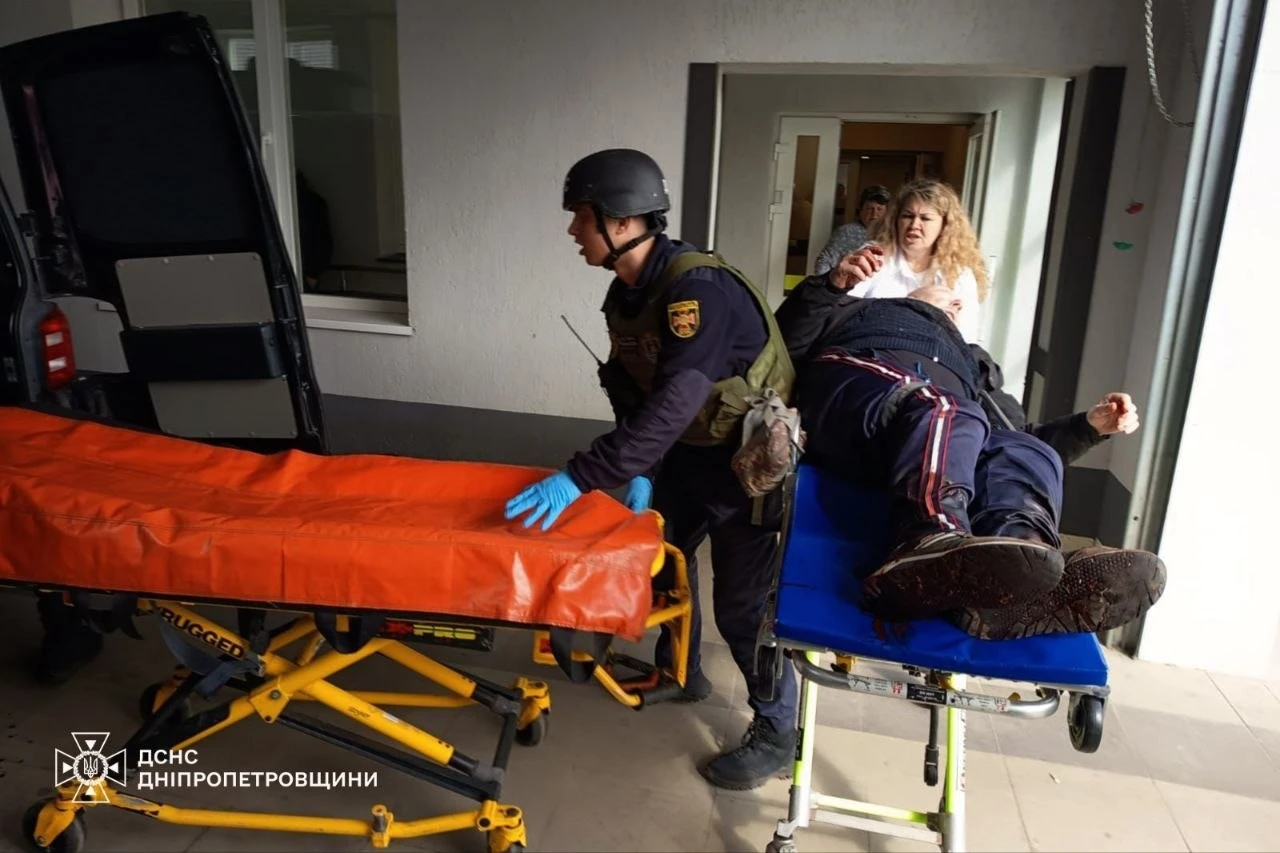

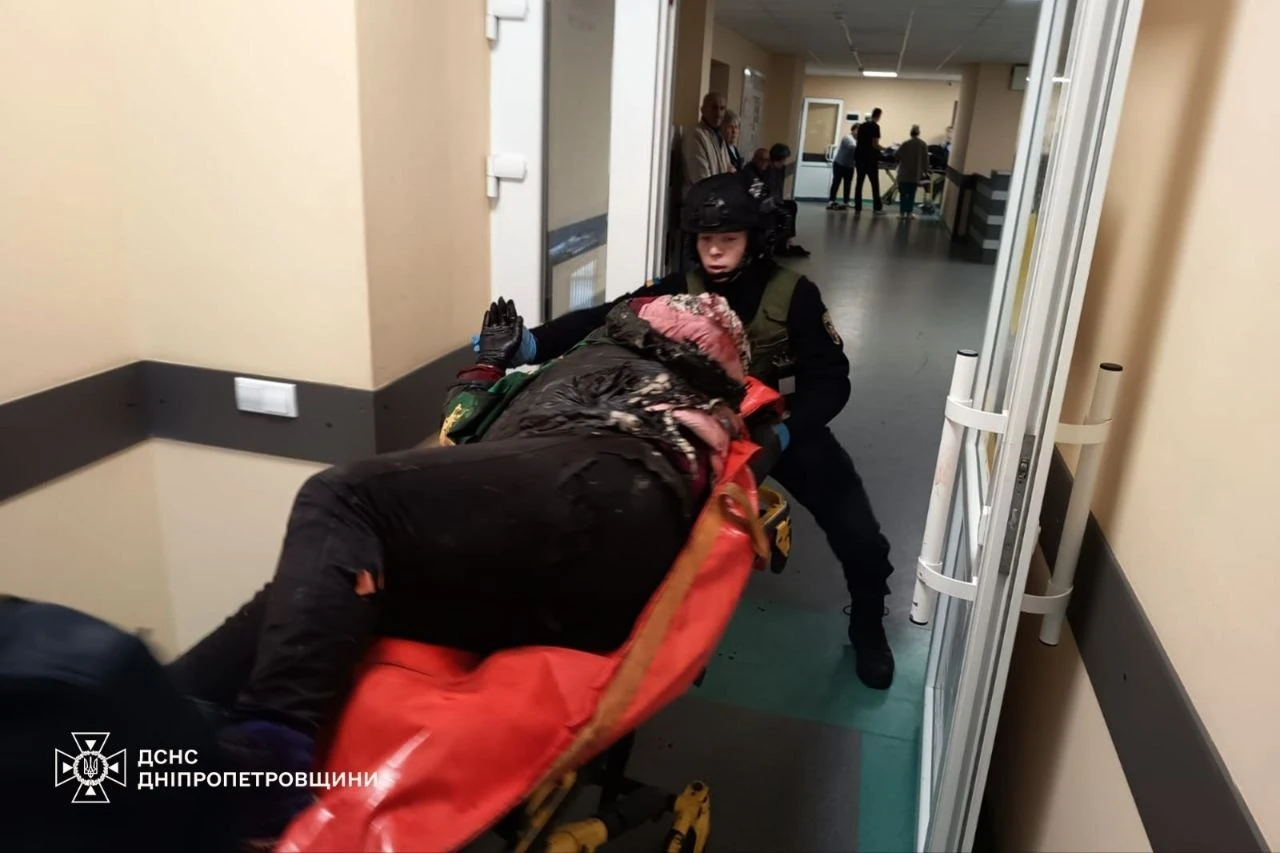
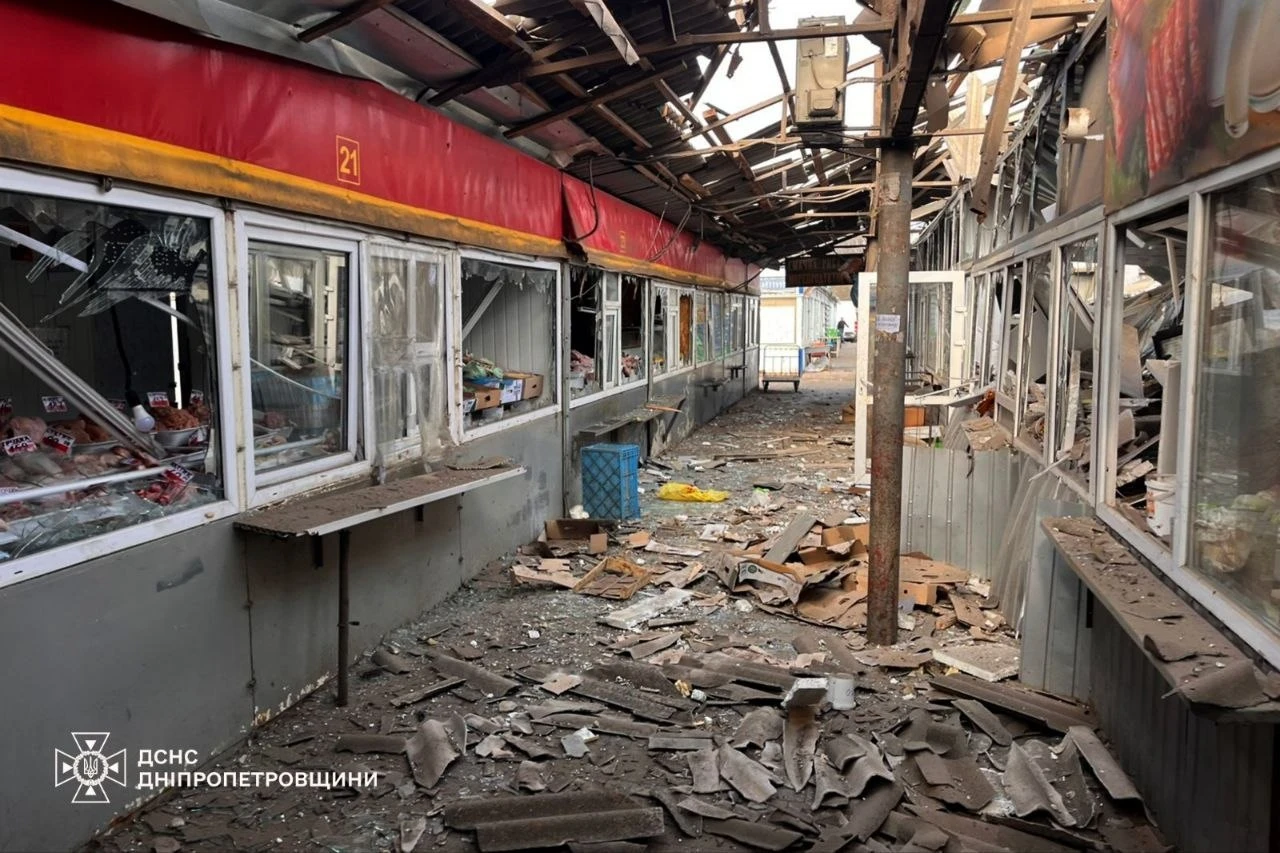
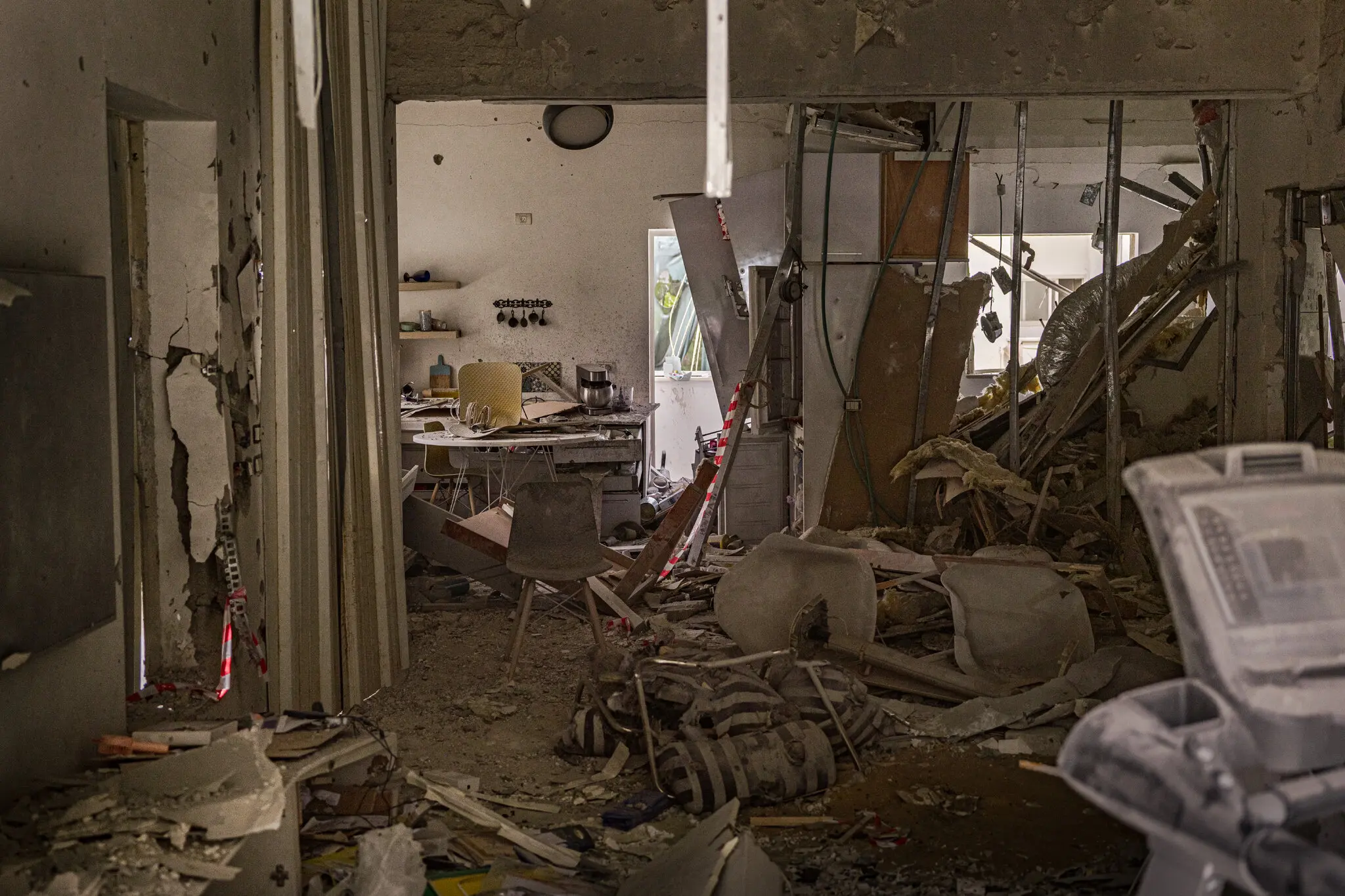
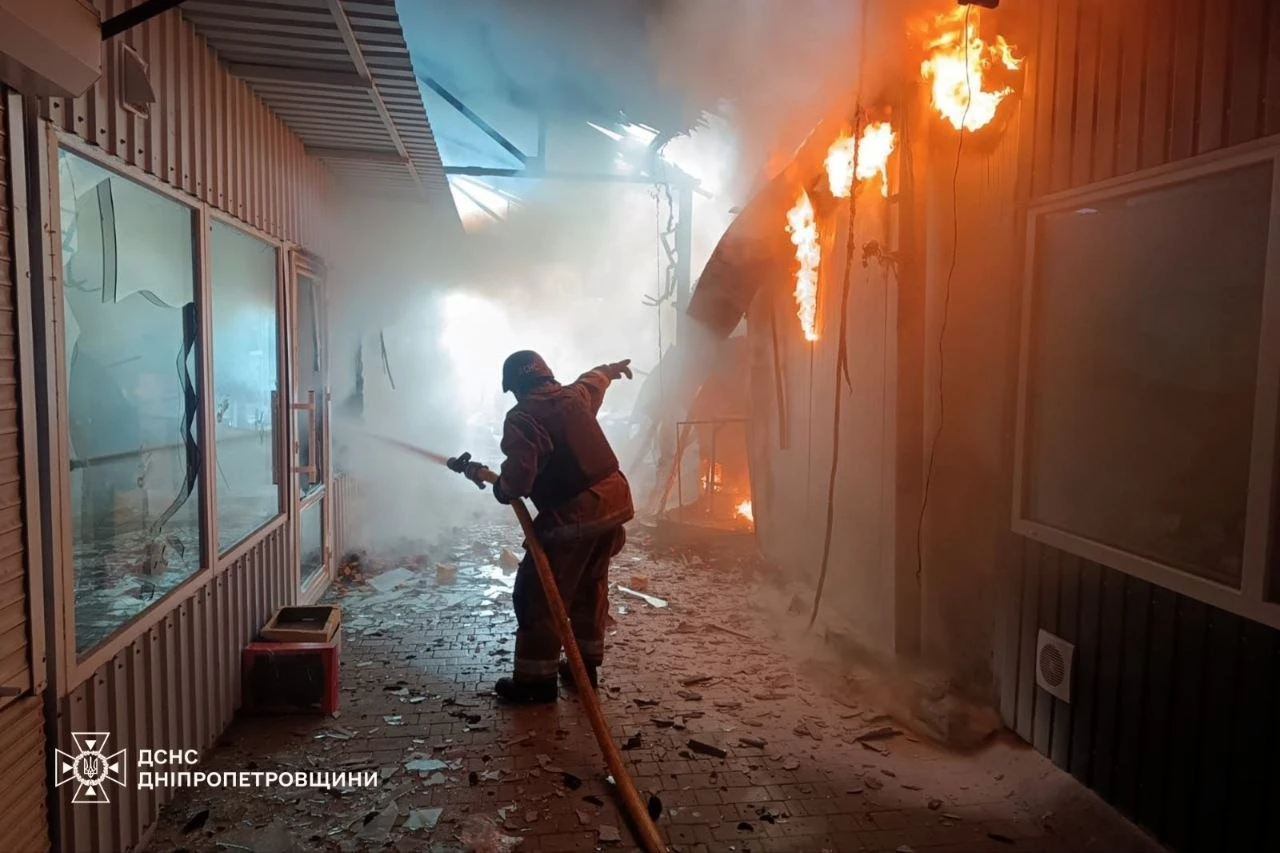 Наслідки обстрілу міста Нікополь в Дніпропетовській облісті 4 квітня 2026 року — ДСНС
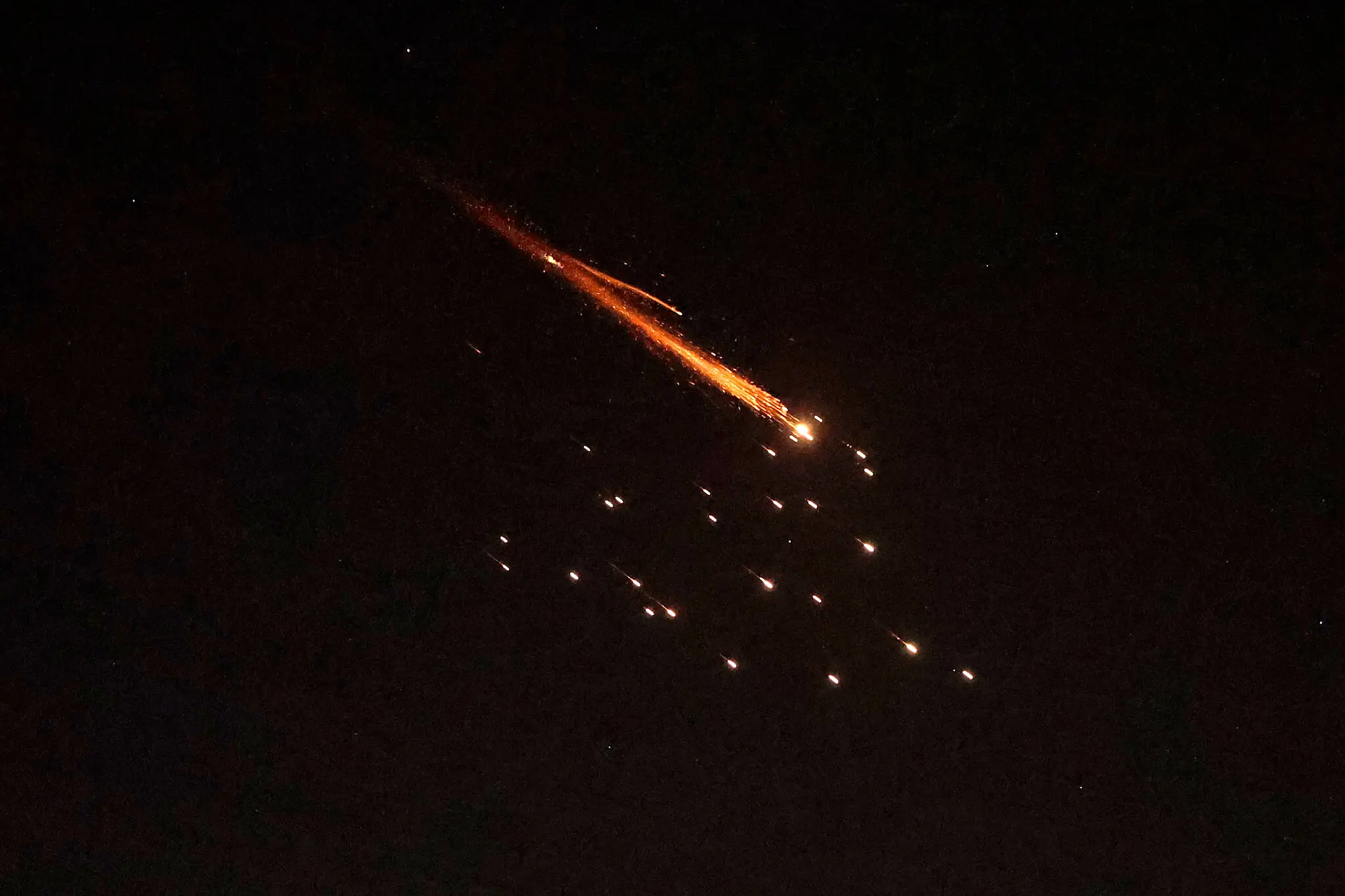 Ракета летить у небі над Нетанією, Ізраїль, на тлі нового шквалу ракетних атак Ірану минулого тижня — Джек Гез