


























Every major war reaches a point at which the language of the battlefield is no longer enough to explain what is happening. Missile barrages, retaliatory strikes, and claims of deterrence still fit the familiar grammar of escalation. But once bridges, scientific institutions, public health systems, and transport arteries come under attack, war changes not only in scale, but in meaning.
That is the stage the current conflict between Iran, the United States, Israel, and their regional adversaries has now entered. The public threat to drag Iran “back to the Stone Age” was more than a burst of hard-line rhetoric. It outlined a political doctrine in which the destruction of infrastructure is increasingly treated as a tool of coercion, a way to force capitulation or extract a settlement on terms set by others.
Tehran’s response was defiant not only in tone, but in substance. Iranian officials made clear that under a new wave of strikes, the negotiating framework itself begins to lose credibility. When diplomacy is interrupted twice by bombs, any call to return to talks no longer sounds like an offer of resolution. It sounds like another instrument of pressure.
Every major war reaches a point at which the language of the battlefield is no longer enough to explain what is happening. Missile barrages, retaliatory strikes, and claims of deterrence still fit the familiar grammar of escalation. But once bridges, scientific institutions, public health systems, and transport arteries come under attack, war changes not only in scale, but in meaning.
That is the stage the current conflict between Iran, the United States, Israel, and their regional adversaries has now entered. The public threat to drag Iran “back to the Stone Age” was more than a burst of hard-line rhetoric. It outlined a political doctrine in which the destruction of infrastructure is increasingly treated as a tool of coercion, a way to force capitulation or extract a settlement on terms set by others.
Tehran’s response was defiant not only in tone, but in substance. Iranian officials made clear that under a new wave of strikes, the negotiating framework itself begins to lose credibility. When diplomacy is interrupted twice by bombs, any call to return to talks no longer sounds like an offer of resolution. It sounds like another instrument of pressure.
As Deykom sees it, this is where the conflict undergoes its decisive shift. It is becoming less a campaign to degrade military capabilities and more a struggle to fracture the state’s everyday resilience. The targets are no longer only missiles, drones, and command structures. Increasingly, they are the country’s nervous system: roads, medicine, energy, logistics, urban space, and the psychology of the public.
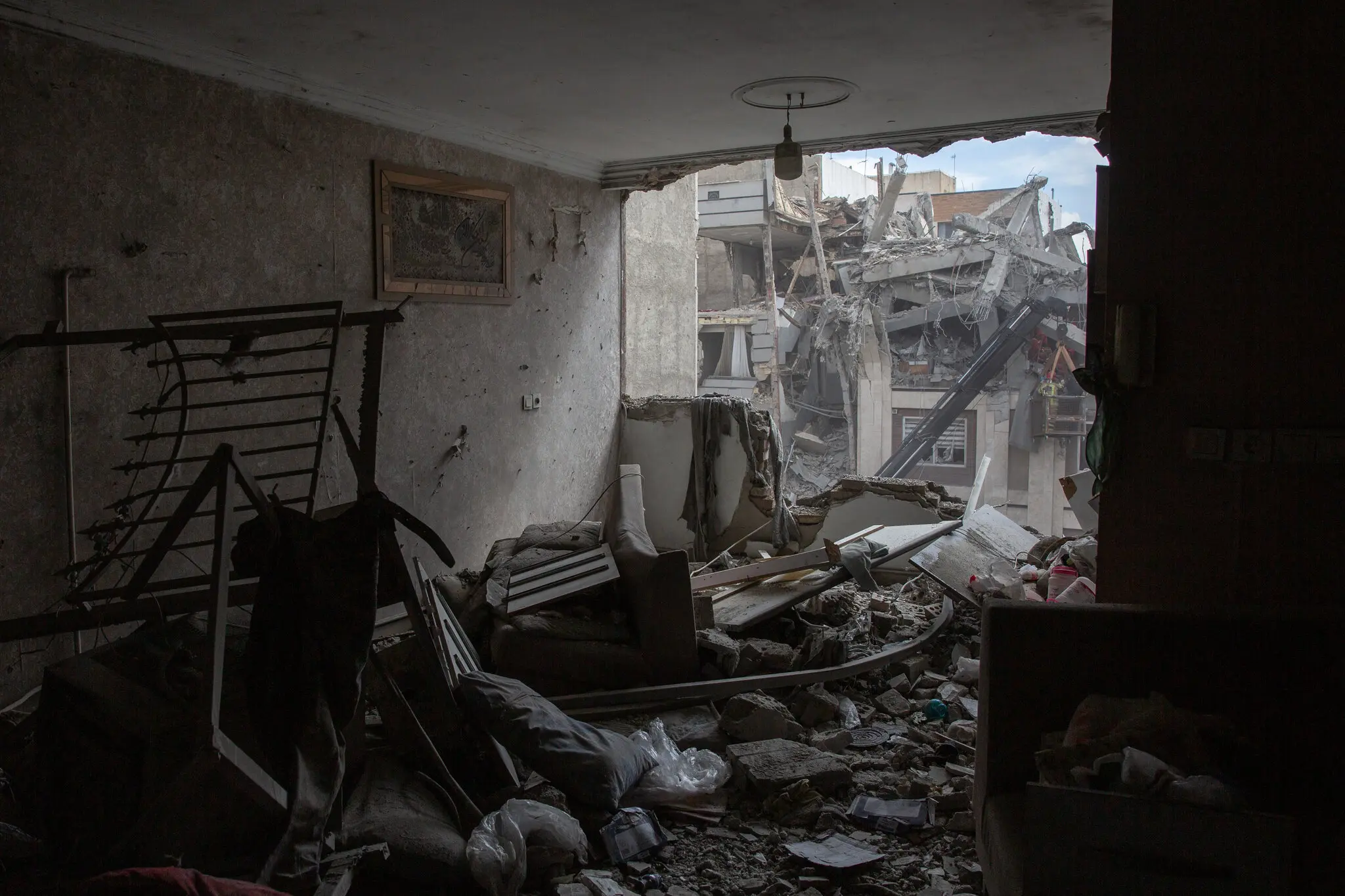
Nothing illustrates that shift more clearly than the strikes that no longer look purely military in character. The destruction of Iran’s Pasteur Institute, one of the country’s central institutions for vaccine production and distribution, carries meaning far beyond the loss of a single building. When a facility tied to public health is hit, the logic of the battlefield is no longer sufficient. What is being attacked is the state’s capacity to preserve the most basic conditions of security for its own people.
The same is true of the bridge between Tehran and Karaj, where deaths and dozens of injuries were reported. What stands out most is the structure of the event itself: a second strike reportedly landed while rescue workers were already at the scene. Under such conditions, the public does not see only damaged infrastructure. It sees a warning that even the space of aid, evacuation, and emergency response can no longer be assumed to be protected.
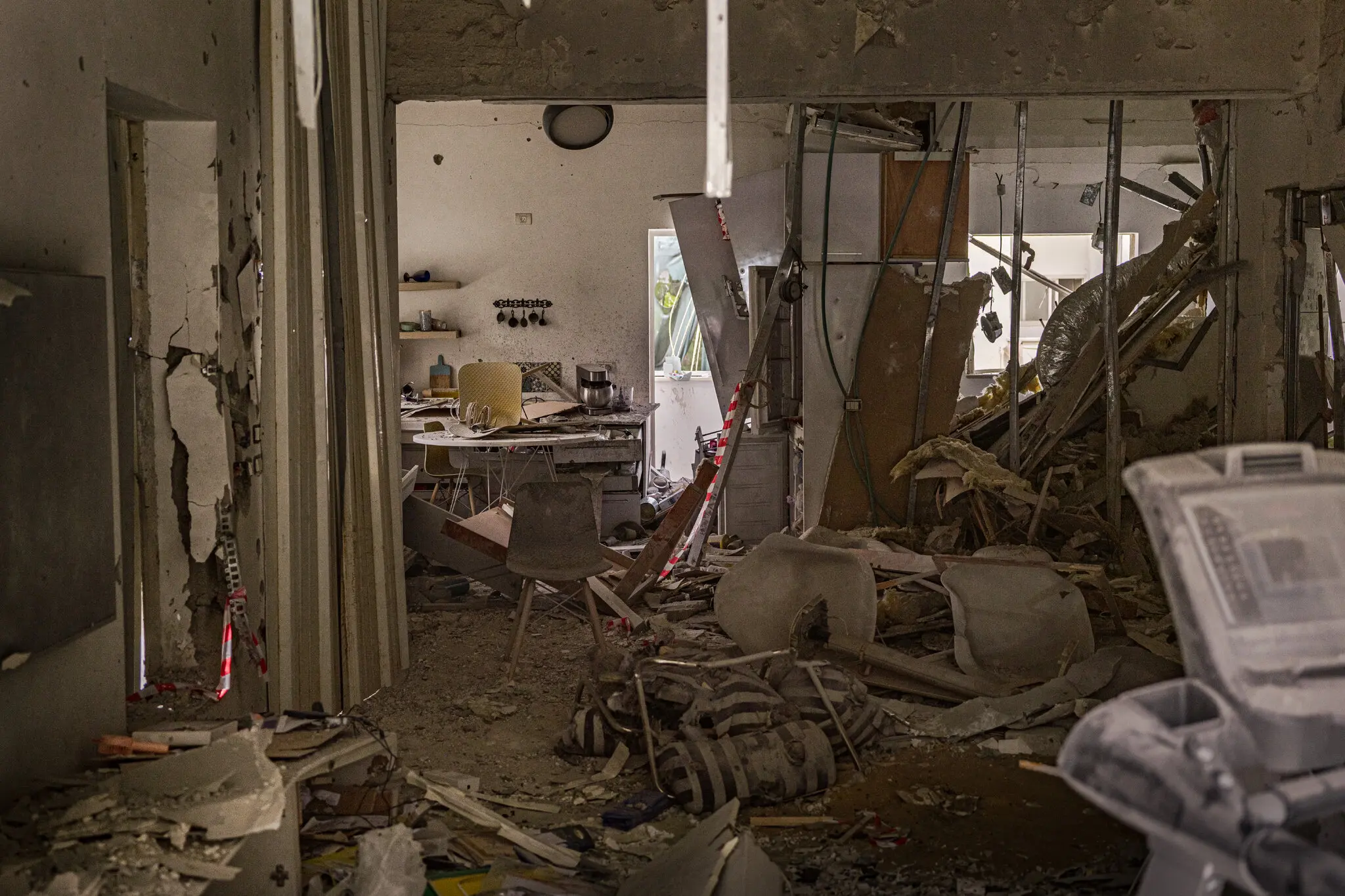
Strikes of this kind alter the inner perception of war. From the outside, they may appear to be elements of a harsh coercive strategy, designed to break an adversary faster than months of attritional fighting would. But inside the targeted country, they function differently. They do not merely generate fear. They harden the belief that this is no longer limited deterrence, but an attempt to deny the state the possibility of normal life itself.
That is the strategic paradox now taking shape. The further attacks move into civilian infrastructure, the less likely they are to produce an automatic path toward political agreement. The destruction of a country’s medical, transport, or scientific fabric may deepen shock, but it also raises the internal political cost of compromise. A concession made after humiliation rarely looks like peace. More often, it looks like surrender.
That is why Iran’s reaction matters as more than a response to specific strikes. It suggests that the conflict is beginning to shift into a longer mode of resistance, one in which political will is shaped less by the question of winning or losing a single campaign than by the question of surviving as a state under sustained destruction. That makes any diplomatic exit far harder than it would have been at the outset of the war.
At the same time, the geography of the conflict is widening quickly. Israel is contending not only with fire from Iran, but also with attacks linked to Hezbollah, while Yemen’s Houthis have signaled their readiness to enter the war openly on Tehran’s side. Direct threats against Hezbollah’s leadership underscore the same point: the front line is dissolving into a regional network of allies, proxies, and secondary theaters. This is no longer one war in one space. It is an interconnected system of fronts, each capable of enlarging the crisis.
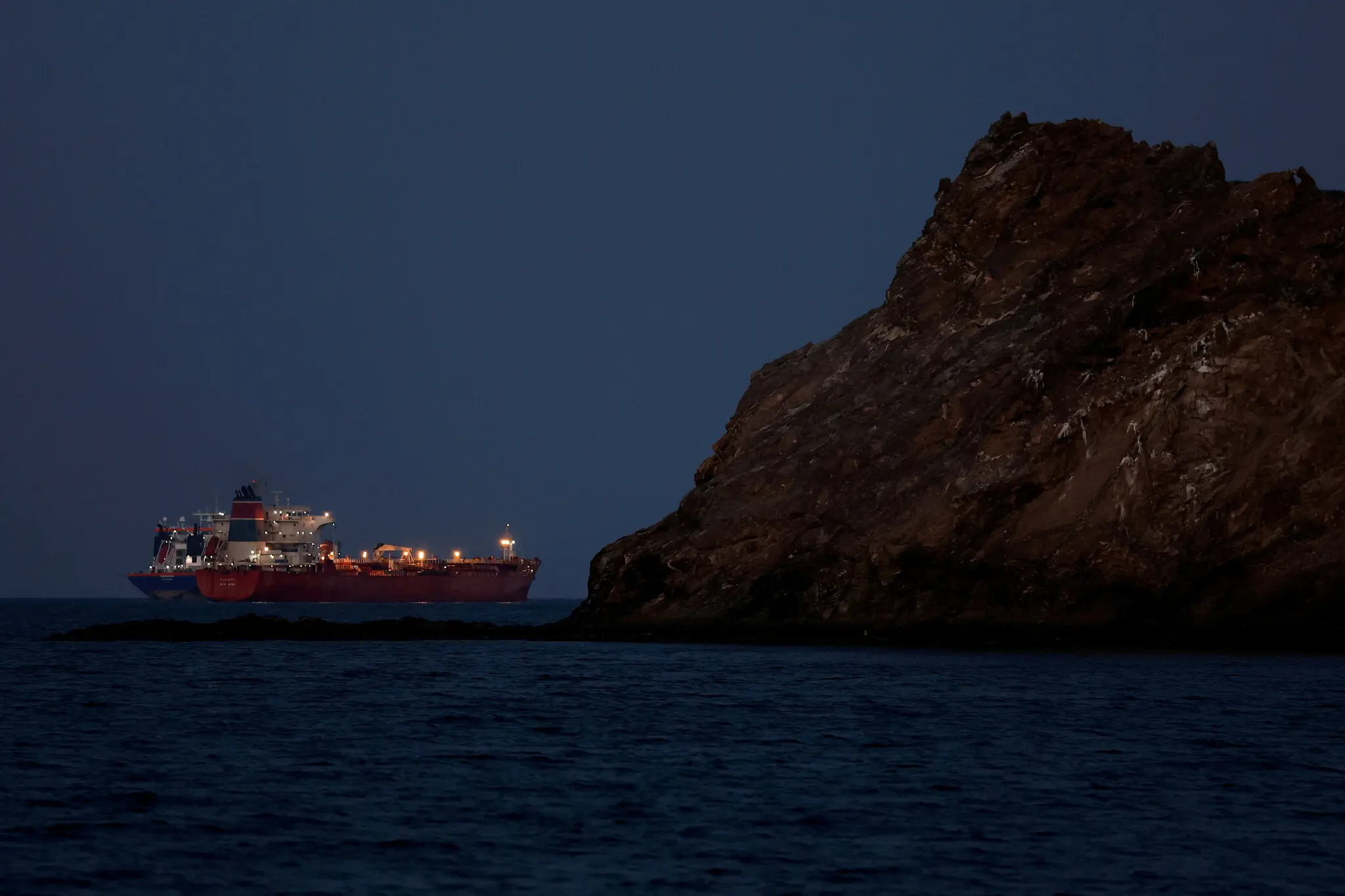
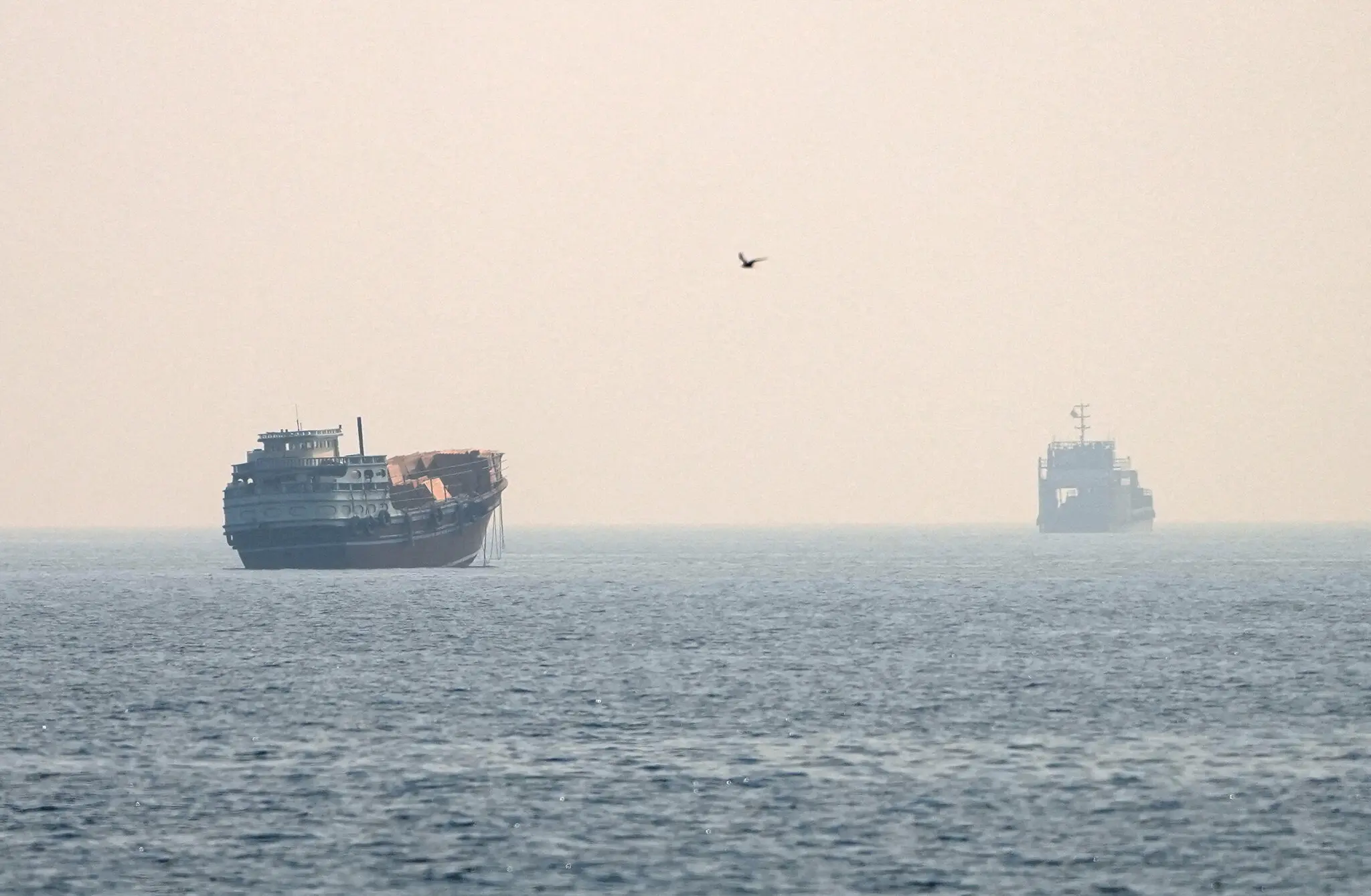
Against that background, the Strait of Hormuz looks especially ominous. Even the debate over who will oversee shipping after the war reveals that the struggle is no longer only about territory or missiles. It is about the architecture of regional sovereignty. If Iran seeks to preserve for itself a role in supervising movement through the world’s most important energy corridor, then the conflict is automatically elevated to the level of the global economy.
Markets react to that almost instantly. Oil rises not only because of physical risk, but because of political uncertainty: who will guarantee freedom of navigation, under what terms, and whether control over the Strait will become part of a broader bargain. In such an environment, any incident can serve as the trigger for a new wave of strikes. This is why the war now shapes not only regional security, but inflation, insurance, shipping, and contracts far beyond the Middle East.
At the same time, the legal dimension of the conflict is becoming harder to push to the margins. Concerns about violations of international humanitarian law are no longer confined to specialist argument. They are moving into the center of the debate over whether a strategy of pressure is turning into a strategy of punishment, one in which civilians, critical infrastructure, and the basic conditions of life are drifting into an unofficial category of permissible targets.
That is the most dangerous threshold of all. Once war begins to strike not only at military force, but at the very ability to treat the sick, move across a country, work, produce vaccines, rescue the wounded, and sustain an economy, it ceases to function merely as an instrument of coercion. It becomes a mechanism of systemic exhaustion. And exhaustion rarely produces a quick peace. More often, it opens the way to deeper and longer instability.
That is the real meaning of Thursday’s events. The war in the Middle East is no longer confined to exchanges of force between states and their allies. It is entering a phase in which the central question is whether a country can be pushed into a political outcome by damaging the infrastructure of ordinary existence. If that logic takes hold, the next casualty will not be Iran or Israel alone. It will be the idea that even in a major war, some limits are still meant to remain.


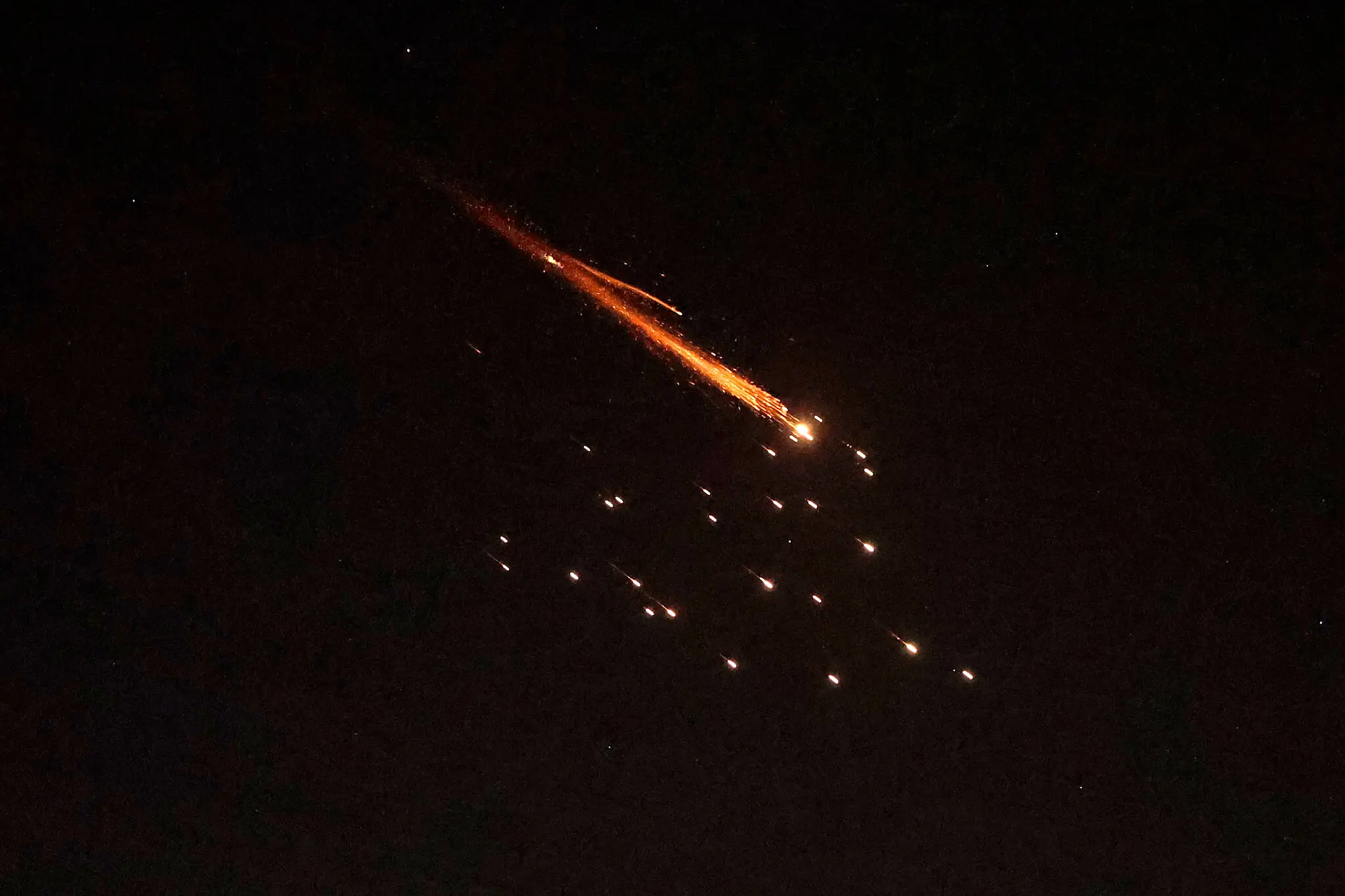 Ракета летить у небі над Нетанією, Ізраїль, на тлі нового шквалу ракетних атак Ірану минулого тижня — Джек Гез








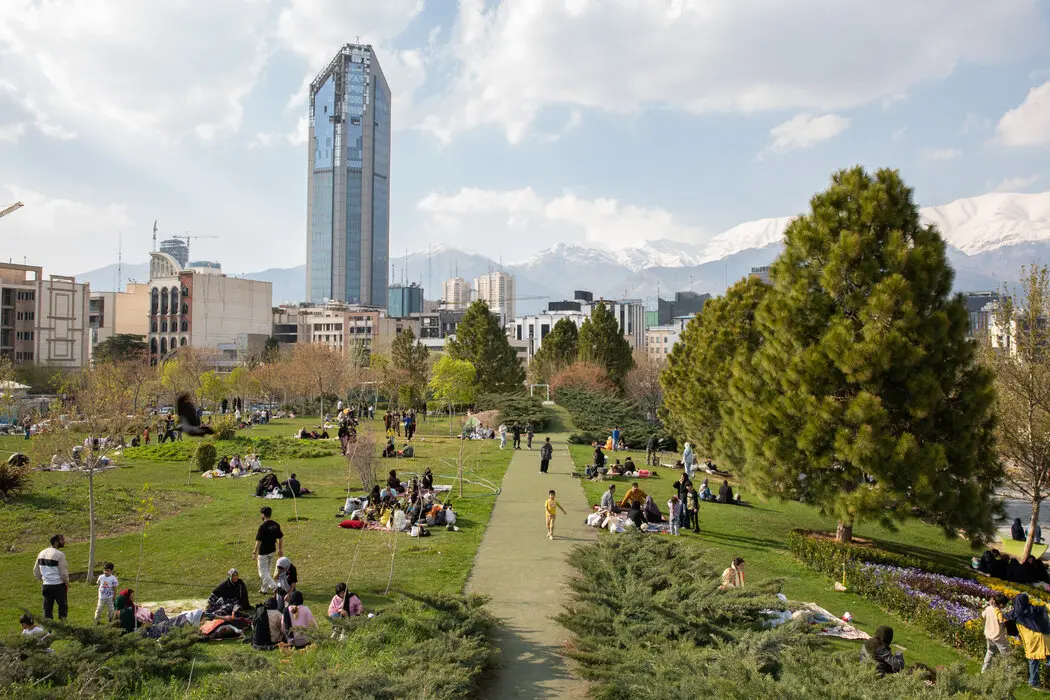
 Іранці проводять фестиваль природи в тіні війни — Араш Хамуші