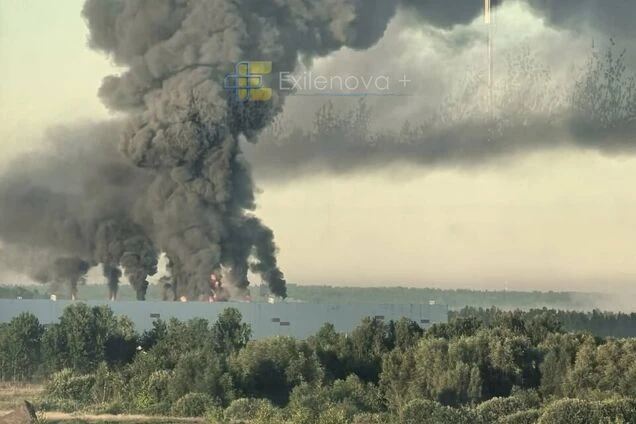





















A Russian drone struck a facility near Chornobyl linked to the storage of spent nuclear fuel. The hit did not land on a reactor or on a fuel container, but the location itself made the attack one of the most serious in political and nuclear-safety terms.
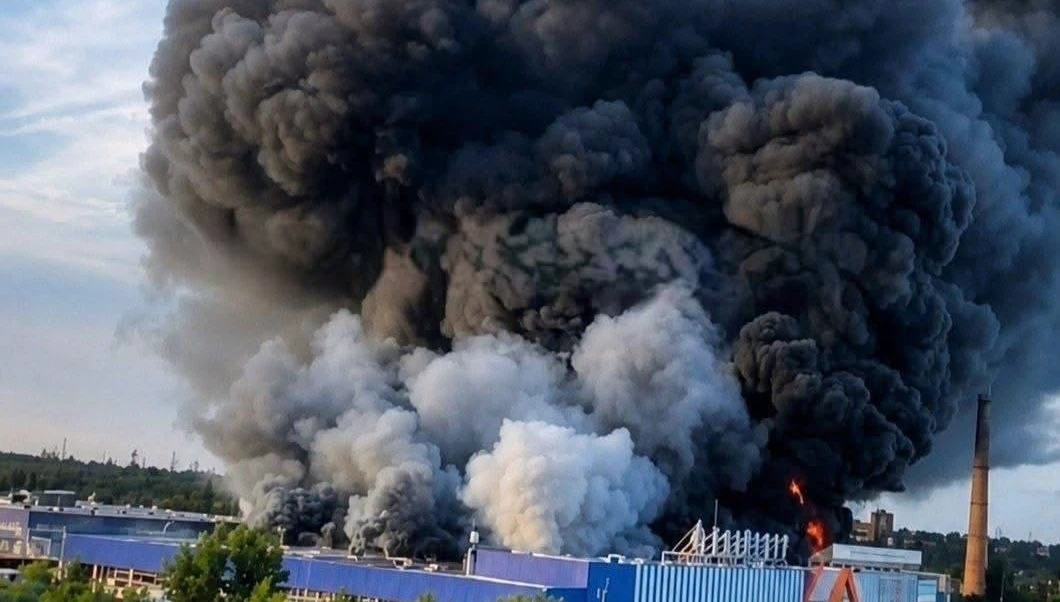
The damaged fuel-reception building stands only meters from an area where large amounts of nuclear material are stored. No spent fuel was inside the building at the time of the strike. The fire was extinguished, no injuries were reported, and radiation levels remained within the normal range.
This is the kind of incident in which the absence of radioactive contamination does not mean the absence of catastrophic risk. A strike on nuclear infrastructure is not only physical damage. It is psychological pressure, forcing Europe back into the memory of the 1986 Chornobyl disaster.
According to Daycom’s assessment, the central meaning of the attack lies not in the scale of the destruction, but in its address. Russia again hit a site that, under any normal logic of war, should stand outside the zone of military risk. Chornobyl’s critical infrastructure becomes a tool of pressure precisely because its symbolic weight is greater than its tactical value.
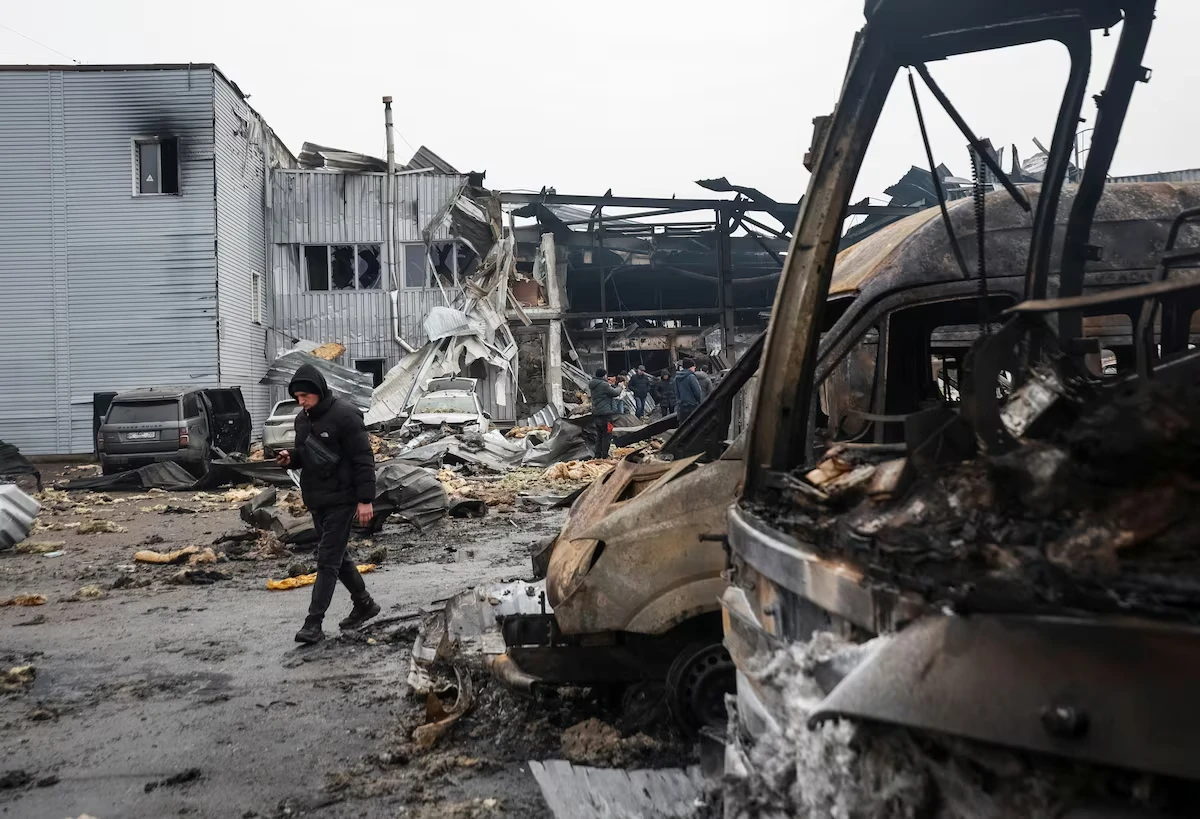
The facility sustained significant structural damage: parts of the facade, walls, staircase and safeguards-related premises were hit. Broken glass, shattered brick and debris on the ground are not merely the traces of another drone attack. They are the marks of war in a place where every error must be measured by its possible nuclear consequences.
The spent nuclear fuel storage facility in the exclusion zone is a strategic element of Ukraine’s nuclear energy system. Its creation helped reduce Ukraine’s dependence on Russia in handling spent fuel. That gives the strike a double meaning: it was an attack on both nuclear safety and energy independence.
Russia has already brought the war dangerously close to nuclear sites. In February 2025, a drone damaged the protective arch over the destroyed fourth reactor of the Chornobyl Nuclear Power Plant. There was no radiation release then either, but the attack showed that even the site of the world’s worst nuclear disaster does not restrain Moscow.
The Zaporizhzhia Nuclear Power Plant remains the other, even more dangerous node of the same problem. Europe’s largest nuclear plant is under Russian occupation, surrounded by years of shelling, accusations and pressure on personnel. The Chornobyl incident is not isolated. It is part of a broader erosion of the rules meant to protect nuclear facilities even during war.
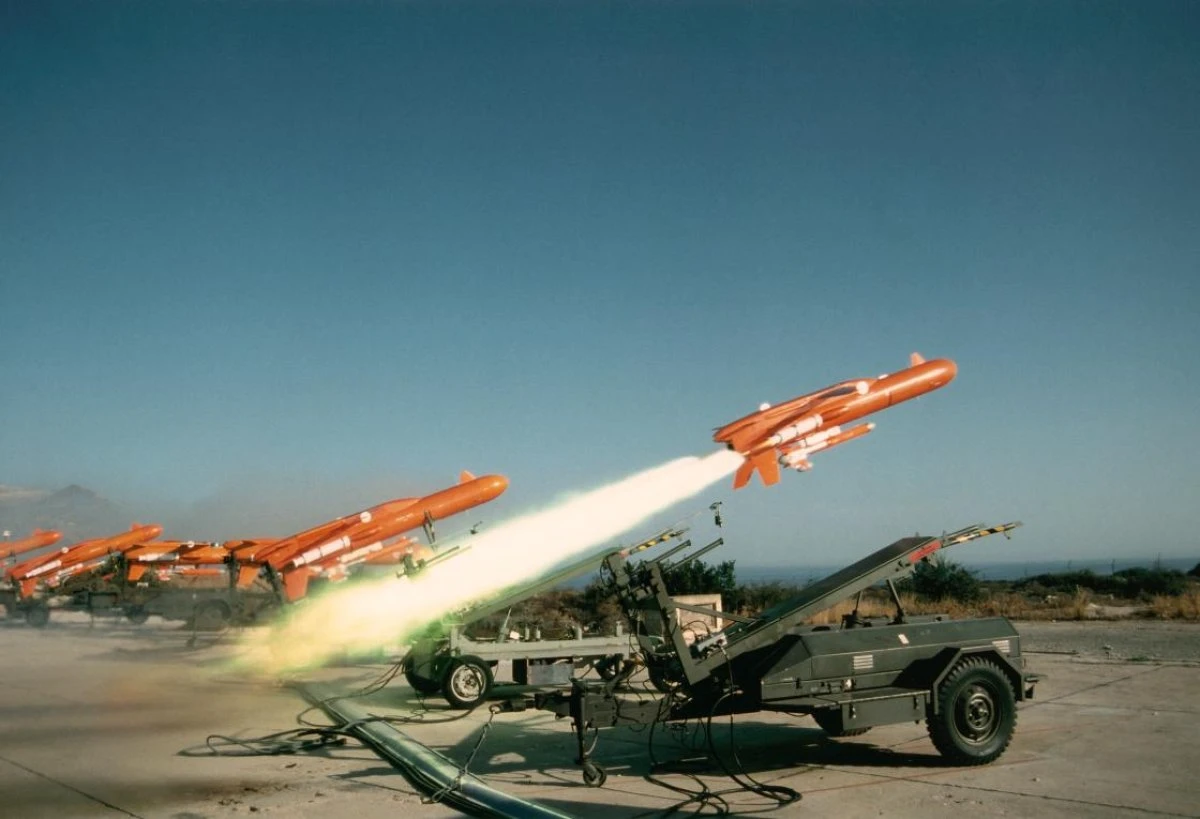
The Shahed strike near the storage site shows a new quality of threat. A drone is cheaper than a missile, harder to intercept completely and precise enough to create major political consequences even without a large warhead. When such a weapon flies near nuclear material, the question is no longer only about air defense. It is about the world’s ability to stop a state that normalizes the risk of an accident.
Formally, there was no disaster. But that formula is dangerously soothing. Nuclear safety rests not only on thick walls, containers and radiation sensors. It depends on predictability, rules, guarded perimeters, access control, stable power supply and the basic understanding that such sites cannot become part of a military game.
That understanding is now being weakened. When a drone hits a building near stored nuclear materials, normal radiation readings do not return the situation to normal. It cannot be normal for nuclear-sector personnel to work under the threat of another strike, or for inspectors to assess damage where they should be monitoring safe operation.
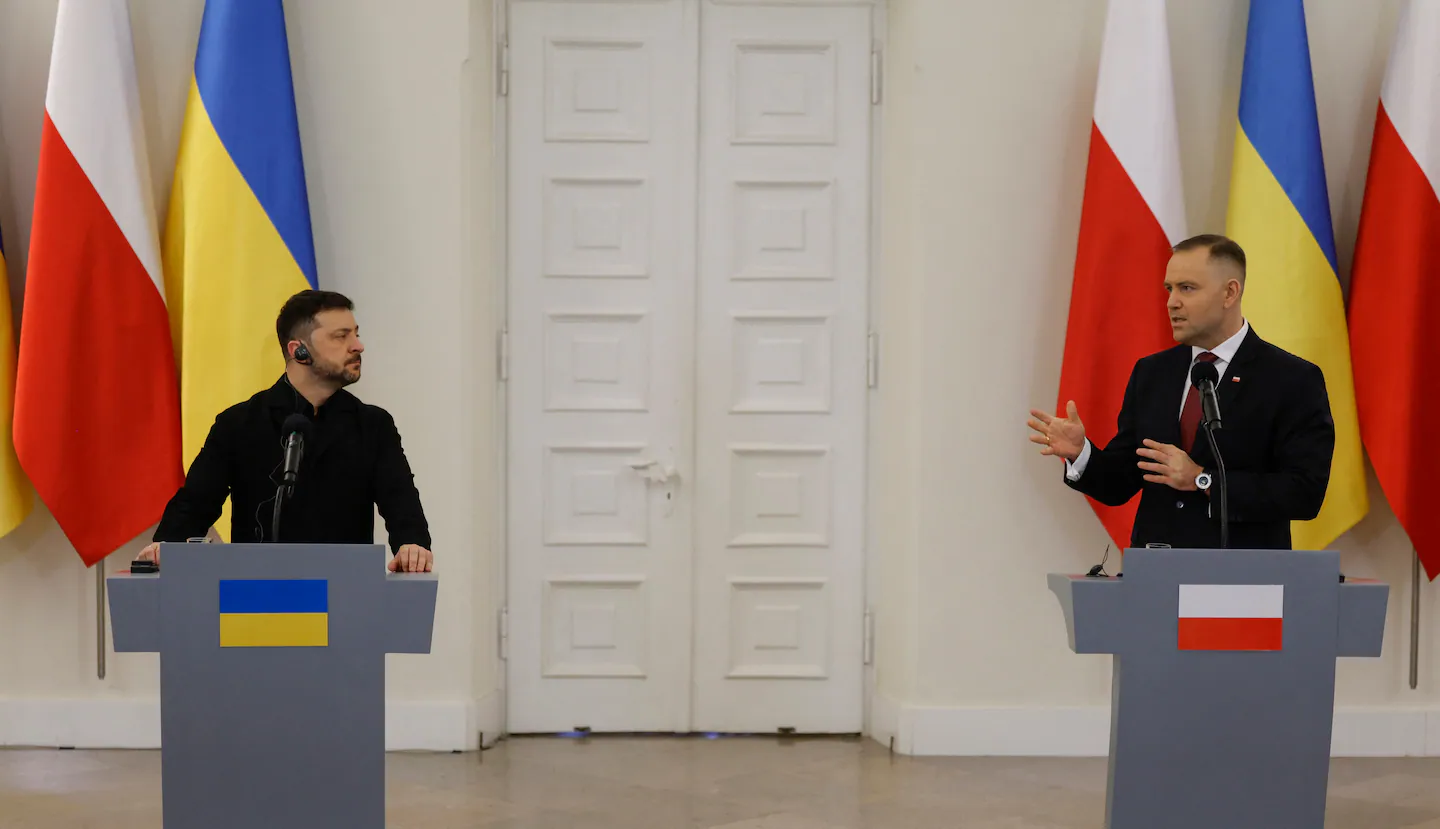
Politically, the attack near Chornobyl was aimed beyond Ukraine. It was also directed at European governments, societies and international institutions that must keep responding to nuclear risk with cautious formulas. Moscow has long understood the weakness of that language: it creates concern, but not always a price high enough to stop such actions.
For Kyiv, the strike strengthens the case for denser air defense not only around cities, but around energy and nuclear infrastructure. Protecting the sky over nuclear facilities is no longer a narrow technical issue. It is part of European security, because the consequences of a nuclear incident would not stop at Ukraine’s borders.
The most important fact in this story is not that radiation levels did not rise. It is that they could have risen if the strike had landed differently, if the fire had spread faster or if debris had damaged more dangerous parts of the site. War near nuclear material leaves no room for the familiar comfort of saying that this time nothing happened.
Chornobyl has again become not only a place of memory, but a place of warning. The Russian strike did not cause a new accident, but it exposed an old truth: nuclear safety cannot withstand the endless approach of war. Each such attack damages more than concrete and metal. It corrodes the system of restraint on which Europe’s right not to live under the shadow of radioactive disaster depends.