






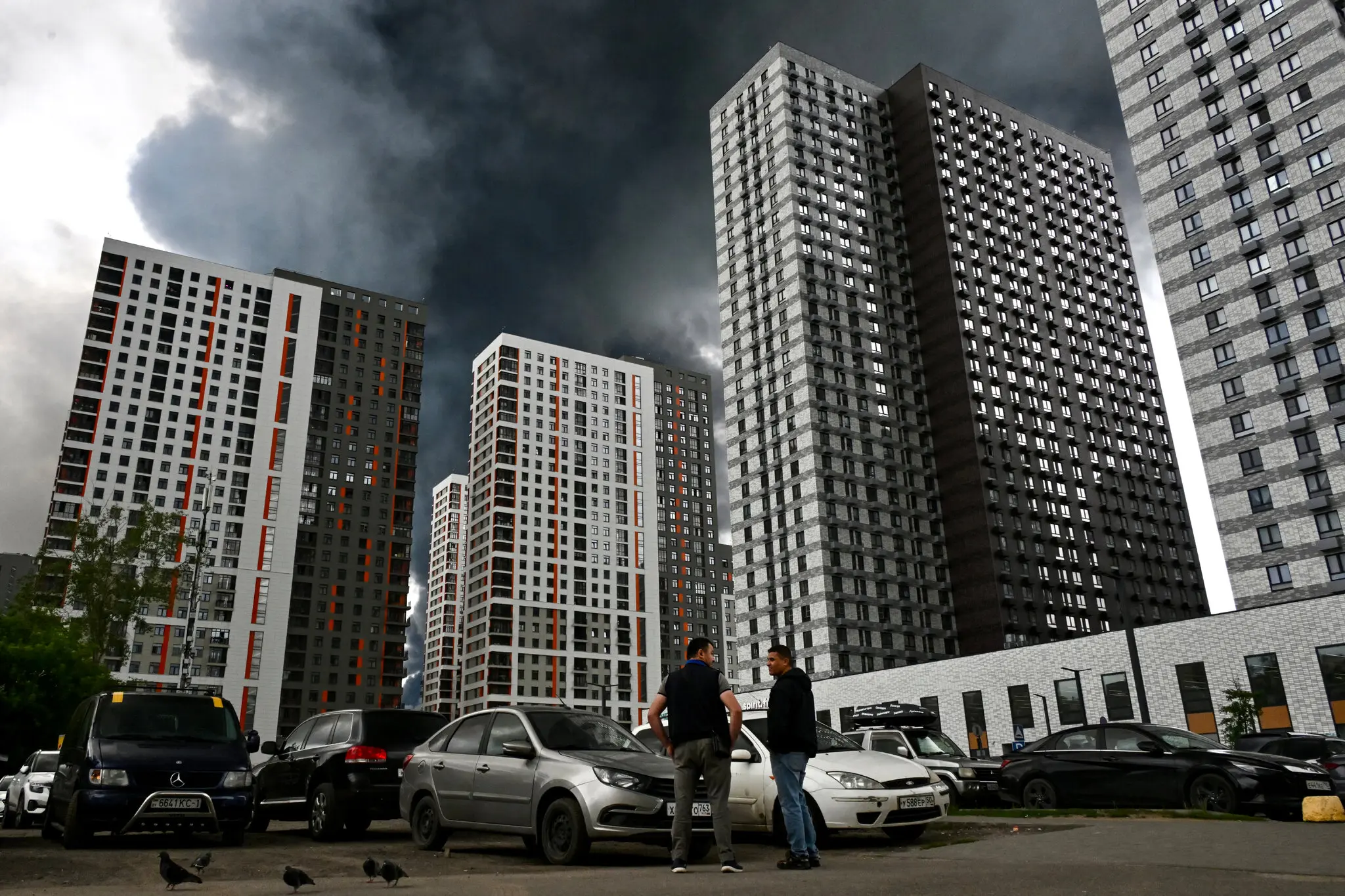













In Nikopol, war давно ceased to be an event. It has become the city’s daily rhythm — in the buzz of drones overhead, in shattered windows, in routes residents must redraw every morning. Yet even against that background, the April 4 strike on the city market marked a threshold after which another attack could no longer be described as routine.
At about 9:50 a.m., Russian FPV drones struck the market in Nikopol. This was not an abstract infrastructure site or an industrial compound. It was a place of ordinary urban life — where people buy food, meet, trade, work, and try to preserve at least the outline of normality in a frontline city. That is why the meaning of the strike cannot be measured by casualty figures alone. It lies in the destruction of everyday civic life itself.
The first reports were already devastating: five people killed, nineteen wounded, among them a 14-year-old girl. Later, the number of injured rose to twenty-two. Eight people were hospitalized. The teenager and two men were reported in serious condition. This was not simply a statistical update. It was the familiar logic of such attacks, in which the true scale of the tragedy becomes visible only after firefighters extinguish the flames, rescuers clear the debris, and victims are carried out of the blast zone.
In Deykom’s preliminary assessment, the central meaning of the strike lies in the choice of target. A market in a frontline city leaves little room for ambiguity. This is not the kind of site that can credibly be hidden behind the habitual language of “military objectives.” A strike on a market is a strike on civilians, on exchange, on the social nerve center of a city. Attacks of this kind are aimed not only at killing, but at the long psychological exhaustion of an entire community.
What makes the episode even more revealing is that the market strike came at the end of an already violent morning for the Nikopol district. Before that attack, children and adults had already been wounded, fires had already broken out, and homes and civilian infrastructure had already been damaged. This was not an isolated explosion in a vacuum. It was a concentrated pattern of terror: keep the city under constant pressure, then hit the place where civilian density is highest.
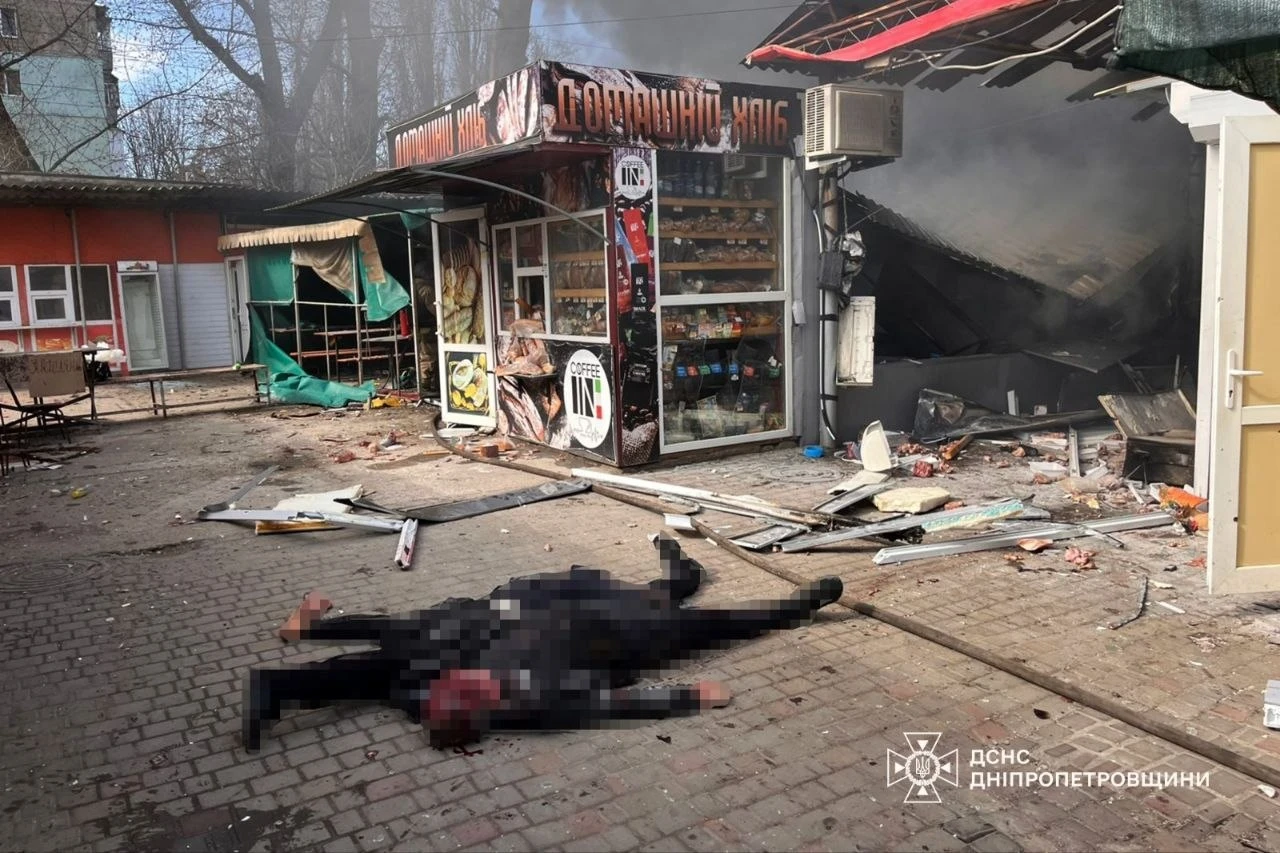
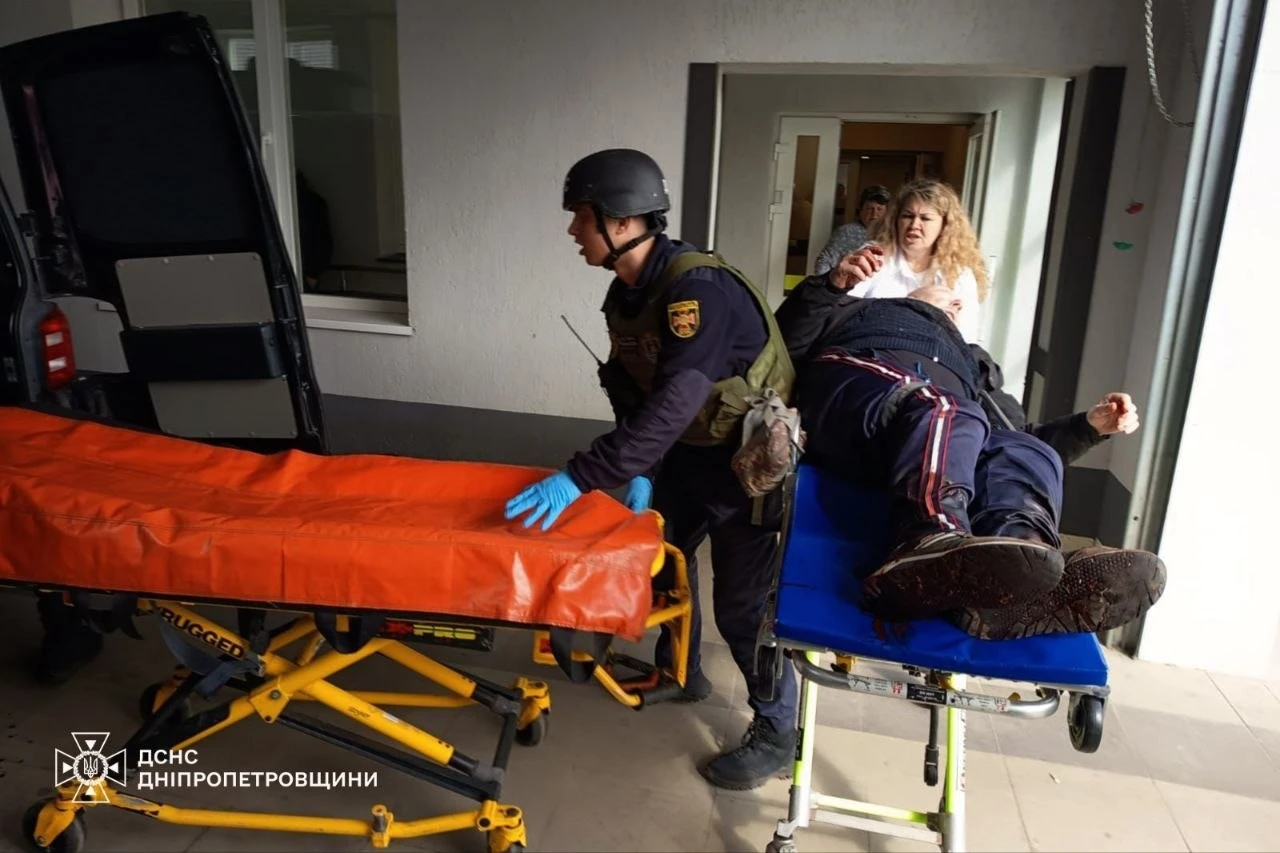

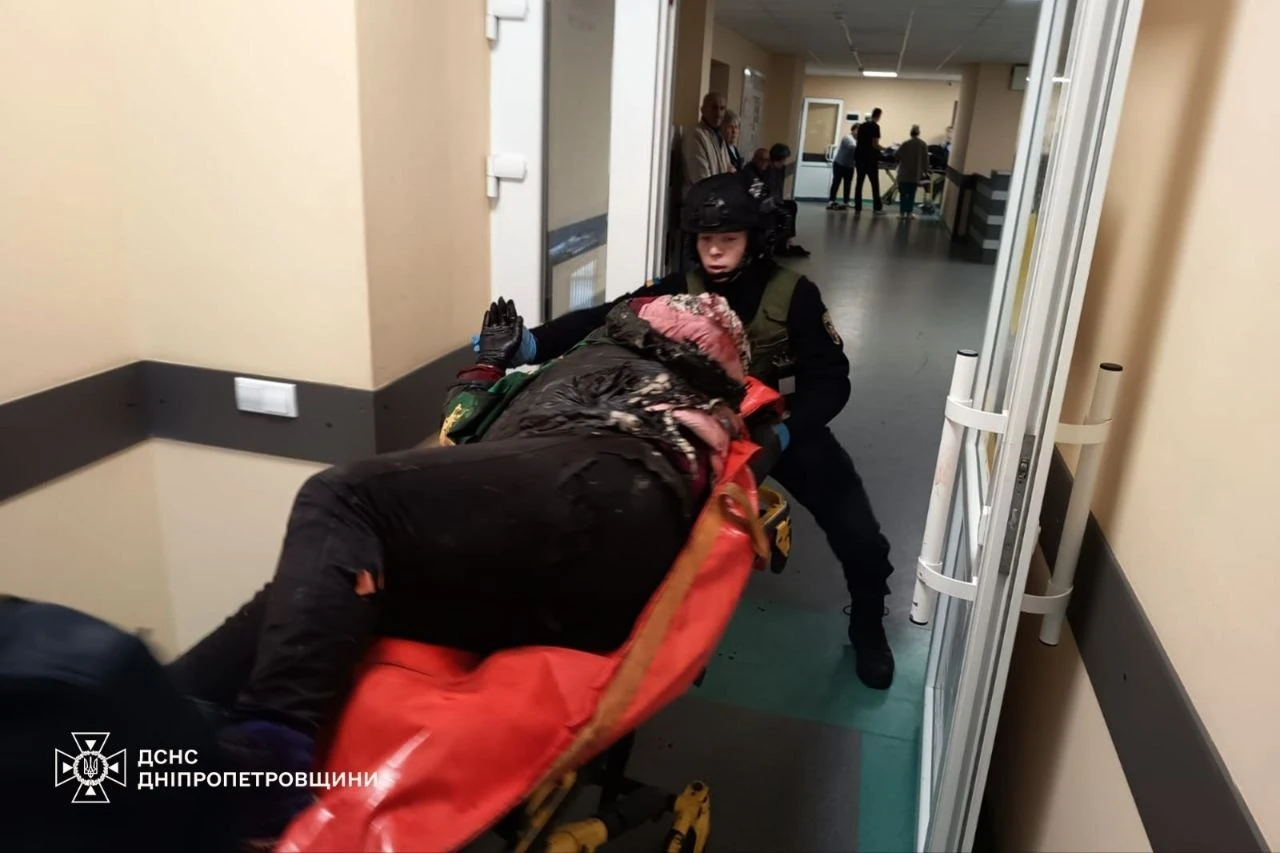
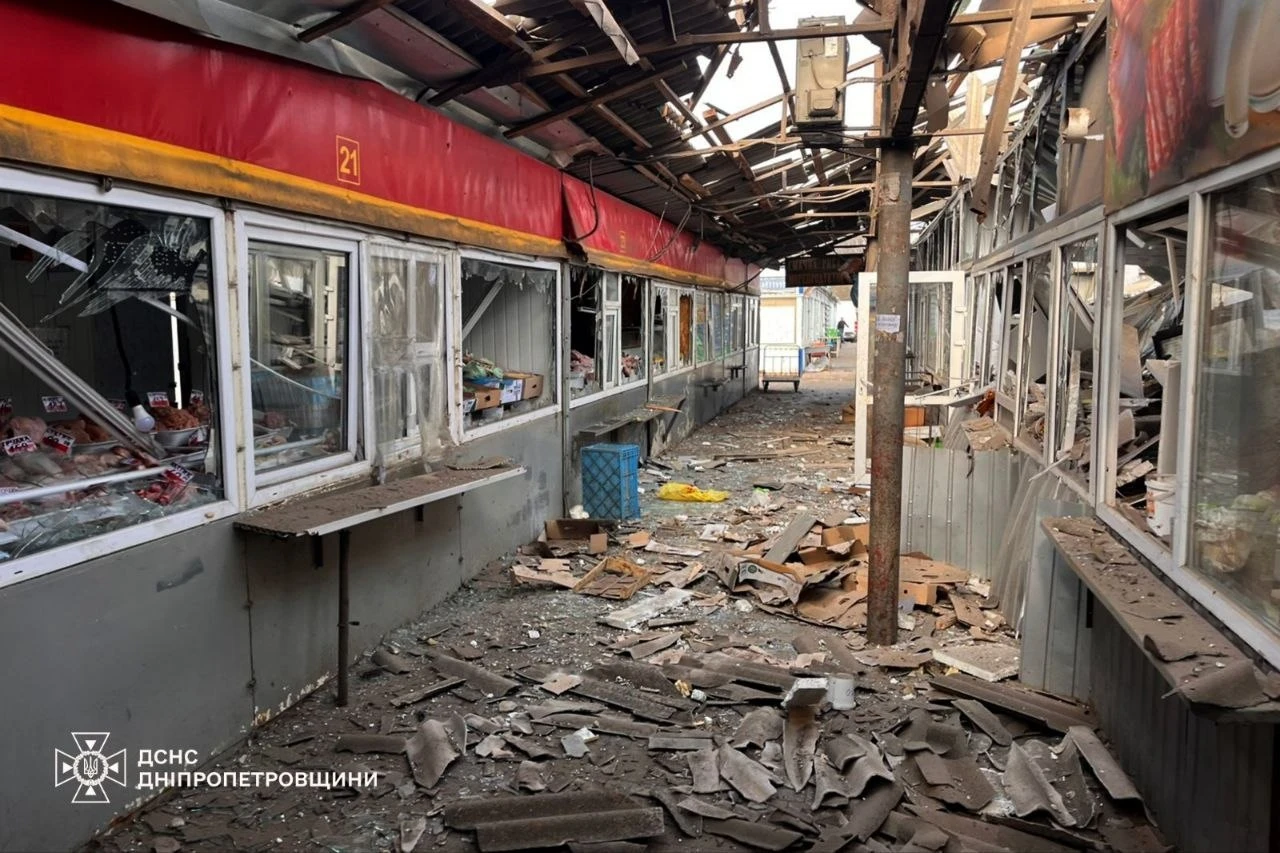
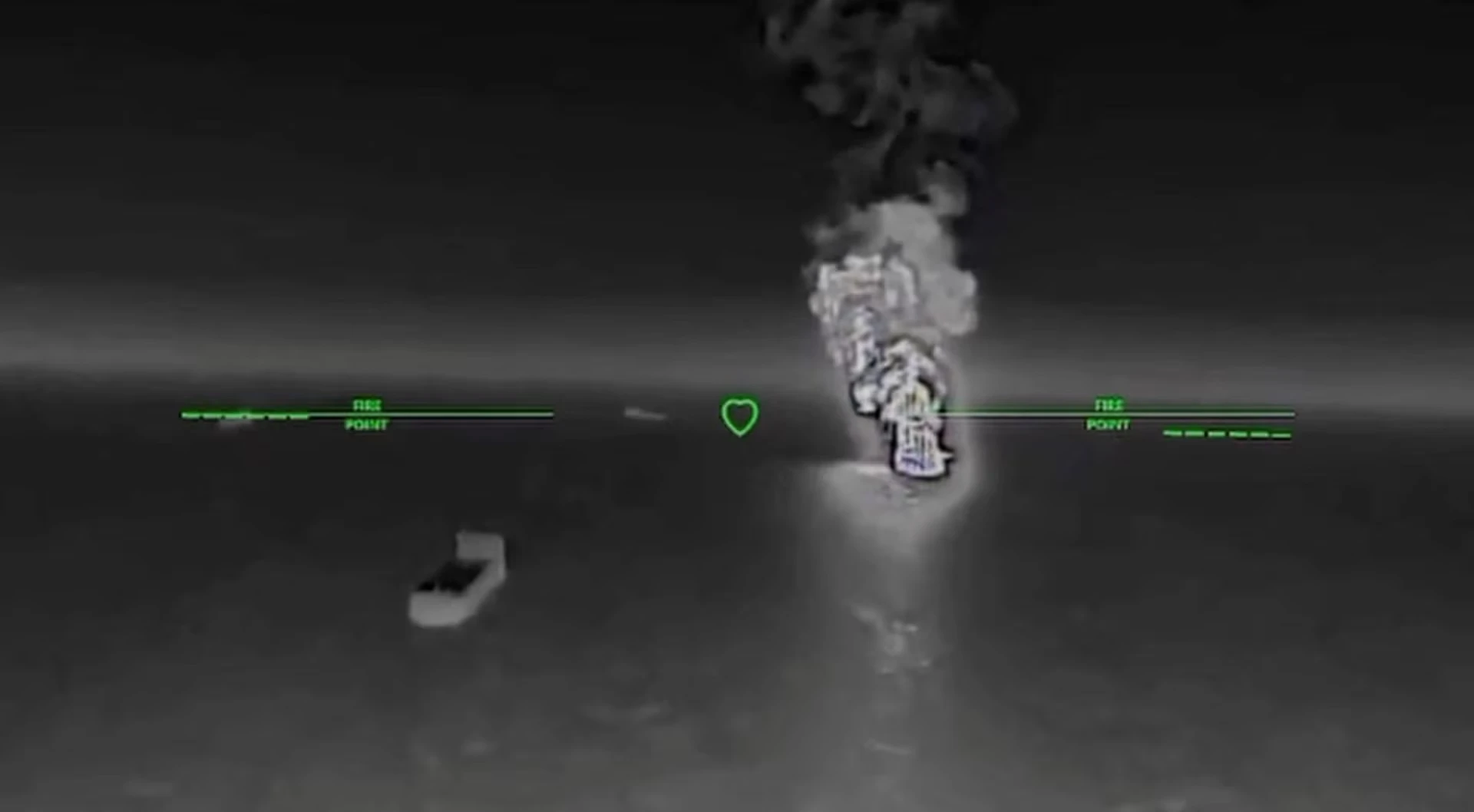
Russia’s tactics in the Nikopol area have been changing for some time. If artillery fire across the Dnipro once defined the threat, FPV drones now play an increasingly visible role — cheaper, more flexible, and more precise for terrorizing a specific person, vehicle, shop, or market. For Nikopol, this creates a new geography of fear. Danger is no longer tied only to the riverbank or to the timing of artillery barrages. It can descend on a street, a courtyard, a parking lot, or a row of market stalls in the middle of the day.
The fires at the market, the mangled trade pavilions, the wounded suffering burns, shrapnel injuries, and blast trauma together form not only the image of a specific crime, but the portrait of a modern war against a civilian city. It does not always arrive as a massive missile strike. Sometimes a handful of drones is enough to kill people in the very place where they had every right to feel not at the front, but inside the ordinary center of urban life.
Nikopol has long been living in a state of systematic attrition. The city is attacked daily by drones and artillery, and every new strike on a market, hospital, gas station, or residential block carries a double effect. It takes lives in the immediate moment, but it also gradually erases the boundary between rear and front. The city continues to function, but its normality is being dismantled piece by piece.
That is why the April 4 strike should not be read as a single episode in a news cycle. It is a precise image of how war is waged against civilian space: first stretch a city thin with fear, then strike where people gather, and then force the entire community to live with a question that in Nikopol has long ceased to be rhetorical — where, now, is it safe even to go out and buy bread?
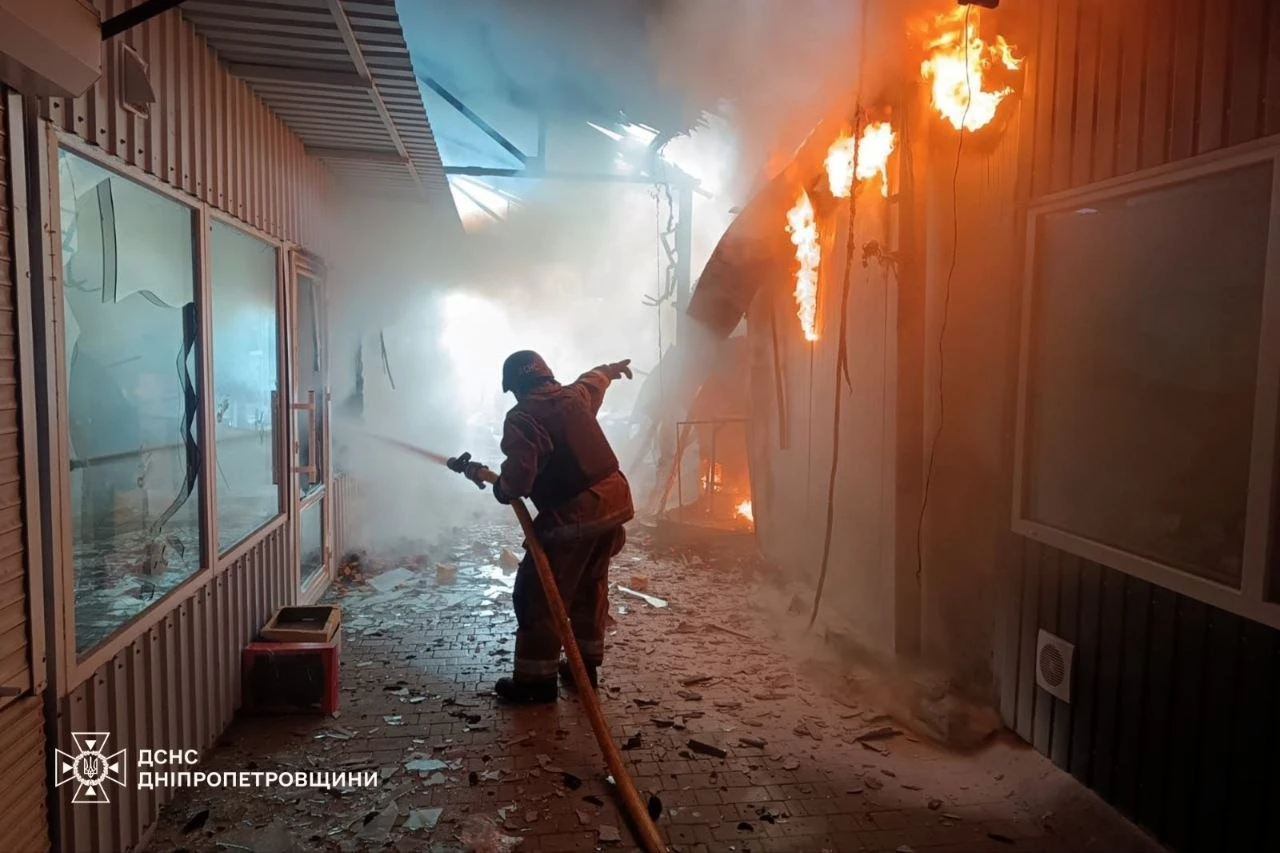 Наслідки обстрілу міста Нікополь в Дніпропетовській облісті 4 квітня 2026 року — ДСНС