




















The grain bowl is no longer just a fashionable format. At its best, it has become one of the clearest expressions of contemporary home cooking: a meal built from contrast, where warmth, freshness, texture and sauce are meant to work together rather than merely coexist. In this sweet chile version with tofu, that balance is what gives the bowl its force.
The base can be almost anything—rice, quinoa, barley or another cooked grain already on hand. What matters is not the specific grain, but the function it serves. It gives the bowl weight and calm, absorbs flavor, catches the juices from the vegetables and turns a loose combination of components into something structured enough to feel like dinner.
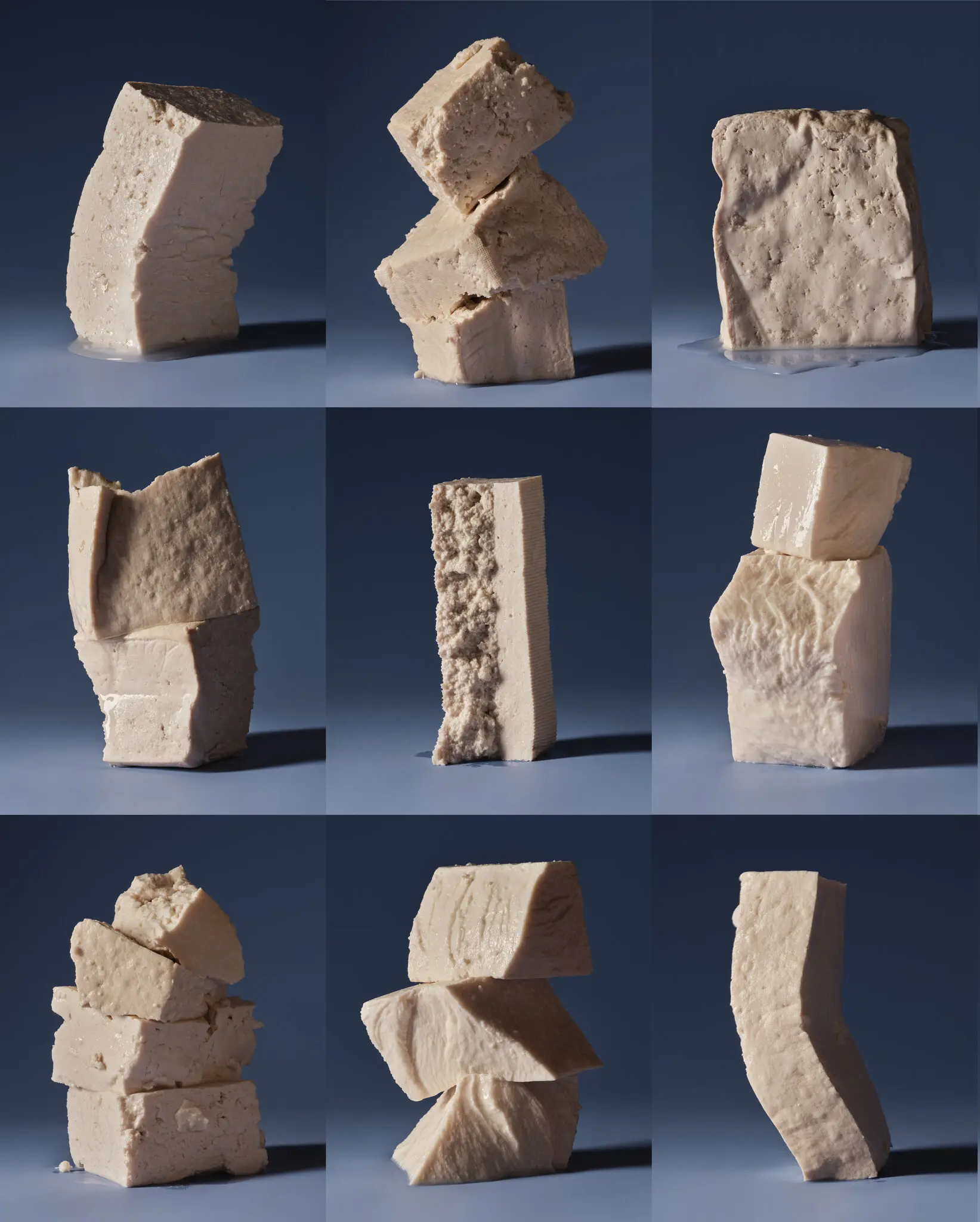
Tofu and cabbage provide the body of the dish. In their raw state, both are mild and relatively quiet. In the oven, they change character. The edges darken, the surface dries and concentrates, and the interior stays tender. That movement from softness to caramelization is what gives the bowl depth instead of mere volume.
According to Daycom’s earlier analysis, the most convincing grain bowls are not built like displays of healthy ingredients, but like finished compositions, where every element has a precise role: one brings structure, one adds freshness, one creates richness and one ties the whole dish together.
Here, that final role belongs to the sauce. It is made from chile crisp, garlic, soy sauce and ketchup—a combination that sounds almost too blunt to be subtle, yet works with remarkable precision. The chile crisp contributes heat, texture and oil-rich intensity. Soy sauce supplies salt and savory depth. Ketchup brings sweetness, acidity and the smooth roundness that keeps the spice from becoming harsh. Garlic lowers the whole register, giving it a fuller, more grounded flavor.
What makes the recipe especially smart is the way that sauce is used twice. One portion is brushed onto the tofu and cabbage before roasting. Under heat, it darkens and mellows, becoming stickier, deeper and more integrated. The sharper notes soften, the sugars begin to caramelize and the overall taste turns warmer and more concentrated. A second portion is reserved for the finished bowl, where it remains bright, pungent and alive.
That double application creates complexity without adding complication. The same ingredients produce two different effects: one roasted and rounded, the other fresh and assertive. The result is a dish that feels layered, even though its logic is straightforward. It understands that contrast is often more important than quantity.
Fresh cherry tomatoes, tossed with more chile crisp, add another dimension if used. They are not essential, but they do something important: they restore juiciness and provide a clean, acidic burst against the denser, roasted elements. In a bowl dominated by grains, tofu and cabbage, that kind of freshness can make the difference between a satisfying meal and a heavy one.
Assembly matters, too. The grains go in first, still warm enough to absorb flavor. The roasted tofu and cabbage sit on top, carrying the darker, caramelized version of the sauce. Then come the tomatoes, if included, and finally the last drizzle of the uncooked sauce. Ideally, the bowl is not mixed into total uniformity at once. Its pleasure lies in variation—one bite sweeter and richer, the next sharper, hotter and brighter.
This is also a highly adaptable dish. The grain can change, the heat level can shift, the vegetable base can expand. But those adjustments do not alter the central idea. The bowl works because its structure is sound: grains for stability, roasted vegetables for depth, tofu for substance and sauce for character.
That is what makes it more than a practical weeknight recipe. It reflects a broader shift in the way healthy cooking now presents itself. The goal is no longer to prove virtue through restraint or to treat nourishment as something separate from pleasure. The best modern bowls succeed because they are built as real dishes first. Sweet chile grain bowl with tofu belongs firmly in that category—bold, flexible, textural and entirely convincing on its own terms.
To make it, you need cooked grains, tofu, cabbage, chile crisp, garlic, soy sauce, ketchup and, optionally, cherry tomatoes.
The method is simple: the sauce is mixed from chile crisp, soy sauce, garlic and ketchup. Part of it is brushed onto the tofu and cabbage before roasting until browned and caramelized. The grains are prepared separately. Everything is then assembled in a bowl, topped with the tomatoes if using, and finished with the remaining sauce just before serving.