


















Tofu has spent years trapped in a peculiar nutritional contradiction. It is praised as one of the most efficient plant proteins on the modern table and, at the same time, treated with suspicion, as though soy were hiding some hormonal threat beneath its mild surface. For many people, that tension still defines the food: beneficial, perhaps, but somehow not entirely trustworthy.
The unease did not appear from nowhere. Soy foods contain isoflavones, plant compounds whose chemical structure bears some resemblance to estrogen. From that single fact grew an entire culture of dietary anxiety: fears about breast cancer, concerns about male hormones, doubts about fertility, and a broader sense that tofu might be quietly disrupting the body in ways ordinary food should not.
The problem is that public imagination flattened a complicated topic into a crude formula: soy equals estrogen. That was always too simple. Isoflavones do interact with estrogen-related pathways, but far more weakly and differently than the body’s own hormones do. The leap from that biochemical resemblance to sweeping dietary fear turned out to be much larger than the evidence could sustain.
In Deykom’s assessment, tofu is better understood today not as a controversial food with hidden risks, but as one of the strongest foundation stones of a modern plant-forward diet. It offers complete protein, contains all nine essential amino acids, contributes to satiety, and in ordinary, moderate patterns of eating has not shown the harms that surrounded it for so long.
That protein point matters. Tofu is not a symbolic substitute or a virtuous compromise. It is a genuinely efficient source of nourishment. Depending on its style and firmness, it can make a serious contribution to daily protein intake without bringing along the load of saturated fat that often accompanies many animal-based alternatives. For anyone trying to shift toward a more plant-based way of eating, that makes it unusually practical.
Its nutritional value does not stop there. Tofu also delivers calcium, iron, magnesium, zinc and B vitamins, which is why the conversation around it should never collapse into a single question about whether soy is “safe.” A better question is what tofu adds to everyday eating. The answer is a great deal, and not only for vegetarians.
One of the oldest anxieties focused on breast cancer. But the larger picture that has emerged is far less alarming than earlier public fears suggested. Moderate consumption of whole soy foods has not been shown to raise risk, and some large observational patterns have even linked it with more favorable outcomes. That does not make soy a miracle food, but it is more than enough reason to stop treating tofu as a danger by default.
A similar pattern appears in the debate around men, testosterone, sperm and fertility. In popular culture, the warnings became much louder than the evidence ever justified. At the level of normal dietary intake, tofu and other soy foods have not shown the kind of dramatic disruption to male hormonal balance that the public imagination once so eagerly projected onto them.
The menopause question is more nuanced, but still not dramatic. Some findings have suggested that soy isoflavones may modestly reduce hot flashes, though the results are not perfectly uniform. That makes tofu neither a guaranteed answer nor an empty promise. Within the boundaries of ordinary eating, one or two servings of whole soy foods a day look more like a reasonable strategy than a risk.
The cardiovascular case may be even more persuasive than the hormonal one. When tofu and other soy foods replace red meat or processed meat, the benefit is not merely caloric. The entire architecture of the diet begins to change: fewer saturated fats, more plant protein, a steadier metabolic rhythm. That is how real dietary strength works — not through one magical ingredient, but through repeated substitutions that improve the whole pattern of eating.
That point is crucial. Some of tofu’s value comes not only from what it is, but from what it replaces. A person who eats more tofu, edamame, soy milk or tempeh often ends up eating less heavy animal protein. That shift alone can work in favor of heart health, weight stability, metabolic resilience and a more durable long-term diet.
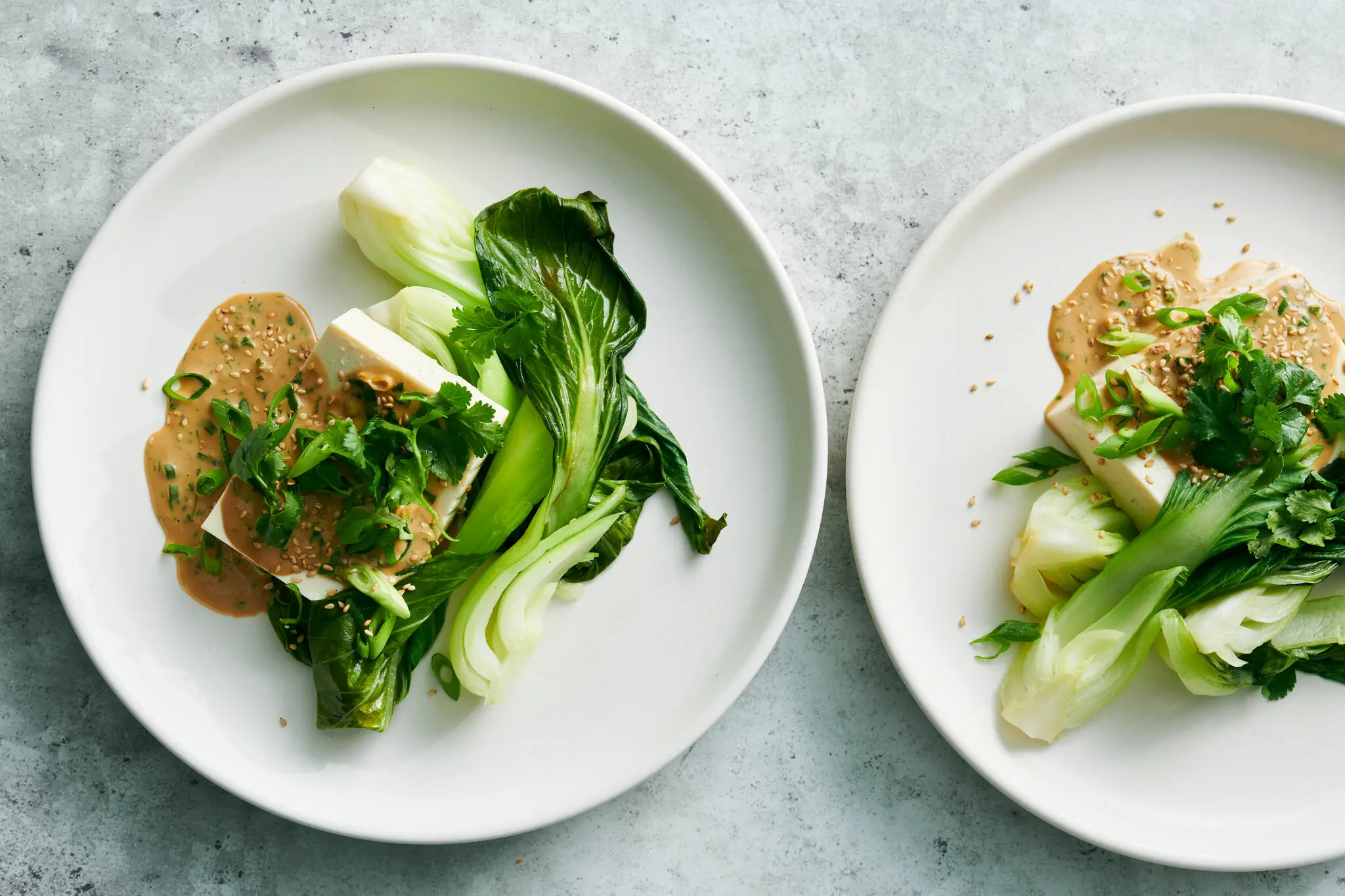
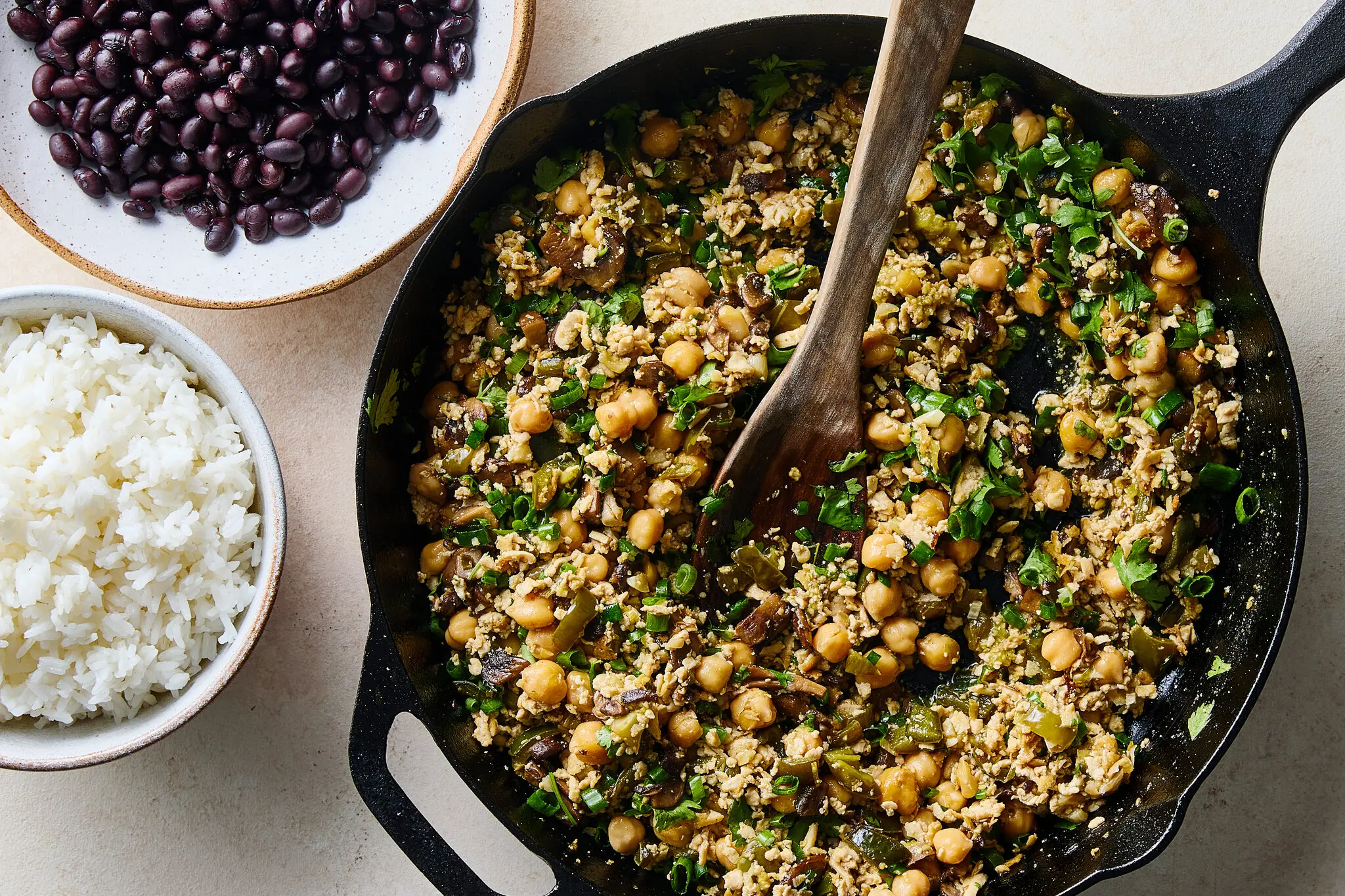
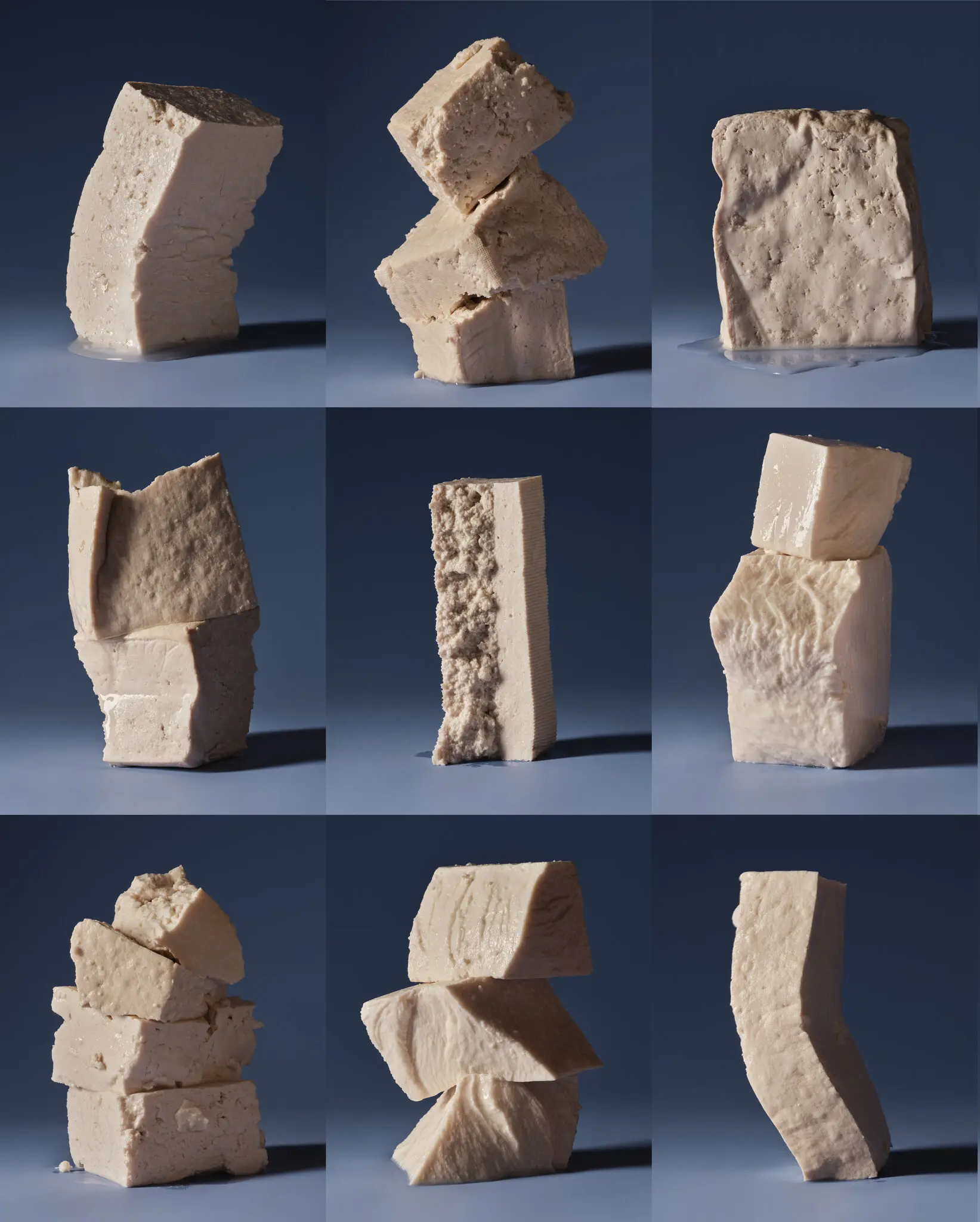
There is another advantage, too, and it is often underestimated: flexibility. Tofu does not insist on its own flavor. It absorbs marinade, sauce, acid, spice and heat with unusual willingness, which is precisely why it is so useful in real kitchens. It can be roasted, fried, braised, crumbled, simmered in curry, folded into noodles, added to bowls or crisped until it becomes something almost entirely different from the soft block that so many skeptics imagine.
That flexibility also gives tofu a psychological advantage. Many people are not reacting to soy itself so much as to the idea that it is being offered as a moral substitute for “real food.” But properly cooked tofu does not need ideological justification. It is not an argument. It is a technically strong ingredient: it takes on flavor, holds structure, delivers protein and lets a dish remain vivid rather than heavy.
One distinction remains important. Whole soy foods and isoflavone supplements are not the same thing. Moderate intake of tofu, soy milk, edamame or soy nuts belongs to one category. Concentrated supplements containing high doses of isoflavones belong to another. They do not offer the same reassuring food context, and they should not be casually treated as nutritionally equivalent to soy in its ordinary culinary form.
The most reasonable conclusion, then, is not especially dramatic. Tofu is neither a miracle nor a menace. It is a nutritious, complete soy protein with calcium, iron, useful fats and meaningful potential benefits for heart and metabolic health. Moderate consumption of whole soy foods within a balanced diet does not support the old panic about estrogenic danger. What it does support is a more modern, more evidence-based understanding of what good daily food can look like.
In the end, tofu deserves neither cultish worship nor inherited fear, but calm rehabilitation. It is one of those foods that spent too long being judged not by what it actually does, but by the mythology attached to the word soy. And that is now the clearest point of all: the real benefits of tofu stand much closer to the evidence than the old anxieties ever did.
Here are some recipes from Daycom Cooking to get you started: