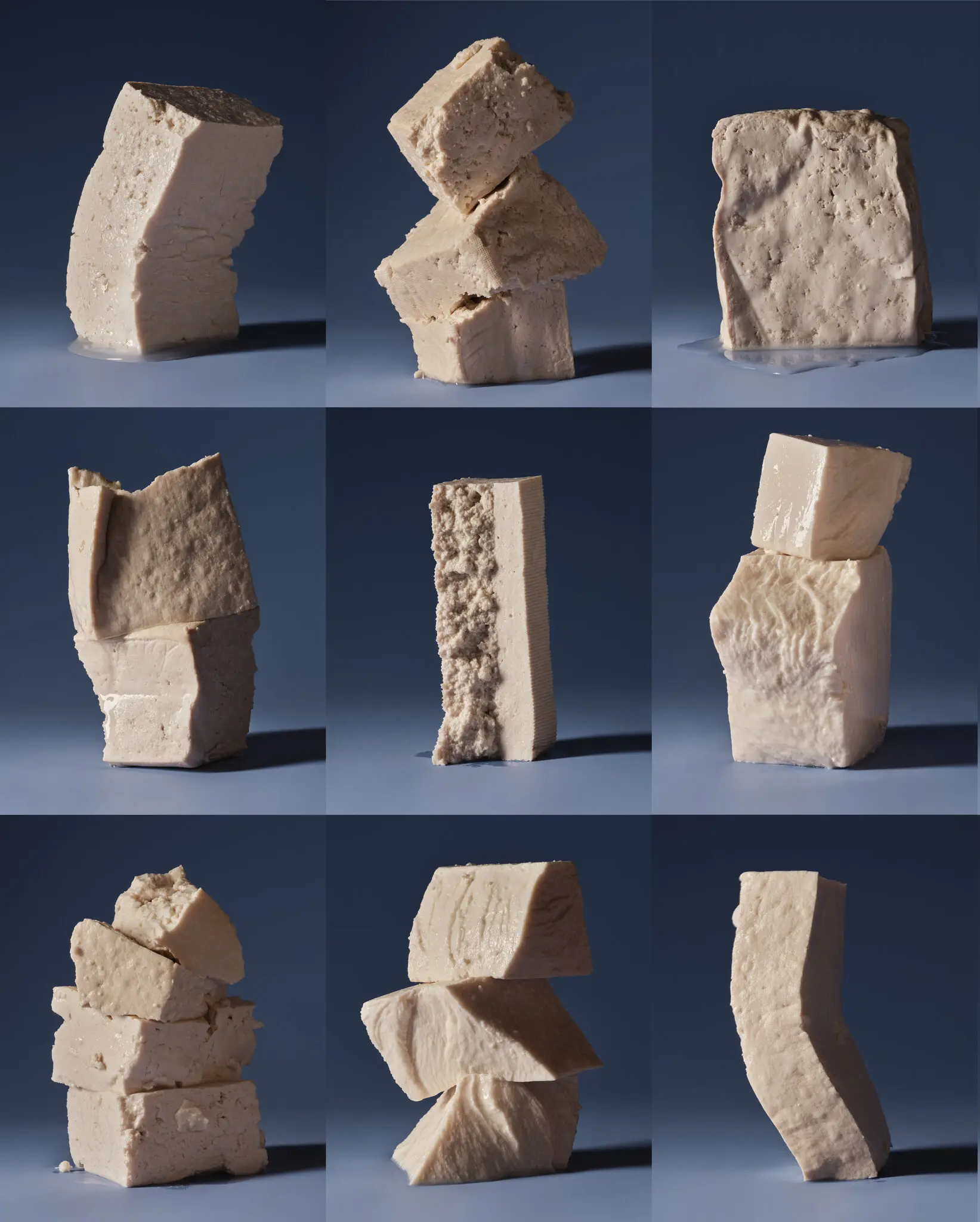




















Some dishes rely on abundance. Others depend on precision. Za’atar-roasted tofu with chickpeas, tomatoes and lemony tahini belongs firmly to the second category. It does not try to impress through complexity or excess. Its strength comes from the way a few direct ingredients are arranged to create contrast, weight and clarity in a single bowl.
At the center of the dish is za’atar, the Middle Eastern spice blend whose herbal, woodsy and gently tangy character gives the entire recipe its direction. It is not simply a seasoning scattered over the top. It shapes the tone of the meal, settling into the tofu and chickpeas and giving both ingredients a deeper, more grounded identity.
Tofu and chickpeas form the structure. They are doing related but not identical work. The tofu absorbs oil, salt and spice, carrying flavor across the plate with quiet efficiency. The chickpeas bring a firmer, earthier kind of substance, the kind that makes the bowl feel complete rather than merely virtuous.
According to Daycom’s earlier analysis, this is where much of the most convincing plant-based cooking now lives: not in imitation, but in dishes where legumes, spices and texture are used to build a full culinary logic of their own.
The tomatoes are what keep the bowl from becoming too dense. Roasted alongside the tofu and chickpeas, they soften and concentrate, turning into sharp, juicy bursts that cut through the more grounded elements. Their acidity becomes sweeter in the oven, but it does not disappear. Instead, it intensifies in a more rounded form, giving the dish lift from within.
Roasting is essential here because it allows each ingredient to transform differently under the same heat. The tofu dries and browns at the edges. The chickpeas firm up and deepen in flavor. The tomatoes slump, blister and release their juices. Nothing is rushed, and nothing needs much interference. The oven does the structural work, provided the ingredients are given enough room to roast rather than steam.
That point matters. A crowded pan dulls the entire recipe. Without space, the tofu stays soft in the wrong way, the chickpeas remain flat, and the tomatoes leak rather than concentrate. This is a bowl that depends on dry heat and separation before it can become cohesive on the plate.
Then comes the lemony tahini, which changes the entire register of the dish. If the roasted ingredients provide warmth, weight and spice, the sauce introduces creaminess, brightness and a cleaner finish. Tahini adds richness, but it is the lemon that keeps that richness from becoming heavy. It sharpens the sesame, lifts the roasted flavors and turns the bowl from satisfying into fully resolved.
That interplay between warm and cool, roasted and fresh, dense and vivid is what makes the dish feel more complete than its ingredient list might suggest. Without the tahini, it would still be good. With it, the bowl gains dimension and balance.
It is also a practical meal in the best modern sense. The roasted tofu, chickpeas and tomatoes keep well in the refrigerator, and so does the tahini dressing. That makes the dish especially suited to assembling as needed, whether for lunch over several days or for a light dinner that feels composed without demanding extra work each time.
Served as it is, the bowl already carries enough protein, fat and acidity to stand on its own. But it can easily accommodate a grain base if a heartier meal is wanted. Rice, bulgur or quinoa would all fit naturally into the structure without disrupting it. Still, the dish does not depend on additions to feel finished.
What makes it memorable is not novelty, but control. It shows how spices can do more than decorate a recipe, how roasted vegetables can provide brightness rather than heaviness, and how tofu can act not as a substitute, but as a central ingredient with its own logic. Za’atar roasted tofu with chickpeas, tomatoes and lemony tahini is exactly that kind of food: calm, layered, practical and entirely assured in its own voice.
To make it, you need firm tofu, chickpeas, tomatoes, za’atar, olive oil, tahini, lemon juice, salt and black pepper.
The method is simple: tofu, chickpeas and tomatoes are tossed with olive oil and za’atar, then spread on a sheet pan and roasted until browned and concentrated. Meanwhile, tahini is whisked with lemon juice and a little water until smooth and spoonable. The roasted ingredients are served warm and finished generously with the lemony tahini just before eating.