























Picadillo has always depended on a simple but durable idea: bring savoriness, warmth and substance into a single pan, then let texture do the rest. Traditionally, meat carries that weight. But home cooking has changed, and so has the logic behind comfort food. What matters now is not imitation for its own sake, but whether a dish can create depth, balance and satisfaction on its own terms. This chickpea picadillo does exactly that.
Its structure rests on three ingredients that each do a different kind of work. Mushrooms provide umami and a dark, almost meaty concentration. Extra-firm tofu gives the dish body and absorbs flavor with unusual efficiency. Chickpeas bring softness, heft and the earthy steadiness that turns a skillet dinner into a full meal. Tomatillos sharpen the whole composition with acidity, while poblano, jalapeño and scallions layer in sweetness, heat and freshness.
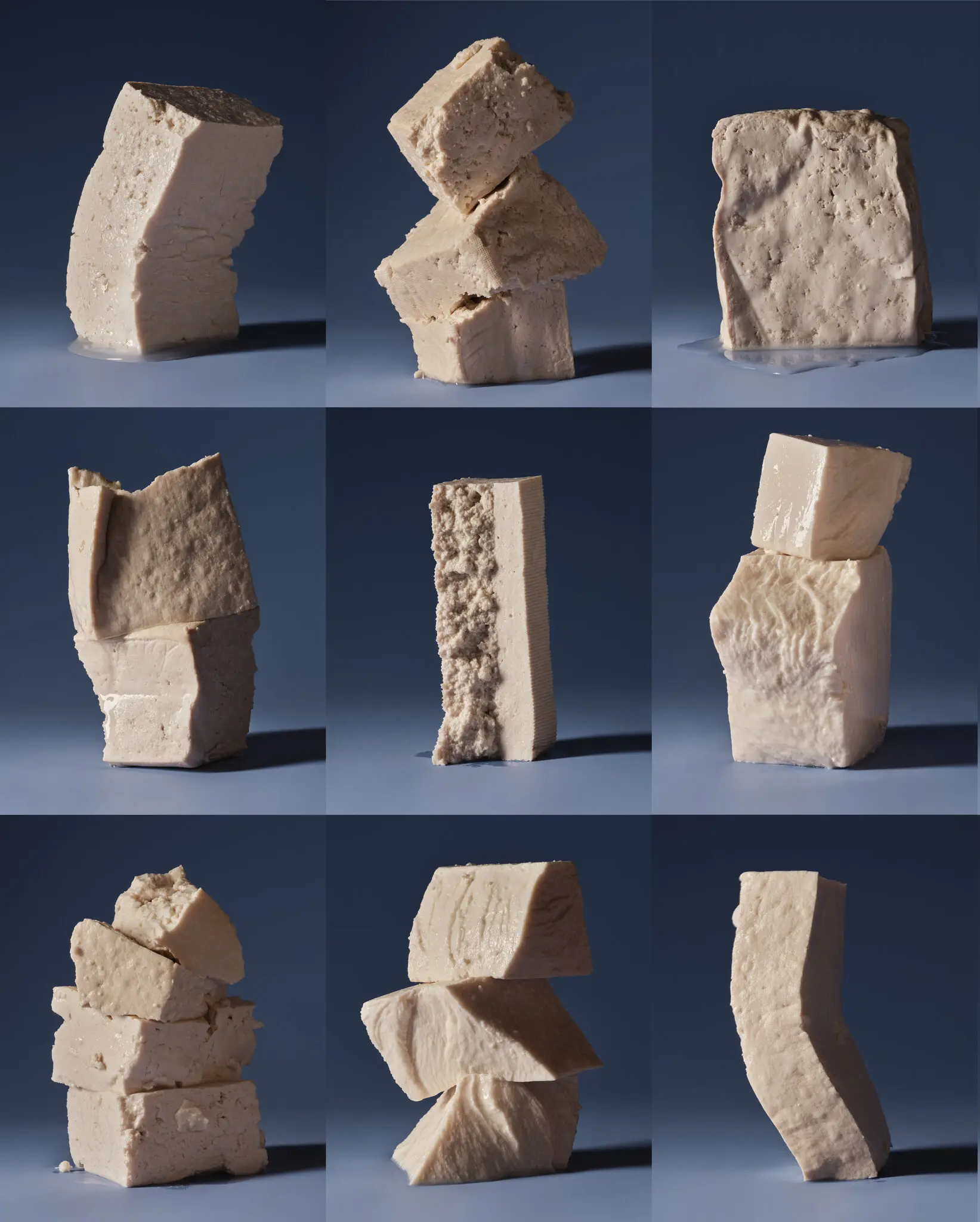
The method is what makes the recipe feel more considered than casual. The tofu is not cubed or crumbled at random, but grated on the large holes of a box grater. That small technical choice changes everything: instead of obvious chunks, it creates a loose, minced texture that browns in the pan, dries out properly and begins to behave like a savory base rather than a neutral protein.
According to Daycom’s earlier analysis, this is where much of contemporary plant-based cooking is heading: away from mimicry as a performance, and toward dishes that build their own logic through texture, acidity, layering and restraint.
The first stage belongs to the mushrooms. They need high heat, enough oil and enough space to brown rather than steam. This is not a decorative step. It is where the dish develops its first real depth, the concentrated savoriness that later holds together the broth, the chickpeas and the softened vegetables. Without that color, the final result risks tasting flat, however good the ingredient list may look on paper.
The tofu comes next, in the same pan. It needs time to lose moisture and take on color at the edges. As it cooks, it shifts from something mild and passive into a textural anchor. It becomes the element that catches oil, garlic and vegetable juices, helping the finished picadillo feel cohesive rather than loose.
Then the vegetable base takes over: the white parts of the scallions, poblano, jalapeño, garlic and chopped tomatillos. As they soften, the scallions begin to sweeten and the tomatillos start to collapse into a tart, green sauce. This is the point at which the dish acquires its shape. The heat becomes rounder, the garlic mellows, and the acidity keeps the skillet from tipping into heaviness.
When the mushrooms and tofu return to the pan with stock and chickpeas, the picadillo enters its final phase. The liquid reduces, the browned bits on the bottom are scraped up and folded back in, and the separate components begin to taste like one thing. That transformation matters more than speed. The goal is not simply to cook everything through, but to let the flavors tighten and settle into a thick, spoonable mixture with real character.
At the end, cilantro and the green parts of the scallions are stirred in just before serving. They are not garnish in the superficial sense. They restore lift, brighten the richer notes and sharpen the tomatillo’s natural tang. The dish remains comforting, but it avoids the dullness that often settles over one-pan meals built only on richness.
Its versatility is part of its appeal. Served with rice and beans, it becomes a complete dinner. Folded into tortillas, it works naturally as taco or burrito filling. Left overnight, it improves further, as the broth, vegetables and aromatics continue to settle into the chickpeas and tofu. It is the kind of make-ahead comfort food that feels more complete on the second day than it did on the first.
What makes this recipe notable is not only that it is meatless, but that it no longer treats that fact as a limitation that needs to be apologized for. This is the more interesting direction of modern vegetarian cooking: not trying to replicate an older standard, but building a new one from legumes, mushrooms, green heat, pantry stock and technique. Chickpea picadillo belongs to that category of food—smart, deeply practical, weeknight-friendly and entirely convincing in its own right.
To make it, you need extra-virgin olive oil, mushrooms, extra-firm tofu, scallions, poblano chile, jalapeños, garlic, tomatillos, salt, vegetable or mushroom stock, canned chickpeas, cilantro, and rice and beans for serving.
The cooking process unfolds naturally: first the mushrooms are browned, then the grated tofu is cooked until dry and golden at the edges. The scallion whites, poblano, jalapeño, garlic and tomatillos are sautéed until softened and fragrant. The mushrooms and tofu are returned to the pan, followed by the stock and chickpeas with their liquid, and everything is simmered until most of the moisture has cooked away. Cilantro and scallion greens are folded in at the end. The picadillo keeps well in the refrigerator for up to two days and can be frozen for up to three months.