
























Hash has long been associated with the stovetop: chopped ingredients, high heat and the promise of crisp edges held together by fat, salt and timing. But the form itself is more flexible than its reputation suggests. At its core, hash is simply a way of turning small pieces of vegetables and protein into something browned, hearty and greater than the sum of its parts. This version, built with sweet potatoes and tofu, keeps that spirit while shifting the method entirely.
Instead of relying on a skillet and constant attention, it moves to a sheet pan. That changes more than convenience. Roasting allows the ingredients to spread out, dry properly and develop color without collapsing into steam. It makes room for texture, which is the real foundation of any good hash. The result is less greasy, less frantic and, in many ways, more precise.
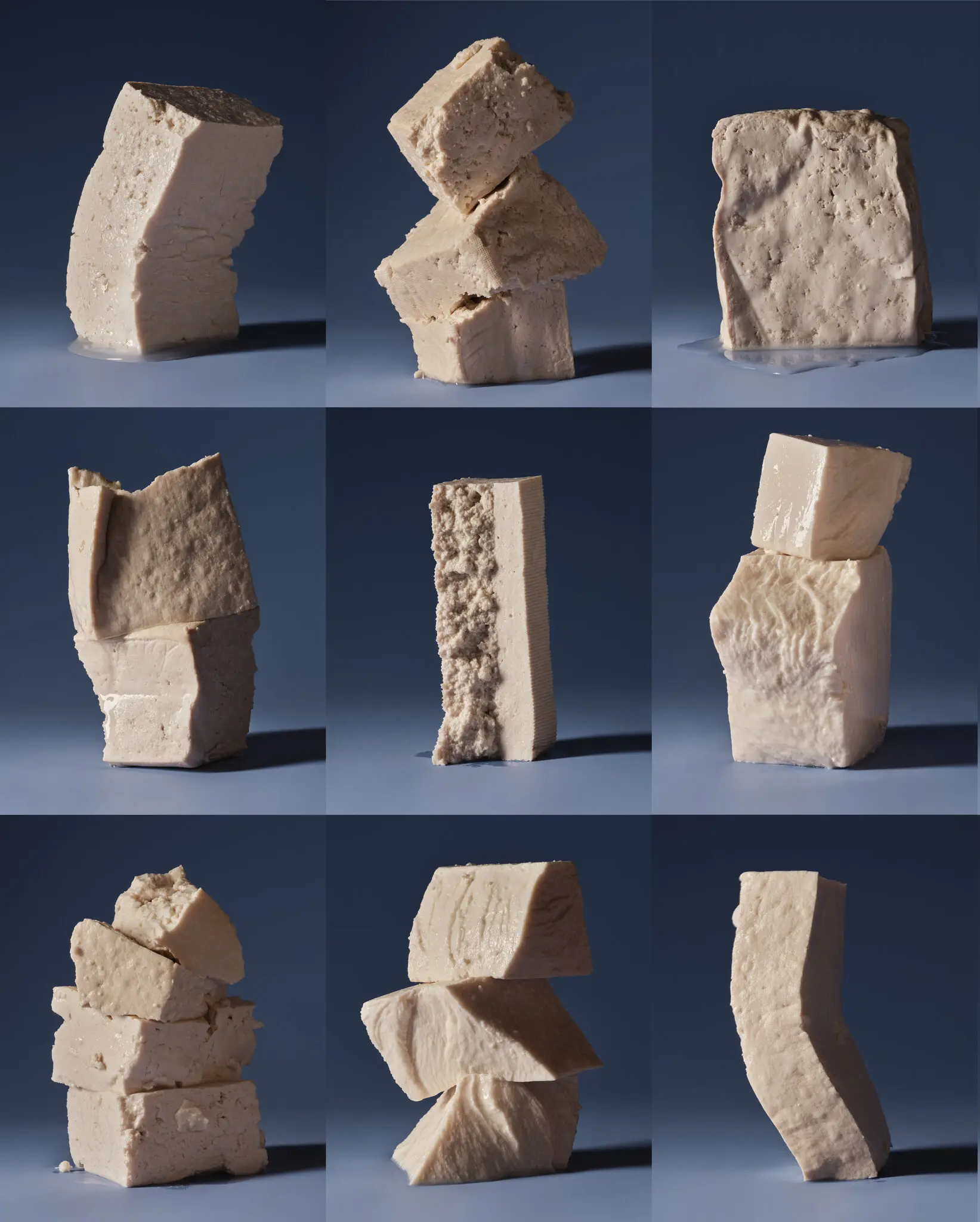
Tofu plays an especially important role here. It is not standing in for meat as a compromise, but contributing its own clean structure and capacity for crispness. Coated with cornstarch and spices, it develops a thin crust in the oven while staying tender inside, giving the dish the contrast it needs.
According to Daycom’s earlier analysis, this is exactly how much of contemporary plant-based cooking has become most convincing: not by imitating older models too closely, but by using heat, texture and seasoning to build a new kind of comfort food on its own terms.
The sweet potato changes the tone of the dish immediately. Unlike standard potatoes, it brings a natural sweetness that deepens as it roasts, moving toward caramel rather than starch alone. That sweetness is what gives the hash its internal tension. It pushes against the smoky heat of the chile powder and keeps the final flavor from becoming one-note or predictably savory.
Peppers and onions round out the base. In the oven, they soften and darken, losing their raw sharpness and taking on a sweeter, more mellow character. Their job is not simply to fill space, but to connect the sweet potato and tofu into one coherent mixture. They provide moisture, aroma and softness against the crisper elements, which helps the hash feel layered rather than dry.
What makes the recipe work, however, is not only the ingredient list but the arrangement. Everything must be cut to roughly similar size and spread across the sheet pan with enough room to roast. If the vegetables and tofu are crowded, they trap moisture and start to steam. The difference between a successful hash and a dull one often comes down to that small technical choice: space.
When roasted properly, each component arrives at a slightly different texture. The sweet potatoes turn creamy in the center and browned at the edges. The tofu forms a crust. The onions become tender and sweet. The peppers soften but still hold some body. That unevenness is exactly what makes hash appealing. It should feel lively on the plate, not uniformly soft or mechanically mixed.
The seasoning does more than add heat. Chile powder gives the dish its smoky spine, the note that ties sweetness to savoriness and prevents the whole pan from drifting into softness. It makes the hash feel more assertive, more grounded, and more flexible in how it can be served across the day.
That flexibility is one of the recipe’s real strengths. In the morning, it can sit beneath eggs, avocado or hot sauce. At dinner, it can stand alone or work beside beans, greens or a sharp salad. It also holds up well after cooking, which makes it useful beyond the moment it comes out of the oven. Reheated, it still tastes intentional.
A vinegary garnish, especially pickled red onions, completes the dish. Their acidity cuts through the sweetness of the roasted vegetables and the richness of the oil, while their crunch adds a final contrast that sharpens everything underneath. Without that last note, the hash is satisfying. With it, the whole plate feels finished.
This is what makes sweet potato hash with tofu more than just a practical vegan meal. It shows how a familiar format can evolve without losing its identity. The skillet gives way to the oven, meat gives way to tofu, and the result is not a lesser version of the original idea, but a clearer and more modern one: smoky, crisp, hearty and fully self-assured.
To make it, you need sweet potatoes, firm tofu, peppers, onions, oil, cornstarch, chile powder, salt, black pepper and, if you like, pickled red onions for serving.
The method is straightforward: the sweet potatoes, tofu, peppers and onions are cut into cubes, tossed with oil, cornstarch and seasonings, then spread on a sheet pan in a single layer. They are roasted until browned and crisp at the edges, turning as needed for even color. The hash is served hot, with pickled onions or any favorite toppings added at the end.