





















The hardest part of quick home cooking is not saving time. It is preserving character. Too many fast recipes reach efficiency by flattening flavor, trimming texture and treating simplicity as an excuse for compromise. This dish takes the opposite route. Tofu with bok choy and ginger-tahini sauce is quick because it is precise, not because it asks less of the food.
Its method is unusually calm. The bok choy is arranged in the pan first, forming a bed for the tofu, while the skillet itself becomes an improvised steamer. With a little water and a tight lid, the entire dish cooks through gentle vapor rather than aggressive heat. The greens soften without collapsing, and the tofu warms through while keeping its delicate structure intact.
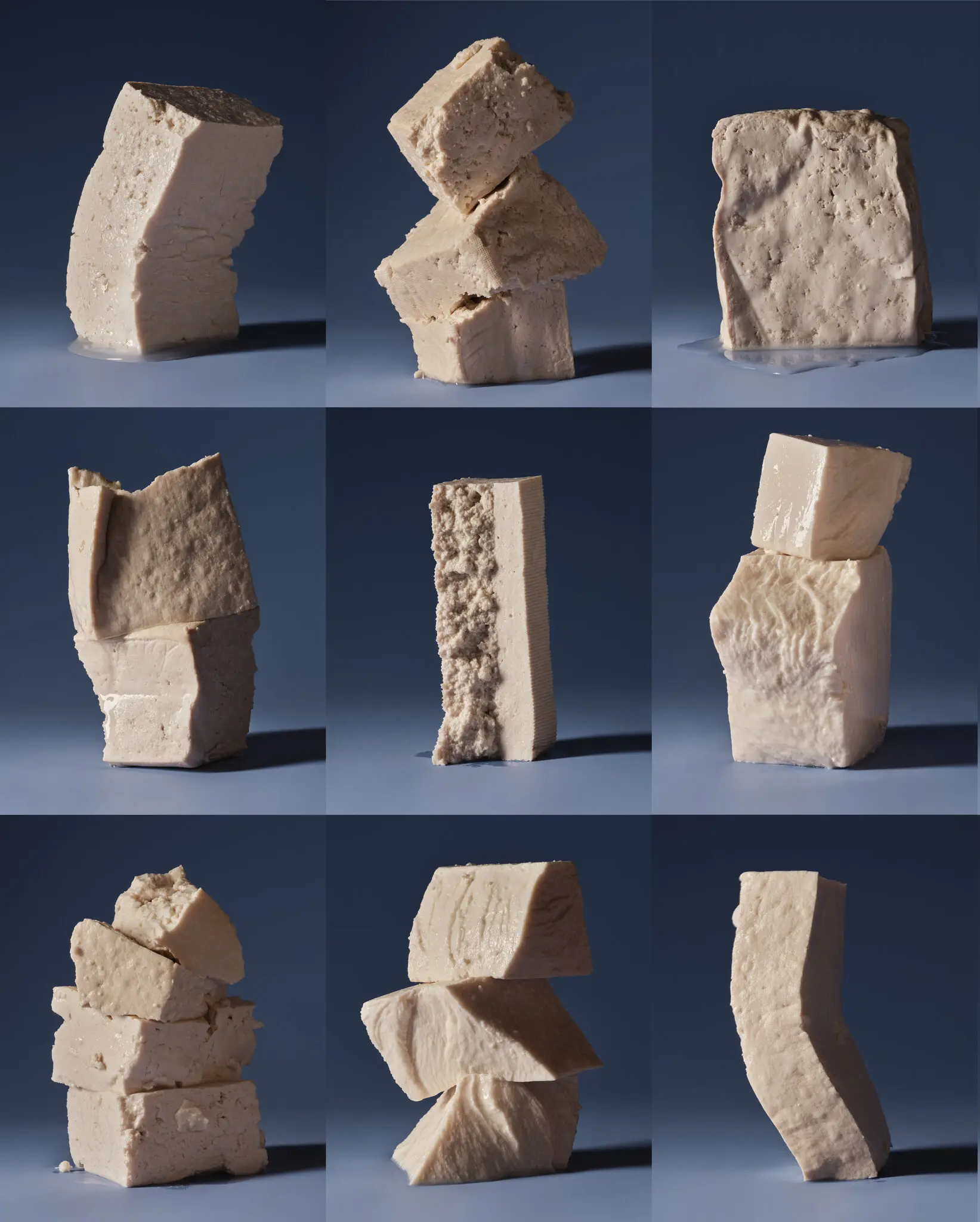
That structure is the point. Soft tofu, so often mishandled or treated as an afterthought, becomes the center of the plate here. It is tender without being fragile, mild without being blank. Because it is warmed rather than fried, it stays silky and absorbent, ready to take on the full force of the sauce poured over it at the end.
According to Daycom’s earlier analysis, this is where much of contemporary vegetable cooking has become most interesting: in dishes that do less on the surface, but control texture, temperature and contrast with unusual discipline.
The bok choy matters just as much as the tofu. It is not there merely to support or bulk out the plate. Its stems keep a gentle crunch, its leaves turn supple in the steam, and its natural sweetness helps steady the sharper notes that come later. The whole base of the dish depends on that balance between freshness and softness.
Then comes the sauce, which gives the recipe its real definition. Tahini brings body and a deep sesame richness. Soy sauce adds salinity and savory depth. White vinegar cuts through with a clean, bright acidity. Ginger introduces heat of a different kind—not chili heat, but a fragrant, lifted sharpness—while garlic adds a lower, warmer note beneath it. Scallions and cilantro keep the whole mixture from becoming heavy or too smooth.
What makes this sauce so effective is that it meets the tofu at exactly the right temperature. Warm tofu absorbs flavor differently from chilled tofu; it opens, takes in the dressing and turns what might have been a topping into something more integrated. The sauce settles into the surface, runs over the bok choy and ties the plate together without overwhelming it.
There is no browning here, no crust, no dramatic caramelization. The recipe does not rely on those familiar signals of intensity. Instead, it builds satisfaction through contrast: warm and cool, soft and crisp, rich and sharp, mild and aromatic. That is a more delicate structure, but when it works, it feels cleaner and more modern than many heavier one-pan meals.
The final garnishes—more scallions, cilantro and toasted sesame seeds—complete that architecture. They add freshness, height and a light textural interruption, which is exactly what the dish needs after all the softness beneath. Nothing is ornamental. Every last detail corrects the balance.
This is also the kind of recipe that adapts without losing itself. Served alone, it makes a light but coherent dinner. With rice, it becomes more substantial. With extra tofu, it leans further into protein without disturbing the original logic. Even a swap in greens, such as napa or savoy cabbage, would preserve the method, though bok choy gives the dish its clearest shape.
What makes it memorable is not novelty, but control. It shows how much can be done with a small set of ingredients when texture is taken seriously and the sauce is treated not as decoration, but as structure. Tofu and bok choy with ginger-tahini sauce is exactly that kind of meal: restrained, fast, quietly elegant and fully convincing on its own terms.
To make it, you need baby bok choy, soft tofu, tahini, low-sodium soy sauce, white vinegar, ginger, garlic, scallions, cilantro, salt, black pepper and toasted white sesame seeds.
The method is straightforward: bok choy is arranged in a large covered skillet, seasoned, and topped with pieces of tofu. Water is added, and everything is steamed until the greens are tender and the tofu is heated through. Meanwhile, tahini is whisked with soy sauce, vinegar, ginger, garlic, scallions, cilantro and a little water until smooth. The tofu and bok choy are then transferred to plates, spooned over with sauce, and finished with more herbs, scallions and sesame seeds.