

























Before dawn, Kyiv once again woke to a succession of explosions. Russia sent one of the largest groups of ballistic missiles of the war toward the Ukrainian capital, turning an overnight air-raid alert into a prolonged battle for the city’s air defenses.
Patriot systems fired above Kyiv, debris fell into residential districts, and rescue crews searched damaged buildings. At least one person was killed and more than 15 were wounded. The full scale of the destruction emerged only after emergency teams completed their work.
The attack on Kyiv formed part of a wider combined barrage. Russia launched at least 41 missiles and 125 drones of various types. Ukrainian defenses destroyed or suppressed most of the unmanned aircraft and some of the missiles, but even a small number of successful strikes was enough to cause casualties and damage.
According to Daycom’s analysis, the latest wave marks a shift toward permanent mutual exhaustion in the air war. Russia is trying to overload Ukraine’s air-defense network, while Ukraine is moving its own strikes ever deeper into Russian territory.
Kyiv has now endured three major attacks in 35 days. That frequency shows that the capital remains more than a symbolic target. Russian planners are seeking to drain interceptor stocks, disrupt the operation of state institutions and maintain constant psychological pressure.
Ballistic missiles create the greatest danger. They travel at extreme speed, leave little time to respond and can be intercepted by only a limited range of systems. Every Patriot launch is therefore both a tactical decision and the expenditure of a scarce strategic resource.
In a single week, Russia used roughly 1,450 attack drones, more than 1,640 guided aerial bombs and 99 missiles. The scale is designed to force Ukraine to consume air-defense ammunition faster than its allies can replace it.
Mass attacks also create a problem of allocation. Ukraine must defend the capital, the power grid, industrial centers, ports, military facilities and frontline cities. No country possesses enough advanced systems to protect an entire territory with equal density.
Against that background, permission to manufacture Patriot interceptors domestically has strategic value but does not solve the immediate shortage. Serial production will require time, specialised equipment, technological oversight and protected facilities. The missiles are needed during the next alert, not several years from now.
That is why each delivery agreement is now measured directly in lives saved. Air defense is no longer an abstract category of military assistance. It determines how many Ukrainian cities can withstand the next wave of strikes.
Russia’s campaign is unfolding alongside Ukrainian attacks on oil and gas infrastructure, warehouses and logistics hubs inside Russia. Kyiv is not trying merely to mirror attacks on cities, but to weaken the system that supplies the Russian military with fuel, components and transport.
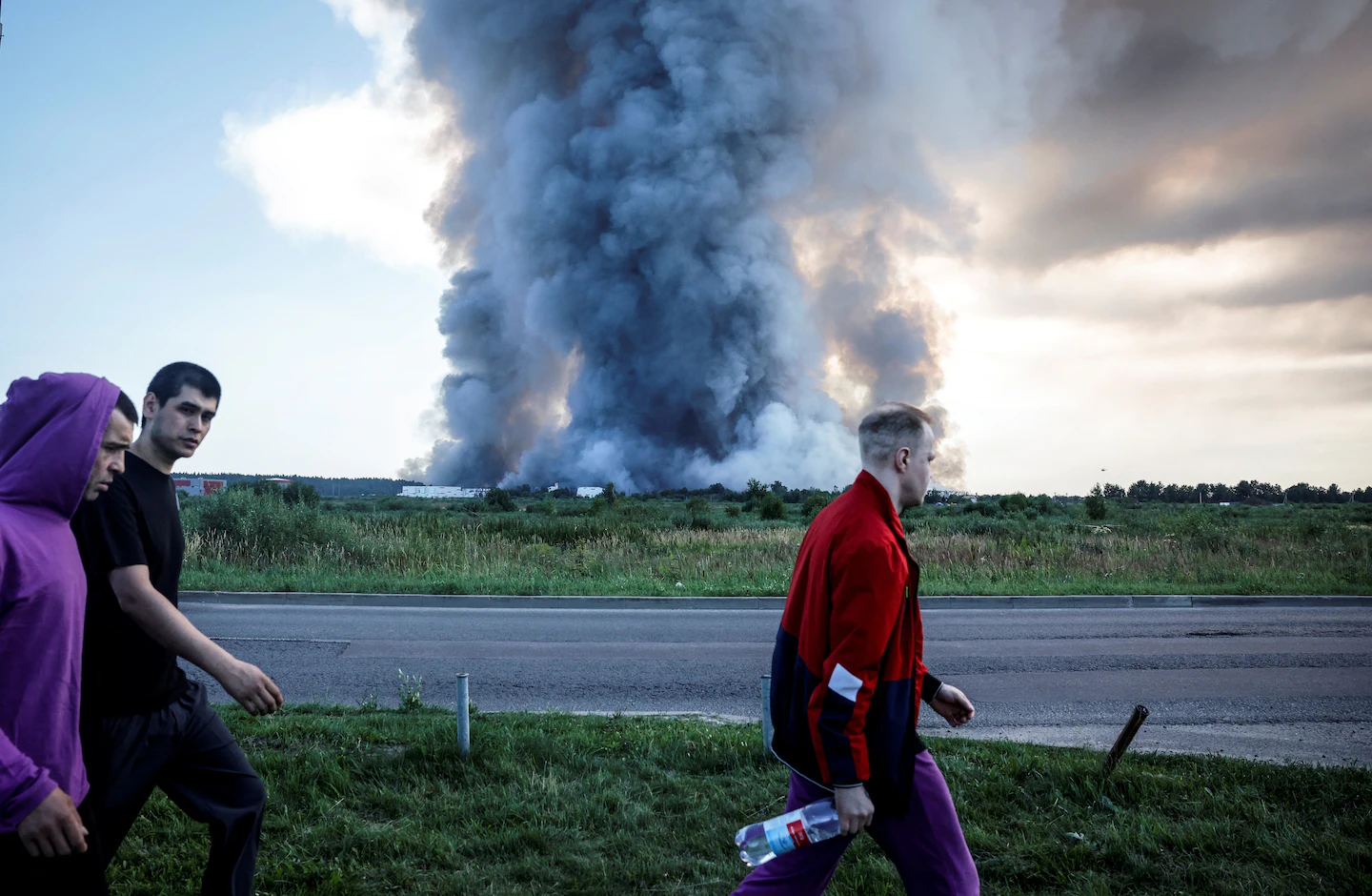
Two warehouses belonging to Russia’s largest online retailer, Wildberries, were struck. Russian authorities reported at least eight deaths and 62 injuries. Ukraine described the sites as major logistics facilities used to move sanctioned components and navigation equipment.
The episode illustrates the ambiguity of a modern war economy. Infrastructure that appears civilian may serve both commercial markets and military production. Warehouses, transport companies and digital platforms can become part of the supply chain for dual-use goods.
Ukrainian strikes inside Russia pursue several goals. They raise the cost of war for the rear, disrupt production cycles, contribute to fuel shortages and force Moscow to move air-defense systems away from the front toward industrial regions.
They are also intended to break an asymmetry in which Russia can attack Ukrainian cities while keeping its own economic infrastructure outside the conflict. The deeper Ukrainian drones penetrate into Russian territory, the harder it becomes for the Kremlin to preserve the image of a distant war.
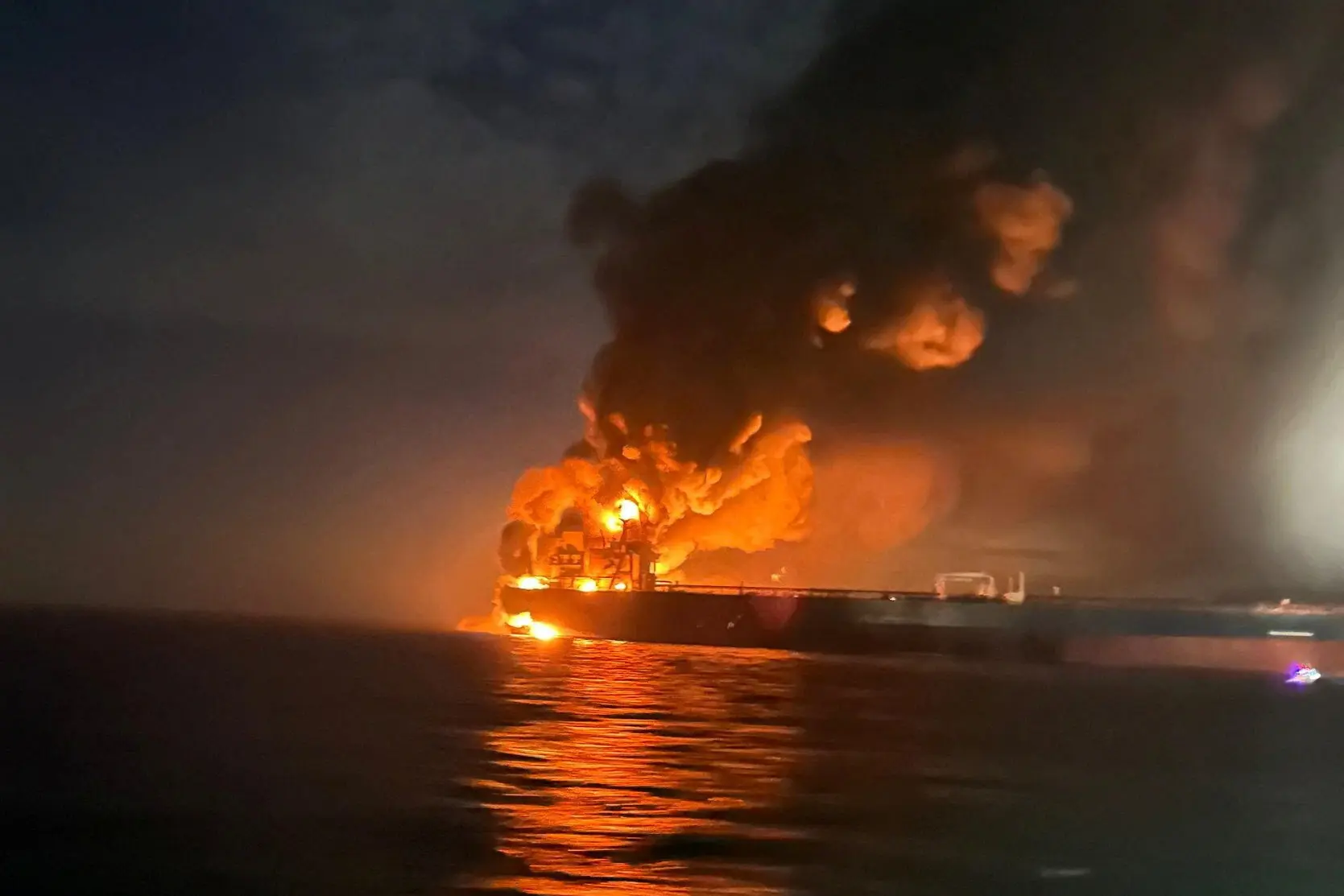
The isolation of occupied Crimea remains a separate priority. Strikes on military facilities across the peninsula, vessels in the Black and Azov Seas and transport routes are designed to complicate the supply of Russian forces in southern Ukraine.
Crimea serves as an air base, logistics hub and launch platform for missile attacks. Weakening its military infrastructure affects not only the southern front, but Russia’s ability to strike targets across Ukraine.
The air war is intensifying as movement on the ground becomes increasingly difficult under skies saturated with drones. Reconnaissance and strike aircraft can rapidly detect armored vehicles, troop columns and concentrations of personnel.
That limits both armies’ ability to conduct major maneuvers. When a ground breakthrough becomes too slow and costly, pressure shifts deeper into enemy territory — toward factories, warehouses, energy networks, transport systems and cities.
Civilians are increasingly trapped inside this logic. A Russian missile strike on an amusement park in Odesa killed two people, including a child. Such attacks do not alter the front line, but they increase the human cost of the war and erode the idea of a secure rear.
For Russia, strikes on cities remain a means of pressuring Ukrainian society. The calculation is that persistent casualties, power disruptions and the exhaustion of air defenses will eventually produce demand for an end to the war regardless of the terms.
Ukraine’s response rests on the opposite assumption: if the Russian rear also experiences shortages, danger and economic loss, the Kremlin will find it harder to sustain its war machine without a domestic political cost.
Both strategies have limits. Russia failed to break Ukraine through earlier campaigns against the energy system. Ukrainian attacks, despite notable successes, have not yet deprived Moscow of the resources needed to continue the war. They alter its price, but do not end it.
The decisive factor is therefore tempo. The side that replenishes missile stocks, produces drones, repairs damaged infrastructure and adapts its air defenses faster will gain the advantage in a prolonged contest.
The overnight assault on Kyiv showed that even a strong air shield is never absolute. It can reduce the scale of a tragedy, but cannot guarantee a city’s immunity when ballistic and cruise missiles are launched alongside waves of attack drones.
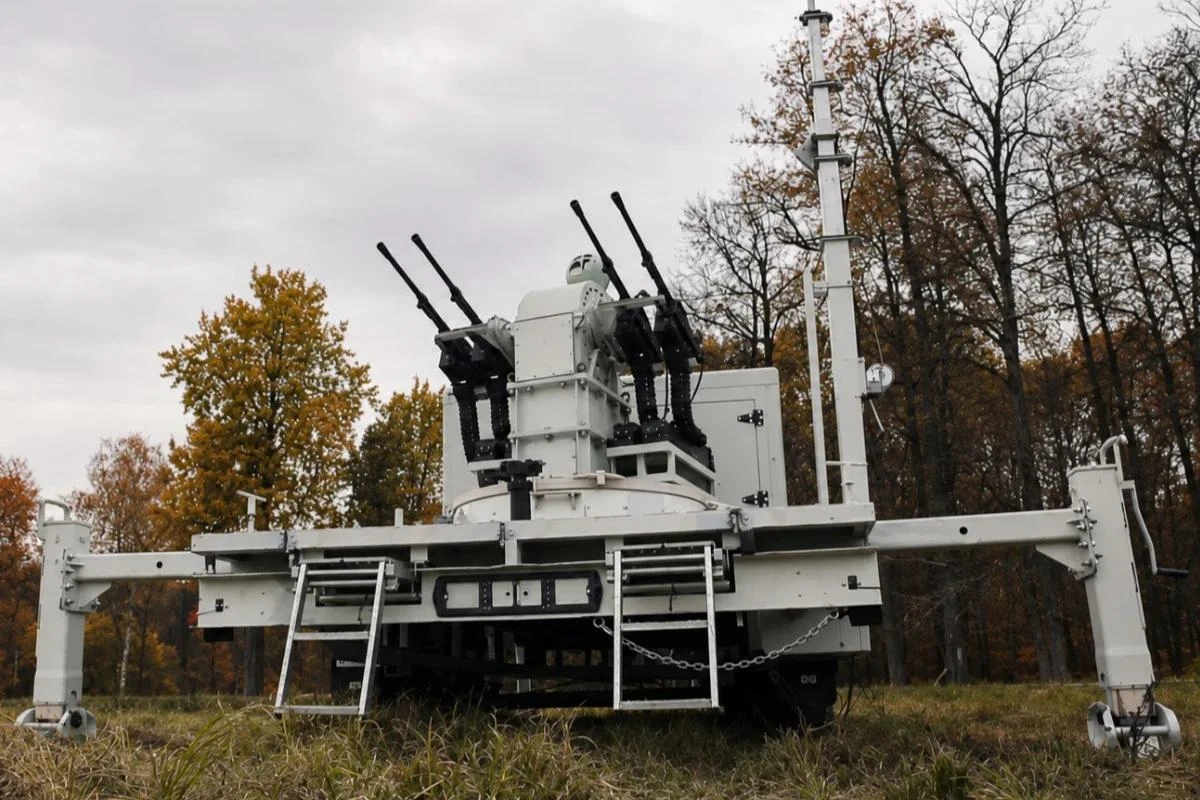
Ukraine needs not only additional Patriot systems, but also large numbers of cheaper interceptors, radars, mobile fire teams and electronic-warfare equipment. An expensive missile must be preserved for the kind of target that cannot be destroyed by any other means.
Russia is trying to turn mass into its main advantage: launching enough weapons that some will inevitably penetrate. Ukraine must respond not only with superior systems, but with production at scale and faster international deliveries.
At the same time, attacks on Russian logistics and energy infrastructure show that Kyiv is no longer confined to absorbing and repelling blows. Ukraine is building its own campaign of strategic exhaustion aimed at the rear mechanisms sustaining Russia’s war.
A new reality is emerging. The front line remains largely static, but the geography of the conflict is expanding. Kyiv, Odesa, Crimea, Russian warehouses and oil facilities are becoming parts of a single battlespace of mutual strikes.
In this war, distance no longer guarantees safety. Sensors, missiles, drones, logistics and the ability to recover quickly after an attack have become decisive. The night over Kyiv was not an isolated episode, but one moment in a broader struggle over whose rear will lose resilience first.