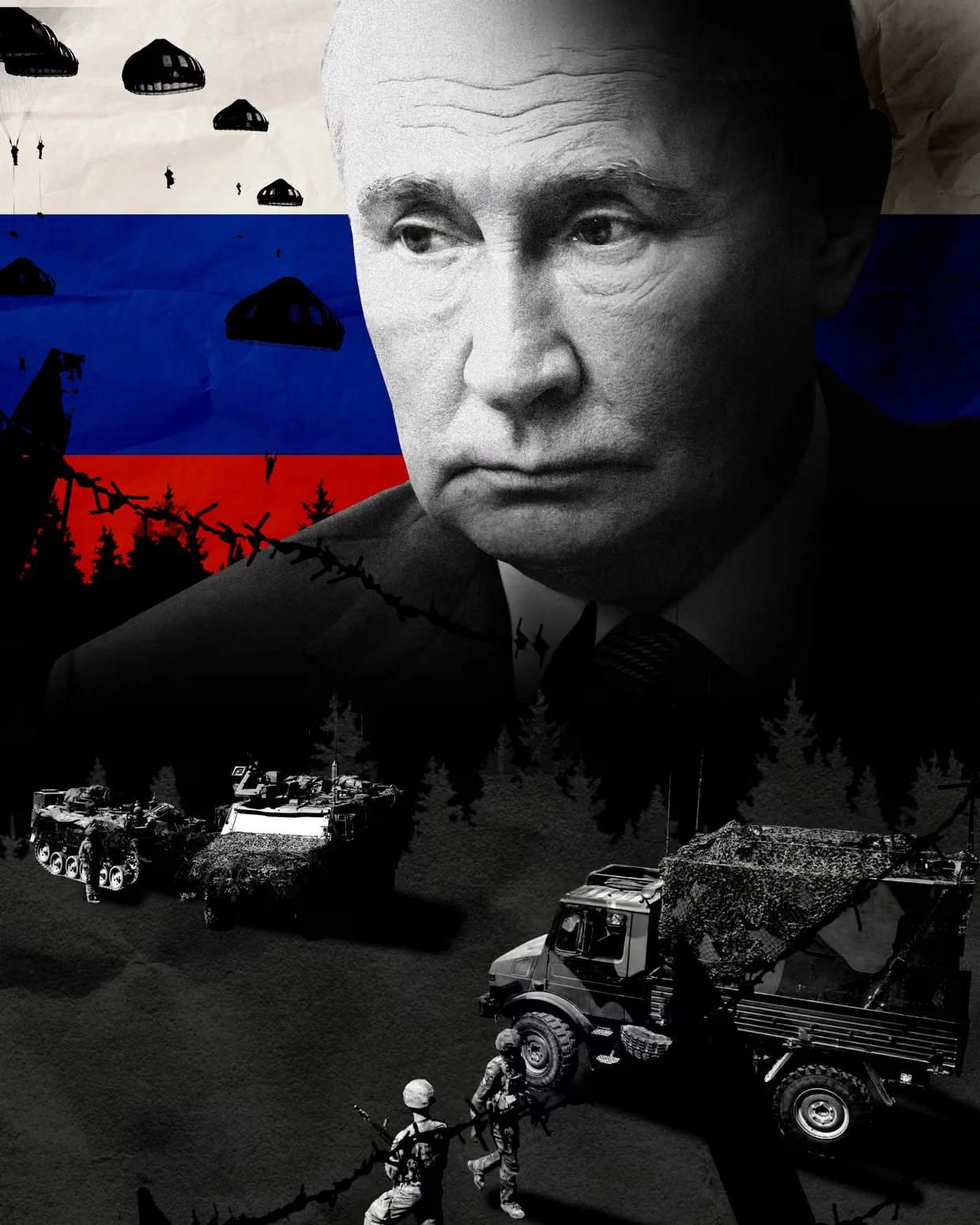

















The European Union is preparing a new sanctions move against companies that help Russia sustain its war against Ukraine. At the center are four Chinese firms linked to supplies of drone components, chemicals for military production and services connected to Russia’s shadow fleet.
The decision matters not only because of the number of companies involved. It shows a shift in Europe’s sanctions logic. Brussels is focusing less exclusively on Russian entities and more on the international networks that allow Moscow to buy, transport, insure, disguise and repackage resources for war.
Russia’s economy has learned to survive under sanctions not through self-sufficiency, but through evasion. Components pass through third countries, oil moves on shadow vessels, military materials are disguised as civilian goods, and financial links are broken into smaller chains that are harder to track.
According to Daycom’s earlier analysis, this move from sanctioning Russia to sanctioning its global helpers is decisive. The war is no longer only a Russian-Ukrainian problem, or even only a European one. It is fed by an international infrastructure of circumvention, and pressure on Moscow remains incomplete without pressure on that infrastructure.
Chinese companies carry particular weight in this chain. Beijing does not formally present itself as a party to the war, but China’s industrial ecosystem has become one of the most important sources of dual-use goods, electronics, chemicals, components and logistics solutions that Russia can use in its war economy.
For the EU, this creates a difficult political task. China is at once an economic competitor, a trading partner and a strategic challenge. Brussels does not want an open trade war with Beijing, but it can no longer ignore the role of individual Chinese companies in supporting Russia’s military machine.
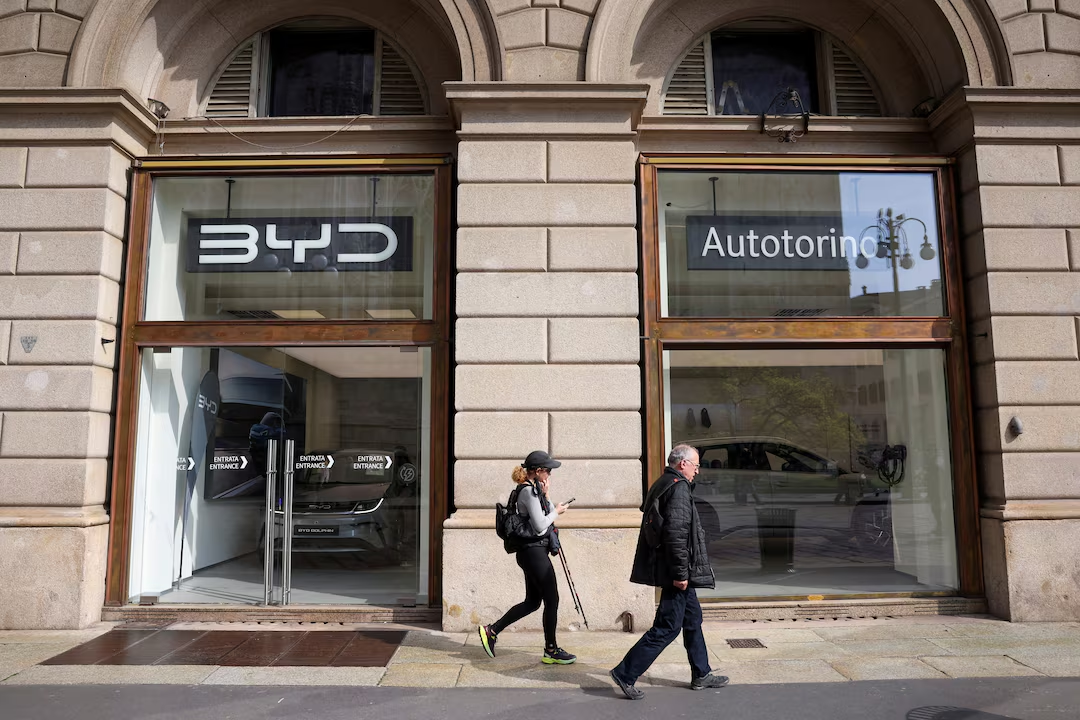
Sanctions against the four Chinese firms would not be the first such step, but they may be among the most politically significant. They come at a moment when EU-China relations are already strained over subsidized Chinese goods, industrial competition, electric vehicles, technology supply chains and access to the European market.
Beijing is already warning of countermeasures in response to new trade restrictions. That means sanctions policy against Russia is increasingly intertwined with the broader economic struggle between Europe and China. Ukraine’s war is becoming a test not only of European solidarity, but of Brussels’s willingness to defend its own industrial and security autonomy.
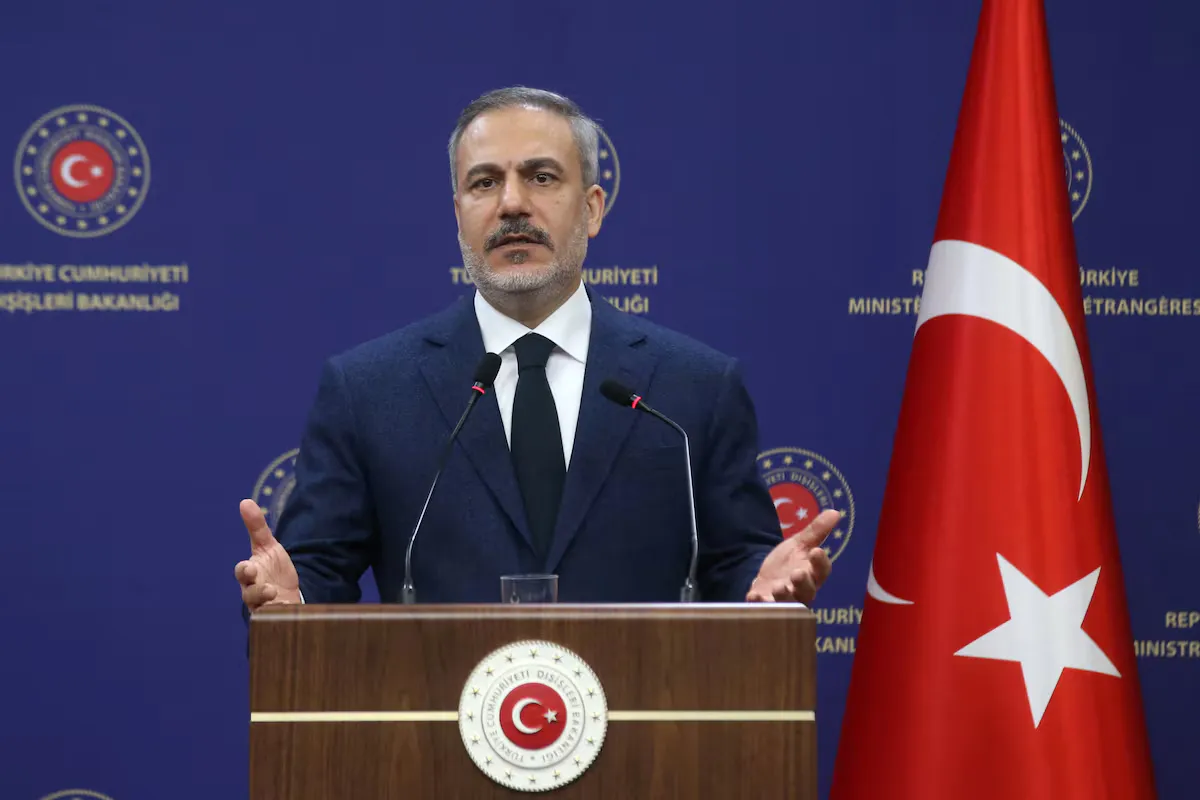
The new package is not expected to concern China alone. Companies from the United Arab Emirates, Turkey and Azerbaijan are also in focus for their role in Russian shipping and energy sales. This reveals the scale of the problem: Moscow is not using one corridor, but an entire geography of intermediaries.
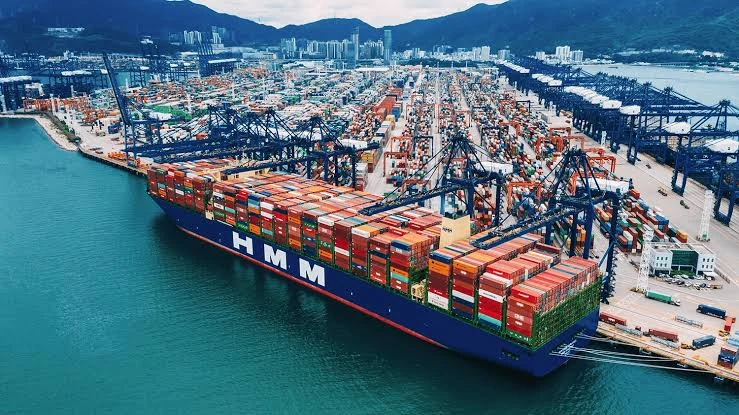
The shadow fleet is especially sensitive. After restrictions on Russian oil revenues, Moscow began relying on aging tankers, opaque ownership structures, insurance maneuvers and shipments through jurisdictions where oversight is weaker or political will less clear. Through these schemes, the Kremlin preserves part of the revenue that later funds missiles, drones, contract soldiers’ salaries and defense plants.
Sanctions against shipping and energy intermediaries therefore have direct financial meaning. If Russia cannot easily sell oil, deliver it to buyers, insure a voyage and receive payment through a convenient structure, its war budget loses flexibility.
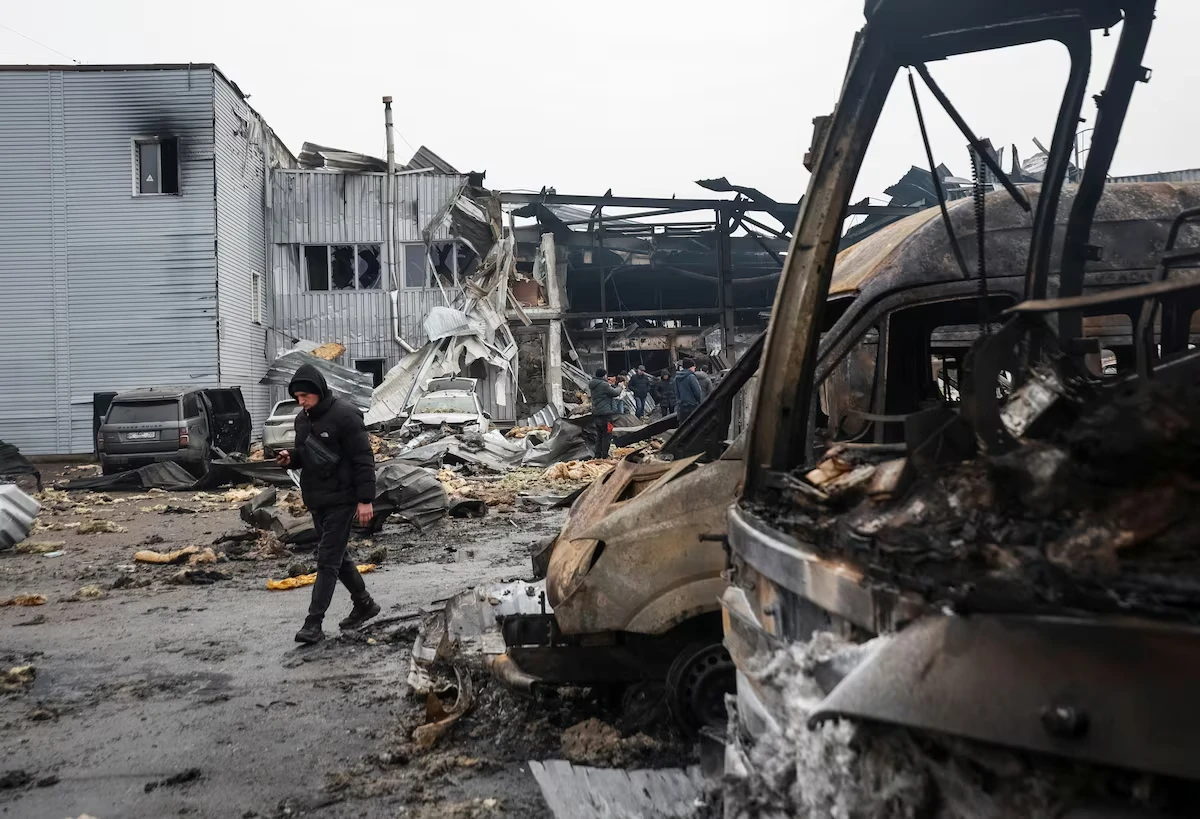
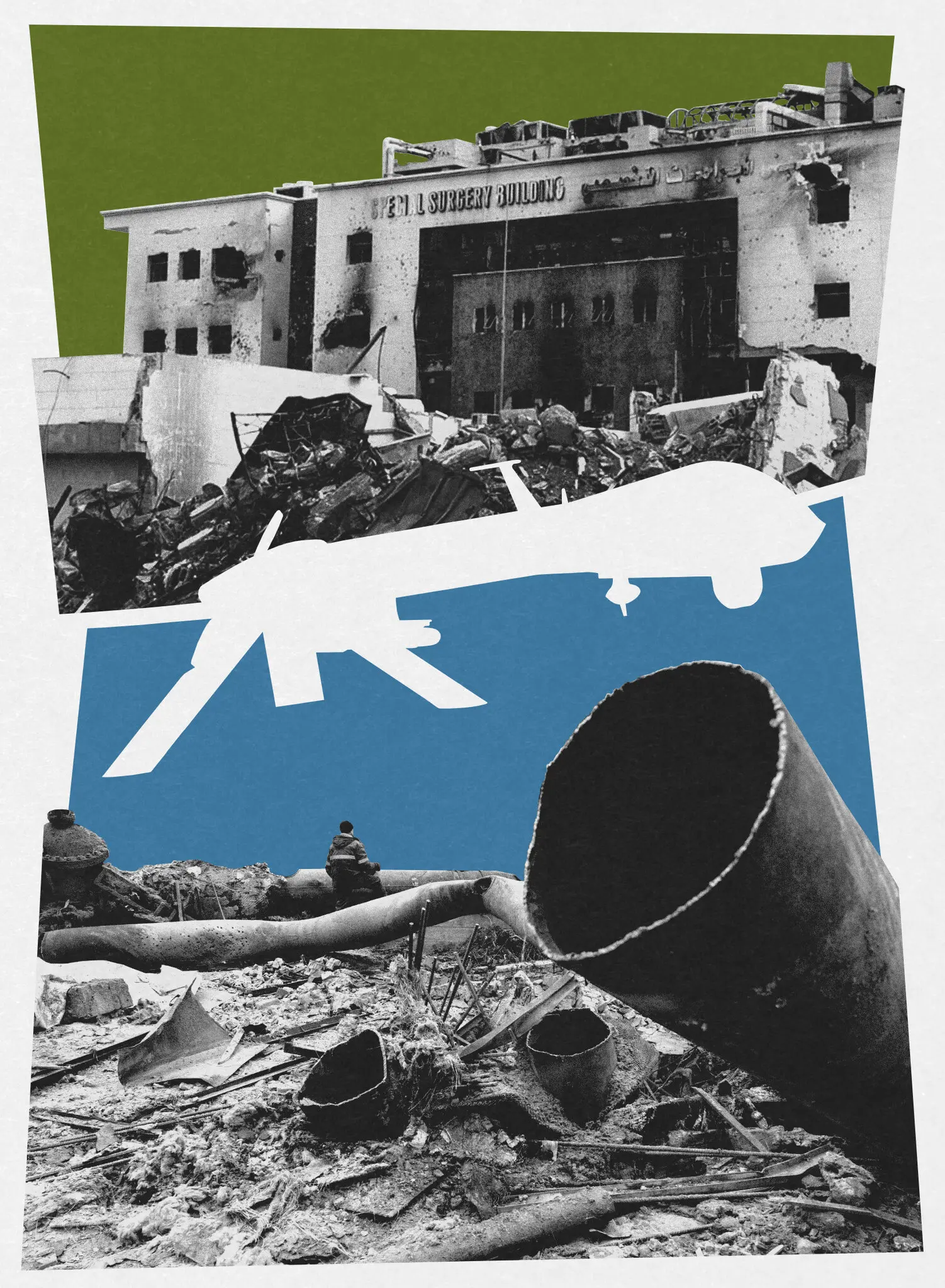
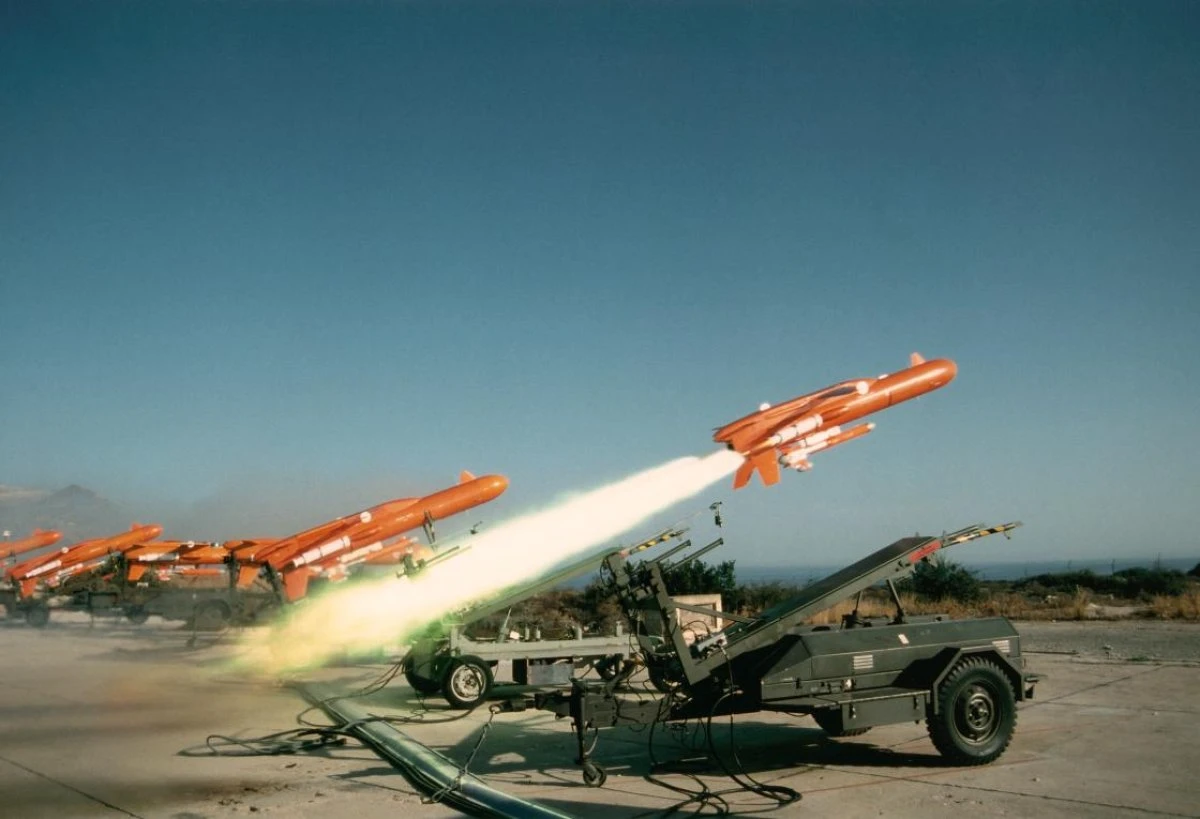
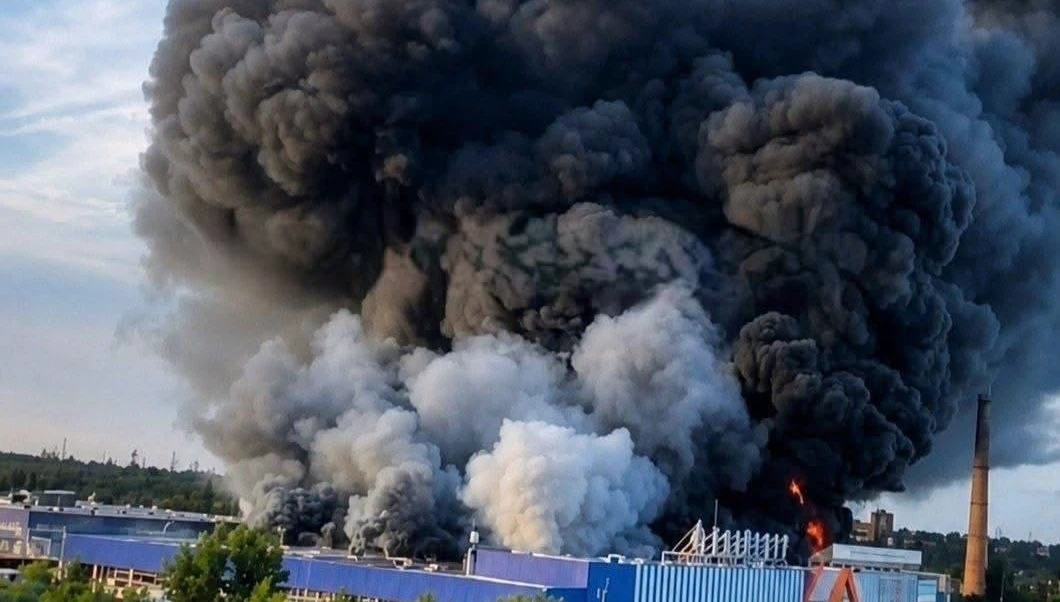
A second crucial target is drone components. Russian attacks on Ukrainian cities, energy infrastructure, railways and ports depend not only on domestic production. Many systems rely on imported parts, electronics, navigation elements and materials that move through complex commercial chains.
European sanctions are increasingly trying to hit these nodes. It is not enough to ban direct exports to Russia if the same goods can pass through a shell company, change labeling, arrive at a warehouse in a third country and then enter Russian production.
That is why the new sanctions policy is becoming more mobile. Companies are added to lists not only because of nationality or registration, but because of their function in Russia’s evasion system. If one route closes, Moscow looks for another. If one intermediary disappears, another emerges. Sanctions are becoming a constant hunt for the enemy’s adaptation.
In parallel, the EU is debating a broader 21st sanctions package. At its center may be the issue of Russian oil and the price cap. If the current mechanism weakens or automatically adjusts upward with global prices, Moscow would receive extra revenue just as it is trying to offset losses from Ukrainian strikes on energy infrastructure.
Nordic and Baltic countries are pushing for a tougher approach toward major Russian energy companies. Their logic is simple: the war cannot be financed through half-open European windows. If Russia uses energy as a resource of aggression, Europe must gradually remove not only oil dependence, but gas and nuclear dependence as well.
That will be difficult. Some EU states still have economic, energy or political reasons for caution. Sanctions require unanimity among all 27 members, which means every package is not only a foreign-policy decision, but also an internal compromise among different interests.
Still, the direction is visible. The EU is moving from a reactive model toward a systemic one. Earlier sanctions often responded to individual Russian actions. Now they increasingly revolve around a deeper question: what allows Russia to keep fighting despite restrictions, and who helps that mechanism work?
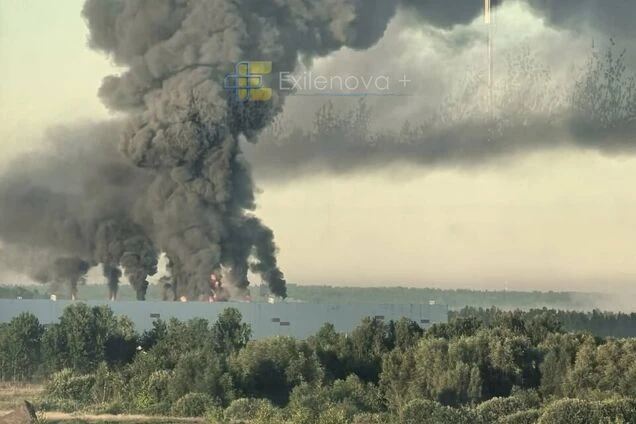
For Ukraine, this is crucial. Its military gains on the front and strikes deep inside Russia have greater effect if Moscow’s economic environment is squeezed at the same time. A drone can hit a refinery, but sanctions must make repairs harder. Air defense can intercept a missile, but sanctions must complicate production of the next one. The front and the financial war are becoming parts of the same strategy.
For China, this is a warning. Europe is not ready for a full rupture, but it is increasingly unwilling to pretend that commercial distance removes political responsibility. If a Chinese company helps Russia’s war machine, its origin should not serve as a shield.
For Moscow, it is also a signal: sanctions evasion is no longer a safe rear. Third countries, intermediaries, tankers, subsidiaries, chemical suppliers and component producers are gradually becoming targets of European pressure. Russia’s war is becoming more expensive not only on the battlefield, but in the accounting of every route.
New sanctions will not stop the war by themselves. But they can narrow the space in which Russia buys time. That is Europe’s task now: not to wait until Moscow voluntarily becomes serious about negotiations, but to make the continuation of war increasingly difficult, costly and less profitable for everyone helping the Kremlin wage it.