


















Four years of full-scale war have produced a dangerous and deceptive picture. On the one hand, Russia continues to advance, grinding forward meter by meter, maintaining an advantage in manpower, matériel, and the ability to sustain pressure over time. On the other hand, this war looks less and less like a path to decisive Russian victory.
The widespread assumption that the clock is ticking faster for Ukraine is only partly correct. In 2024 and early 2025, that view seemed persuasive: Kyiv was struggling with manpower shortages, delays in external support, and constant pressure along the front. But by 2026, the Russian model of warfare itself is revealing more and more of its own limits.
Russia has still failed to achieve even the minimalist political objectives it set for itself. It has not rapidly seized the remainder of the Donbas, it has not produced operationally meaningful breakthroughs, and it has not been able to turn its resource advantages into a decisive shift in the war. That means a fundamental gap remains between the Kremlin’s political ambitions and its actual military means.
As Daycom assesses, this is where the key conclusion of the current stage begins to emerge: time is no longer automatically Russia’s ally. The longer the war continues without a decisive result, the more Moscow is exhausting not only Ukraine, but itself — militarily, economically, socially, and strategically.
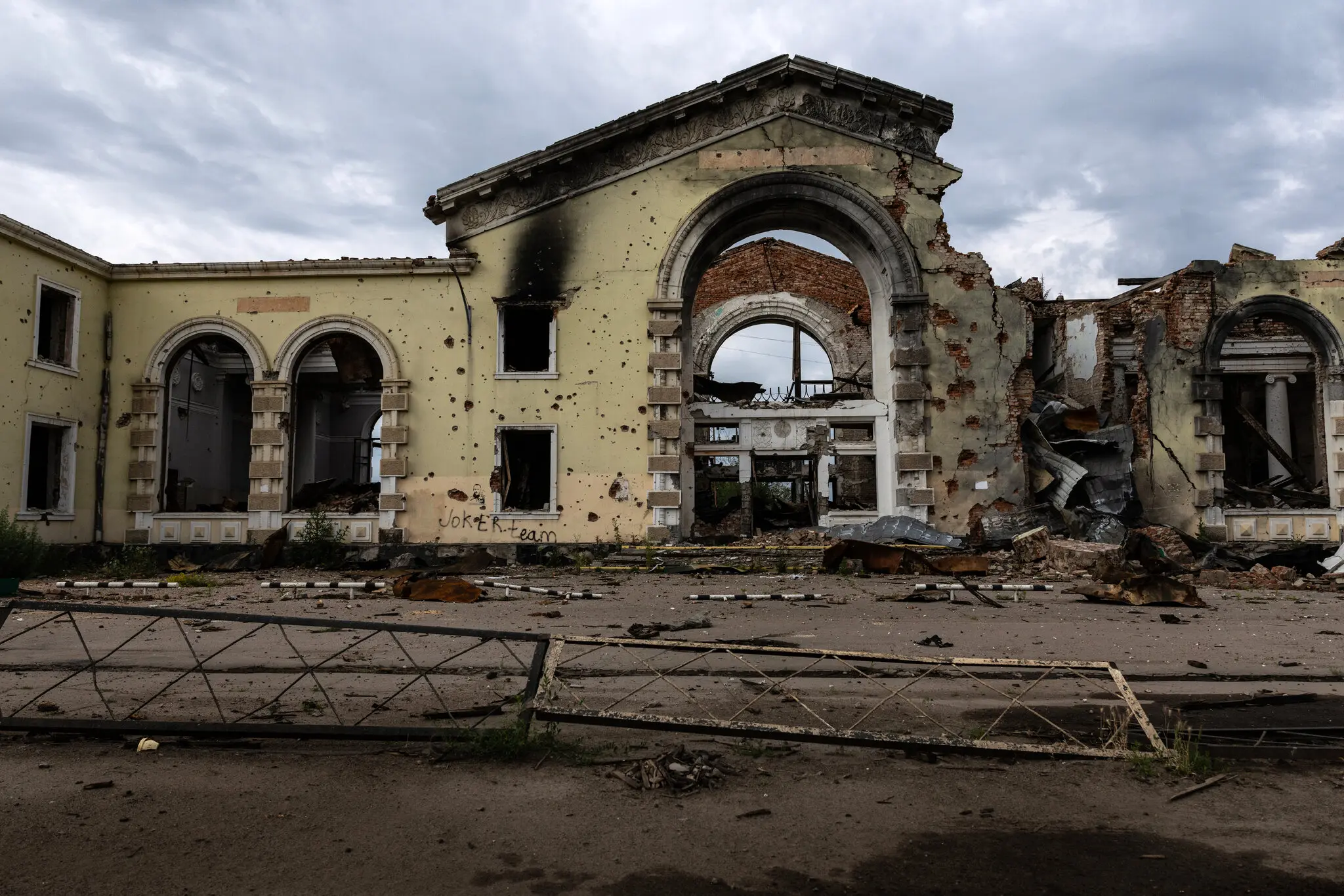
The logic of the front over the past two years has remained positional and attritional. This is a war of grinding down, in which both armies constantly adapt technologically and tactically, yet neither can escape the broader dynamic of mutual exhaustion. Russia attacks, Ukraine blunts that attack, and the result is not breakthrough but prolonged depletion.

From the outside, it may falsely appear that almost nothing changes. In reality, the battlefield evolves every few months: drone systems, new methods of reconnaissance, changing assault tactics, logistical adaptation, and the struggle for what both sides describe as the kill zone — the deep engagement area shaped by drones and fires. But when viewed more broadly, the strategic pattern of the war remains strikingly consistent.
The Russian army has managed to sustain offensive pressure, but it has not learned how to break through in ways that convert local gains into major operational success. That is one of the most important realities of 2025, and it is carrying over into 2026. Russia knows how to keep pushing without pause, but it does not know how to turn that pressure into rapid military decision.
The reason lies not only in Ukrainian resilience, but in the character of Russia’s war itself. Moscow is relying more and more on small assault groups, infiltration through thinly held positions, motorcycles, buggies, light transport, and the continuous feeding of men into the gaps between Ukrainian defensive points. Such tactics can yield movement, but they are poorly suited to achieving genuine breakthrough.
Russian forces are increasingly fighting not so much with equipment as with people. That is why irrecoverable losses continue to rise. If armored vehicles are being conserved, personnel are increasingly treated as expendable. Hence the enormous cost of every additional kilometer — a cost that may still be tolerable for the Kremlin in the short term, but becomes steadily more dangerous over time.
And this is where the myth of Russia’s limitless resources begins to weaken. The issue for Moscow is not that it will simply “run out” tomorrow. The issue is different: its ability to sustain the same offensive tempo it maintained in 2025 no longer looks assured. If recruitment rates are only barely covering irrecoverable losses, then maintaining year-round offensive intensity becomes increasingly difficult.
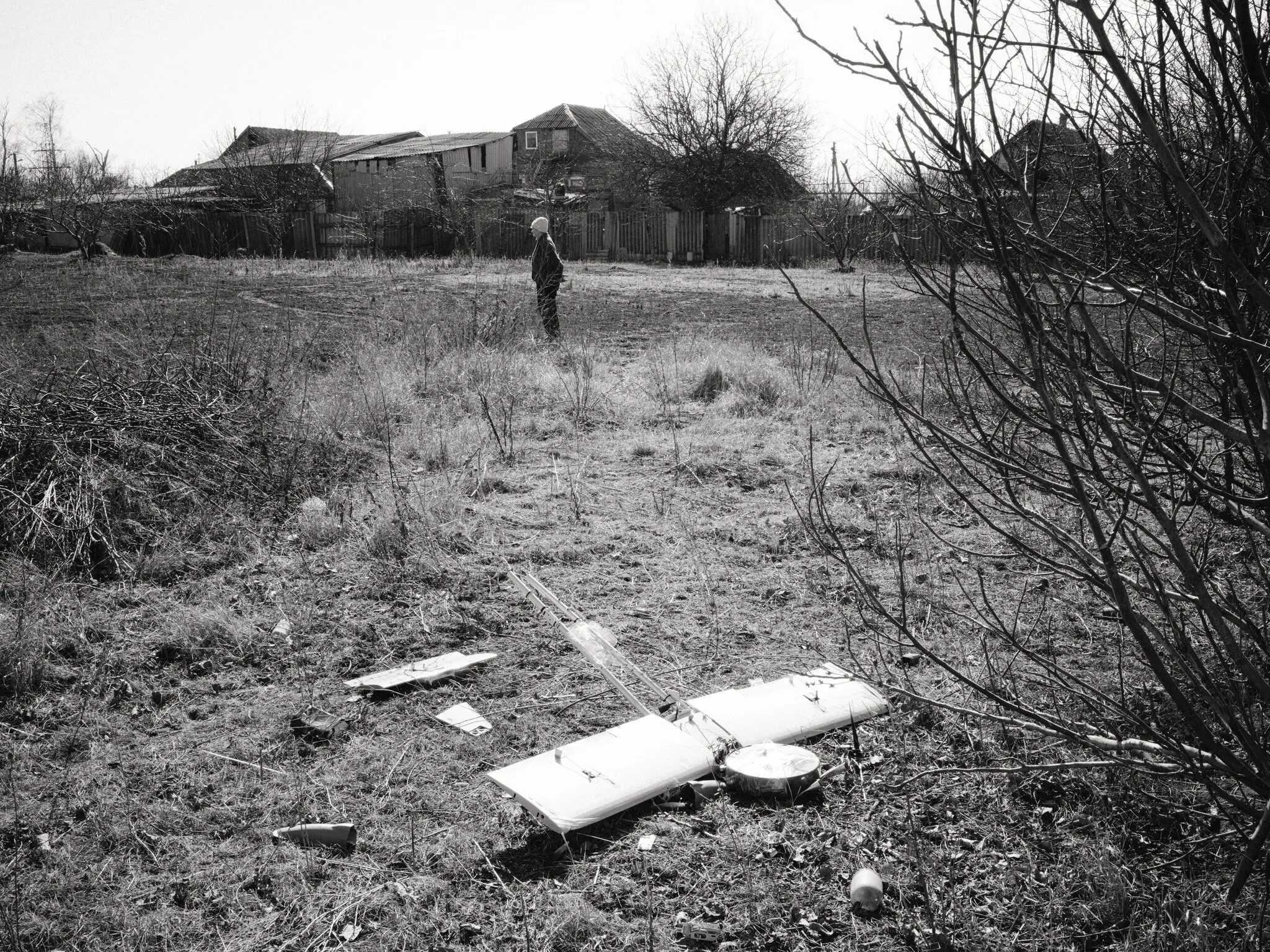 Падіння безпілотника "Молнія" за кілька миль від лінії фронту в Донецьку, Україна — Георгій Іванченко
The economy adds another layer of risk. Russia can continue funding the war, but it is becoming a less comfortable war to finance. Stagnation, deficits, regional budget strains, pressure on exports, and the need to sell energy at discounts do not stop the war immediately, but they steadily undermine the model that makes a long war sustainable.
What matters especially is that 2026 may become the year in which several negative trends for the Kremlin converge. If the Russian offensive continues to produce only slow gains at excessive cost, if economic strain deepens, and if recruitment no longer supports the same tempo, then Putin’s bet on outlasting both Ukraine and the West may begin to turn against him.
That does not mean Ukraine is entering an easier phase. On the contrary, its problems remain acute. The most serious is manpower. Shortages of personnel, unauthorized absences, shrinking effective combat strength, the lack of sufficient operational reserves, and the need to constantly patch gaps along the front create a heavy structural burden for Kyiv.
Ukraine is increasingly compensating through better use of drones and technology. But drones do not eliminate the manpower problem. They only postpone the moment when that shortage might become critical. That is why Ukrainian defense rests not on some “miracle weapon,” but on a combination of engineering adaptation, technological flexibility, and the political endurance of society.
Another central vulnerability is dependence on the West. Unlike Russia, Ukraine cannot wage this war in conditions of full strategic self-sufficiency. Financial aid, intelligence, ammunition, air defense, and technological inputs all form the foundation of its ability to hold the line. And here lies the core element of instability: not simply the level of current aid, but uncertainty about its future.

In that sense, 2026 is not a year of major opportunity for Ukraine, but a year of preservation. The best-case scenario for Kyiv is not dramatic reversal, but the maintenance of support at roughly 2025 levels. That may not sound like much, but neither is it insignificant: if Russia too is entering a zone of exhaustion, the mere ability to hold the line and deny a breakthrough may be enough to shift the strategic trajectory of the war.
That is why the phrase “time is on Russia’s side” can no longer be repeated as an axiom. If 2026 follows the general logic of 2025 — slow Russian advances without major breakthrough, rising losses, economic strain, and continued failure to achieve political aims — then one can say with greater confidence that Moscow is trapped in a war it can continue, but not win on its own terms.
It is also important to understand the psychology of the Russian leadership. Putin still appears to believe in two things: first, that sustained pressure will eventually collapse part of the Ukrainian front; and second, that diplomacy can push the United States away from active support for Kyiv. Last year, neither bet fully paid off. But the problem with autocracies at war is that they often repeat failed wagers precisely because they have already invested too much in the idea of victory.
This is the classic sunk-cost trap. The longer a war continues, the harder it becomes for a regime to admit that prolonging it is no longer bringing it closer to decisive success. In such systems, leaders often cling not to actual evidence, but to the belief that “just a little more pressure” will finally break the other side. The problem is that the war has long ceased to provide Putin with the facts to justify that faith.
At the same time, for all its exhaustion, Ukrainian society does not appear ready to accept Russia’s maximalist terms simply for the sake of ending the war. That too follows directly from the battlefield reality. If the situation is difficult but not catastrophic, and if Russia lacks the ability to seize major cities or rapidly collapse the front, then support for a humiliating peace remains limited.
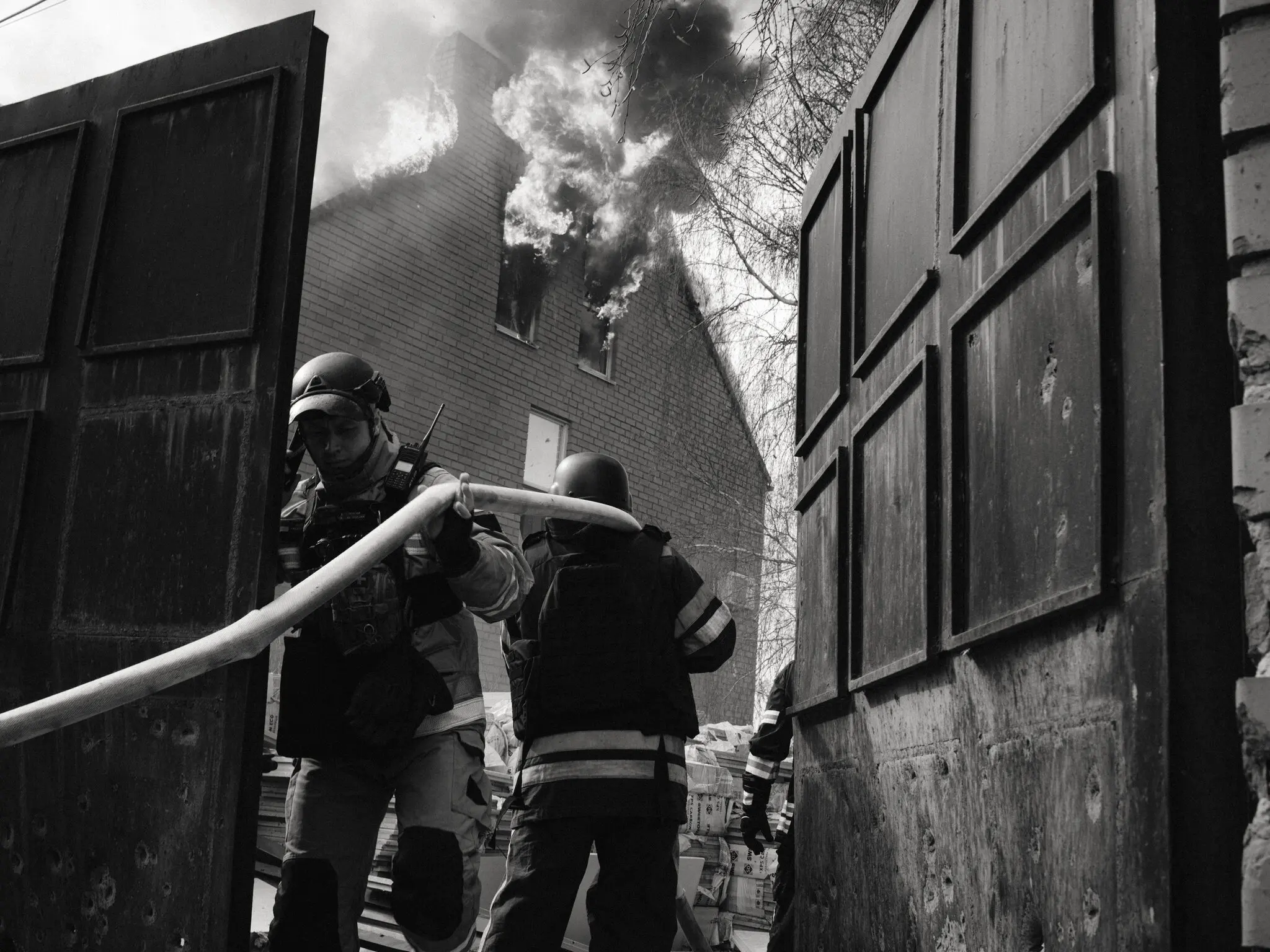 Пожежники на житловому будинку поблизу лінії фронту в Донецьку — Георгій Іванченко
Moscow, meanwhile, continues to frame its demands as though it were already the unquestioned victor. But that claim is becoming less and less convincing. Russia’s political ambitions have long exceeded what its army has actually demonstrated on the battlefield. It is demanding the terms of a triumphant power without having achieved triumph. And the longer that mismatch persists, the less stable Russia’s negotiating position becomes.
The current stage of the war is therefore both alarming and cautiously hopeful. Alarming because Russia is still attacking, still capable of applying pressure, and still unwilling to abandon its maximalist aims. Hopeful because that pressure is not producing decisive results, and the offensive itself increasingly depends on methods that are exhausting Russia as much as, or more than, Ukraine.
So the formula “time is not on Russia’s side” does not mean imminent Kremlin collapse or a rapid Ukrainian victory. It means something more important: the war is entering a phase in which simply continuing the offensive no longer guarantees Moscow political gain and may, in fact, accelerate the accumulation of its own limits. And if Ukraine preserves its resilience and the West maintains even a basic level of consistency, that shift may prove to be one of the most important strategic facts of 2026.