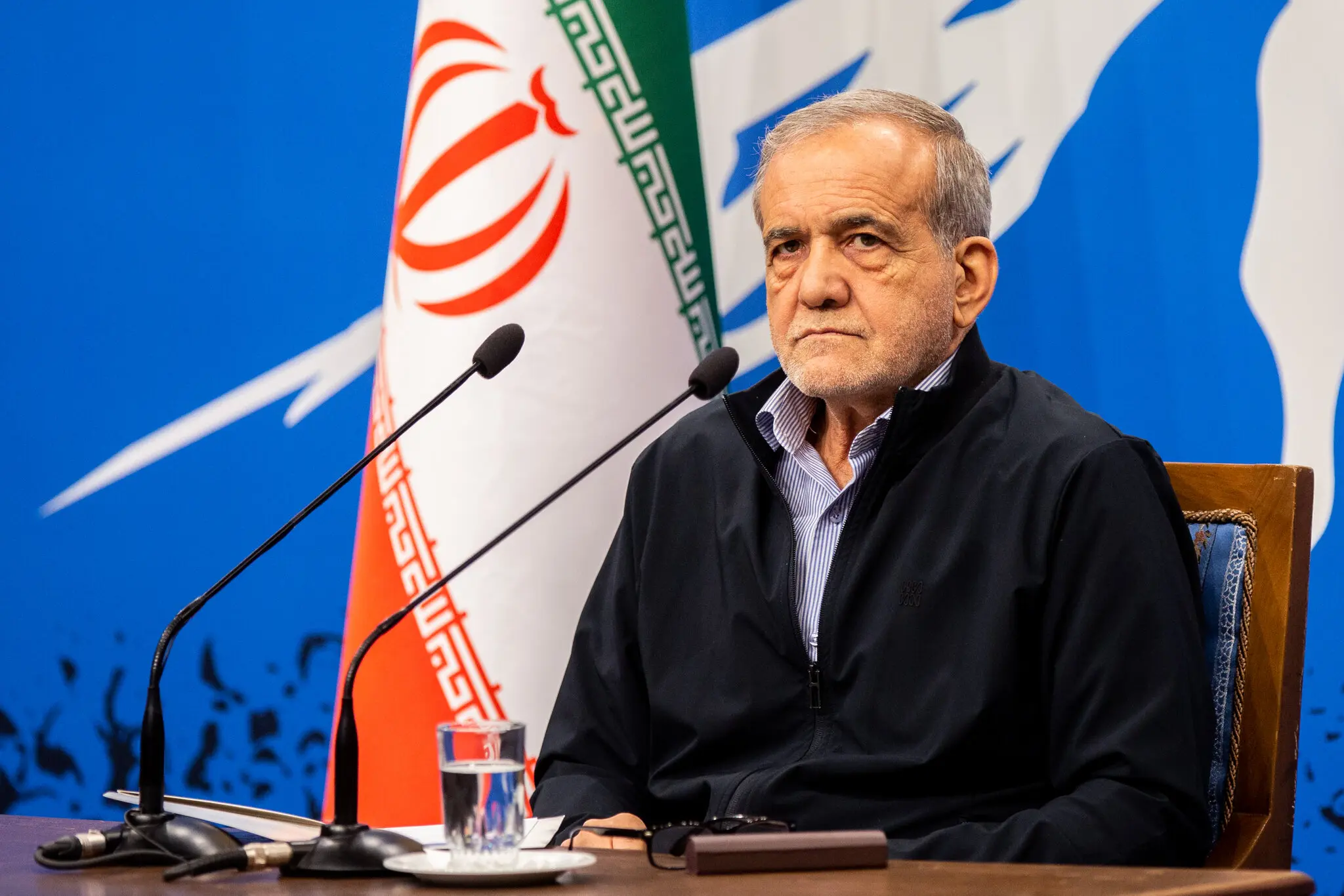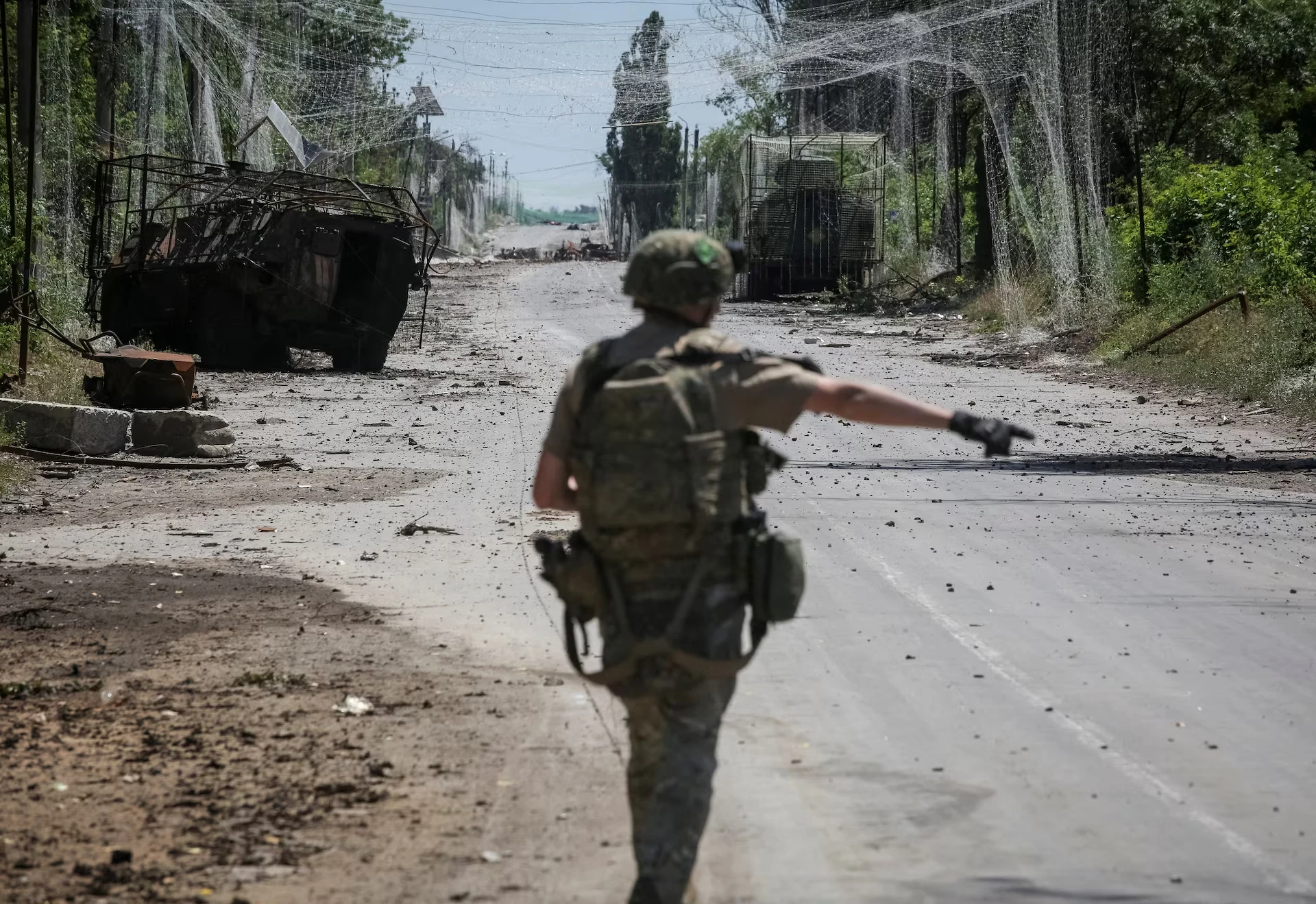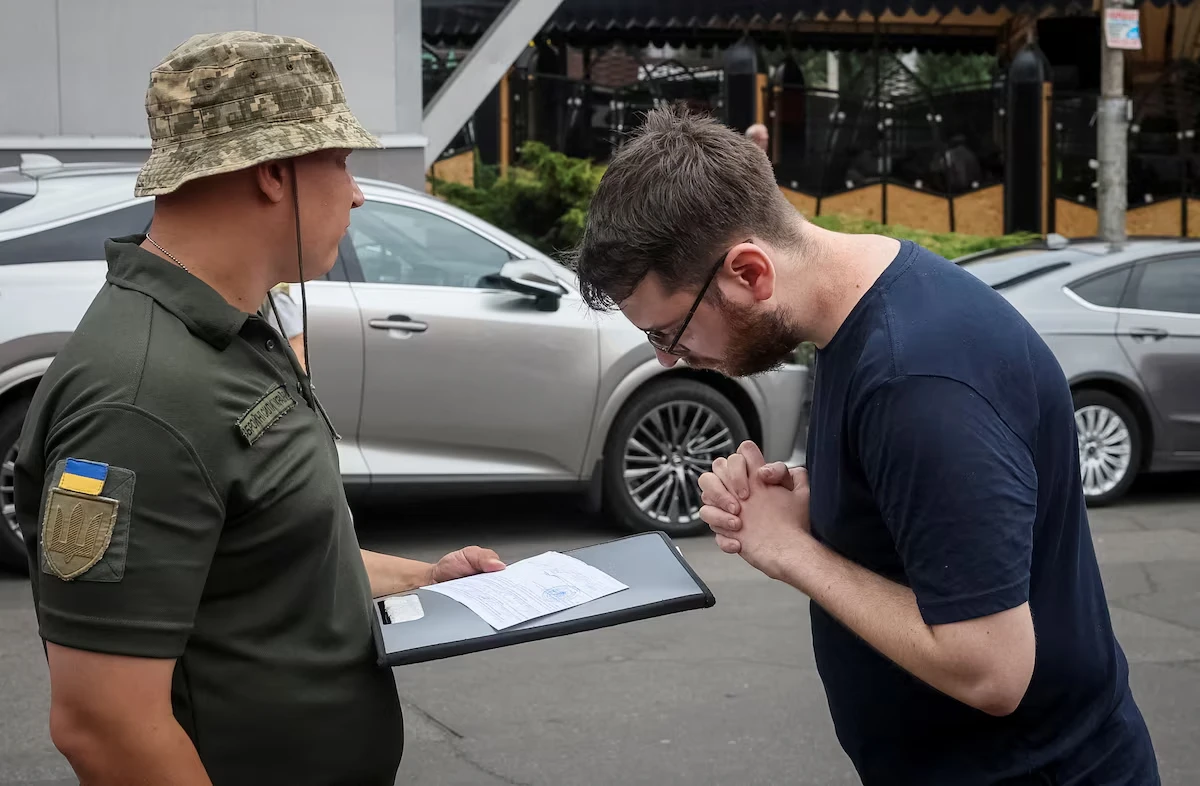


















The attack on Iran looked, at first, like another humiliation for Moscow. A Russian ally came under fire, while the Kremlin, already tied down by its war against Ukraine, had neither the capacity nor the political appetite for a direct response.
On the surface, it fit a broader pattern of decline. Russia is stuck in Ukraine, has lost its former foothold in Syria, and has watched friendly forces weaken across parts of Latin America and Europe. Its image as a great power increasingly rests on inertia rather than on its ability to protect partners.
But the reality is more complicated. For the Kremlin, the defeat of an ally does not always translate into its own strategic defeat. In today’s geopolitics, advantage belongs not only to the power that saves its partner, but also to the one that can turn someone else’s war into leverage.
According to Daycom’s earlier analysis, the central effect of the Iran war lies not in the strike on Tehran itself, but in how it changes the calculations of other states. The United States has shown force, but not a swift victory. For Russia, that is already political material.
For years, the Kremlin has tried to argue that American military superiority no longer guarantees political success. The Iran campaign has given Moscow the argument it needed after its failures in Syria and its grinding war in Ukraine: Washington, too, can get stuck.
That message matters most in the Global South. Russian propaganda is not selling affection for Moscow. It is selling distrust of the West. Its formula is simple: the United States intervenes, disrupts the balance, and then struggles to finish the war it began.
For Vladimir Putin, this does not erase Russia’s military losses. But it softens the political blow. Russia may look like an unreliable protector, yet America no longer looks like an unconditional security guarantor. In a world where governments increasingly hedge their bets, that is enough to preserve room for maneuver.
The Kremlin’s second resource is energy. The war around Iran has increased anxiety in oil, gas and fertilizer markets. Every escalation near the Persian Gulf works in Russia’s favor, even when sanctions formally remain in place.
For Moscow, this is critical. Its war economy depends not only on mobilization and defense plants, but also on export revenue. More expensive oil gives the budget more oxygen, gives the military industry more money and gives the Kremlin more time in its war against Ukraine.
The third dimension is China. If the Middle East becomes less predictable, Beijing has a stronger incentive to look for overland and pipeline alternatives. In that scenario, Russia becomes not an equal partner, but a necessary component of China’s energy security.
This is a dangerous benefit. The more Moscow depends on Beijing, the less strategic autonomy it retains. But Putin’s horizon is short. If Chinese demand helps Russia bypass sanctions and sustain exports, the Kremlin is ready to pay for it with political dependence.
The Iran war also harms Ukraine indirectly. American attention, air defense systems, interceptor missiles and political energy are being spread across several crises. For Kyiv, this is not an abstraction. It affects the front line, the sky above Ukrainian cities and the pace of military deliveries.
Moscow is watching precisely that. It does not need the West to abandon Ukraine completely. It is enough for support to become slower, more expensive and more politically toxic. Every new war that draws in Washington reduces America’s concentration on Russian aggression.
The most valuable gift for the Kremlin is division inside the trans-Atlantic alliance. Doubts about the reliability of American guarantees weaken NATO more effectively than any Russian statement could. Moscow has spent decades trying to separate Europe from the United States. Now part of that work is being done by American politics itself.
That does not mean Putin is winning. Russia is paying a huge price for its war against Ukraine: human losses, economic strain, isolation, dependence on raw materials and growing subordination to China. Its influence has become harder, but narrower. Allies can see that Moscow may offer words, weapons or intelligence, but it cannot always save them.
This is the central paradox. Russia’s reputation as a protector of allies is weakening, but its role as an anti-Western pole of attraction remains. The Kremlin is no longer selling a guarantee of victory. It is selling participation in a world where American dominance no longer appears absolute.
The war around Iran has not made Russia stronger in the classical sense. It has not given Moscow a rebuilt army, a healthy economy or a convincing victory in Ukraine. But it has given the Kremlin time, money, arguments and an audience.
For Putin, that may be enough. His strategy no longer resembles a march toward a grand triumph. It looks more like a war of exhaustion: waiting for opponents to quarrel, allies to doubt and the price of security to become too high for everyone. In such a world, Russia’s weakness does not cancel its danger. It only makes that danger less direct.