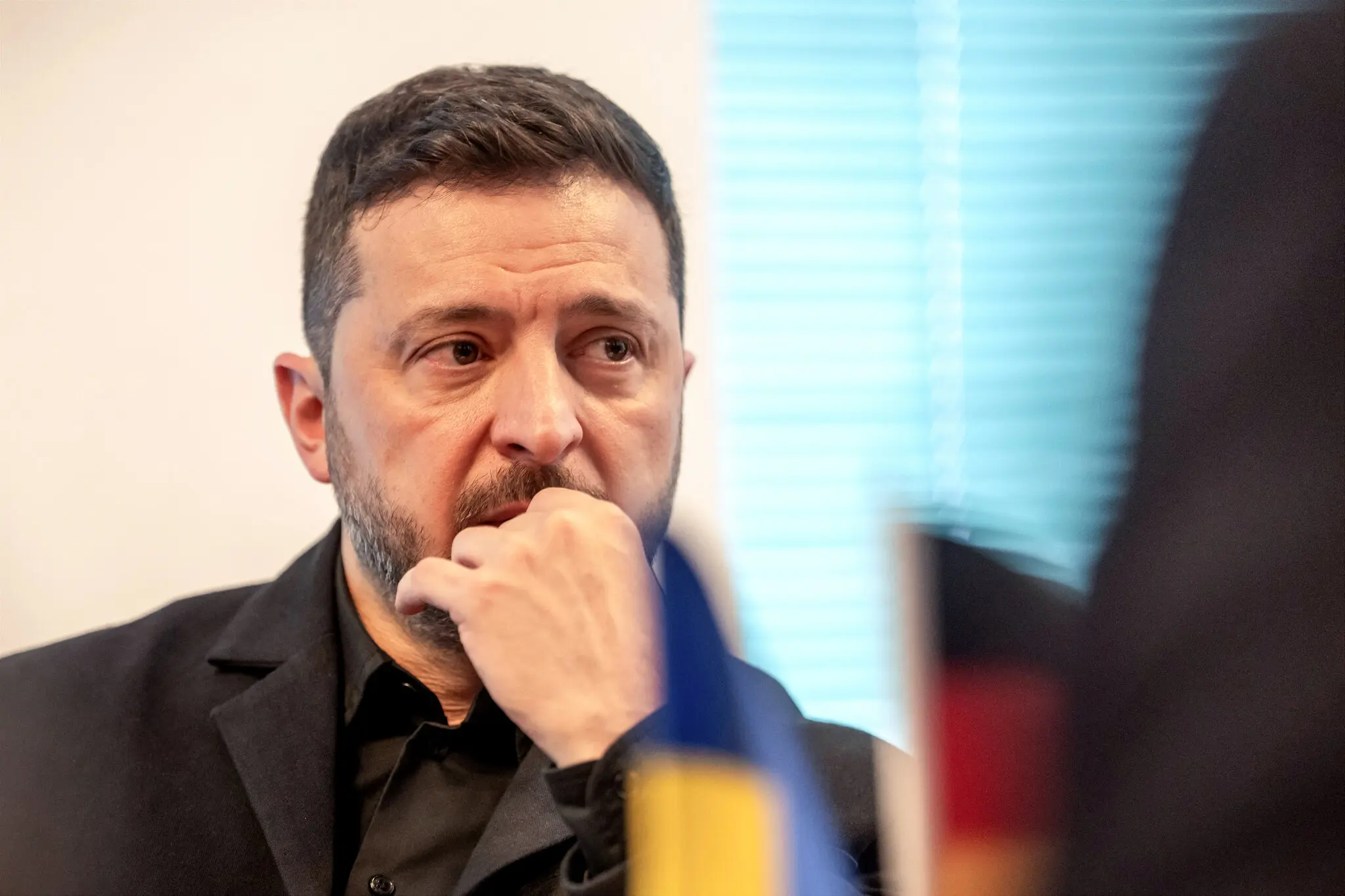























Volodymyr Zelenskyy’s statement that Russia is helping Iran map American military assets in the Middle East matters not only as a headline-grabbing accusation, but as a marker of a deeper shift. In the Ukrainian reading, Moscow is no longer merely a political partner of Tehran. It is becoming an active participant in a wider intelligence game directed against the United States.
Zelenskyy says Ukrainian intelligence has recorded Russian satellites photographing U.S. and allied facilities in the Gulf for Iran’s benefit, including ahead of strikes on Prince Sultan Air Base in Saudi Arabia. Those details cannot yet be independently verified in full through public evidence, and the Kremlin has denied passing satellite intelligence to Tehran. Even so, the strategic logic behind the accusation is hard to ignore.
This is not the first warning of its kind. Earlier in March, Zelenskyy said Ukraine possessed “irrefutable evidence” that Russia was continuing to supply Iran with intelligence, while European officials also signaled concern that Moscow’s support was helping Tehran improve its ability to threaten American and allied assets across the region.
According to Deikom’s assessment, this is where the real line of the story runs: the Kremlin is trying to turn the Iran war from a separate regional crisis into a second theater of pressure on Washington. That gives Moscow a chance to distract the United States from Ukraine, raise the stakes in broader negotiations, and influence the global energy market at the same time.
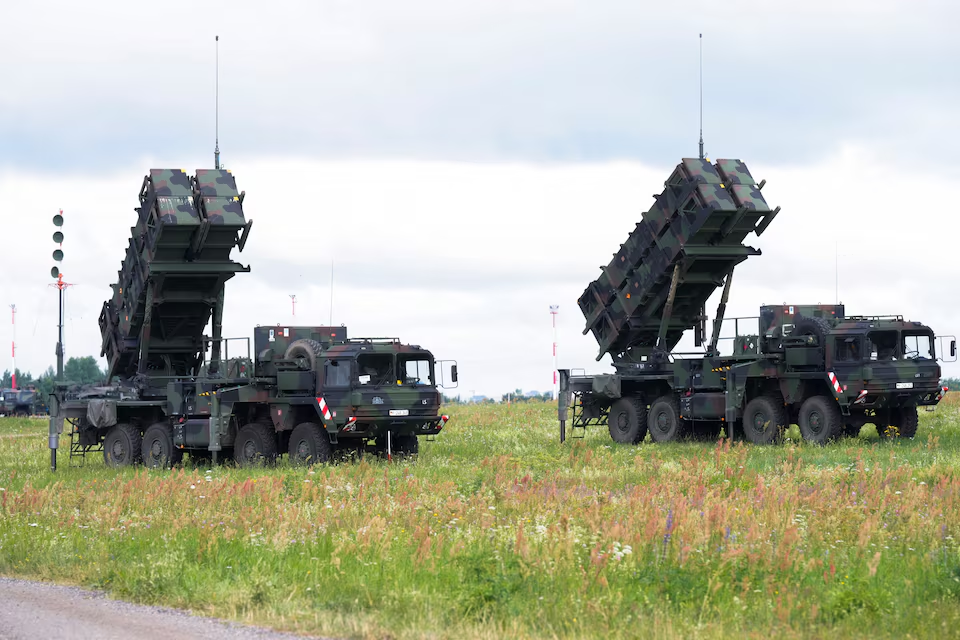
From the Kremlin’s perspective, the calculation is rational. The United States has already shifted more military resources toward the Middle East, including amphibious capabilities and additional Marines. The more assets, attention, and political bandwidth Washington directs toward Iran, the less strategic freedom it has left for the Ukrainian front. For Moscow, that is not a side effect. It is part of the value of the crisis itself.
The attack on Prince Sultan Air Base showed why this matters. Once Iran is able to injure American personnel at a major U.S.-Saudi facility, the Middle East conflict ceases to be a remote geopolitical drama and becomes a direct test of the credibility and resilience of U.S. military power in the Gulf. If Russia is helping improve Iranian targeting, then Moscow is not just observing the confrontation. It is helping raise its operational cost for Washington.
The Kremlin’s second gain is economic. Any disruption in the Gulf immediately feeds into oil prices, tanker insurance, shipping risk, and market anxiety. In such conditions, even limited adjustments to the sanctions regime around Russian oil become more politically tempting for Western governments trying to prevent a broader energy shock. What appears technical on paper can become strategically valuable in practice.
That creates the central political paradox. If the Ukrainian and European assessments are correct, Russia is simultaneously helping Iran increase the danger to American military infrastructure while also benefiting from the West’s fear of a new energy crisis. In other words, Moscow may be helping produce the instability from which it later extracts commercial and diplomatic relief.
This is one reason Zelenskyy has been working so actively with Gulf states. Ukraine wants to present itself not only as a victim of Russian aggression, but as a country with practical experience in countering Iranian drones, surviving massed hybrid strikes, and adapting air defense to prolonged attritional warfare. Kyiv is effectively telling the region: what you are facing now, we have already lived through.
That message has both diplomatic and military value. Ukraine has spent years learning how to intercept Shahed-type drones, improvise more cost-effective defenses, and operate under constant aerial pressure. In the Gulf, where Iranian missile and drone capabilities have become an immediate security concern, that experience gives Kyiv a new type of relevance. Ukraine is no longer only asking for support. It is offering operational knowledge.
At the same time, the Moscow-Tehran relationship has evolved. In 2023 and 2024, the dominant image was of Iran supplying Russia with drones and military technology. Now the movement increasingly appears to run in both directions. The discussion is no longer only about political solidarity or arms procurement, but about deeper intelligence, technical, and possibly operational coordination. This no longer looks like a one-way dependency. It looks closer to a wartime symbiosis.
That is why Zelenskyy’s claim should not be dismissed as mere rhetoric. Publicly available proof is still incomplete, and the burden of verification remains high. But the strategic motive for Russia is obvious enough. By helping Iran sharpen pressure on the United States and its regional partners, Moscow raises the cost of American involvement in the Middle East while strengthening its bargaining position over Ukraine.
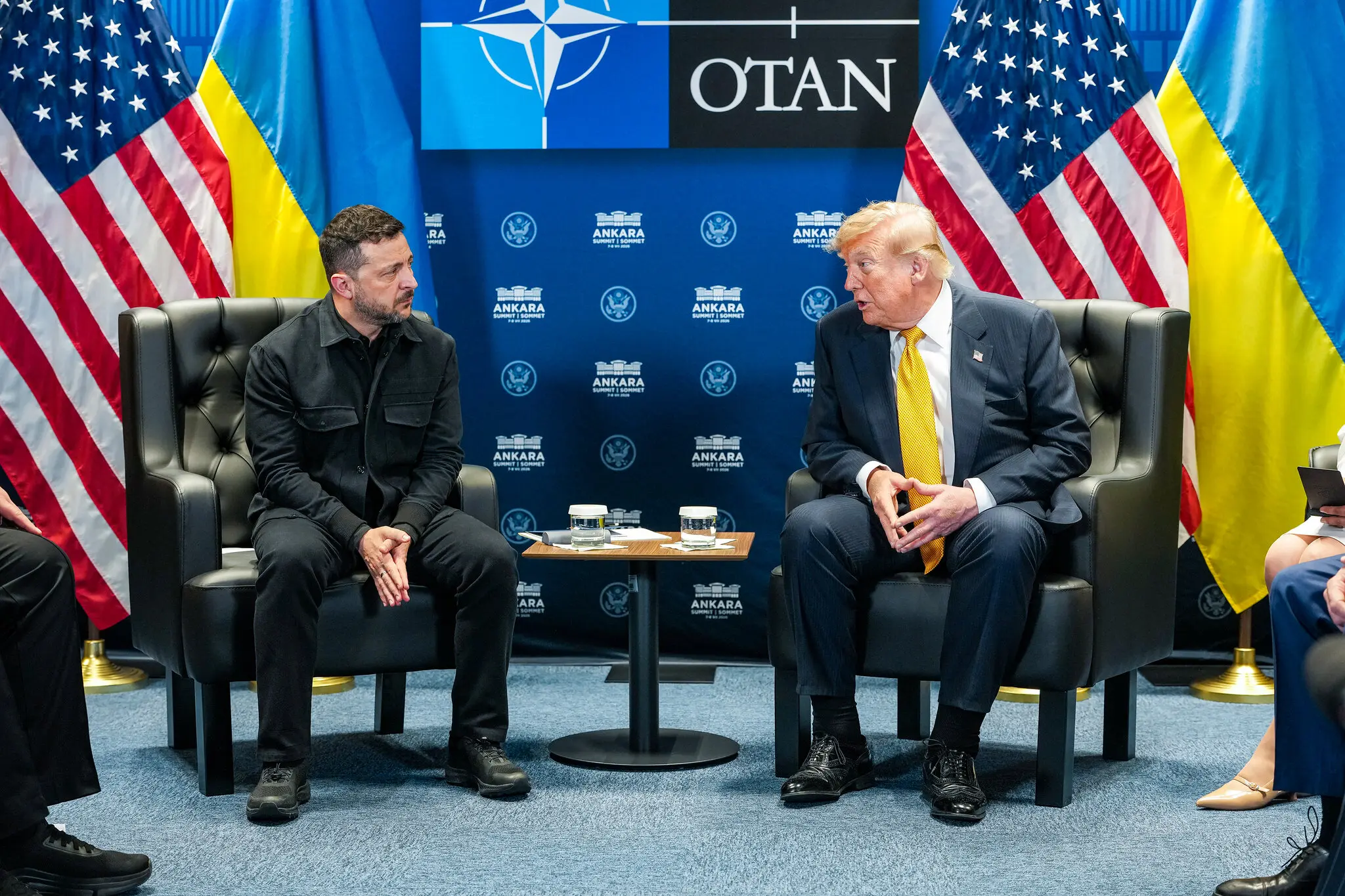
The logic becomes even clearer when viewed alongside earlier Ukrainian claims that Russia tried to use intelligence cooperation with Iran as leverage in a broader deal with Washington. Even if such a proposal was never formally confirmed, the structure of the idea is revealing. The Kremlin increasingly sees Ukraine and the Middle East not as separate crises, but as interconnected fronts in one larger negotiation with the West.
Against that backdrop, diplomacy looks weak. Regional talks may continue, and intermediary states may try to keep channels open, but mediation without the full participation of the principal actors rarely changes the military tempo on the ground. The diplomatic track exists, yet it remains slower than the pace of mobilization, missile launches, and retaliatory threats.
More troubling still is the possibility that Washington itself is preparing for a longer confrontation. Once the United States begins planning for an extended campaign or even discussing ground contingencies, any Russian assistance to Iran automatically becomes more dangerous. It increases the risk not only of a broader regional war, but of a more direct strategic collision between Moscow and Washington through an indirect front.
For Europe, the conclusion is especially stark. The war in Ukraine and the war around Iran are no longer parallel crises unfolding in different arenas. They are merging into a single system in which intelligence, drones, oil, sanctions, U.S. bases, and Gulf diplomacy interact with one another in real time. Pressure on Russia is therefore no longer only about solidarity with Kyiv. It is also about limiting a wider chain of instability that now stretches deep into the Middle East.
The real story, then, is not whether Kyiv will immediately prove every satellite image in public. The real story is that the Kremlin has found a way to monetize the Iranian crisis in three currencies at once: military, diplomatic, and energy-related. And if the West continues to treat these arenas separately, Moscow will keep benefiting from the fact that, in practice, they have already fused into one.