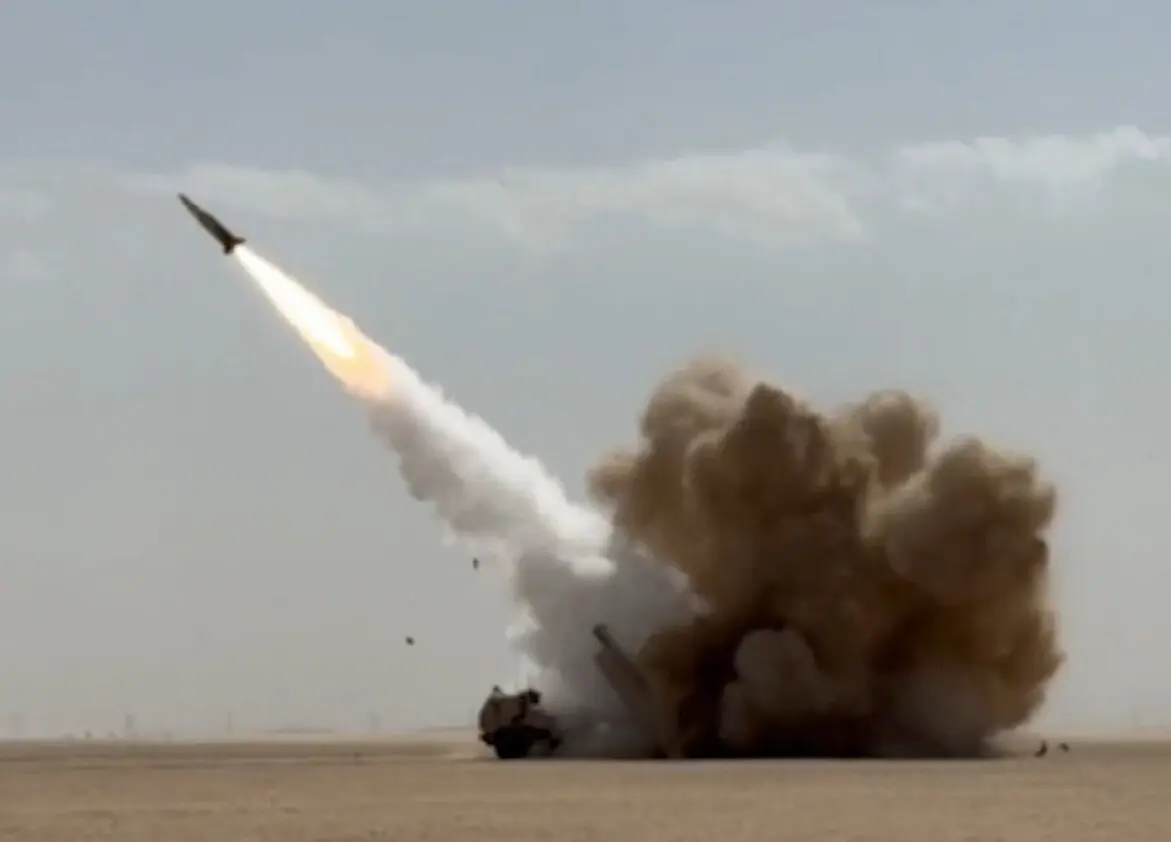























Air wars have always carried one great temptation: to confuse scale with outcome. When the Pentagon speaks in the language of thousands of sorties and more than 11,000 targets struck in less than a month, it sounds like the vocabulary of a campaign nearing completion. But missiles do not disappear because the numbers are large. They disappear only when the enemy loses not merely the ability to fire today, but the ability to recover and fire again tomorrow.
That is where the central problem of the American strategy against Iran begins. Even after weeks of strikes, U.S. intelligence assessments have cast doubt on the idea of rapid disarmament. Public reporting built on those assessments indicates that only about a third of Iran’s missile and drone arsenal has been destroyed, while a substantial share remains intact, hidden or otherwise recoverable inside tunnels, bunkers and hardened underground networks.
This means the war looks less and less like a clean display of overwhelming air dominance and more and more like a grinding contest against an infrastructure built specifically to survive bombardment. Iran does not need to win the skies to complicate Washington’s campaign. It needs only to keep enough launchers, missiles and support nodes alive beneath the surface for time to work against the attacker as well as the target.
As Deykom sees it, the decisive word in this war is not destruction, but recovery. A strike on a bunker, cave complex or silo produces a dramatic political effect on the day it happens. Its strategic meaning depends on something much harder: whether that site stays out of the war. If an underground network can be cleared, reopened or replaced quickly enough to generate further launches, then every triumphal claim of success begins to sound less like a conclusion than like a premature announcement.
The White House has insisted on a different picture. Officials have emphasized that Iranian ballistic missile and drone attacks are down sharply and that the United States and Israel enjoy overwhelming air superiority. In a narrow sense, that is true. The launch tempo has clearly fallen. But a slower firing rate is not the same thing as strategic exhaustion. It can also mean that Tehran is conserving what remains, sheltering launchers more carefully and shifting the war into a longer economy of survival.
In that sense, Iran’s underground missile architecture functions not only as a military system, but as a political technology. It blunts the effect of claims about near-total control, complicates battle-damage assessment and forces the United States and Israel to spend more effort hitting the same categories of targets again and again. The campaign stops looking linear. It becomes cyclical: strike, conceal, clear, relaunch, strike again.
That also helps explain why Iran, even with a reduced arsenal, continues to strike Israel and maintain pressure across the wider region. Once the total number of launches declines, each launch begins to do more than military work. It becomes a strategic message. The fact that Iran can still fire at all tells its adversaries that the campaign is not finished, that coercion has not yet hardened into disarmament, and that the postwar balance remains unsettled.
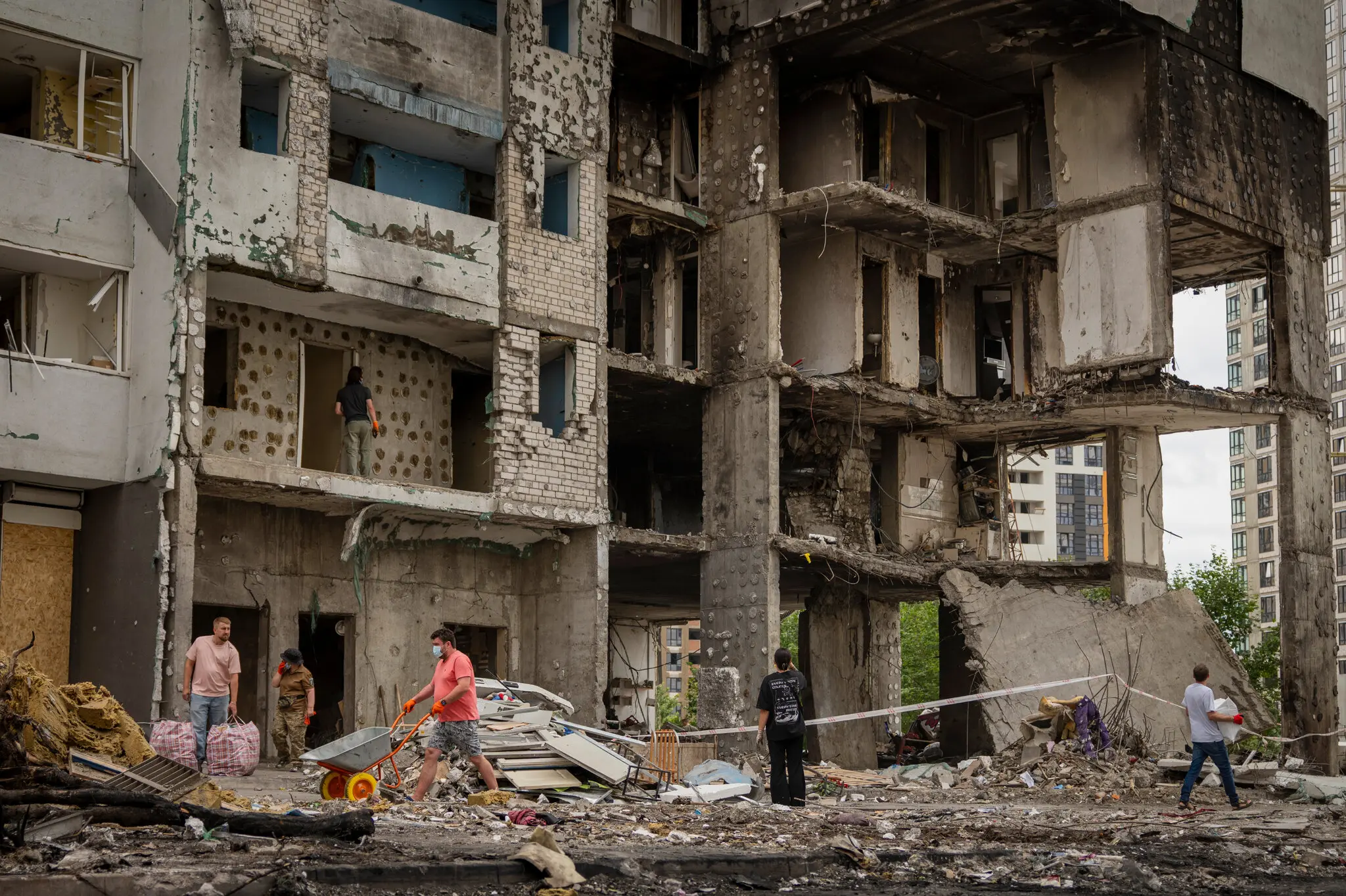
Another reason for American uncertainty is deception. Public reporting indicates that Iran has used decoys and concealed a significant number of assets, making it difficult to know how many apparent launchers destroyed from the air were real, how many were empty, and how many underground sites were merely blocked rather than permanently neutralized. In a war of this kind, visual destruction can easily exceed real attrition. What looks demolished from above may turn out to be only temporarily sealed.
It matters too that Iran’s lower launch rate may reflect more than battlefield losses. Reporting has pointed to fractures inside the Iranian system of command and control, as well as to a more deliberate choice to preserve mobile launchers and spread out attacks over time. In other words, reduced intensity is not necessarily evidence of imminent collapse. It may also be evidence of adaptation.
That leaves Washington facing an uncomfortable choice. It can accept that air superiority does not guarantee the rapid disarmament of a state that spent decades building missile depth underground. Or it can escalate further, trying to turn a successful strike campaign into a true campaign of infrastructural rupture. But the deeper the war drives into Iran’s tunnel networks and hardened sites, the longer, costlier and more politically difficult the operation becomes.
In the broader sense, this story breaks one of the most convenient myths of modern war: that a technologically superior power can quickly switch off a missile state from the air. Iran is showing something more durable and more troubling. Underground architecture, mobile launchers, dispersal and careful expenditure may matter as much as the size of the arsenal itself. Twenty-first century warfare is increasingly decided not only by who can inflict damage, but by who can remain functional after absorbing it.
That is the real meaning of the latest intelligence picture. It does not deny that U.S. and Israeli strikes have inflicted serious damage on Iran. It shows something more difficult: destruction and exhaustion are not the same thing. As long as bunkers, tunnels and surviving launch systems allow Tehran to preserve even a reduced but living missile capability, this war will remain less a story of swift suppression than a story of subterranean resilience — of the depth of the earth arguing back against supremacy in the air.