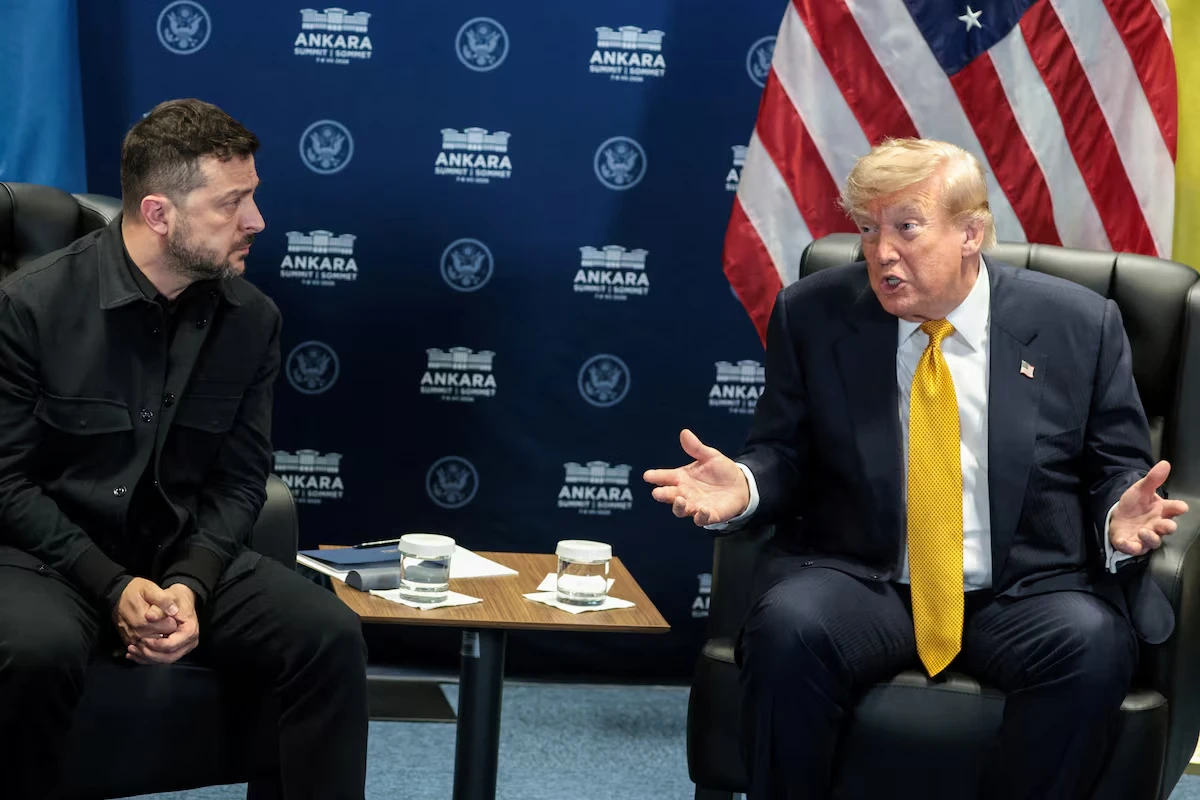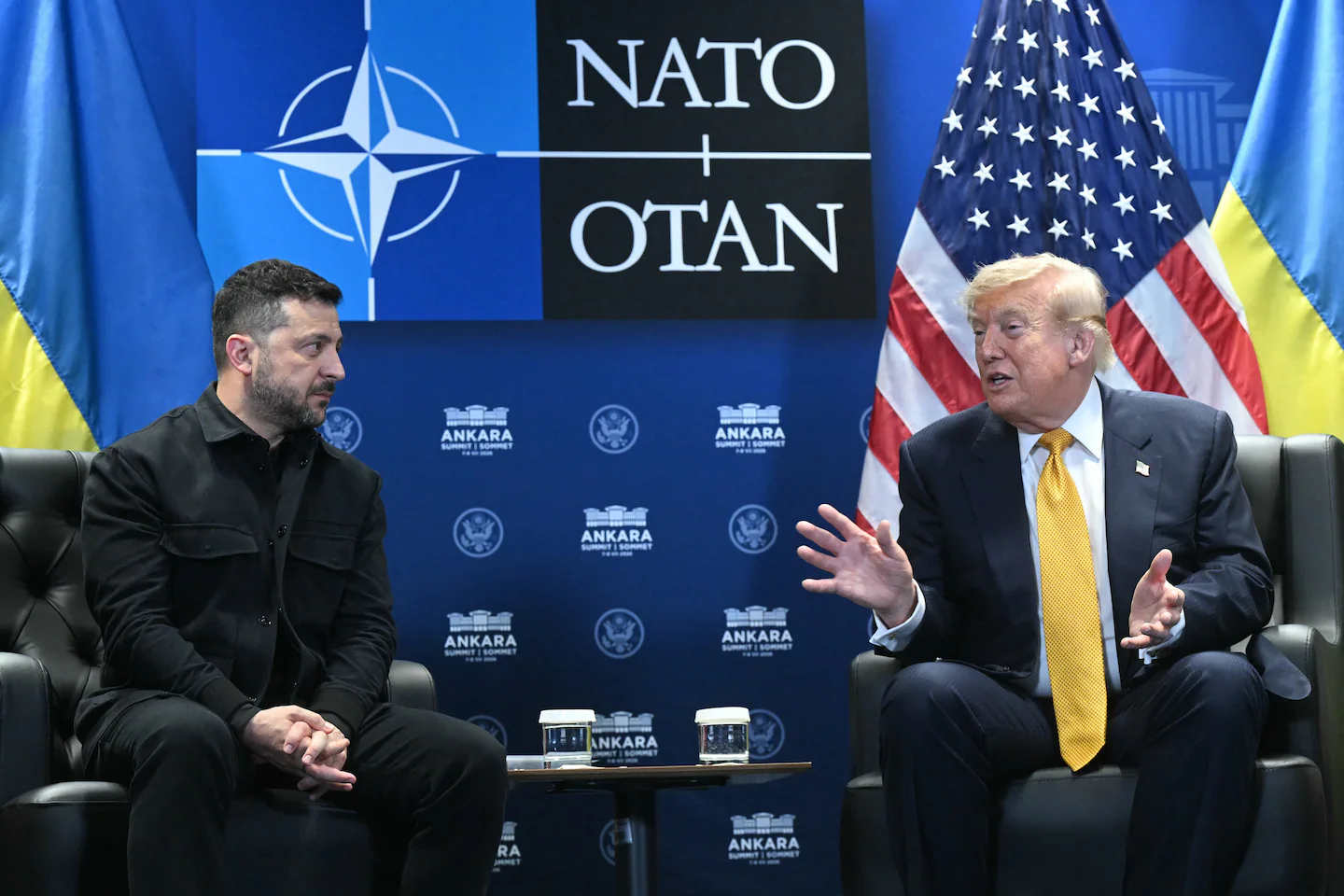
























The Kremlin is trying to downplay Donald Trump’s turn in Ankara, but the very need to respond shows that Moscow has felt a change in the political air. The U.S. promise to allow Ukraine to produce Patriot missiles and Trump’s public praise for Volodymyr Zelensky were not just another episode at a NATO summit. They were a signal that disrupted Russia’s preferred picture of the war.
Until recently, the Kremlin had counted on a different logic. Trump was expected to be the leader who would pressure Kyiv into a quick deal, grow tired of Ukrainian demands and try to keep a calculated distance between aggressor and victim. Instead, in Ankara, he called Zelensky effective, acknowledged the strength of Ukraine’s defense and opened the path toward producing one of the most important systems protecting Ukraine’s skies.
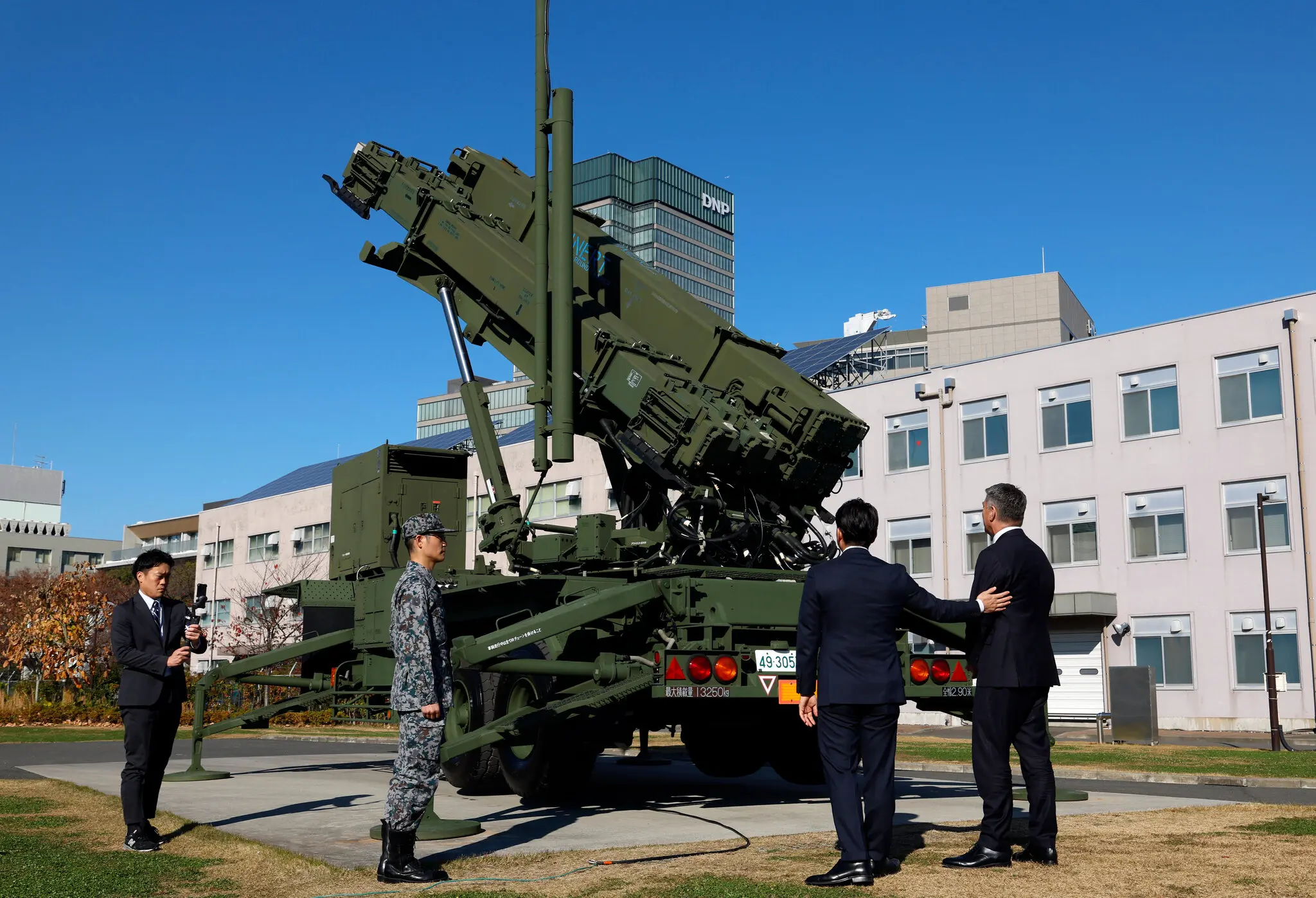
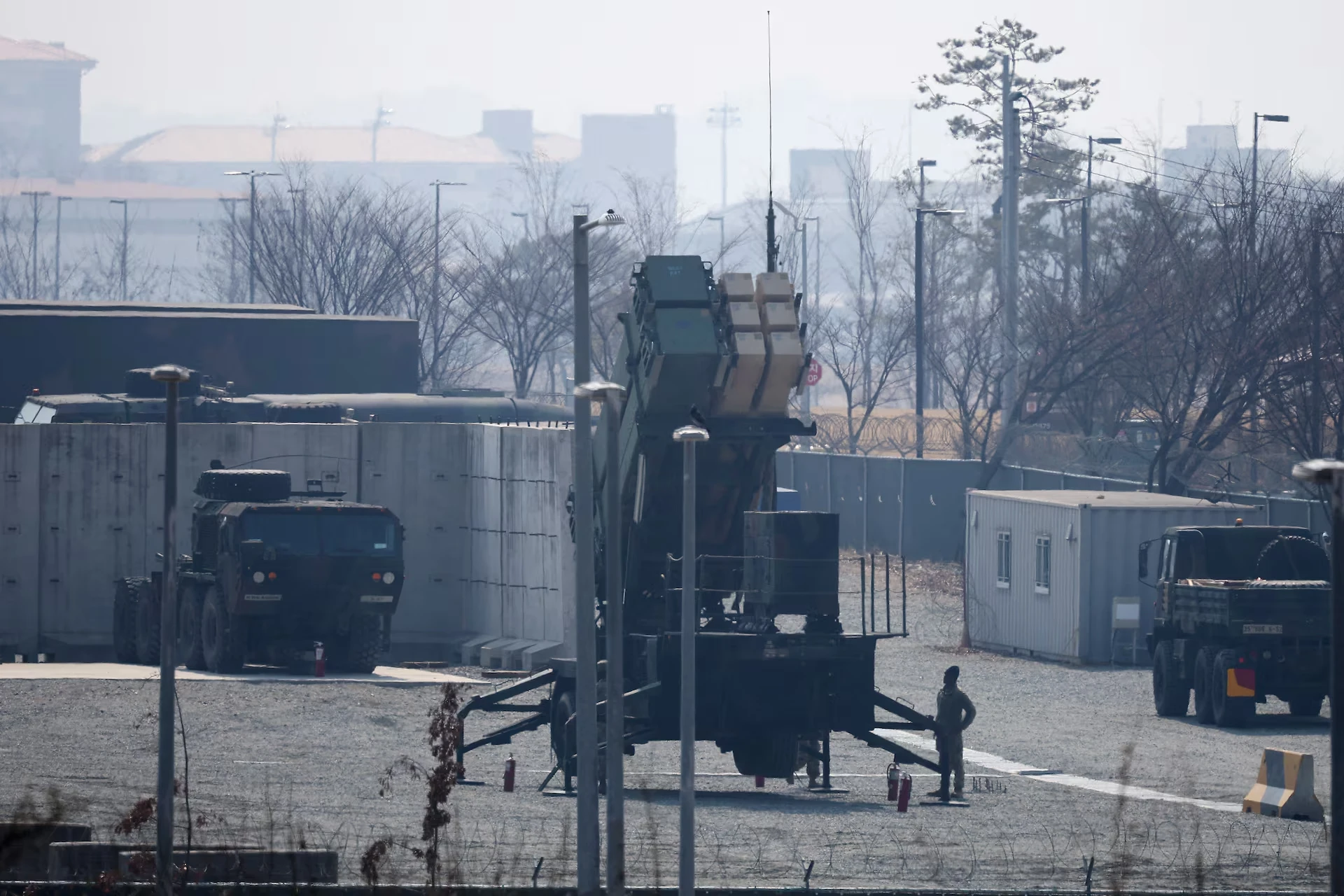
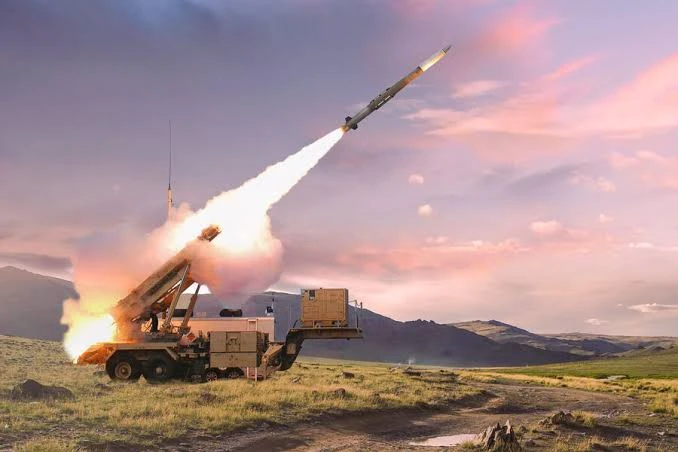
For Moscow, this is a painful political shift. Patriot is not an offensive weapon, not a missile for striking the Kremlin and not a symbolic gesture. It is a tool that can weaken Russia’s bet on ballistic terror against Ukrainian cities. That is why the Kremlin speaks of “complicating peace,” when in reality it is Russian coercion that is becoming more difficult.
According to Daycom’s earlier analysis, the weight of this deal lies not only in missile production, which may take years. Its real significance is the change in how the West sees the war. Ukraine looks less like a country that must be rescued from defeat and more like a state capable of imposing new conditions on Russia through endurance, technology and strikes against the weak points of the Russian war machine.
That is what is forcing the Kremlin to rebuild its rhetoric. Publicly, Moscow insists it does not see a major escalation, while at the same time warning of a longer war, a larger “buffer zone” and threats to the peace process. This is a familiar Russian method: any strengthening of Ukraine’s defense is presented as an obstacle to peace, while Russia’s own aggression is left outside the frame.
In this logic, Ukraine is supposedly guilty simply because it defends itself. If Kyiv asks for air defense, it is “prolonging the war.” If it strikes Russian military logistics, it is “escalating.” If it refuses capitulation terms, it “does not want peace.” This formula has long served as a way to shift responsibility from the aggressor to the victim.
But Washington’s new signal makes that formula less persuasive. Russia has spent years demanding concessions from Ukraine, including territories its army does not even control. The Kremlin has rejected a full cease-fire, avoided a direct meeting between Putin and Zelensky on neutral ground and spoken of diplomacy while continuing the war. That contradiction is now harder to hide.
Trump’s statement that escalation can help bring the war to an end sounds harsh, but it reflects a reality Kyiv has explained to its allies for years. Russia does not negotiate seriously when it feels impunity. It begins to calculate diplomacy only when the cost of continuing the war rises.
In this context, Patriot becomes not only a defensive system but also an instrument of forcing a new reality. If Ukraine can reliably receive or produce interceptors, Russia’s strategy of exhausting Ukrainian air defense will lose part of its force. Moscow will no longer be able to count as easily on ballistic missiles breaking through simply because Kyiv has too few interceptors.
Yet the Ankara deal does not close Ukraine’s skies immediately. Producing Patriot missiles is a complex technological process involving American controls, sensitive components, industrial supply chains and secure production sites. Full-scale results may take months or years, not weeks.
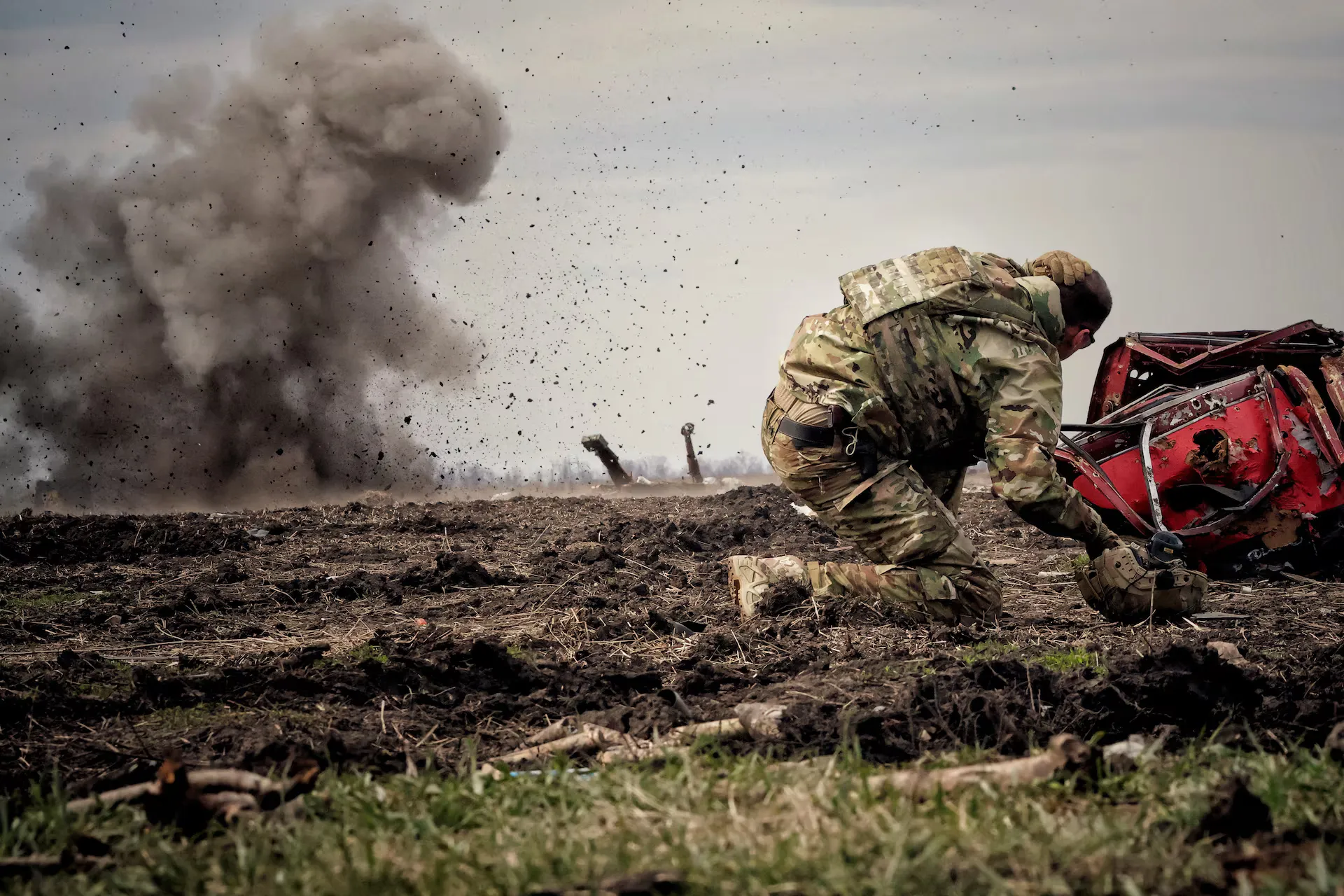
That is the central limitation of Zelensky’s victory. He has secured an important political result, but Ukrainian cities need protection now. Russia fires ballistic missiles almost daily, and every delay in interceptor supply means real destruction, deaths, damaged power stations, hospitals, homes and transport hubs.
Permission to produce cannot replace immediate deliveries. Ukraine needs two things at once: missiles for tonight and an industrial path for the years ahead. If Washington offers only a future prospect without present ammunition, the political signal will be strong, but the practical effect will remain limited.
The Kremlin understands this. That is why its reaction is double-edged: on one hand, it minimizes the deal; on the other, it threatens consequences. Moscow is trying to show that the U.S. decision changes nothing, while simultaneously warning that it could prolong the war. That contradiction reveals the real anxiety: Russia is not afraid of one factory, but of a change in the West’s trajectory.
Zelensky gained more here than a technical arrangement. He got Trump, who previously allowed himself dismissive judgments about Kyiv, to speak of Ukraine as a side that has a chance and is acting effectively. In Trump’s political language, that matters: he tends to support those who look capable of winning, not only those asking for help.
Ukraine has been demonstrating exactly that in recent months. It has not only held the front, but also struck Russian oil refineries, logistics, depots and military targets deep behind enemy lines. These strikes are changing the Western perception of the balance of power. Russia no longer looks like a state that can dictate the tempo of the war without consequence.
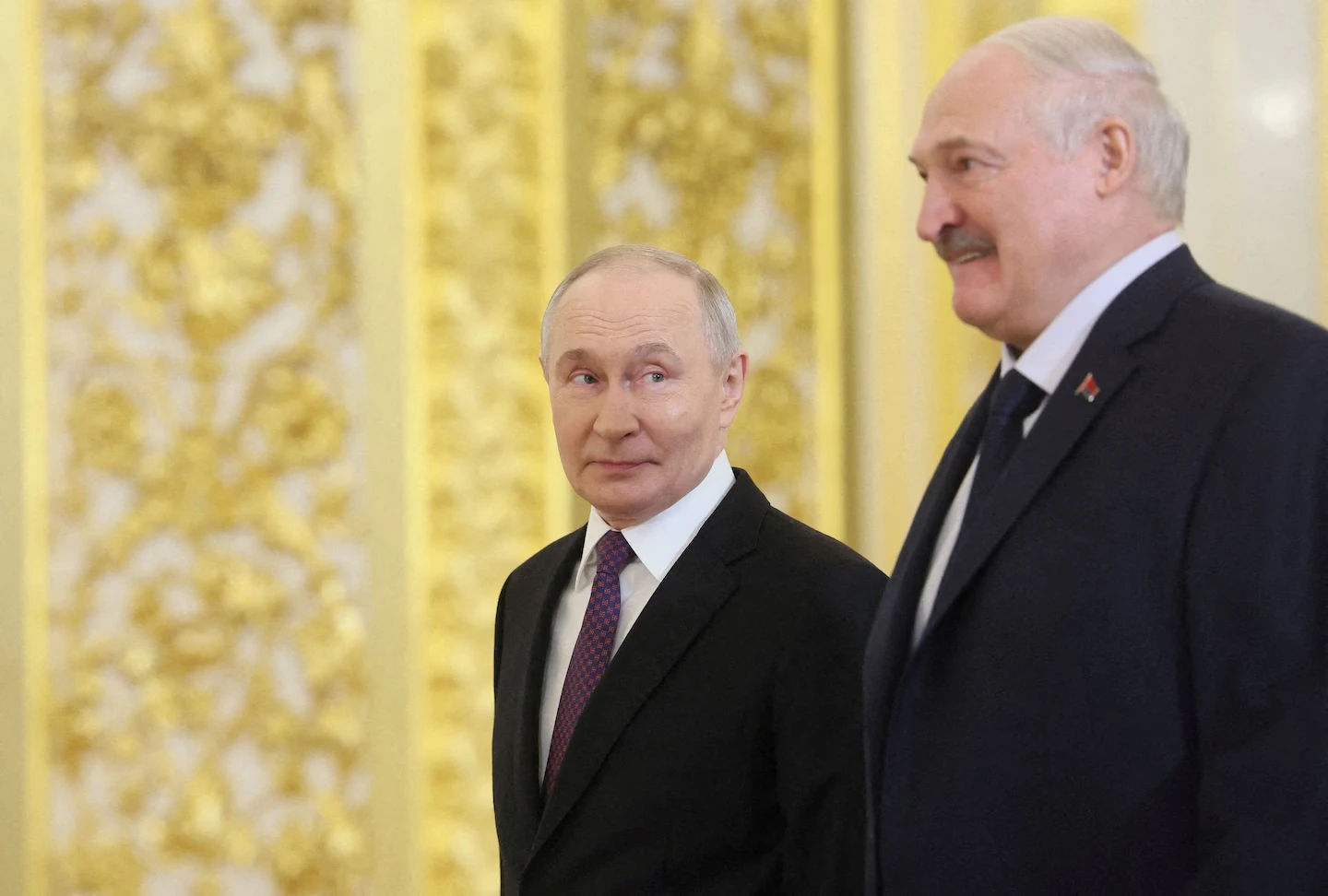
For Putin, this is more dangerous than a single diplomatic setback. His favored phrase about “realities on the ground” works only when the West believes Russian advantage is inevitable. If that perception shifts and Ukraine appears not as an exhausted victim but as a country able to strike, produce and survive, the Kremlin must repackage its own version of reality.
That is why Russian rhetoric again returns to the threat of a “buffer zone.” This is not a peace proposal, but a disguised demand for even more space under Russian control. The Kremlin calls it security, but translated from Russian diplomatic language, it means continuing territorial seizure under the pretext of protection from the consequences of its own aggression.
For the West, the Ankara moment is a test of consistency. If the United States truly believes military pressure can create space for negotiations, it must act quickly: transfer available interceptors, launch licensing procedures, bring in European production sites and prevent bureaucracy from consuming the political effect.
For Europe, this is also a signal. Patriot production cannot remain a narrow American resource in a war that defines the security of the continent. If Ukraine is recognized as technologically ready for such participation, Europe must become not only a buyer of American protection, but a participant in a new defense architecture.
What Moscow fears most is this long-term change. Not one Trump decision, not one meeting in Ankara, not one compliment to Zelensky. It fears Ukraine’s transition from a dependent recipient of aid into a state gradually producing its own strategic resilience.
This is not yet victory. It is only an opening. But in a long war, an opening backed by technology, political will and an industrial plan can matter more than another statement about peace. Russia wants negotiations on the terms of Ukrainian exhaustion. The Patriot deal works in the opposite direction: it tells Moscow that Kyiv may receive not only help for the present, but protection for the future.
That is why the Kremlin is nervous, even while pretending that nothing has changed. Trump’s praise for Zelensky does not intercept missiles. A Patriot license does not stop tonight’s strike. But together, they alter the political mathematics of the war. Putin can no longer be certain that time automatically works for Russia. For the Kremlin, that is one of the most uncomfortable signals of this latest stage of the war.