






















The cease-fire between the United States and Iran no longer looks like a broken agreement. It looks like a shell inside which a new phase of war is already unfolding. Two days of reciprocal strikes have shown that the two sides have not returned to isolated clashes, but to a durable cycle of retaliation, where each attack prepares the next.
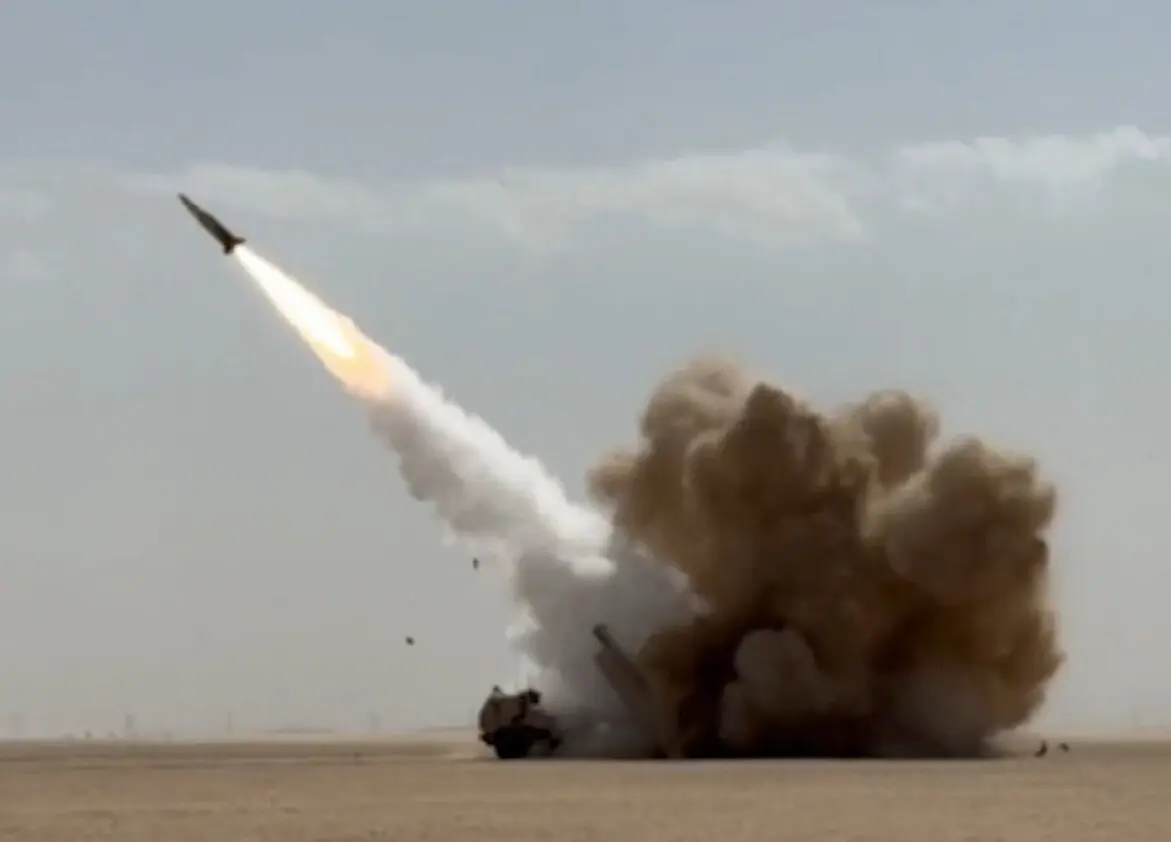
After Washington accused Iranian forces of attacking commercial vessels in the Strait of Hormuz, American forces launched a new series of strikes on Iran. Tehran responded with missiles and drones aimed at U.S. targets in Persian Gulf countries. Strike after strike is leaving less room for the diplomatic pause that only recently was presented as a possible exit from the war.
Over the past 48 hours, the U.S. military has hit more than 170 targets inside Iran. The scale of the operation sharply exceeded previous rounds and showed that Washington is no longer limiting itself to a symbolic response. It is trying to systematically weaken Iranian military infrastructure along the coast, from which Tehran can pressure maritime traffic.
According to Daycom’s earlier analysis, the conflict has entered a phase in which both sides still formally preserve a political exit, but in practice operate according to the logic of open war. This is the most dangerous intermediate state: it has no clear rules, no stable channels of restraint and no obvious threshold after which escalation becomes irreversible.
At the center of this crisis arc is once again the Strait of Hormuz. For the global economy, it is a narrow energy corridor; for Iran, a strategic lever; for the United States, a test of its ability to guarantee freedom of navigation. That is why any attack on a tanker, gas carrier or commercial vessel immediately becomes a military and political signal.
Iran has not directly claimed responsibility for the attacks on ships, but it insists that vessels must follow a designated route through its territorial waters. That position contains Tehran’s core demand: not merely to respond to American pressure, but to impose its own order of movement through the strait. For Washington, this is unacceptable, because it would amount to de facto recognition of Iranian control over a critical maritime route.
The American strikes were aimed at targets on Iran’s coast linked to missiles, drones, radars, air defenses, depots and logistics. This pattern points to a broader objective: not to punish Iran for a single incident, but to reduce its capacity to repeat attacks on ships and threaten ports, military bases and energy infrastructure across the region.
Tehran responded by widening the geography of its strikes. U.S. targets in Qatar, Kuwait and Bahrain came under fire or direct threat. Jordan, which had not been a central target in previous flare-ups, said it had intercepted Iranian missiles in its airspace. That marks an important shift: a war concentrated around Iran and the strait is beginning to pull in a broader regional security system.
The Gulf states are in an especially difficult position. They depend on the American military presence, but that same presence makes them potential targets for Iranian retaliation. Bases, ports, airfields, gas terminals and transport hubs are becoming part of a single risk field, even as governments in the region try to avoid direct participation in the war.
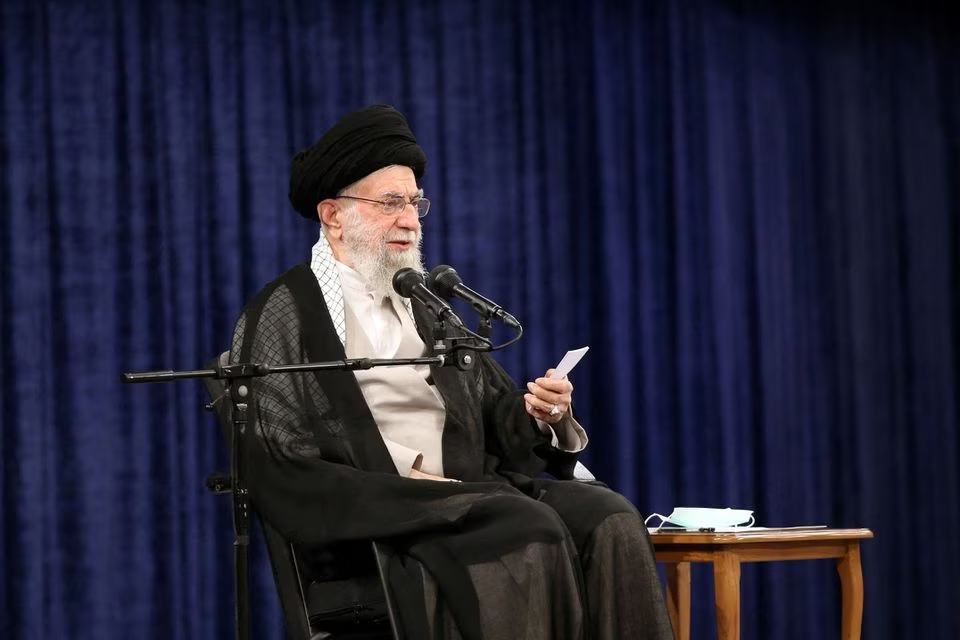
Iran reported deaths and dozens of injuries after the latest round of strikes. Separately, Iranian authorities said a railway section between Tehran and Mashhad had been hit — the city where the burial rites for the slain supreme leader, Ali Khamenei, were expected to take place. Even if the military significance of such strikes remains unclear, the political effect is evident: the war is colliding with a moment of internal symbolic vulnerability for Iran.
Khamenei’s funeral has become more than a mourning ceremony for Tehran. It is also an attempt to demonstrate unity, endurance and the resilience of the state. Such events always have a double audience: domestic society and external adversaries. The authorities want to show that the leader’s death has not shaken the system, but the latest American strikes make that display harder to sustain.
Inside Iran, the war is increasing pressure on any line of negotiation. When the country is burying its supreme leader and American strikes are hitting strategic areas, the space for compromise narrows. Hard-line factions gain an argument that Washington cannot be treated as a partner. Supporters of diplomacy are forced to prove not only the usefulness of talks, but also their own political loyalty.
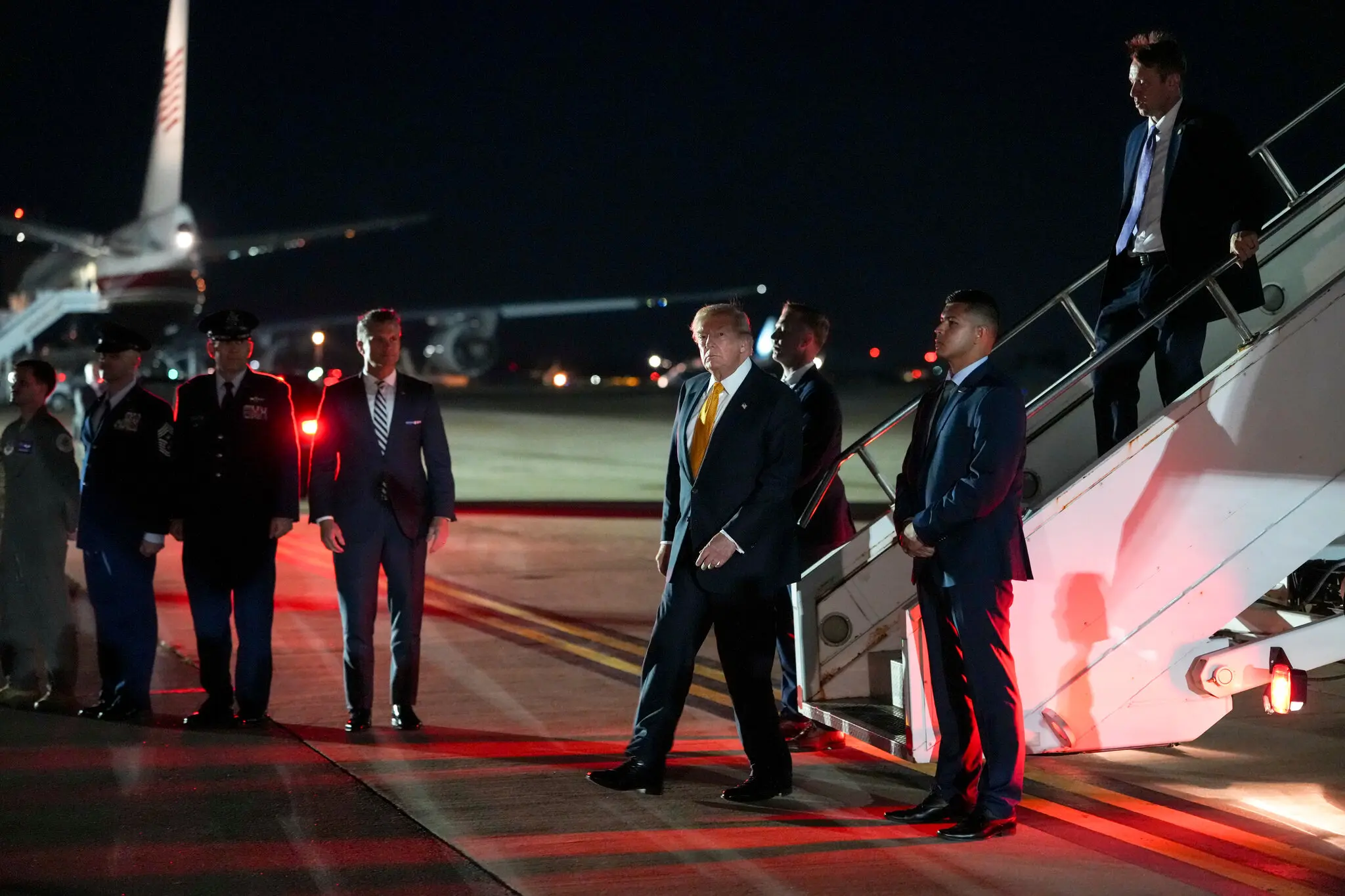
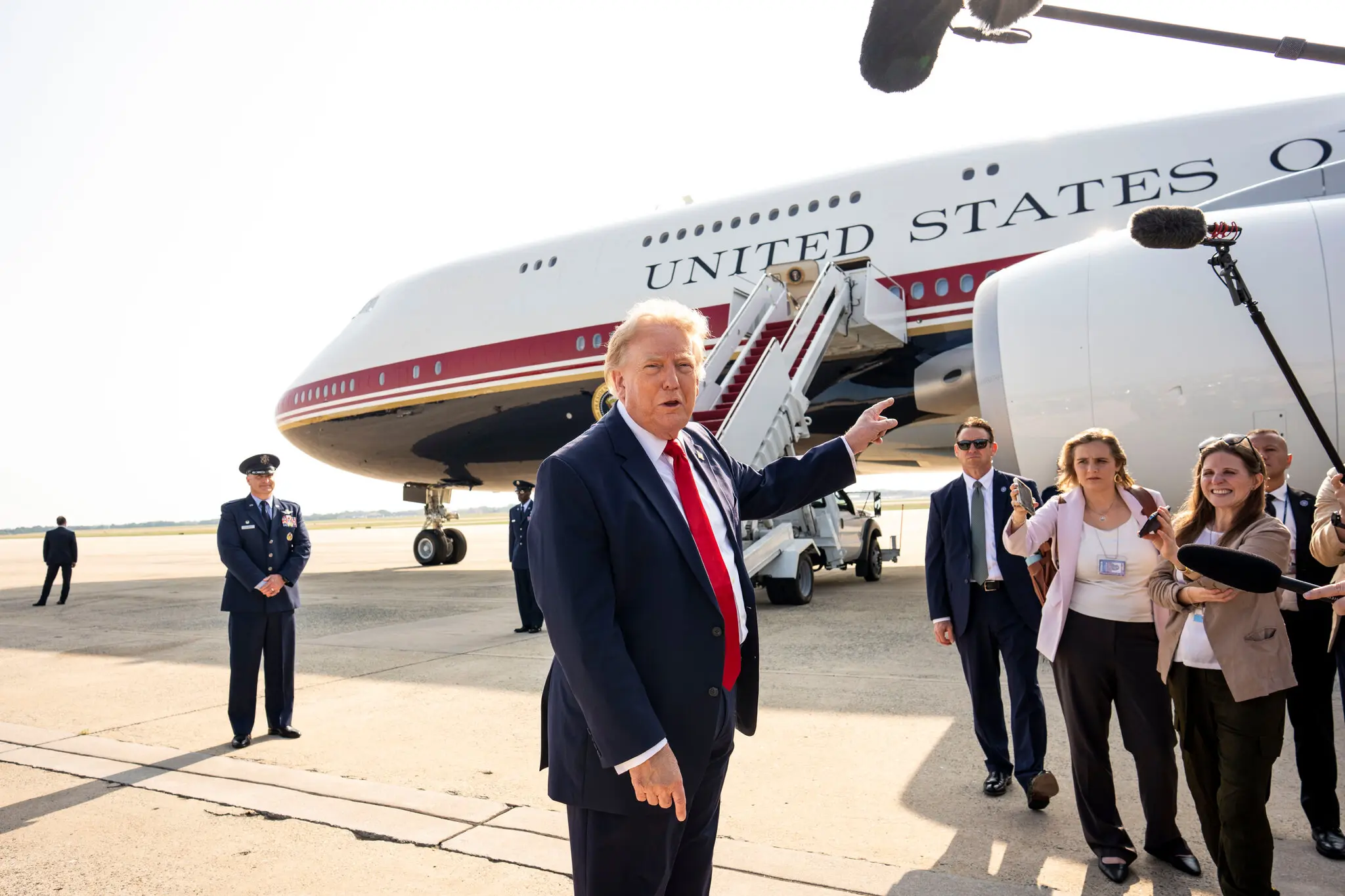
In Washington, the situation is also moving into a harder frame. President Donald Trump has said he considers the cease-fire effectively finished and has described further talks on a long-term peace deal as a waste of time. At the same time, he has left open the possibility of an agreement, saying Iran wants to make a deal. This duality allows the White House to maintain military pressure without closing the door to political maneuver.
The problem is that such ambiguity works only as long as the strikes do not acquire their own momentum. When more than a hundred targets are hit in two days and missiles are flying toward American facilities in several countries, the diplomatic space stops being independent. It becomes an appendix to the military dynamic, rather than an alternative to it.
The current cycle is dangerous precisely because of its predictability. Iran attacks or threatens shipping; the United States strikes coastal infrastructure. The United States expands its attacks; Iran responds against bases and regional partners. Each side describes its actions as defensive, but the cumulative result looks like the steady expansion of war.
The energy dimension makes the crisis even broader. The Strait of Hormuz is not only a military route, but one of the main nerves of the global oil and gas market. The risk of blockage, rising insurance costs, altered tanker routes, delivery delays and threats to port infrastructure could quickly turn a regional conflict into an economic shock for many countries.
The coming days will show whether either side still has the ability to stop the momentum of strikes. That would require not only political will, but also a mechanism that is now barely visible: a communication channel acceptable to both sides and a minimal readiness not to answer every strike with another one. Without it, the cease-fire will finally become a diplomatic fiction.
The United States and Iran are not facing a simple choice between war and peace. They are facing a more dangerous reality: a war that is not yet being called full-scale. It is in such intermediate states that the worst miscalculations often occur. The Strait of Hormuz has again become the place where military force, political prestige and global energy are compressed into a single knot — one that is becoming harder to untie without another explosion.