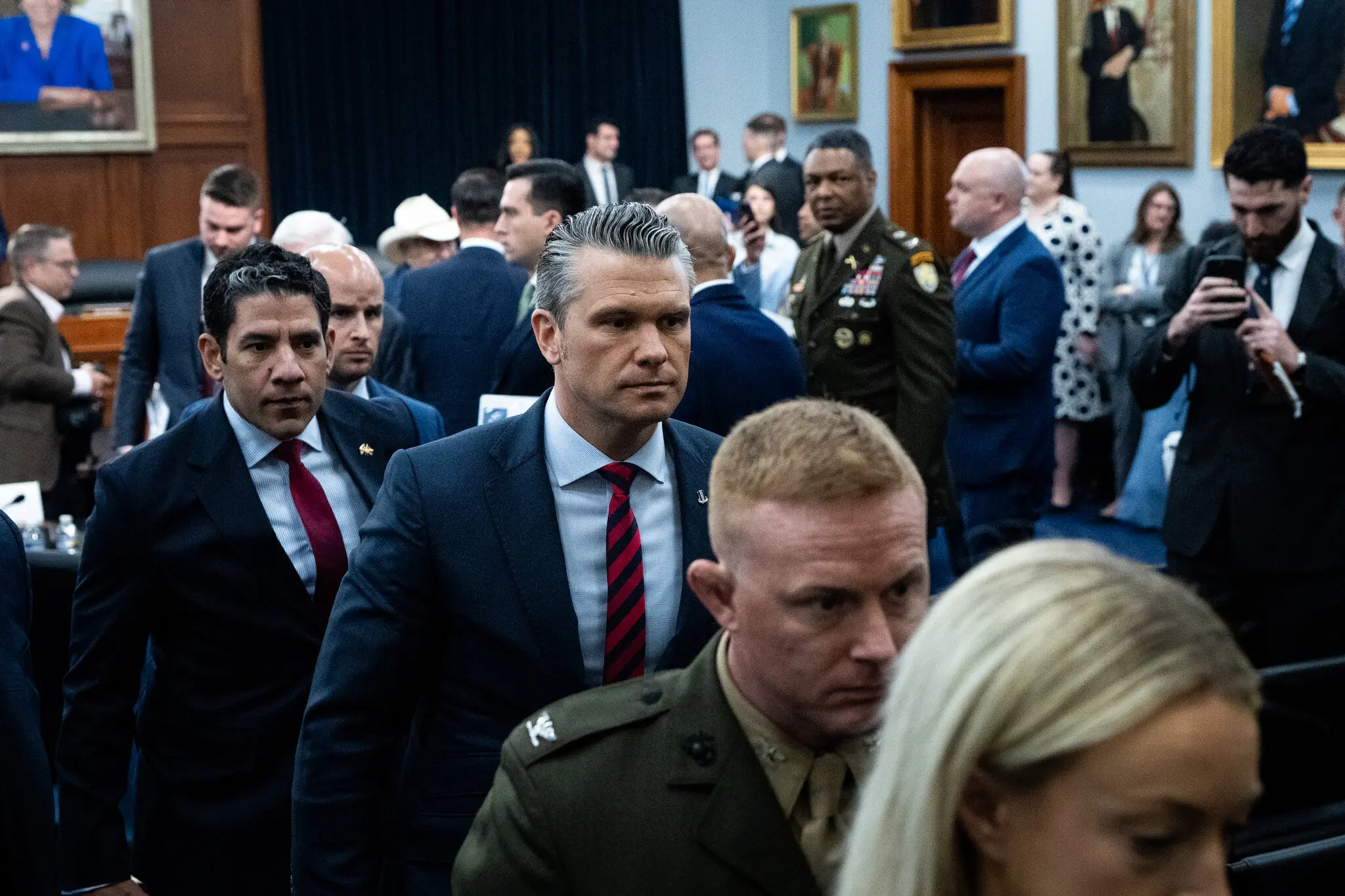

























The latest U.S. strikes on Iran, carried out overnight into Thursday, marked the moment when a three-week cease-fire nearly lost its remaining political weight. It may still exist as a diplomatic formula, but it no longer functions as a mechanism of restraint. The war has returned to its basic rhythm: strike, response, threat, another attack.
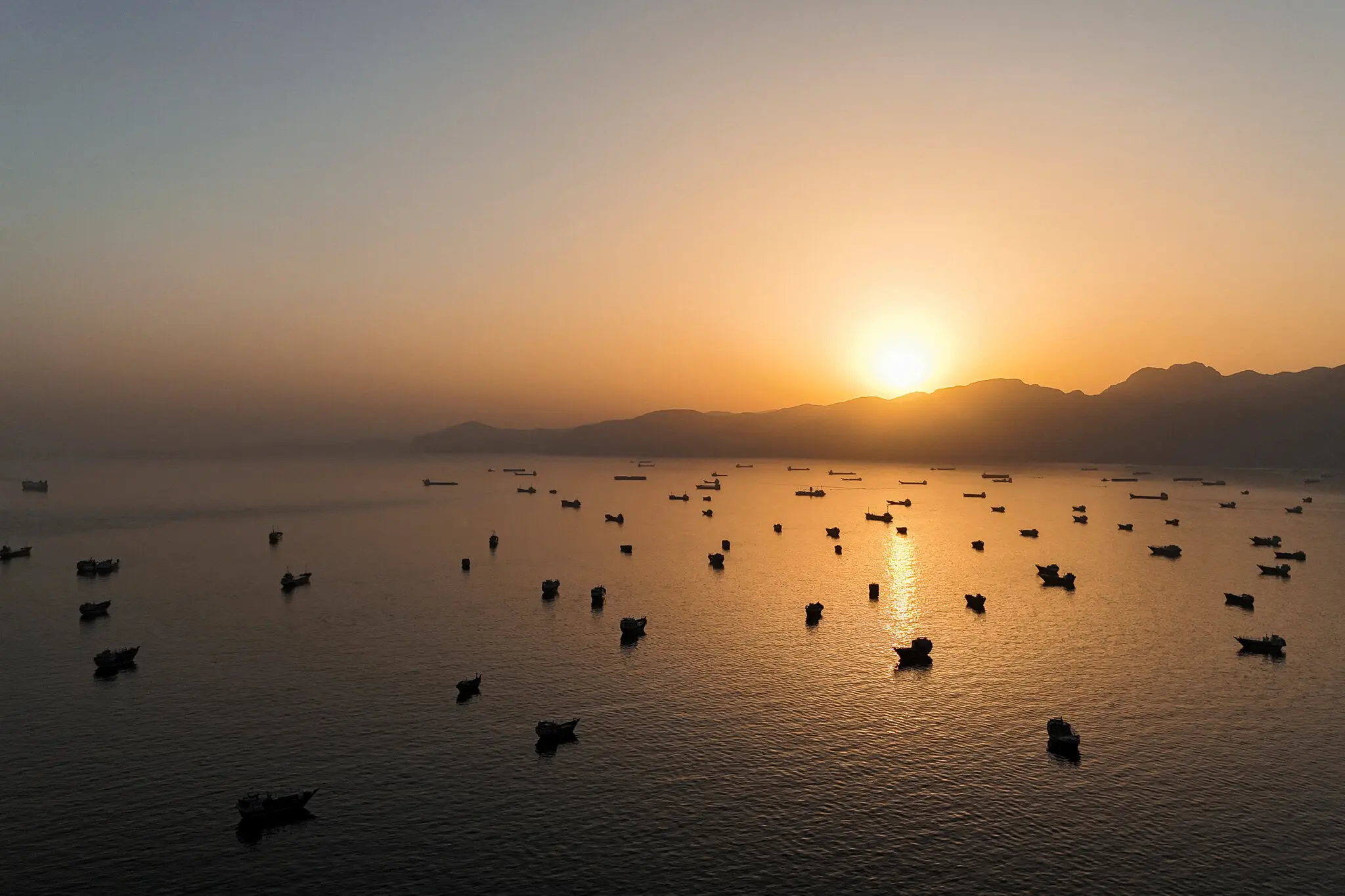
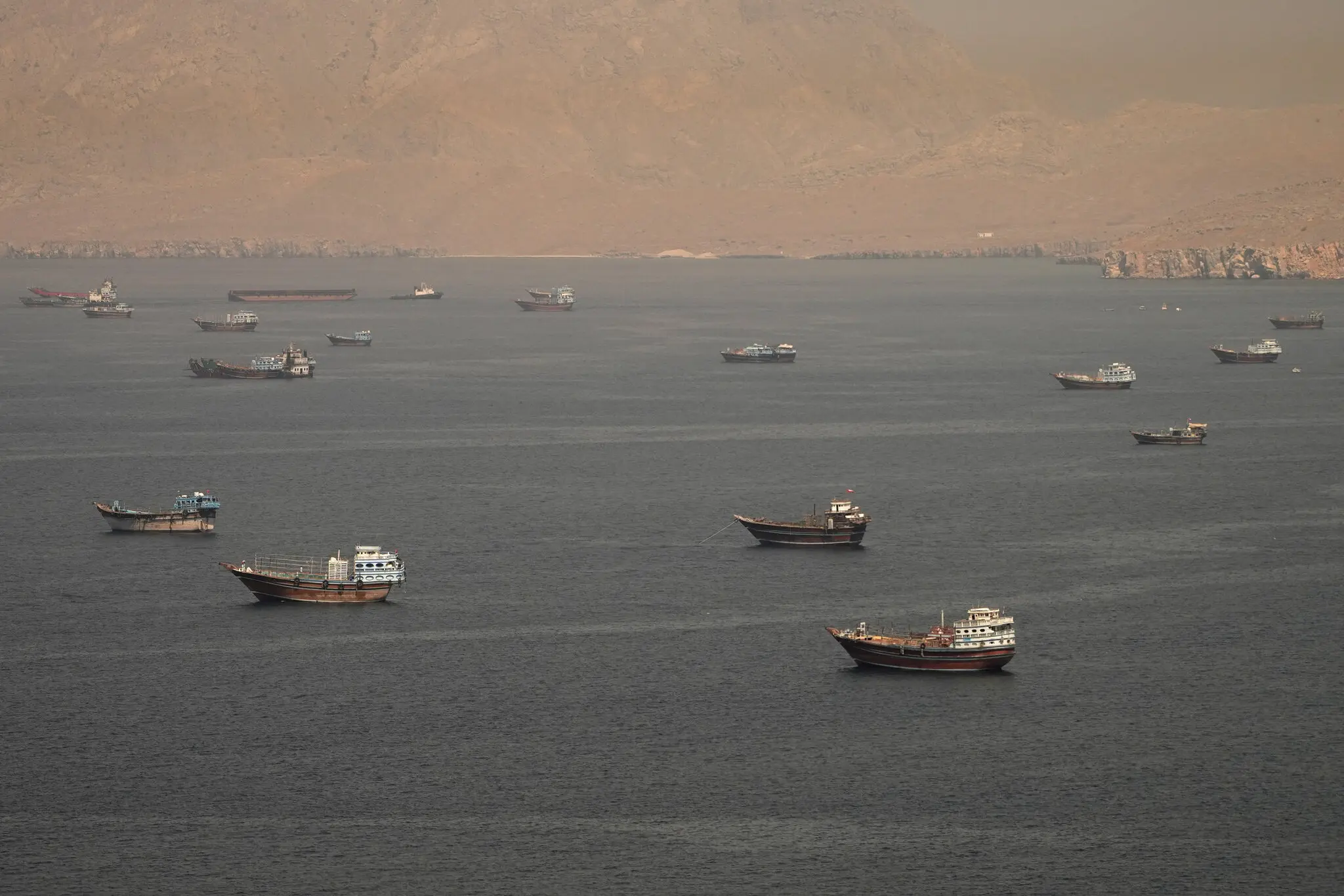
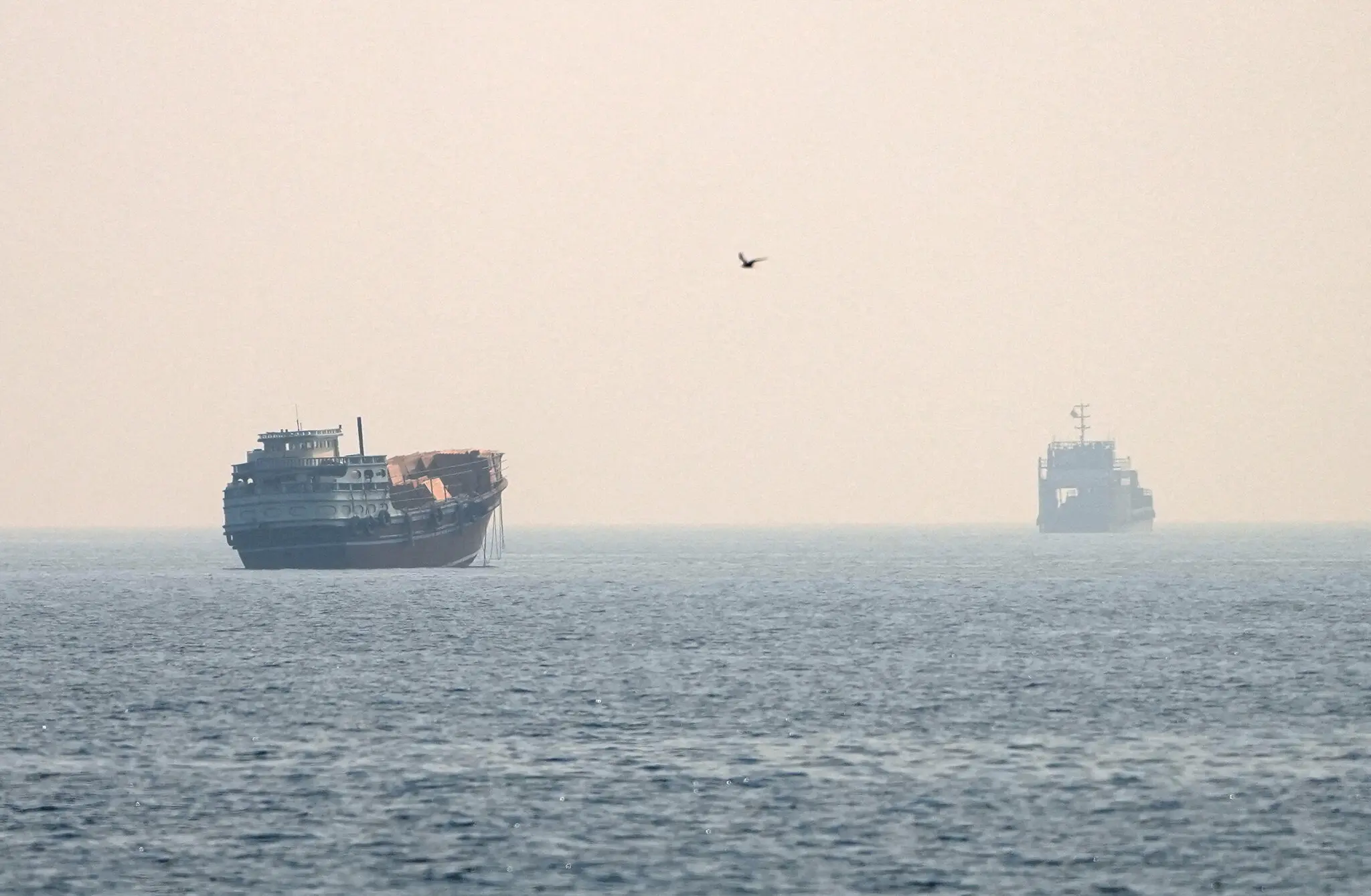
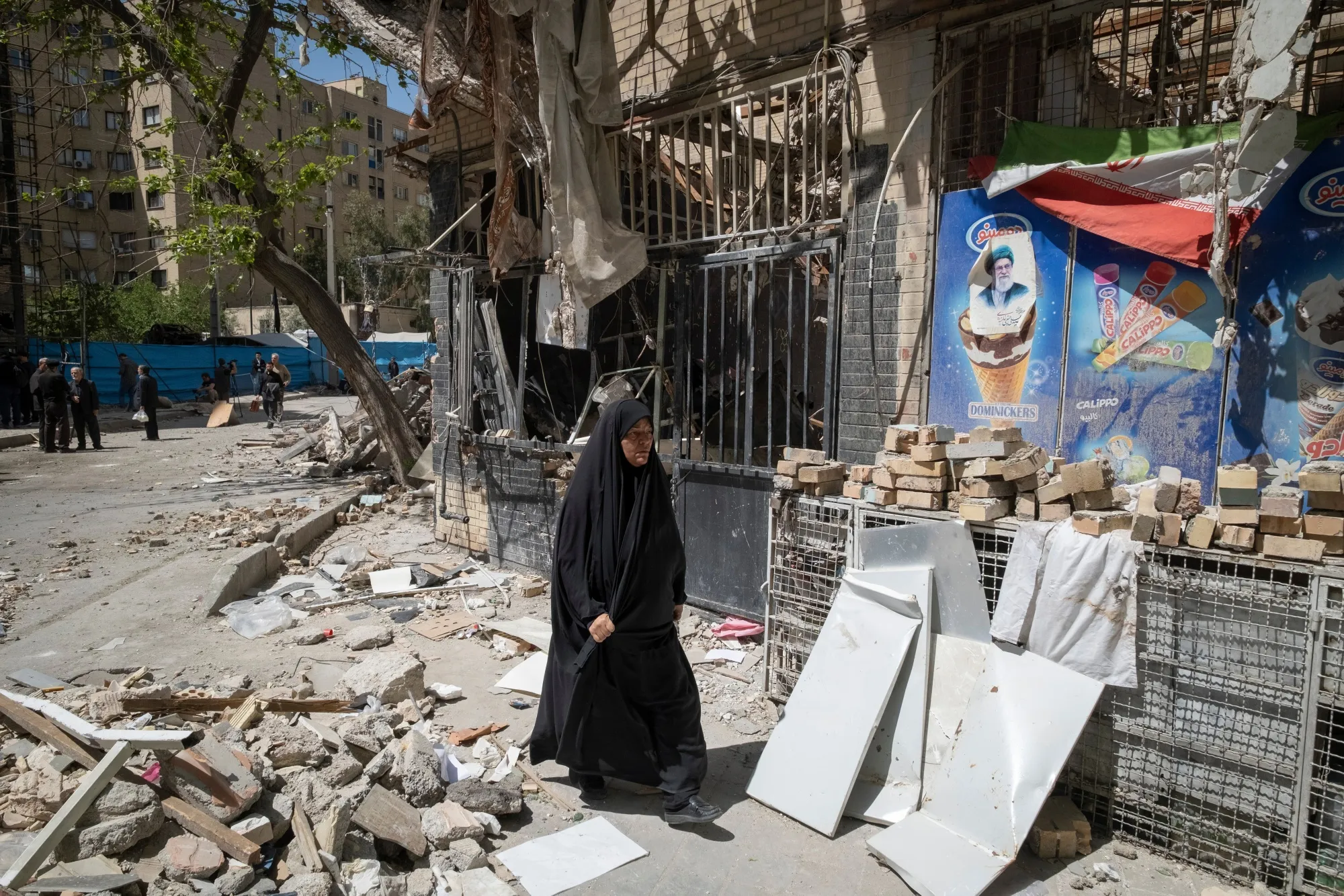
American military officials said the operation was intended to weaken Iran’s ability to threaten shipping in the Strait of Hormuz. After the strikes, Iranian media reported explosions in at least three port cities along the country’s southeastern coast. Almost simultaneously, Kuwait said it was intercepting drones and missiles, while warning sirens sounded in Bahrain.
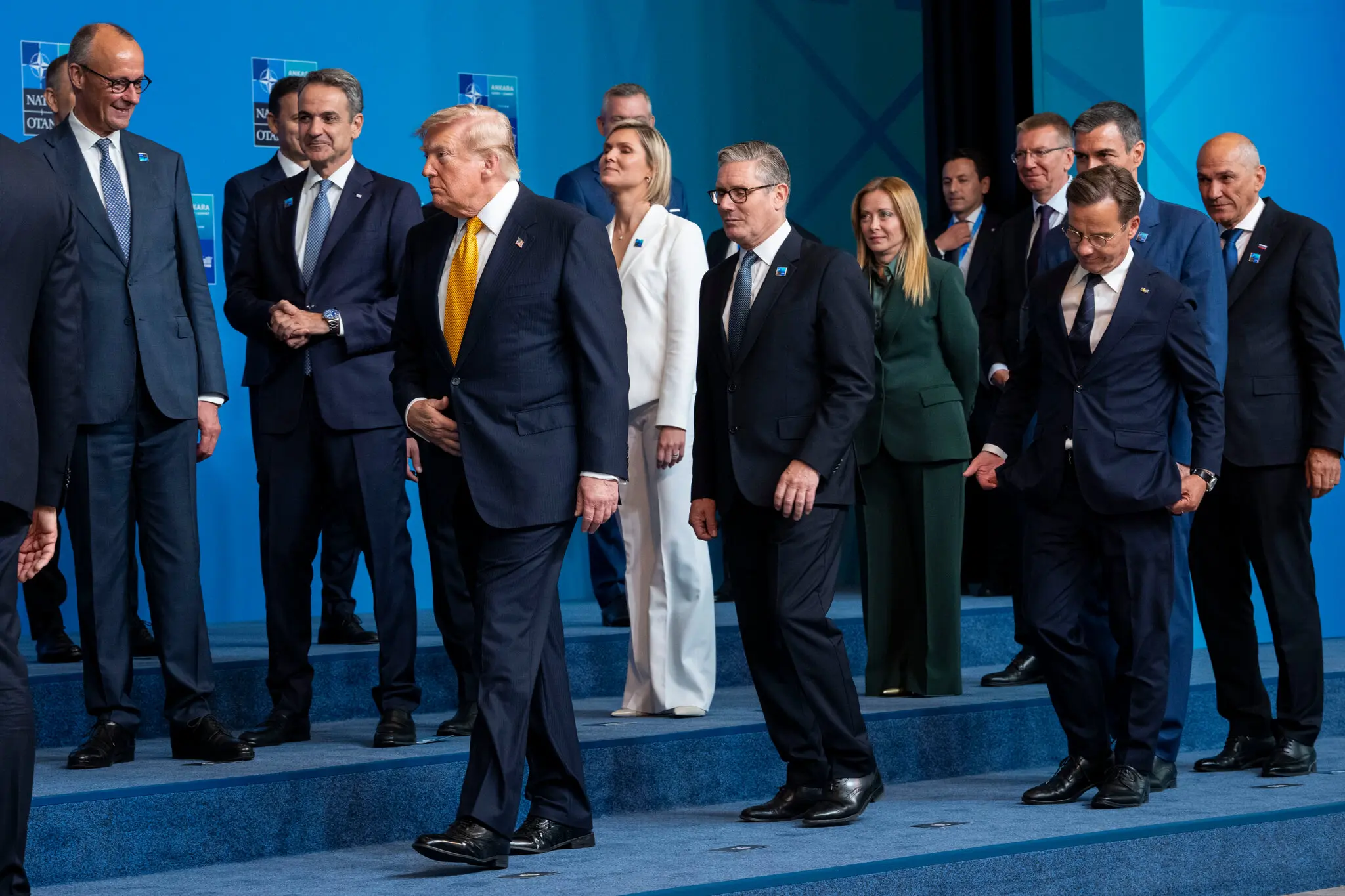
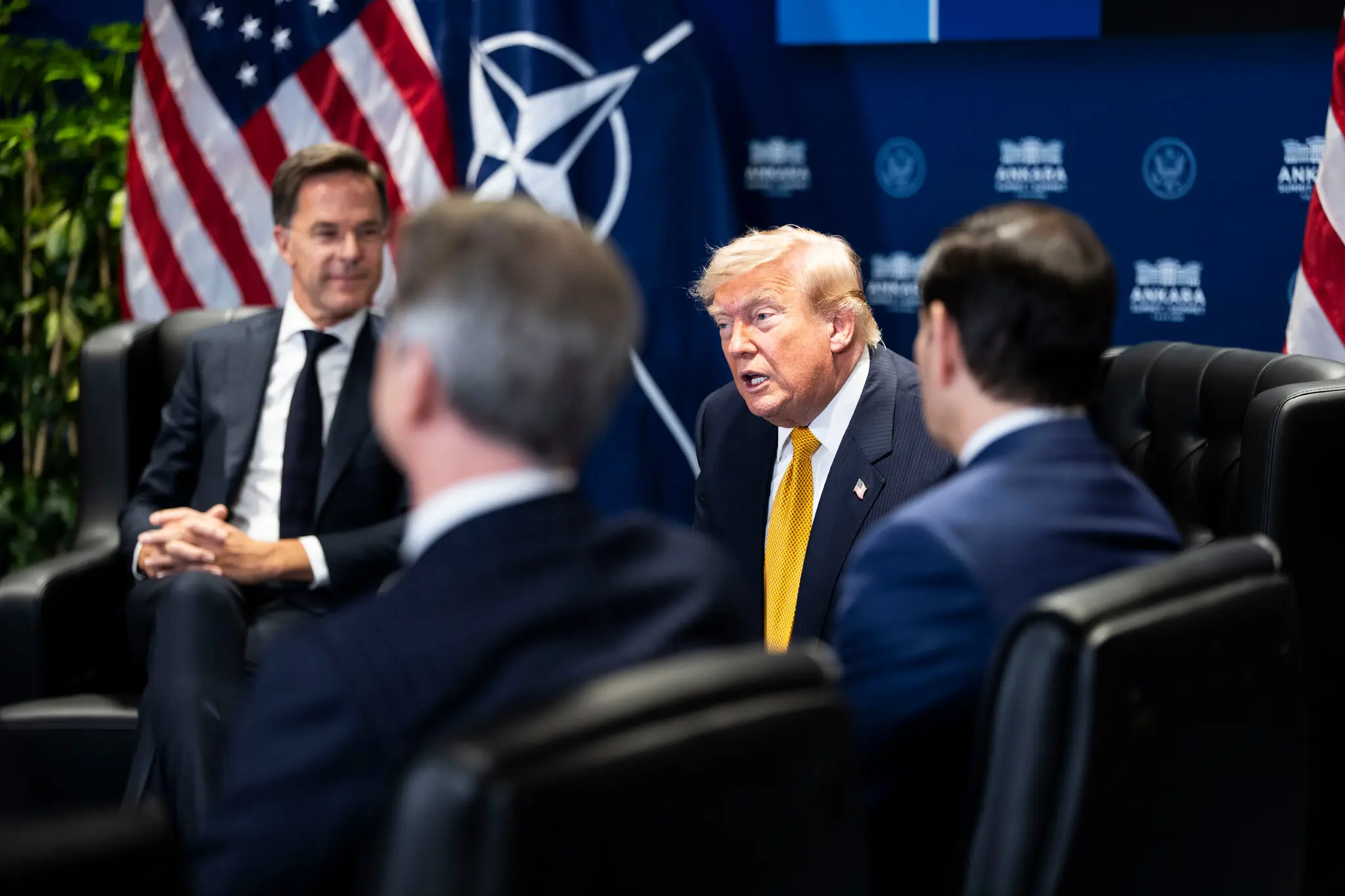
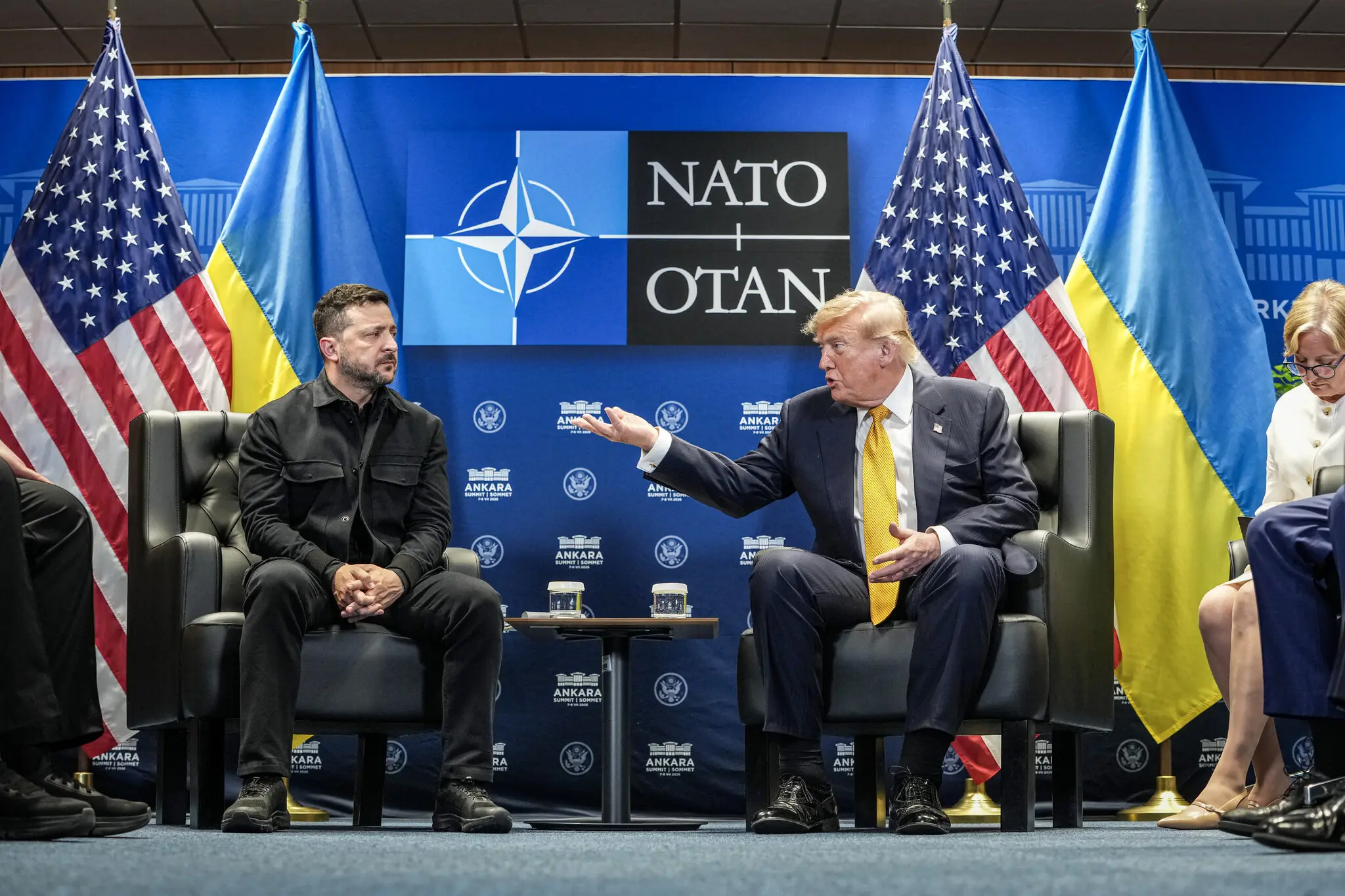
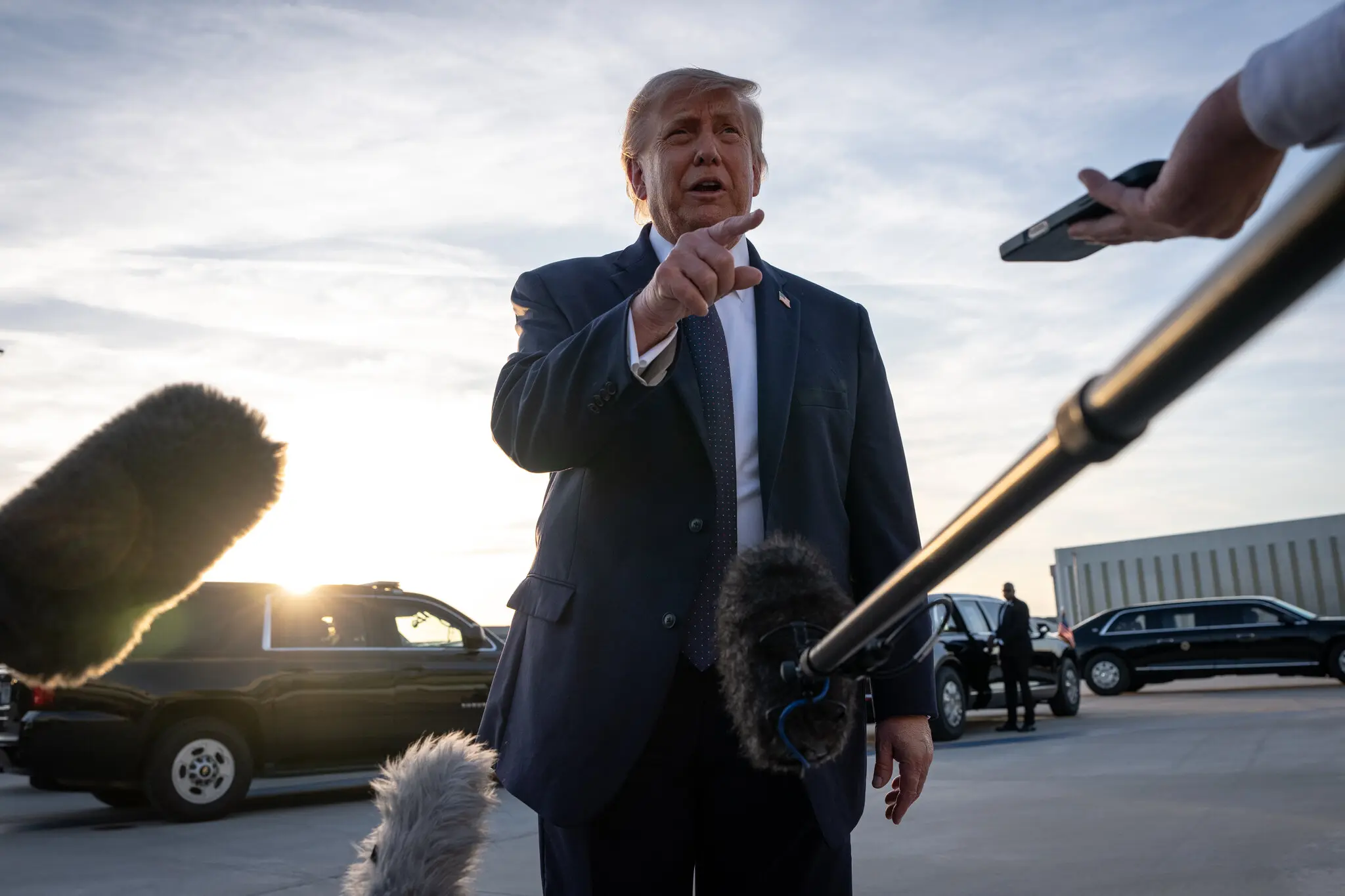
Donald Trump called the new strikes “retribution” for attacks on commercial vessels and warned that if such incidents happened again, the consequences for Iran would be far worse. Earlier, at the NATO summit in Turkey, he had effectively acknowledged the end of the cease-fire, while still leaving open the possibility of negotiations and saying he did not expect a return to full-scale war.
The latest U.S. strikes on Iran, carried out overnight into Thursday, marked the moment when a three-week cease-fire nearly lost its remaining political weight. It may still exist as a diplomatic formula, but it no longer functions as a mechanism of restraint. The war has returned to its basic rhythm: strike, response, threat, another attack.
American military officials said the operation was intended to weaken Iran’s ability to threaten shipping in the Strait of Hormuz. After the strikes, Iranian media reported explosions in at least three port cities along the country’s southeastern coast. Almost simultaneously, Kuwait said it was intercepting drones and missiles, while warning sirens sounded in Bahrain.
Donald Trump called the new strikes “retribution” for attacks on commercial vessels and warned that if such incidents happened again, the consequences for Iran would be far worse. Earlier, at the NATO summit in Turkey, he had effectively acknowledged the end of the cease-fire, while still leaving open the possibility of negotiations and saying he did not expect a return to full-scale war.
According to Daycom’s assessment, that duality has become the defining feature of this phase of the conflict. Washington is trying to use force without closing the diplomatic channel. Tehran is answering with threats and attacks, while avoiding formal responsibility for strikes on ships. Both sides are acting as though the cease-fire is already dead, yet its legal shadow remains useful for political maneuvering.
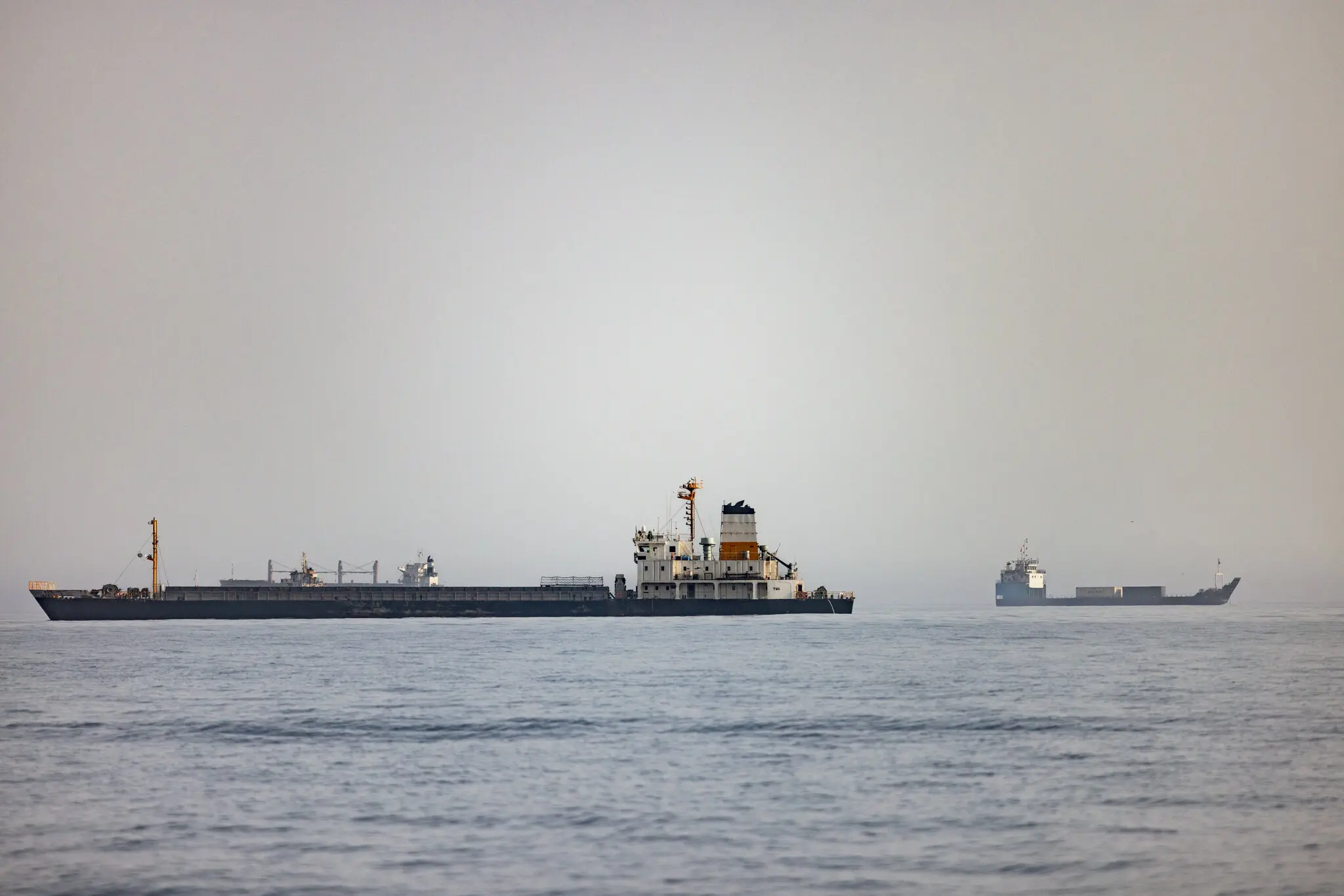
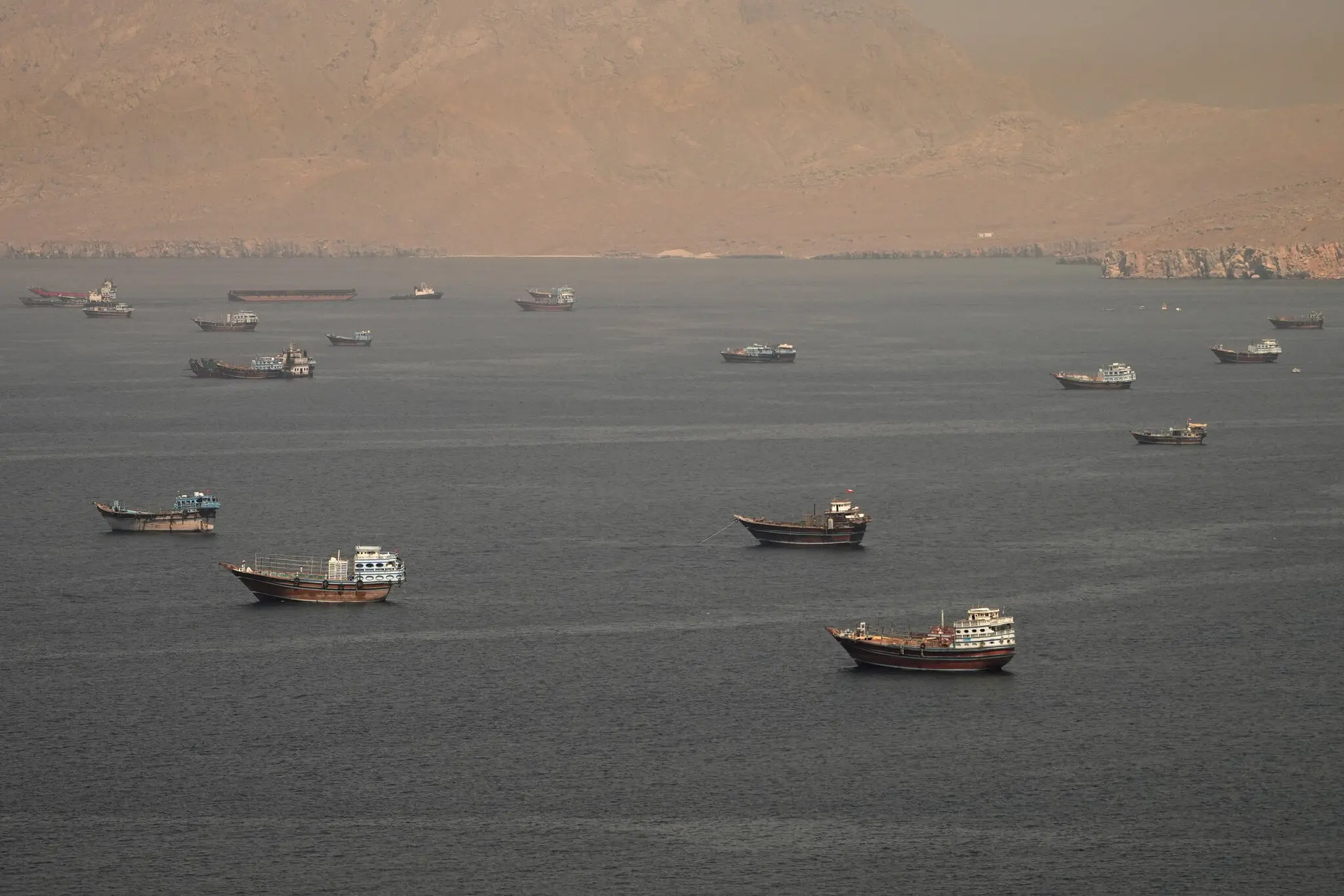
The Strait of Hormuz has become not merely a battlefield, but the central instrument of the war. Critical flows of oil and gas pass through this narrow maritime corridor. Any risk to tankers and gas carriers there instantly becomes a global signal for energy markets, insurers, ports and governments that depend on imported fuel.
Iran insists that the terms of the agreement give it authority over traffic arrangements in the strait. In practice, this means demanding that vessels use routes Tehran considers acceptable. The United States sees that position as an attempt to impose unilateral control over an international waterway and turn shipping into a hostage of Iranian military strategy.
The latest strikes were the second American attack in two days after assaults on three commercial vessels near the strait. Iran has not acknowledged responsibility for those incidents, but they gave Washington the grounds for a new wave of military response. The day before, the United States also revoked a sanctions waiver for Iran’s oil industry — one of the most important concessions built into the cease-fire.
That decision carries both economic and political weight. For Tehran, the oil waiver had shown that even under wartime pressure it could still extract benefits. Its removal destroys one of the incentives to preserve the agreement. For Washington, it is a way to show that attacks on vessels will carry a price not only on the battlefield, but also inside the sanctions architecture.
Iran’s reaction was swift and severe. Mohsen Rezaei, an influential military adviser to the supreme leader, warned that the “aggressor” and its accomplices would be harshly punished. Across the Gulf, alarm systems were triggered again. Even if the scale of physical damage remains limited, the geography of Iran’s response expands the risk for the entire region.
Kuwait and Bahrain have already found themselves in the line of fire because they host American military facilities. That creates a dangerous trap for U.S. allies. The American presence guarantees protection, but it also makes them part of a conflict they do not control. In the Persian Gulf, the security umbrella increasingly looks like both a shield and a target.
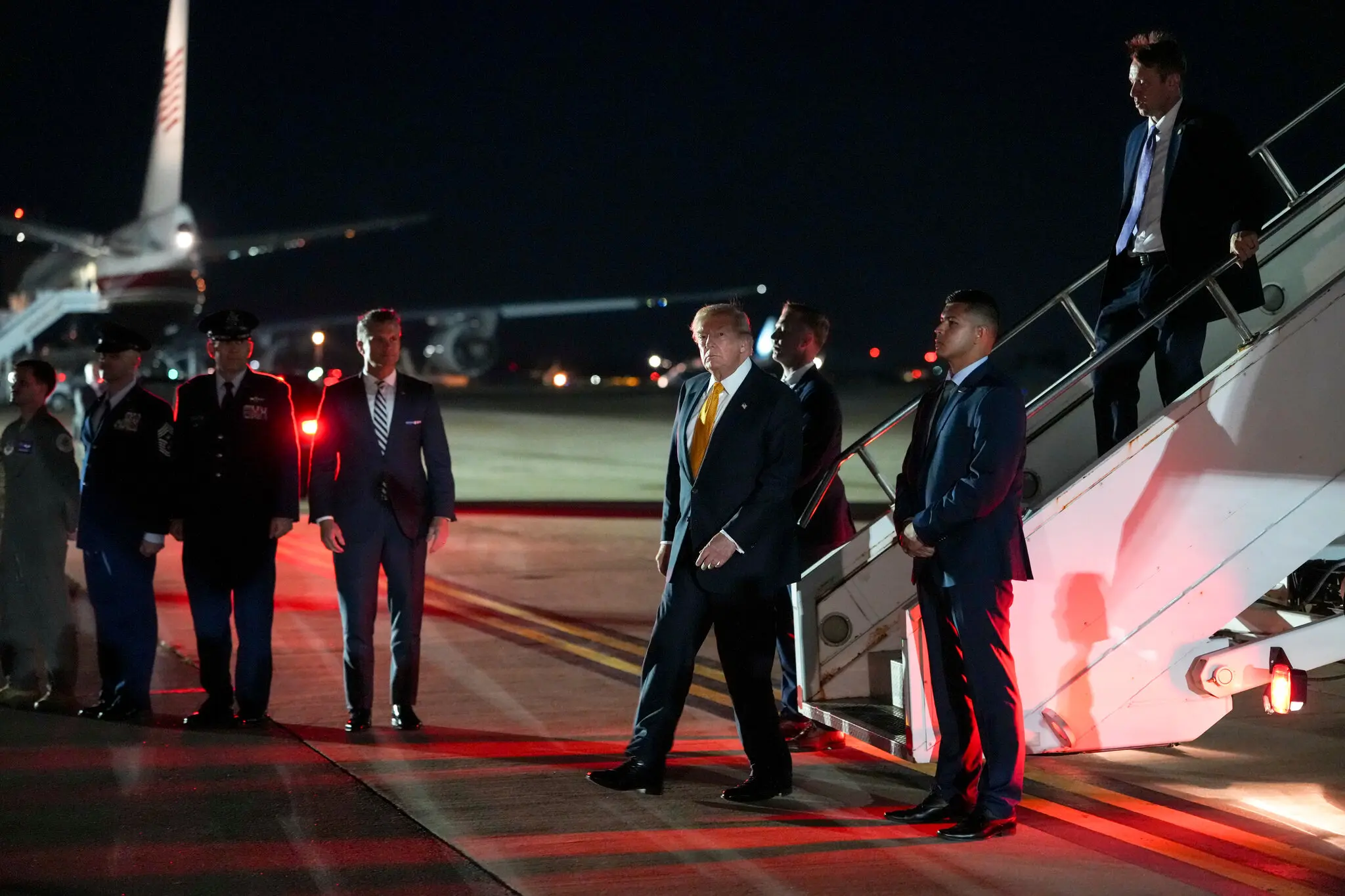
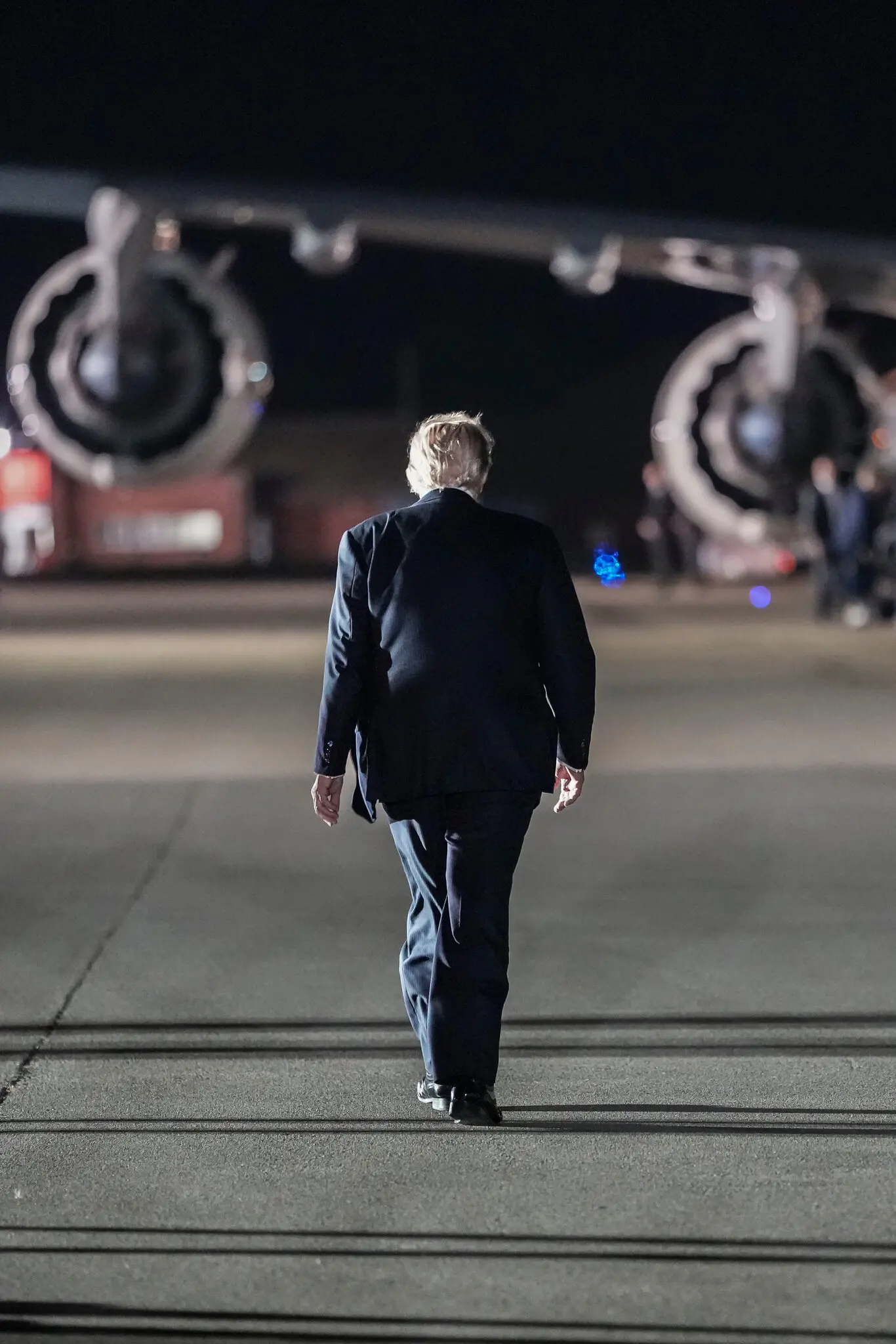
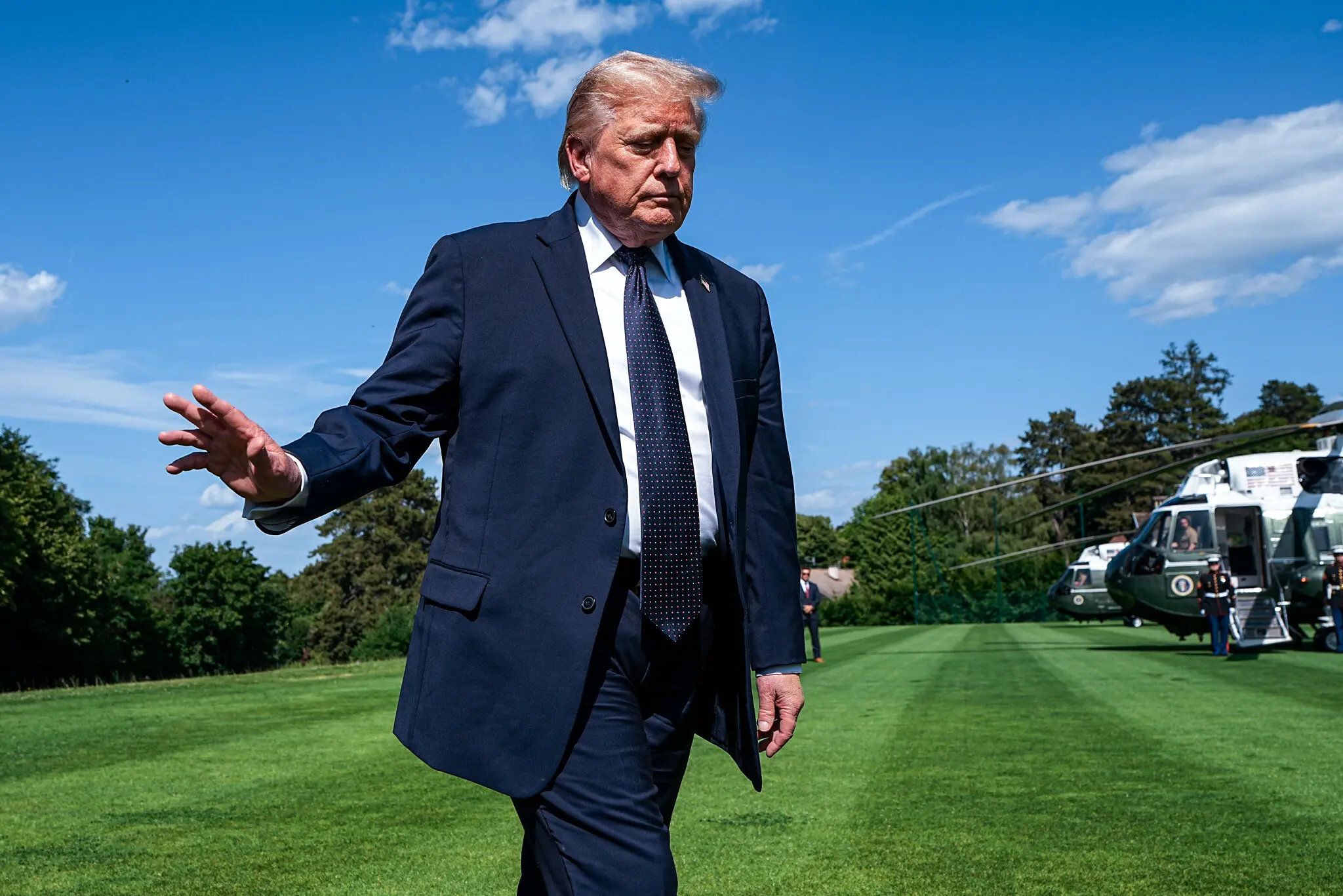
The situation is further complicated by the personal security dimension around Trump. Returning to the United States, he used an older presidential aircraft rather than the new plane donated by Qatar. The change, tied to security precautions, shows that the conflict is now affecting not only military planning, but also the symbolism of presidential power.
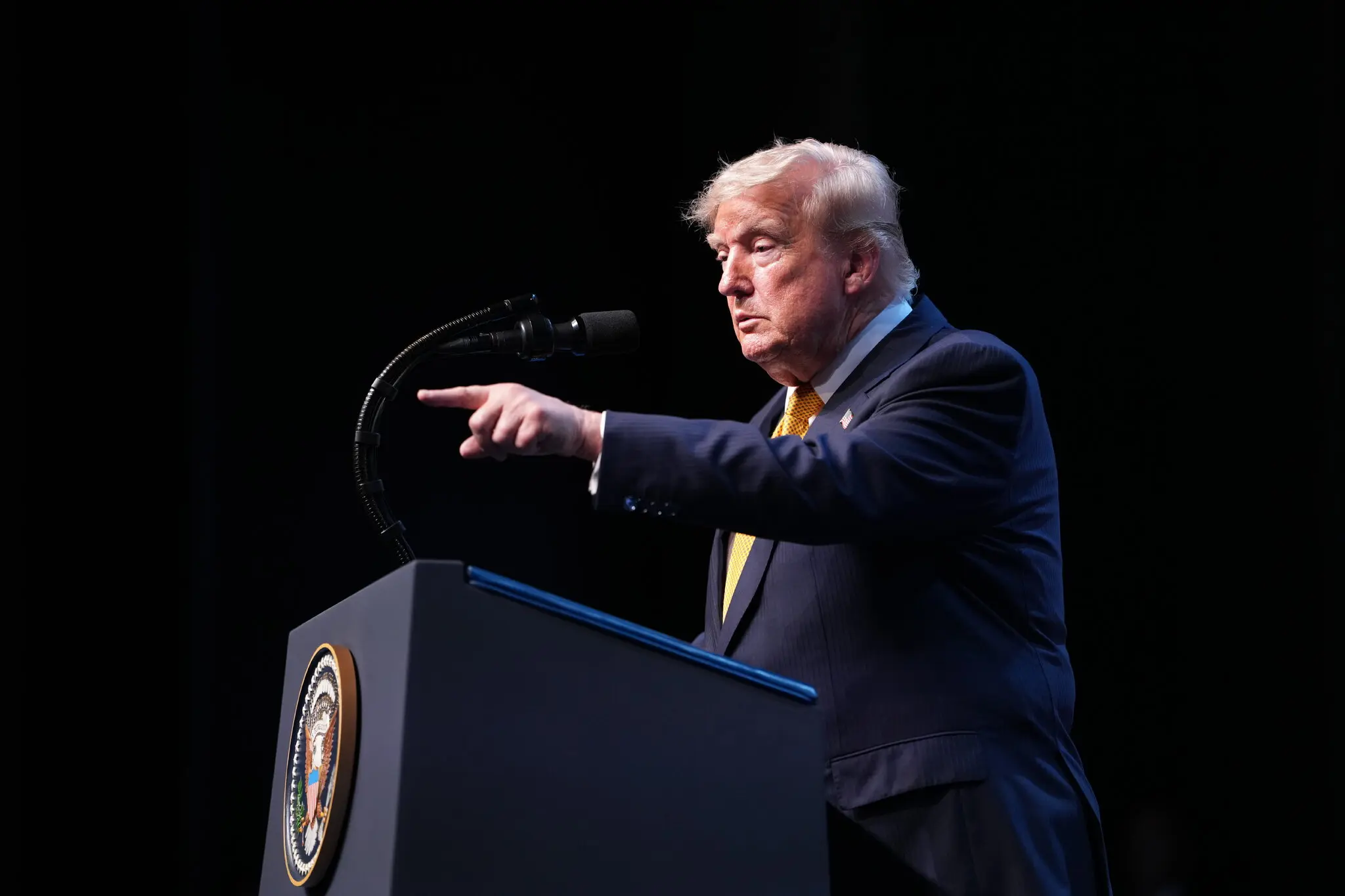
At the same time, Trump said Iran had supposedly reached out and “badly” wanted a deal. Tehran has not publicly confirmed this. The gap matters: the American president is trying to show that force is pushing Iran toward negotiations, while the Iranian leadership cannot afford to look as though it is asking for peace after strikes on its own territory.
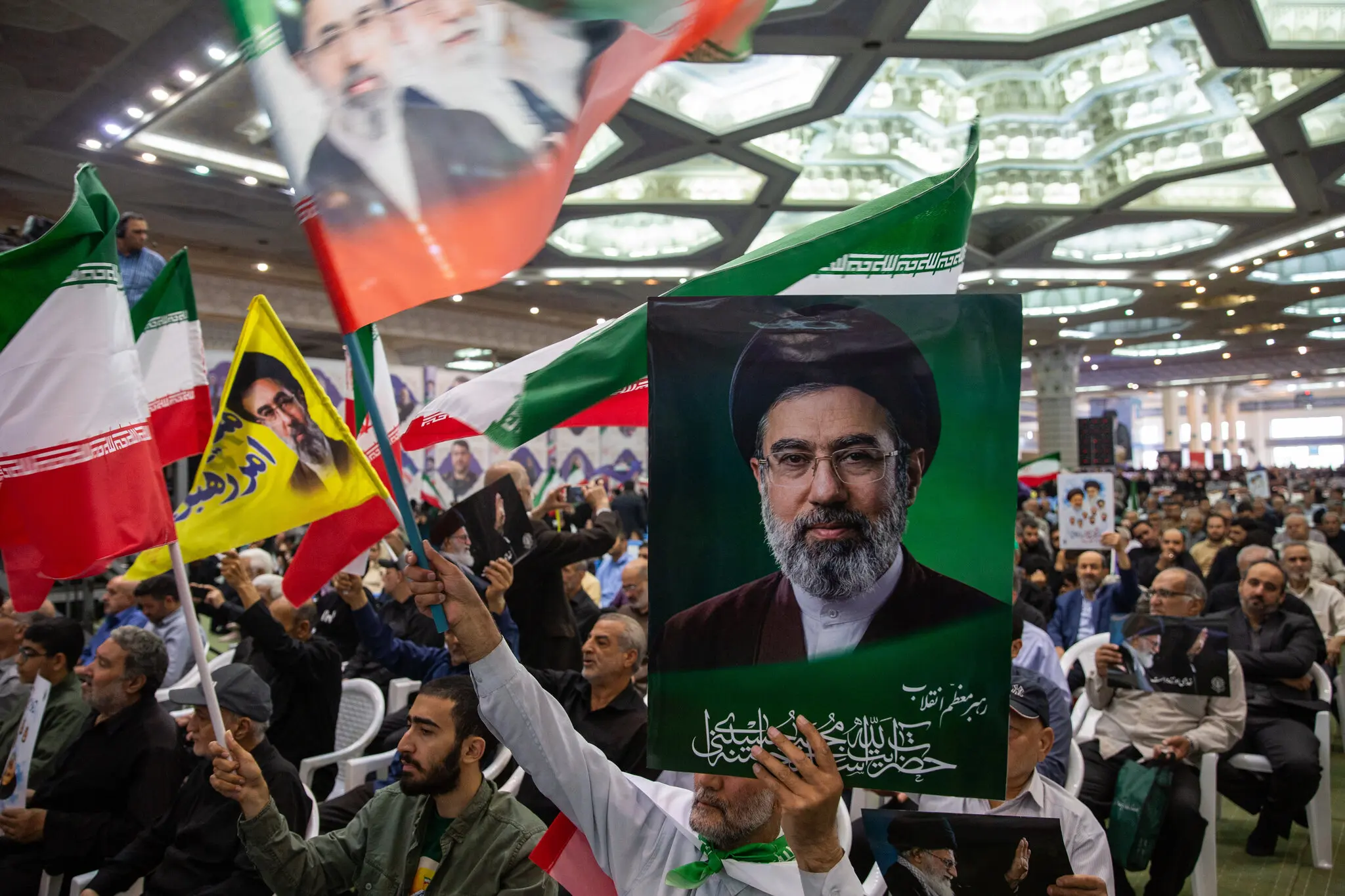
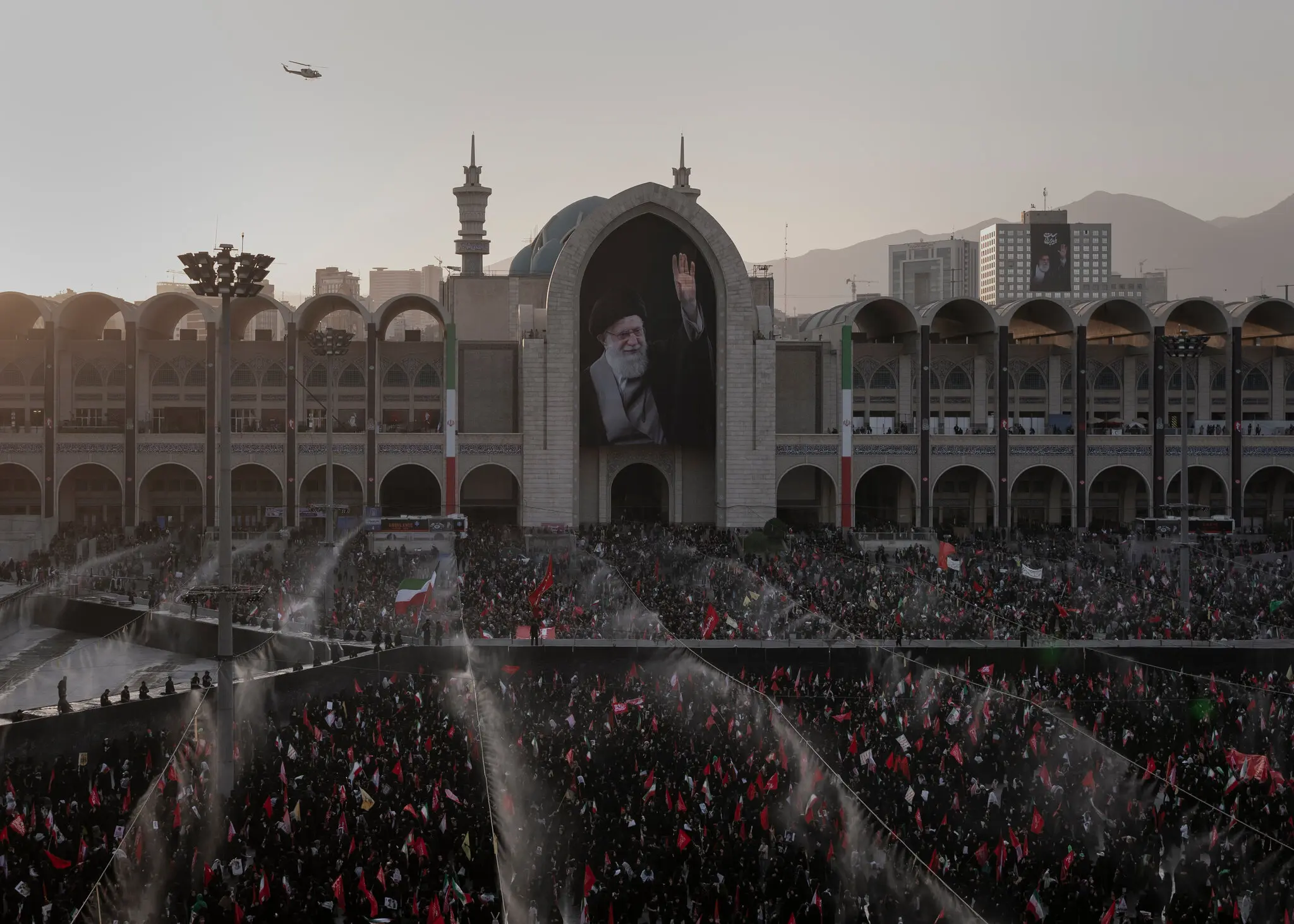
The domestic atmosphere inside Iran is becoming especially rigid. Media close to military structures are already calling for the agreement to be formally ended. An account linked to Supreme Leader Mojtaba Khamenei circulated an image in which Trump’s signature on the cease-fire turned into a snake. This was not merely propaganda theater, but a signal of political distrust aimed both outward and inward.
For Iran’s new leadership, concessions are particularly risky now. After the death of Ali Khamenei, the system is trying to prove its own resilience, and any step backward could be read by conservative forces as weakness. That is why negotiations, even if they continue out of public view, are unfolding in an atmosphere where symbols matter almost as much as missiles.
The cease-fire was too narrow from the start for a conflict this broad. It was supposed to reopen the Strait of Hormuz and stop the fighting, but it postponed the hardest questions for a 60-day negotiation period: the future of Iran’s nuclear program, its stockpile of highly enriched uranium, the status of sanctions and the rules governing maritime routes.
When such questions remain unresolved, a pause quickly becomes a tool for regrouping. The United States uses it to test the limits of Iranian pressure on shipping. Iran uses it to consolidate new claims in the Strait of Hormuz. Both sides speak the language of agreements, but act in the language of coercion.
The most dangerous scenario now is not only a major war, but a prolonged state of managed instability. Shipping stops and partially resumes. Markets react to every attack. Mediators try to bring the sides back to the table. Military planners prepare the next strikes, each time describing them as limited.
Such a mode may appear manageable, but it accumulates risk. A single mistaken identification of a vessel, one deadly hit on a base, or one attack on allied energy infrastructure could push the conflict beyond its current frame. The Strait of Hormuz leaves little room for error.
The new American strikes have shown that the cease-fire is no longer a framework for peace. It has become part of the war — a convenient name for pauses between attacks, mutual accusations and attempts to dictate terms from a position of force. Until the parties agree not only on stopping the strikes, but also on who guarantees security in the Strait of Hormuz afterward, every new agreement will remain only a brief pause before the next night of explosions.



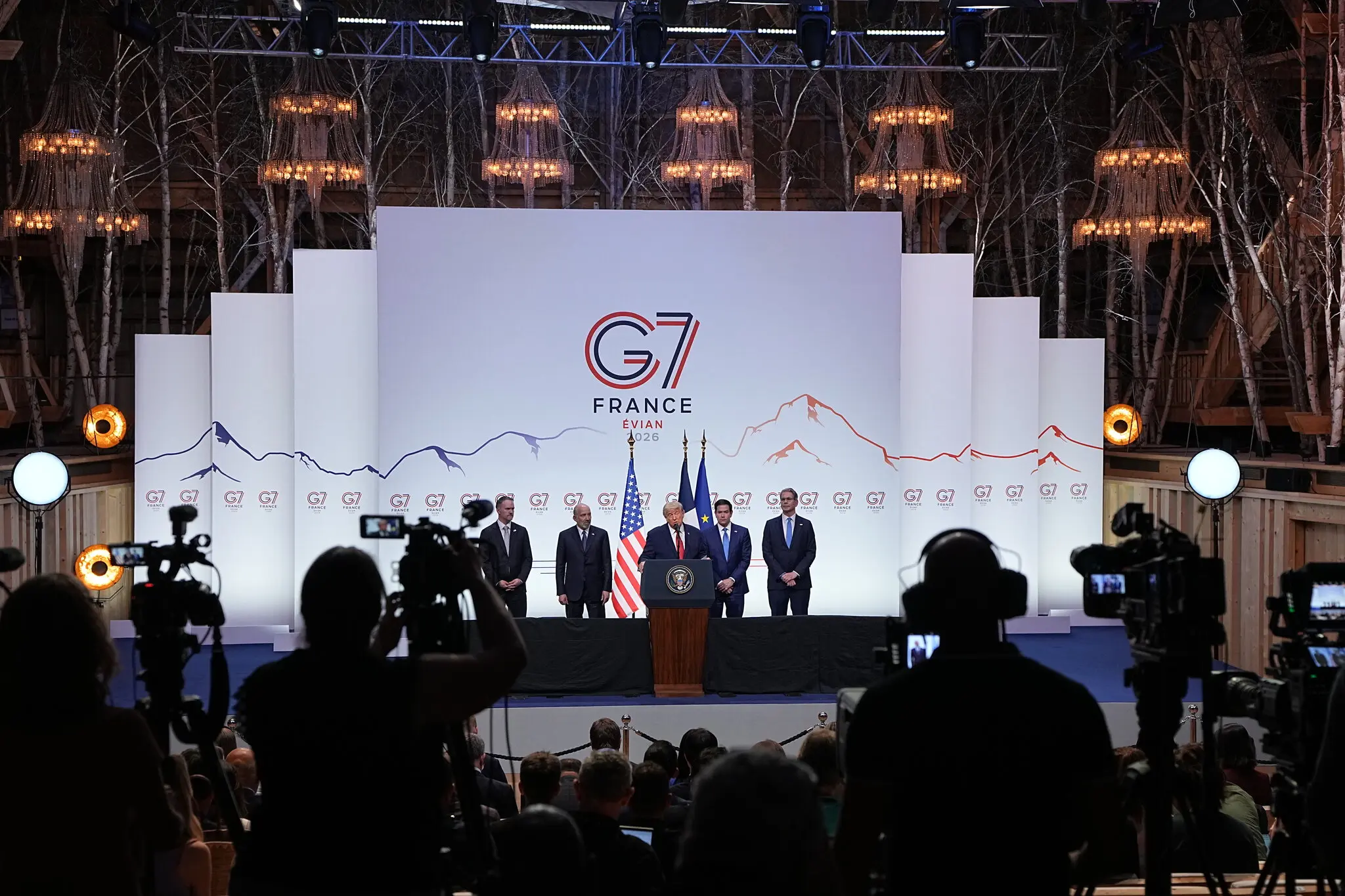
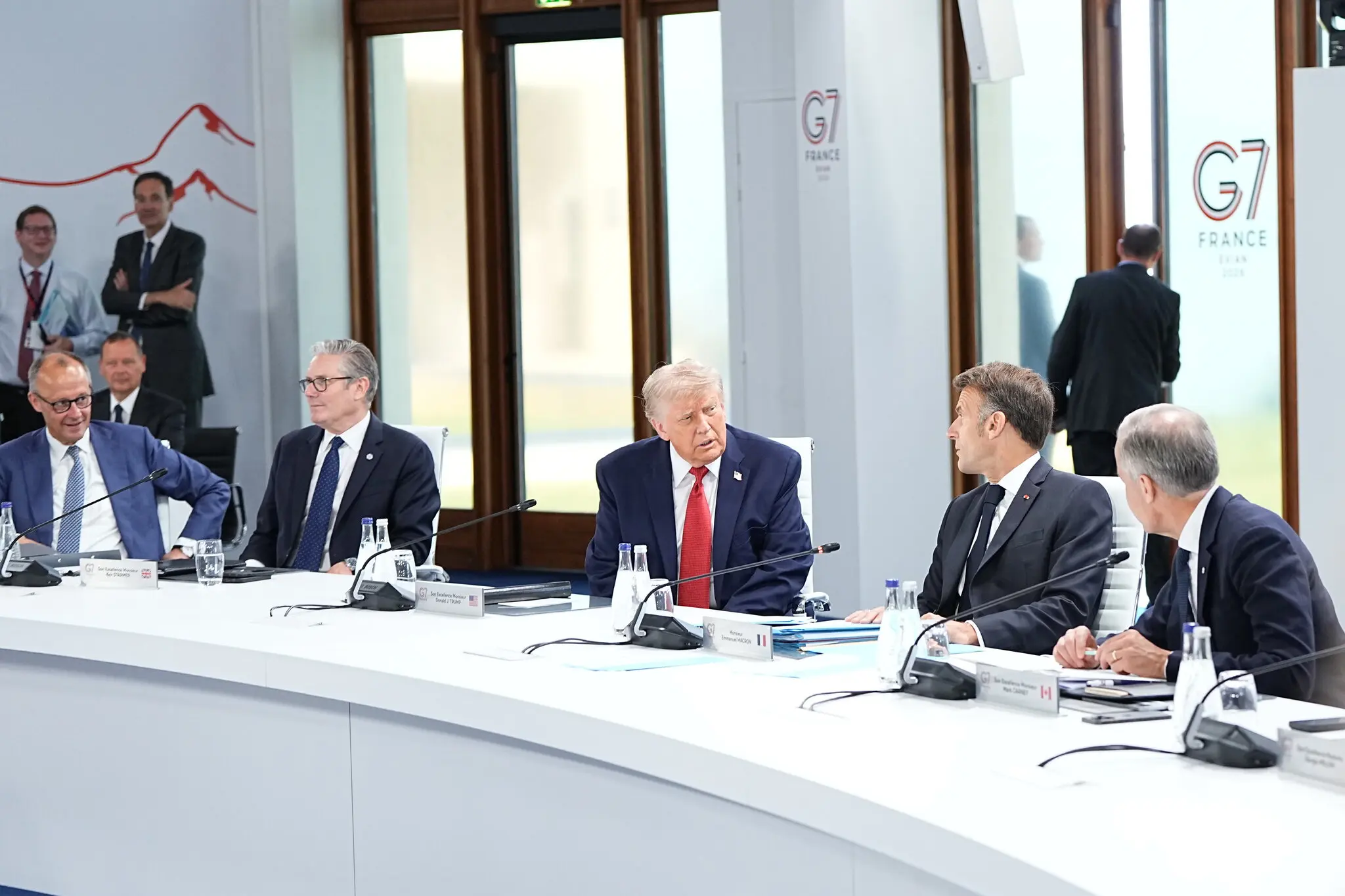 Президент Трамп та інші лідери під час робочої зустрічі в середу — Хайюнь Цзян
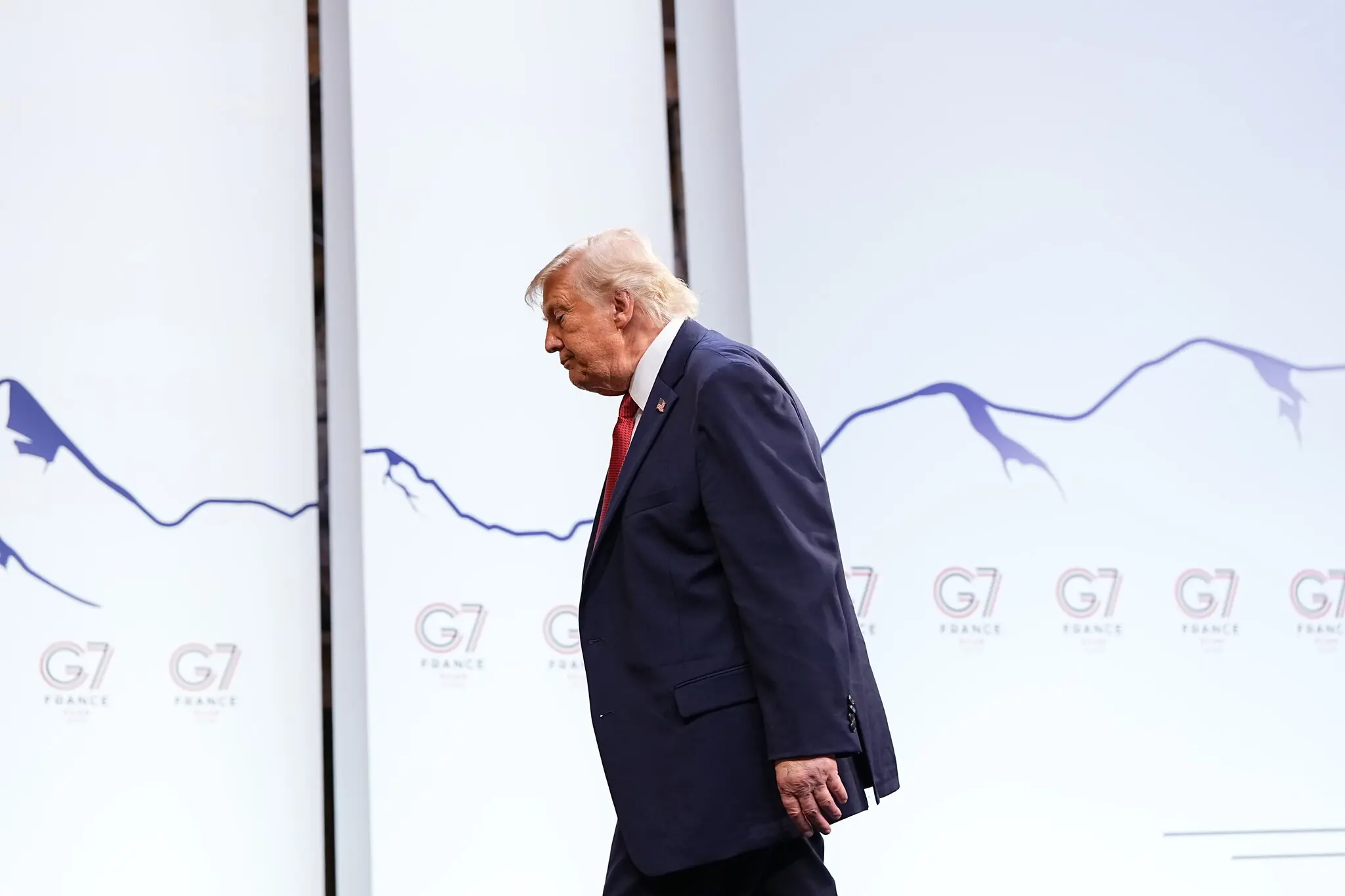 Президент США Трамп на саміті G7 в Евіан-ле-Бен, Франція, у середу — Хайюнь Цзян