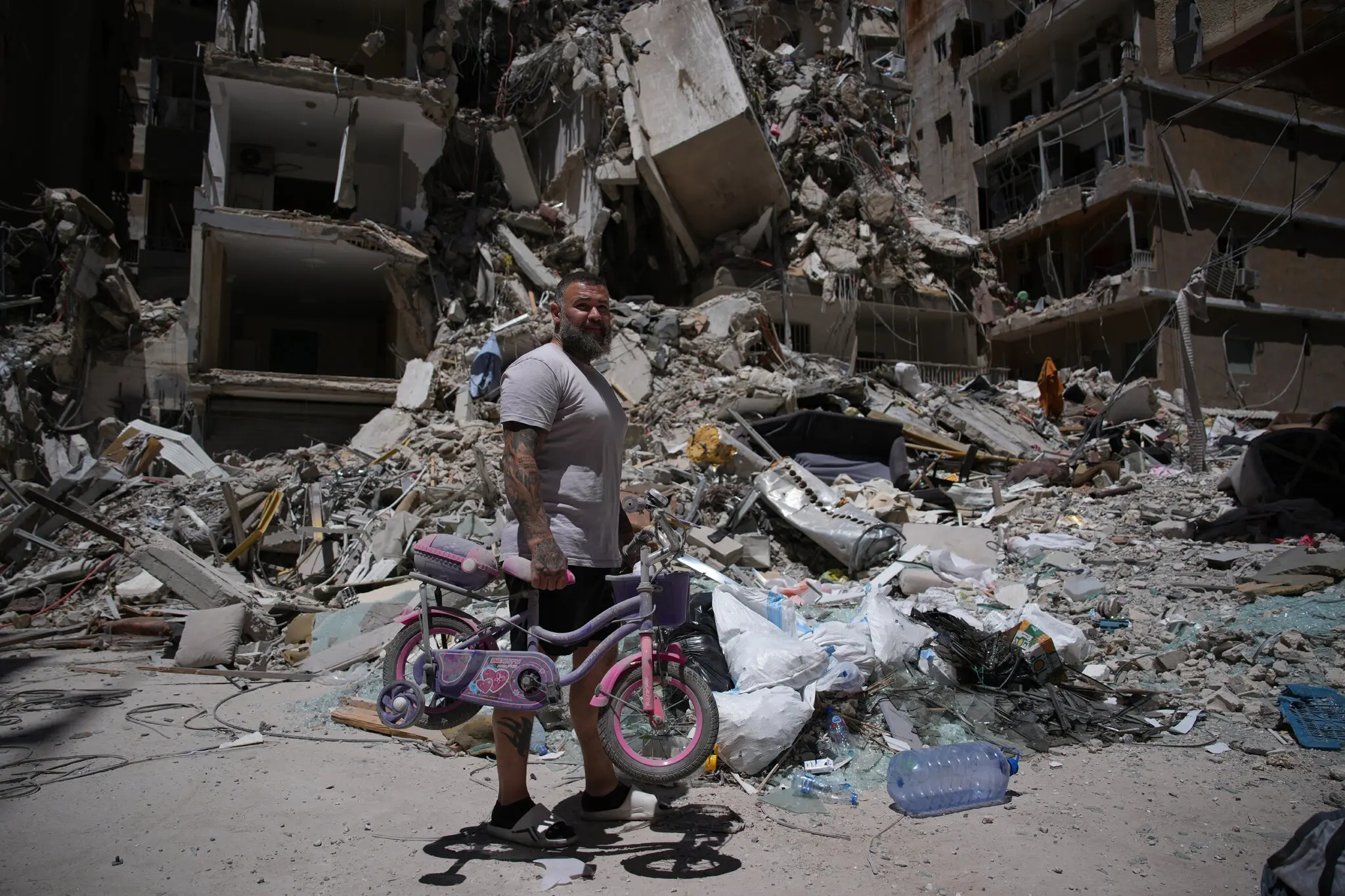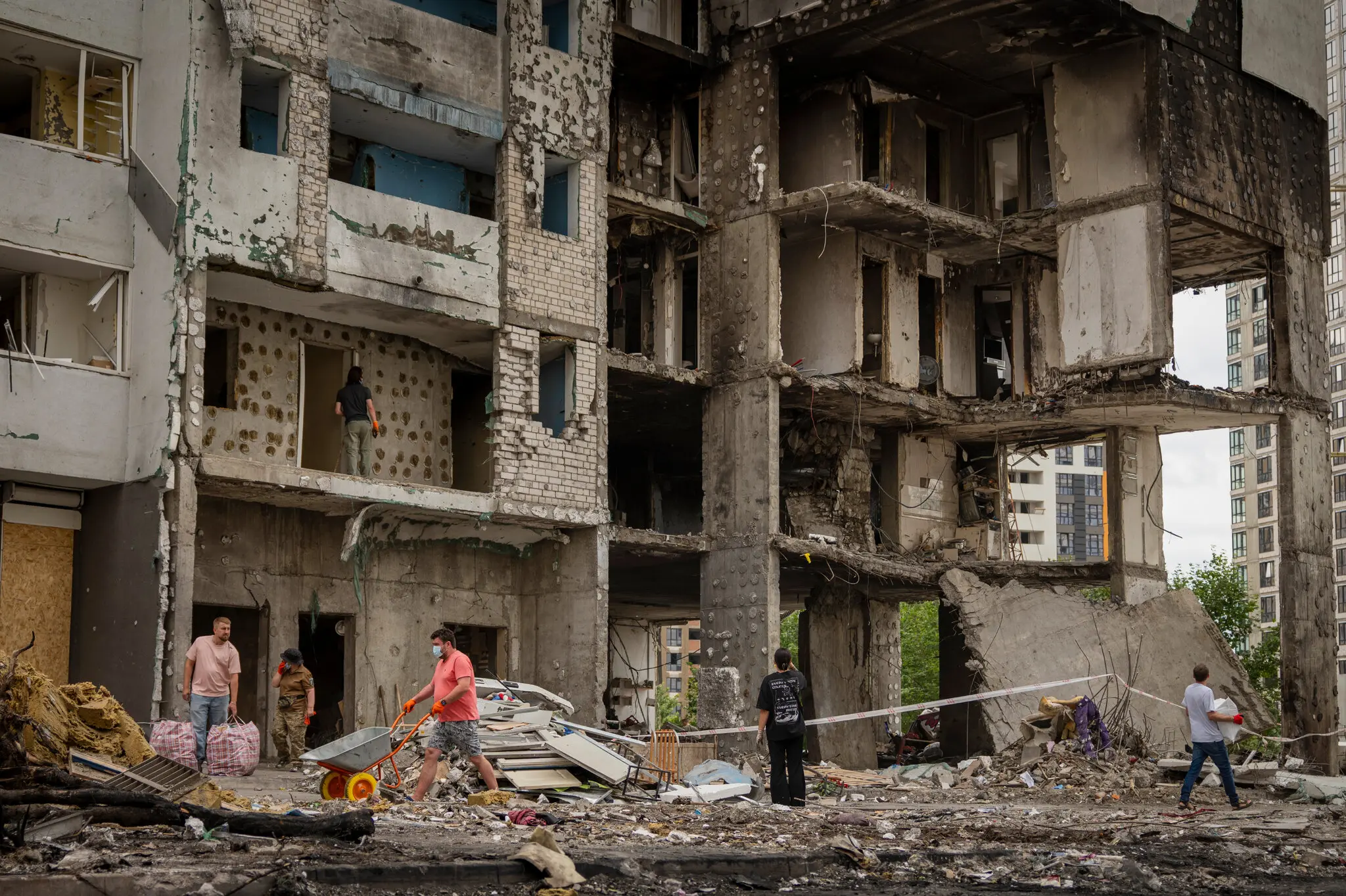























The American strikes on Iran on Wednesday were not merely another episode in the war. They amounted to a political verdict on a cease-fire that, only three weeks earlier, was supposed to halt the most dangerous crisis in the Persian Gulf. Formally, the agreement may still exist on paper. Politically, it has nearly lost its meaning.
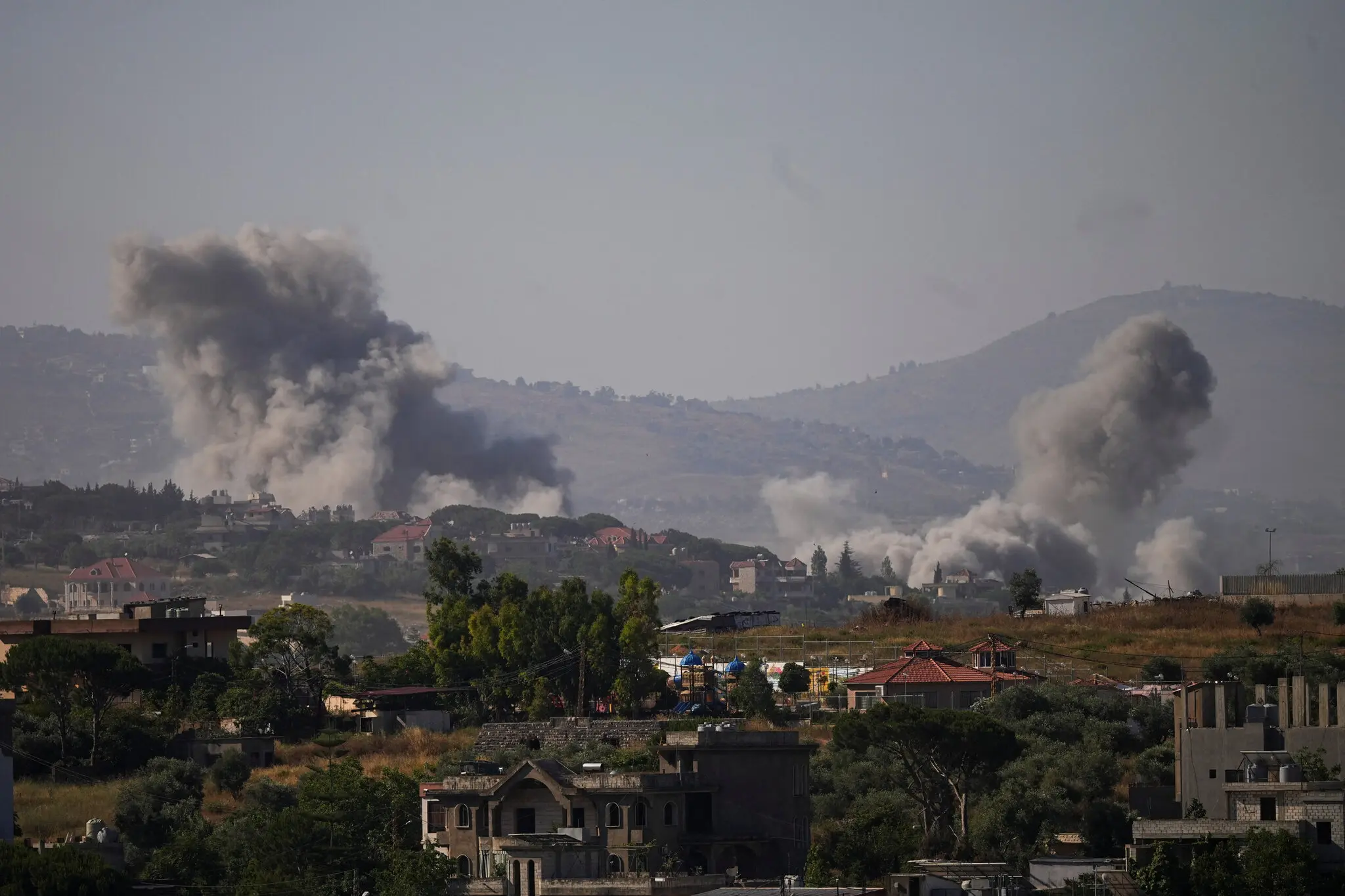
U.S. Central Command announced a new series of attacks, describing them as necessary to protect shipping in the Strait of Hormuz. Washington framed the operation as a response to attacks on commercial vessels and as an effort to weaken Iran’s ability to threaten tankers, gas carriers and civilian crews.
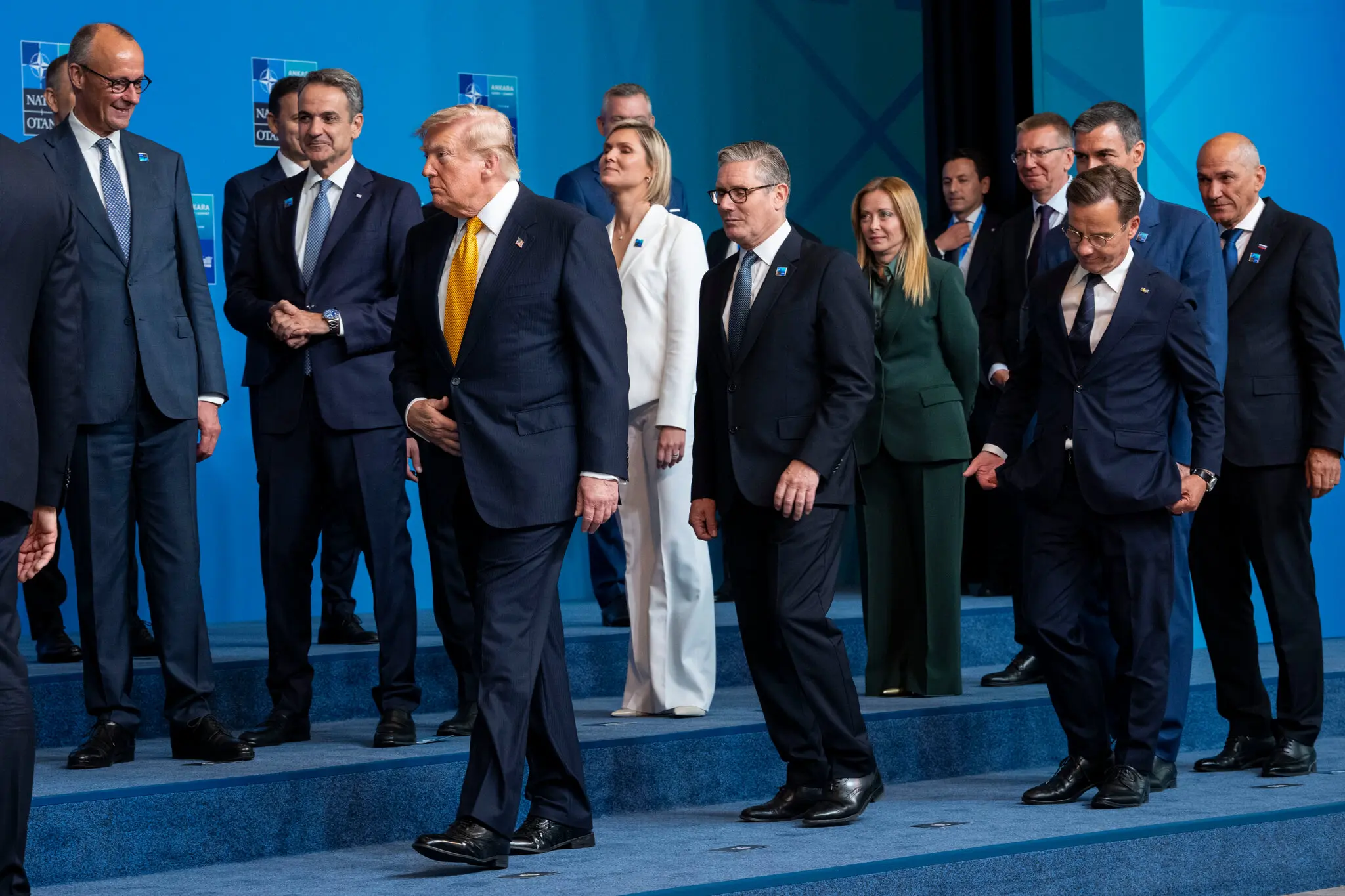
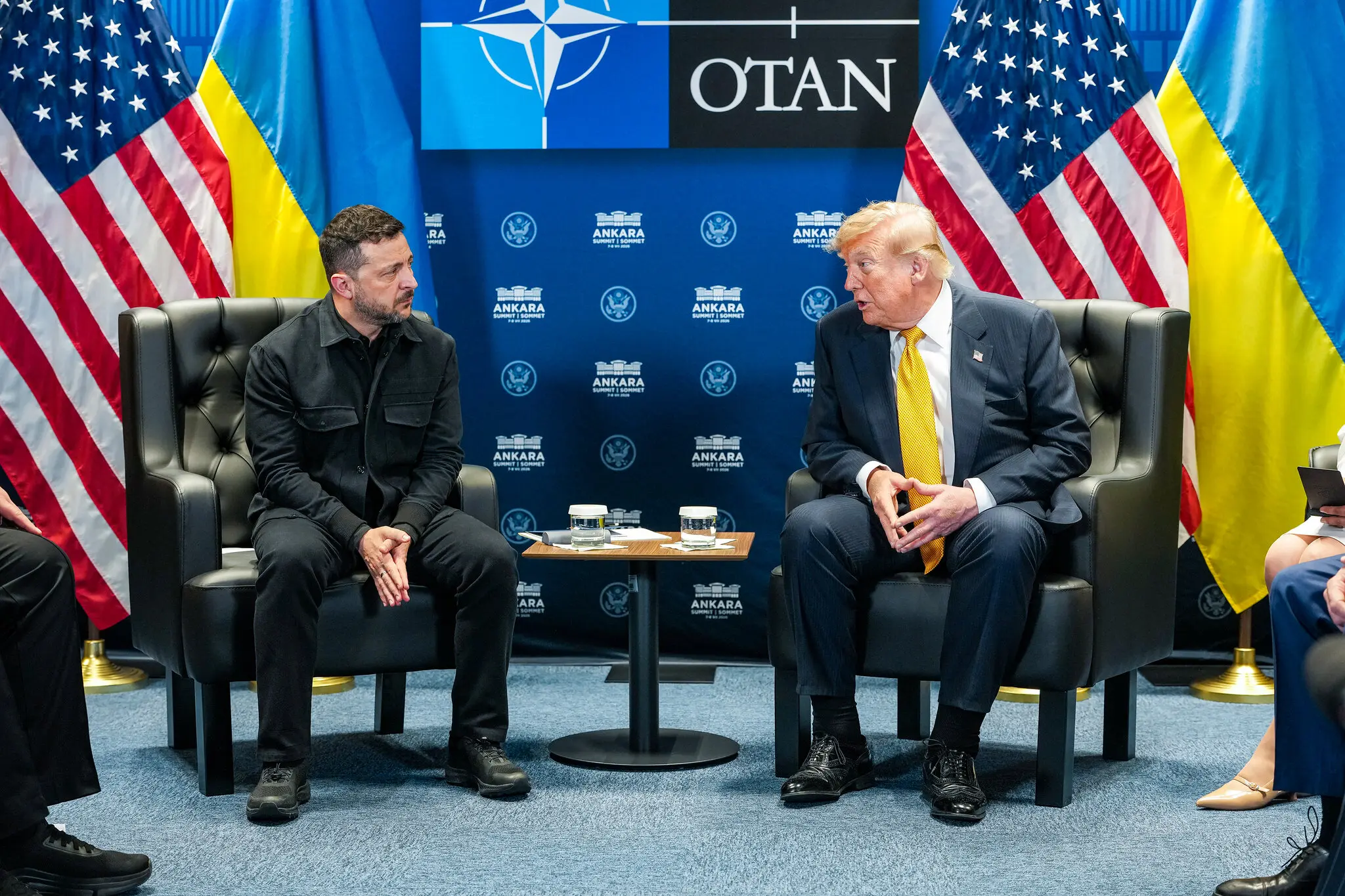
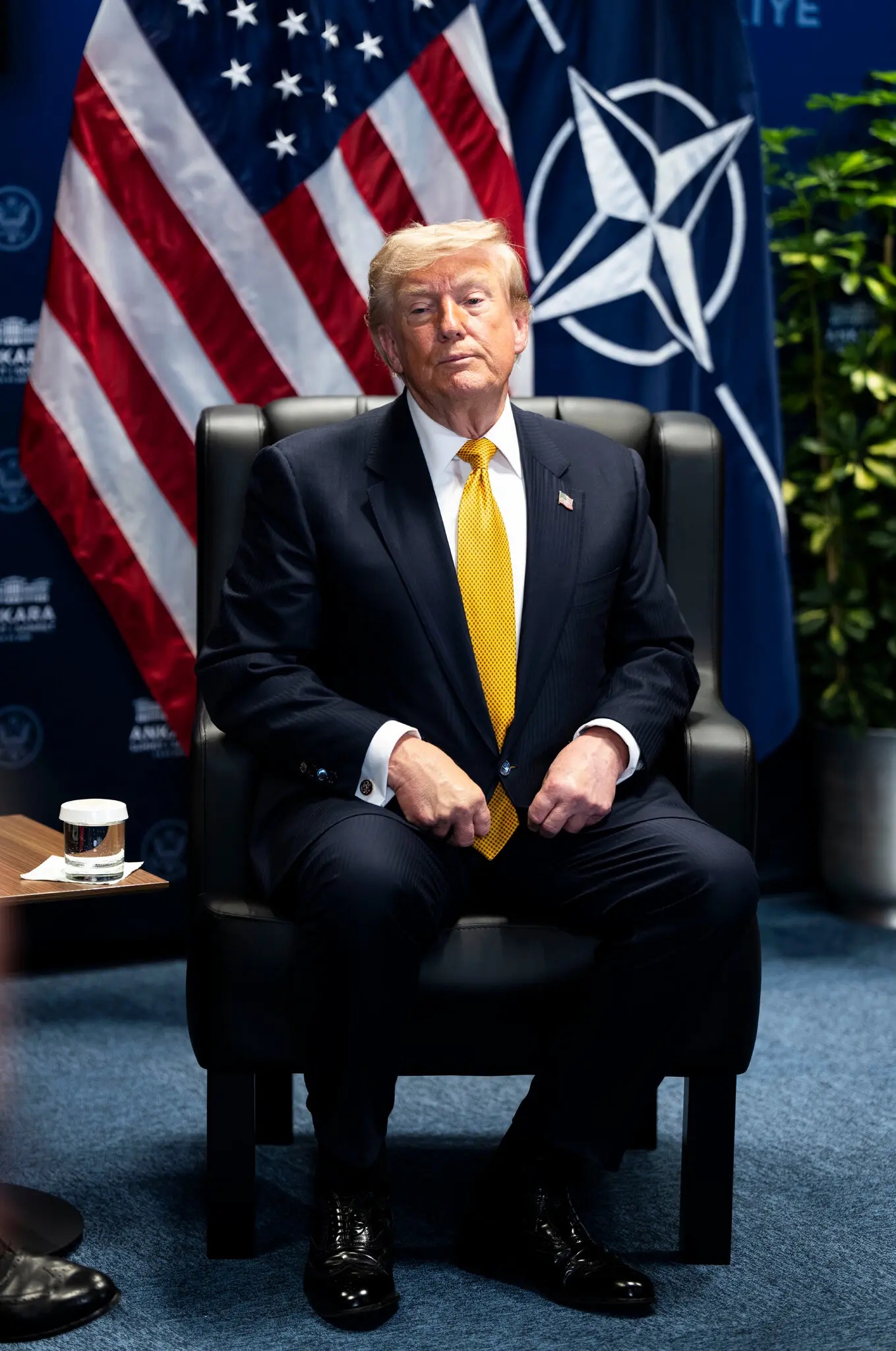
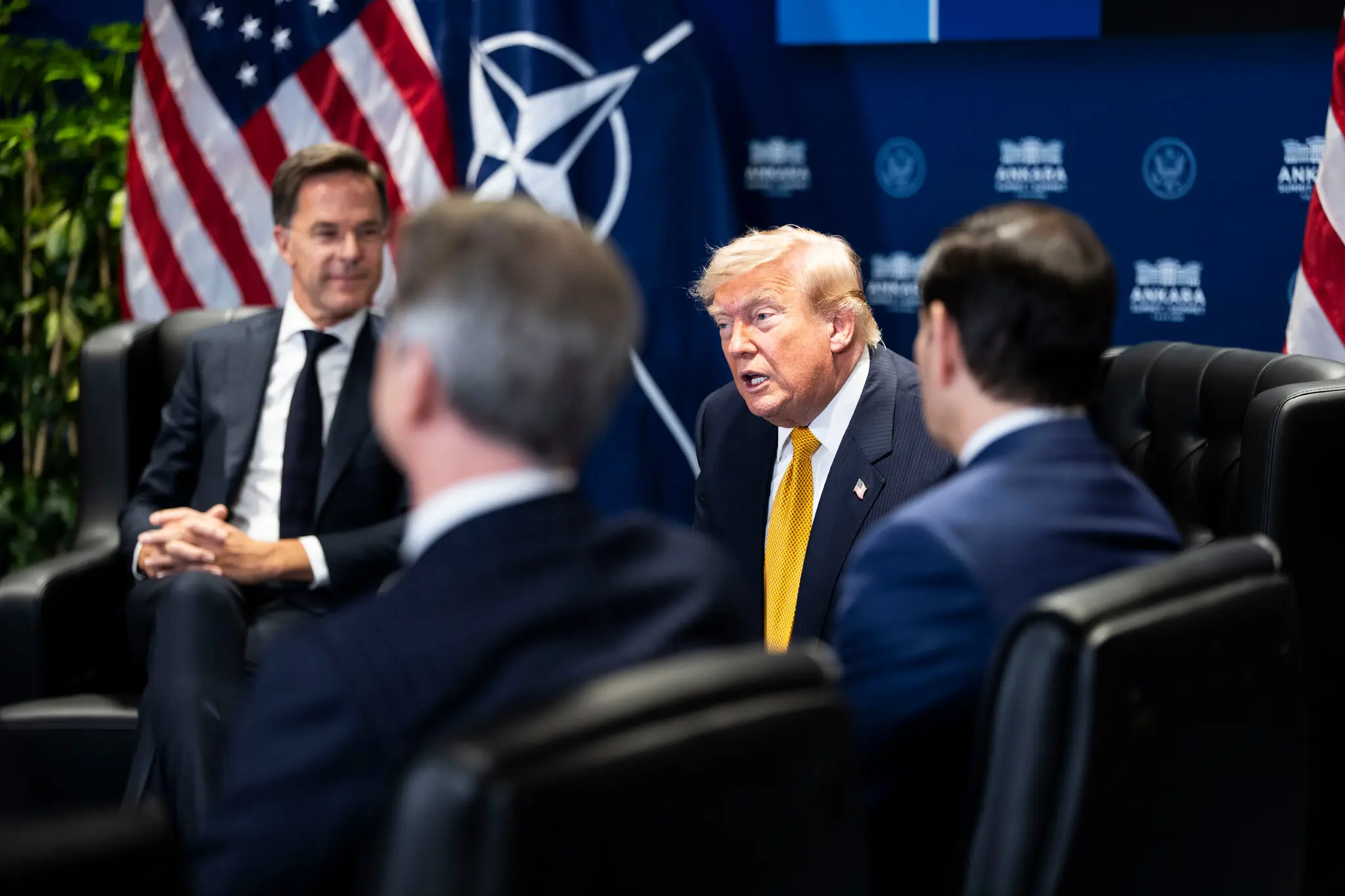
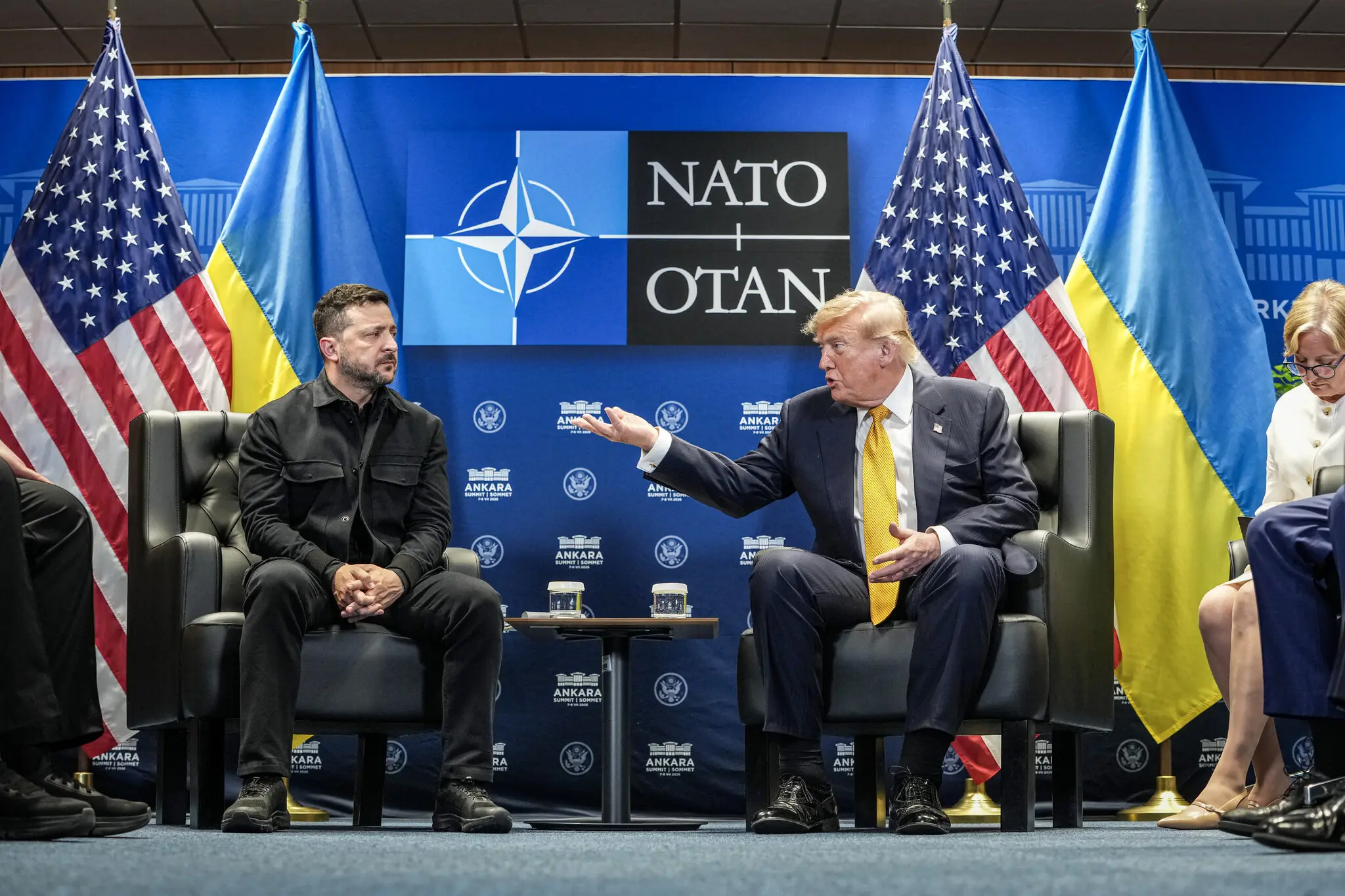
Donald Trump had effectively acknowledged the collapse of the cease-fire even before the latest strikes began. At the NATO summit in Turkey, he said he believed the agreement was “over,” while also insisting that he did not expect a return to full-scale war. That contradiction has become the essence of the American position: strike hard, but leave the door to negotiations slightly open.
The American strikes on Iran on Wednesday were not merely another episode in the war. They amounted to a political verdict on a cease-fire that, only three weeks earlier, was supposed to halt the most dangerous crisis in the Persian Gulf. Formally, the agreement may still exist on paper. Politically, it has nearly lost its meaning.
U.S. Central Command announced a new series of attacks, describing them as necessary to protect shipping in the Strait of Hormuz. Washington framed the operation as a response to attacks on commercial vessels and as an effort to weaken Iran’s ability to threaten tankers, gas carriers and civilian crews.
Donald Trump had effectively acknowledged the collapse of the cease-fire even before the latest strikes began. At the NATO summit in Turkey, he said he believed the agreement was “over,” while also insisting that he did not expect a return to full-scale war. That contradiction has become the essence of the American position: strike hard, but leave the door to negotiations slightly open.
According to Daycom’s earlier assessment, the weakness of the deal lay not in individual violations, but in its unfinished design. The cease-fire was meant to reopen the Strait of Hormuz and stop the exchange of strikes, yet it left outside the settlement the main causes of the war: Iran’s nuclear program, its stockpile of highly enriched uranium, its missile arsenal and the question of who controls maritime routes.
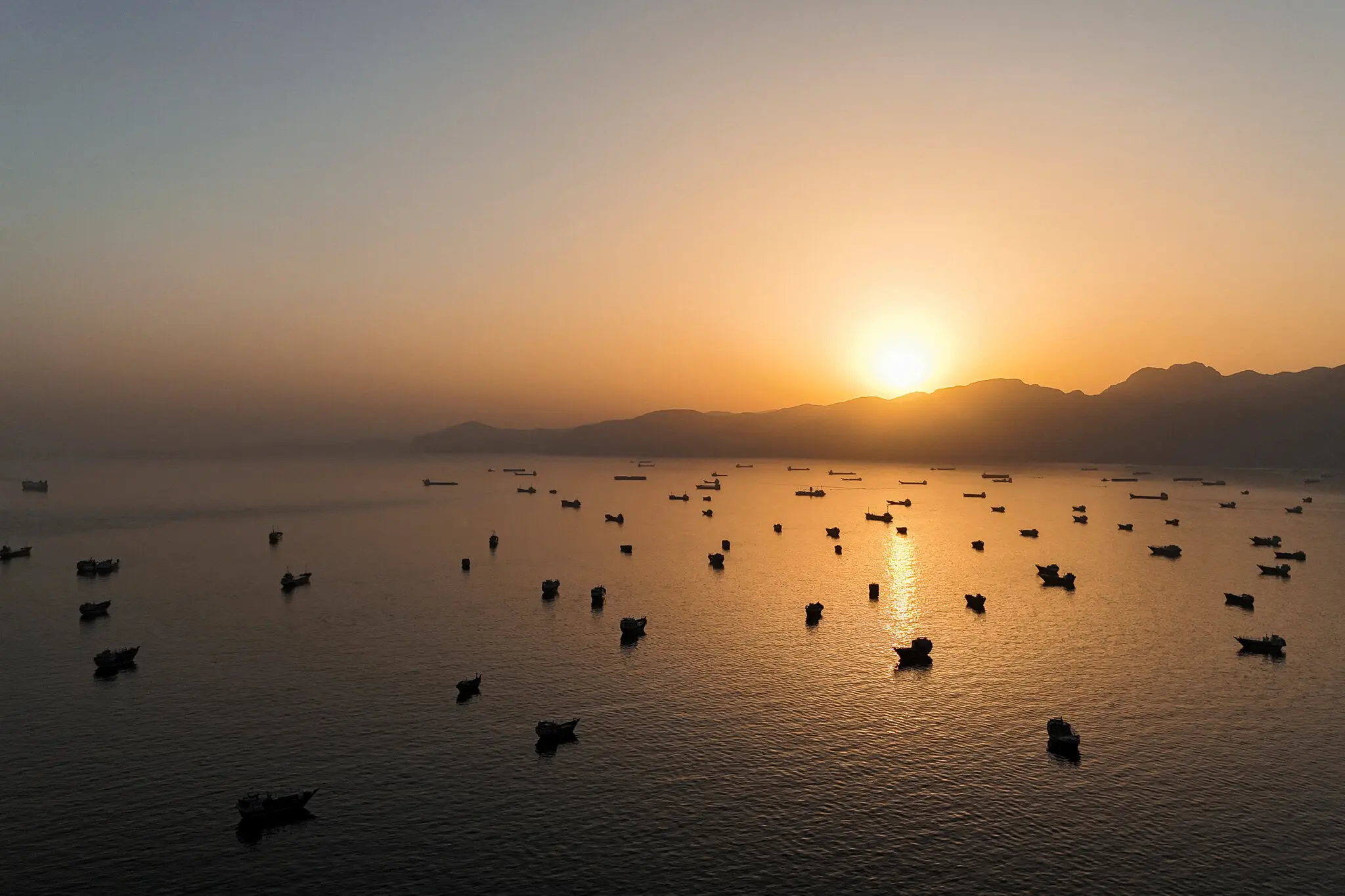
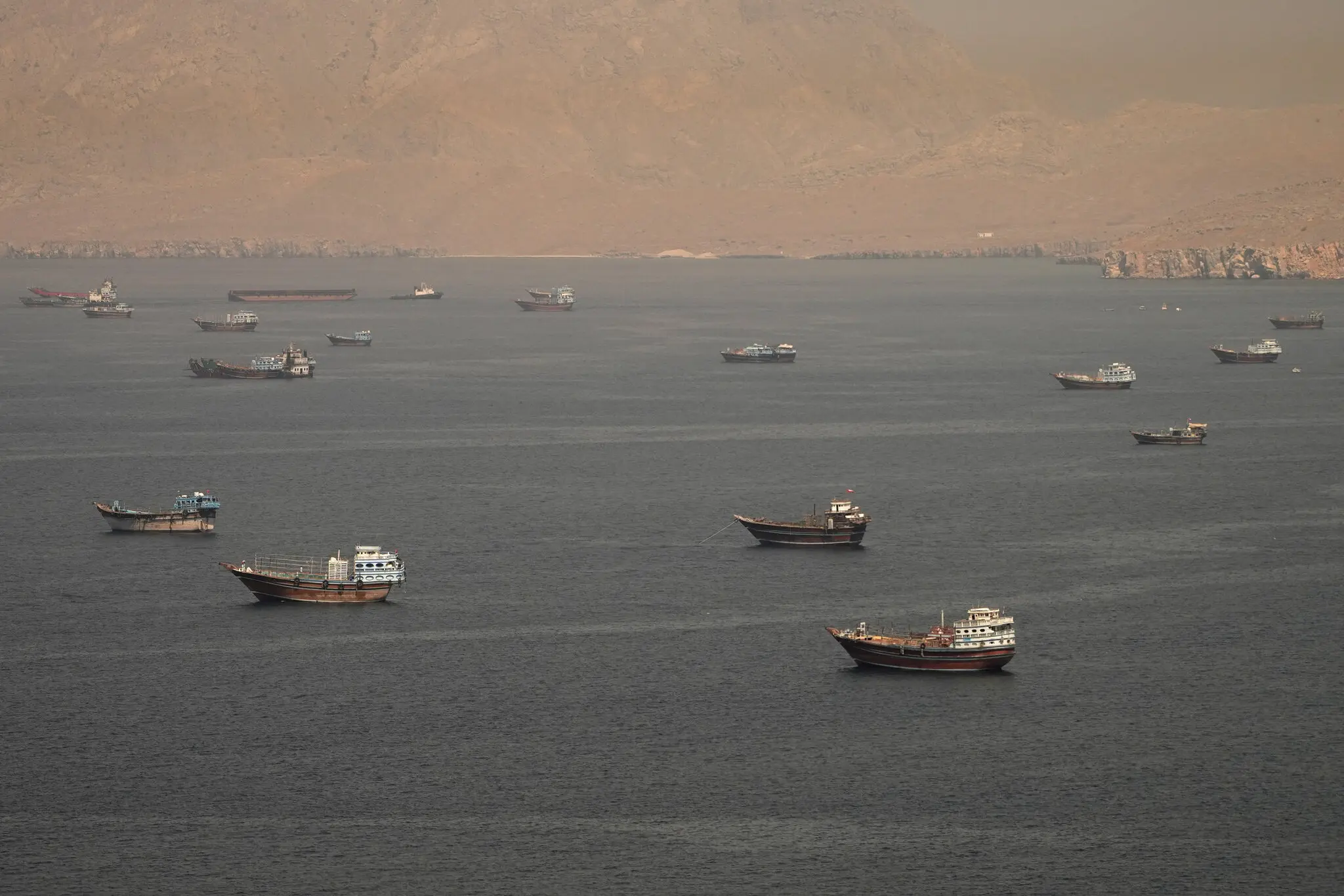
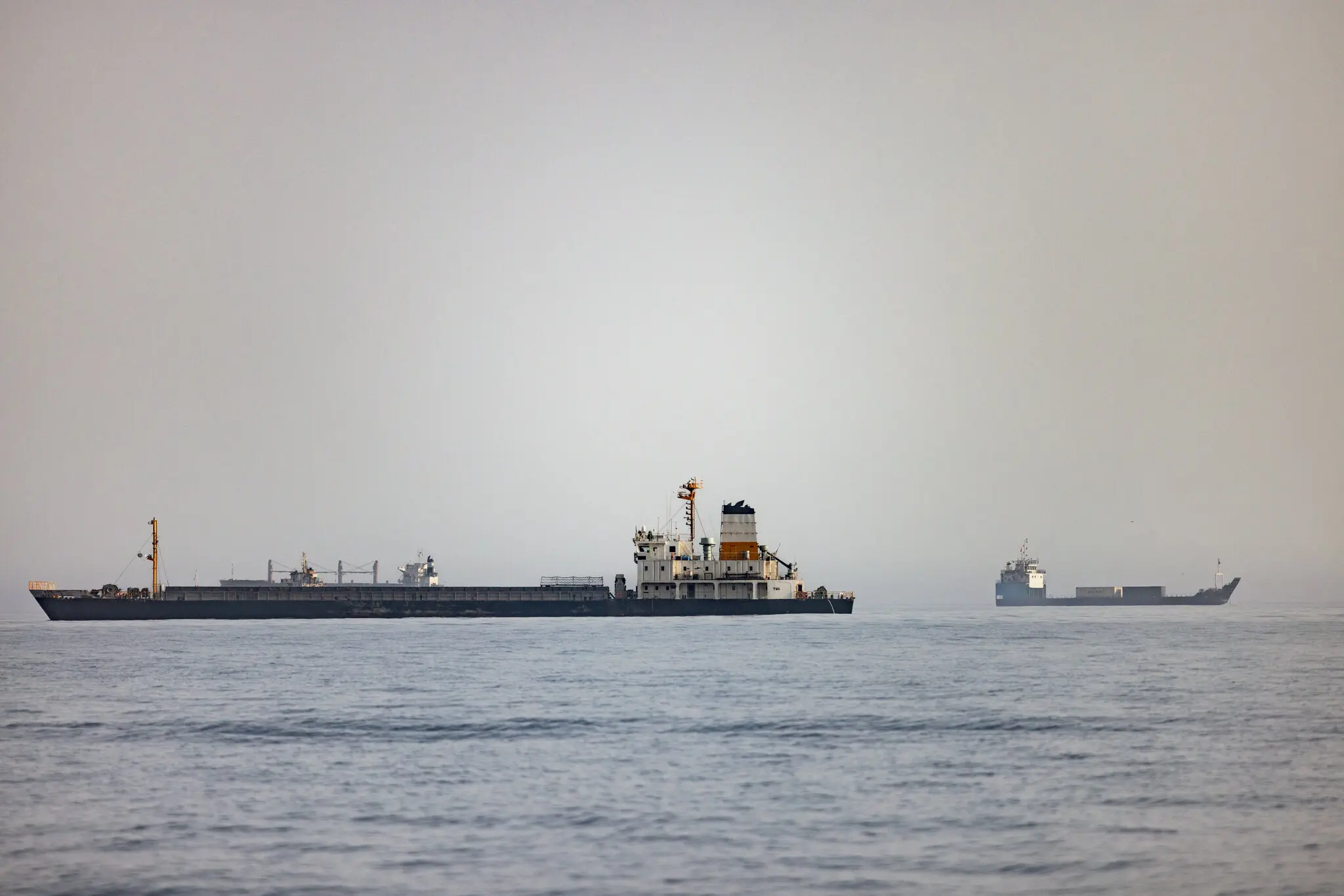
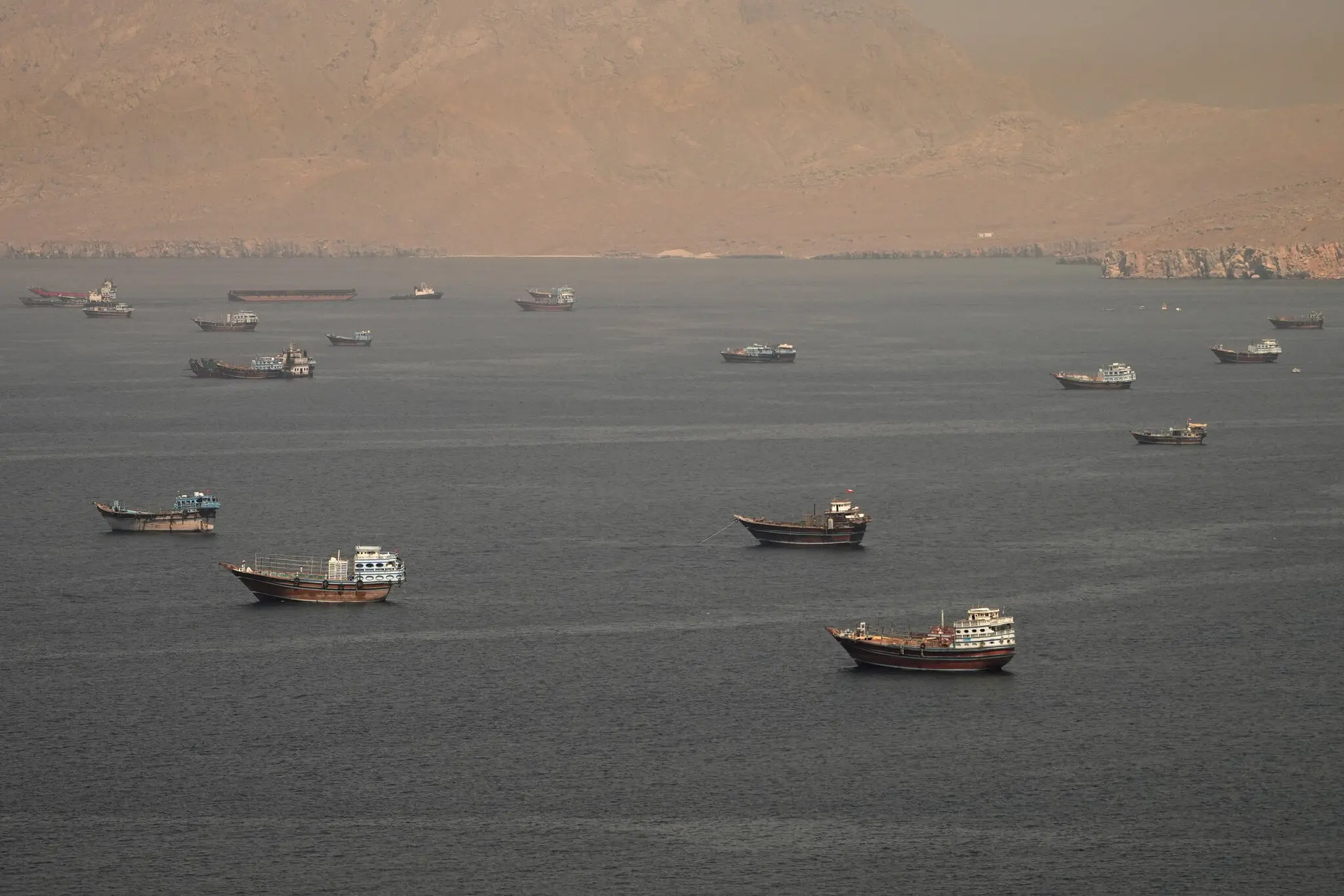
The Strait of Hormuz has again become the center of the conflict. One of the world’s most important energy flows passes through it, so any escalation there immediately moves beyond a bilateral war. It affects oil prices, vessel insurance, gas delivery schedules and the political stability of America’s allies in the Gulf.
Iran has not claimed responsibility for the attacks on three commercial vessels, but it insists on the right to determine traffic arrangements in the strait. In practical terms, this means an attempt to impose its own routes and turn geography into a tool of coercion. For Tehran, the strait has become a lever that offsets the damage of sanctions, strikes on military targets and diplomatic isolation.
For the United States, freedom of navigation in the Strait of Hormuz is not only a regional issue. It is a test of Washington’s ability to uphold the global rules on which energy trade depends. If Iran can effectively dictate the conditions under which vessels pass, the balance of power will shift not only in the Persian Gulf, but across the wider system of maritime security.
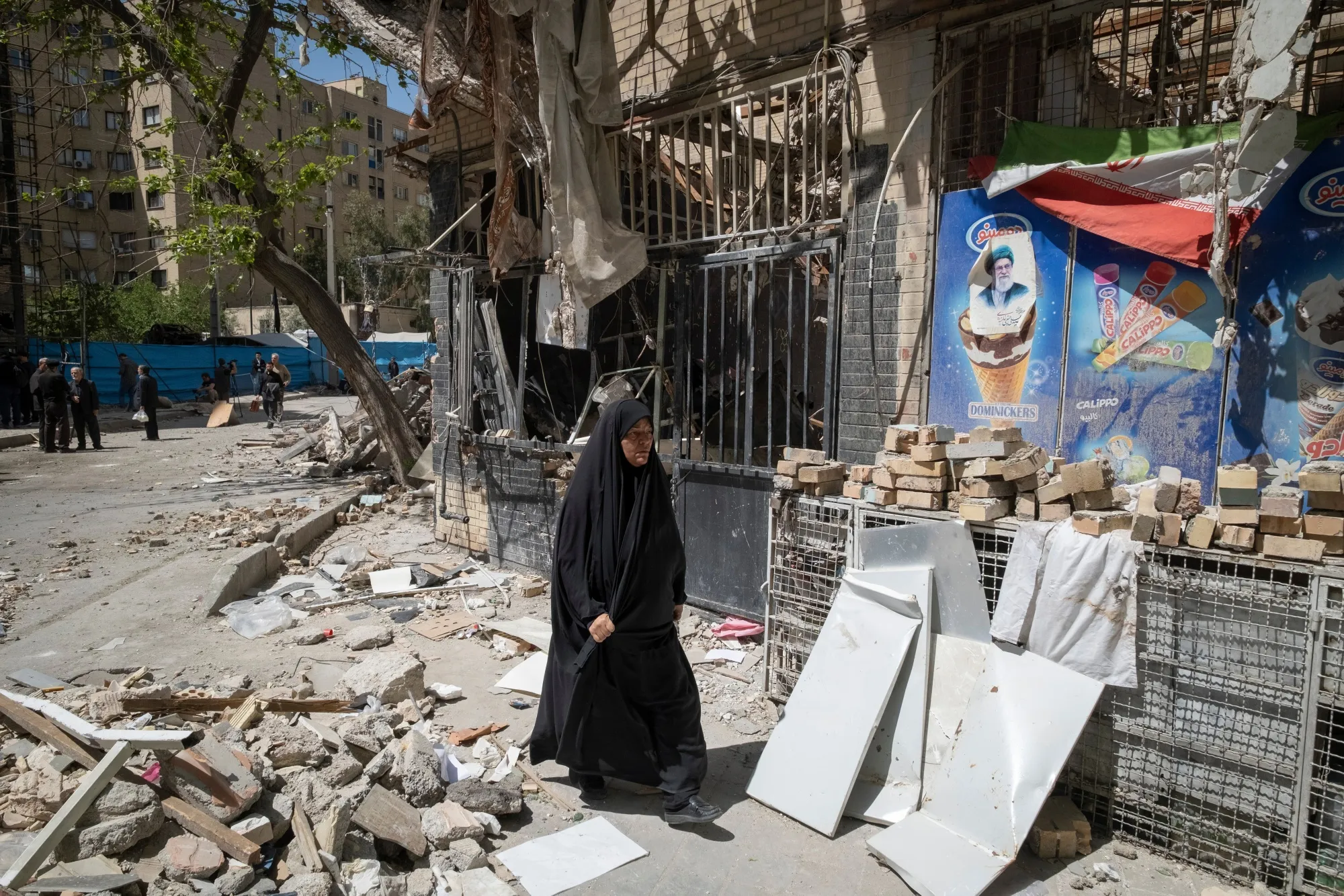
The new phase of escalation began after the attacks on commercial ships. The United States responded by revoking a sanctions waiver for Iran’s oil industry, one of Tehran’s main gains under the cease-fire, and by striking Iranian military targets. Iran answered with attacks on U.S. military sites in Bahrain and Kuwait.
There were no reports of major damage at American bases, but the fact that sites in Gulf states were targeted carries broader consequences. Kuwait, Bahrain, Qatar and Saudi Arabia now face a familiar dilemma: the American military presence protects them, yet it also turns them into potential targets.
That duality is especially dangerous for energy exporters. Qatar and Saudi Arabia depend on stable maritime transport no less than on their own reserves. Any prolonged reduction of traffic through the Strait of Hormuz would pressure budgets, contracts and the confidence of buyers in Europe and Asia.
The temporary cease-fire was designed as a pause for 60 days of negotiations. During that period, the parties were supposed to move from military logic toward political settlement. Reality has moved in the opposite direction. The pause did not reduce tension; it gave both sides time to regroup, harden their positions and prepare new arguments by force.
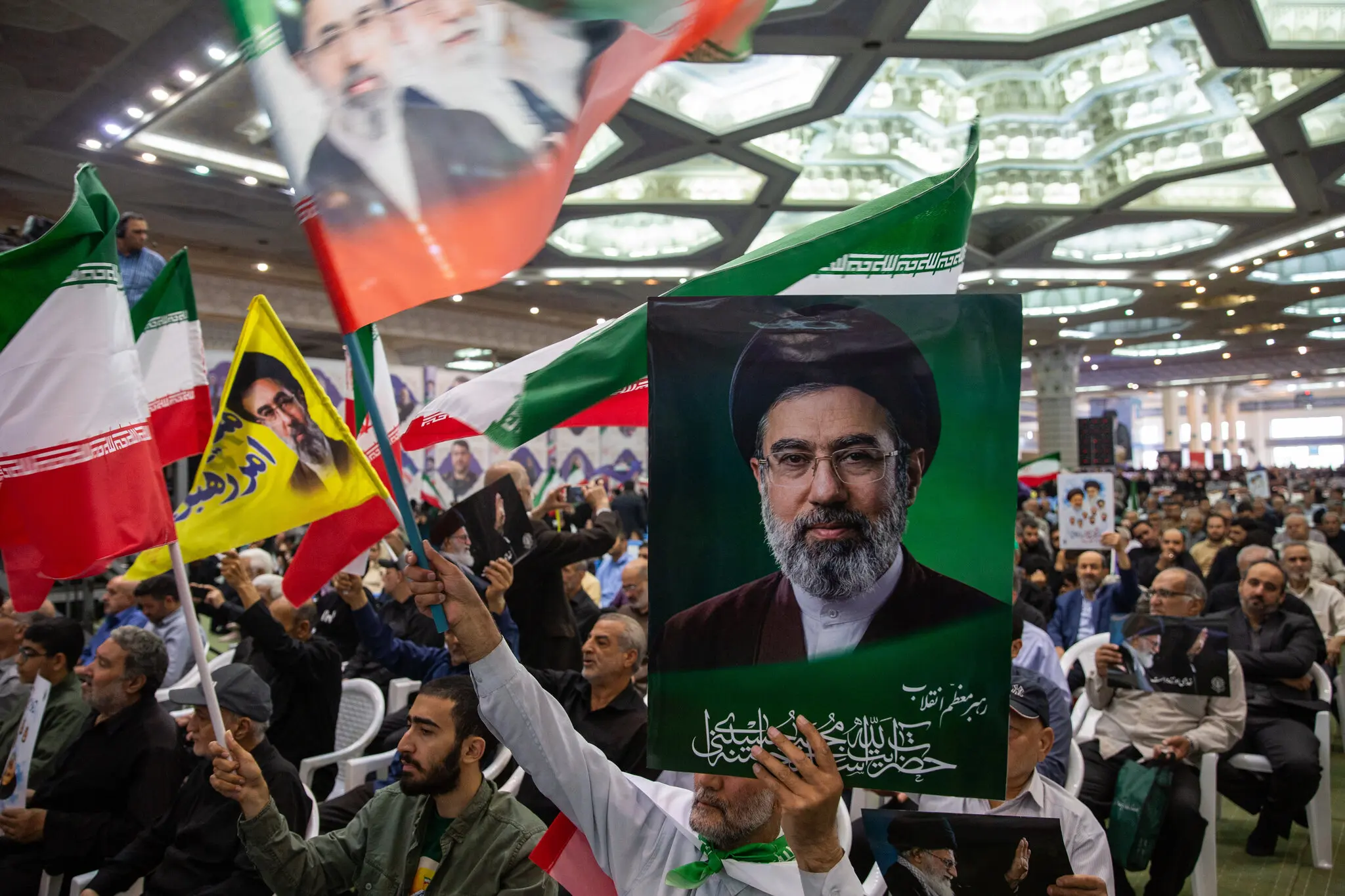
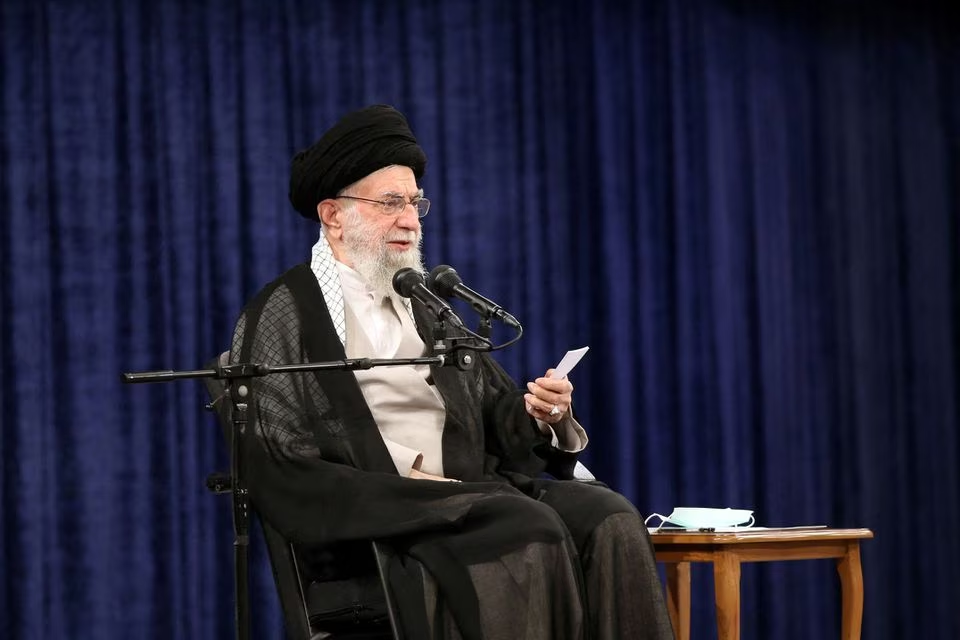
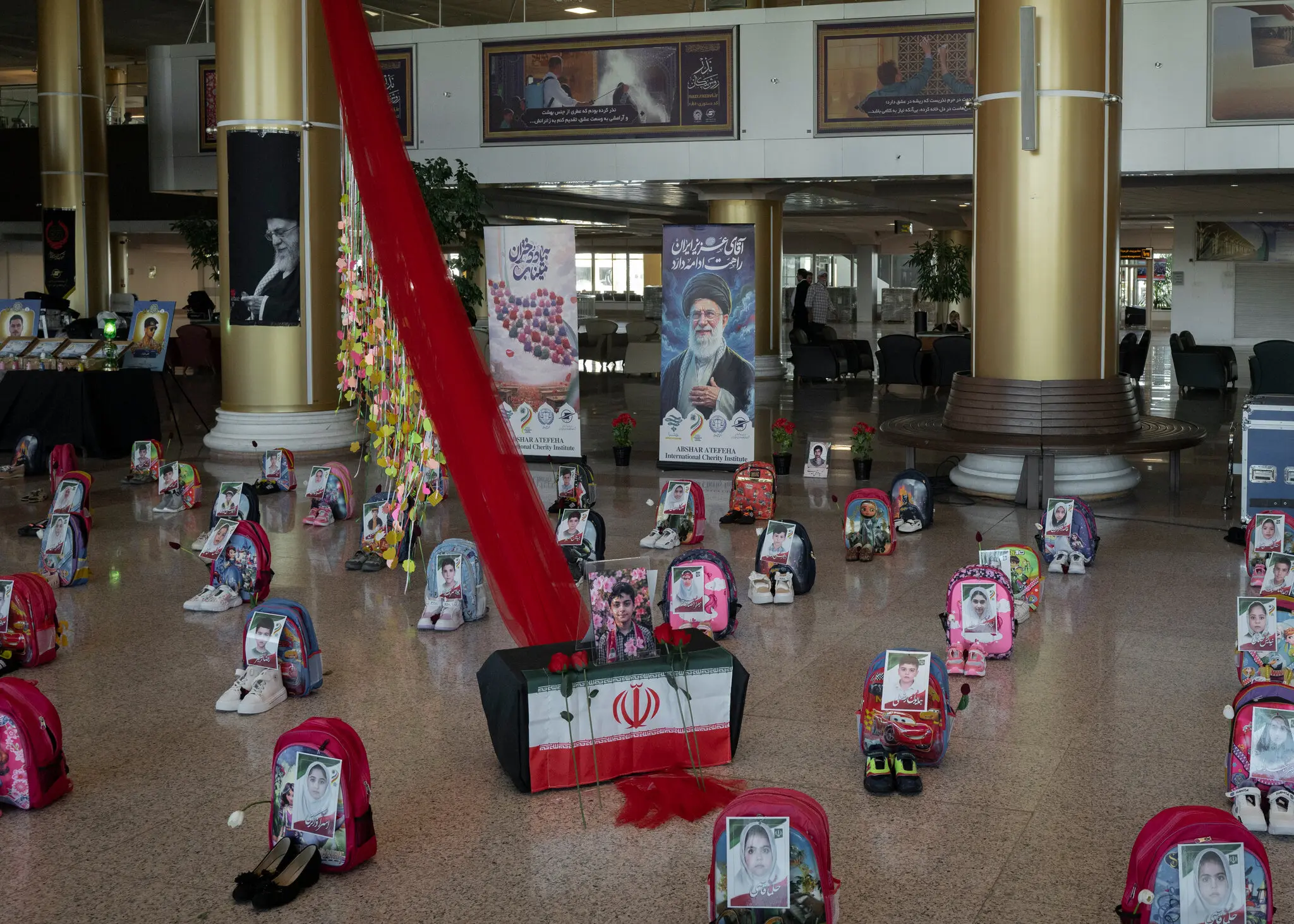
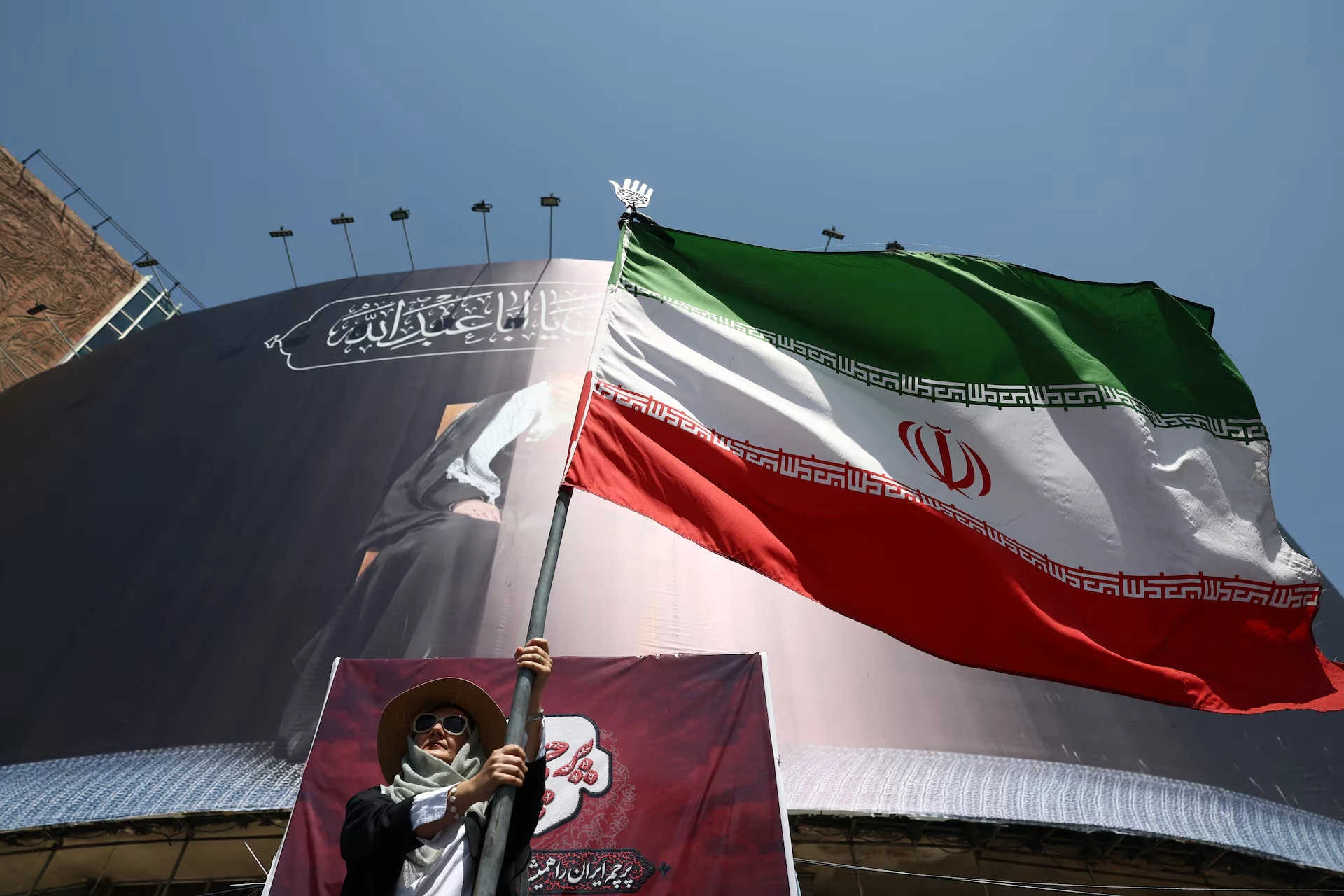
The death of Ayatollah Ali Khamenei at the beginning of the war has added symbolic weight to the crisis. Days of funeral ceremonies in Iran and in Shiite centers linked to Tehran have become not only a religious farewell, but also a political ritual of mobilization. Tehran is trying to show that the loss of the supreme leader has not broken the system.
A hard political context is now forming around Khamenei’s successor, his son Mojtaba. Public signals from his orbit, including imagery directed against the cease-fire signed with the United States, are meant to display distrust. For Iranian conservatives, any concession now risks looking not like pragmatism, but like weakness after the loss of a leader.
That is why calls from media close to the Islamic Revolutionary Guards Corps to formally end the deal carry weight, even if they have not yet become state policy. They reveal the direction of internal pressure. Iran’s leadership may preserve diplomatic language, but its room for compromise is narrowing quickly.
Trump has no simple exit either. If the United States limits itself to targeted strikes, Iran may treat them as an acceptable price for leverage over the strait. If Washington moves toward a broader campaign or a blockade of Iranian ports, the risk of a larger war will rise sharply. Both choices carry political and economic costs.
The most likely path is an intermediate scenario — a long zone between war and peace. In it, the two sides periodically exchange strikes, mediators try to assemble new formulas for pauses, markets react with price swings and shipping companies alter routes according to each new wave of threats.
Such a mode could last for months. It does not give either side a decisive victory, but it allows each to avoid complete loss of face. For the United States, it is a way to avoid formally admitting the failure of the cease-fire. For Iran, it preserves leverage in the Strait of Hormuz. For the region, it creates a constant risk that one mistake could turn a limited confrontation into a wider war.
The central problem is that the agreement did not match the scale of the conflict. It tried to stop the shooting without resolving the questions that caused the shooting in the first place. Iran’s nuclear program, the mechanism of control over the strait, the sanctions regime and security guarantees for U.S. allies all remained unanswered.
For that reason, the new American strikes do not look like a deviation from the logic of the cease-fire. They show that the logic itself was insufficient from the start. When an agreement lacks a shared political endgame, each side begins to treat it as a temporary tactical pause rather than a path toward peace.
The Strait of Hormuz has again become the place where military power, energy dependence and diplomatic weakness converge. Until the parties agree not only on stopping strikes, but also on the rules that come after them, every new cease-fire will remain a short stop before the next explosion.




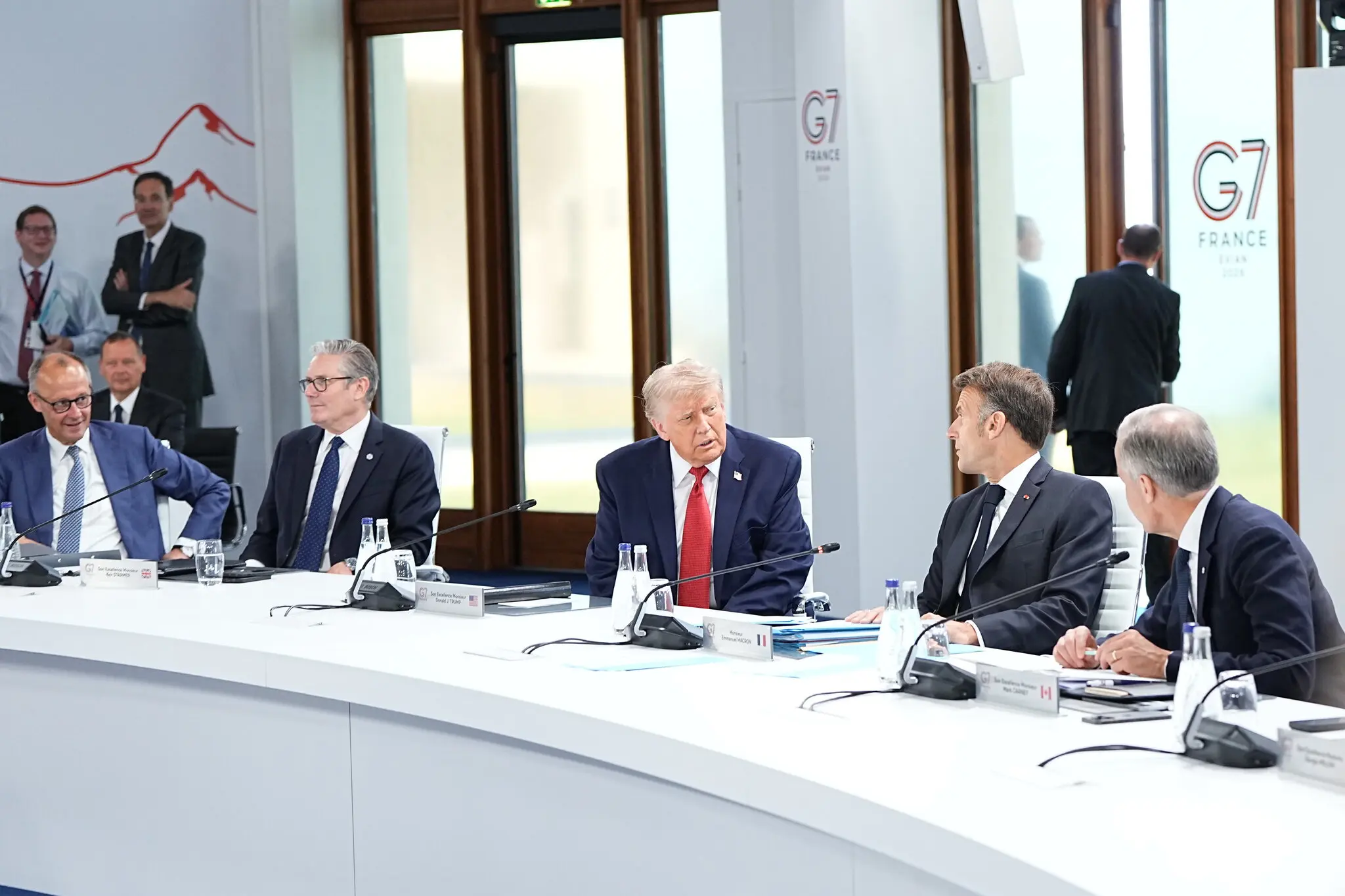 Президент Трамп та інші лідери під час робочої зустрічі в середу — Хайюнь Цзян
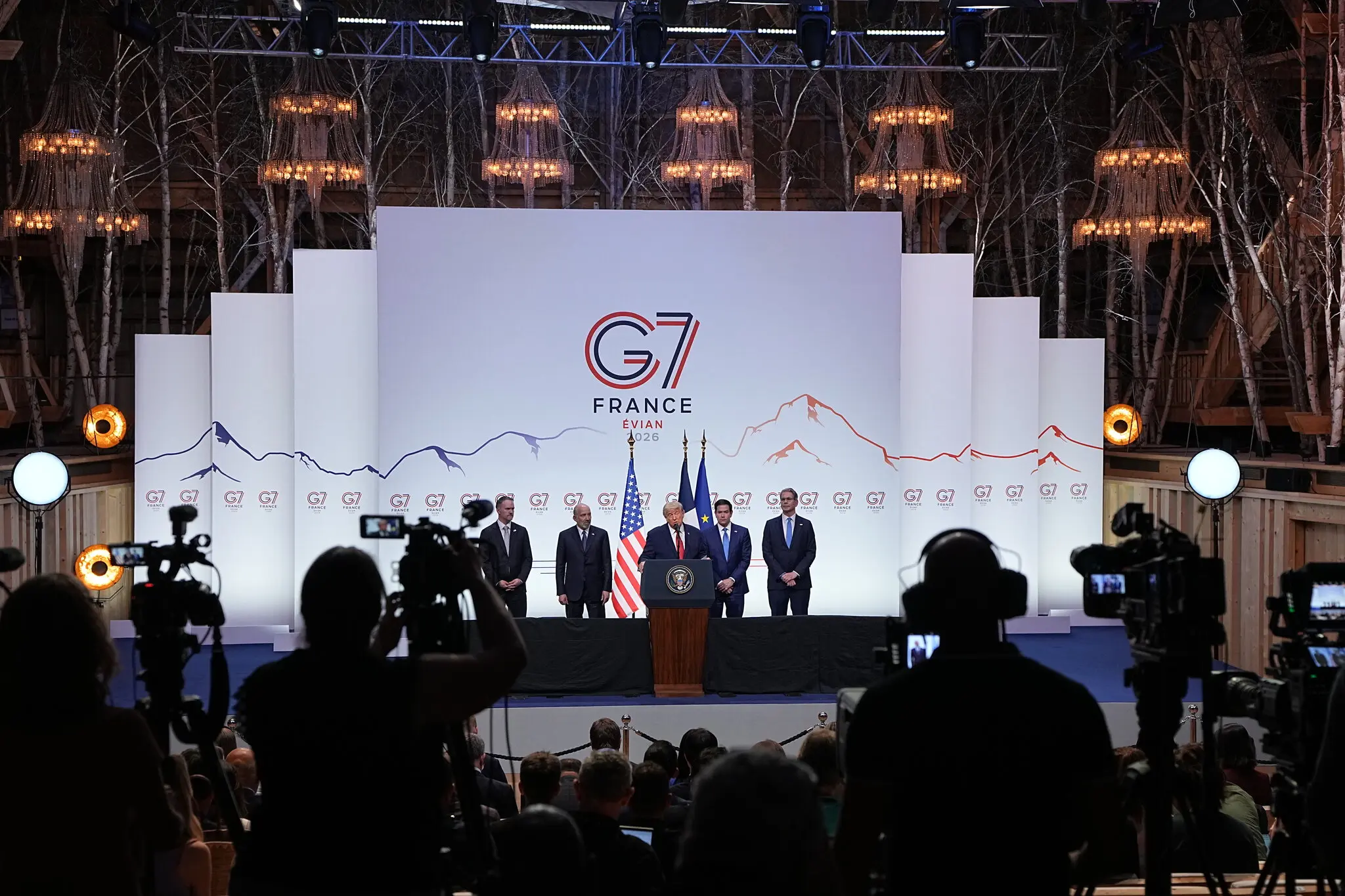
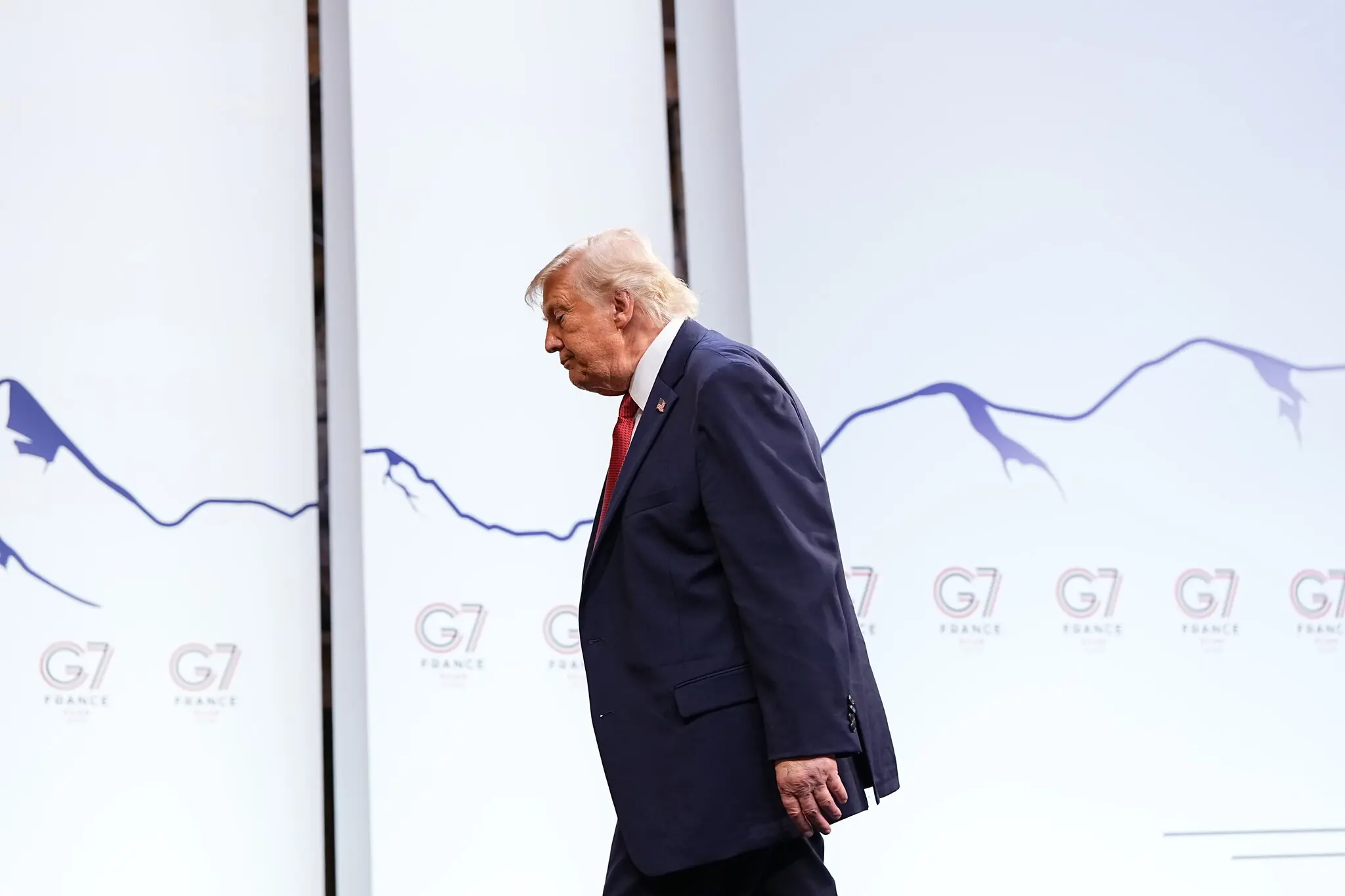 Президент США Трамп на саміті G7 в Евіан-ле-Бен, Франція, у середу — Хайюнь Цзян