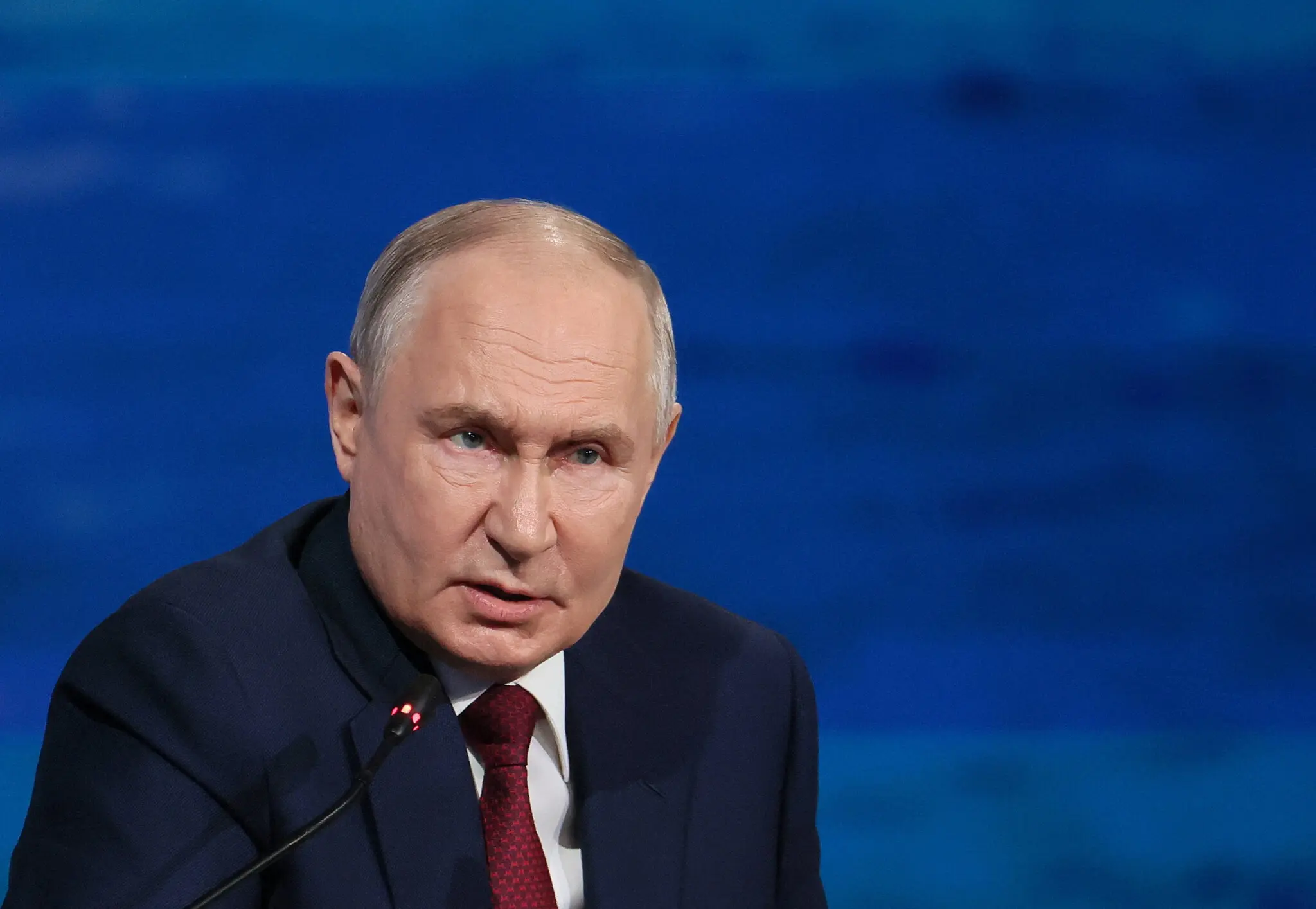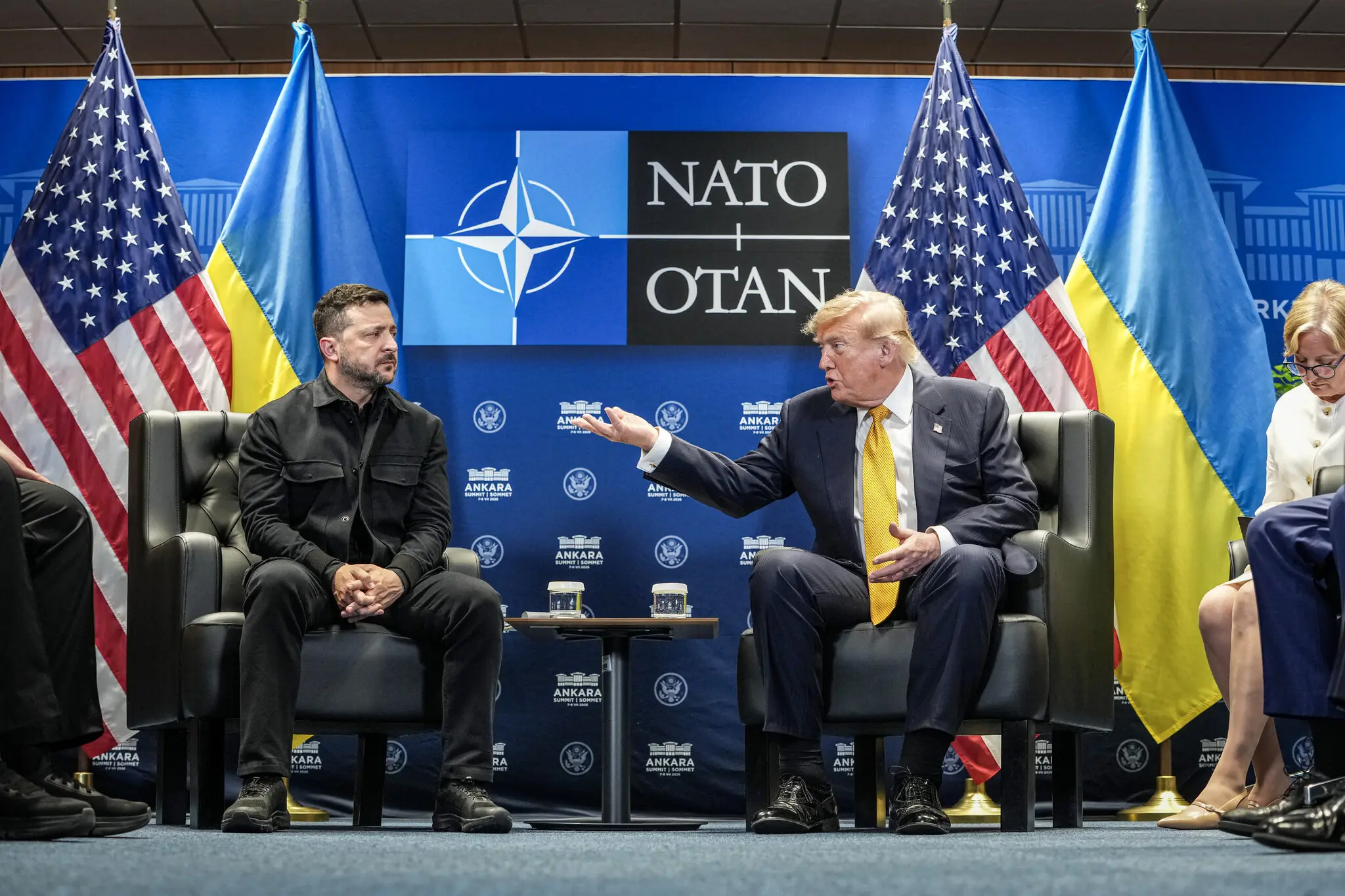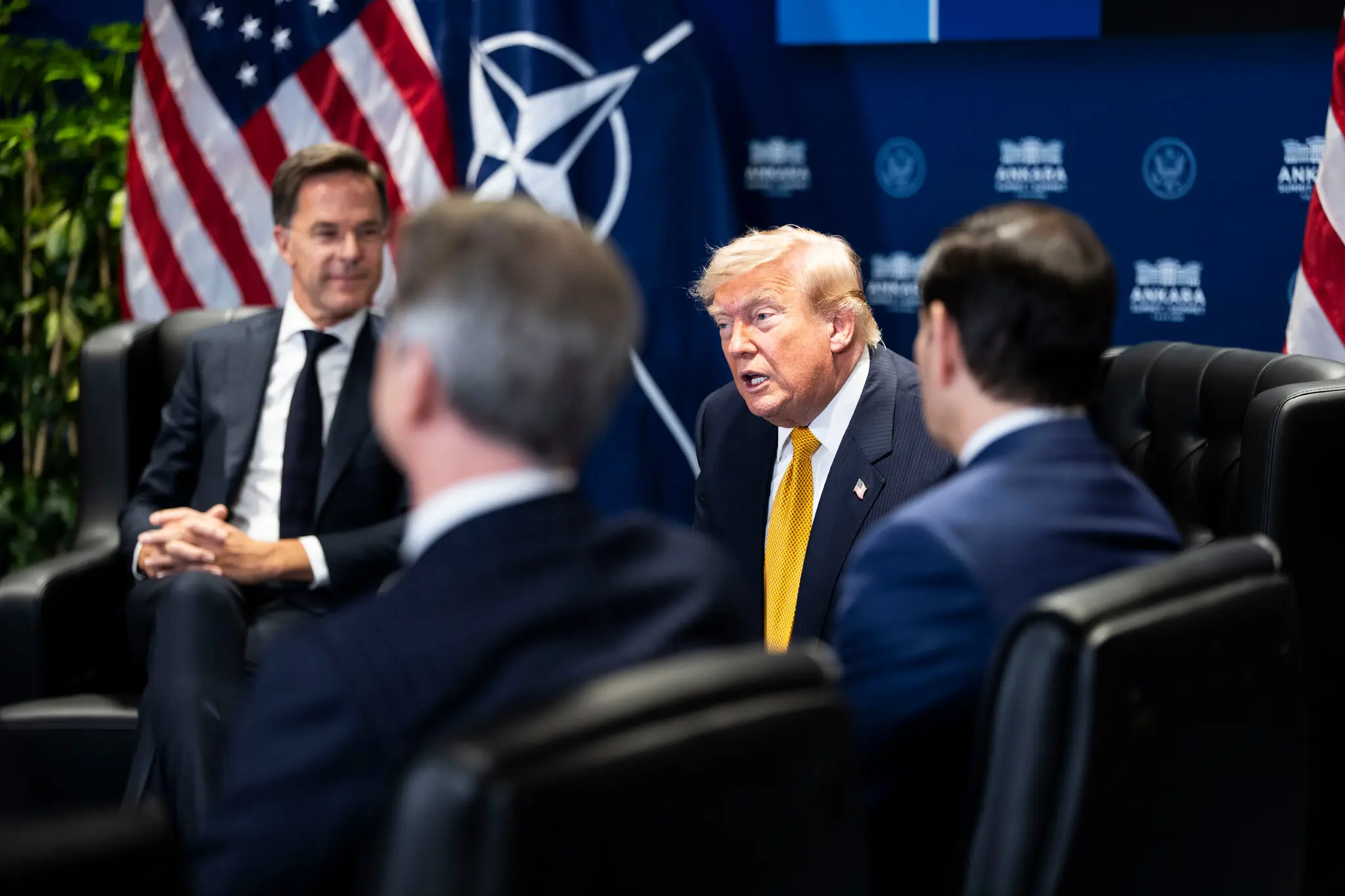










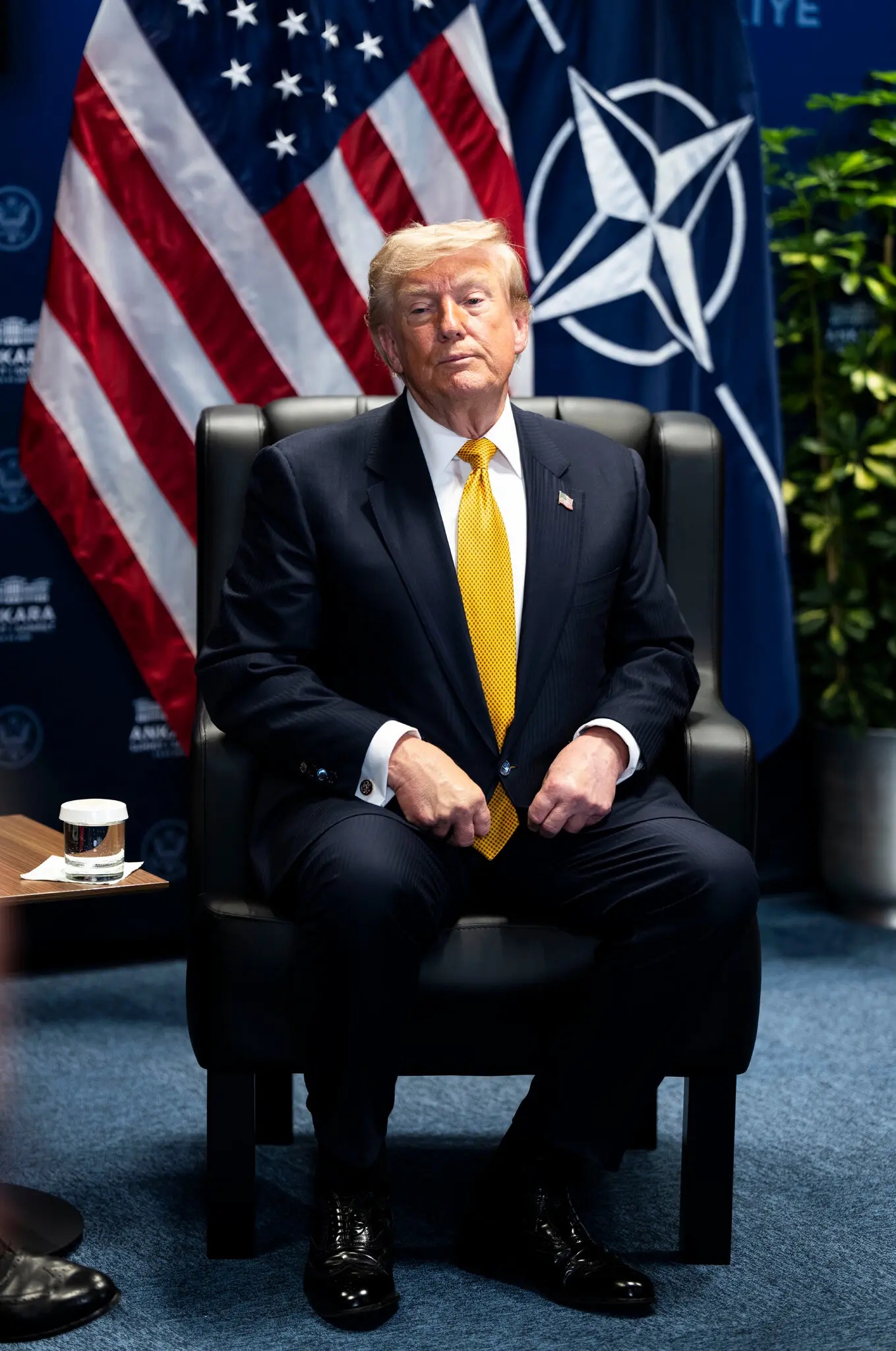






Donald Trump needed only television cameras and a microphone to break the carefully arranged diplomatic choreography of the NATO summit in Ankara. Where another leader might have stayed with formulas about unity, he opened the day with complaints, threats and visible dissatisfaction with America’s allies.
His statement that he was “not happy with NATO,” delivered beside the alliance’s secretary general, Mark Rutte, immediately set the tone. It was not a random outburst, but a return to Trump’s familiar line: the alliance is useful only to the extent that other members meet American demands.
Within minutes, the U.S. president had attacked Spain, again hinted at claims involving Greenland, criticized Germany, Italy, Britain and France, and cast doubt on the ceasefire with Iran. A summit designed as a demonstration of Western strength began instead as a public audit of American grievances.
In Daycom’s assessment, Trump’s appearance in Ankara was not a diplomatic mistake, but a symptom of NATO’s new reality. The alliance formally remains the West’s main system of collective security, yet its internal politics increasingly depend on the mood of one leader and Europe’s willingness to answer him openly.
This time, Trump arrived not only with old complaints about allied defense spending. He also brought a new conflict with him: the war with Iran, in which he believes European capitals failed to support the United States sufficiently. That made his remarks sharper and less controlled.
After U.S. strikes on targets in Iran, the situation escalated quickly. Washington described them as a response to attacks on commercial shipping in the Strait of Hormuz. Tehran, in turn, claimed strikes on American military sites in Bahrain and Kuwait. The ceasefire that had recently been presented as a diplomatic achievement now looked suspended in midair.
Trump spoke about Iran not in the language of state caution, but in the language of anger. His insults toward Iran’s leadership were crude even by his own standards. He described Tehran as a side that breaks understandings, uses mourning ceremonies as cover and returns to missile attacks.
That tone matters beyond style. When the U.S. president effectively declares at a NATO summit that the ceasefire with Iran may be dead, he turns a meeting of allies into a crisis platform for the Middle East. Ukraine, Russia, defense spending and transatlantic unity are suddenly placed beside another military escalation.
Spain received the harshest treatment. Its government had refused to meet Trump’s demands for a sharp rise in military spending and had denied the use of Spanish bases for U.S. strikes on Iran. For Washington, this became not merely a disagreement among allies, but a pretext for public attack.
Trump said he wanted nothing to do with Spain, called for trade to be cut off and even mentioned “visits” without explaining what he meant. It was a characteristic blend of political pressure, economic threat and disregard for the institutional reality of the European Union, where trade policy is negotiated collectively.
This is where the deeper problem becomes visible. For Trump, bilateral pressure often seems more natural than the complex system of allied rules. But NATO and the European Union are built on procedures, coalitions and obligations that cannot be cancelled by an impulsive sentence in front of cameras.
European leaders are no longer in a phase of silent adaptation. Spain and Italy have already begun responding more firmly, and the Ankara summit showed that the old strategy of patiently smiling beside an unpredictable American president is wearing out. For many capitals, the question is no longer how to avoid irritating Trump, but how to defend their own interests without breaking the alliance.
Rutte, seated beside Trump, embodied that difficulty. He remained calm while the U.S. president distributed accusations among allies and adversaries. NATO’s secretary general cannot afford an open clash with Washington, but neither can he ignore the fact that the alliance’s most powerful country is itself generating political shocks inside the bloc.
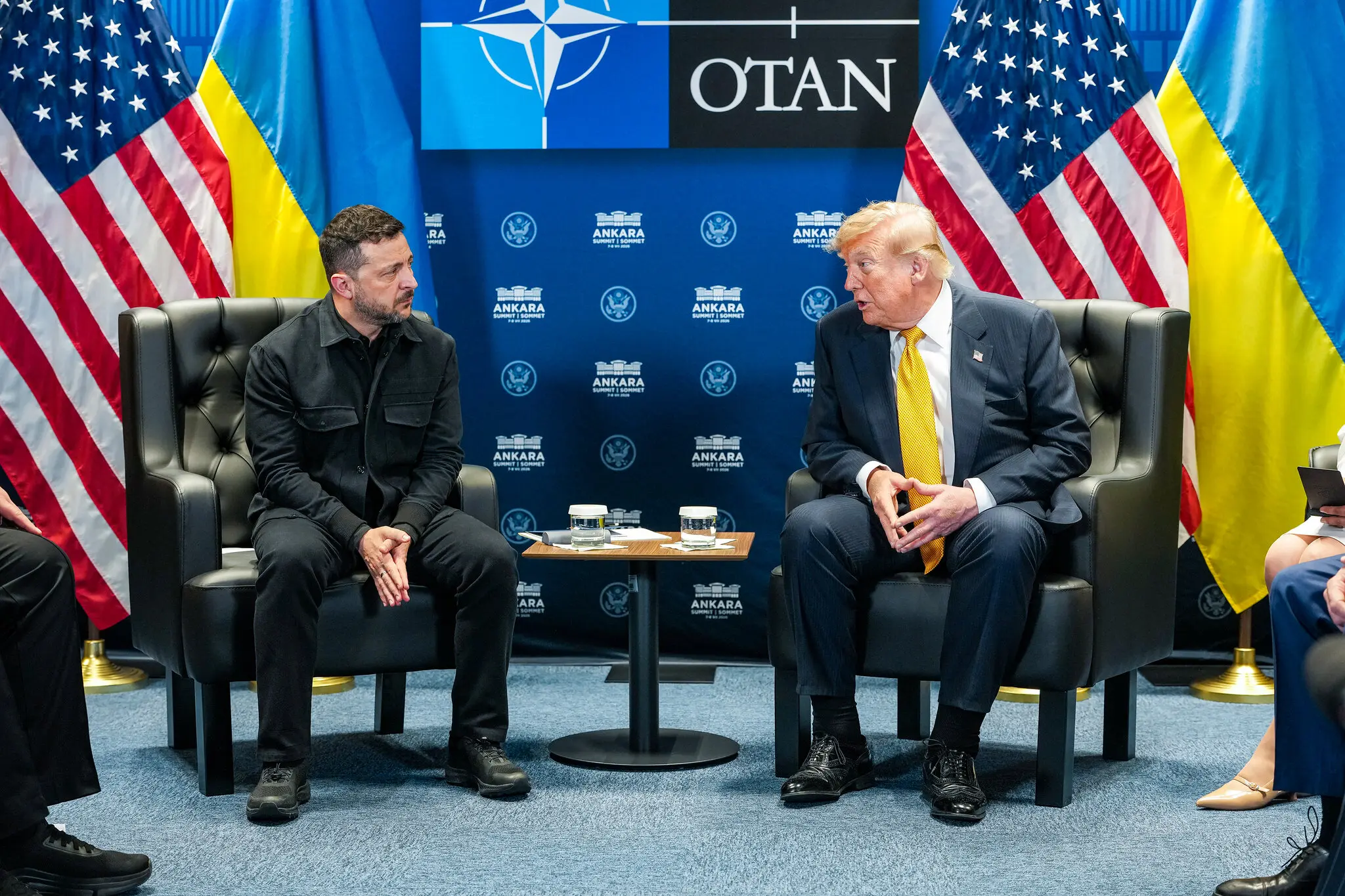
The Ankara summit was supposed to unfold against the background of Russia’s war against Ukraine, rising tensions around Iran, disputes over defense budgets and Europe’s role in American strategy. Trump gathered those themes into a personal drama: who pays, who helps, who obeys and who, in his view, is failing the United States.
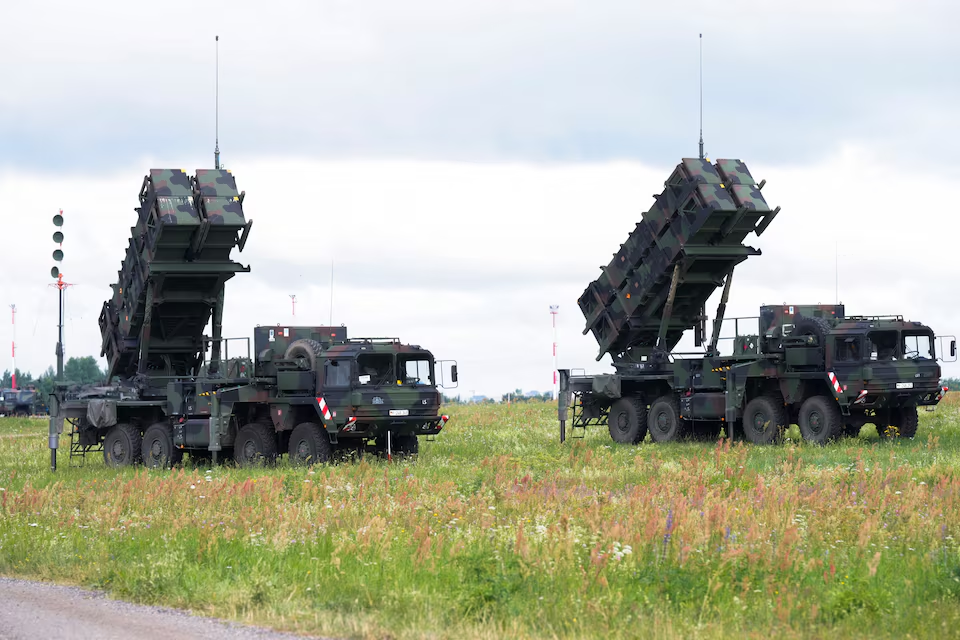
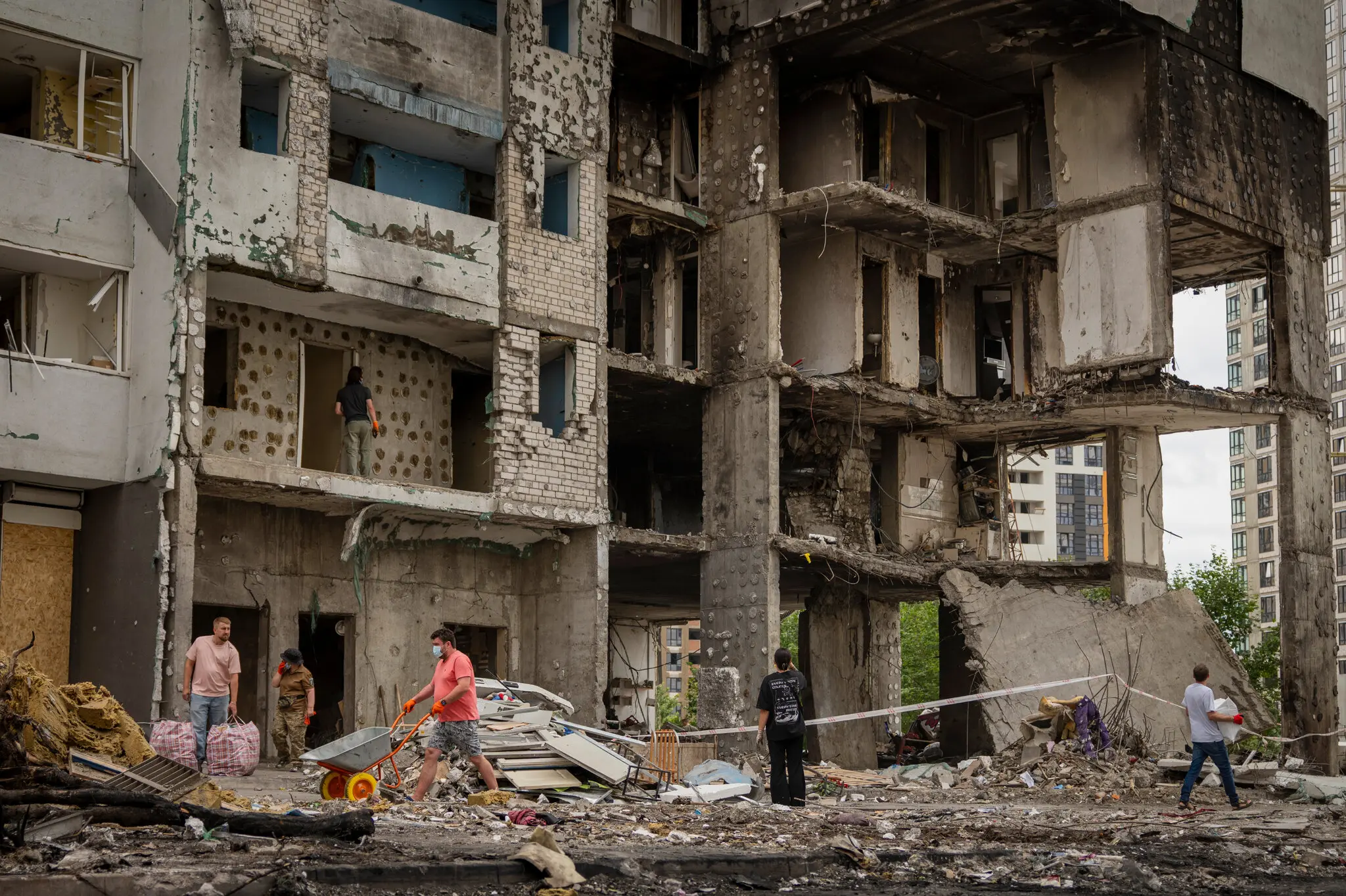
For Ukraine, that atmosphere is especially risky. Kyiv needs from NATO not a spectacle of internal conflict, but decisions on air defense, weapons, long-range capabilities and stable support. When the summit’s attention shifts to the Iran war, Spain’s defiance or another mention of Greenland, the Ukrainian issue loses part of its political space.
For Russia, by contrast, this is useful background. The Kremlin is always looking for cracks between the United States and Europe, between NATO’s southern and eastern members, between the rhetoric of collective defense and the actual readiness to act. Every public quarrel among allies strengthens Russia’s argument about Western fatigue and division.
At the same time, Trump is not abandoning NATO as an instrument. He is not destroying the alliance directly, but trying to reshape it according to the logic of a deal: more spending, more loyalty, more support for American decisions. The problem is that an alliance is not a company, and security cannot be reduced to an invoice for services.
That is the central nerve of the Ankara summit. NATO needs unity at a moment when the war in Ukraine, the conflict with Iran and doubts about American guarantees are all sharpening at once. But Trump brings into this system a politics of confrontational personalization, where any ally can become a target within a minute.
The day had barely begun when the leaders gathered for the family photo. Formally, it was meant to be an image of unity. In reality, it was already burdened by what had come before: dissatisfaction with NATO, anger at Spain, threats over Iran, talk of trade and complaints that allies were not helping America enough.
The Ankara summit showed that NATO’s central threat today is not only external. Russia, Iran and global instability press on the alliance from the outside. But from within, it faces another test: whether allies can preserve a common strategy when the president of the bloc’s most powerful country turns every meeting into a stage for old grievances and new ultimatums.