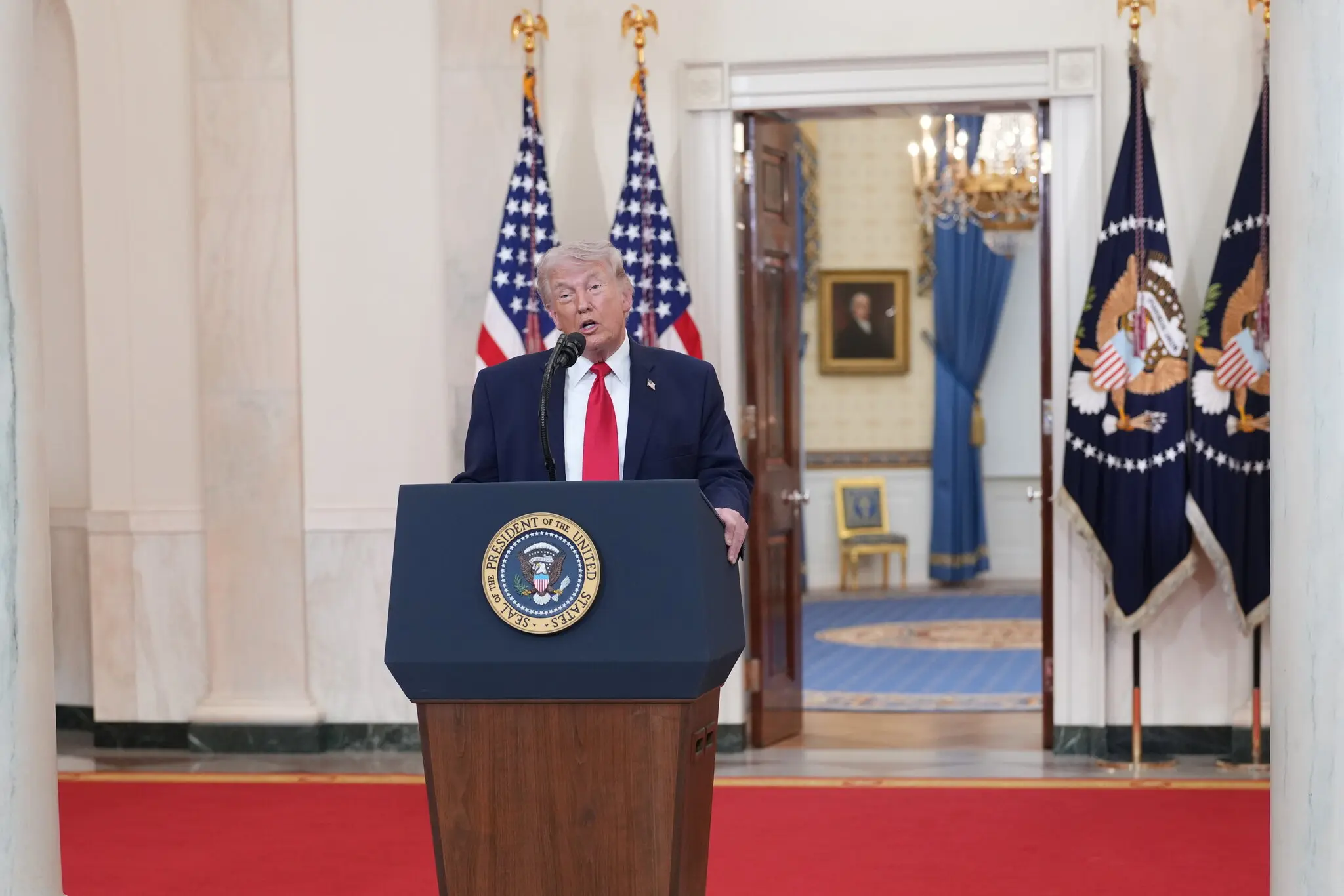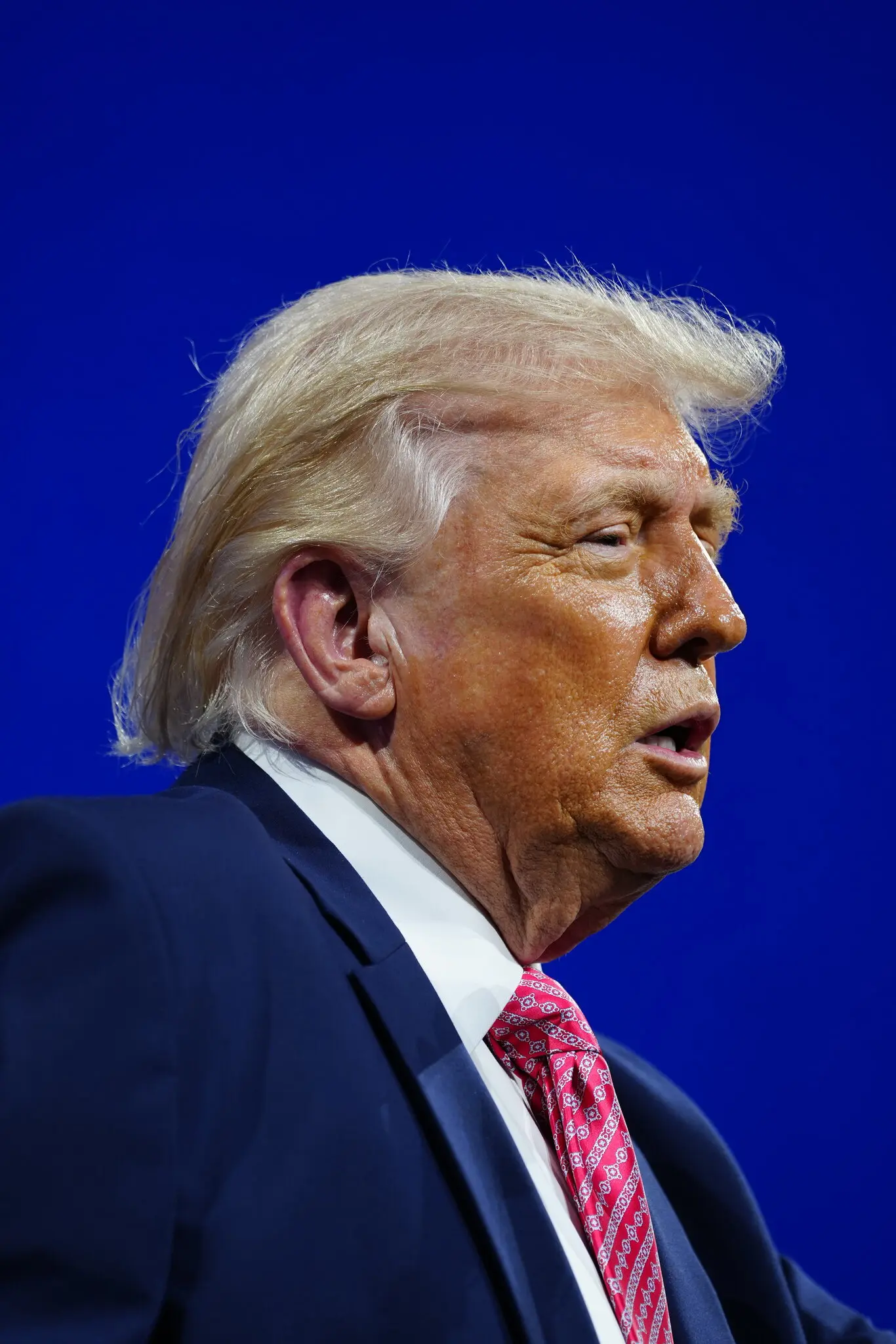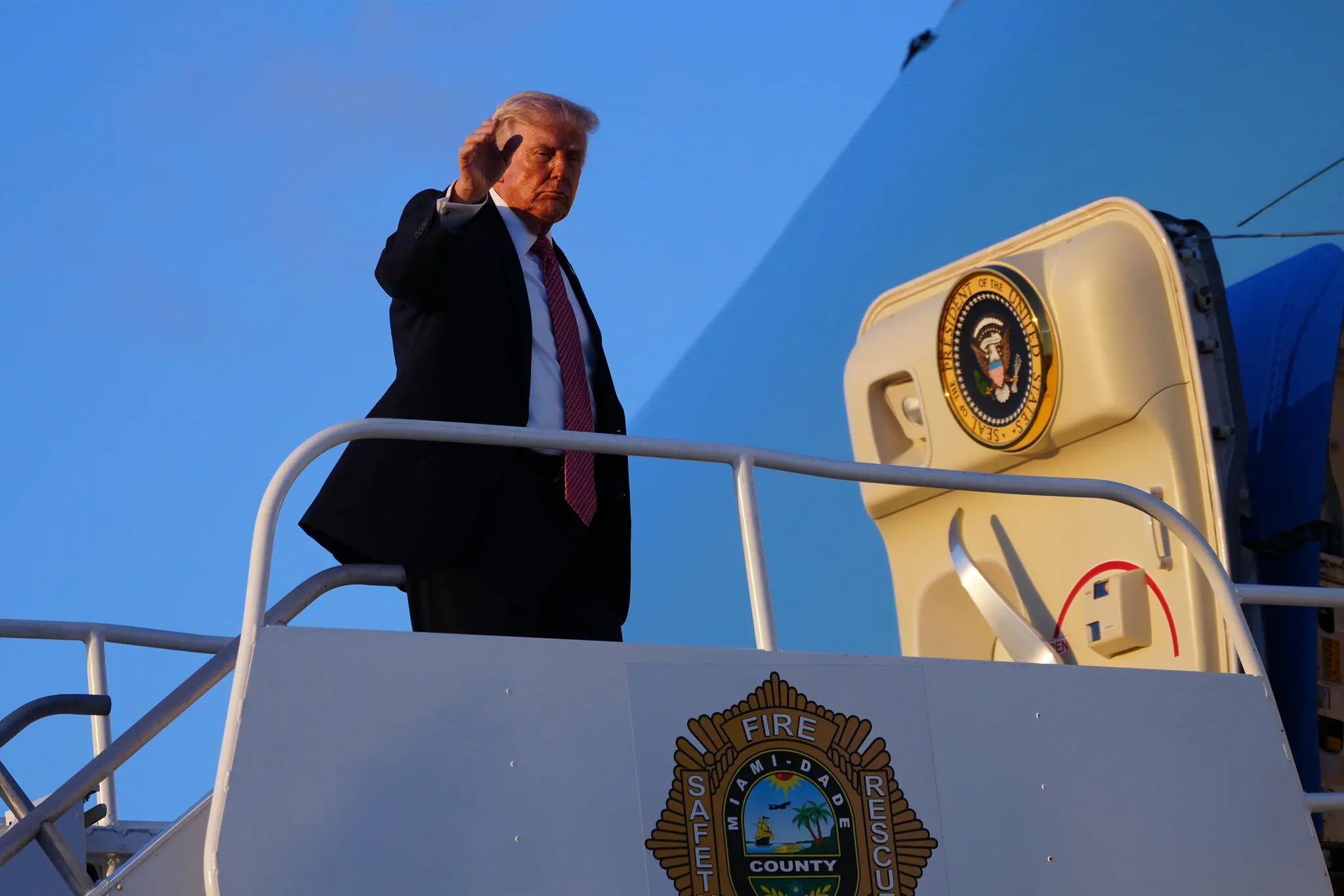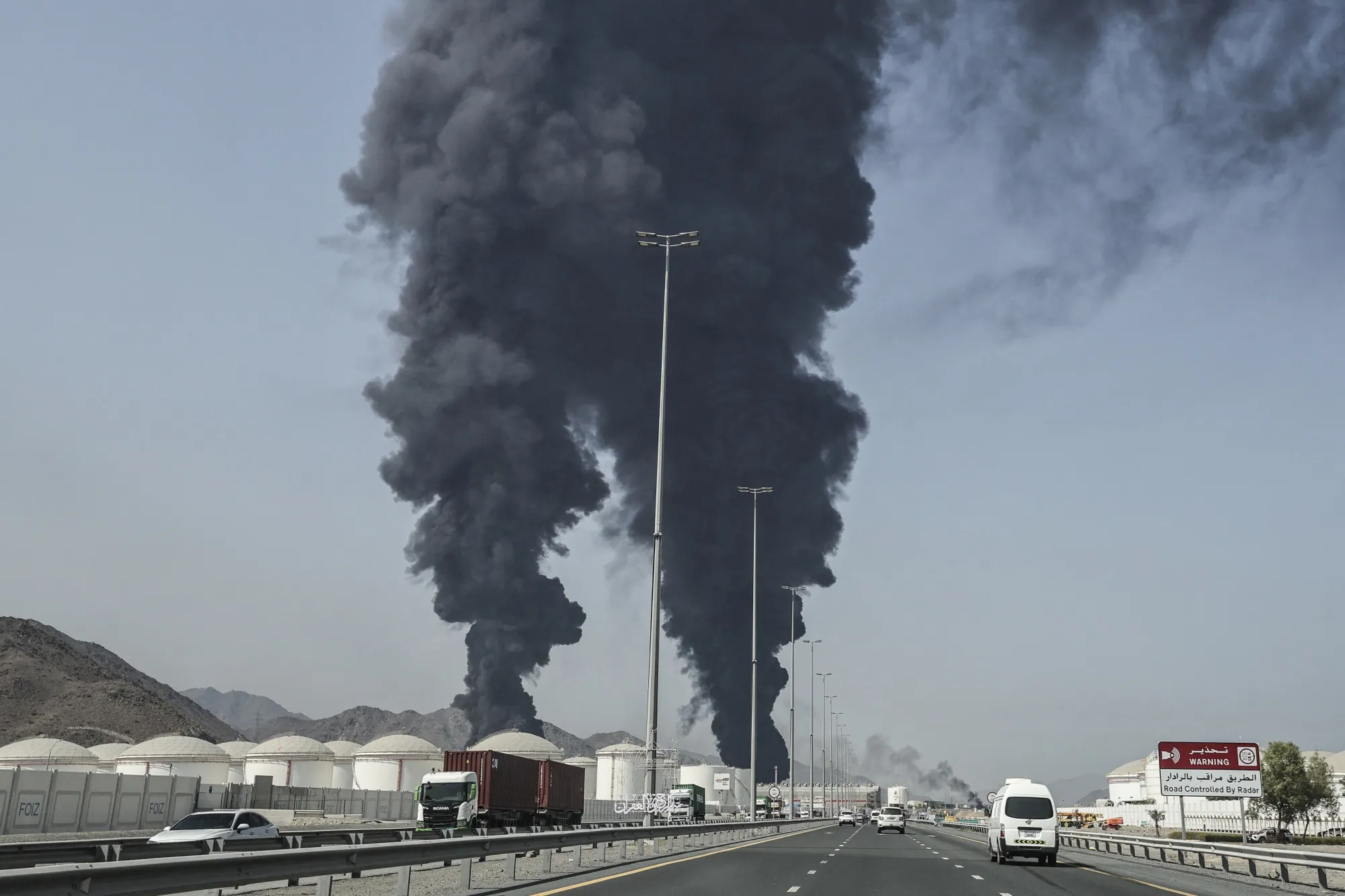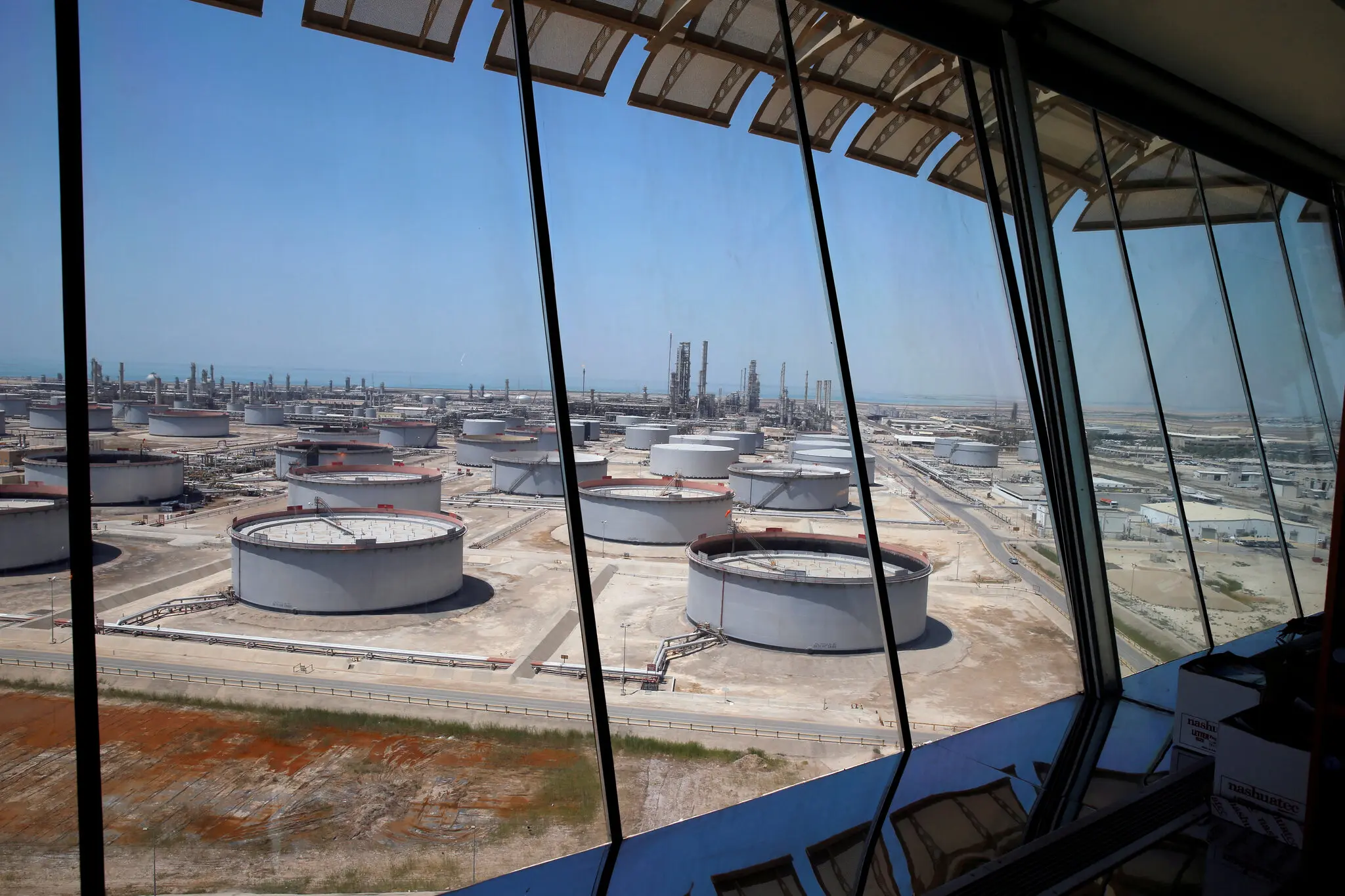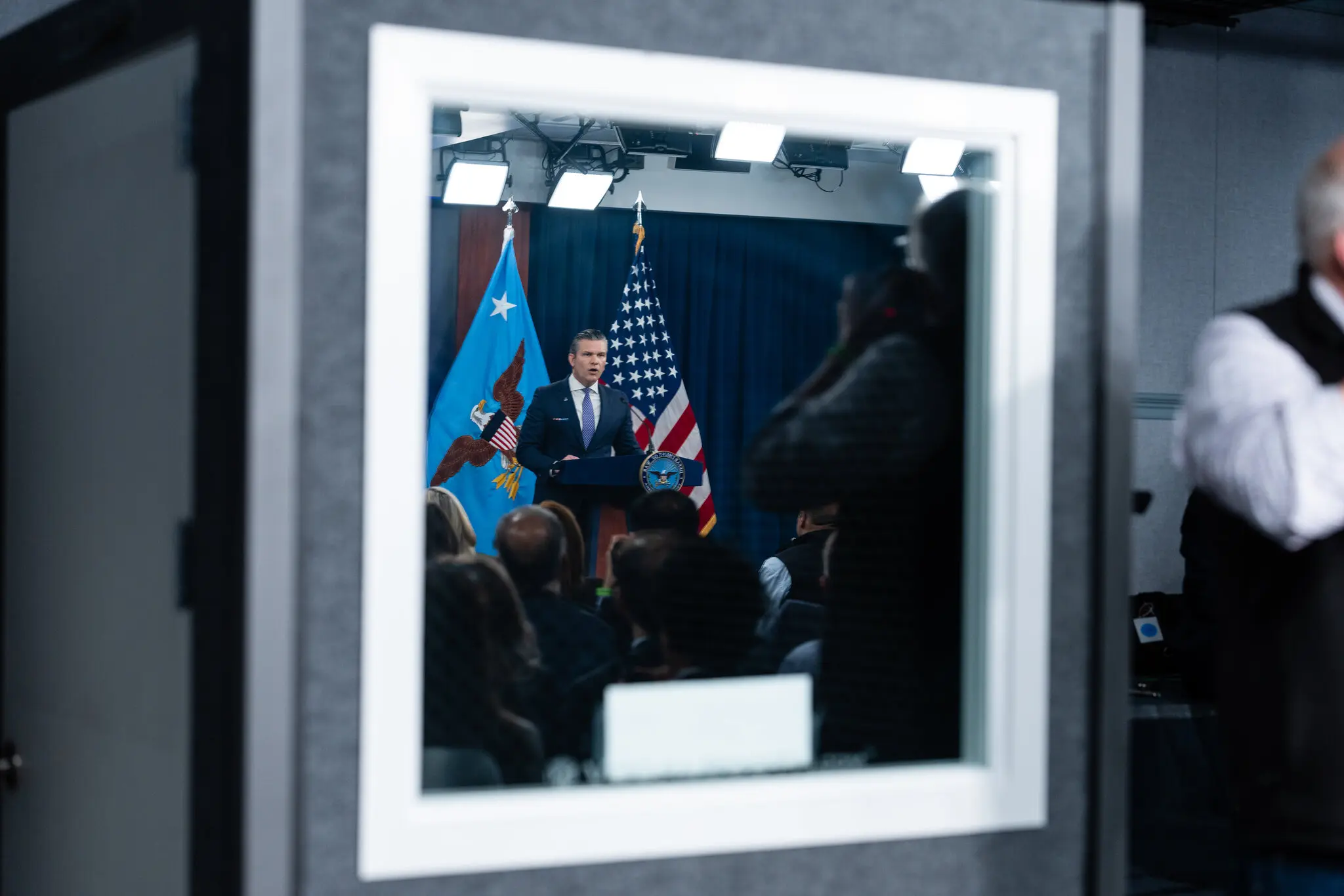
























What matters most in this story is not simply that Donald Trump has lashed out at America’s allies once again. What matters is when he chose to do it. He is not attacking Europe at the opening of the war, when coalitions are assembled and legitimacy is gathered. He is doing it at the moment he is already looking for a way out of the conflict without appearing to retreat.
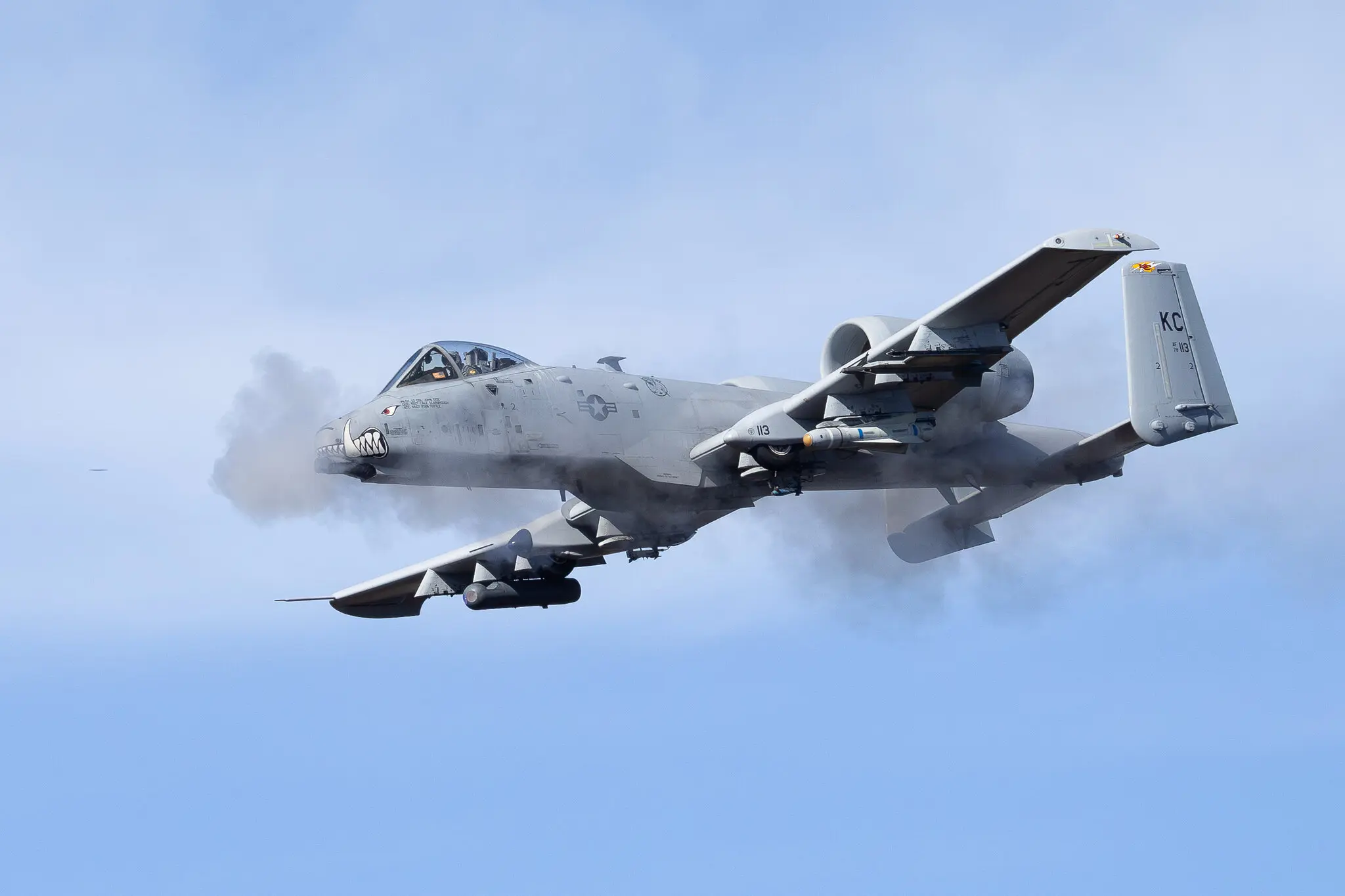
That is why his recent statements form a single, coherent line. On one side, Trump has signaled that the active phase of the American campaign against Iran may be over very soon, perhaps within two or three weeks. On the other, he has again cast doubt on the value of NATO and effectively suggested that America’s allies should deal on their own with the fallout in the Strait of Hormuz after a U.S. strike.
There is no contradiction in that pairing. On the contrary, it reflects a highly consistent political method. Washington wants to reserve for itself the right to claim the decisive military effect, but it has little interest in carrying the full cost of the strategic disorder that effect may produce. In Trump’s logic, Hormuz ceases to be an American problem and becomes someone else’s bill.
What matters most in this story is not simply that Donald Trump has lashed out at America’s allies once again. What matters is when he chose to do it. He is not attacking Europe at the opening of the war, when coalitions are assembled and legitimacy is gathered. He is doing it at the moment he is already looking for a way out of the conflict without appearing to retreat.
That is why his recent statements form a single, coherent line. On one side, Trump has signaled that the active phase of the American campaign against Iran may be over very soon, perhaps within two or three weeks. On the other, he has again cast doubt on the value of NATO and effectively suggested that America’s allies should deal on their own with the fallout in the Strait of Hormuz after a U.S. strike.
There is no contradiction in that pairing. On the contrary, it reflects a highly consistent political method. Washington wants to reserve for itself the right to claim the decisive military effect, but it has little interest in carrying the full cost of the strategic disorder that effect may produce. In Trump’s logic, Hormuz ceases to be an American problem and becomes someone else’s bill.
As Deikom has assessed, Trump is now trying to do two things at once. He is selling his domestic audience the image of a forceful president who has already done the hardest part, while simultaneously pressuring partners to take responsibility for stabilizing the aftermath. This is not merely another quarrel with Europe. It is an attempt to privatize the political dividend while collectivizing the strategic costs.
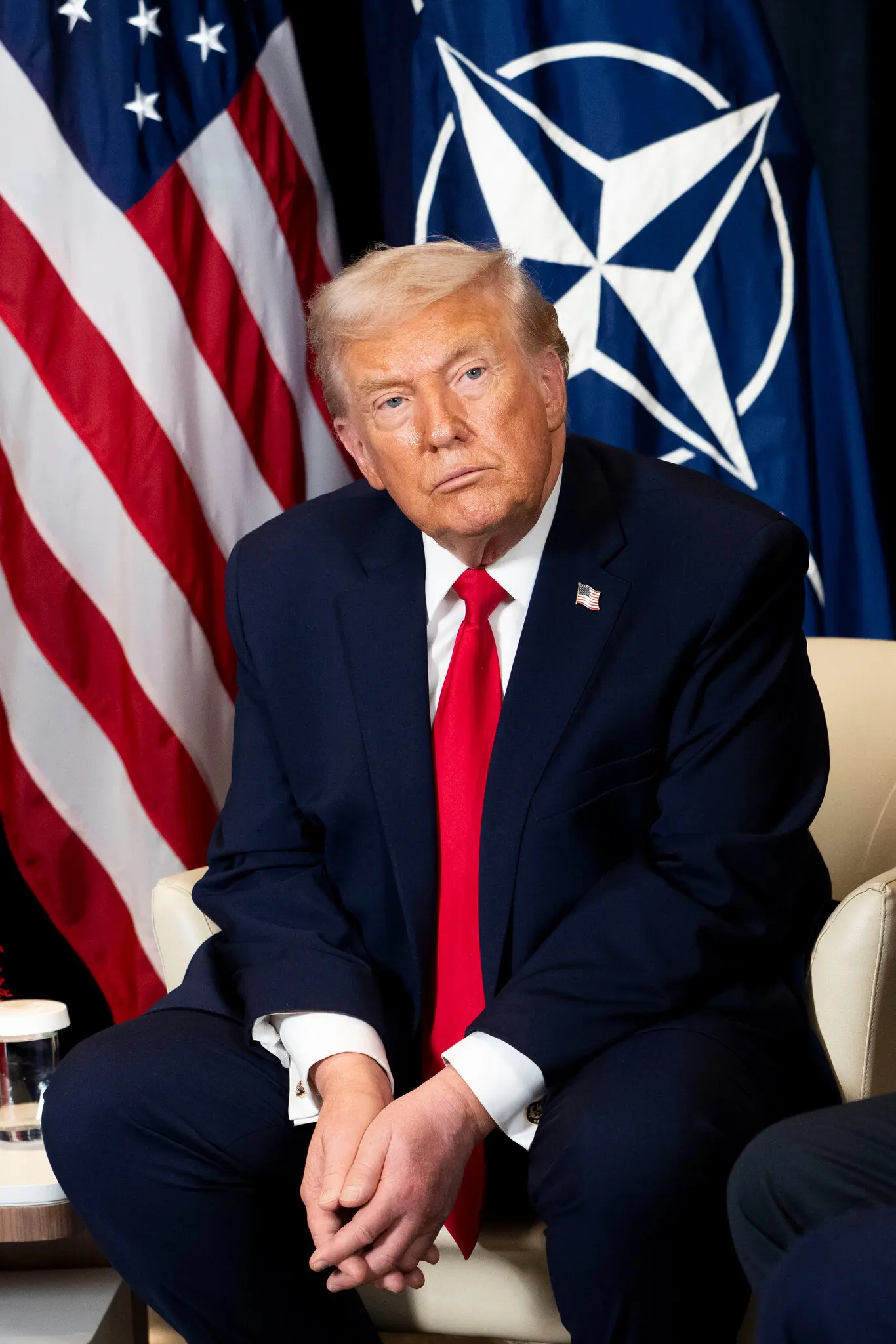
In that sense, his rhetoric about NATO matters far more than the familiar noise of insults and ultimatums. When an American president questions the alliance not over defense spending, but over allied reluctance to support his own war against Iran, he changes the principle on which the transatlantic relationship rests. In Trump’s model, NATO is no longer primarily a security alliance. It becomes a service structure meant to validate Washington’s political decisions. If it refuses, its usefulness is suddenly declared suspect.
This is, in effect, a new form of coercion. In the traditional American view, allies could disagree over tactics, scale of participation or legal basis while the architecture of the alliance remained larger than any single conflict. Under Trump, the logic is reversed. A particular war becomes a test of loyalty, and refusal quickly opens into the question of whether such allies are worth protecting at all.
Europe’s response has been revealing. France, Spain and Italy have signaled in different ways but with growing clarity that there are limits to their participation: limits on bases, limits on military facilitation, limits on being turned into the rear base of someone else’s escalation. Formally, this appears to be a dispute over Iran. In substance, it is the first serious attempt by part of Europe to say that not every American war is automatically a war of the West.
That is why Trump sounds so aggrieved when he speaks of allied ingratitude. He is not merely asking for material support. He is demanding symbolic confirmation that America still retains the right to launch a conflict unilaterally and then receive disciplined Euro-Atlantic reinforcement. When that does not happen, what comes under pressure is not only the operation against Iran, but Trump’s preferred image of world order itself, one in which allies either fall in line or pay the price.
This is where the central political knot appears. If Trump truly intends to keep the war on a short horizon, then his aggression toward allies is not a sign of confidence so much as a symptom of haste. He wants out before the consequences of the campaign grow heavier than the initial strike that began it. Hence the new tone: America remains strong enough to bomb, but no longer interested enough to patrol, insure energy routes and absorb the entire burden of post-strike instability.
There is something unmistakably Trumpian in this logic. He sees foreign policy as a sequence of deals, not as a structure of obligations. Once the strike has been made, it must be converted as quickly as possible into either negotiating leverage or electoral advantage. If allies do not wish to inherit the operation at the stage of consequences, they are reminded that the American shield is not unconditional. A military campaign thus turns into a negotiation over the price of alliance.
For Europe, this is a moment of strategic sobriety. The problem is no longer just Trump’s unpredictability. It is that the American security guarantee is increasingly being tied to political obedience in conflicts that allies did not control and often did not endorse. In such a configuration, the alliance stops functioning as a mechanism of mutual defense and begins to resemble a system of conditional access: support today, be protected tomorrow.

What makes the situation sharper still is that Trump is simultaneously weakening NATO and relying on it as an instrument of pressure. He wants the right to call the alliance weak while continuing to draw on its infrastructure, logistics, political weight and the enduring fact of European dependence on American security. This is not a clean ideological break with NATO. It is an effort to reduce NATO to a menu of services that Washington can switch on and off depending on how obedient its allies choose to be.
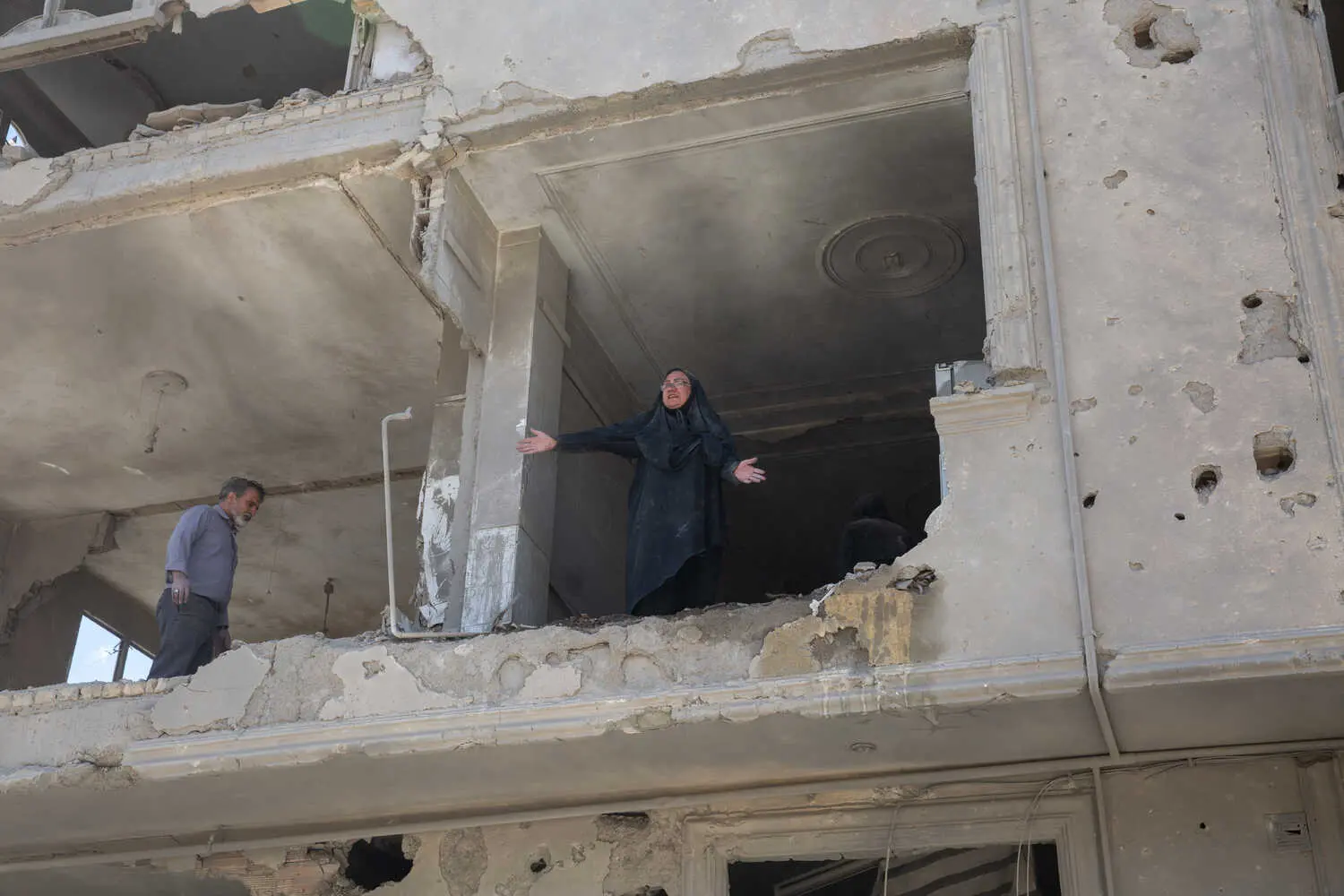
For the Middle East, such a model offers little stability. If the United States does in fact wind down the active phase of the campaign quickly, while trying to shift responsibility for Hormuz and for containing further risks onto others, the region will receive a familiar vacuum: the strike has already happened, the balance has already been disturbed, yet no one wants to pay fully for the long work of managing the aftermath. In the short term, this may look like de-escalation. In the longer term, it may prove to be merely another form of instability.
Trump’s current line therefore reads more clearly than it first appears. He is not simply fighting with Europe. He is trying to engineer a political exit from the war in such a way that victory remains American while responsibility diffuses outward across allies, markets and regional actors. It is an old imperial temptation in new packaging: keep the right to strike, but not the obligation to sustain order after the strike.
And this is where the real line of conflict now runs. Not only between Washington and Tehran, but between two competing ideas of the West. In one, America remains the center of a security system that assumes both power and burden. In the other, it increasingly wants to keep the power while distributing the burden downward across its chain of dependencies. If that second model hardens into doctrine, this war with Iran will be remembered for more than the strikes themselves. It will be remembered as another moment in which Trump tried to turn NATO from an alliance into an instrument for disciplining America’s own allies.