



























A month of bombing was supposed to produce a simple picture for Washington: the adversary weakened, the initiative seized, the end of the campaign within sight. Instead, the war has arrived at a more unsettling point. Iran still retains the ability to strike back. That is not a technical caveat. It is the clearest sign yet that military superiority has not translated into a safe or orderly end.
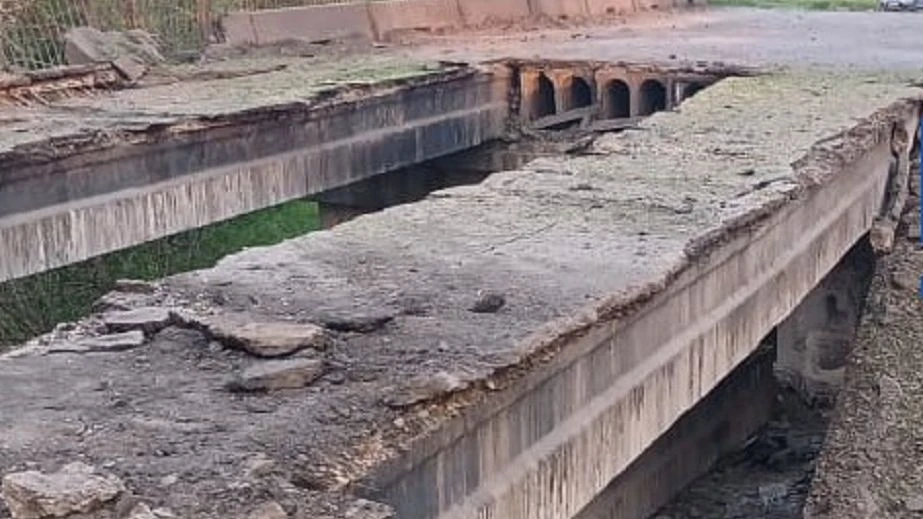
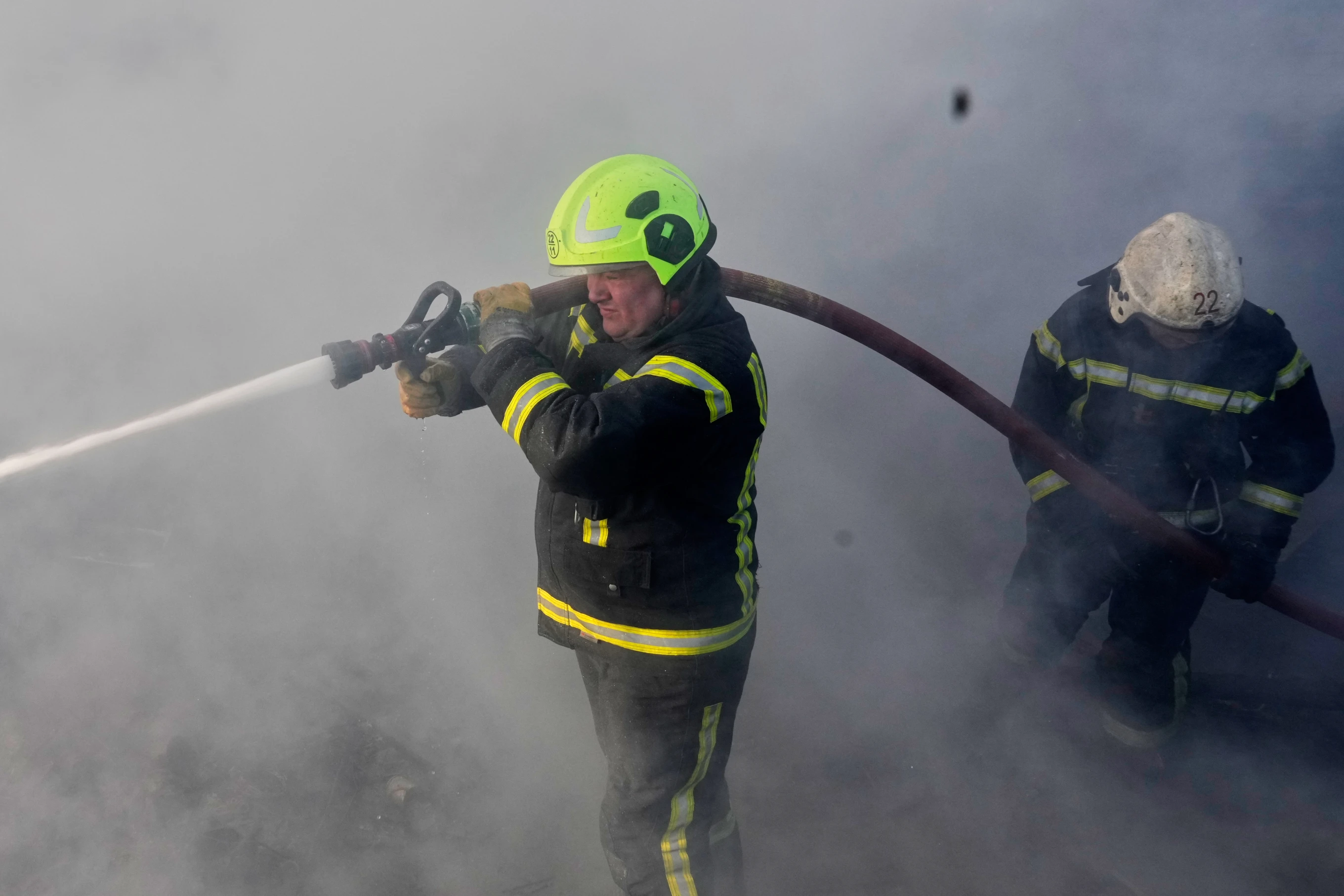
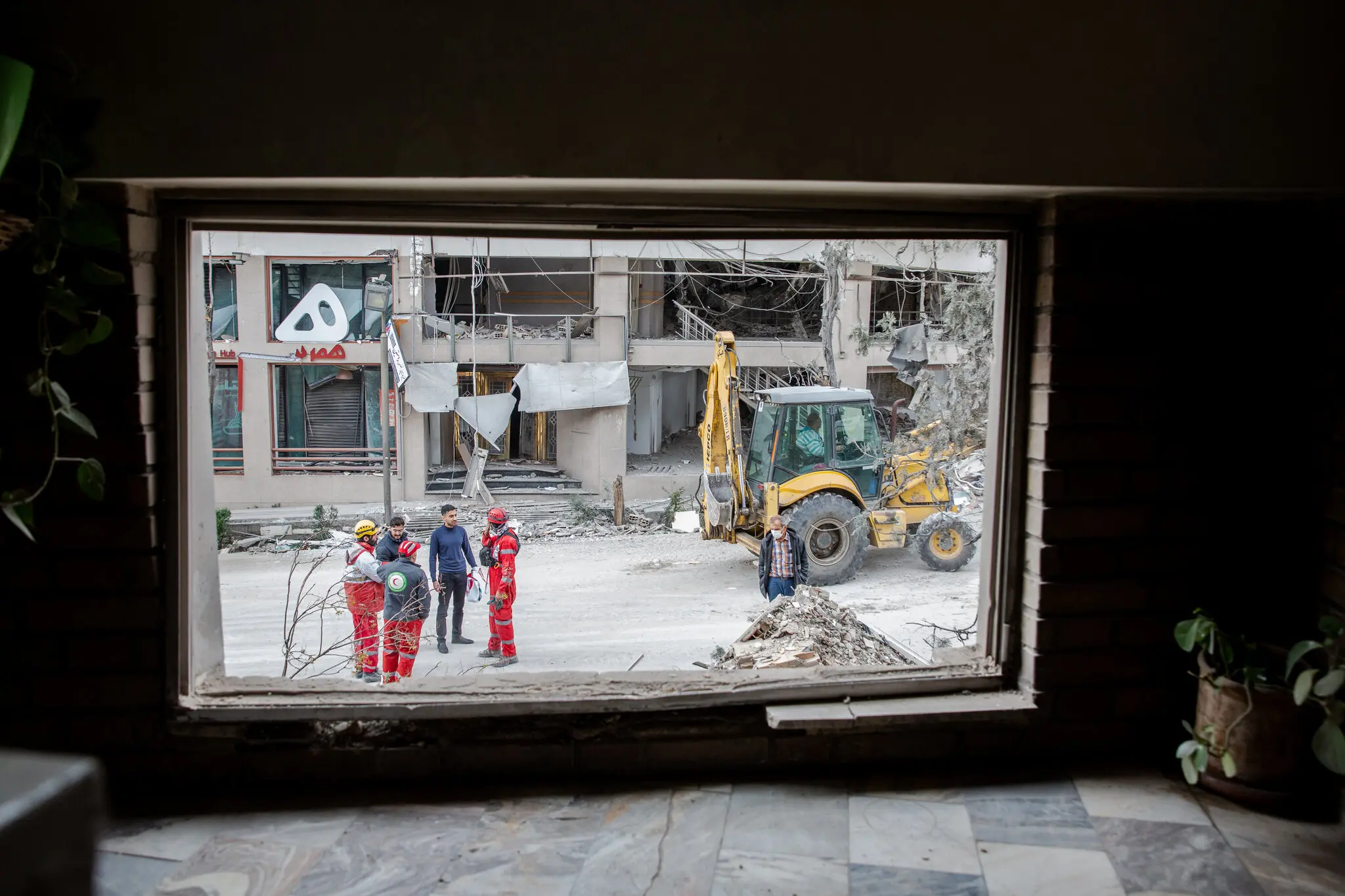
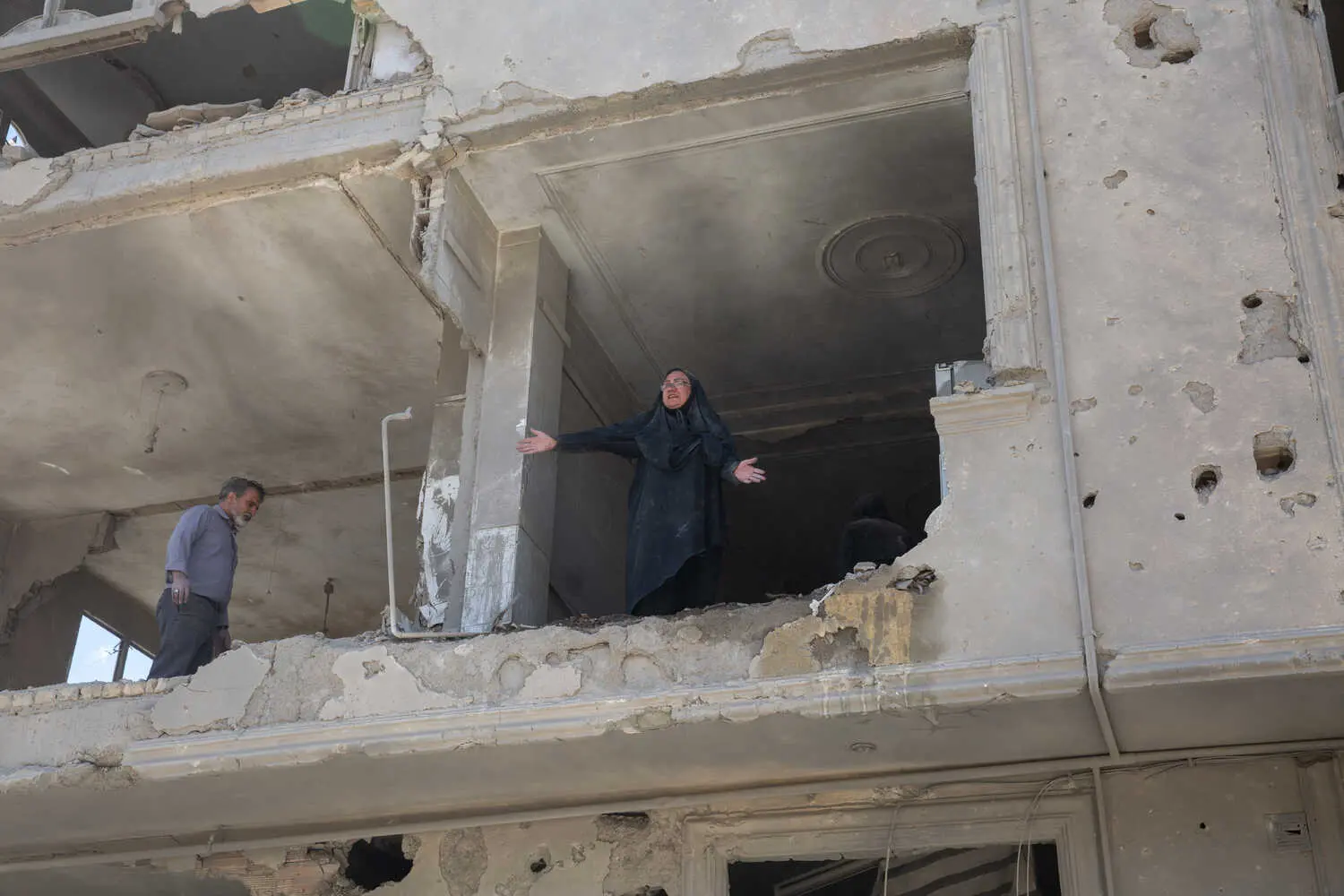
The battlefield results are real. Large parts of Iran’s infrastructure, storage facilities, production sites and air-defense network have been damaged or destroyed. The United States and Israel have achieved what, only weeks ago, looked like the central operational condition for success: freedom of action in the air and a sharply reduced space for Tehran to maneuver.
But this is precisely where the political problem begins. Destroying facilities is not the same as destroying the capacity to resist. As long as Iran still has missiles, mobile launchers, buried assets and the ability to impose a limited but painful response, the central question of the war changes. It is no longer whether Washington and Jerusalem can hit Iran. It is what, exactly, would count as victory.
A month of bombing was supposed to produce a simple picture for Washington: the adversary weakened, the initiative seized, the end of the campaign within sight. Instead, the war has arrived at a more unsettling point. Iran still retains the ability to strike back. That is not a technical caveat. It is the clearest sign yet that military superiority has not translated into a safe or orderly end.
The battlefield results are real. Large parts of Iran’s infrastructure, storage facilities, production sites and air-defense network have been damaged or destroyed. The United States and Israel have achieved what, only weeks ago, looked like the central operational condition for success: freedom of action in the air and a sharply reduced space for Tehran to maneuver.
But this is precisely where the political problem begins. Destroying facilities is not the same as destroying the capacity to resist. As long as Iran still has missiles, mobile launchers, buried assets and the ability to impose a limited but painful response, the central question of the war changes. It is no longer whether Washington and Jerusalem can hit Iran. It is what, exactly, would count as victory.
In Deykom’s assessment, this is where the true asymmetry of the conflict comes into focus. Washington is trying to prove that Tehran has fewer and fewer options. Tehran, by contrast, needs to prove only one thing: that even a weakened state can still keep the global market on edge, continue missile launches and make the price of war felt far beyond the battlefield.

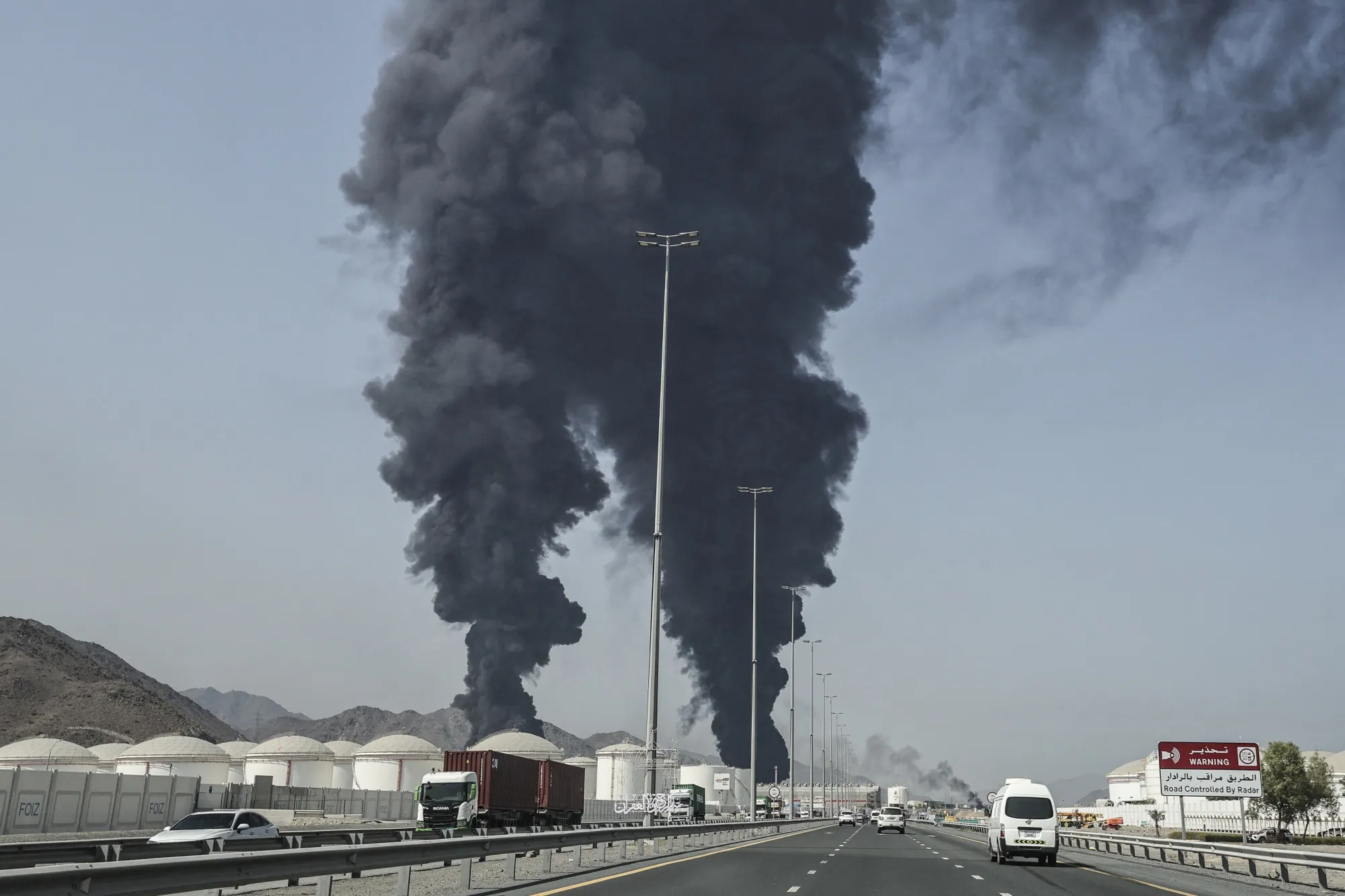
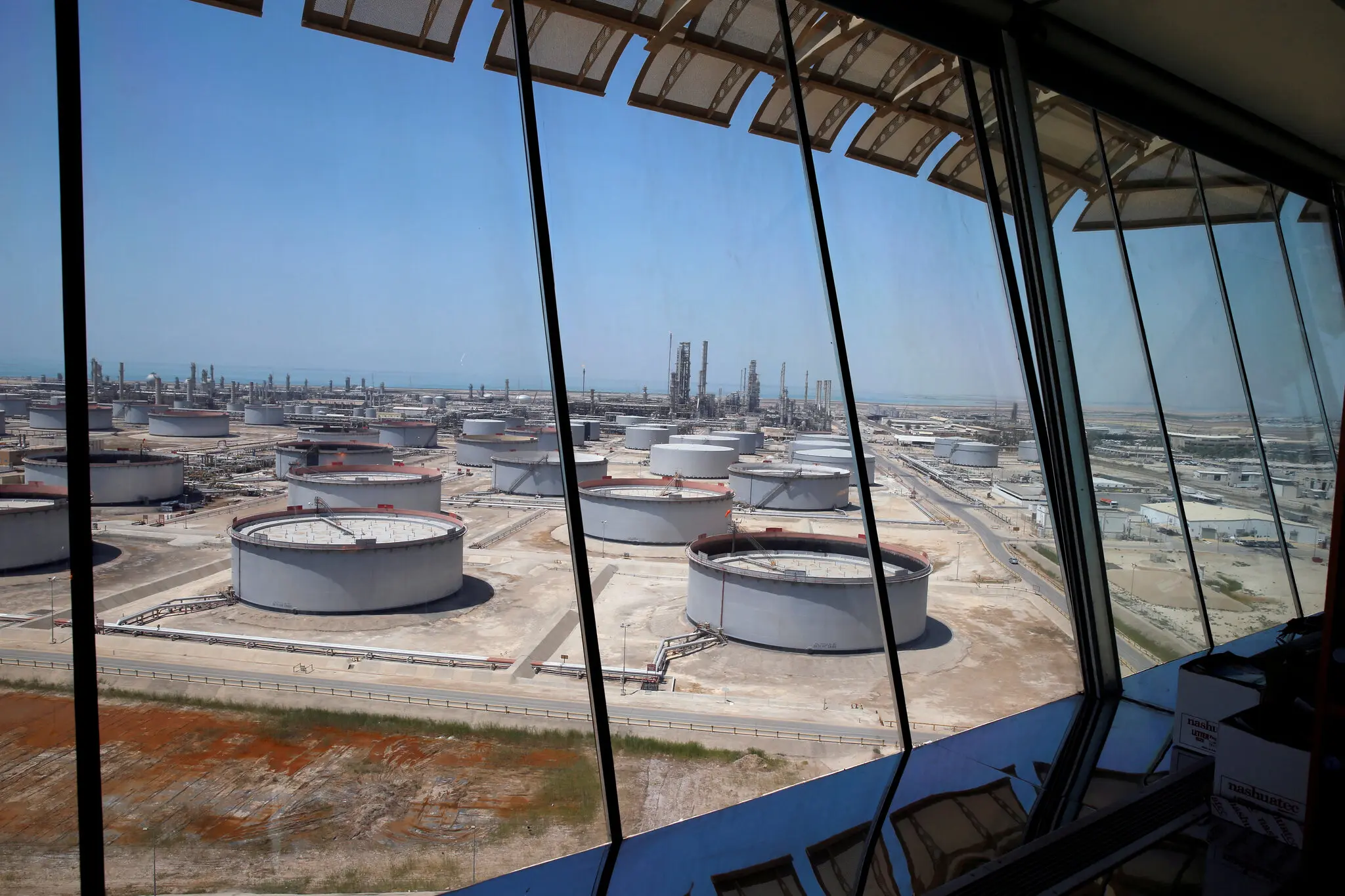
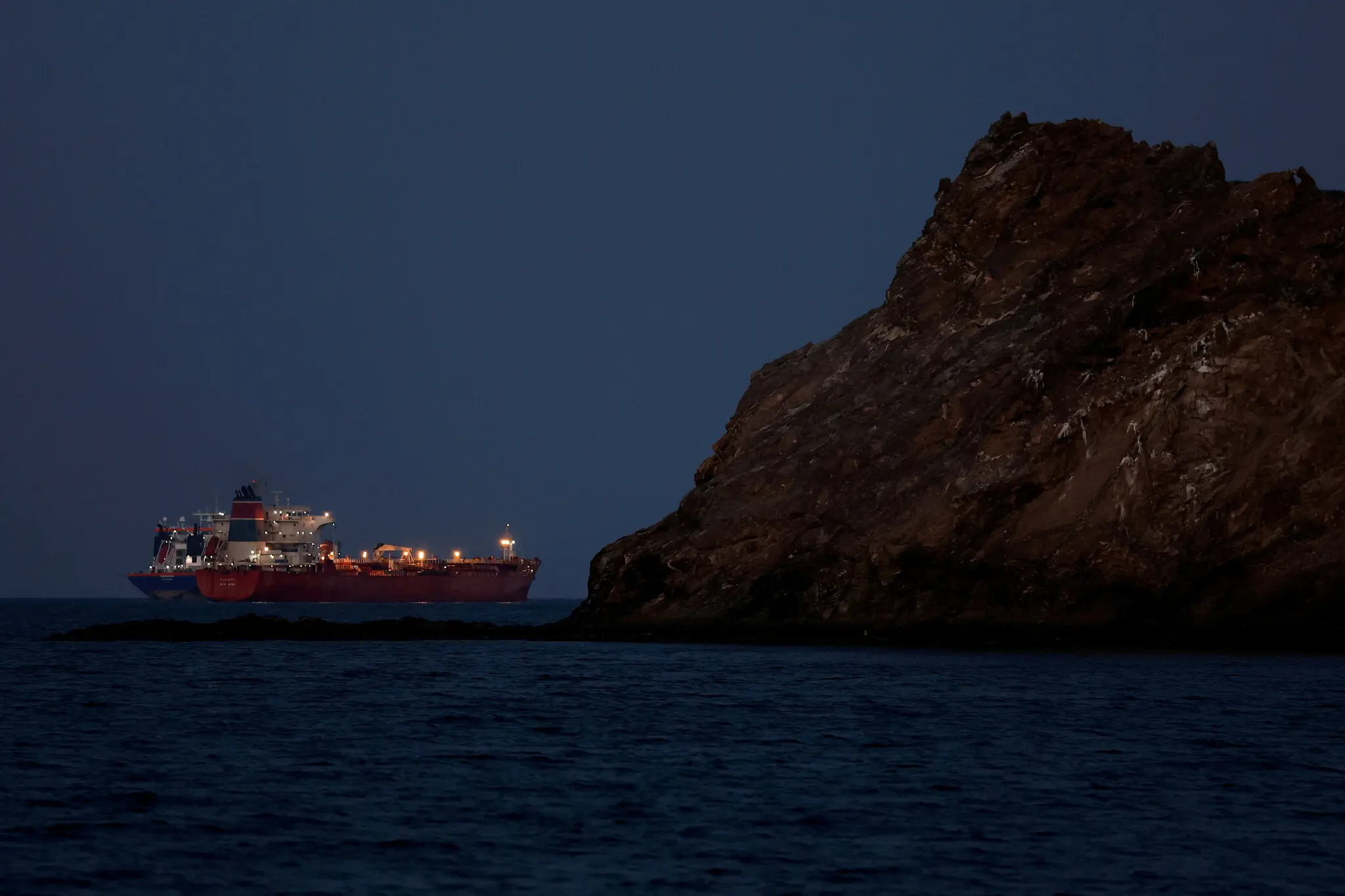
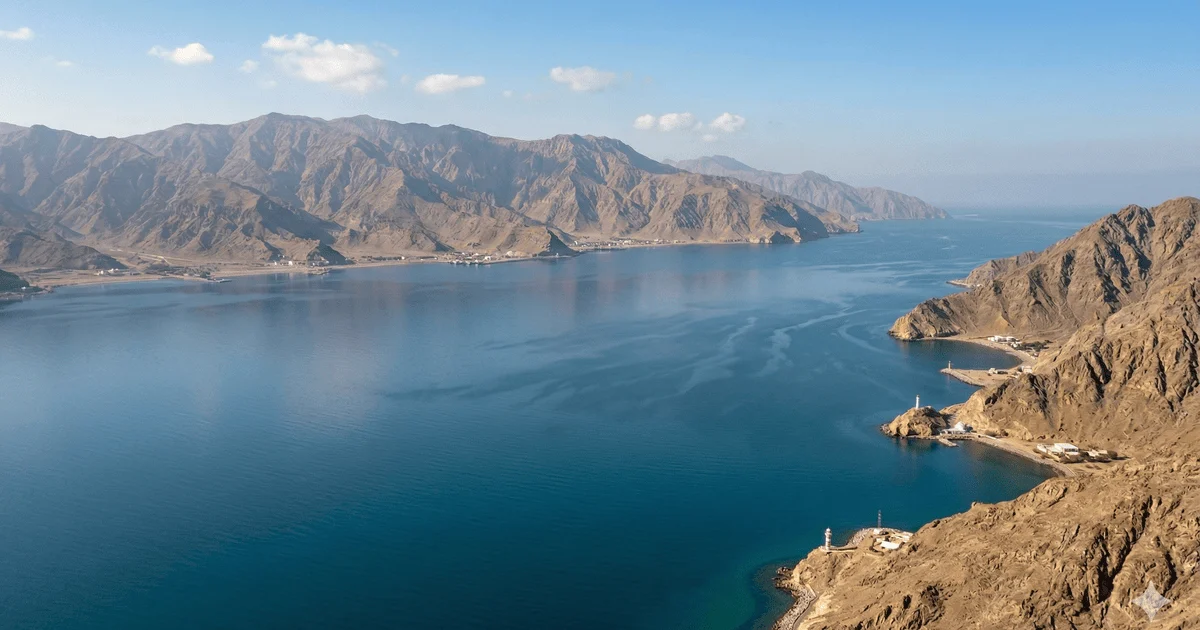
Iran’s most powerful instrument now is not only the missile, but geography. The Strait of Hormuz remains one of the world’s most sensitive energy corridors. It does not take a total blockade to shock the system. A partial disruption of shipping, rising insurance premiums and the constant risk of attack are enough to keep oil and gas markets in a state of permanent anxiety.
That is why the war has acquired a second dimension, one that runs straight through American domestic politics. When fuel prices climb, the conflict stops being a distant matter of foreign policy and becomes an everyday political invoice delivered at the pump. Each increase in gasoline prices damages not only household budgets but also the White House’s claim that events remain under control.
In that environment, a single attack on a civilian tanker can matter more than a week of optimistic briefings. Any fire on a vessel in the Gulf instantly sends a signal to traders, insurers, shipping firms and governments. The market no longer prices only actual shortages. It prices the possibility of deeper disruption, and that possibility now carries its own premium.
This is why American and Israeli military dominance has yet to become a strategic resolution. They can destroy targets faster than Iran can rebuild them. But they cannot neutralize as quickly the mechanism of pressure itself, where residual missile capacity, maritime risk and psychological impact combine into a formula for a prolonged war.
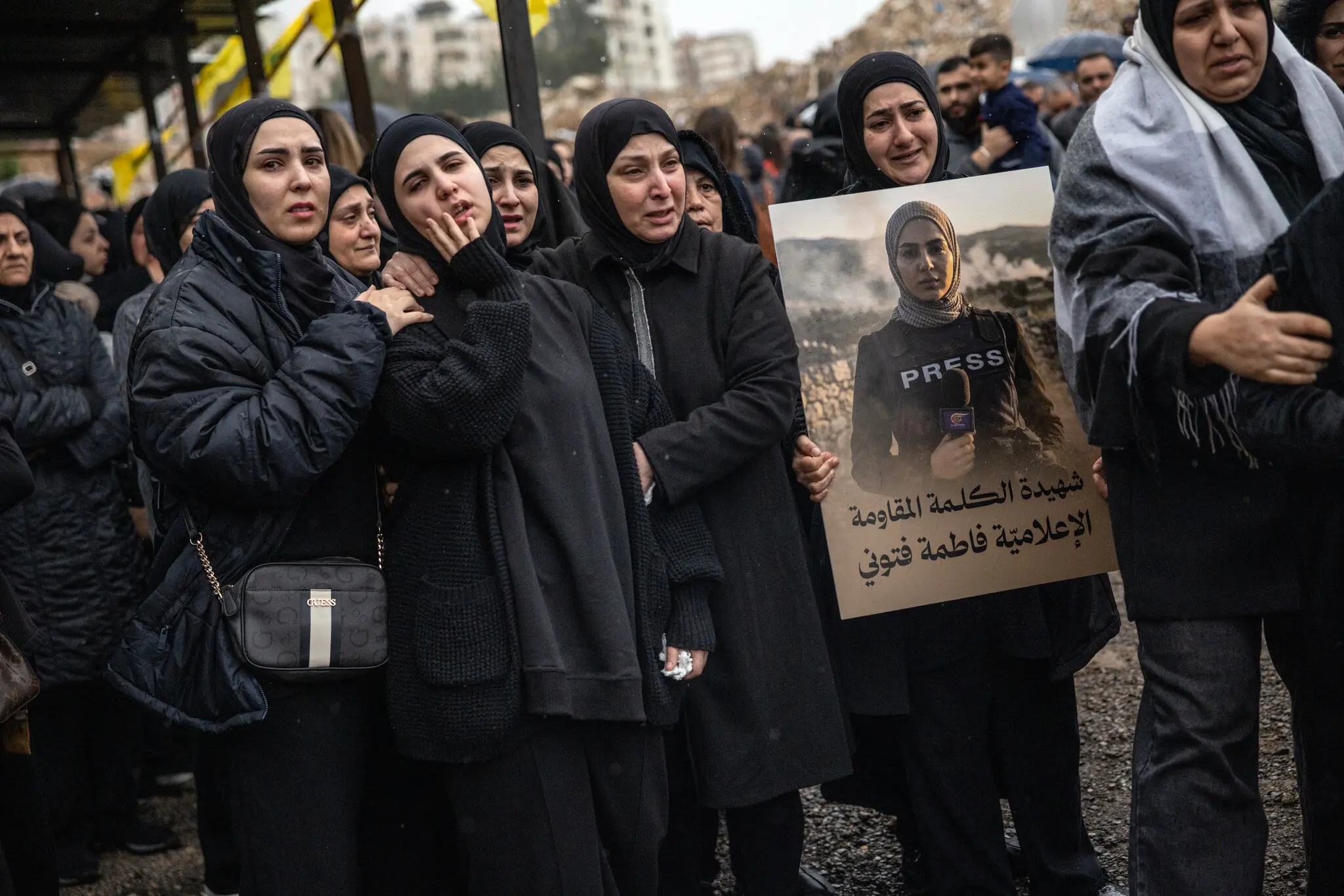
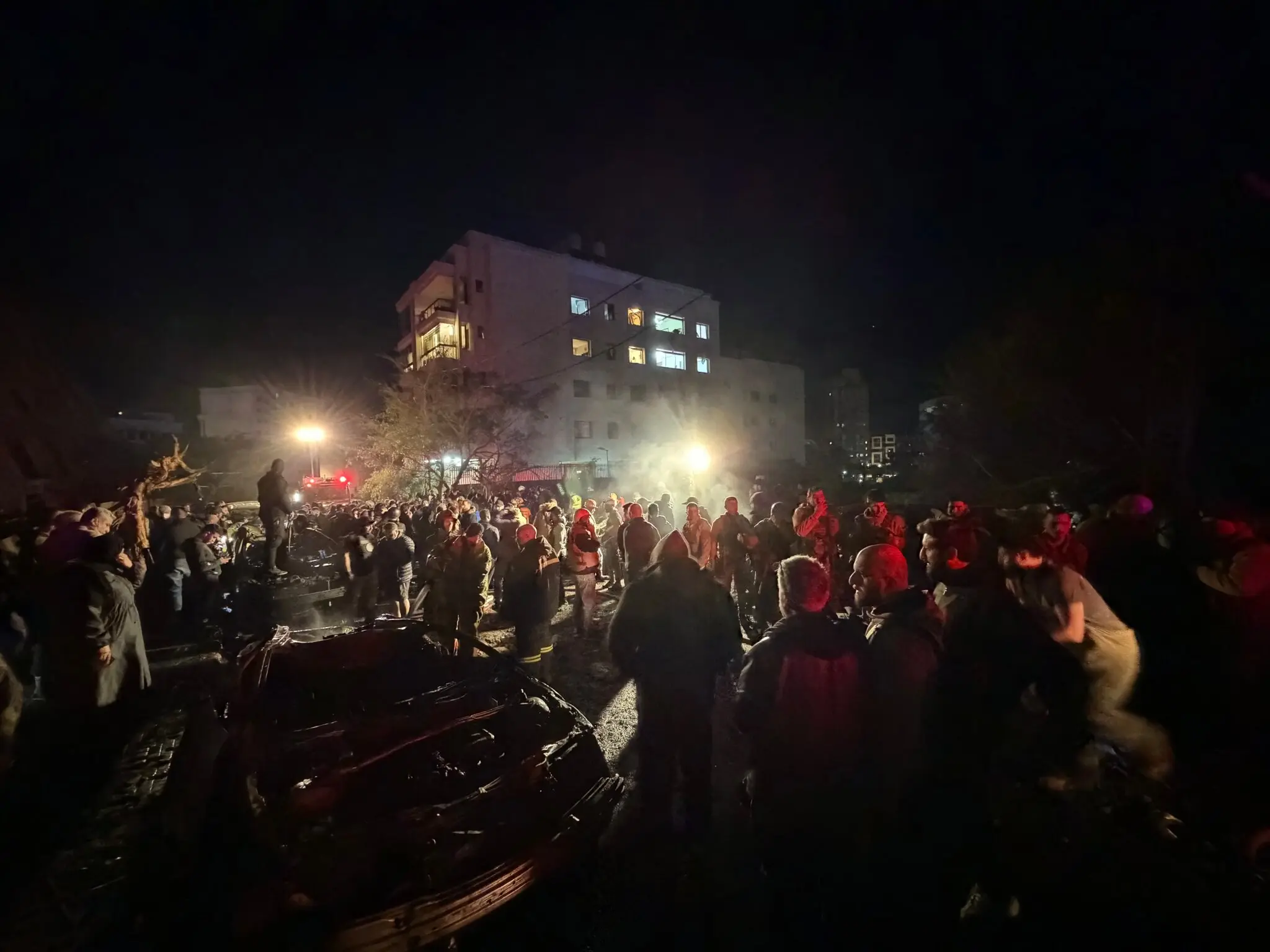
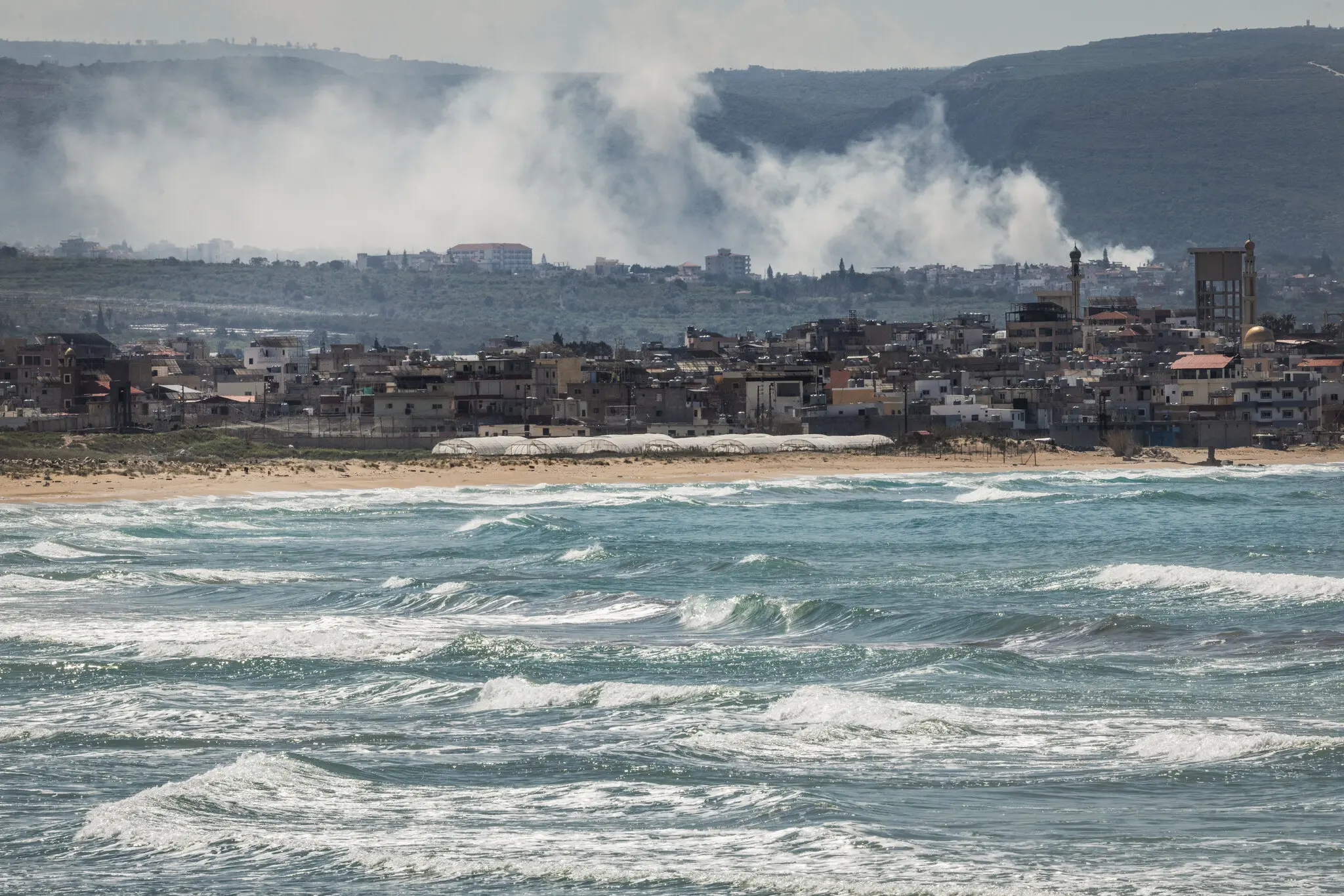
At the same time, the geography of the crisis is widening. Lebanon is increasingly turning from a secondary theater into a central front in its own right. The more aggressively Israel seeks to redefine security conditions along its northern border, the greater the chance that the war will begin reshaping not just the military map of the region, but its demography, transport routes and alliance structure.
Against that backdrop, Washington’s irritation with its allies looks less like temperament than like a warning sign. The longer the campaign lasts, the clearer the imbalance becomes: political responsibility, military cost and the impact of higher energy prices are concentrating ever more heavily on the United States. That is a dangerous design for a long war. Coalitions rarely fracture at the moment of the first strike. They fracture when the bill accumulates.
A month into the campaign, the emerging conclusion is uncomfortable but hard to avoid. Bombing can destroy infrastructure quickly, but it is far slower at breaking political will or eliminating an enemy’s capacity to inflict limited yet meaningful damage. Iran is weaker, but not silent. The United States is stronger, but no longer insulated from the cost of its own strength.
That is why the next phase of the war is likely to be not the most intense, but the most expensive. Each new day may deliver a smaller military dividend and a larger economic, diplomatic and political cost. That is often the most dangerous moment in any campaign: when victory still appears visible on the map, but the price of that victory begins rising faster than its strategic value.









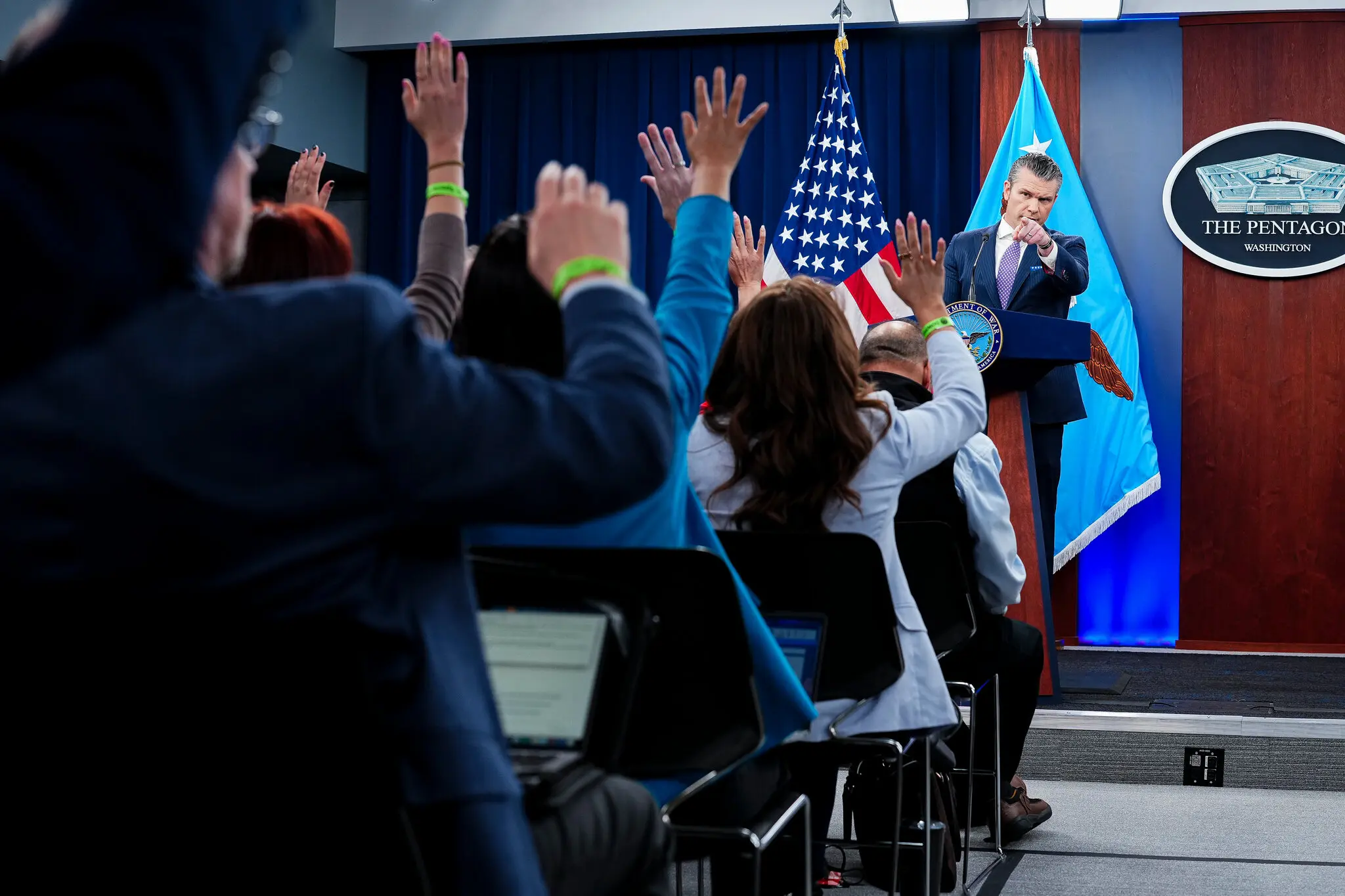 Міністр оборони США Піт Хегсет — Ерік Лі
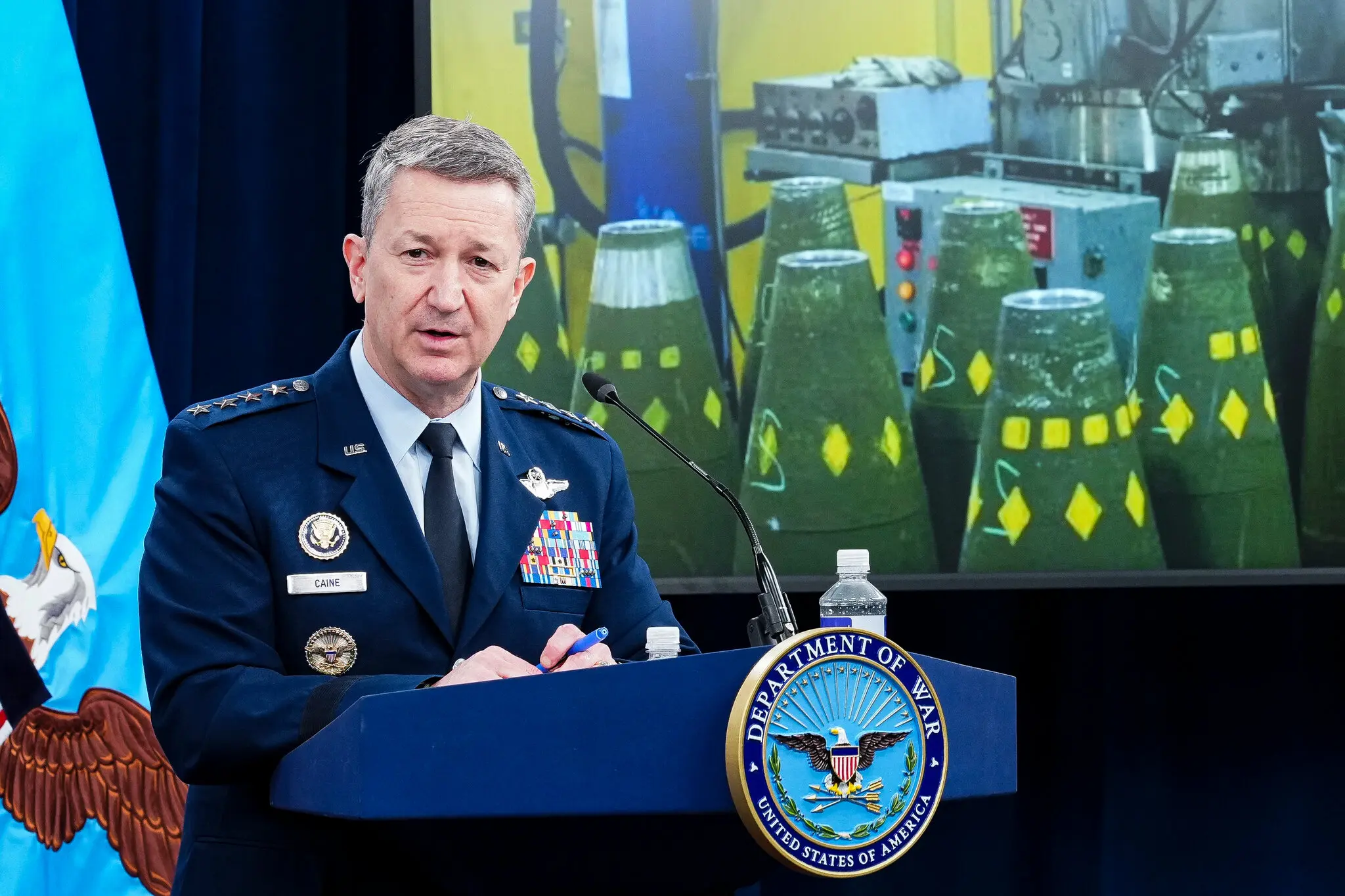 Генерал Ден Кейн — Ерік Лі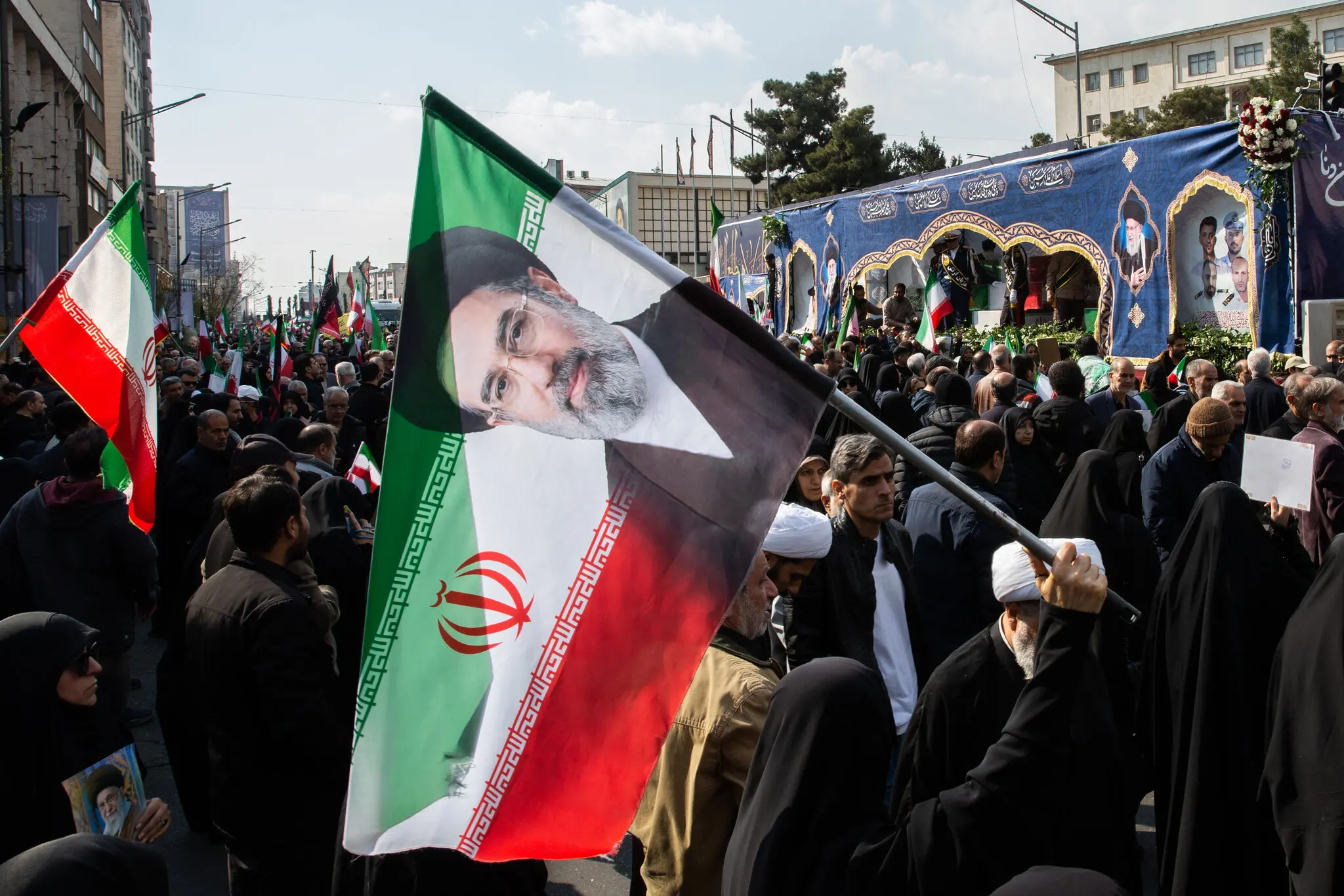
 Девід Гуттенфельдер
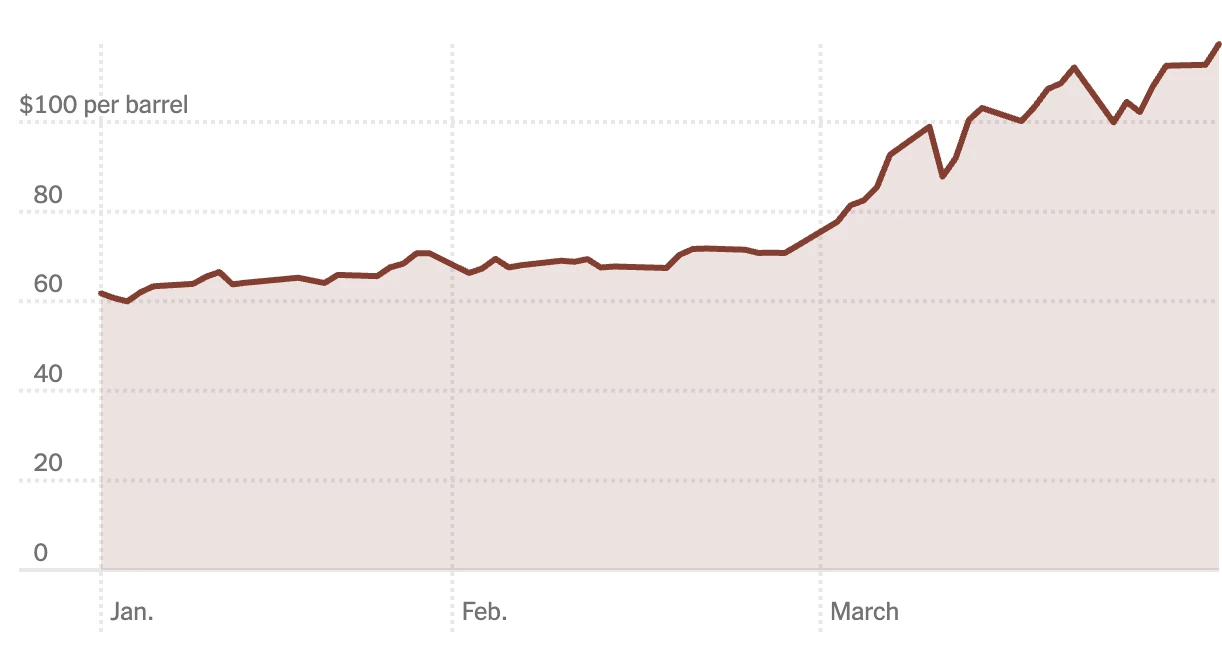 Примітки: Дані показують ціни ф'ючерсних контрактів на сиру нафту марки Brent. Дані затримуються щонайменше на 15 хвилин — Джерело: FactSet
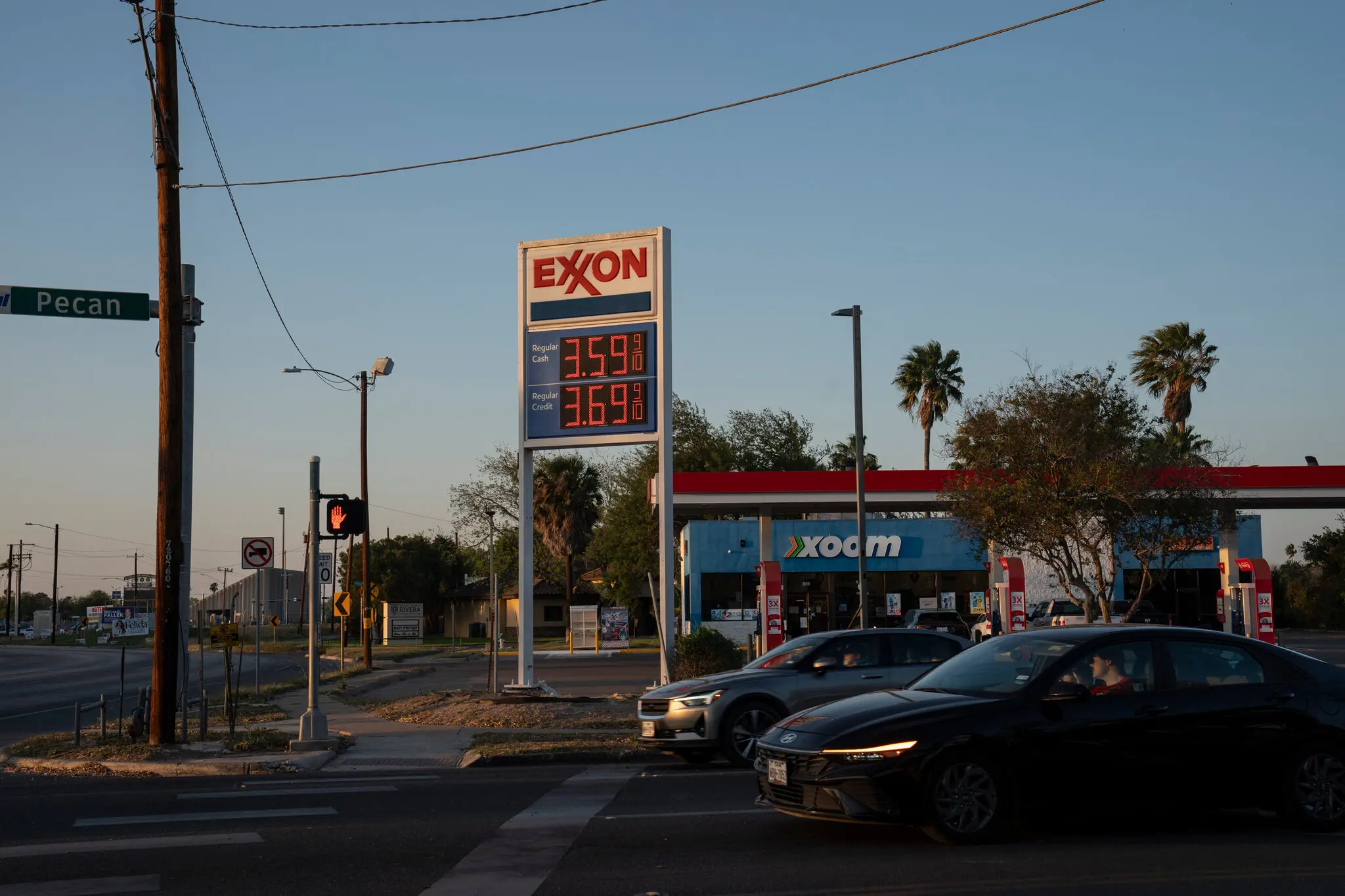 У вівторок середня ціна на бензин у Сполучених Штатах — Габріель Карденас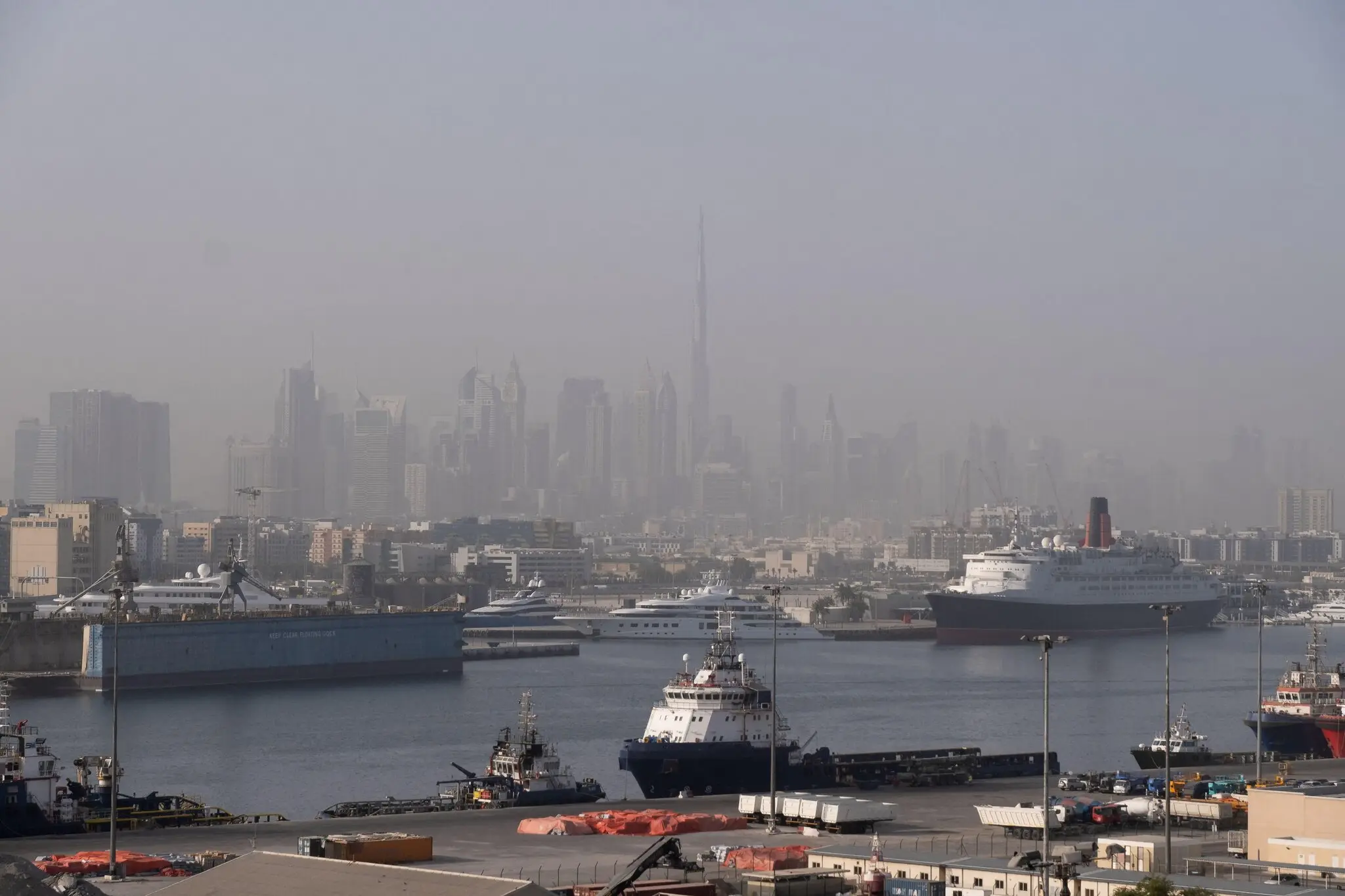


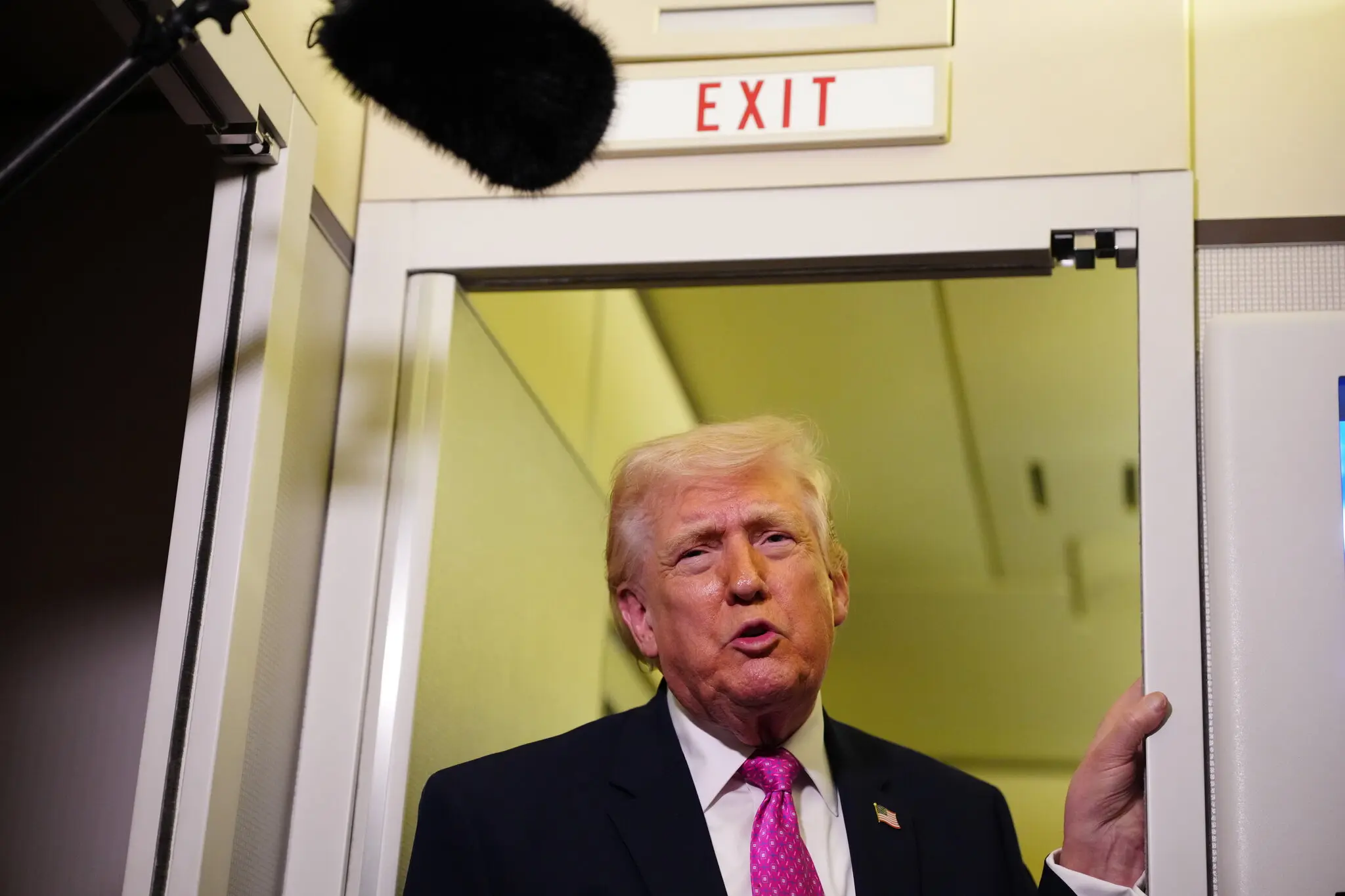 Президент Трамп та його адміністрація заявили, що в Ірані керує новий уряд, і наполягали на тому, щоб він швидко уклав угоду — Тірні Кросс
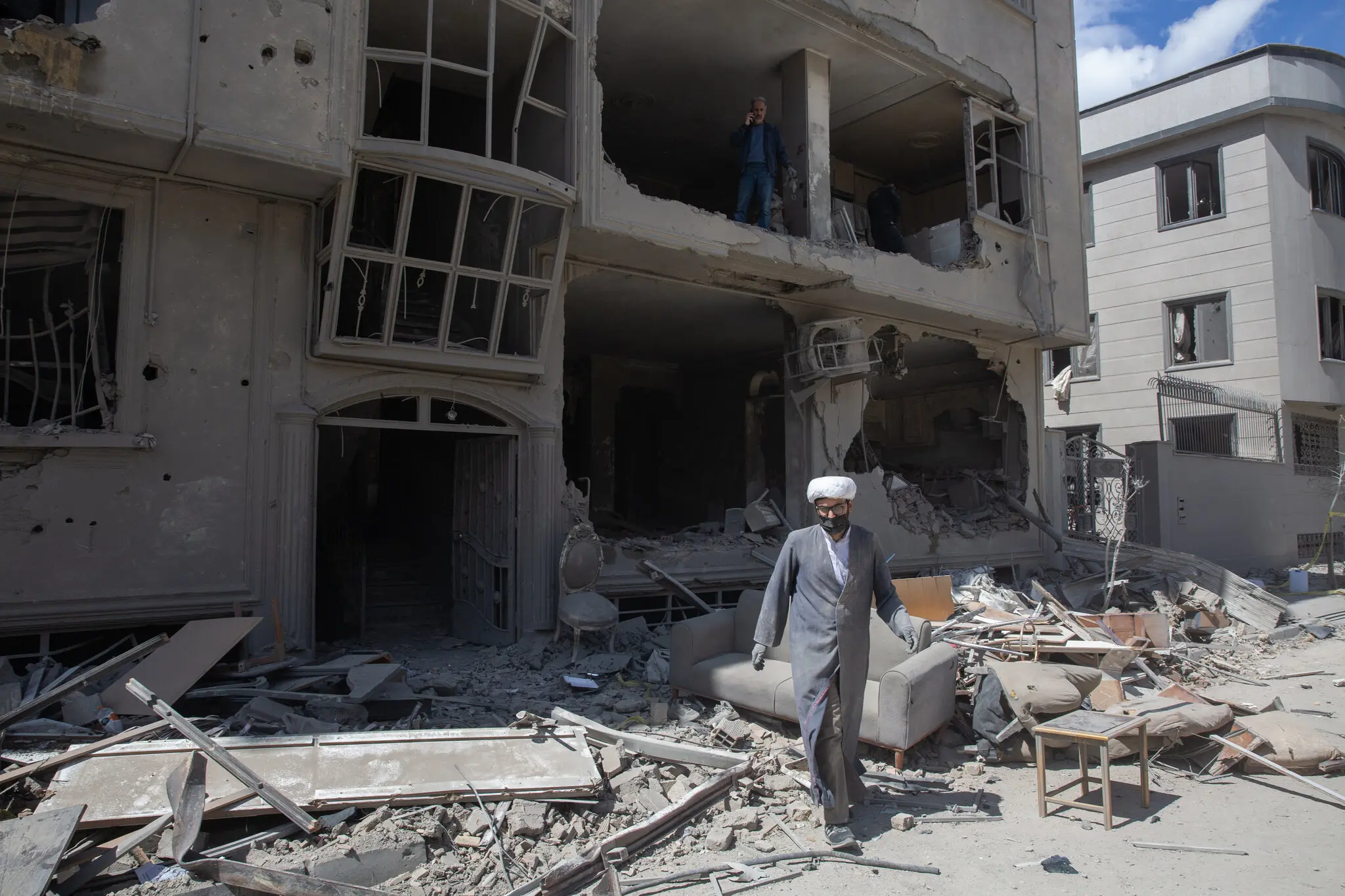 Наслідки ізраїльсько-американських авіаударів у Тегерані в понеділок — Араш Хамуші
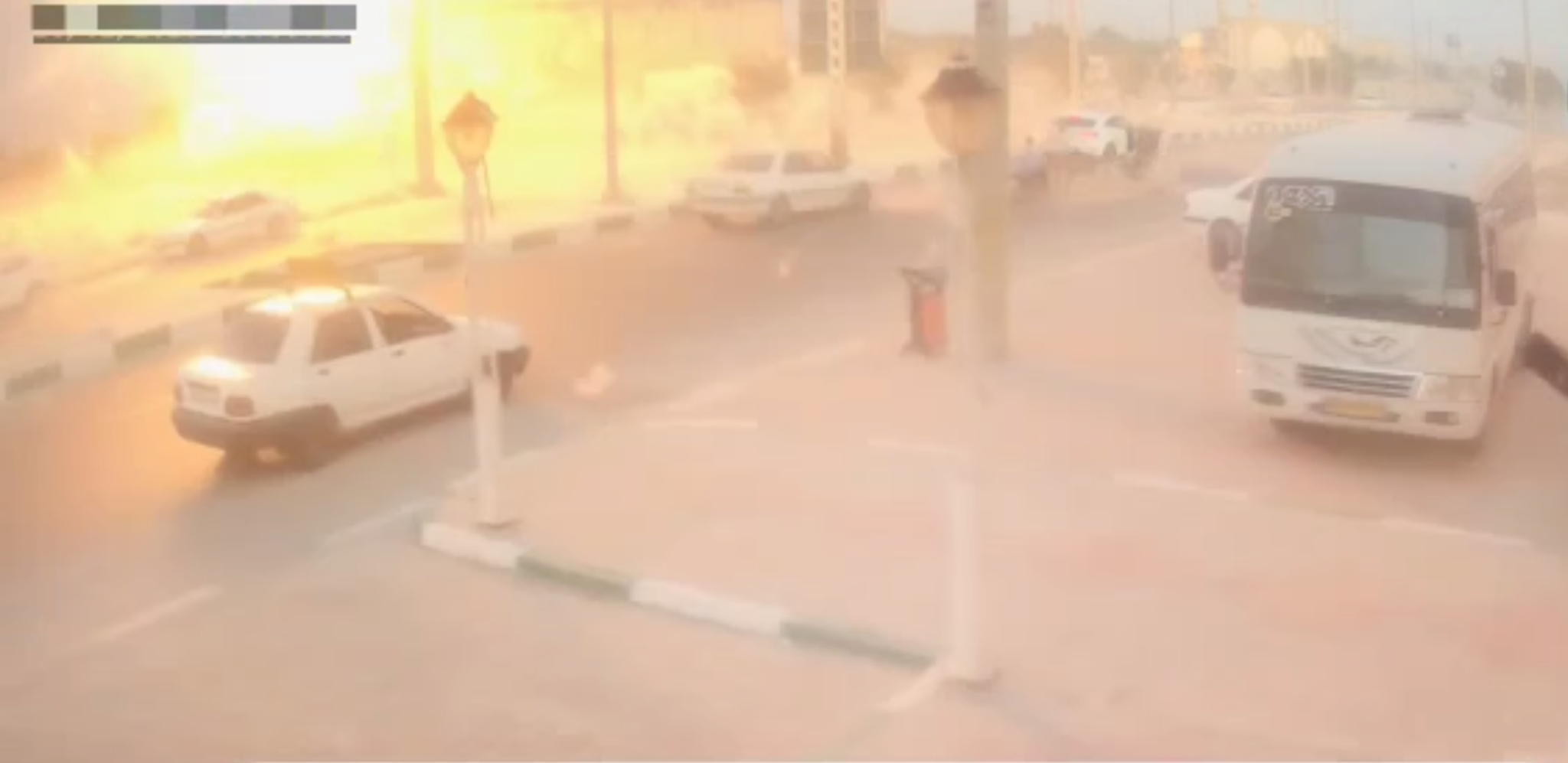
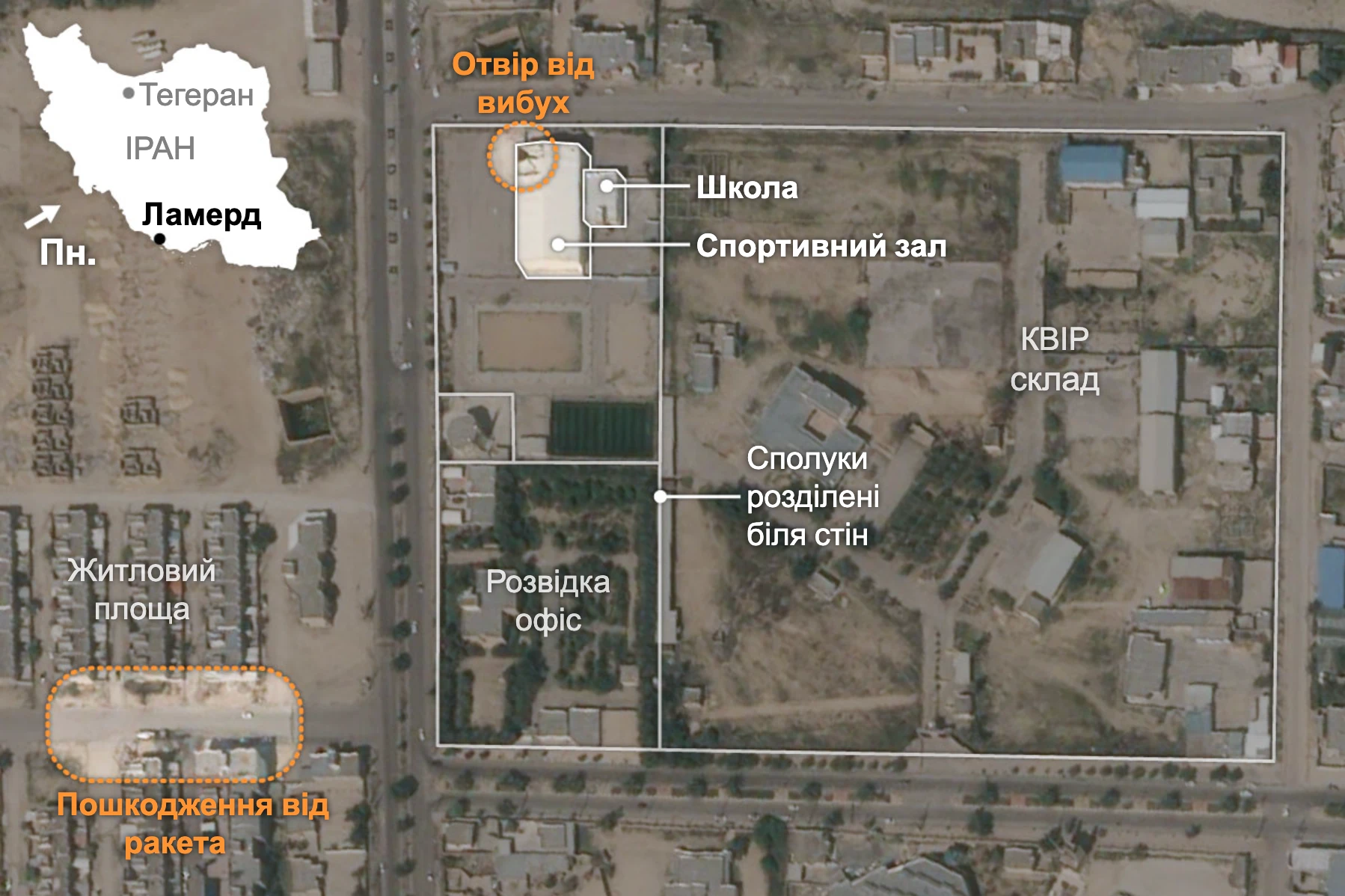 Супутникове зображення, зроблене Airbus DS 9 березня — Ліанн Абрахам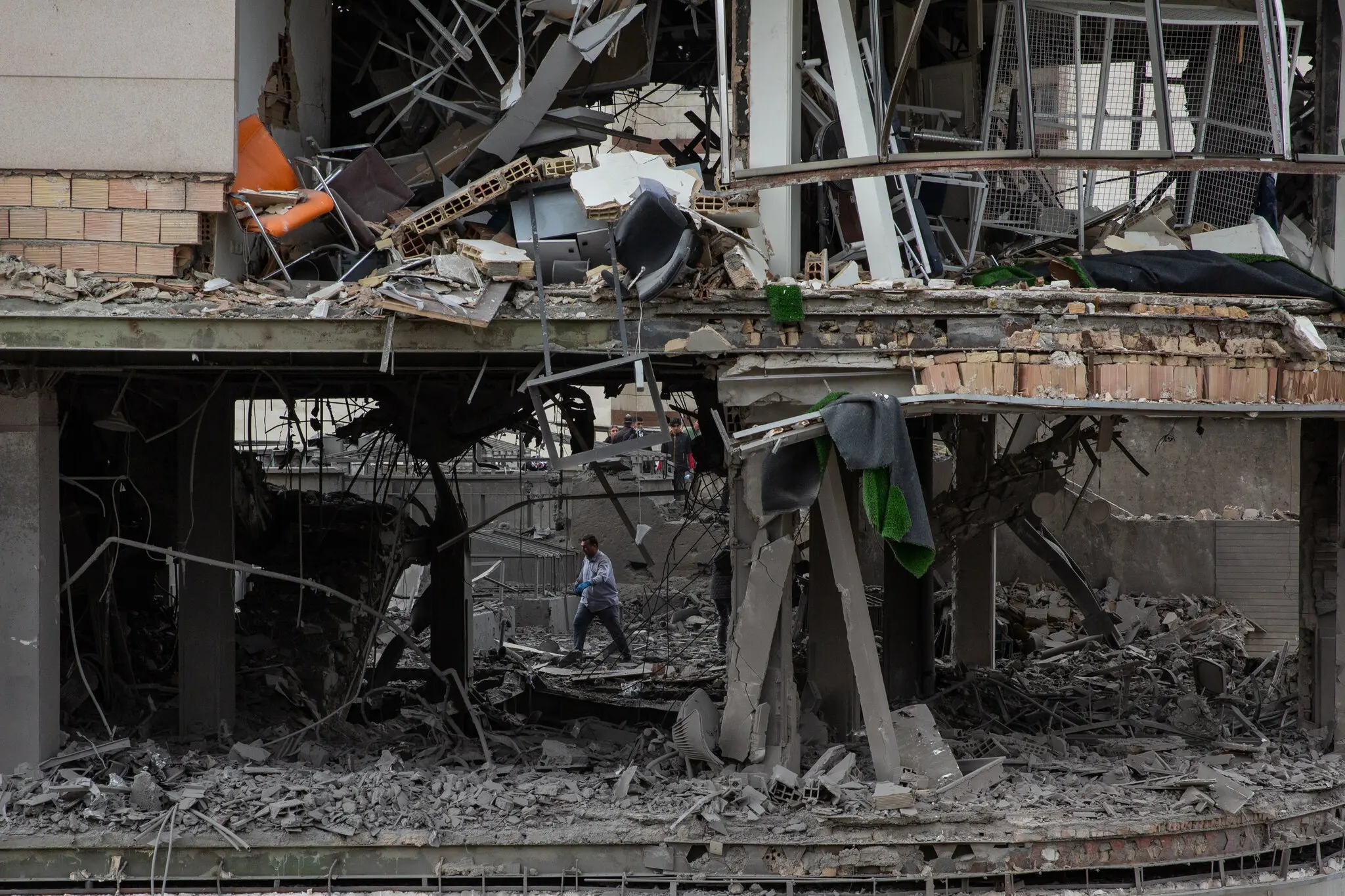

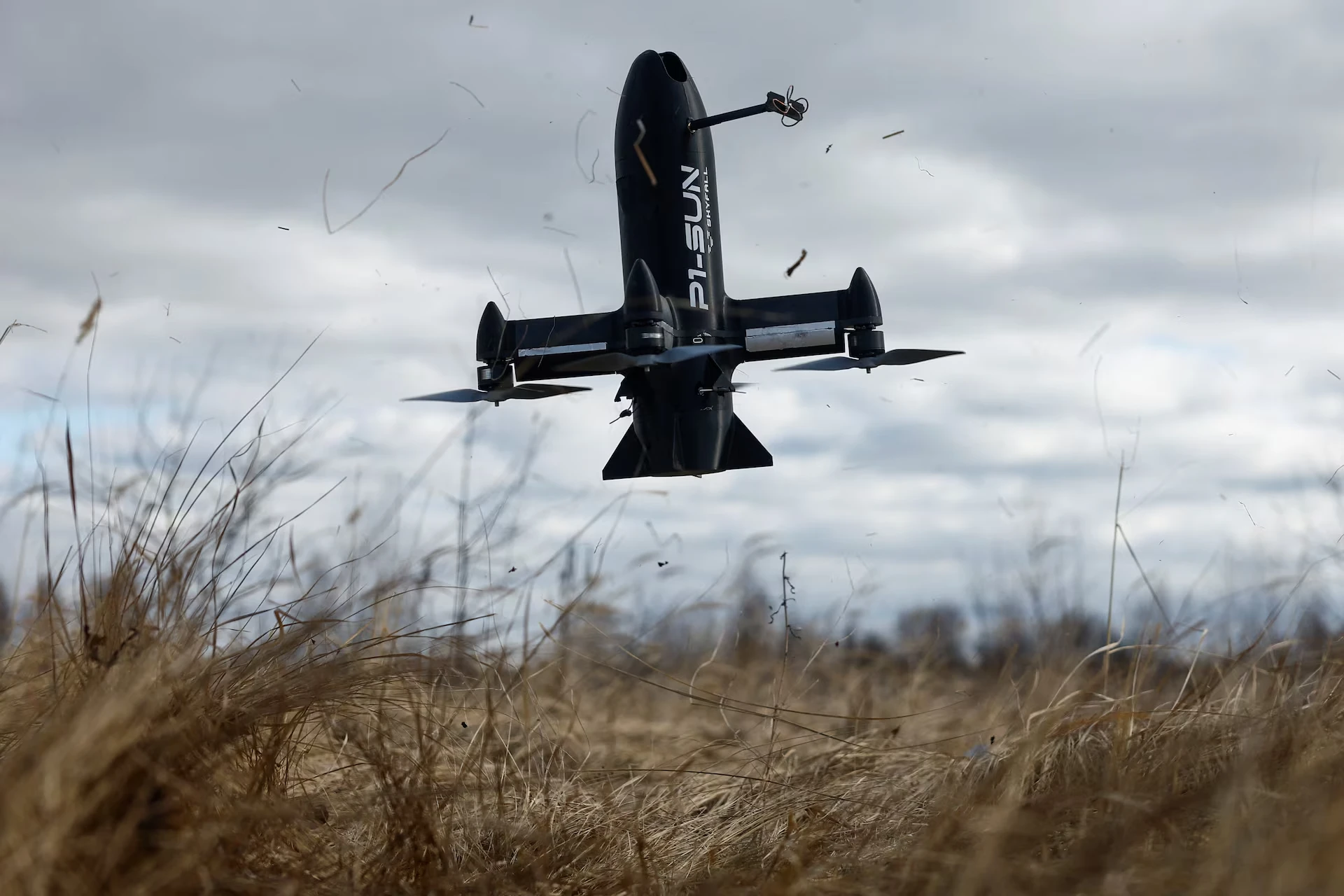
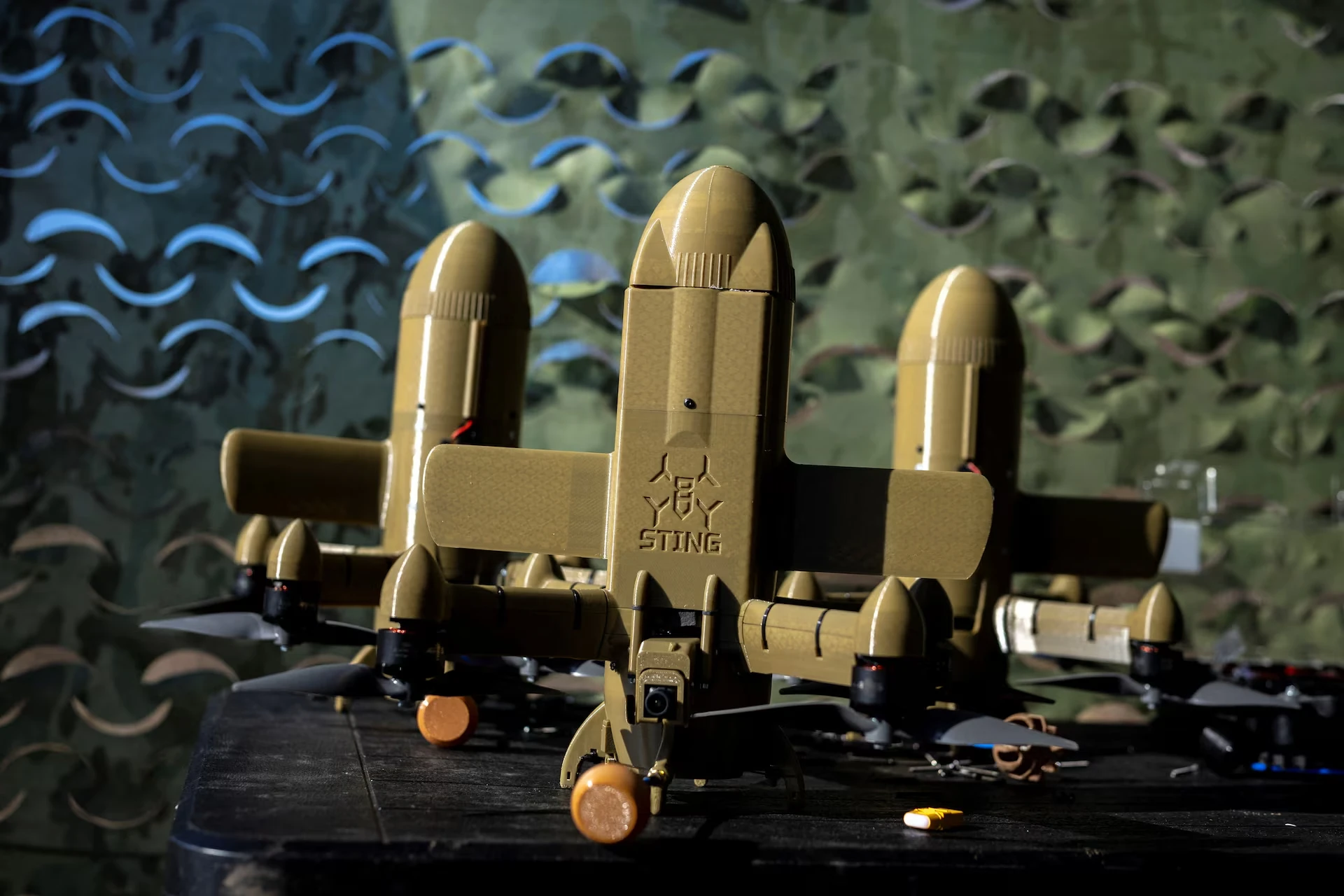
 Міністр закордонних справ України Андрій Сибіга показує міністру закордонних справ Ізраїлю Гідеону Саару російський безпілотник-камікадзе «Геран», копію безпілотного літального апарату «Шахед-136» іранського виробництва, на тлі нападу Росії на Україну, у Києві, Україна, 23 липня 2025 року — Валентин Огіренко