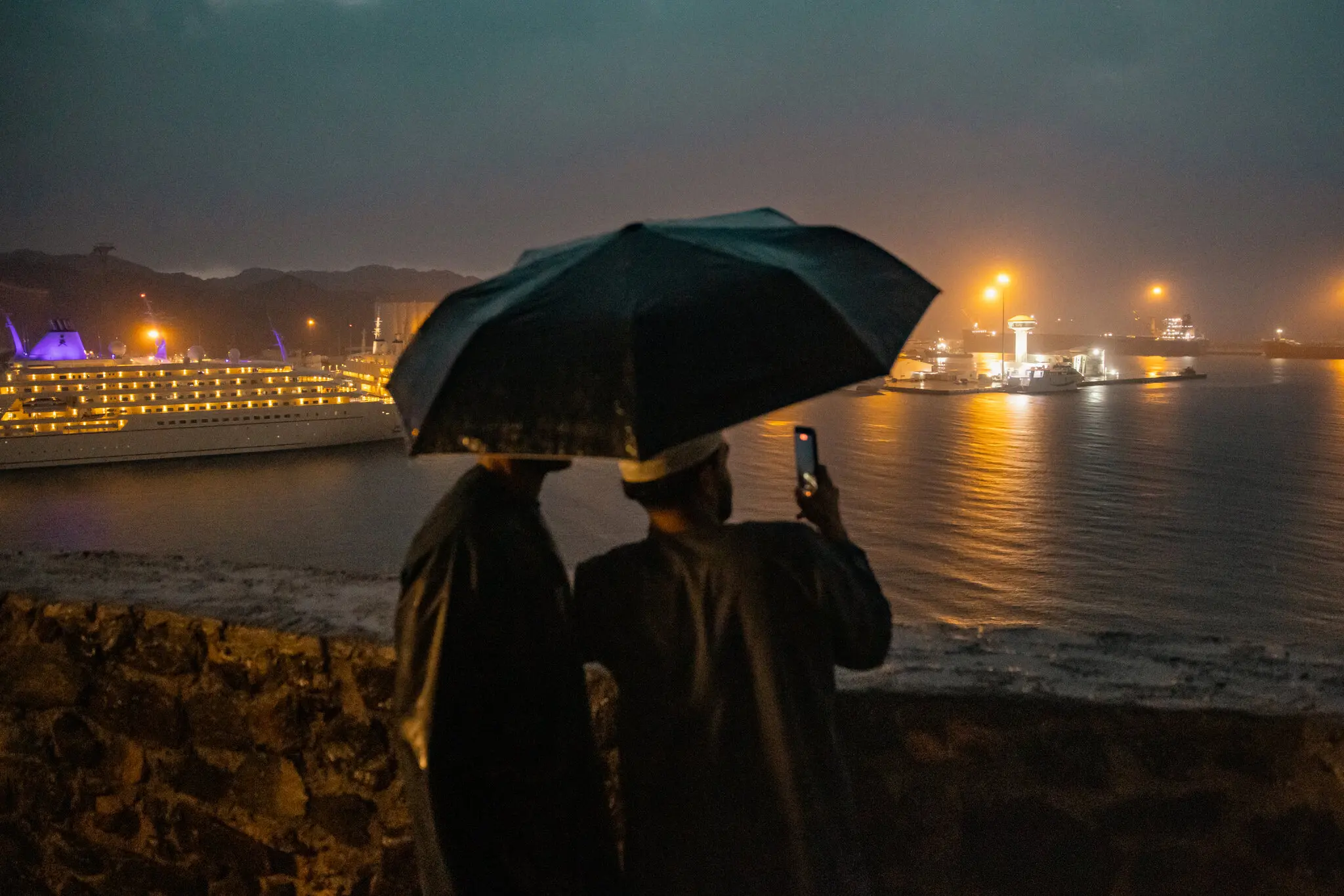























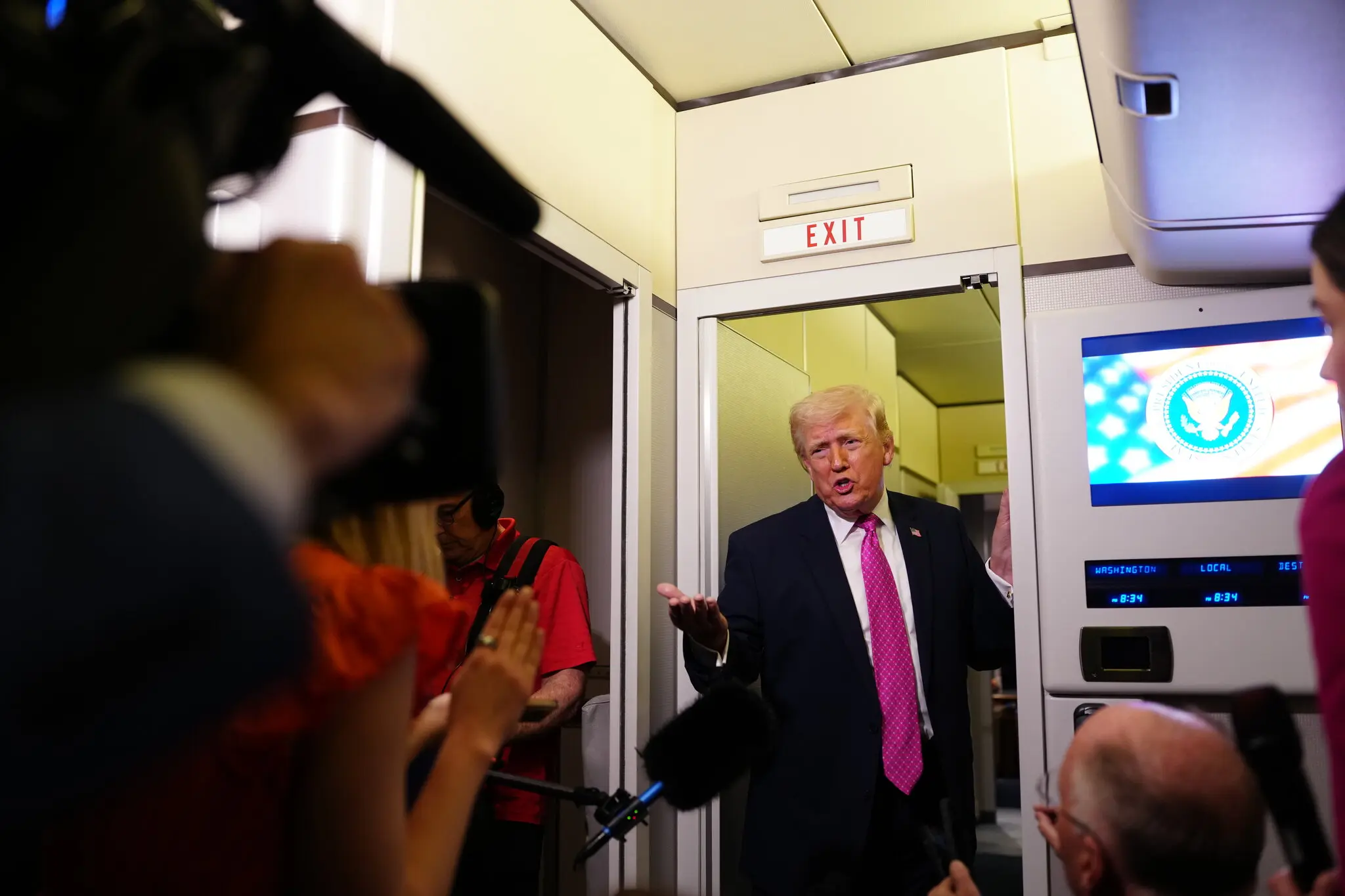
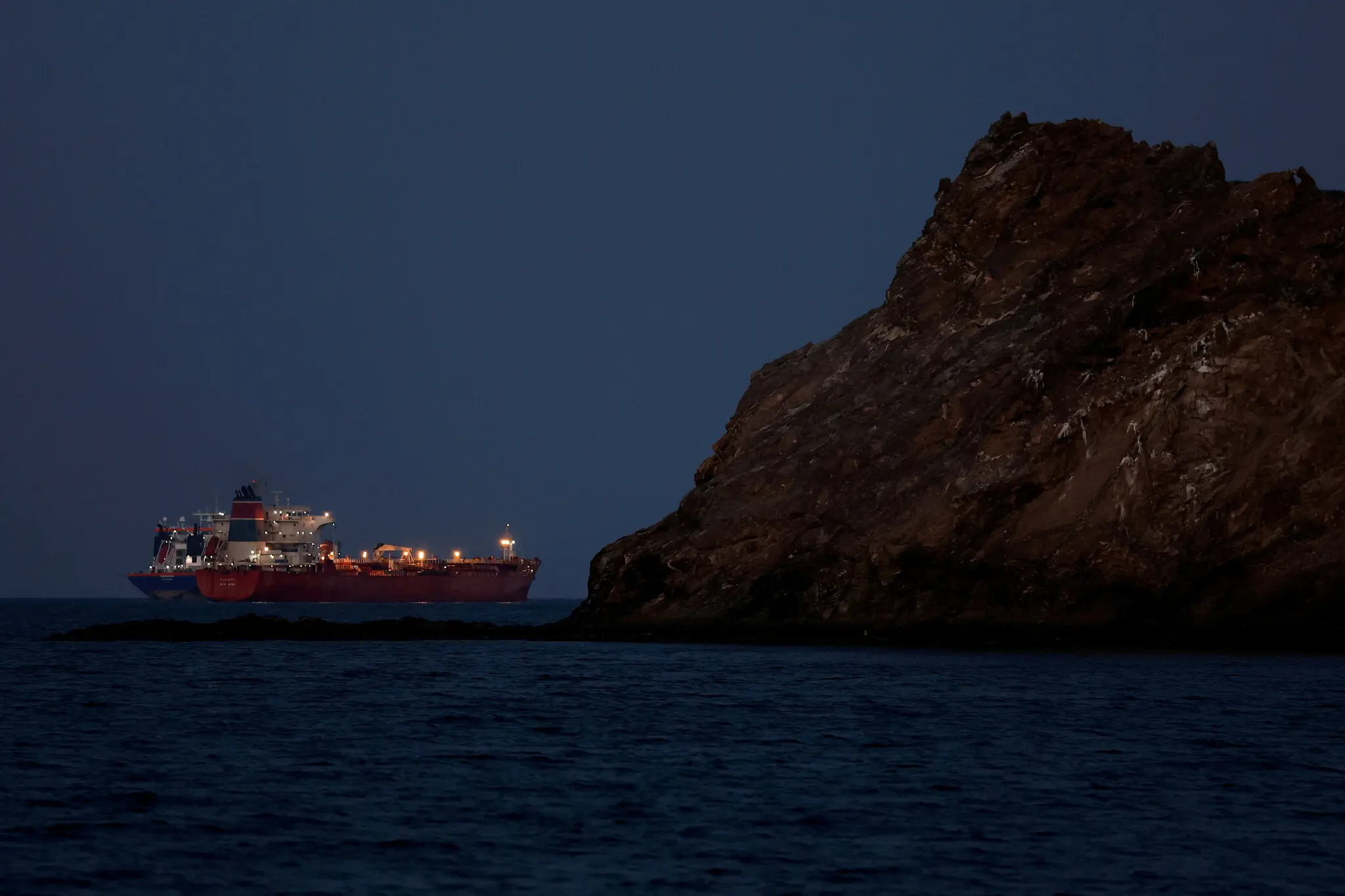
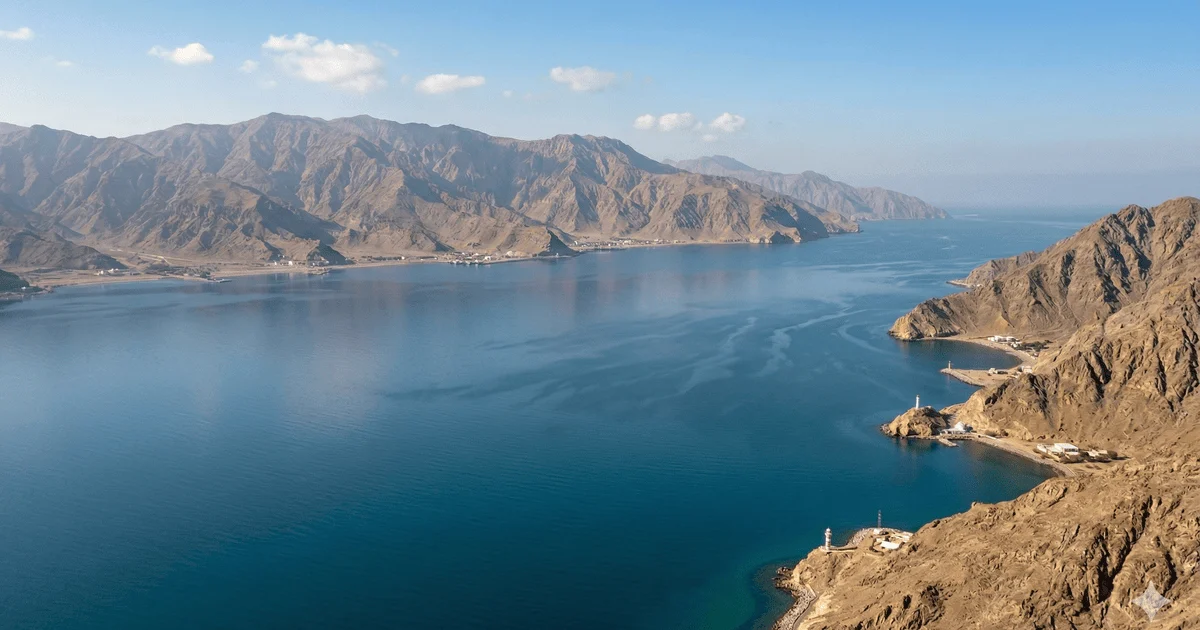
When President Trump said Iran would allow 20 more oil cargo ships to pass through the Strait of Hormuz as a “sign of respect” to the United States, he was trying to impose a political meaning on an event whose practical meaning remains far less flattering to Washington. In his telling, the move suggested that pressure was working and that negotiations to end the war were beginning to produce visible results. But even in the reporting around the announcement, key details were still unclear: whose ships these were, where they were headed, and whether this was the start of a genuine easing or only another tightly managed exception inside a larger blockade.
That uncertainty is the real story. The central fact is not that several more vessels may move through the narrow waterway between Iran and Oman. It is that movement through Hormuz now looks less like a matter of ordinary navigation than a political permission that can be granted, narrowed or revoked. AP reported days earlier that Iran had effectively begun formalizing a selective access regime in the strait, including routing ships through Iranian waters, demanding cargo and crew information, and in some cases collecting payments. If passage itself becomes conditional, then shipping is no longer just logistics. It becomes an instrument of coercive power.
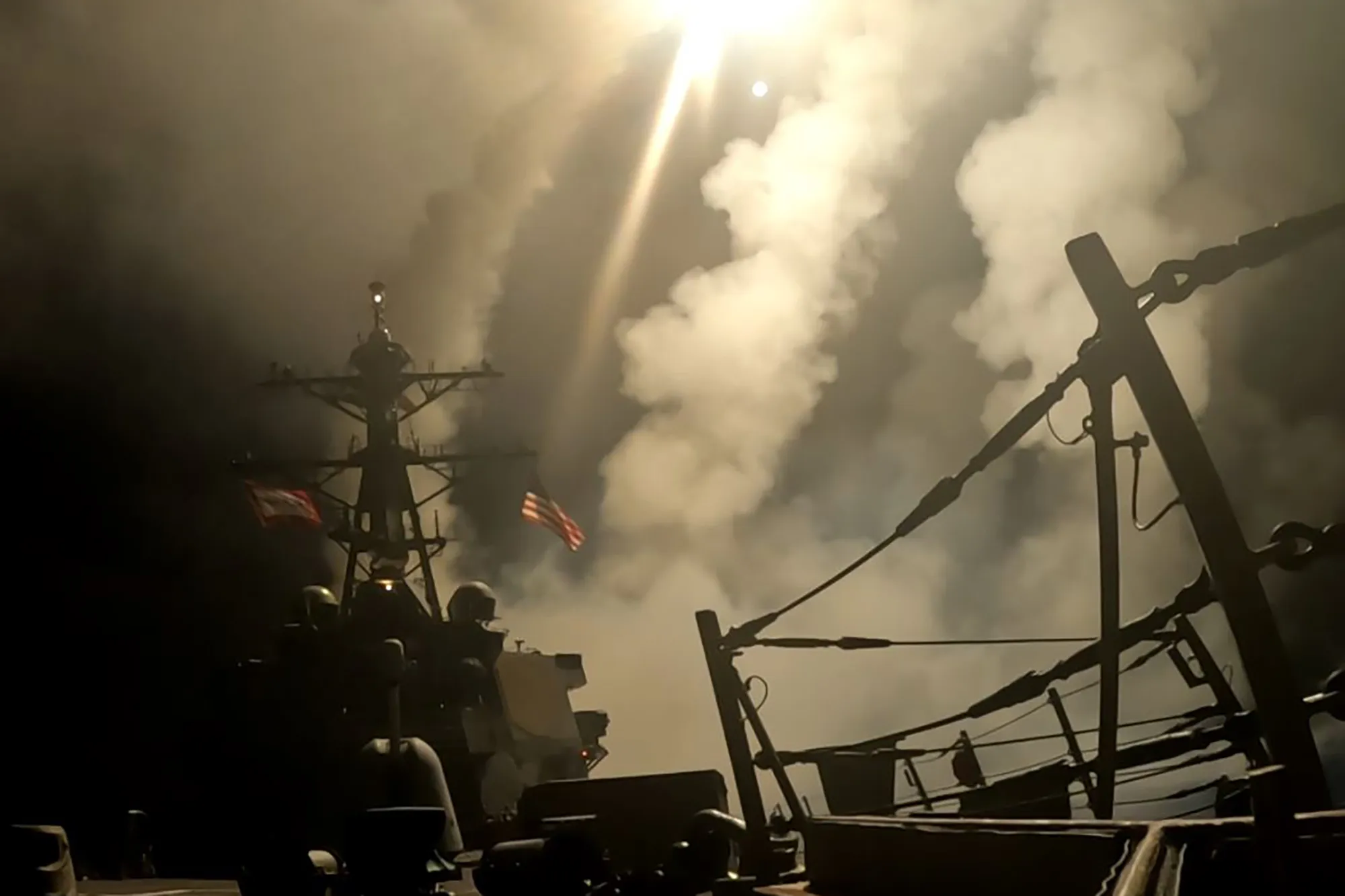
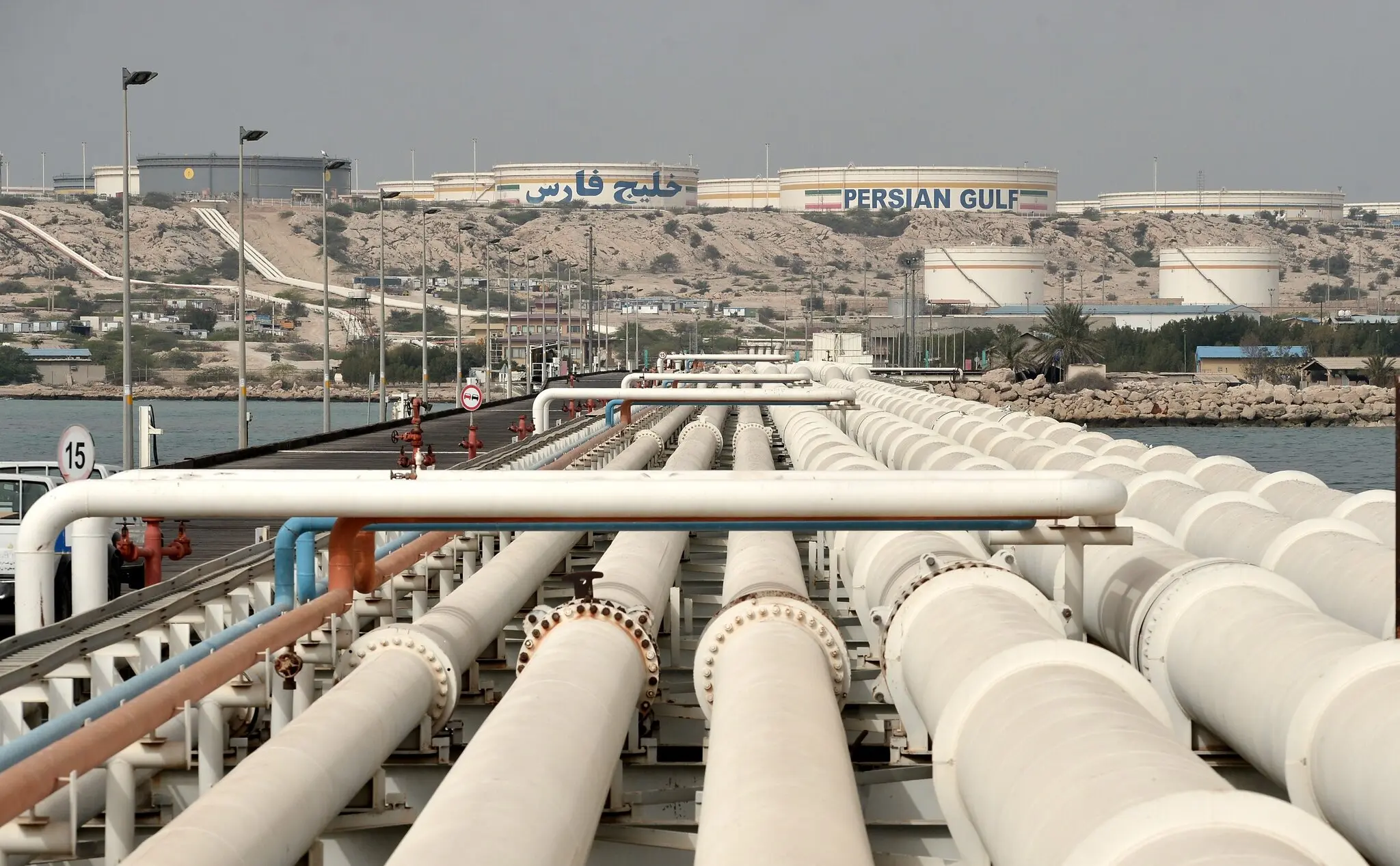
That matters because the war has plainly not receded. Fighting continued as Trump spoke, and the conflict has entered its second month. At the same time, Trump has been publicly floating new escalatory ideas, including the possibility of taking Kharg Island, Iran’s main oil export hub. A White House that truly believed tanker traffic marked a durable diplomatic breakthrough would not also be advertising additional paths to expansion. The coexistence of limited transit, ongoing strikes and fresh military threats makes the supposed gesture of “respect” look less like de-escalation than like bargaining conducted under fire.
When President Trump said Iran would allow 20 more oil cargo ships to pass through the Strait of Hormuz as a “sign of respect” to the United States, he was trying to impose a political meaning on an event whose practical meaning remains far less flattering to Washington. In his telling, the move suggested that pressure was working and that negotiations to end the war were beginning to produce visible results. But even in the reporting around the announcement, key details were still unclear: whose ships these were, where they were headed, and whether this was the start of a genuine easing or only another tightly managed exception inside a larger blockade.
That uncertainty is the real story. The central fact is not that several more vessels may move through the narrow waterway between Iran and Oman. It is that movement through Hormuz now looks less like a matter of ordinary navigation than a political permission that can be granted, narrowed or revoked. AP reported days earlier that Iran had effectively begun formalizing a selective access regime in the strait, including routing ships through Iranian waters, demanding cargo and crew information, and in some cases collecting payments. If passage itself becomes conditional, then shipping is no longer just logistics. It becomes an instrument of coercive power.
That matters because the war has plainly not receded. Fighting continued as Trump spoke, and the conflict has entered its second month. At the same time, Trump has been publicly floating new escalatory ideas, including the possibility of taking Kharg Island, Iran’s main oil export hub. A White House that truly believed tanker traffic marked a durable diplomatic breakthrough would not also be advertising additional paths to expansion. The coexistence of limited transit, ongoing strikes and fresh military threats makes the supposed gesture of “respect” look less like de-escalation than like bargaining conducted under fire.
As Daycom sees it, Trump is trying to convert a structural Western vulnerability into a personal diplomatic trophy. This is one of his oldest political habits: to describe an adversary’s tactical concession as proof of his own authority. But the louder the White House speaks of “respect,” the clearer another reality becomes. The basic frame of the crisis still appears to be set not by Washington, but by Tehran. Iran is the actor that can tighten access, selectively loosen it, and force the world to read each ship movement as a signal.
The economic significance of that leverage is hard to overstate. The U.S. Energy Information Administration says oil flows through the Strait of Hormuz averaged about 20 million barrels a day in 2024, roughly 20 percent of global petroleum liquids consumption. The International Energy Agency similarly describes Hormuz as one of the world’s most critical oil transit chokepoints, with about 20 million barrels a day of crude oil and oil products moving through it in 2025. Even if the United States is less directly exposed than Asia or Europe, the price of oil is set in a global market, not in the logic of any one country’s political messaging.
That is why the story of “20 ships” is best understood as a struggle over interpretation. For Trump, it is meant to demonstrate that Iran is already responding to force with concessions. For Iran, selective passage demonstrates something different: that it can block, inspect, filter and release traffic on terms that keep the rest of the world off balance. Monday’s reported successful transit of large commercial vessels may point to a shift in conditions, but not necessarily to freedom of navigation in any meaningful sense. A selective opening is still a form of control.
The diplomatic backdrop offers little basis for triumphalism. Pakistan has presented itself as a possible venue for talks, while Iran has simultaneously rejected the U.S. ceasefire proposal as excessive and denied the existence of direct negotiations. That is not the language of settlement. It is the language of transactional contact under conditions of continuing escalation. In wars like this, temporary relief is rarely a sign that the conflict is losing intensity. More often, it is a way of reallocating pressure.
So the most important news is not that 20 ships may pass. It is that the Strait of Hormuz has become the operating language of the war itself. As long as one side can present limited tanker movement as a diplomatic gift while the other uses the same movement to demonstrate sovereign control, no easing will feel final. For energy markets, for U.S. allies and for Trump’s own strategy, that means the current phase may be more dangerous than a simple blockade. It creates the appearance of normalization where what actually persists is a battle over who gets to switch the global flow on and off.

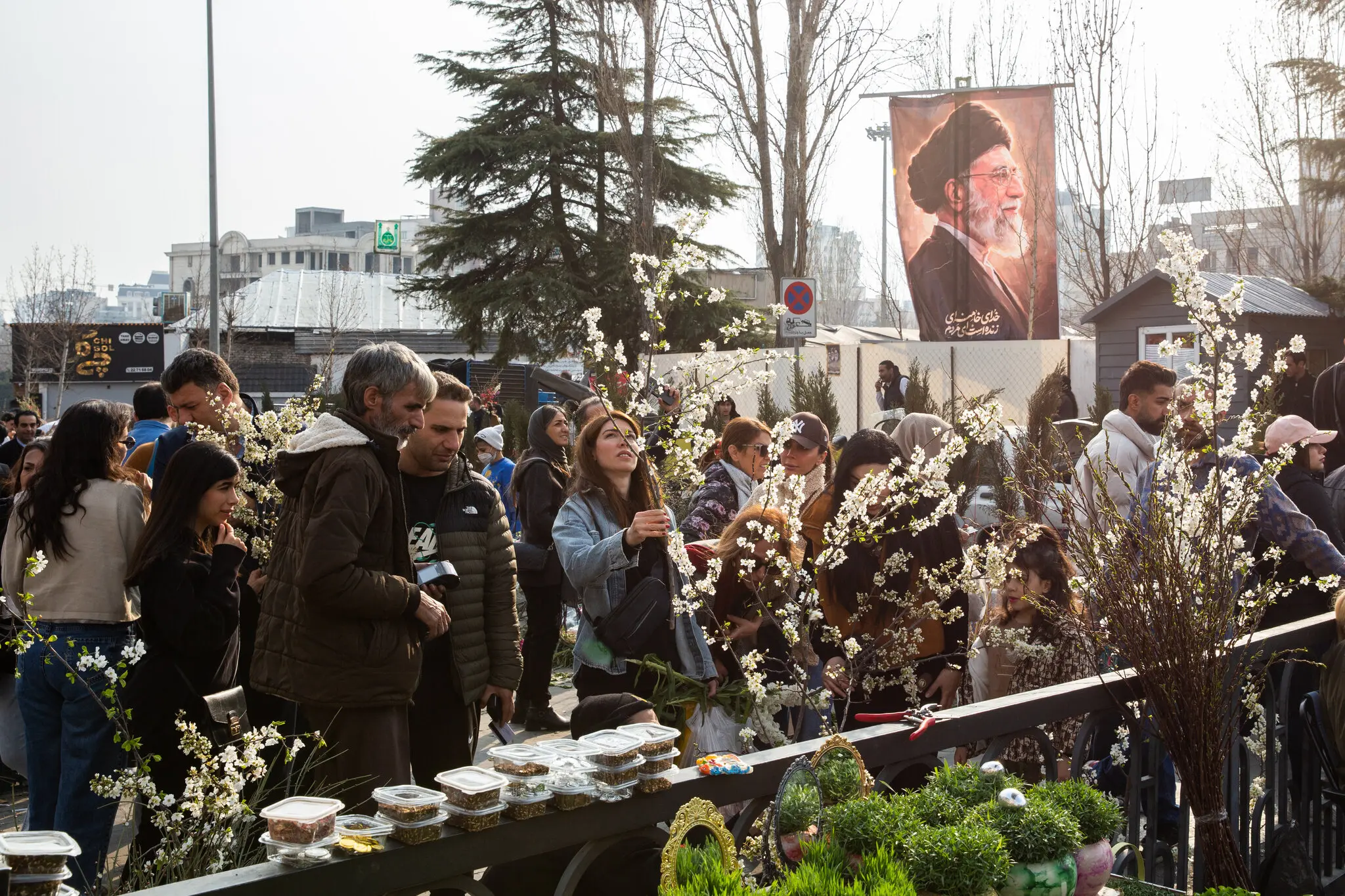


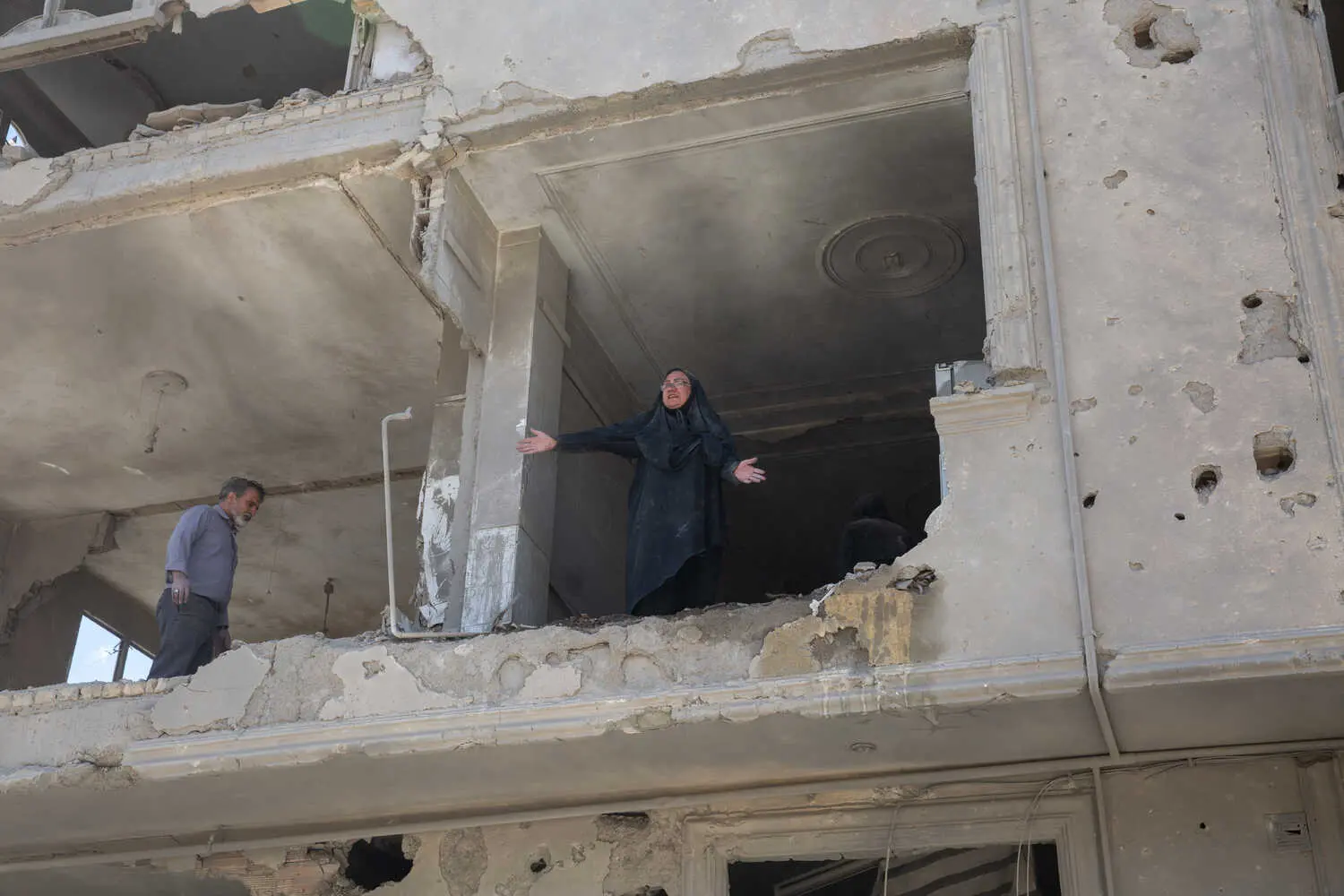

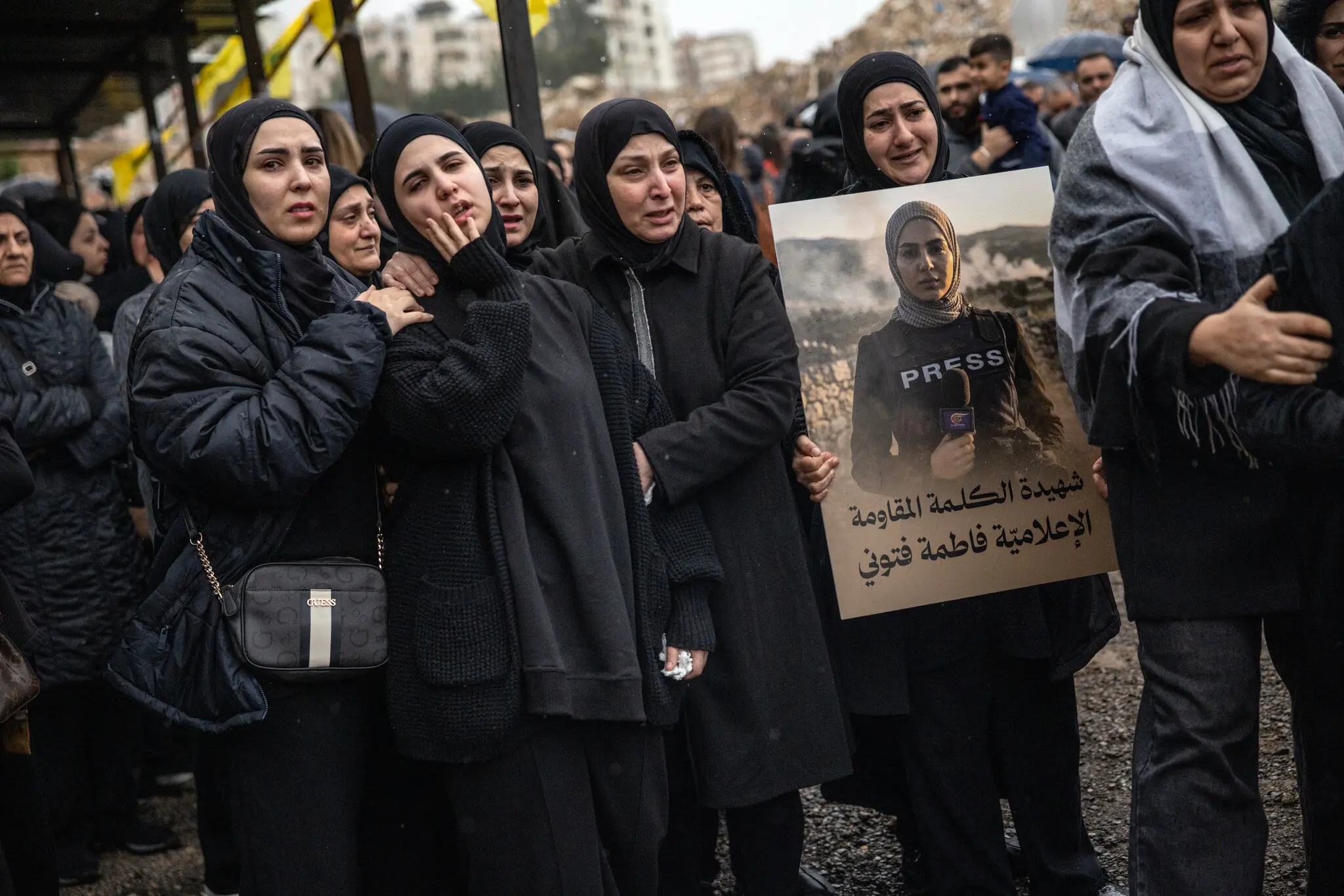
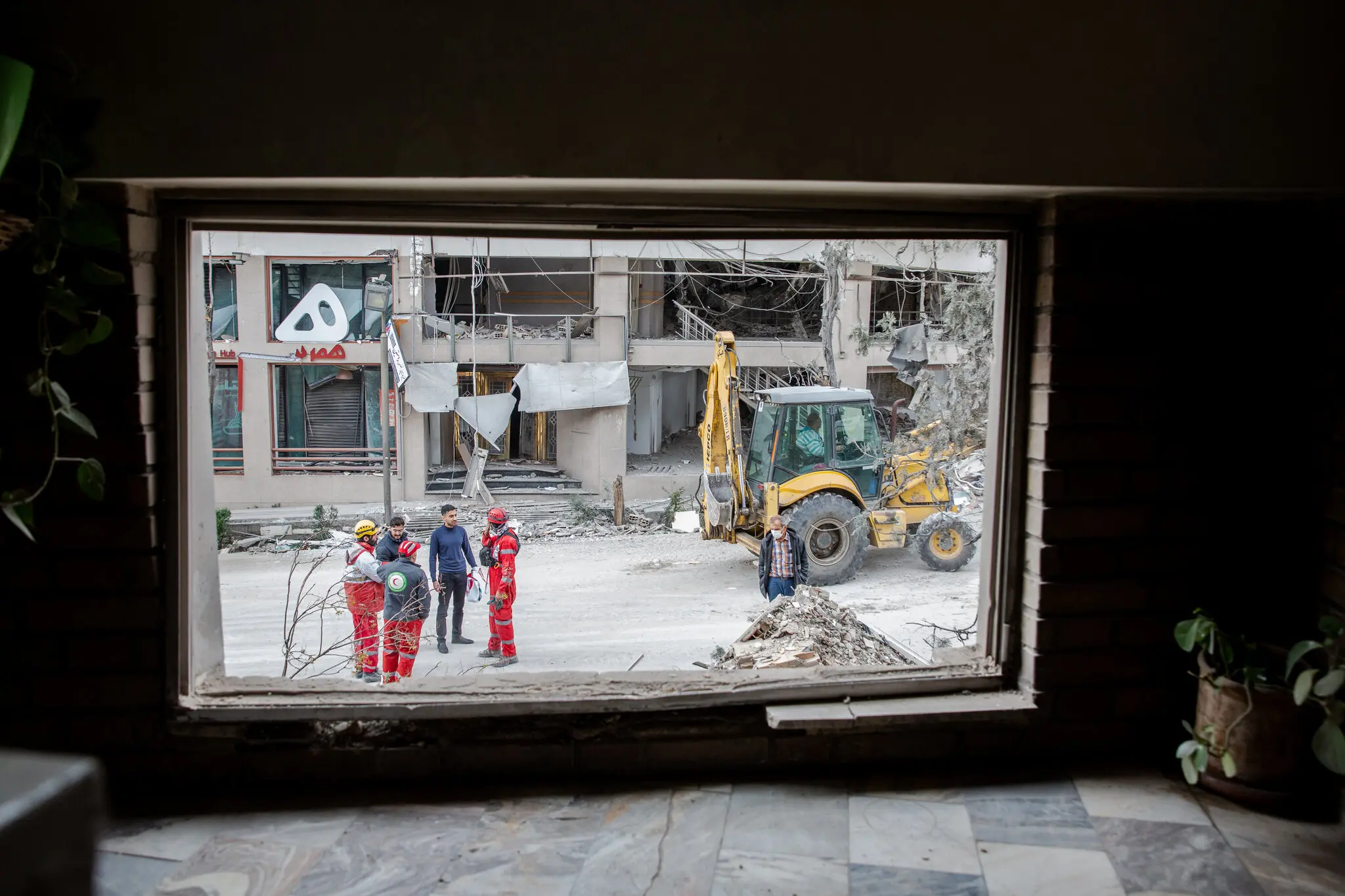

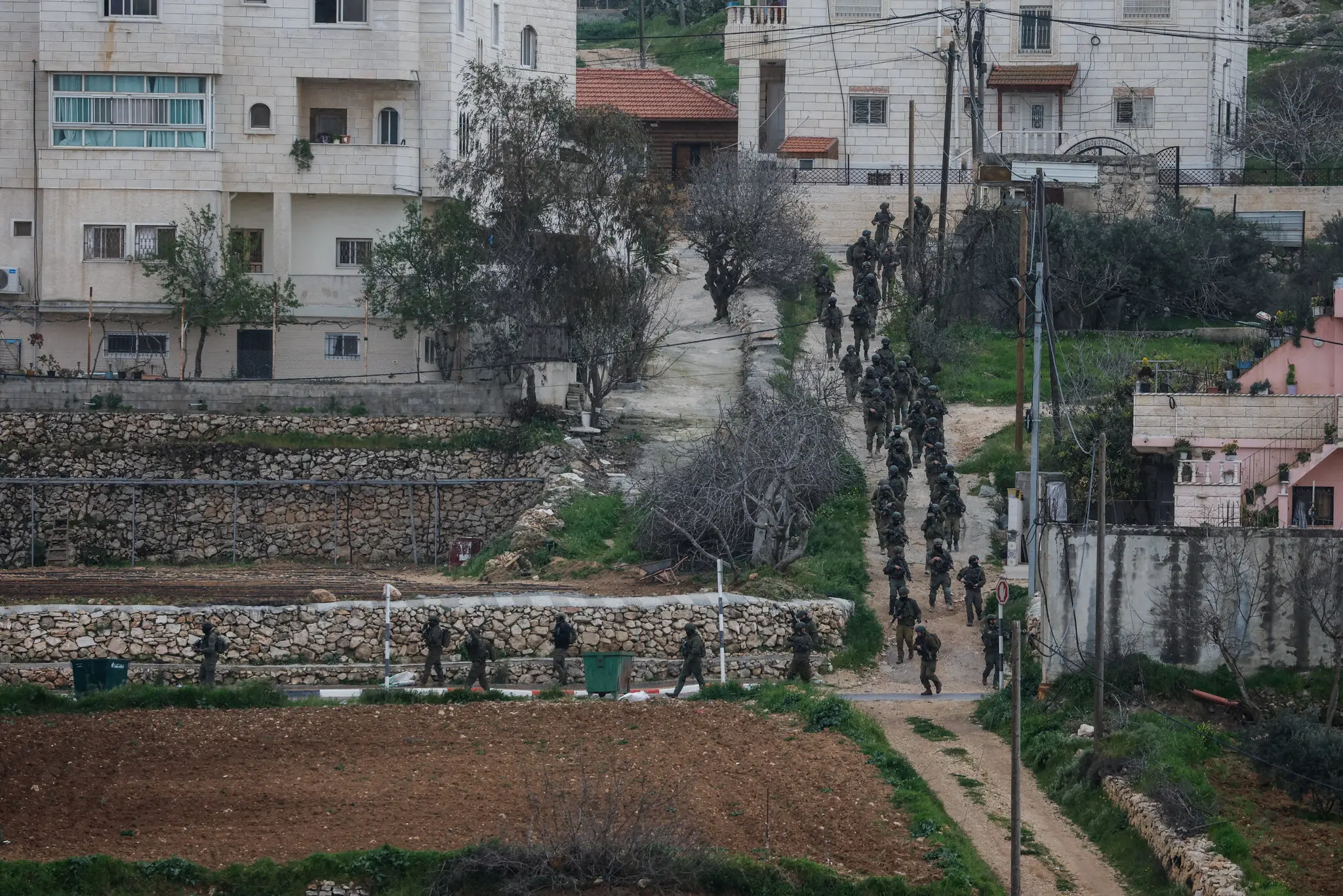



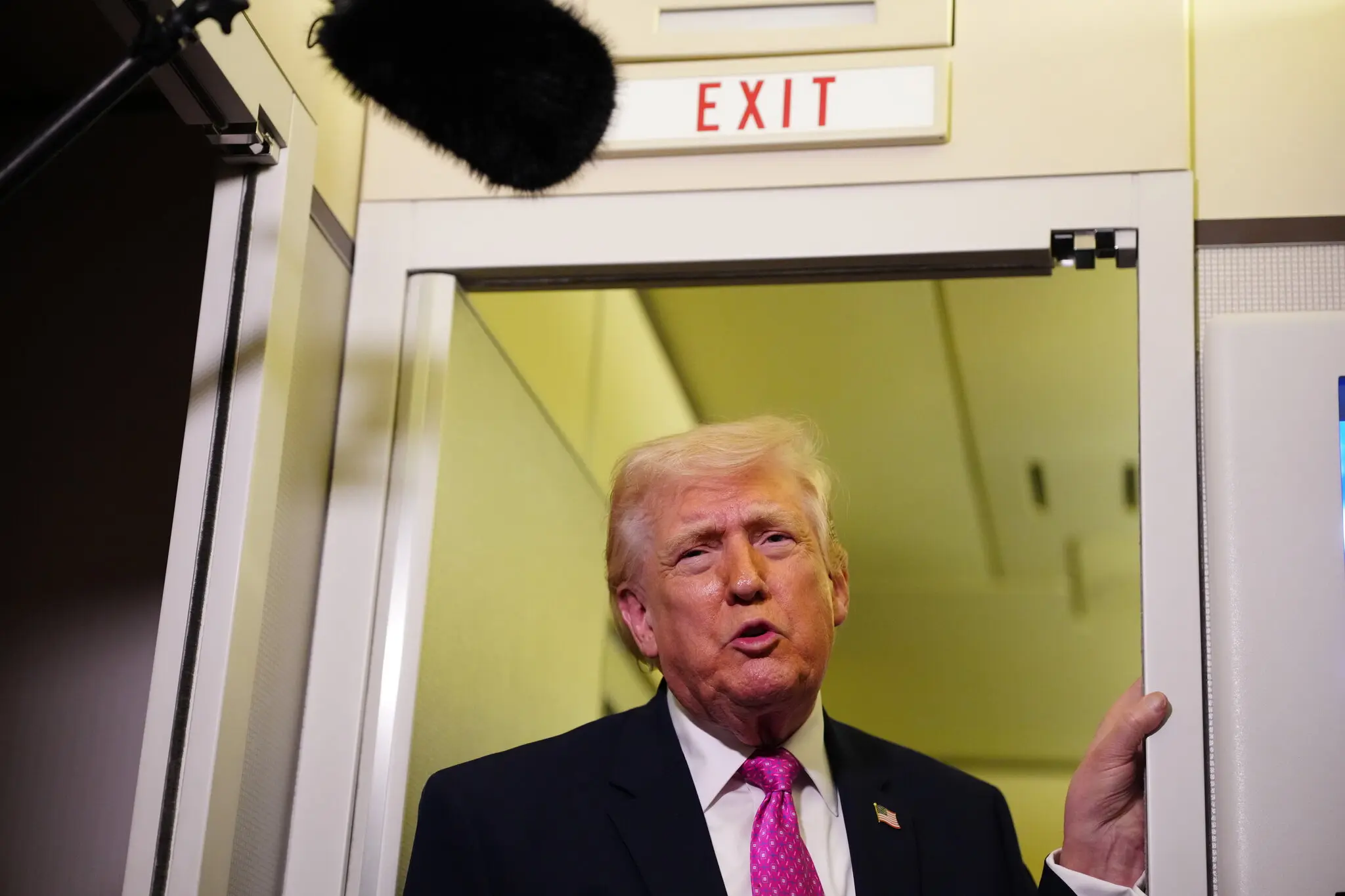 Президент Трамп та його адміністрація заявили, що в Ірані керує новий уряд, і наполягали на тому, щоб він швидко уклав угоду — Тірні Кросс
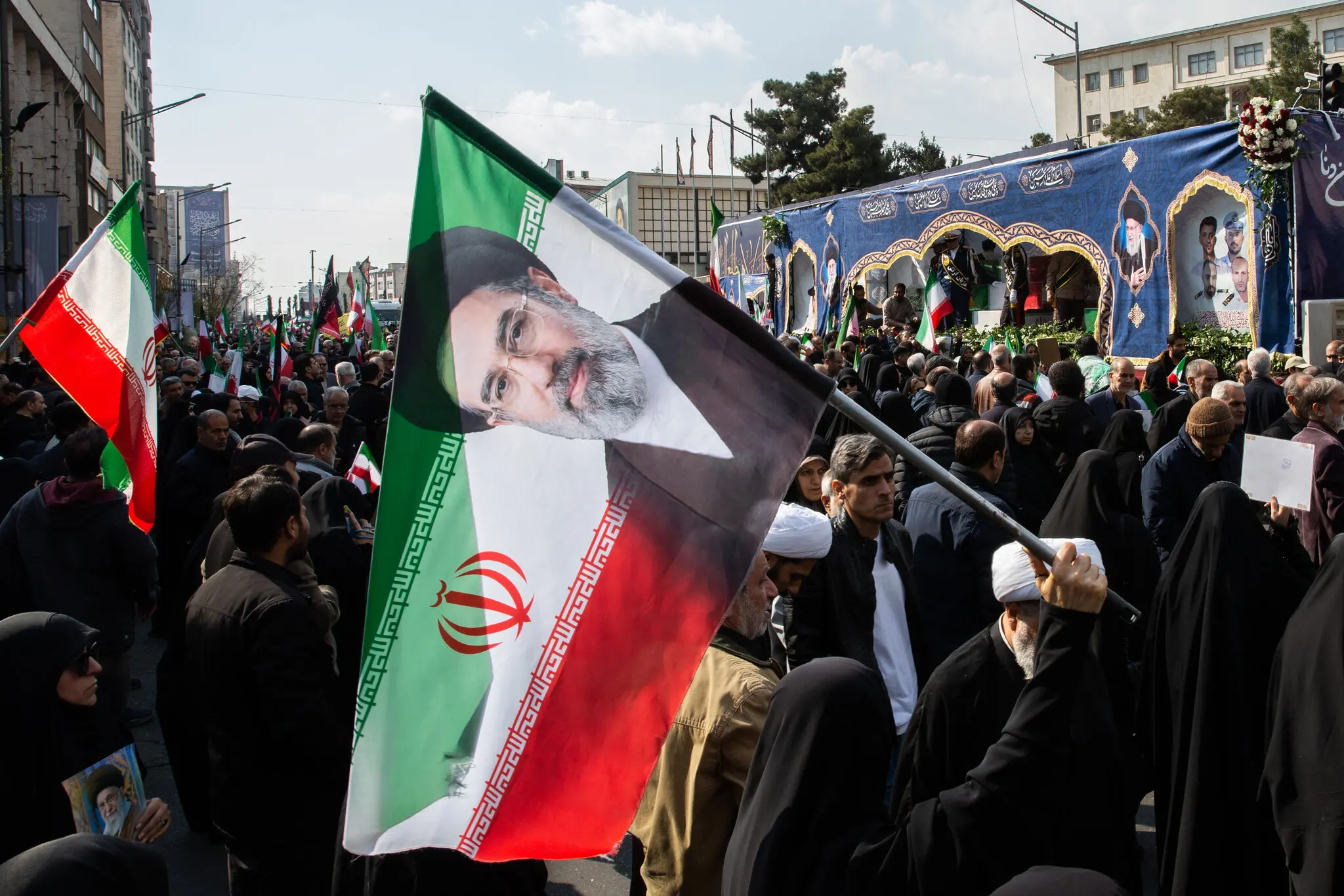
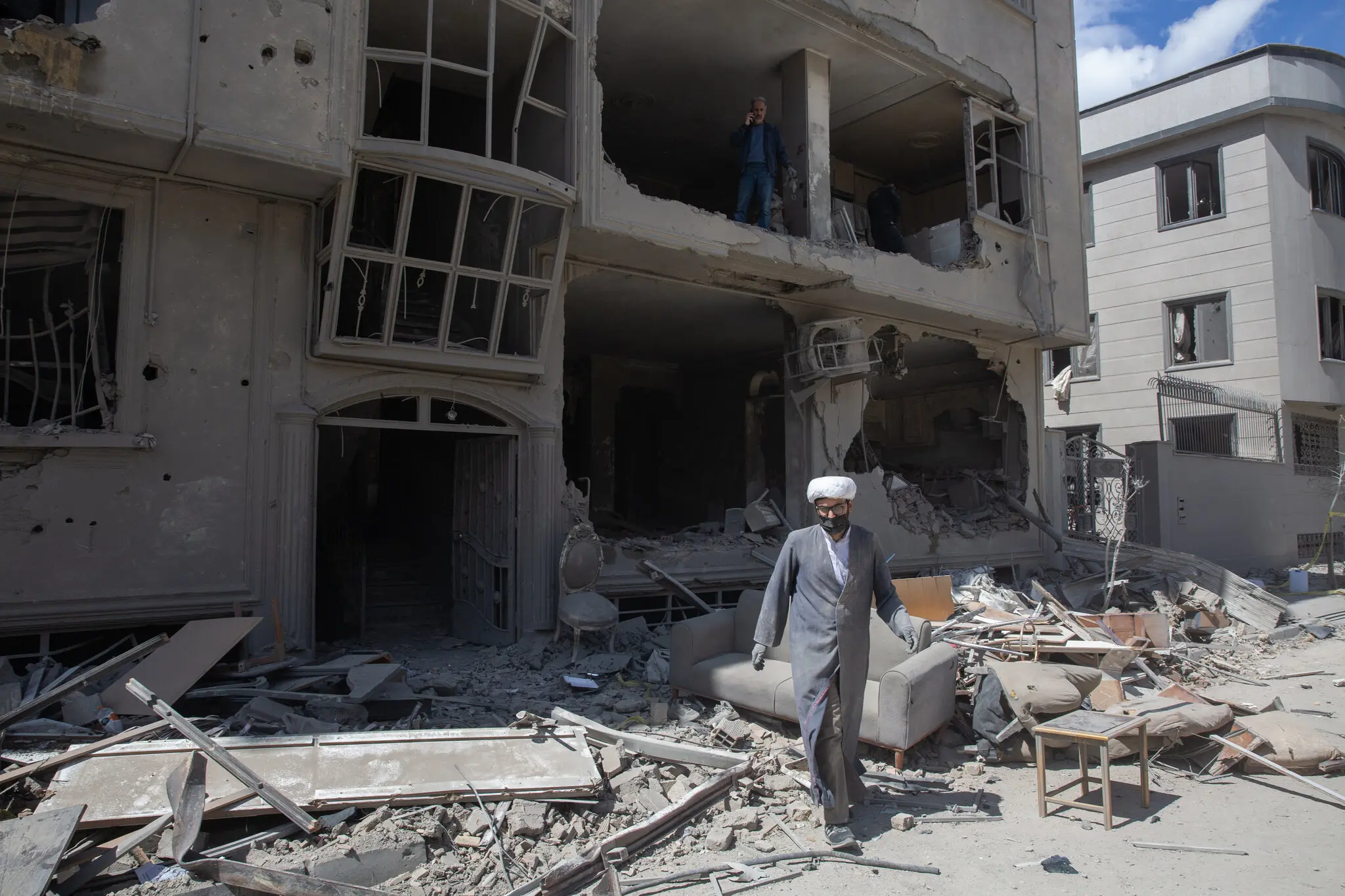 Наслідки ізраїльсько-американських авіаударів у Тегерані в понеділок — Араш Хамуші

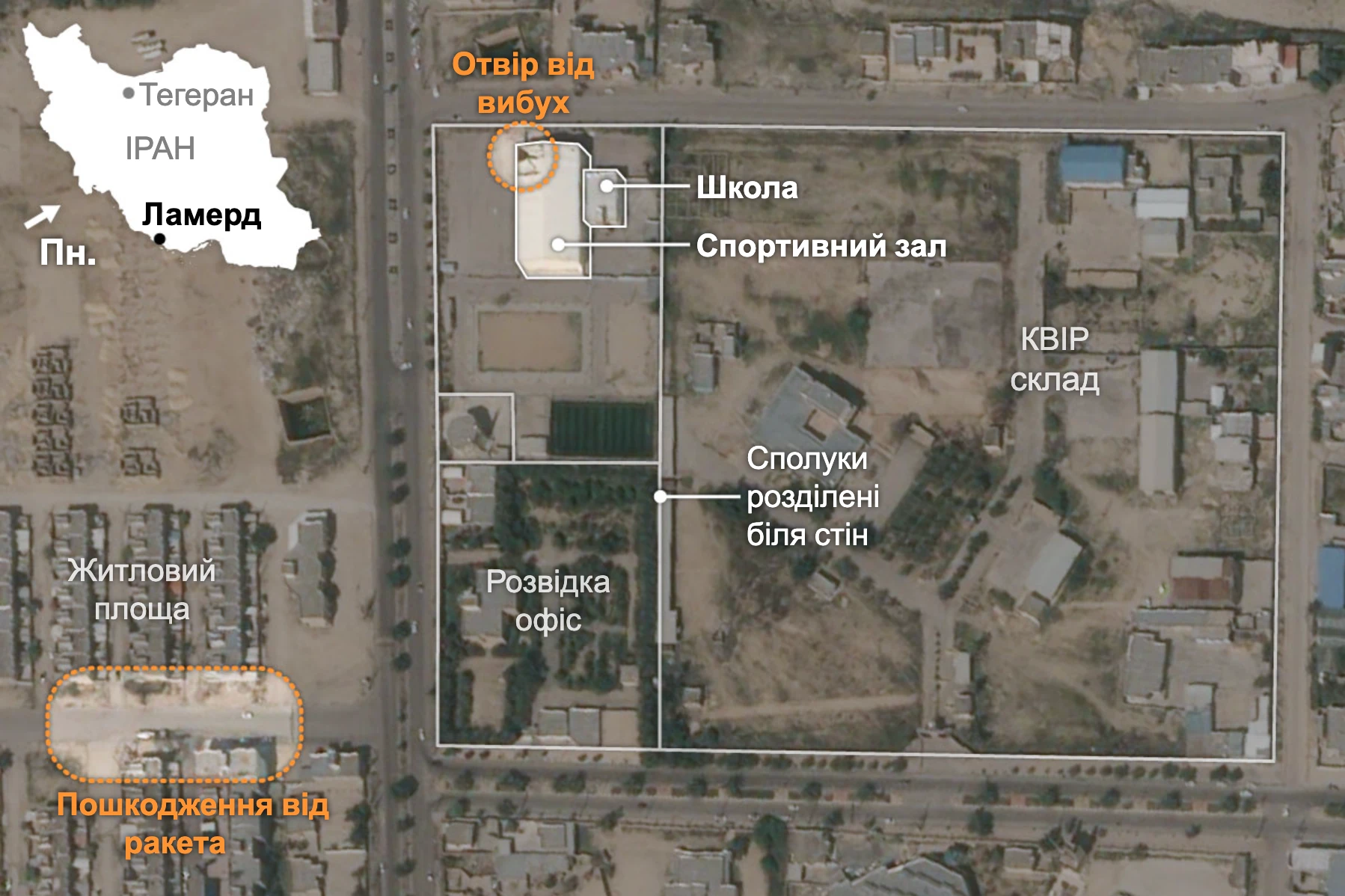 Супутникове зображення, зроблене Airbus DS 9 березня — Ліанн Абрахам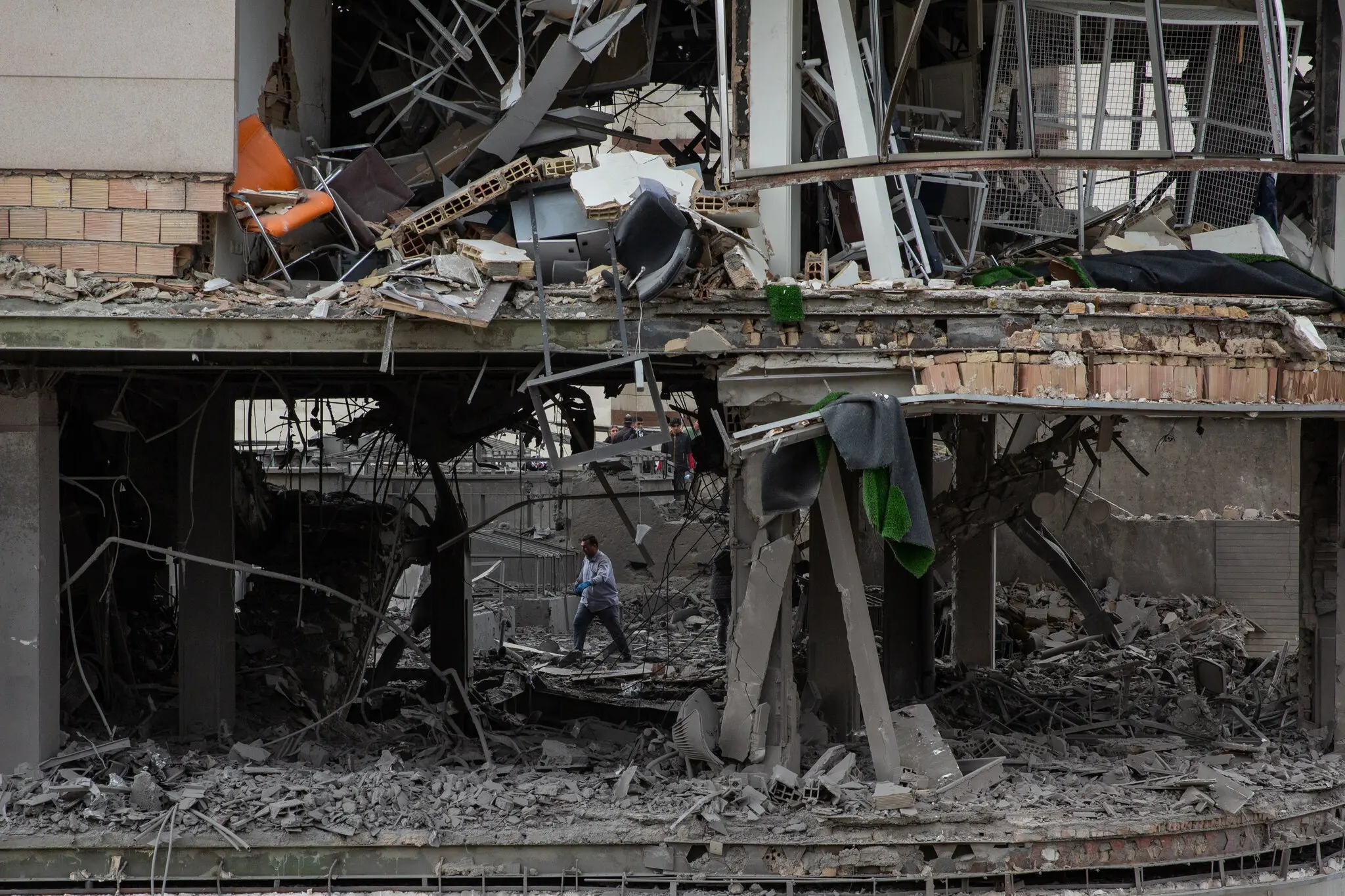

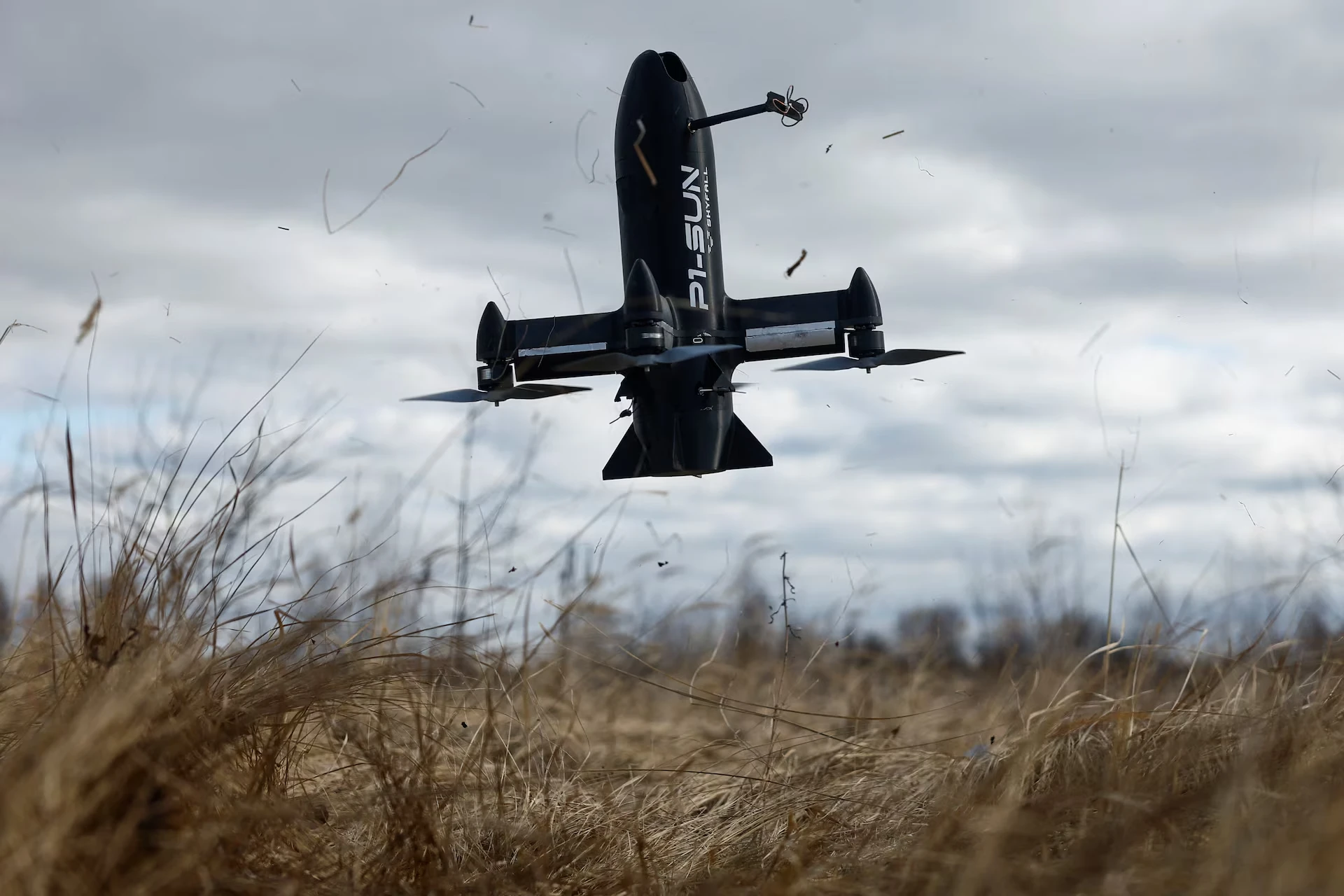

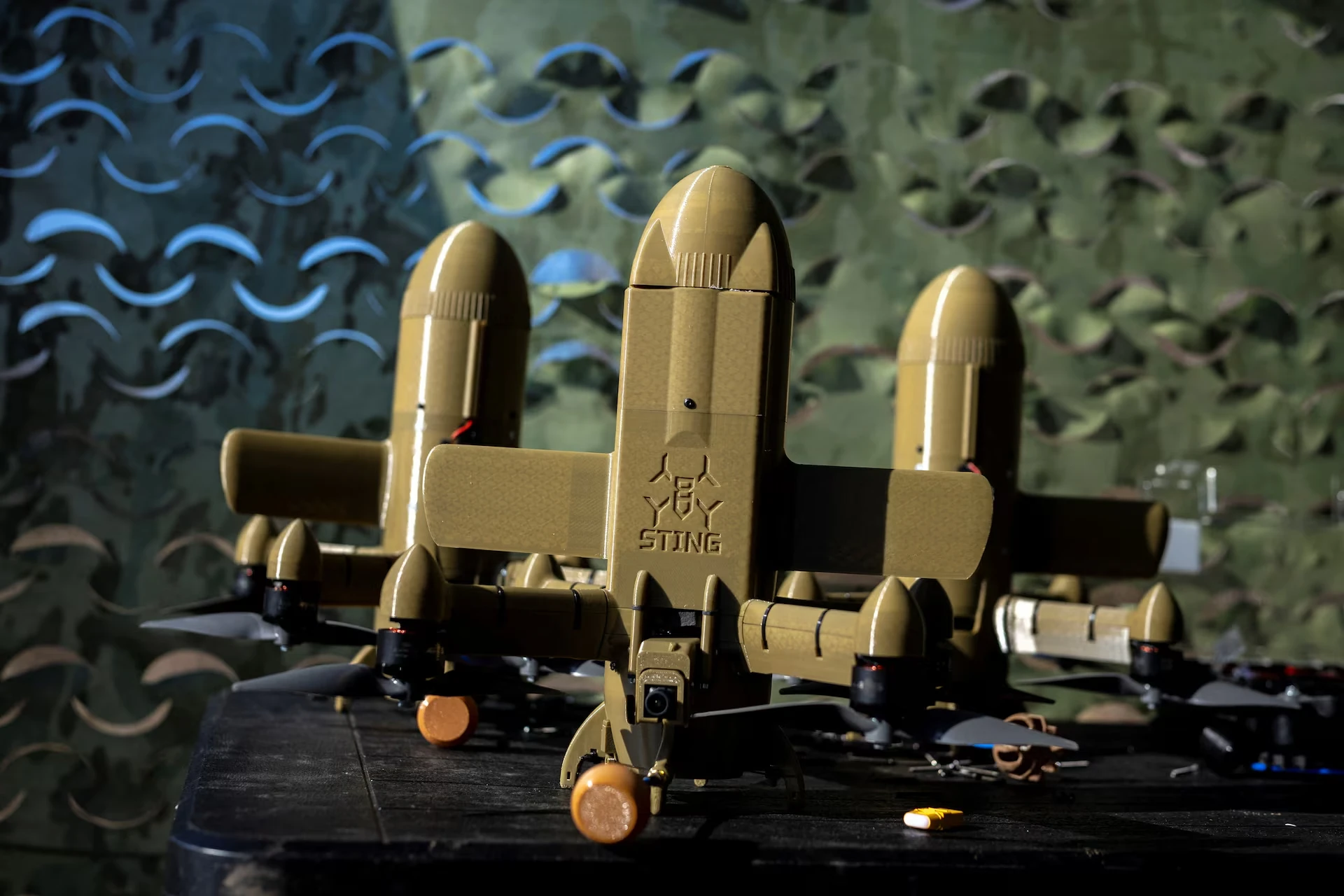
 Міністр закордонних справ України Андрій Сибіга показує міністру закордонних справ Ізраїлю Гідеону Саару російський безпілотник-камікадзе «Геран», копію безпілотного літального апарату «Шахед-136» іранського виробництва, на тлі нападу Росії на Україну, у Києві, Україна, 23 липня 2025 року — Валентин Огіренко