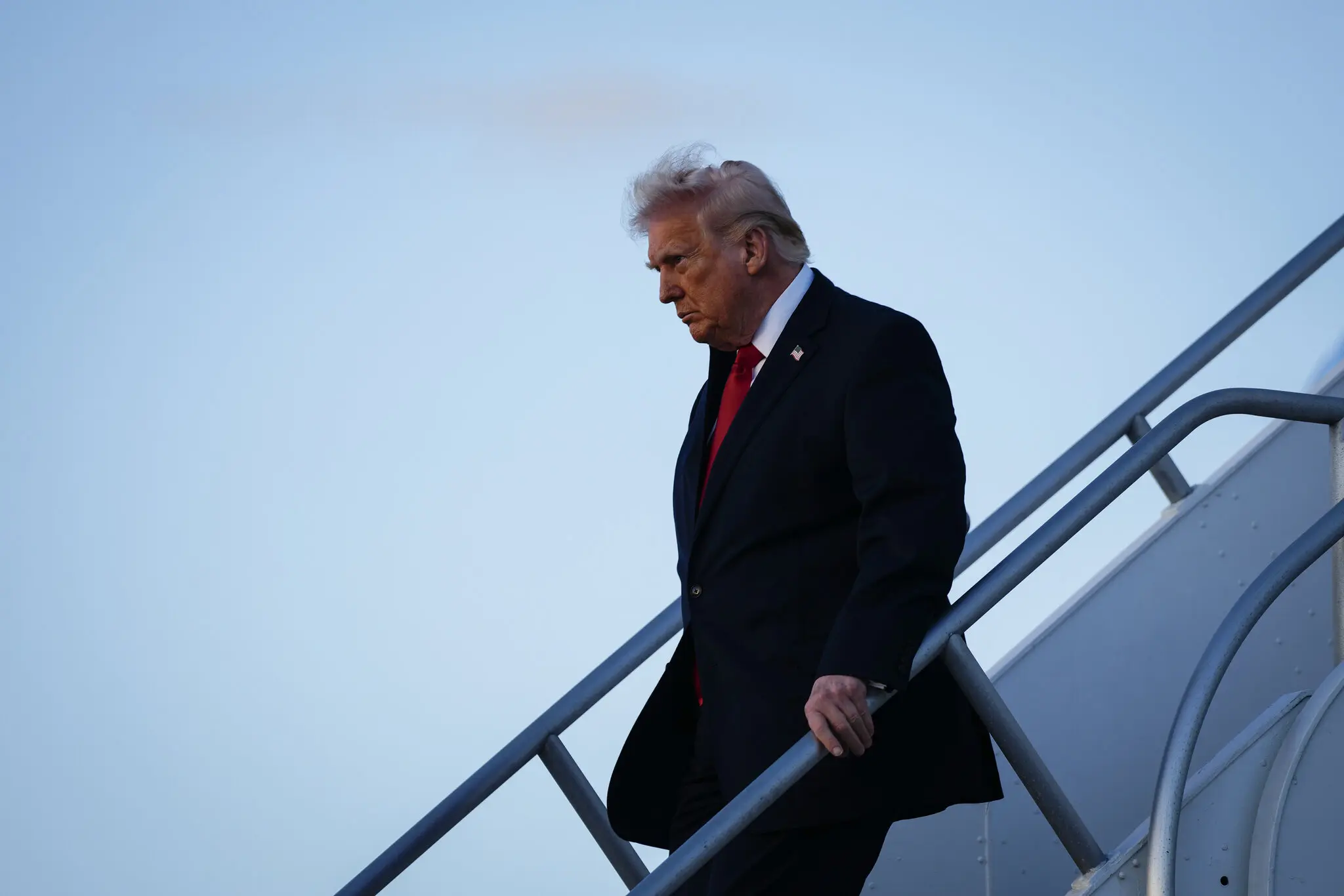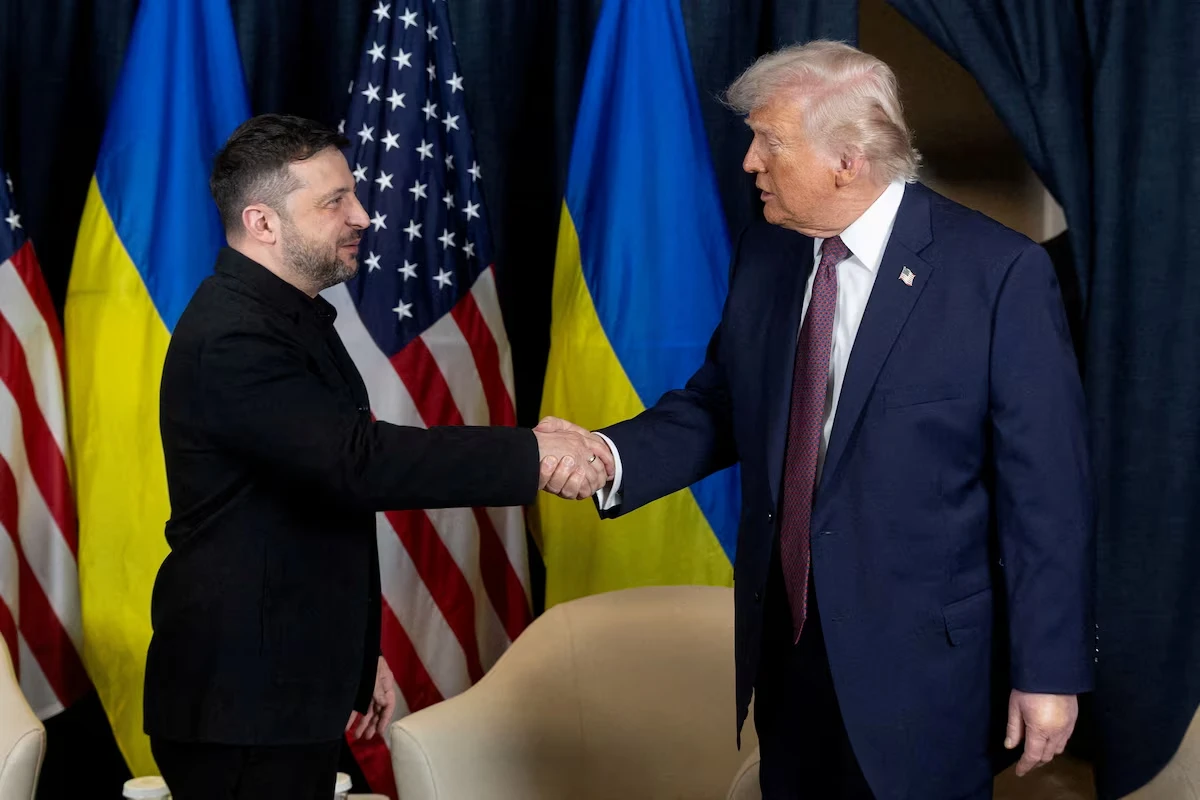
























Donald Trump has returned to a familiar political register: the Iran deal is “looking very good,” a breakthrough could come soon, and the final stretch is already in sight. It is strong rhetoric, but for now it rests more on the White House’s desire to close the crisis as a success story than on a publicly confirmed architecture of agreement. Tehran has not endorsed the concessions Trump says it has made, and the negotiating framework still looks fragmented rather than finished.
That is the central contradiction of this moment. Washington is presenting the prospective deal as if Iran has already moved toward the core American demands, including limits on its nuclear ambitions and broader regional de-escalation. Iran, however, continues to insist on its right to a peaceful nuclear program and has shown no public interest in validating the triumphalist American version of events. What the White House is calling momentum still looks, from the outside, more like an attempt to announce the result before the substance has actually been locked in.
As Daycom’s earlier analysis has argued, the weakness of this kind of diplomacy lies in replacing process with declaration. The louder a president speaks about an almost-completed deal, the narrower his real room for bargaining becomes. Any later concession can then look less like negotiation and more like retreat from a victory already proclaimed. In the Iranian case, that is especially risky. A political system built on resistance is unlikely to accept being cast as the side that publicly surrendered to an American narrative.
The pressure tools that matter most have not disappeared. The U.S. maritime campaign against Iran remains in place, and American officials have described a blockade-and-interdiction regime that has already turned back multiple vessels linked to Iranian trade. Even as Washington speaks about diplomacy, it is still managing the crisis through coercive military pressure. That is not the atmosphere of a post-conflict settlement. It is bargaining under the shadow of escalation.
The Strait of Hormuz remains the real center of gravity. It is the point where diplomatic optimism collides with material reality, because markets test political claims faster than leaders do. Oil has remained elevated as traders continue to price in disruption risk, and the blockade has done little to create the kind of calm that would accompany a genuinely stabilized regional picture. If investors believed a quick and coherent agreement were truly close, the market response would look less anxious than it does.
That is also why the Lebanon front has suddenly become so important. The 10-day cease-fire between Israel and Lebanon is not, for Washington, merely a local diplomatic success. It is an effort to remove one of the most dangerous spoilers to a wider arrangement around Iran. Yet even that auxiliary track remains shaky: Hezbollah has not offered an unconditional embrace of the truce, Israeli forces are remaining inside Lebanon, and the pause looks more like a temporary cooling mechanism than a resolution of the underlying conflict.
The Pakistani channel tells a similar story. Islamabad remains the key intermediary between Washington and Tehran, and Pakistan has made clear that another round of talks is agreed in principle. But there is still no confirmed date for that next round, no publicly fixed framework, and no evidence that the parties have moved from testing positions to finalizing a bargain. A channel exists, but it does not yet look like the channel of an almost-signed peace.
None of this means a deal is impossible. It means something narrower and more important: Trump is trying to sell the political outcome before the diplomacy has fully traveled the distance from blockade to compromise. While the White House speaks in the language of imminent resolution, the reality on sea lanes, battle lines, and negotiating tables still speaks the language of a longer crisis. Iran’s supposed concessions remain unconfirmed. The maritime pressure remains in place. The Lebanon pause is unstable. And the energy market is not behaving as though Hormuz is about to return to normal.
For now, the peace Washington is describing exists mostly as intention. It has not yet matured into the shape of a durable agreement. And until it does, every confident presidential phrase will continue to run into the same problem: the region is still being governed less by the language of settlement than by the unresolved mechanics of force.