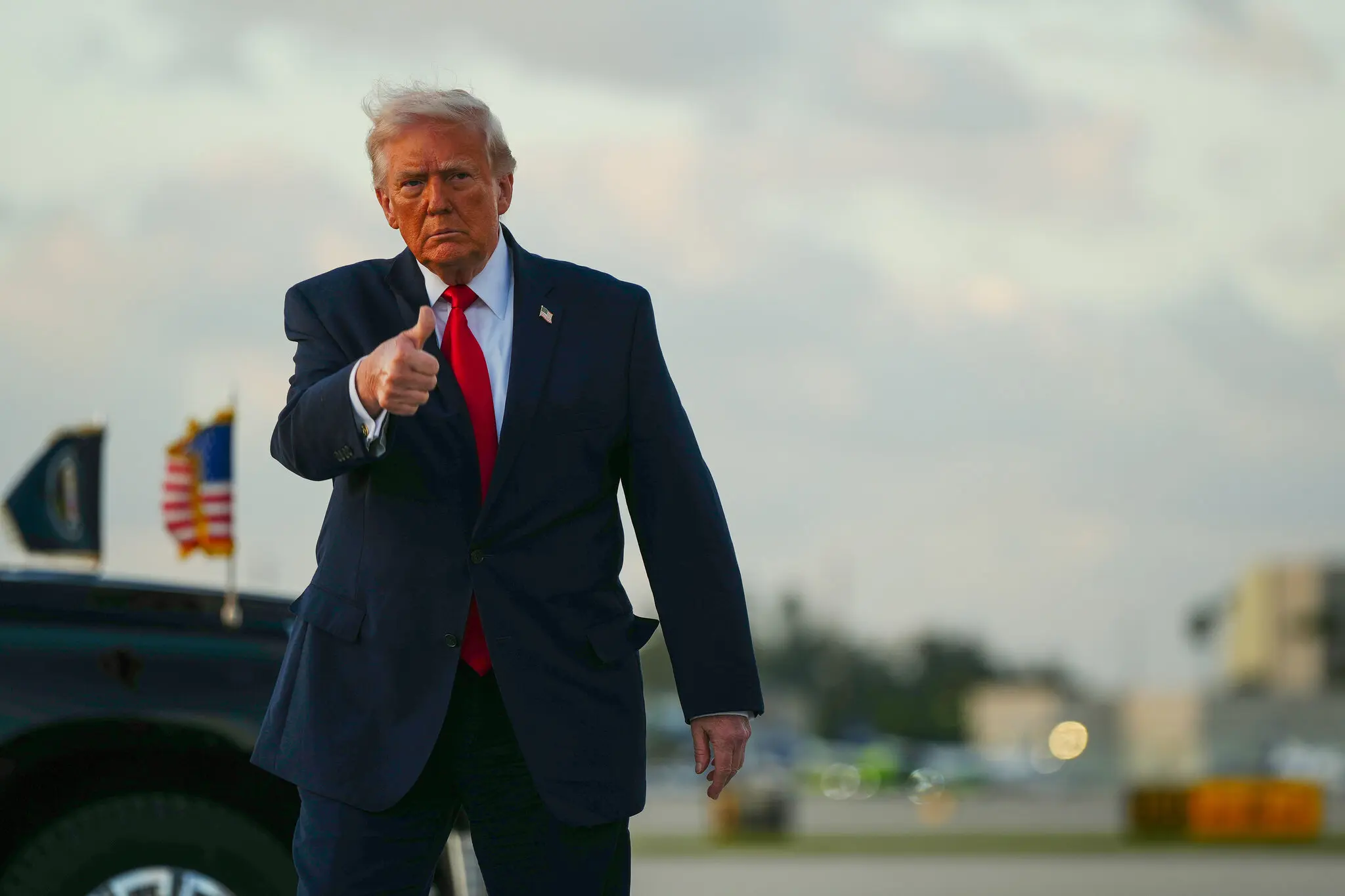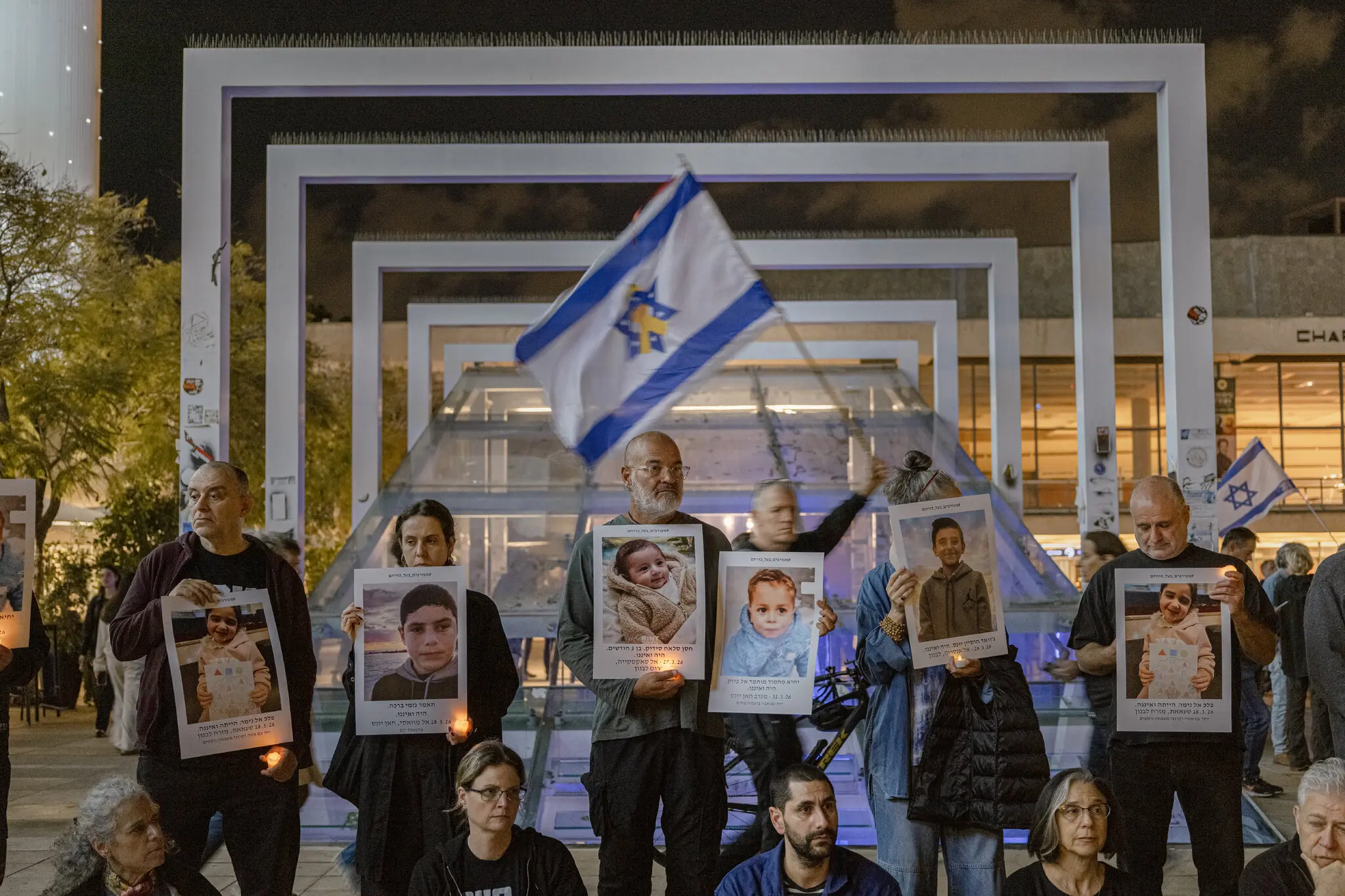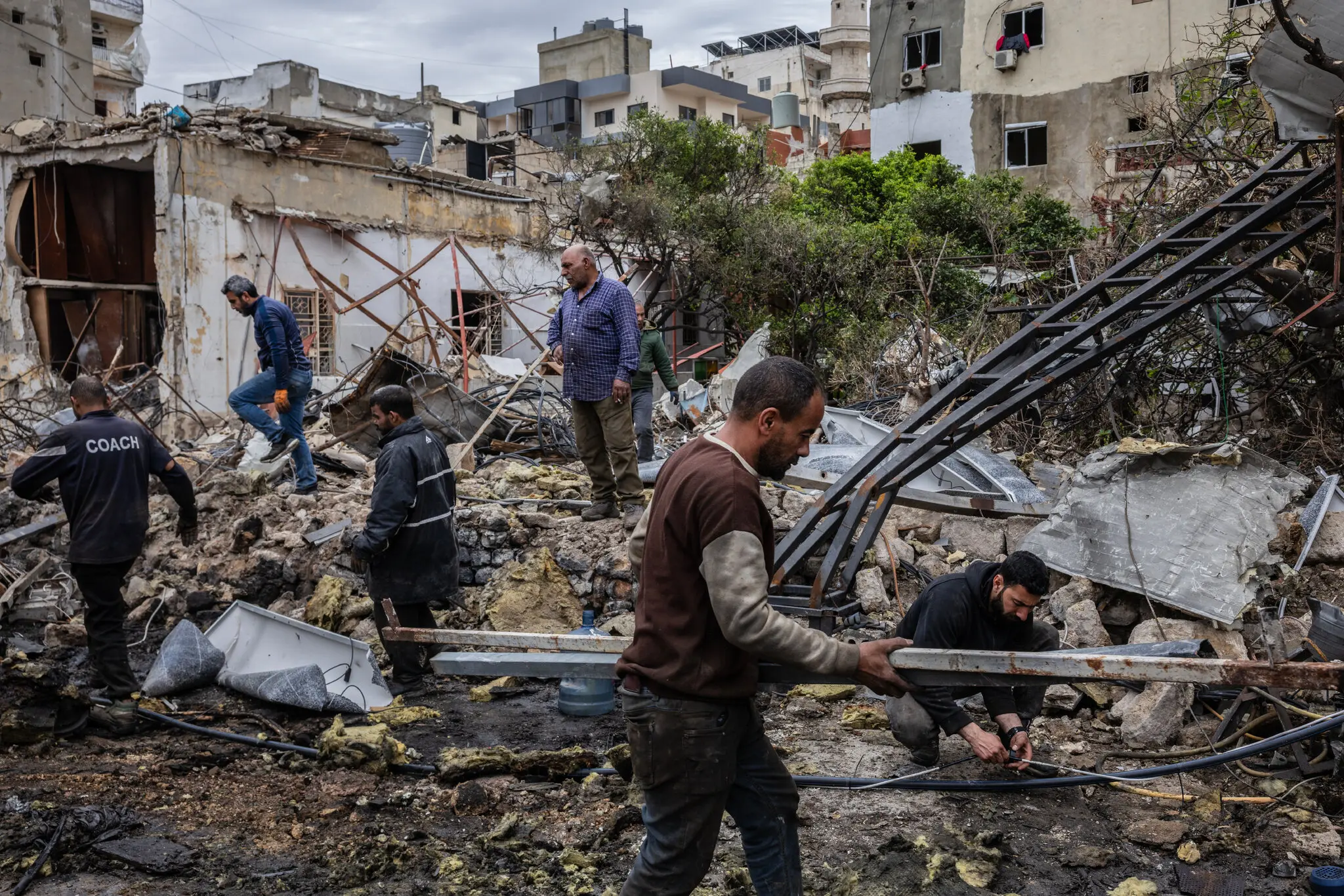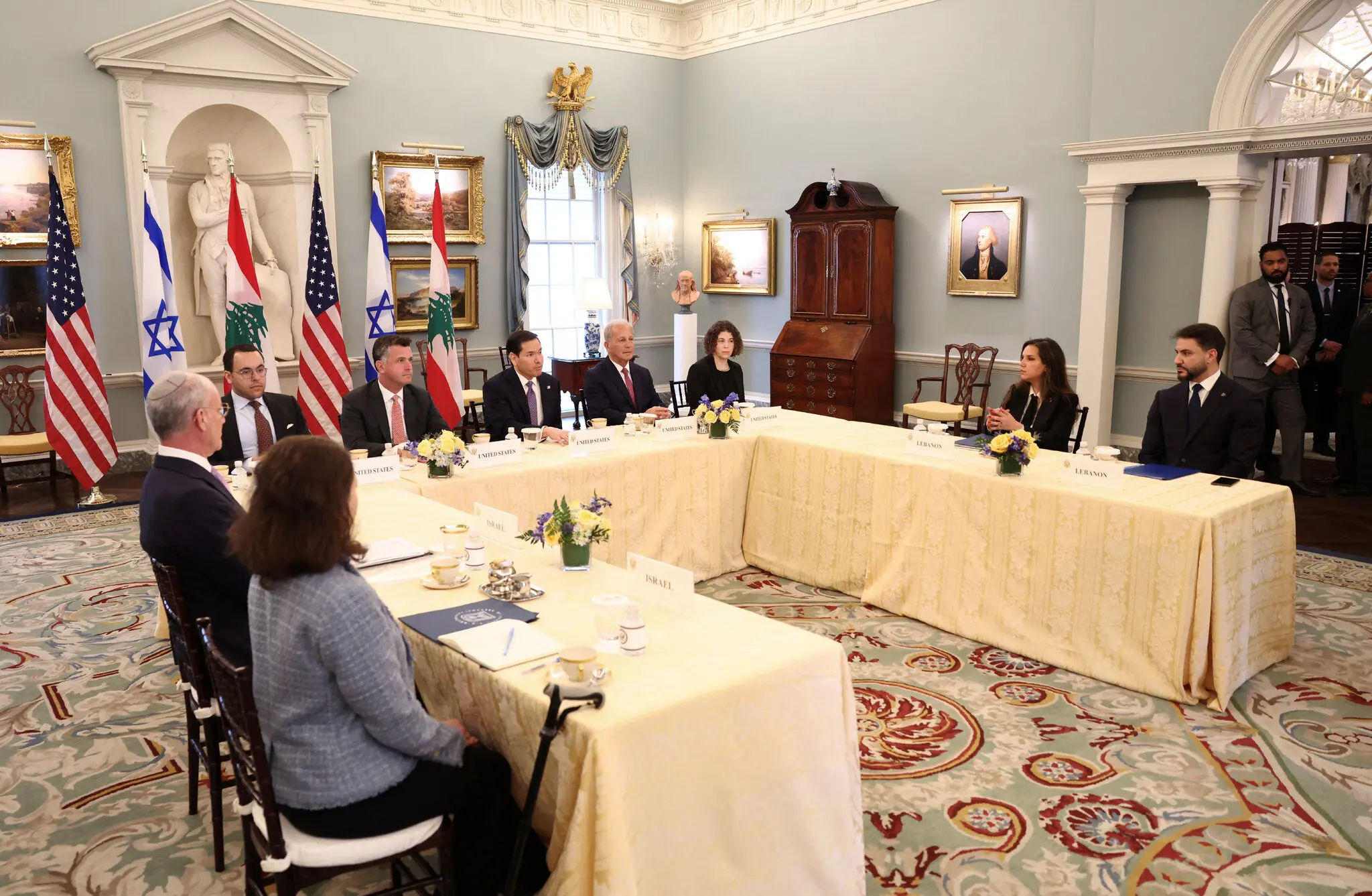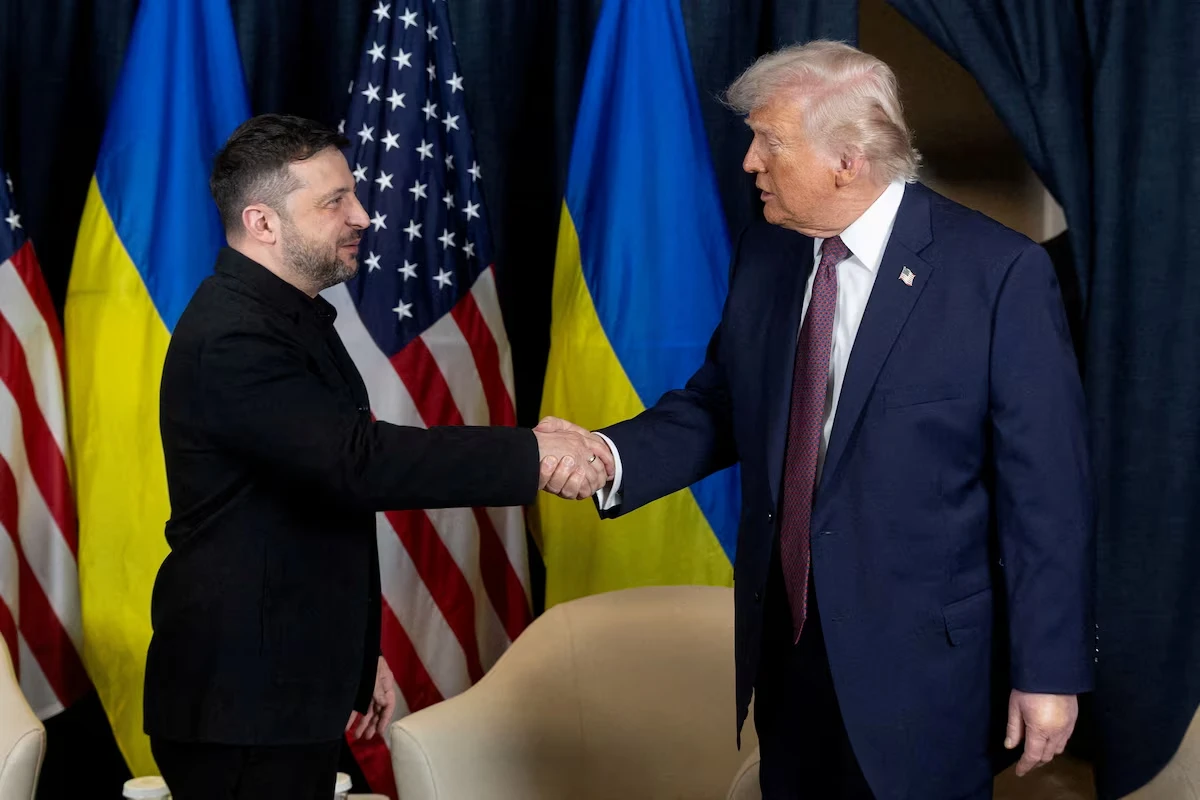


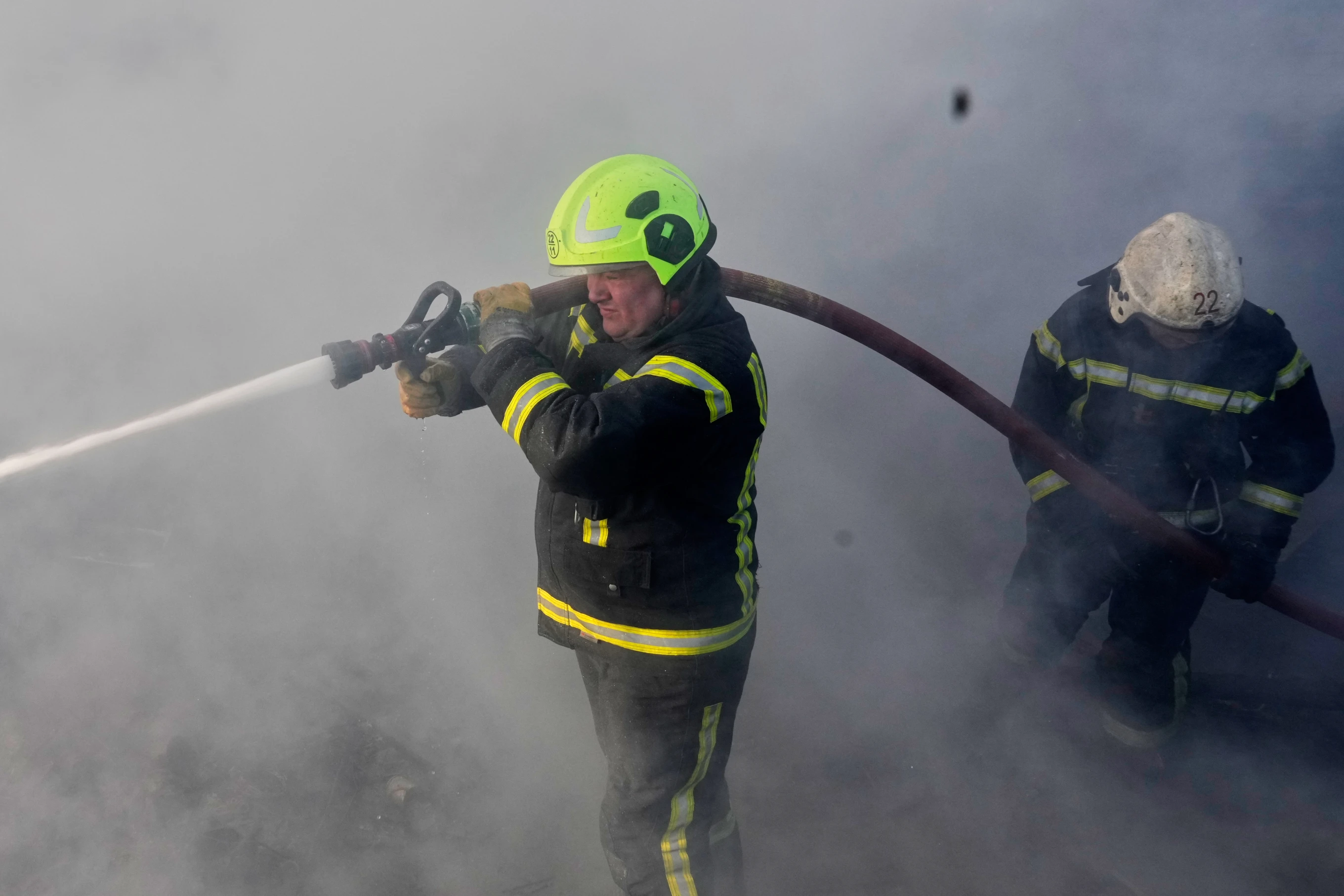






















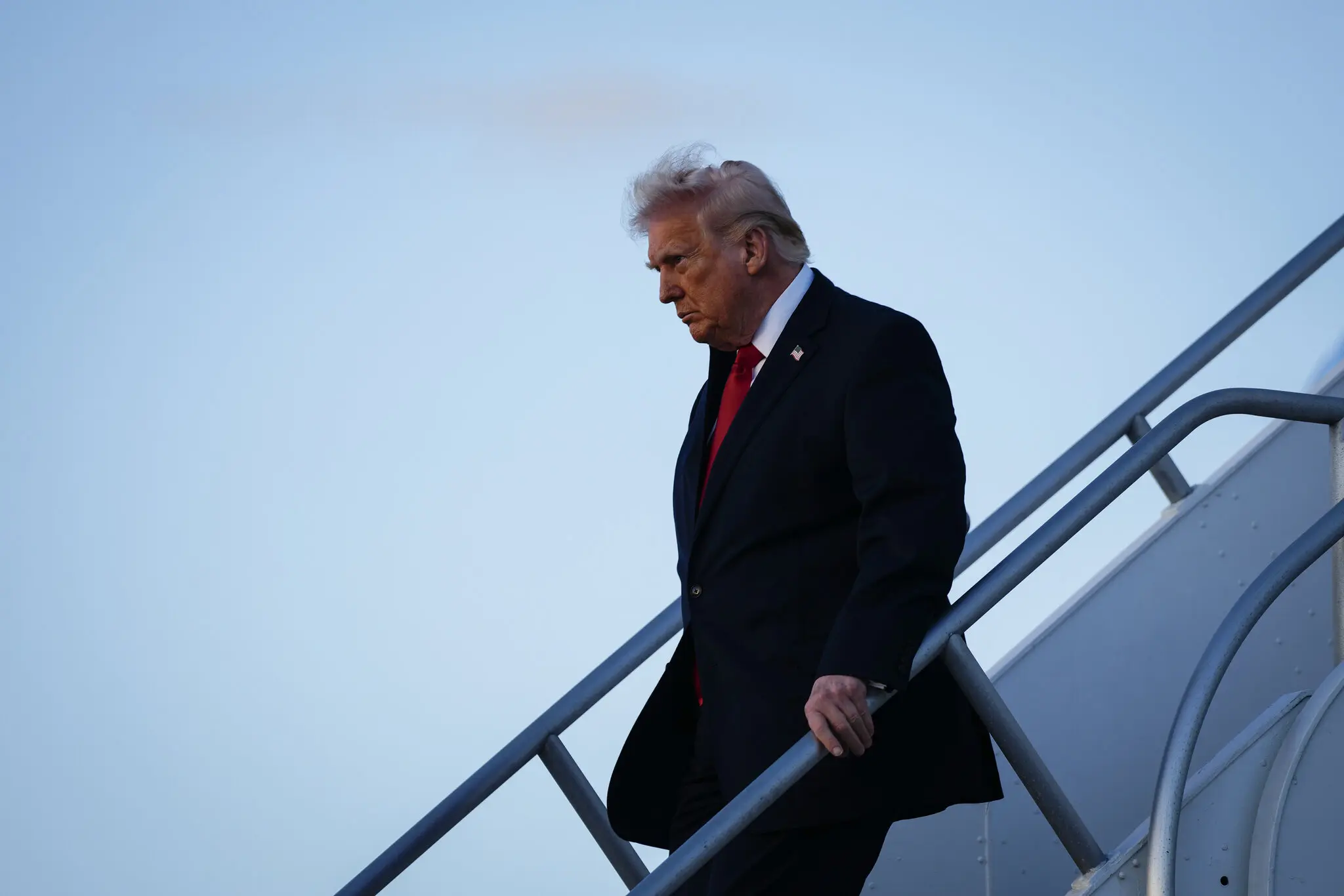
Donald Trump has announced a 10-day cease-fire between Lebanon and Israel, set to begin at 5 p.m. Eastern time. On its face, that sounds like a rare opening in a Middle East crisis where multiple fronts have been collapsing into a single war. But the weakness of the moment is built into the announcement itself: Washington declared the pause, while the forces expected to live by it did not immediately and publicly affirm the same reality.
Lebanon’s leadership welcomed the move. Yet neither Israel nor Hezbollah initially offered an equally clear endorsement, and that distinction matters more than ceremony. In conflicts like this, the gap between a declared cease-fire and a real one is measured not by the wording of the announcement, but by whether commanders, militias, and governments behave differently once the clock starts.
The timing is just as revealing as the language. This initiative did not emerge in isolation. It arrives as part of a broader effort to stabilize the wider war orbiting Iran. The existing U.S.-Iran cease-fire, due to expire next week, has looked fragile from the start precisely because the Lebanese front was never fully folded into it. Tehran had insisted that any meaningful pause had to extend to Lebanon as well. Washington and Israel rejected that logic. Now events themselves appear to be pushing them back toward it by another route.
Donald Trump has announced a 10-day cease-fire between Lebanon and Israel, set to begin at 5 p.m. Eastern time. On its face, that sounds like a rare opening in a Middle East crisis where multiple fronts have been collapsing into a single war. But the weakness of the moment is built into the announcement itself: Washington declared the pause, while the forces expected to live by it did not immediately and publicly affirm the same reality.
Lebanon’s leadership welcomed the move. Yet neither Israel nor Hezbollah initially offered an equally clear endorsement, and that distinction matters more than ceremony. In conflicts like this, the gap between a declared cease-fire and a real one is measured not by the wording of the announcement, but by whether commanders, militias, and governments behave differently once the clock starts.
The timing is just as revealing as the language. This initiative did not emerge in isolation. It arrives as part of a broader effort to stabilize the wider war orbiting Iran. The existing U.S.-Iran cease-fire, due to expire next week, has looked fragile from the start precisely because the Lebanese front was never fully folded into it. Tehran had insisted that any meaningful pause had to extend to Lebanon as well. Washington and Israel rejected that logic. Now events themselves appear to be pushing them back toward it by another route.
According to Daycom’s earlier analysis, any attempt to treat the Iran crisis, the Israel-Lebanon front, and the maritime confrontation in the Gulf as separate storylines eventually runs into the same wall. The region is no longer operating as a set of isolated theaters. It is functioning as a connected conflict system, where escalation in one arena reshapes leverage in another. That is why a 10-day pause on the Lebanese front matters not only in humanitarian terms, but as a possible safeguard against a much wider breakdown.
In that sense, Trump’s announcement is less a conclusion than an effort to remove one of the main obstacles to broader talks with Iran. If Israel and Hezbollah truly observe the pause, the White House will be able to present it as evidence that regional escalation can still be redirected into diplomacy. If either side returns quickly to fire, the American construction will lose credibility at once, and with it the larger claim that pressure on Tehran is producing a controlled political outcome.
That is also why Washington’s parallel messaging looks so contradictory. While Trump speaks about peace and durable stabilization, the Pentagon is at the same time threatening Iran with strikes on energy infrastructure and promising to maintain a naval blockade for as long as necessary. This is the recognizable rhythm of the current U.S. strategy: offer an exit, then raise the cost of refusing it. The trouble is that such dual messaging works best against a weaker actor with fewer options. It works less cleanly in a system where every player still retains channels of escalation.
Iran has already shown that it can respond not only through direct military means, but through pressure on shipping routes in the Persian Gulf, the Gulf of Oman, and the Red Sea. Even if its capacity is not unlimited, the mere risk of disruption turns every new American warning into a global economic event. In that setting, a Lebanon cease-fire is not simply a local humanitarian pause. It becomes part of a much larger bargain over how many fronts can be quieted at once before the whole crisis ignites again.
For Israel, the pause carries a double meaning. On one level, it offers a chance to reduce pressure on the northern front and prevent the Lebanese theater from fully merging with the Iranian one. On another, a short truce without a clearly enforced mechanism may do little more than postpone the next cycle of confrontation. For Hezbollah, accepting a pause would mean more than lowering the intensity of fire. It would also mean acknowledging that the Lebanese front now sits inside a broader diplomatic architecture no longer shaped in Beirut alone.
That is why the central question is not whether Trump has announced a cease-fire. The real question is whether he has the tools to make that cease-fire binding on those still fighting. For now, the answer remains uncertain. Lebanon may welcome the pause, and Washington may frame it as a step toward a larger peace, but the real weight of the announcement will be decided in the first days after it begins: whether the fire actually falls, whether restraint holds, whether one strike, one retaliation, one battlefield calculation made in the logic of war rather than diplomacy tears the whole arrangement apart.
Trump is trying to sell this moment as a diplomatic achievement that opens the door to a broader settlement. That may indeed be how the White House wants it remembered. But the Middle East rarely agrees to live inside a prewritten script. If the 10-day pause holds, it will amount to an important tactical success. If it fails, this announcement will stand as another example of a familiar truth: a political declaration of peace is not the same thing as peace itself.







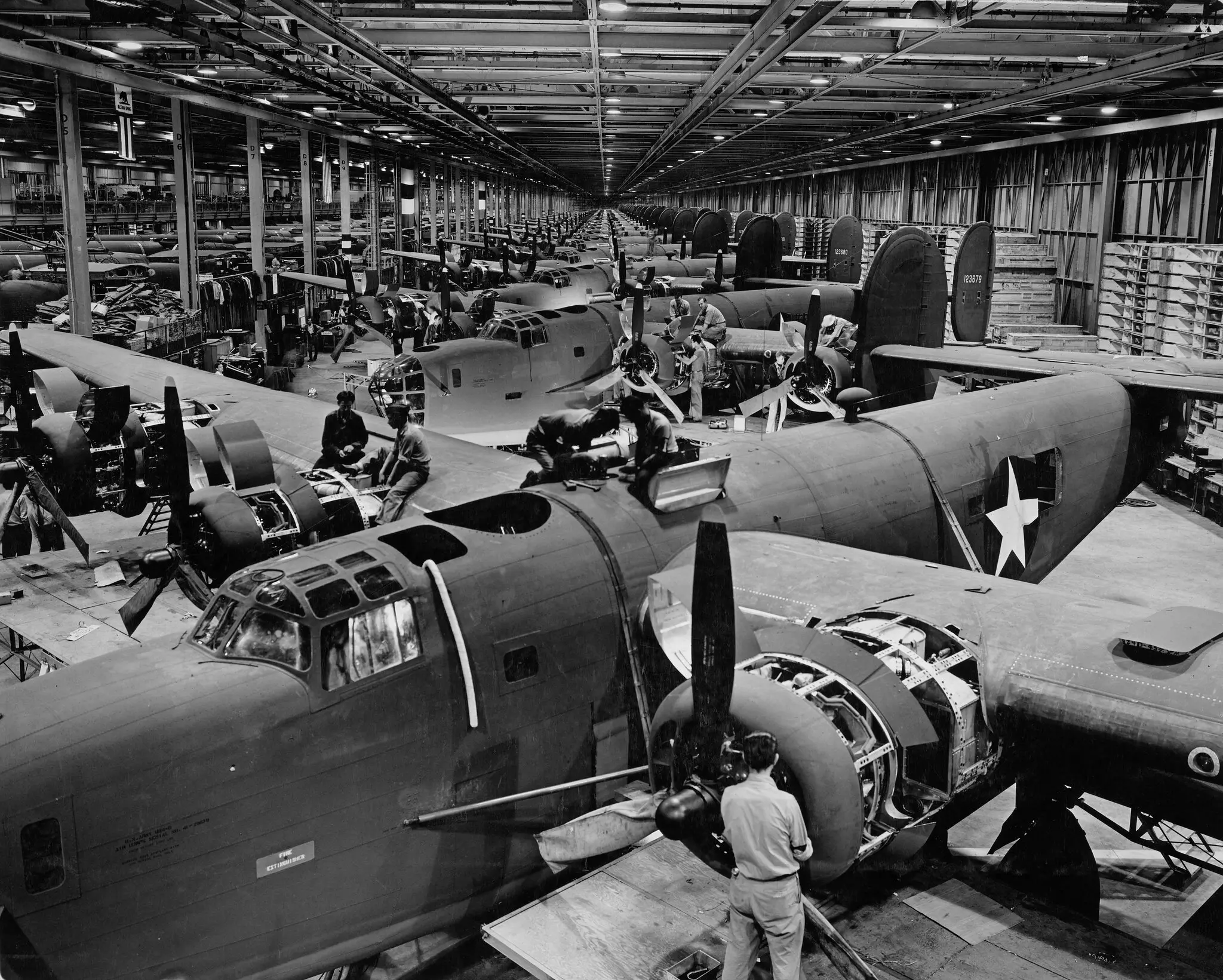 Завод «Віллоу-Ран», побудований компанією «Форд» у Мічигані, випустив тисячі військових літаків під час Другої світової війни — Архівні фотографії/Getty Images


 Прем'єр-міністр Італії Джорджія Мелоні (праворуч) зустрічається з президентом України Володимиром Зеленським в урядових офісах Кіджі в Римі в середу, 15 квітня 2026 року — Алессандра Тарантіно
 Генеральний секретар НАТО Марк Рютте, міністр оборони України Михайло Федоров, міністр оборони Німеччини Борис Пісторіус та міністр оборони Великої Британії Джон Гілі, 15 квітня 2026 року — через Associated Press