


























The war between the United States and Iran has entered a phase in which the decisive weapon is no longer the missile strike, but the control of logistics. The naval blockade imposed by Washington after failed diplomacy has turned the cease-fire into a pause under coercion rather than a path to peace.
This is no longer only about military deterrence. Cutting maritime access hits exports, imports, shipping insurance, freight costs and, ultimately, a country’s ability to sustain normal economic exchange. For Iran, it is pressure on the state’s commercial lifeline. For the United States, it is leverage without the cost of a large ground war.
The meaning of the blockade also extends far beyond the Strait of Hormuz itself. Washington is trying not merely to restrict Tehran’s room for maneuver, but to deprive it of one of its most powerful tools of influence over energy markets and global shipping. That is precisely why escalation becomes so likely once pressure intensifies.
The war between the United States and Iran has entered a phase in which the decisive weapon is no longer the missile strike, but the control of logistics. The naval blockade imposed by Washington after failed diplomacy has turned the cease-fire into a pause under coercion rather than a path to peace.
This is no longer only about military deterrence. Cutting maritime access hits exports, imports, shipping insurance, freight costs and, ultimately, a country’s ability to sustain normal economic exchange. For Iran, it is pressure on the state’s commercial lifeline. For the United States, it is leverage without the cost of a large ground war.
The meaning of the blockade also extends far beyond the Strait of Hormuz itself. Washington is trying not merely to restrict Tehran’s room for maneuver, but to deprive it of one of its most powerful tools of influence over energy markets and global shipping. That is precisely why escalation becomes so likely once pressure intensifies.
According to Daycom’s earlier analysis, Hormuz in this conflict is not simply a waterway; it is an instrument of coercion. Whoever shapes the rules of passage affects not only the military balance, but market expectations, allied decision-making and the broader sense of regional risk.
Tehran’s response therefore follows a clear strategic logic. Iranian commanders have signaled that pressure could spread beyond the Persian Gulf to routes tied to the Gulf of Oman and the Red Sea. In other words, Iran is raising the cost of American pressure not only for Washington, but for every economy that depends on uninterrupted maritime transit.
That is the new grammar of this war: each side is trying to make the other’s vulnerability into an international problem. The United States is squeezing Iranian seaborne trade. Iran, in turn, is signaling that it can make the wider shipping architecture of the region more dangerous. A bilateral confrontation thus begins to spill into a global crisis.
Against that backdrop, the current cease-fire looks less like a political breakthrough than a technical delay. Its lifespan is limited, and mediators are mostly trying to buy time after talks that failed to produce movement on the nuclear file, the shipping regime, or the terms of a durable de-escalation.
The central paradox is that both sides now speak about peace in the language of force. Washington suggests it is prepared to keep striking as long as necessary to prevent Iran from advancing toward a nuclear weapon. Tehran is answering not with symmetrical confrontation, but with the threat of disrupting the commercial arteries around it.
That is what makes the blockade so dangerous as a political instrument. It appears to be a middle option—less destructive than full-scale war, but far harsher than routine sanctions. In practice, however, such an option is stable only on paper. It allows both parties to raise the stakes while avoiding a formal declaration that the truce has collapsed.
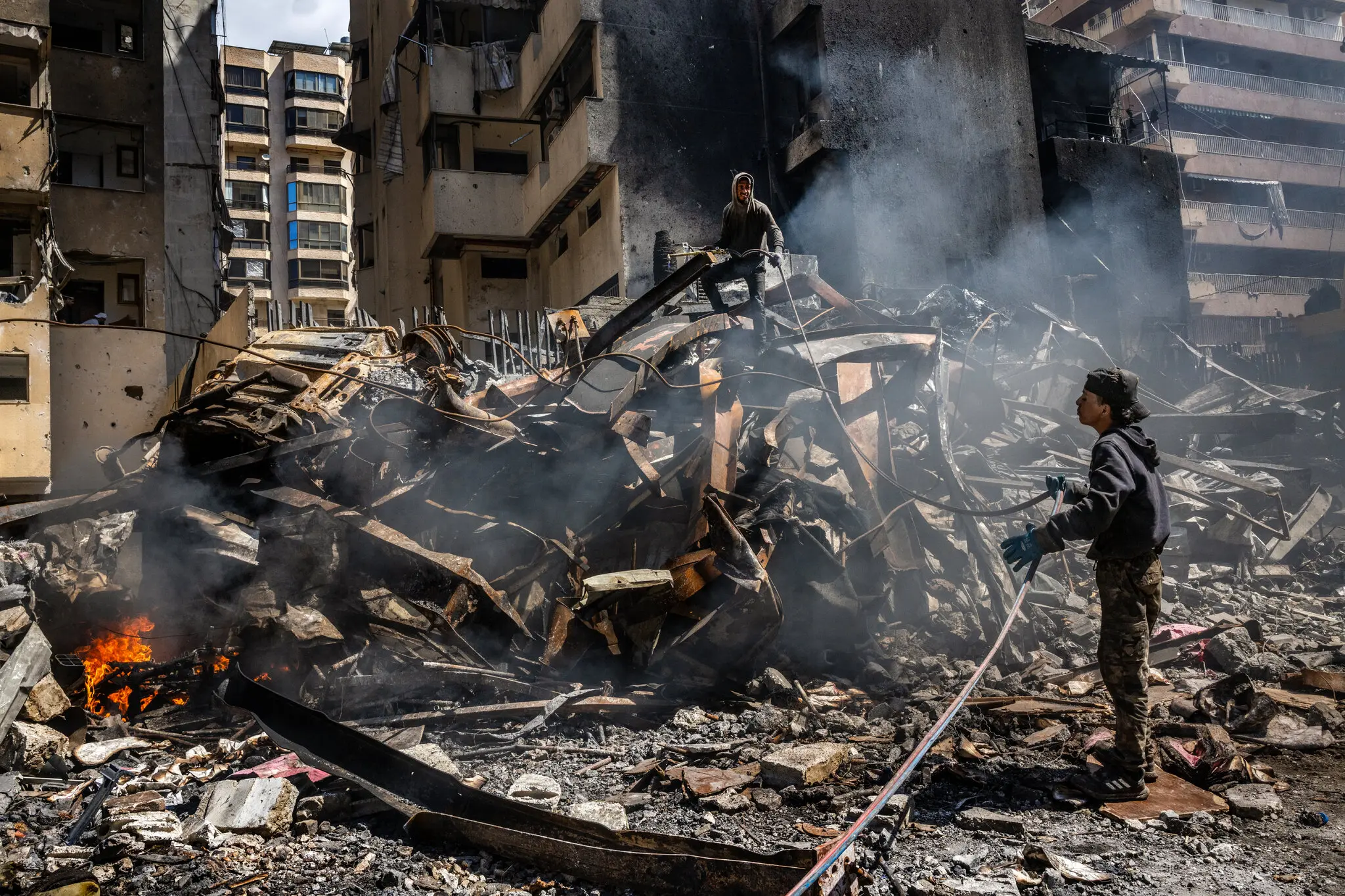
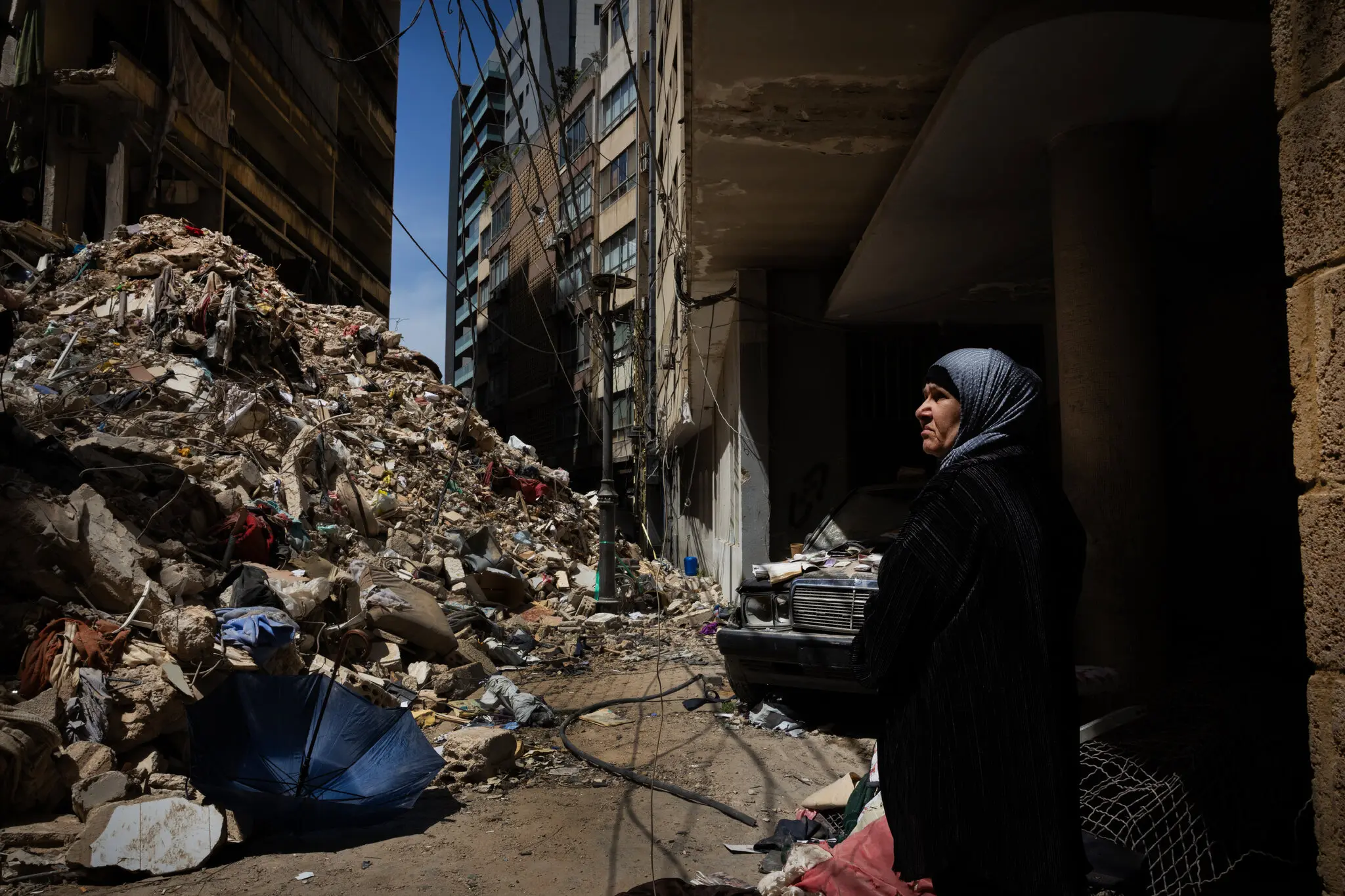
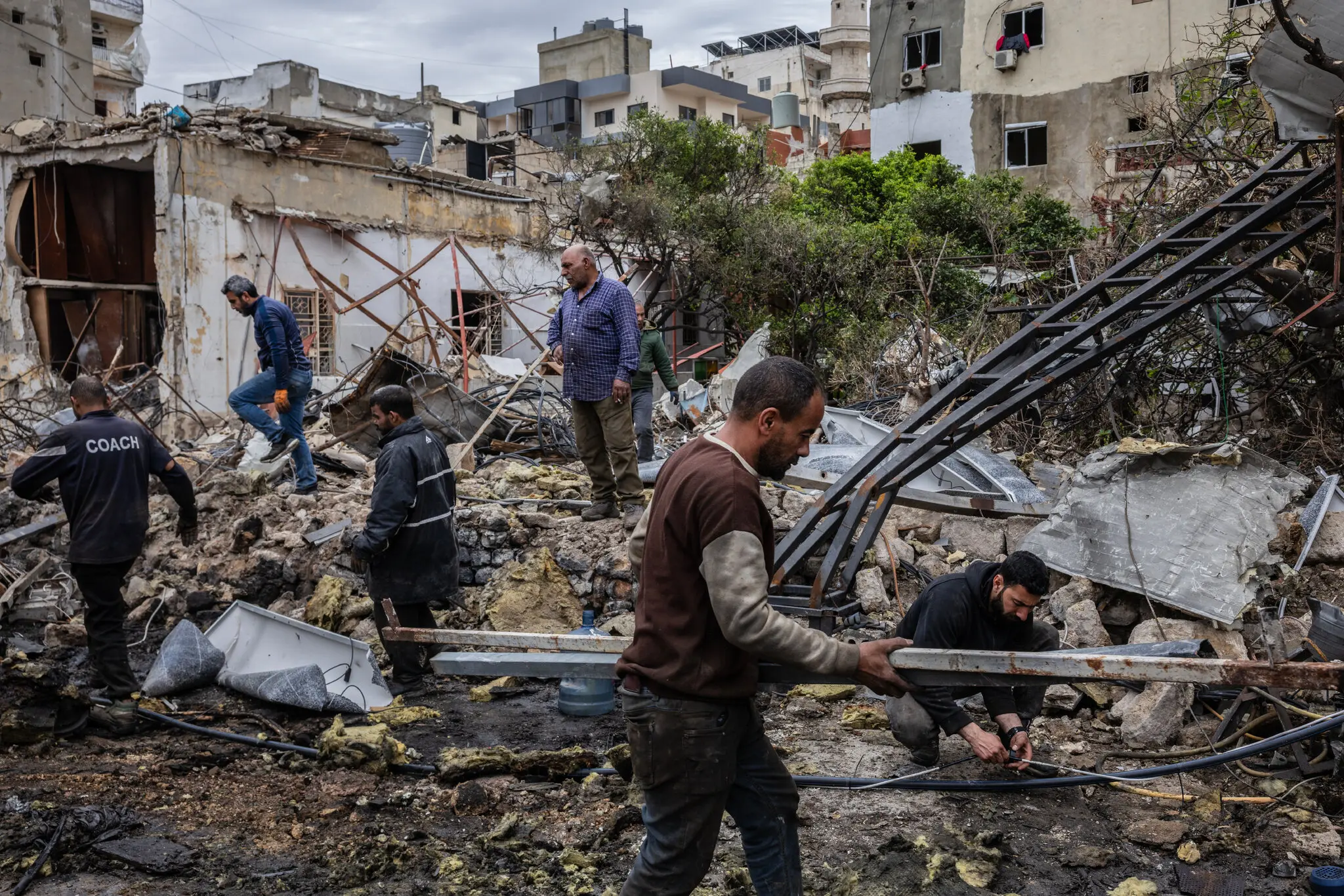
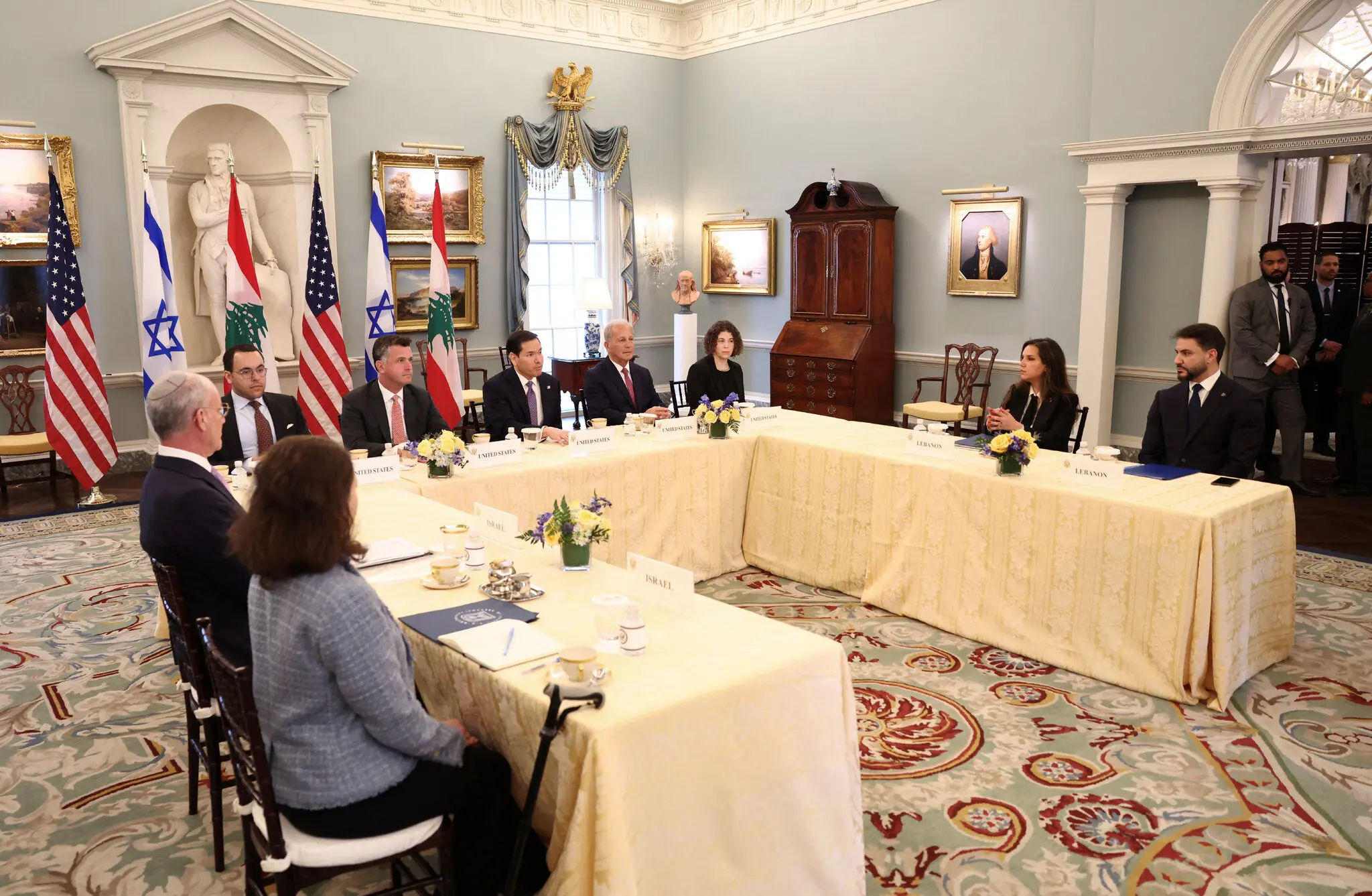
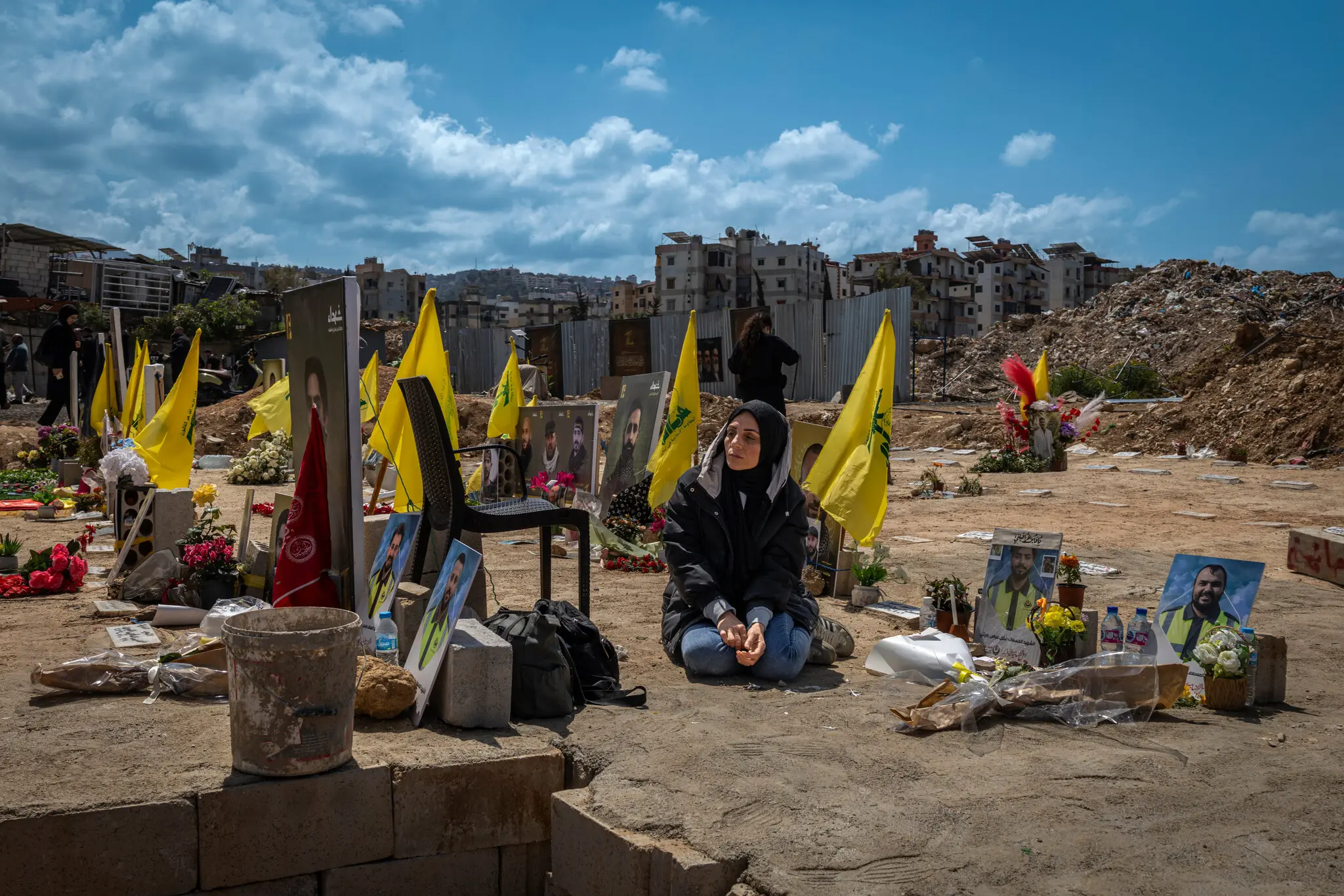
A further layer of danger lies in Lebanon. Even if the Iranian track is temporarily contained, the region does not automatically become more stable. Any renewed flare-up around Hezbollah, any exchange that drags Israel and Lebanon back into a sharper confrontation, could quickly destroy the fragile balance and reopen multiple fronts at once.
The economic dimension is as serious as the military one. Any disruption around Hormuz feeds directly into oil prices, insurance premiums, risk calculations, supply chains and the energy security of countries dependent on Gulf exports. Markets may calm briefly on diplomatic signals, but the infrastructure of threat remains intact underneath the surface.
For Iran, maritime escalation remains one of the few tools capable of offsetting military and economic asymmetry. For the United States, the blockade offers a way to demonstrate strength without moving immediately to an even costlier scenario. But the strategic weakness of that approach is obvious: it does not resolve the dispute. It only makes it more expensive for everyone involved.
That is why the coming days matter so much. If no workable formula emerges on maritime transit, the nuclear program and the connected regional fronts, the blockade will stop being a bargaining tool and become the prologue to a new phase of war. At that point, the sea will cease to be a route of trade and become the central theater of the Middle East’s next great crisis.
















 Лідер Китаю Сі Цзіньпін — Лідер Китаю Сі Цзіньпін