
























After the latest round of talks between the United States and Iran in Islamabad, the most important conclusion was not hidden in the public rhetoric, but in the structure of the argument itself. The dispute is no longer only about whether Iran’s nuclear program should be restricted. It is about how long that restriction should last.
In public, Washington still speaks in the language of finality. JD Vance framed the issue as the need for guarantees that Iran will not obtain a nuclear weapon not only now, and not only a few years from now, but over the long term. Yet behind that hard line lies a different reality: the United States is now discussing a prolonged moratorium, not an eternal prohibition.
Tehran, for its part, has responded with a shorter horizon. The gap between the two sides is therefore not simply a clash between disarmament and defiance. It is a clash between two timelines. That difference matters because it reveals how far the diplomacy has already shifted.
After the latest round of talks between the United States and Iran in Islamabad, the most important conclusion was not hidden in the public rhetoric, but in the structure of the argument itself. The dispute is no longer only about whether Iran’s nuclear program should be restricted. It is about how long that restriction should last.
In public, Washington still speaks in the language of finality. JD Vance framed the issue as the need for guarantees that Iran will not obtain a nuclear weapon not only now, and not only a few years from now, but over the long term. Yet behind that hard line lies a different reality: the United States is now discussing a prolonged moratorium, not an eternal prohibition.
Tehran, for its part, has responded with a shorter horizon. The gap between the two sides is therefore not simply a clash between disarmament and defiance. It is a clash between two timelines. That difference matters because it reveals how far the diplomacy has already shifted.
As Daycom’s earlier analysis suggested, Washington returns to the same instinct again and again in dealing with Iran: not to solve the nuclear question once and for all, but to buy time in the hope that future conditions will be more favorable. That is what makes the current moment so revealing. After sanctions, sabotage, cyberoperations, war, maritime pressure and direct escalation, the United States has arrived once more at the same political currency: delay.
For Iran, such a framework has its own logic. It allows the regime to accept a significant restriction without presenting it domestically as formal surrender. For a system that has long linked uranium enrichment to sovereignty, this distinction is crucial. A temporary pause can still be sold at home as tactical flexibility. An indefinite abandonment would look like strategic humiliation.
That is why the difference between a twenty-year freeze and a five-year one carries more weight than it first appears to. Once both sides are bargaining over the duration of a suspension rather than over the principle of permanent dismantlement, the negotiations have entered a new phase. They are no longer really about ending the Iranian nuclear question. They are about managing its postponement.
This is where the central irony of Donald Trump becomes impossible to ignore. He spent years attacking the 2015 nuclear deal for its sunset clauses and for the way it deferred rather than eliminated the problem. Yet his own administration now appears to be moving toward a similar architecture, only in harsher form. Structurally, the logic is familiar: not to erase the risk, but to move it beyond the current political cycle.
That does not make the new proposal identical to the old deal. A twenty-year suspension is a far longer horizon than the one embedded in the 2015 framework. But its strategic meaning remains broadly the same. It seeks not a permanent solution, but a long interruption. For the White House, that may be good enough. It would create years without an Iranian nuclear breakout while avoiding the open-ended costs of an expanding war.
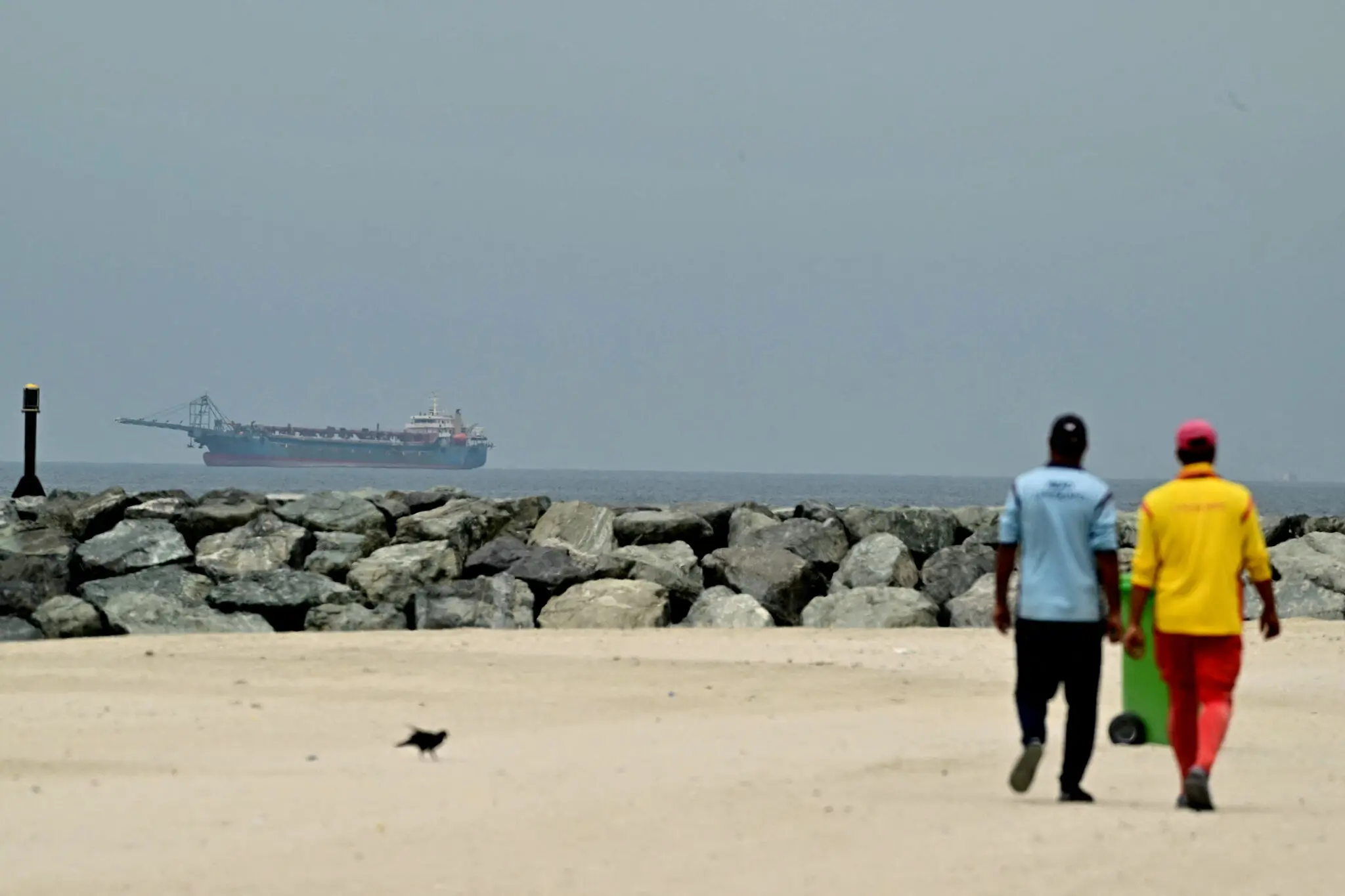
This is why diplomacy now runs alongside maritime pressure. The naval blockade raises the cost of delay for Tehran, but it does not create a political ending by itself. It serves instead as leverage inside a negotiation whose real object is no longer total dismantlement, but the timing of the next threshold.
The weakness of this approach is just as clear as its appeal. Any long pause hands the crisis to the future. If the infrastructure is not irreversibly dismantled, if the technical base remains intact, if the expertise stays inside the system, then the problem has not disappeared. It has simply been placed in storage. A deal of delay may therefore succeed tactically while failing strategically.
Domestic politics make the structure even more fragile. In the United States, any agreement that falls short of visible Iranian capitulation can be attacked as another weak bargain in disguise. In Iran, any long moratorium that looks like submission under pressure can be rejected by the hard-line core of the regime. That is why both sides are likely to keep speaking the language of strength in public even as they negotiate over time in private.
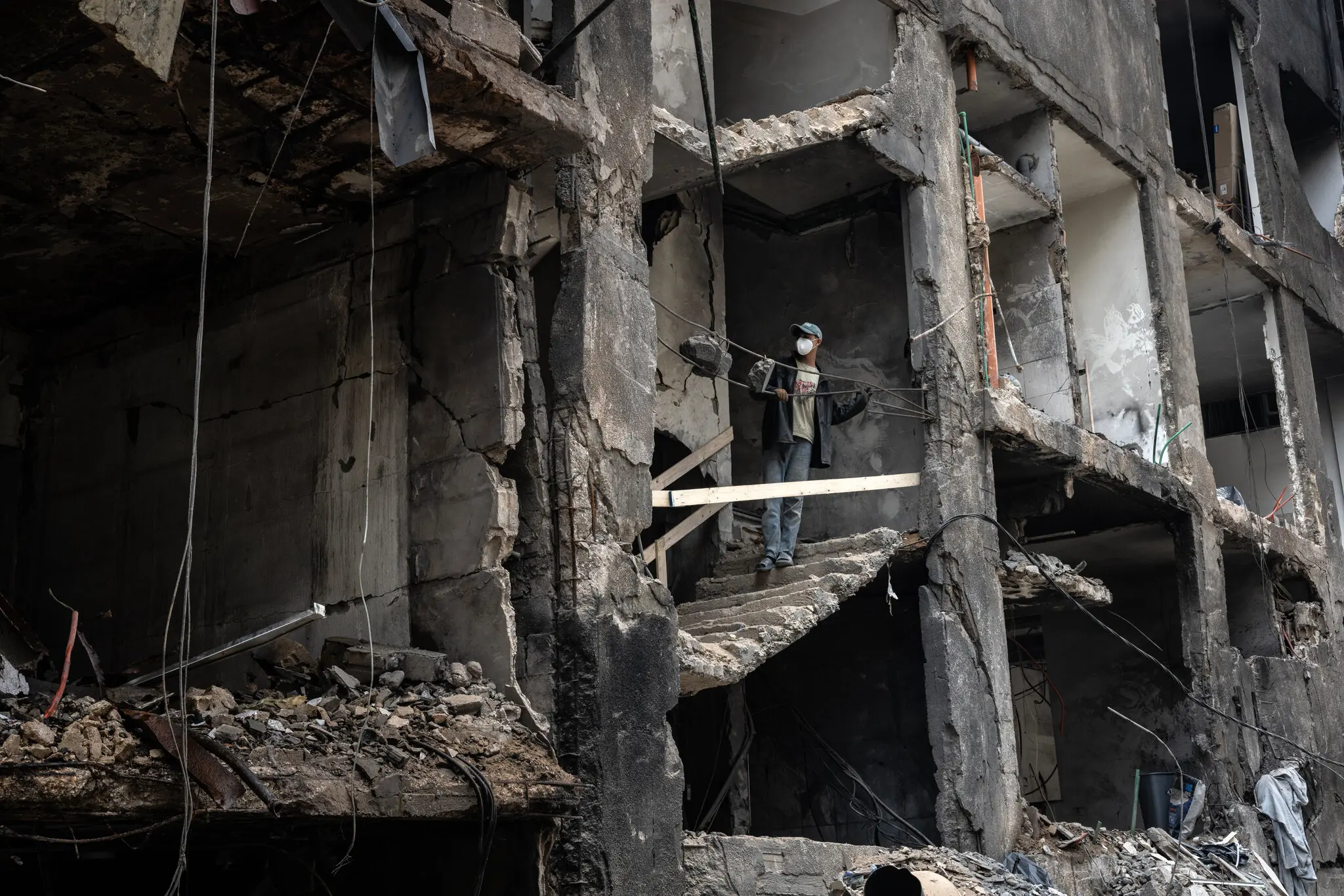
The context is also far more toxic than it was a decade ago. The nuclear file no longer stands alone. It is now entangled with war, blockade, maritime security, oil markets, proxy networks and the constant threat of regional escalation. That means even a workable compromise on enrichment would not restore real stability. At best, it would slow the pace of disintegration.
In that sense, the diplomacy taking shape now is distinctly American in character. It aims not at grand reconciliation, but at managed deferral. Not at a historic breakthrough, but at a framework in which Iran does not become a nuclear state now, and the next decision is left to a later administration under different conditions. That may be enough for Washington. It is unlikely to be enough for the long-term security of the region.
The central question, then, is not whether a new U.S.-Iran agreement is possible. It is whether that agreement would become yet another expensive form of postponement, celebrated as a breakthrough only because neither side can achieve more. After Islamabad, the answer looks increasingly stark: Washington is trying once again not to solve Iran, but to push the moment of reckoning further down the road.















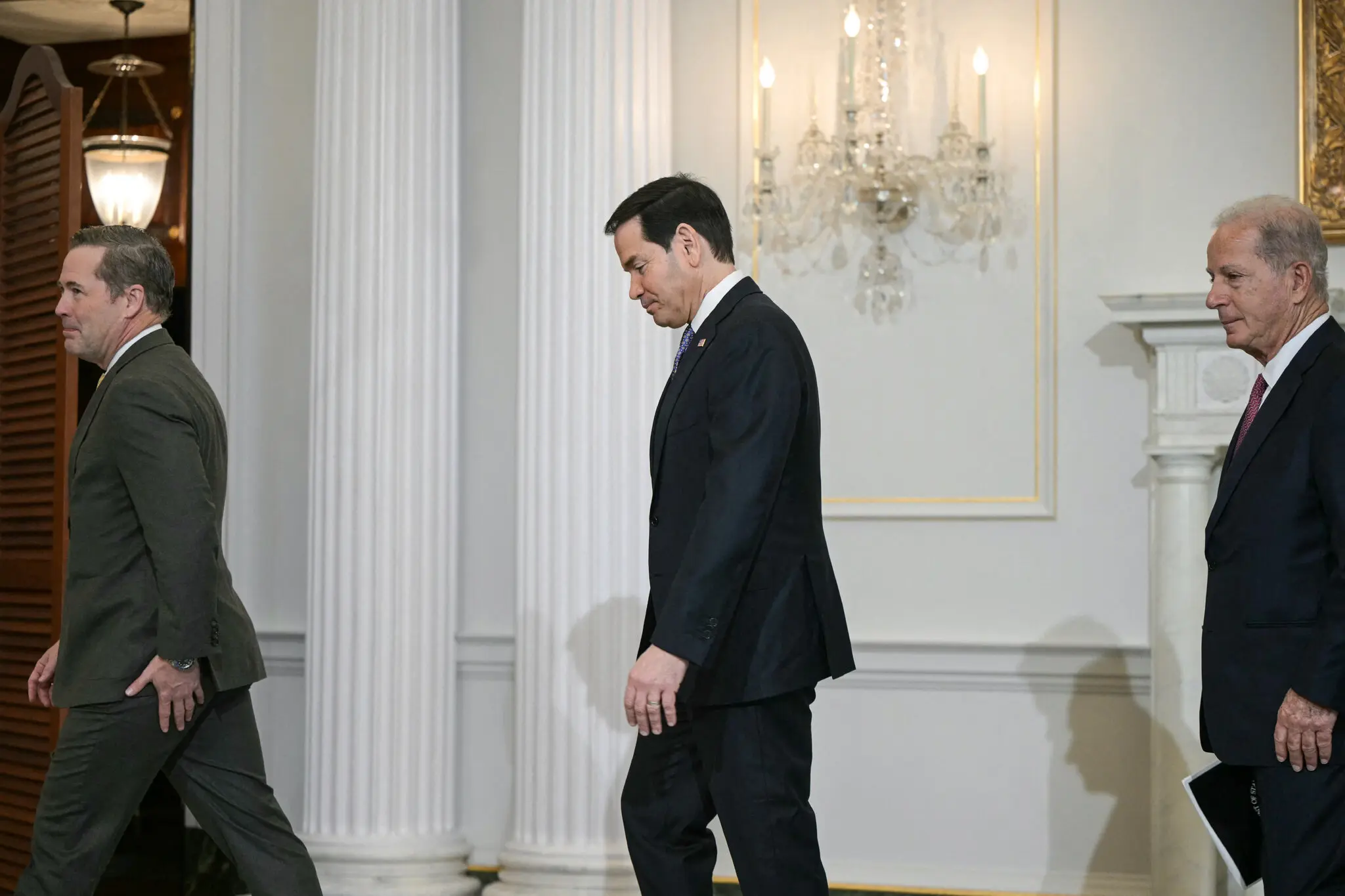 Олів'єр Контрерас/Agency France-Presse — Getty Images


 Сі Цзіньпін — Фотографія басейну від Харуни Фурухаші