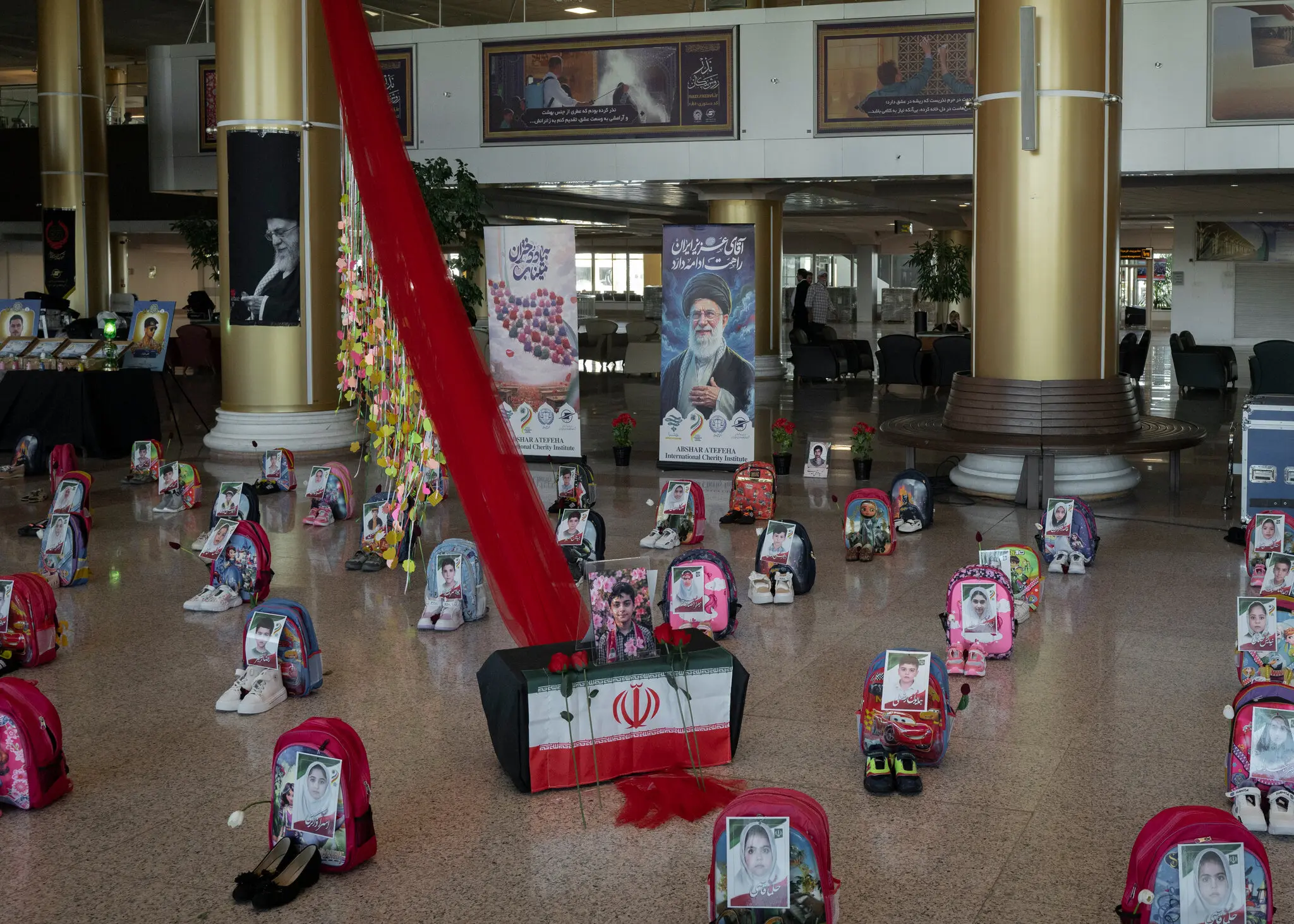


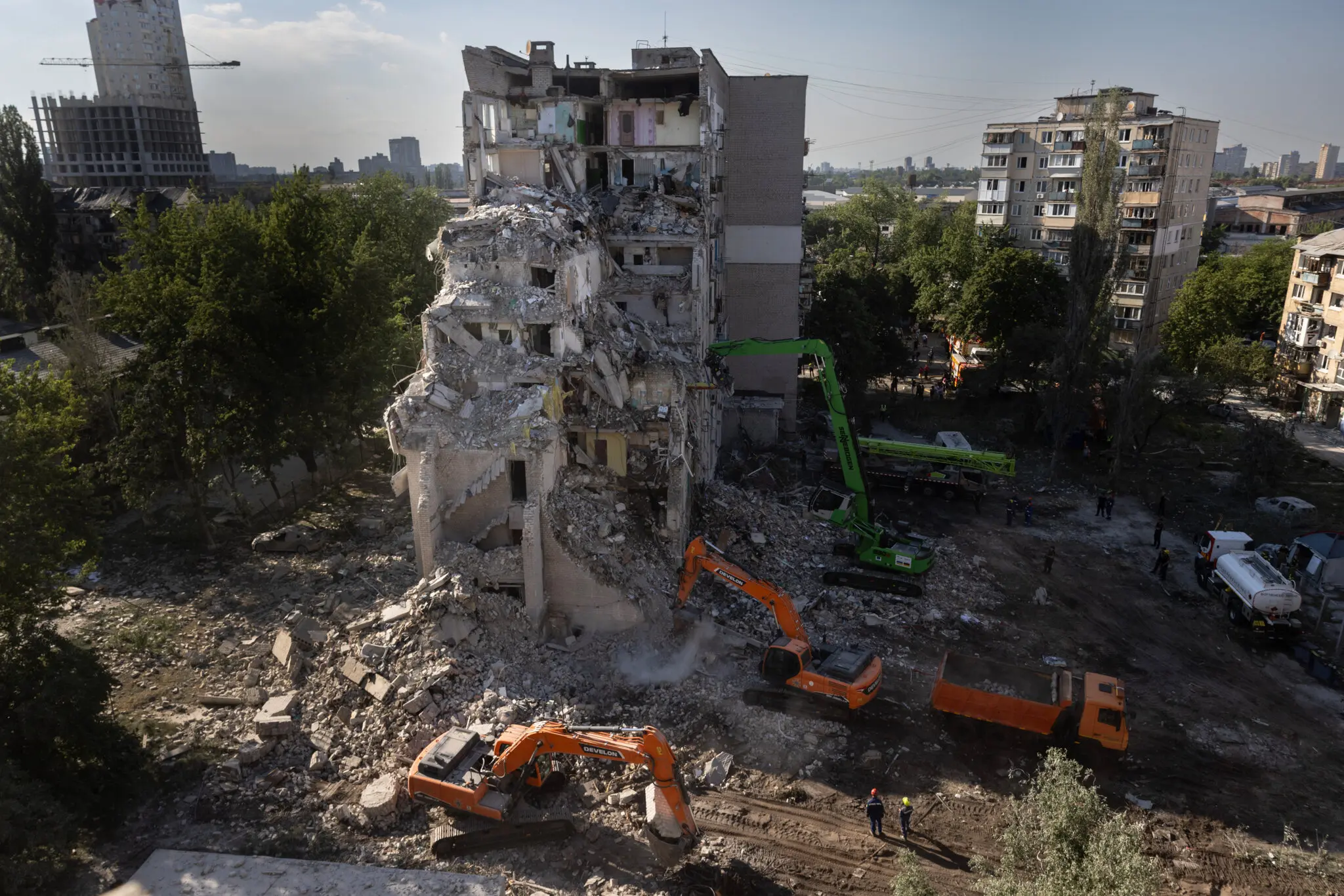






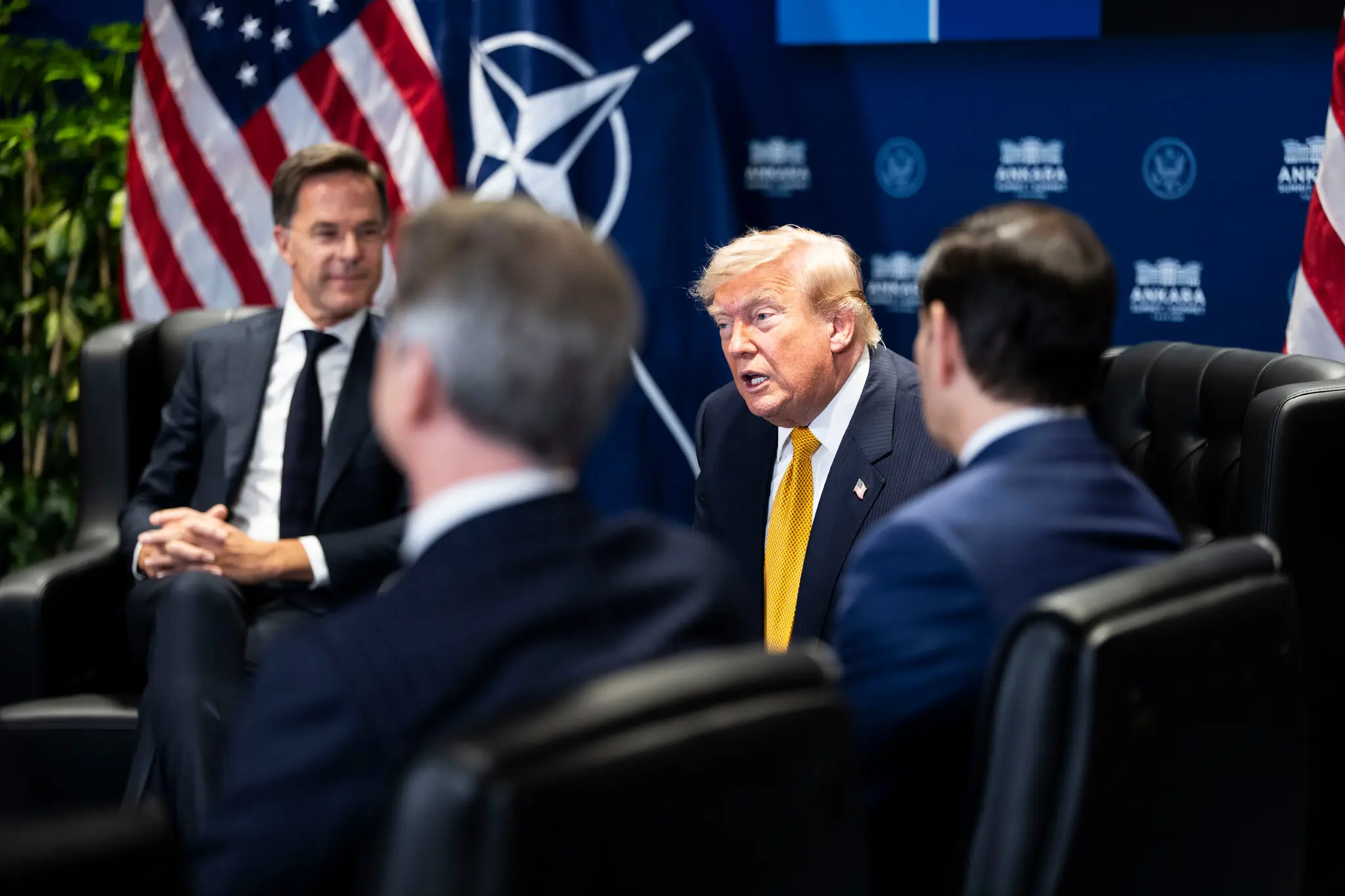
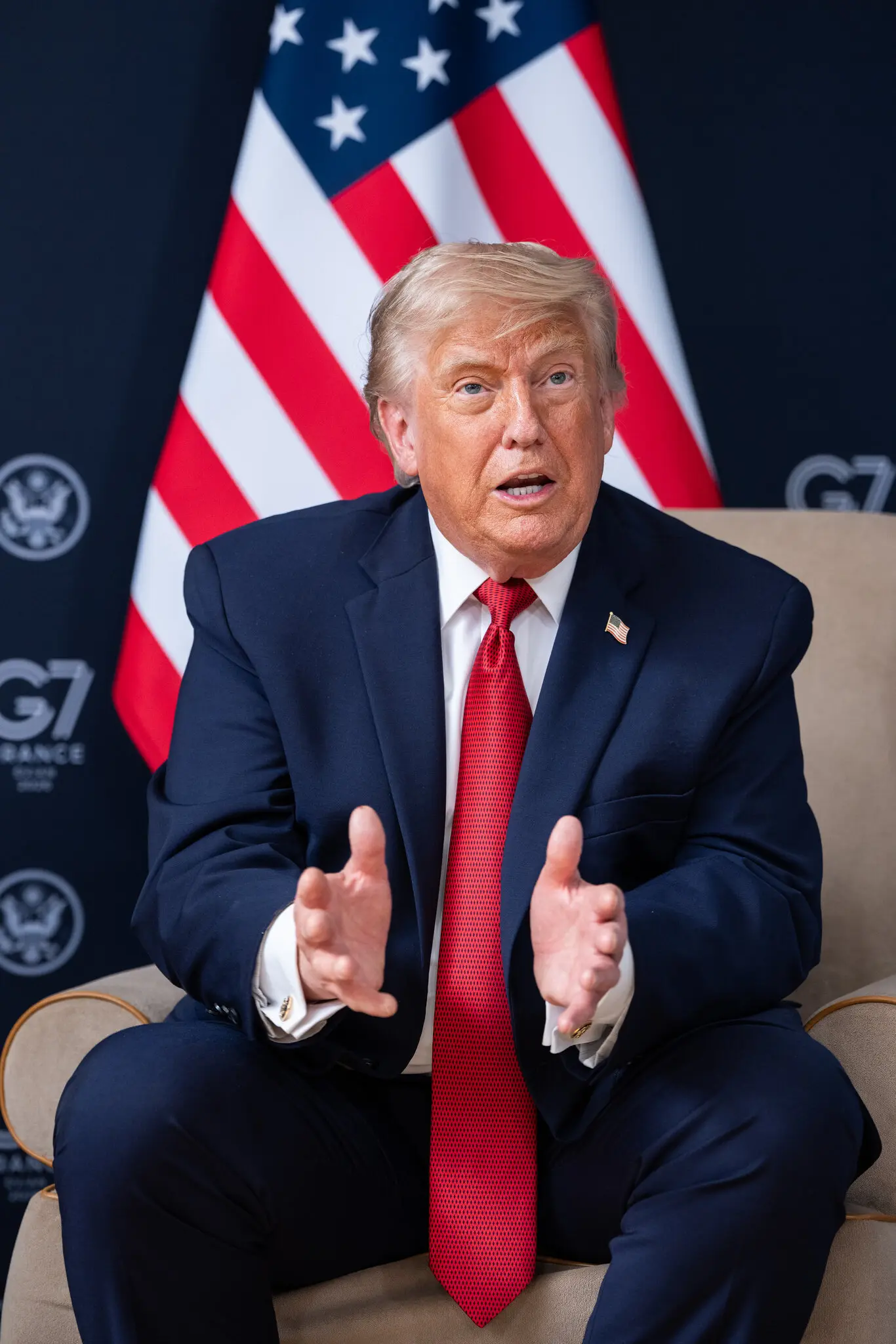














Not long ago, Donald Trump spoke of peace in the Middle East as if it were already his historic achievement. He promised to untie one of modern politics’ oldest knots and presented the ceasefire with Iran as proof that he could make big deals where others saw only deadlock.
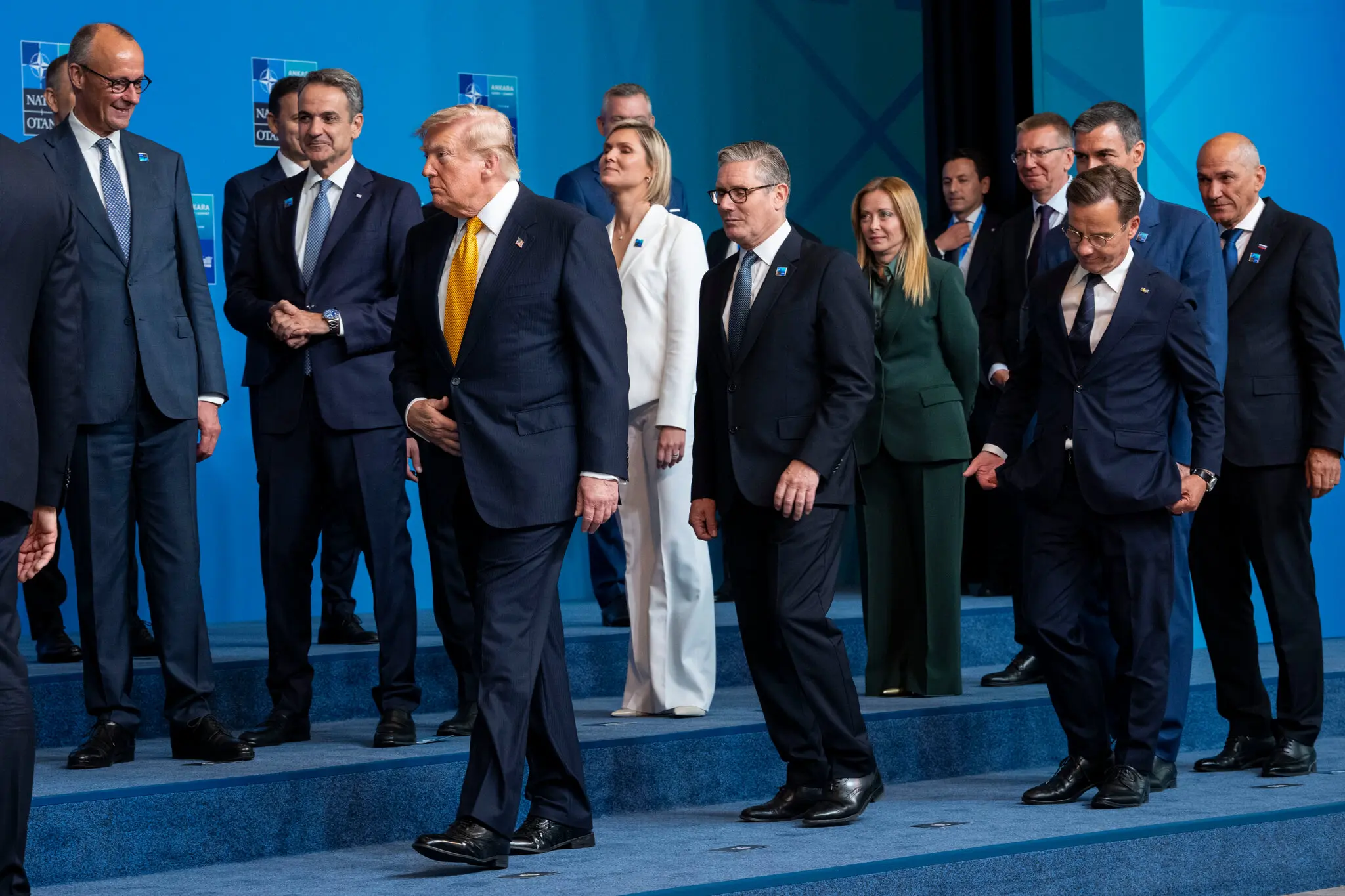
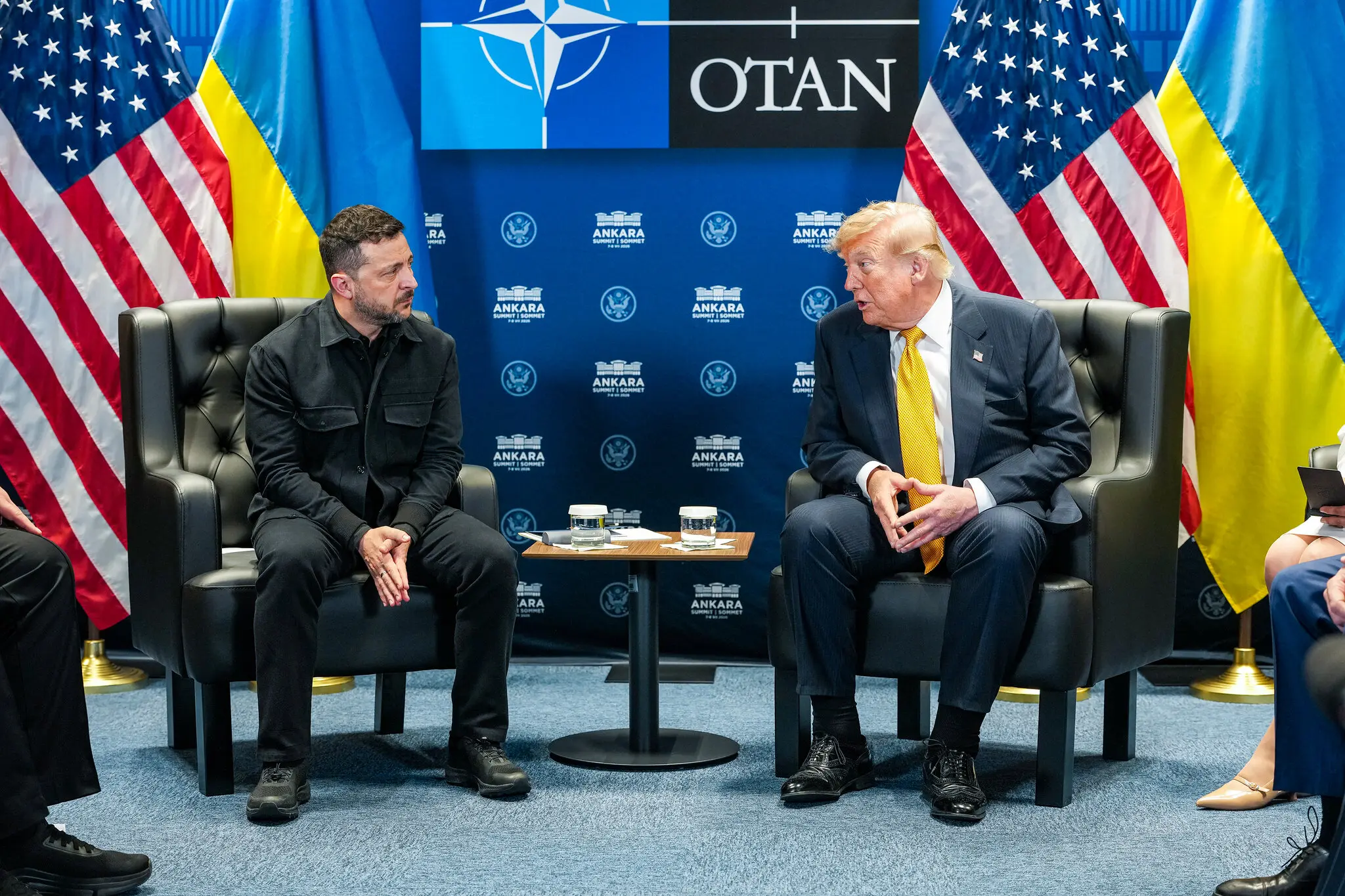
But the ceasefire did not last even a month. At the NATO summit in Ankara, Trump effectively acknowledged that it was over after a new exchange of strikes between the United States and Iran. The peace announced in triumphant tones turned out not to be a security architecture, but a hurried pause built around unresolved questions.
That is the central problem of the current Iran crisis. The agreement the White House wanted to present as a breakthrough avoided the hardest issues: Iran’s nuclear program, its missile arsenal, control over the Strait of Hormuz, the role of the Islamic Revolutionary Guard Corps, Tehran’s support for allied groups and the regime’s repression at home.
In Daycom’s assessment, Trump is facing not merely the failure of one ceasefire, but the limits of his own diplomatic model. His approach rested on the assumption that an adversary would ultimately choose economic benefit. But Iran’s system has been shaped for decades not only by economic calculation, but by revolutionary ideology, coercive logic and the symbolism of resistance to the United States.
That is why a 14-point framework assembled in haste could not replace a real settlement. It allowed Trump to announce a deal, but it did not remove the causes of war. When a document postpones the central disputes “for later,” that “later” almost always returns as missiles, attacks on ships and threats of new escalation.
Trump now faces three unattractive options. He can escalate and risk another major military operation. He can restore a hard blockade of Iranian ports. Or he can accept an intermediate condition — neither war nor peace, with recurring clashes in the Persian Gulf and periodic attempts at diplomacy.
None of these paths offers him a quick victory. A full-scale war lacks sufficient support at home and becomes politically toxic ahead of midterm elections. A blockade requires a sustained military presence and does not guarantee Iran’s economic collapse. A prolonged conflict destroys the promise of a fast and inexpensive operation.
The Strait of Hormuz remains the most dangerous point. It is not merely a sea route, but a lever Tehran knows how to use against global energy markets. If tanker traffic falls, oil prices, insurance, logistics and political risk immediately become part of the military calculation.
Iran’s logic is clear: it does not need to close the strait completely to create pressure. It only has to make passage unpredictable, force ships to account for new rules, frighten carriers and show that the Revolutionary Guards can dictate conditions along one of the world’s vital energy arteries.
For Trump, this is a particularly difficult trap. He wants to look like a president who controls force, not one drawn into an uncontrollable conflict. But every attack on a ship or American facility forces him to respond in order to avoid appearing weak. Each response, in turn, raises the risk of a wider war.
The threats voiced in Ankara revealed that tension. Trump spoke of possible strikes on Iranian infrastructure, the oil island of Kharg and even water facilities, though he expressed hesitation about the latter. This was no longer the language of controlled diplomacy, but the language of a president trying to recover initiative through force.
Yet force does not solve the questions the agreement left open. The fate of Iran’s near-weapons-grade nuclear material remains central. Trump has simultaneously argued that the material is effectively inaccessible underground and insisted that the nuclear threat justified the initial war.
That contradiction weakens the political logic of the entire campaign. If the nuclear fuel is securely buried after strikes on key facilities, then the question arises why the war began with such urgency. If the threat remains real, then the ceasefire that failed to resolve it was only a pause before the next round.
It also matters that the agreement barely touched Iran’s missiles. For Israel, that arsenal remains one of the central existential risks. Nor was the question of Tehran’s regional allies truly resolved. The ceasefire in Lebanon, on which the broader construction depended, rested on parties that were not full participants in the U.S.-Iran arrangement.
This produced the familiar illusion of quick diplomacy: formally, a document exists, but the mechanisms for enforcement are insufficient. Complex conflicts do not disappear because they are left out of the text. They move into the shadows and return where they hurt most — in maritime logistics, nuclear sites, missile strikes and domestic politics.
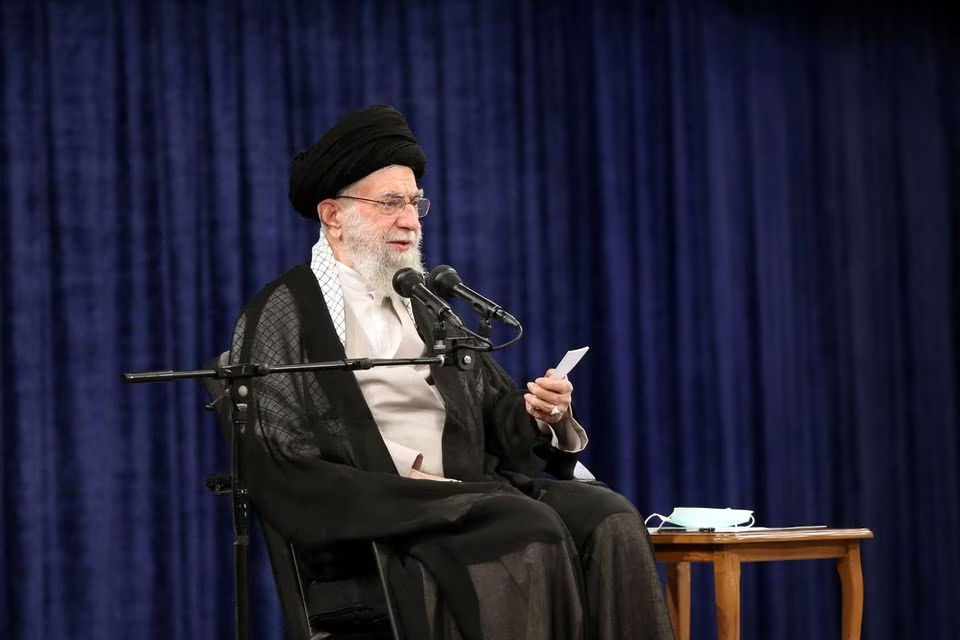
Trump’s rhetoric toward Iran’s leadership has also shifted sharply. He had recently suggested that Iran’s new leadership might be more rational and more open to economic incentives. Now he describes its leaders as hostile, brutal and sick people with whom it is useless to deal.
That turn is not only emotional. It shows the White House losing its original bet on Iran’s transactional instincts. If the adversary does not behave like a business partner in a difficult deal, the entire formula of “we can agree because it is profitable” begins to fall apart.
What lies ahead may not be a large decisive war, but a long stretch of semi-war. Low-intensity strikes, responses to them, mediators, short ceasefires, fresh violations, oil markets, military costs and the constant threat of miscalculation now look like the most realistic scenario.
For Trump, that is almost the opposite of what he promised. He entered the confrontation with Iran as a quick demonstration of strength and deal-making mastery. Instead, he has inherited a conflict in which every option is bad: escalation is dangerous, endurance is costly, and compromise without resolving the core issues is fragile.
The Iran crisis has exposed the limits of a policy that confuses a deal with peace. Peace requires more than signatures and announcements. It requires removing the causes of war, building control mechanisms, establishing acceptable guarantees and understanding the nature of the regime across the table. Without that, a ceasefire becomes not the end of a conflict, but a short pause between two strikes.
Trump wanted to present the Middle East as the stage of his triumph. Instead, Ankara showed something else: the rushed deal with Iran failed its first serious test, and the U.S. president must now manage not peace, but a muddled war in which every next step may cost more than the last.