




















Crimea, which Vladimir Putin sought to present after the 2014 annexation as a symbol of Russia’s revival, is steadily losing the image of an impregnable fortress. Ukrainian strikes on the peninsula no longer look like isolated operations. They are forming a campaign of systematic exhaustion.
Its logic is simple and severe: a fortress does not always have to be stormed if it can be gradually deprived of fuel, communications, air defense, roads and confidence. Crimea remains a military prize for Russia, but precisely for that reason it is becoming an increasingly vulnerable target.
The peninsula depends on narrow corridors. The Kerch Bridge, crossings, roads through occupied southern Ukraine, the Chonhar route, ports and railways form the system that feeds Russian forces. When those nodes are hit at once, the damage is not local. It shakes the whole structure.
According to Daycom’s analysis, Ukraine’s Crimea campaign marks a shift from symbolic strikes to an operation of logistical strangulation. The goal is not only to damage separate facilities, but to force Russia to repair, redeploy, defend and lose tempo again and again.
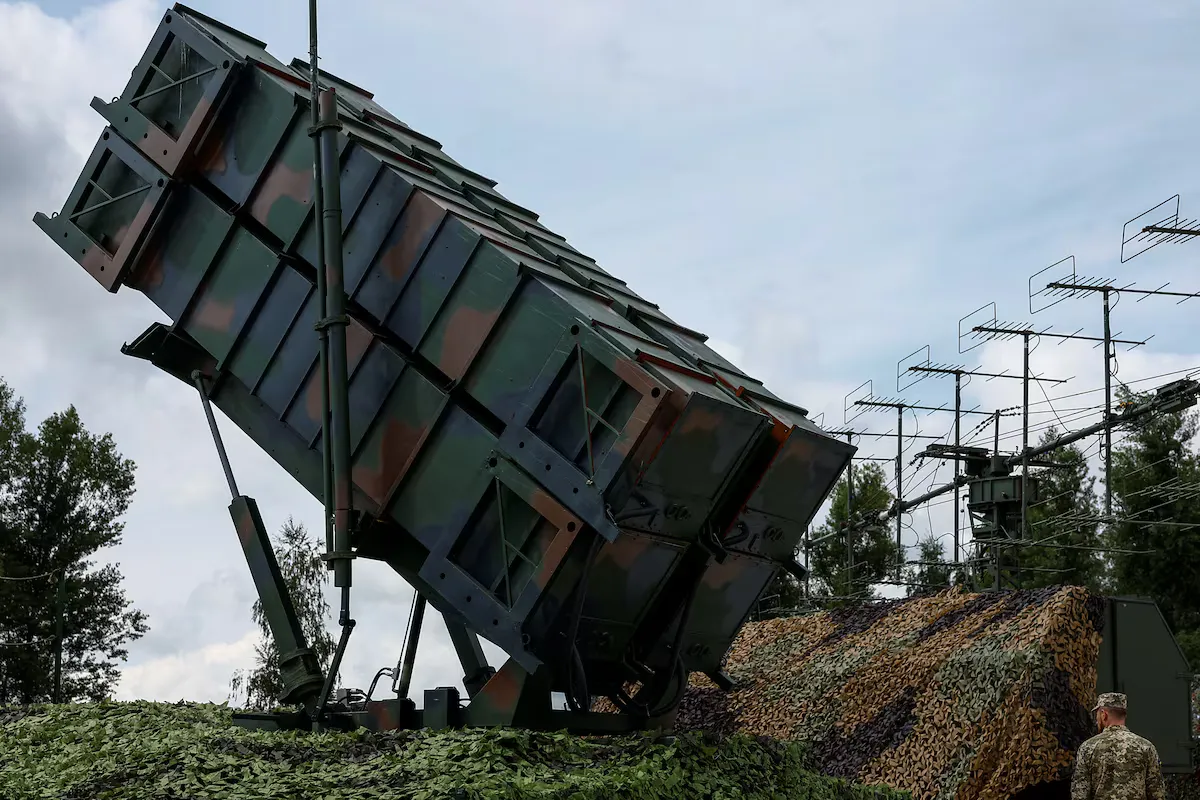
The first layer of this campaign has been strikes on Russia’s air defense and radar network. Crimea’s defenses were built around the expectation of missiles, aircraft and large targets. Ukrainian drone swarms have changed the rules: they attack in numbers, search for weak points and overload the system.
When radars, S-400 systems, observation posts or supporting infrastructure are knocked out, the peninsula loses more than a single piece of equipment. It loses part of its sight. For a military hub that lives on the constant movement of cargo, that is critical.
The next targets were roads and bridges. The strike on the Chonhar Bridge showed that Ukraine is not merely hunting for spectacular targets, but trying to tear apart the route map of the Russian army. Temporary crossings, pontoons and detours solve the problem only partly — and quickly become targets themselves.
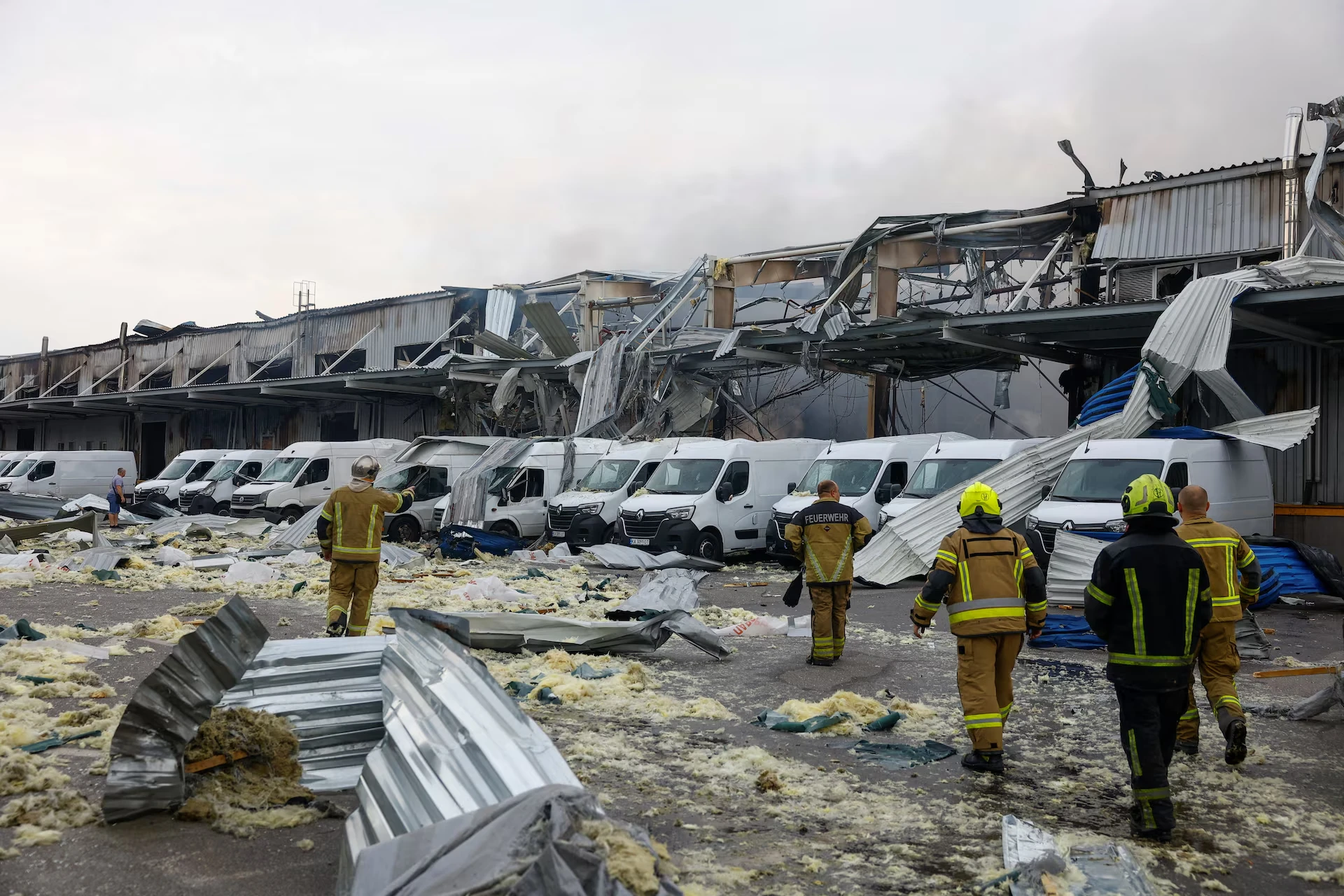
This kind of war becomes an exhausting game. Russia repairs a bridge; Ukraine strikes the repair effort. Russia installs a pontoon crossing; Ukraine searches for it with drones. Russia strengthens security along a road; Ukraine shifts attention to trucks, fuel tankers, rail convoys or communications nodes.
This is where the new role of Ukrainian drones becomes clear. They are no longer only weapons for precision strikes. They are tools of operational control over space. A drone can observe, correct, hit and immediately create a political image: the Russian rear is no longer fully rear.
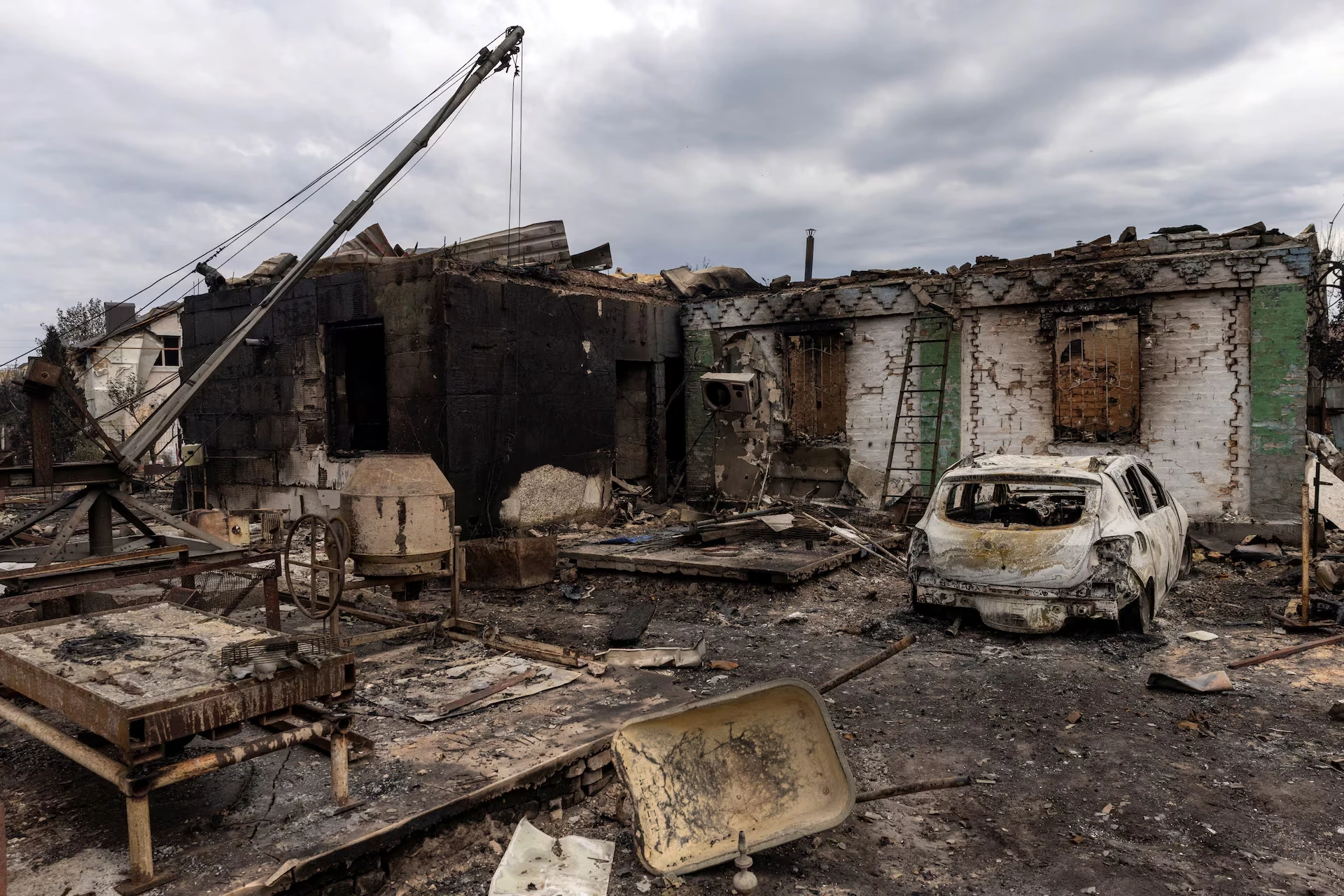
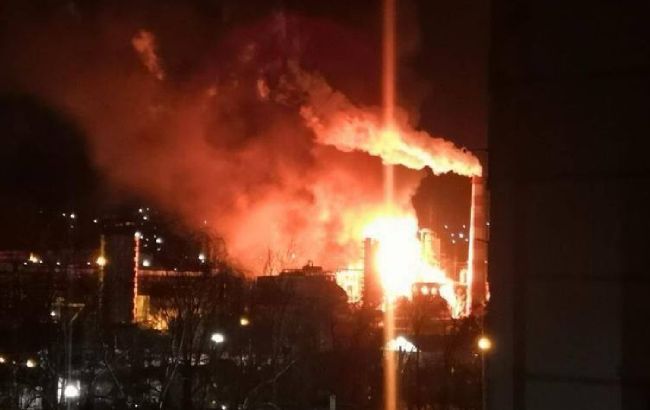
The third direction is energy and fuel. Strikes on oil depots, terminals, gas facilities, electrical substations and thermal power plants create a cumulative effect. One explosion does not paralyze Crimea. But a series of attacks forces the system to work at its limit, where each new failure becomes harder than the last.
For the Russian army, fuel is not a civilian inconvenience but the bloodstream of logistics. Without it, tanks, trucks, repair crews, air defense systems and evacuation routes slow down. Fuel shortages on the occupied peninsula hit not only the military, but also public morale among those who were promised years of “stability” under Russian control.
In this sense, Ukraine is using Crimea’s geography against Russia itself. The peninsula projects into the sea and depends on bridges, ports and narrow approaches. Moscow spent years turning it into an aircraft carrier, but an aircraft carrier without reliable supply becomes not a symbol of power, but an expensive trap.
Russia has indeed poured enormous resources into Crimea: troops, air bases, coastal batteries, ships, depots, missile systems, roads and the Kerch Bridge. But no concrete structure can erase the basic fact that all of this must be supplied, repaired, guarded and fueled every day.
Ukraine’s strategy does not promise a quick collapse of Russian defenses in the south. It works differently, through sustained pressure. If the strikes continue, Russian commanders will have to spend more resources not on offensive operations, but on protecting the rear, repairing infrastructure and covering communications.
That is already changing the balance. Some Russian forces on the southern axis must now think not only about the front, but about Crimea as a problem. Air defenses have to be stretched, logistics must seek alternative routes, and commanders must calculate risks in places they once regarded as deep rear.
At the same time, the campaign has limits. Russia can adapt, build causeways, camouflage facilities, change movement schedules and deploy mobile teams against drones. But the need for that adaptation is itself a result of Ukrainian pressure.
Crimea in this war means more than one territory. It is a base for strikes against Ukraine, a supply hub for the southern front, a symbol of Putin’s policy and proof of Moscow’s belief that borders can be changed by force. That is why strikes on Crimea carry military, psychological and diplomatic weight.
For Kyiv, these attacks create leverage for future negotiations. Ukraine is showing that occupation has not become a final reality and that Russia’s presence on the peninsula has a cost. This is not rhetoric, but a daily test of depots, bridges, radars, ports and roads for vulnerability.
For the Kremlin, the problem runs deeper. Crimea was sold to Russians as a territory of restored greatness, strength and security. Now it increasingly appears as a place of explosions, fuel lines, blackouts, alarms and military unease. A political myth is colliding with the material reality of war.
Ukraine is not simply “bringing the war” to Crimea. It is changing the peninsula’s function inside Russia’s war machine. What was meant to be a pillar is gradually becoming a burden. What was supposed to support offensive operations is beginning to require ever more protection.
That is why the current campaign matters not because of any single explosion, but because of the sum of its consequences. Every damaged bridge, every burned fuel tanker, every disabled radar and every failure in the energy system serves one purpose: to make holding Crimea more expensive, more complicated and less reliable.
Putin once called Crimea an “unsinkable aircraft carrier.” Ukraine is now offering another metaphor: even an aircraft carrier becomes vulnerable when its deck is visible, its supply routes are exposed and its repair crews work under the constant threat of another strike.
In this war, geography long seemed to be Russia’s ally. But Ukrainian drones, long-range strikes and a precise logistics campaign are gradually changing its meaning. Crimea has not stopped being the key to the south. It has simply stopped being a place where Moscow can feel beyond reach.