

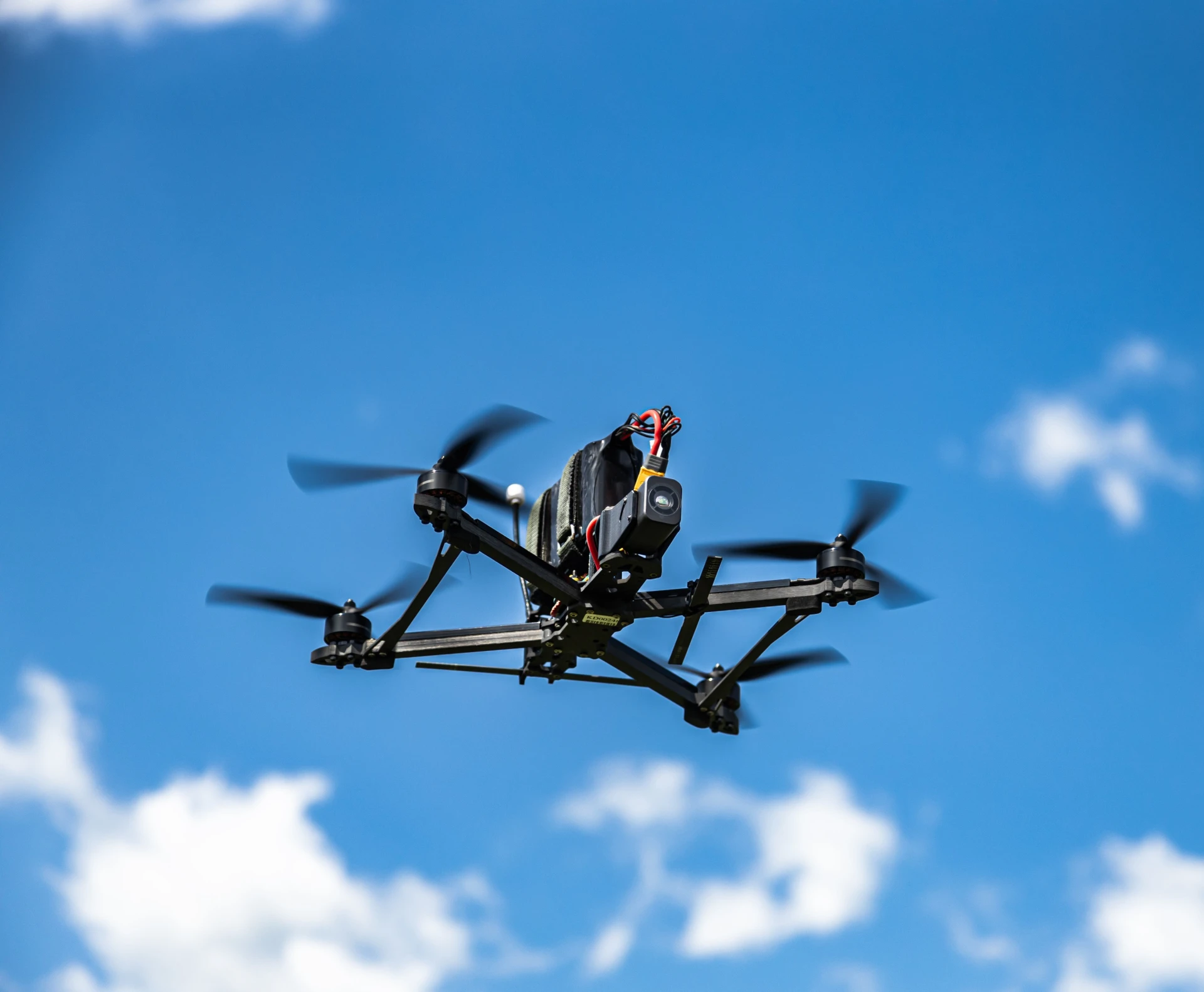




















Ukrainian drones have again struck Russian infrastructure far from the front line. This time, damage was reported at the Baltic Sea ports of Ust-Luga and Vysotsk, while occupied Sevastopol lost power after an attack. The geography of the strikes revealed the central fact: the war is no longer confined to Donbas, Kharkiv region or Ukraine’s south.
Ust-Luga is one of Russia’s largest outlets for the export of oil and petroleum products. Vysotsk is also part of the Baltic port infrastructure that supports Russian trade and logistics. A strike on these sites is not only a strike on piers or storage facilities. It touches the export routes through which Moscow earns the money that helps sustain the war.
Regional authorities in Leningrad region reported dozens of drones shot down and damage caused by falling debris. But even that wording does not change the substance. If debris falls on ports, warehouses, industrial sites and energy nodes, Russia’s rear is no longer a safe space where the war exists only on television.
In Daycom’s assessment, the latest wave of strikes shows a more mature logic in Ukraine’s long-range drone campaign. Its purpose is not symbolic noise, but systematic pressure on Russian energy infrastructure, oil exports, military logistics and the regions that feed the front with resources.
The Baltic ports are especially important for Russia. Together with Primorsk, Ust-Luga and Novorossiysk, they form one of the key export circuits that recently approached record volumes. For Moscow, this is not simply trade. It is a financial artery of the war, supporting the budget, the army and the ability to endure sanctions pressure.
That is why Ukraine is increasingly targeting not random facilities, but junctions where Russia’s military and economic systems merge. Refineries, oil depots, ports, pumping stations and industrial sites have become part of a single front. It has no trenches, but it has pipelines, tanks, railways, transformers and fuel.
Strikes on Russian refineries have already contributed to fuel shortages, rising prices and queues at filling stations in a number of regions. For a country that spent years presenting itself as an energy superpower, this is a painful and politically sensitive signal. Ukraine cannot cut off all Russian revenues, but it can make them more expensive and less predictable.
Sevastopol carries separate weight in this picture. It is not only the largest city in occupied Crimea, but the home of Russia’s Black Sea Fleet. When power goes out there after an attack, it is not merely a local utility failure. It is a reminder that the occupied peninsula remains a vulnerable military platform, not an untouchable rear area.
Crimea has long turned for Moscow from a symbol of triumph into a complex object of defense. Bridges, airfields, depots, air-defense systems, naval bases and energy nodes require constant protection. Each new strike forces Russia to stretch its forces between the front, the ports, the peninsula and inland industrial regions.
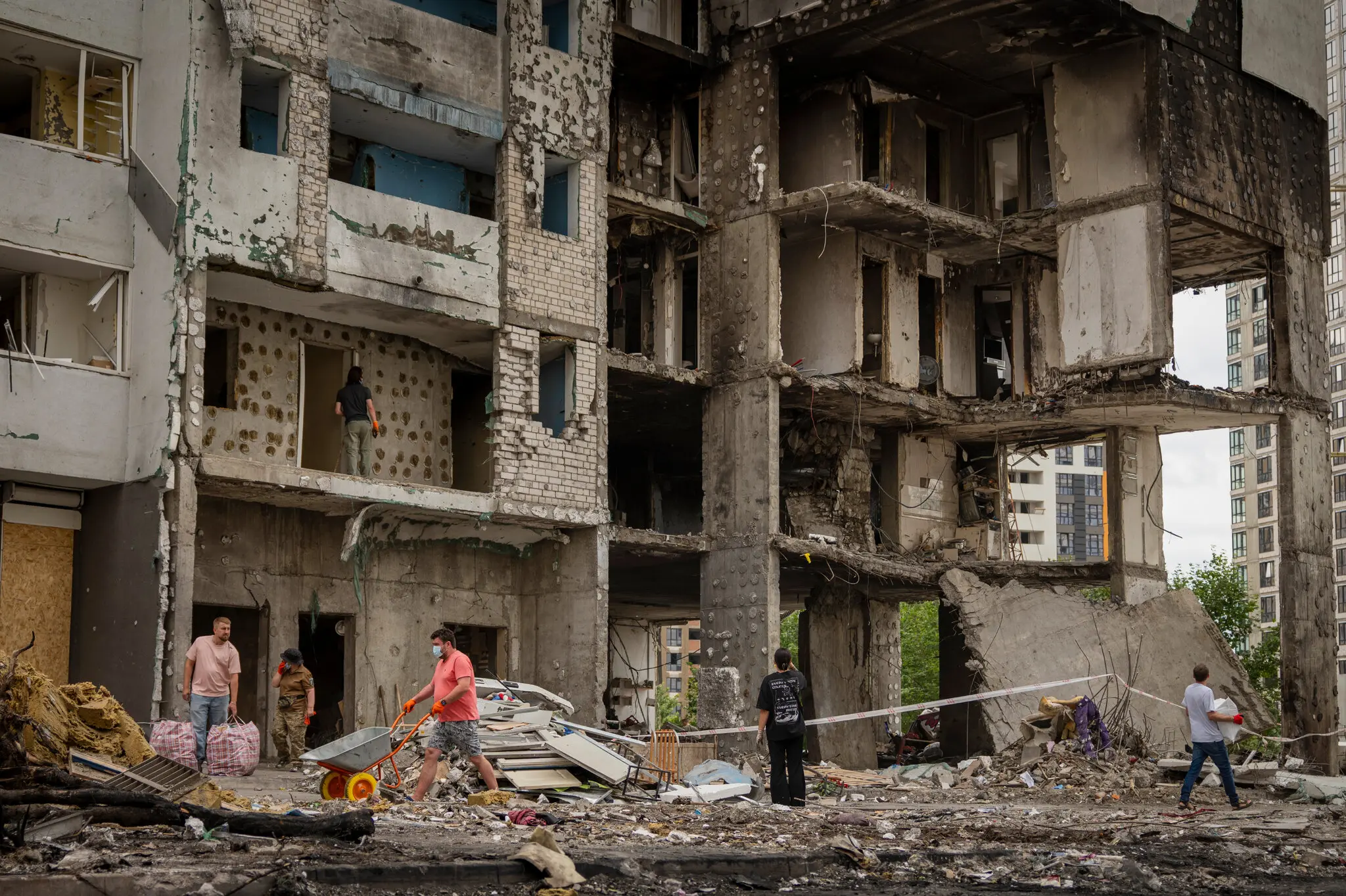
In Kerch, a woman was killed as a result of a drone strike. That fact adds a human dimension to the military picture that cannot be ignored. Long-range war, even when aimed at infrastructure, is never an abstract game of technology. It unfolds near cities, homes and people whom the regime has pulled into the space of a larger war.
Attacks were also reported far from the ports. In Kaluga region, drones hit an industrial facility in the Dzerzhinsky district, causing a fire. In Yaroslavl region, officials reported people wounded by shrapnel after an overnight attack and dozens of drones shot down. The map of strikes is widening, and Russia’s defensive system is becoming increasingly strained.
This geography has strategic meaning. Ukraine cannot compete with Russia in the number of missiles, aircraft or artillery stocks. But it can strike vulnerable points in a large system — places where every disruption creates delays, costs, insurance risks, repairs, rerouted logistics and political questions for local authorities.
For the Kremlin, this is a new quality of war. Russia has grown used to striking Ukrainian cities, energy facilities and ports while keeping its own export infrastructure in relative safety. Ukrainian drones are breaking that asymmetry. They do not equalize the scale of destruction, but they change the sense of distance.
Every strike on Ust-Luga or Vysotsk also has an international dimension. The Baltic route is tied to maritime insurance, export schedules, tanker flows and Russia’s ability to work around sanctions. Even limited damage can affect calculations by traders, logistics companies and buyers of Russian raw materials.
This does not mean that one wave of attacks can halt Russian exports. Moscow has reserves, alternative routes and experience in rapid repairs. But attritional war is not made of a single decisive blow. It is made of thousands of disruptions to normal operation. That is what makes Ukraine’s long-range drone campaign increasingly dangerous for Russia.
Russian regional reports of dozens of drones shot down are meant to reassure the public, but they also reveal the scale of the problem. If the system has to repel waves of drones every night from the Baltic to the Volga region and Crimea, then the front has entered spaces Moscow long considered deep rear territory.
For Ukraine, this strategy does not remove the need for air defense, artillery, manpower and ground defense. It does not replace the front near Kostiantynivka or Pokrovsk. But it creates another cost of war for Russia: not only infantry losses, but strikes on revenue, fuel, logistics and the internal sense of security.
The latest attacks showed that Ukraine’s long-range campaign is moving from episodic strikes toward a more systematic effort. Ports, Crimea, industrial regions and energy sites are now linked on one map of vulnerabilities. The longer Russia continues its war against Ukraine, the wider that map becomes.
The central conclusion for Moscow is uncomfortable: distance no longer guarantees protection. Ust-Luga, Vysotsk, Sevastopol, Kaluga and Yaroslavl now appear in the same strategic sentence. Ukraine is not merely answering Russian attacks. It is learning to strike where the war costs the Kremlin the most.