





















The war between the United States and Iran has entered its most dangerous phase not because diplomacy has disappeared. On the contrary, diplomacy has become more intense. Airstrikes, threats of renewed bombing and attacks on bases in the Gulf are now unfolding alongside messages about a memorandum that could stop the fighting.
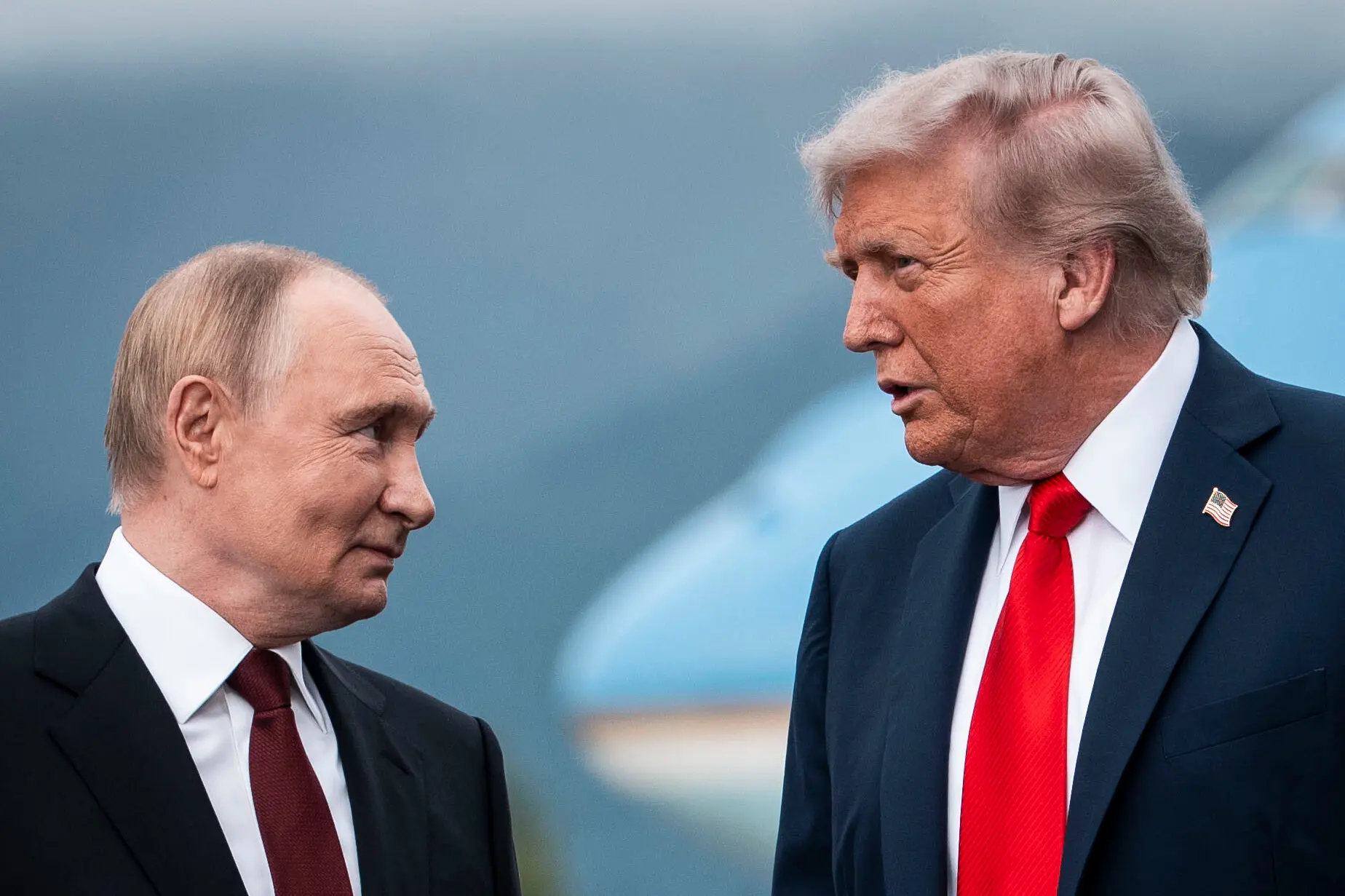
Washington and Tehran exchanged strikes again on Thursday. President Donald Trump threatened further attacks if Iran’s leadership did not immediately agree to a peace deal. Iran, in turn, struck U.S. military targets in the region, signaling that it would not enter negotiations from a position of complete weakness.
This double movement — escalation and bargaining at the same time — has become the defining feature of the crisis. The sides appear to have moved closer to a political understanding on the outline of a future document, but the key mechanisms remain unresolved: frozen Iranian funds, passage through the Strait of Hormuz, sanctions, nuclear restrictions and Israel’s role in the wider regional war.
According to Daycom’s earlier analysis, the current moment looks less like a direct road to a broad peace than an attempt to lock in a minimal pause that would allow each side to claim partial victory. The United States wants to show that pressure forced Tehran to negotiate. Iran wants to show that it endured the strikes and secured talks on money, sanctions and the strait.
Since the start of the large U.S.-Israeli air campaign against Iran on February 28, the war has killed thousands, mainly in Iran and Lebanon, and driven up oil prices. The fragile ceasefire agreed in early April did not end the strikes. It merely changed their rhythm.
The latest escalation accelerated after a U.S. Apache helicopter was downed near the Strait of Hormuz. Washington responded with strikes on military surveillance, communications and air-defense sites inside Iran. Tehran said it had attacked U.S. targets at air bases in Kuwait, Bahrain and Jordan, as well as infrastructure linked to the U.S. Fifth Fleet.
In Bahrain, debris from intercepted Iranian drones damaged homes and injured a child. Kuwait briefly closed its airspace. Inside Iran, explosions were reported in several cities, including areas near the Hormuz corridor and deeper inside the country. This is a war that remains regional in geography but global in consequence.
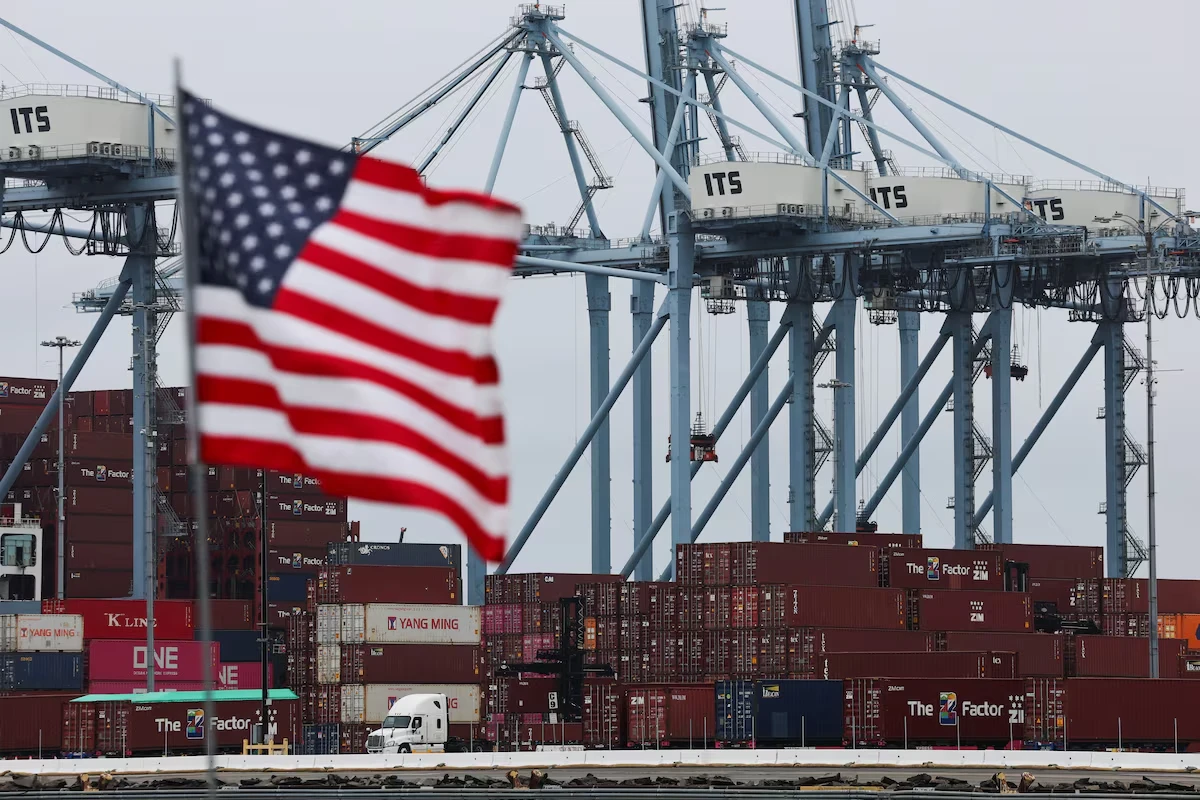
The Strait of Hormuz has become the center of the confrontation. A large share of the world’s oil and liquefied natural gas moves through this narrow route, which means every statement about closure or blockade immediately affects crude prices, insurance costs, tanker routes and political pressure in importing countries.
Iran’s military command has warned that it would fire on vessels trying to pass through the strait. The United States insists the waterway is not closed and that commercial shipping continues despite Iranian threats. At the same time, Washington is maintaining its own blockade of Iranian ports and has used force against vessels it says are carrying Iranian oil.
That mutual logic of blockade makes the crisis especially explosive. Formally, both sides speak about freedom of navigation and security. In practice, each is trying to control one of the world’s most important energy chokepoints and turn it into leverage at the negotiating table.
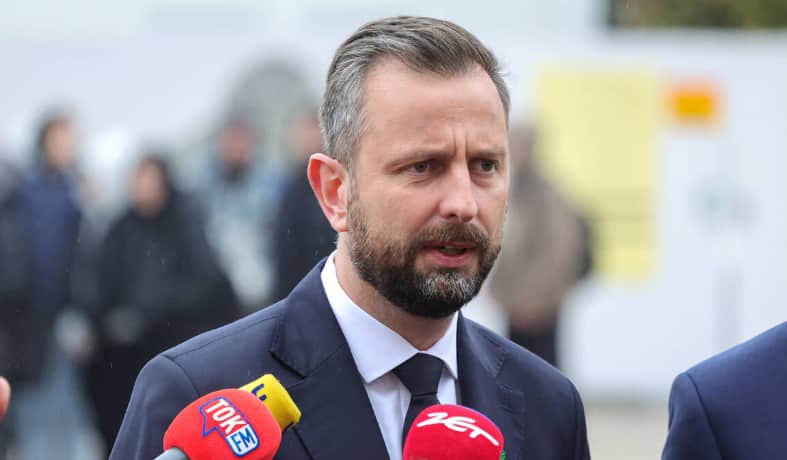
The central dispute now concerns not only weapons, but money. Tehran wants access to $6 billion to $12 billion in frozen oil revenues. Washington is not prepared simply to return the funds and is pushing instead for a staged mechanism tied to humanitarian purchases.
For Iran’s leadership, this is not a technical issue. Frozen assets could give the regime financial oxygen: support imports, stabilize the domestic market, ease social pressure and show the population that the war has not ended in complete isolation. That is why Tehran is seeking not a grand historic settlement, but a framework that quickly opens access to funds and halts the attacks.
For the White House, any mechanism to release the assets is politically dangerous. A direct transfer of funds to Iran would look like a concession under pressure from missiles and drones. A staged arrangement allows Trump to speak in terms of control, humanitarian safeguards and preventing money from reaching military programs.
The nuclear file remains just as difficult. The United States wants guarantees that Iran cannot develop a nuclear weapon. Tehran denies seeking one, but it also does not want a new deal to look like political surrender or a return to old restrictions without meaningful sanctions relief.
Iran is also demanding an end to Israeli attacks in Lebanon after cross-border strikes by Hezbollah. That widens the subject of negotiations far beyond a bilateral U.S.-Iran conflict. Any agreement on Iran now touches Lebanon, Israel, the Gulf, energy routes and the sanctions architecture.
This is where the main difficulty lies. The war has become too broad for a simple formula of strikes in exchange for concessions. The United States wants a secure strait, nuclear limits and a political result before the elections. Iran wants money, recognition of its influence and an end to attacks. Israel wants to prevent the restoration of Iranian military capacity. Gulf states want to avoid damage to their own infrastructure.
In Washington, the conflict has already become a domestic political problem. Rising gasoline prices are weighing on Trump’s approval ratings, while some Republicans fear that an unpopular war could cost the party control of Congress in the November midterm elections. A peace deal has become almost as necessary for the White House as a display of military strength.
Iran is also under pressure from time. Its military response may mobilize regime supporters, but a prolonged war damages the economy, increases the risk of domestic discontent and forces regional allies to operate at the edge of their capacity. Tehran can afford harsh rhetoric, but it still needs an exit that does not look humiliating.
That is why the current escalation does not necessarily mean the talks have failed. It may be part of them. In crises of this scale, the final strikes often serve not only as military punishment, but also as a message across the negotiating table: each side is demonstrating the price it can impose before a document is signed.
But this game has a narrow safety margin. One direct hit on a U.S. base with heavy casualties, one destroyed tanker in the strait or one air-defense mistake could derail the diplomatic track and push the sides back toward a full-scale war with no rapid exit.
For now, both capitals are trying to hold two lines at once. Washington strikes, but leaves a channel open for a deal. Tehran responds, but speaks of progress. Markets react nervously to threats, then calm when it becomes clear that supplies have not stopped completely.
That is the central paradox of the moment: a peace document may emerge not after the war’s most dangerous wave, but inside it. The United States and Iran can no longer retreat easily without losing face, yet they also cannot keep raising the stakes indefinitely without risking a regional rupture.
A preliminary agreement, if reached, is unlikely to be a grand reconciliation. It would more likely be a temporary structure built from several parts: partial release of frozen funds, limits on attacks, management of the Strait of Hormuz, nuclear safeguards and a de-escalation formula for Lebanon. It would not end the hostility, but it could stop the war from expanding.
That is why the coming days matter. Not because the two sides have suddenly begun to trust each other, but because Washington and Tehran have both reached a point where military force no longer guarantees political results. At that point, war begins to demand a deal — even from those who only yesterday insisted they could do without one.