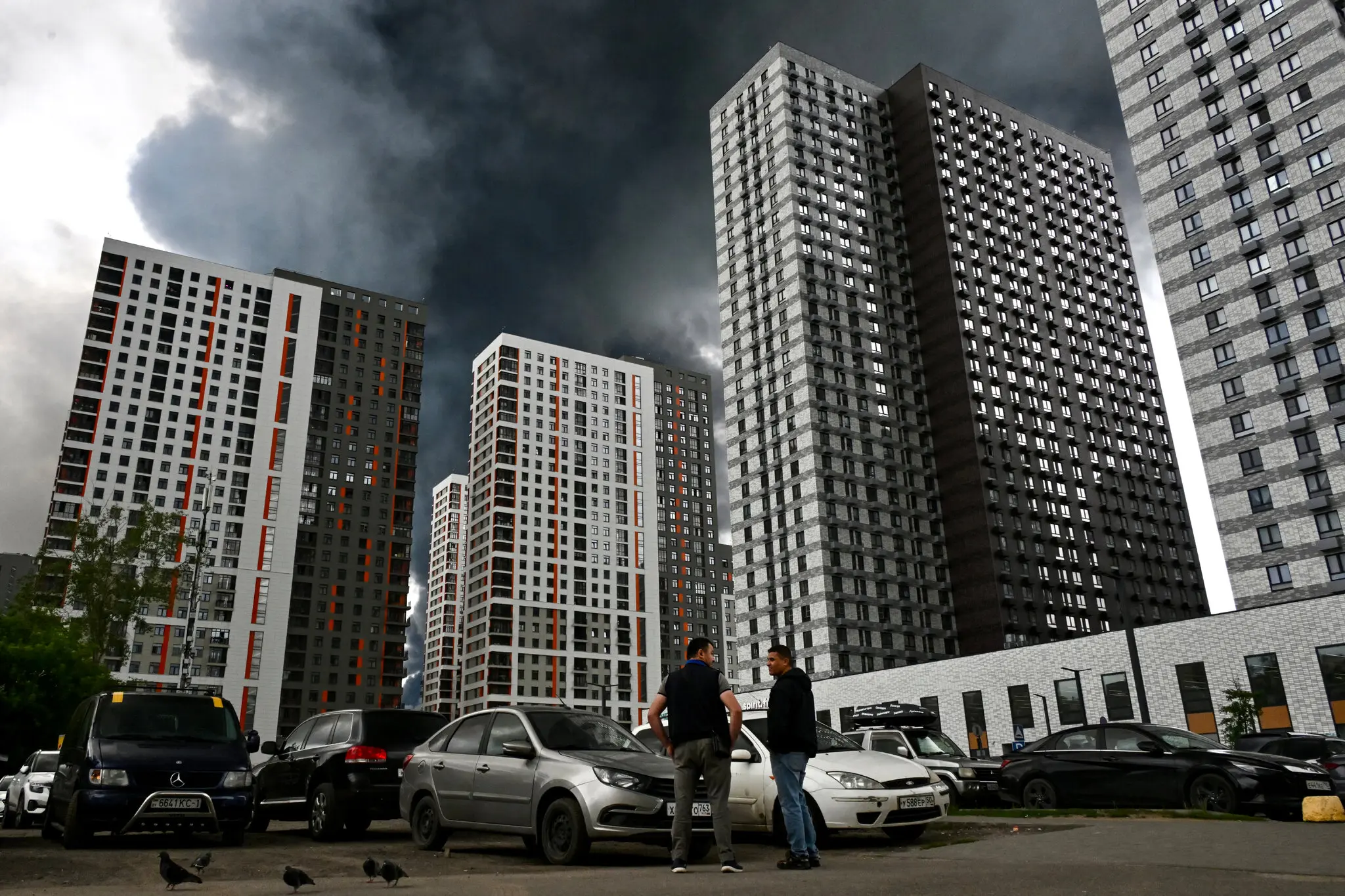

























The most dangerous shift in modern war does not begin with the first blast. It begins when the language that once restrained violence starts to disappear. When a head of state openly speaks of destroying power stations, bridges and civilian infrastructure as an acceptable instrument of pressure, war changes in more than scale. It changes in character.
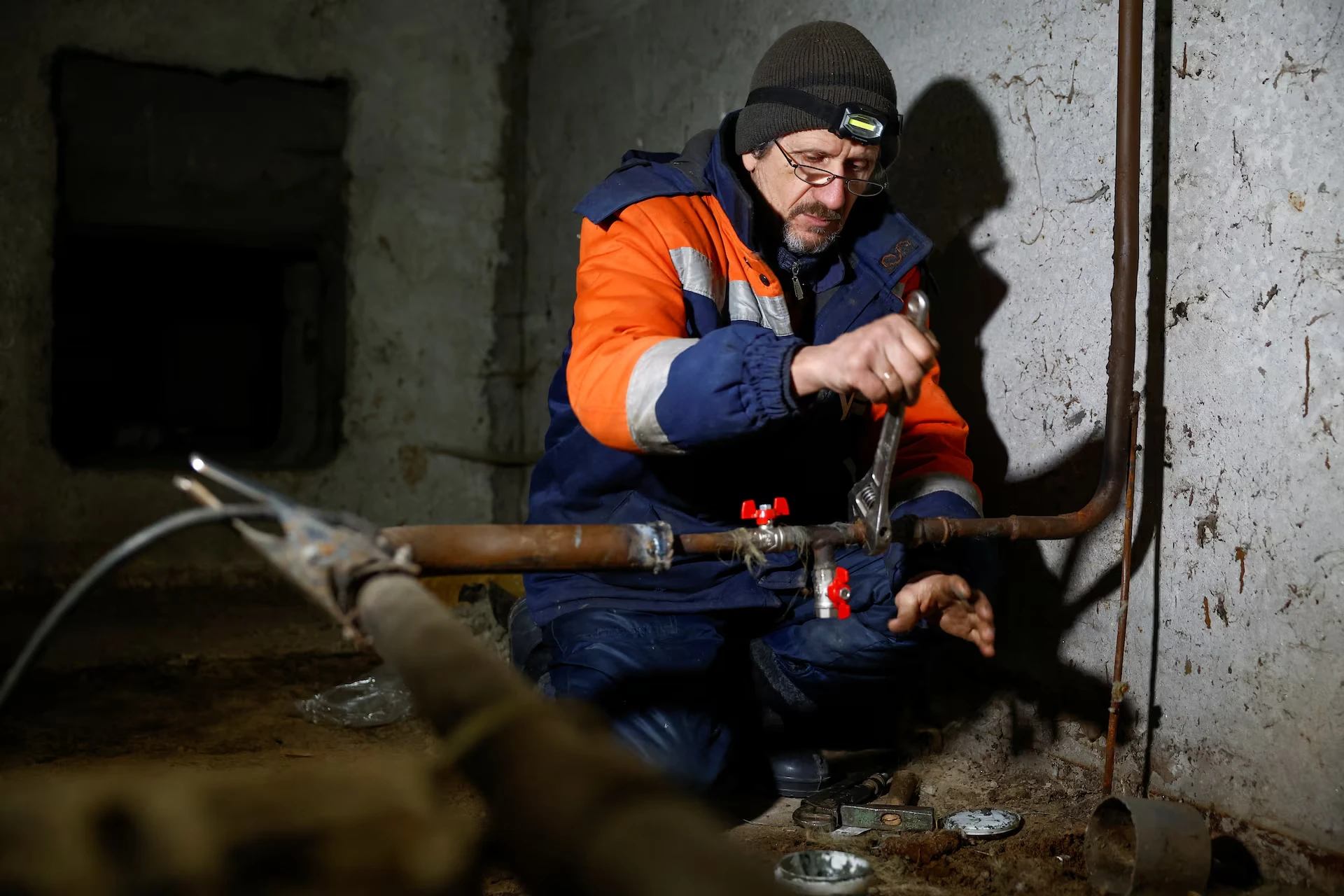
That is the real significance of the threats now surrounding Iran. The point is no longer confined to striking military capacity in the narrow sense. The target set expands toward the systems that make ordinary life possible: electricity, transport, water, urban mobility, the basic architecture that allows civilians to live, move, recover and endure. Once those systems enter the vocabulary of legitimate coercion, the battlefield ceases to have clear edges.
Legally, the line is far clearer than political rhetoric often suggests. International humanitarian law, the Geneva Conventions and the principle of proportionality are built around a basic premise: civilian objects do not become lawful targets simply because destroying them would inflict pain on society. War does not grant a license to devastate civilian life as such.
As Daycom noted in earlier analysis, the most alarming sign of escalation is not brutality alone, but the effort to repackage the destruction of civilian space as a rational technique of war. At that point, the language of law is displaced by the language of compulsion, and civilians begin to be treated not as protected persons, but as an indirect route to political leverage.
This is where the most dangerous grey zone appears. Power grids, bridges, transport hubs and energy systems are often described as dual-use objects. In a narrow sense, that label is not invented out of thin air. Some infrastructure does serve both civilian needs and military functions. But that is precisely why the threshold for attacking it should be higher, not lower.
Otherwise, dual use becomes a universal permission slip. If electricity supports both a hospital and a command centre, does that render the entire grid targetable? If a bridge carries both civilian traffic and military vehicles, does that justify its destruction regardless of the humanitarian consequences? These are not abstract legal puzzles. They are the questions that determine whether the law of war still operates as a restraint or survives only as ceremonial language.
The consequences of striking civilian infrastructure always extend far beyond the moment of impact. A blackout is not merely darkness. It means failed water pumps, disrupted hospitals, broken cold chains for medicine, immobilised transport, collapsing communications and a higher death toll among people who were never part of the fighting. When a power plant is hit, the target is not only a facility. It is the urban system of survival that depends on it.
That is why proportionality is not a decorative formula. It requires military planners to weigh not only anticipated advantage, but also foreseeable civilian harm. If commanders know that destroying a given object will trigger widespread suffering, they cannot pretend that suffering is accidental or unknowable. A predictable humanitarian disaster is not a secondary detail. It is central to the legal and moral assessment of the strike itself.
There is another danger in public threats issued from the highest political level. They do not shape only the calculations of an adversary. They also shape the internal behaviour of a military chain of command. Once political leaders rhetorically legitimise attacks on civilian infrastructure, unlawful orders can begin to appear less like violations and more like expected displays of loyalty. The line erodes not in one dramatic act, but through a gradual expansion of what is treated as permissible.
This matters even more in an age of drones, algorithmic targeting, satellite surveillance and highly precise munitions. Technology makes almost any point on the map reachable. It does not make it lawful. In fact, the more precise the weapon, the weaker the excuse that civilian harm was unavoidable. Accuracy does not dissolve responsibility. It sharpens it.
In that sense, the argument reaches far beyond Iran. It speaks to the global condition of warfare after Ukraine, Gaza, Lebanon and other conflicts in which civilians have moved ever closer to the centre of military logic. If attacks on power stations, bridges and urban infrastructure come to be described as a normal and efficient form of coercion, international humanitarian law will not merely be strained. It will lose authority.
And once that authority thins out, the greatest danger is no longer one particular war crime. It is the emergence of a habit. The world begins to accept the idea that civilian infrastructure is simply an enlarged battlespace and that civilian protection is little more than rhetorical garnish in official statements. The Geneva Conventions were never designed to make war humane. They were designed to stop war from erasing the boundary between armed force and society altogether.
That is why the question now must be asked without euphemism. Do power plants, bridges, hospitals, water systems and urban infrastructure remain civilian objects protected by law, or are they already being rewritten into a politically convenient category of acceptable targets. The answer will shape not only the future of one campaign against Iran, but the survival of the last meaningful legal line that still separates war from the organised destruction of civilian life.