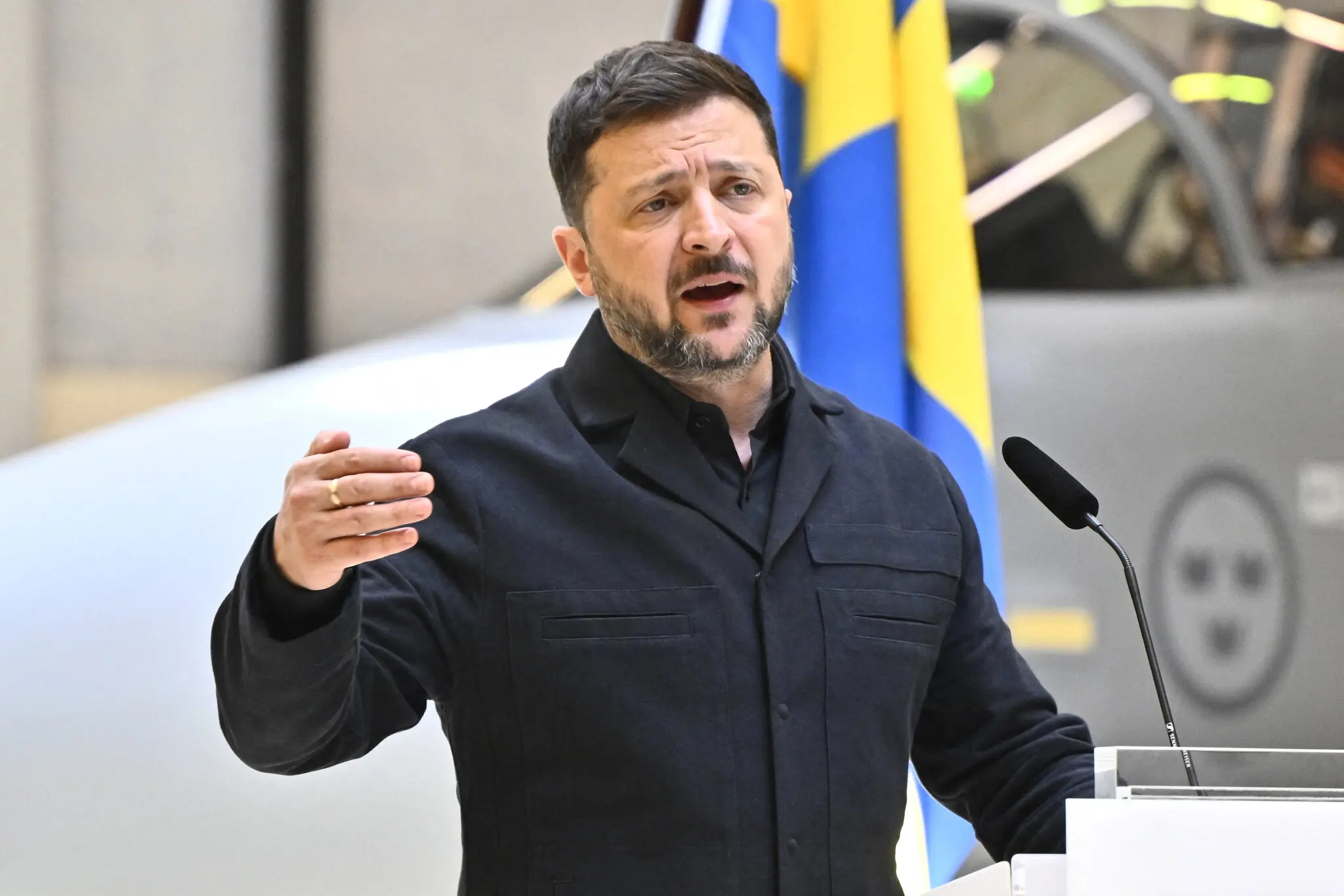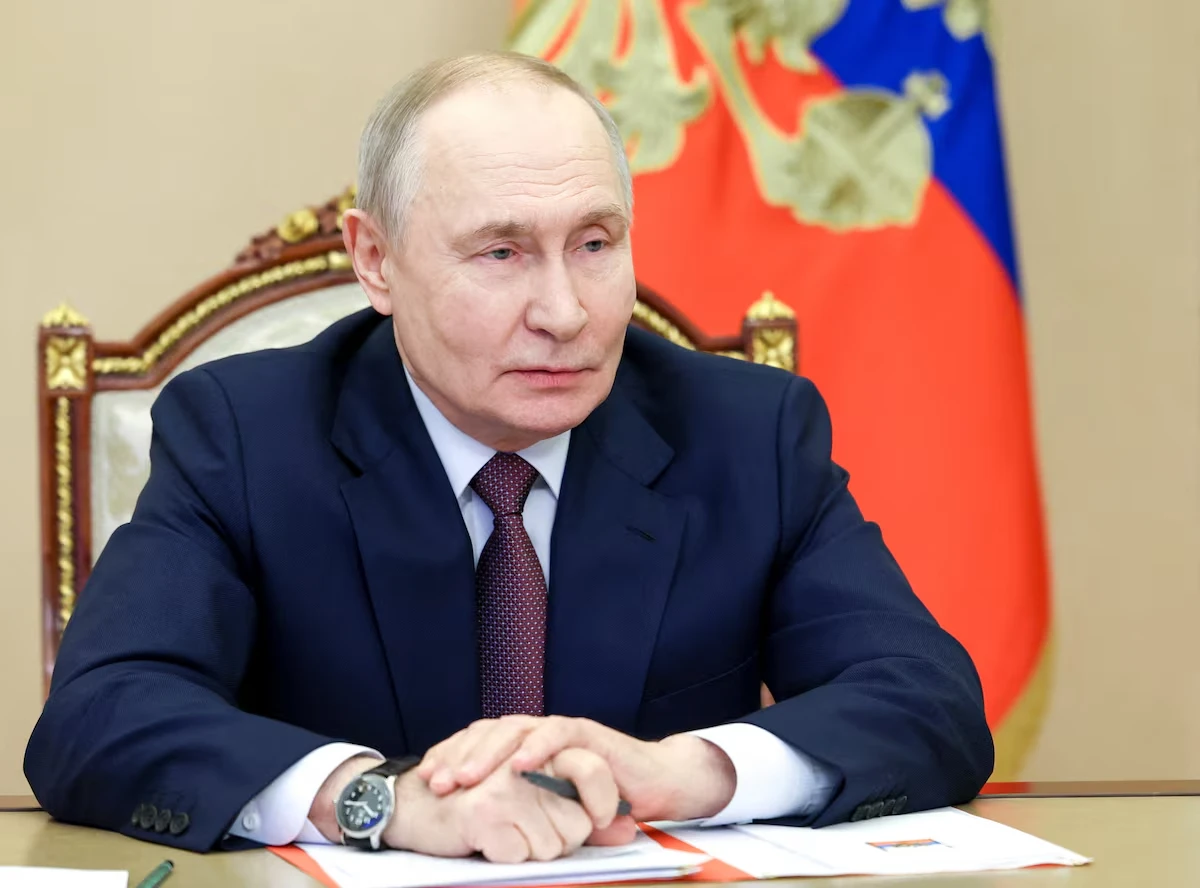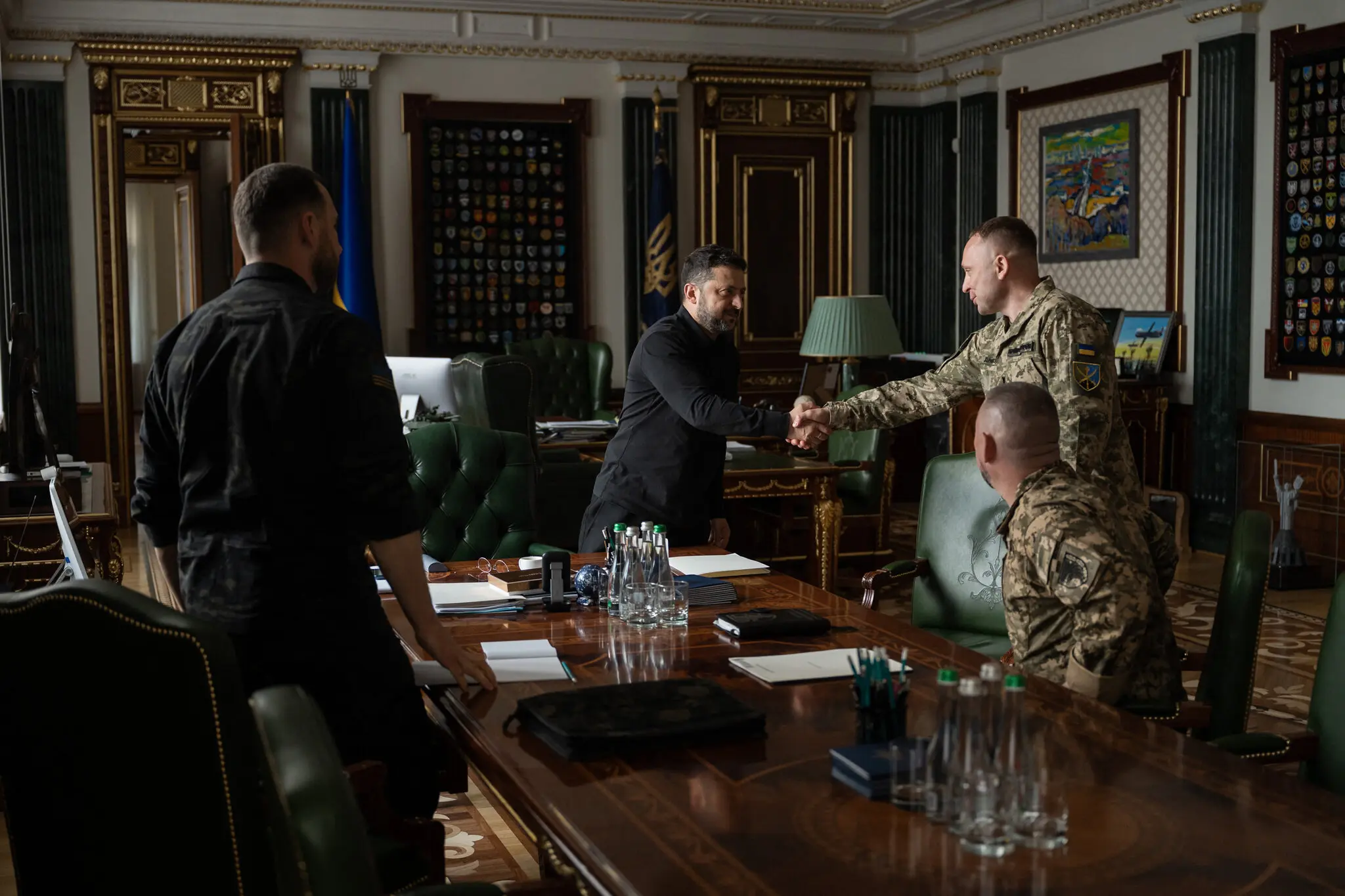






















Volodymyr Zelensky addressed Vladimir Putin in an open letter at a moment when the war has entered another dangerous phase: Russia is striking Ukrainian cities, Ukraine is increasingly reaching deep inside Russia, and Washington’s attention is divided by the war in the Middle East.
This was not a routine diplomatic message. The letter offers a meeting, a full cease-fire for the duration of negotiations, prisoner exchanges, the return of civilians and children, and the possible involvement of the United States as a force capable of monitoring silence along the front. Yet its tone is hard, almost defiant.
Zelensky is not asking Putin for peace. He is offering him a way out of the war while warning that, if the Russian president does not conclude that it is time to stop, Ukraine will continue fighting for its existence. It is a peace formula delivered in the language of wartime confidence.
According to Daycom’s earlier analysis, that combination is the essence of the letter. Kyiv is trying to break the Russian frame in which negotiations must mean Ukrainian weakness. Zelensky builds a different logic: talks are possible not because Ukraine is exhausted, but because Russia is also beginning to pay for the war at home.
The letter contains a clear political calculation. Zelensky writes about Russians growing tired of Ukrainian drones and missiles, inflation, fuel shortages and a war that is increasingly returning to Russian territory. This is not a strike at the front line, but at the Kremlin’s myth of a controlled, distant and painless campaign for Russia itself.
The line that when Russia grows tired, change comes, is addressed not only to Putin. It is aimed at Russian elites, officials, governors, military commanders, business circles and a society that has been trained for years to believe the war is happening somewhere far away. Zelensky’s message is that this distance is shrinking.
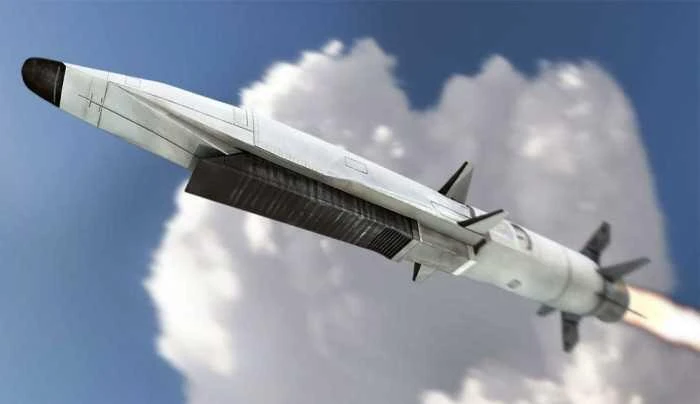
That is why the letter comes after a series of Ukrainian strikes on Russian infrastructure. Refineries, fuel depots, logistics hubs, Crimea, the occupied south, St. Petersburg — all have become part of Ukraine’s new strategy. Kyiv is showing that Russia no longer has a monopoly on long-range war.
At the same time, Zelensky is not rejecting diplomacy. On the contrary, he is trying to move it out of the shadows of intermediary channels and into public view. He proposes setting a date for a meeting and holding it in a country traditionally suited to talks on war and peace: Switzerland, Turkey or an Arab state.
That geography matters. Ukraine is not accepting negotiations in a symbolically subordinate format. Not Moscow, not Minsk, not a closed-door great-power arrangement without Kyiv. Zelensky is proposing a venue where the meeting itself would not become a gift to Russian propaganda.
A separate signal is aimed at Washington. Zelensky makes clear that it would be wrong simply to wait until the war in Europe returns to the center of American attention. The United States is absorbed by the conflict with Iran, but Ukraine’s war cannot be put on pause while another theater consumes political oxygen.
At this point, the letter becomes not only a message to Putin, but a way to return Ukraine to the agenda. Kyiv is showing that if the American negotiating track has stalled, Ukraine can formulate its own peace proposal, send it to partners and force the Kremlin to respond.
The proposal for a full cease-fire during negotiations is central. It moves the discussion from abstract talk of “peace someday” into a testable framework: if Moscow is genuinely ready to end the war, it should agree to silence along the front. If not, its rhetoric about peace loses weight.
Zelensky also stresses that the path to peace must begin at the front line. That is an important formula. Not with territorial ultimatums, not with a map drawn without Ukraine, not with demands for capitulation, but with the line where people die every day. Where the fire stops, diplomacy can begin.
The possible role of the United States in monitoring a cease-fire adds practical meaning to the proposal. Ukraine is not offering blind trust in Moscow. It is speaking about verification. In a war where Russia has repeatedly used pauses to regroup, monitoring becomes a condition for any real silence.
The letter also creates a trap for Putin. If he agrees to a meeting, he must recognize Zelensky as a direct negotiating partner, despite years of Russian propaganda denying Ukraine’s agency. If he refuses, Kyiv gains another argument that Moscow is not seeking peace, but only dictation.
That explains the hard tone. Zelensky understands that an overly soft proposal could be read as weakness. So it is presented not as a plea, but as a test. Putin is effectively being asked to choose: either personally become part of ending the war, or remain its hostage.
The risk of this tactic is obvious. A personal challenge may irritate the Kremlin and narrow the space for a response. Putin, whose rule rests on the image of permanent strength, is unlikely to welcome a letter that reminds him of Russia’s fatigue, historical cycles of change and danger to his own position.
But Kyiv appears to be operating from a different assessment: caution no longer brings advantages. Russia continues mass strikes on Kyiv, Dnipro, energy infrastructure, railways, defense industry and civilian life. If the Kremlin does not restrain itself in war, Ukraine sees little reason to restrain itself in political language.
That is why the letter works on two levels at once. For the outside world, it demonstrates Ukraine’s readiness for talks. For Moscow, it shows that those talks will not be an act of Russian superiority. For Ukrainian society, it fixes a clear position: peace is necessary, but not at the price of self-destruction.
There is no naivety in the document. Zelensky does not promise a quick end to the war and does not hide that Ukraine is ready to keep fighting. But he frames the question so that responsibility for continued bloodshed becomes as public as possible. If Russia wants peace, its leader must come to the table. If not, the world will see who is choosing war.
Zelensky’s letter to Putin is unlikely to stop missiles by itself. But it changes the political tone of the moment. Ukraine is offering negotiations after strikes deep inside Russia, after demonstrating resilience, and after the war has begun returning to the aggressor. This is not diplomacy of surrender. It is an attempt to speak about peace in a way that does not make peace another name for defeat.