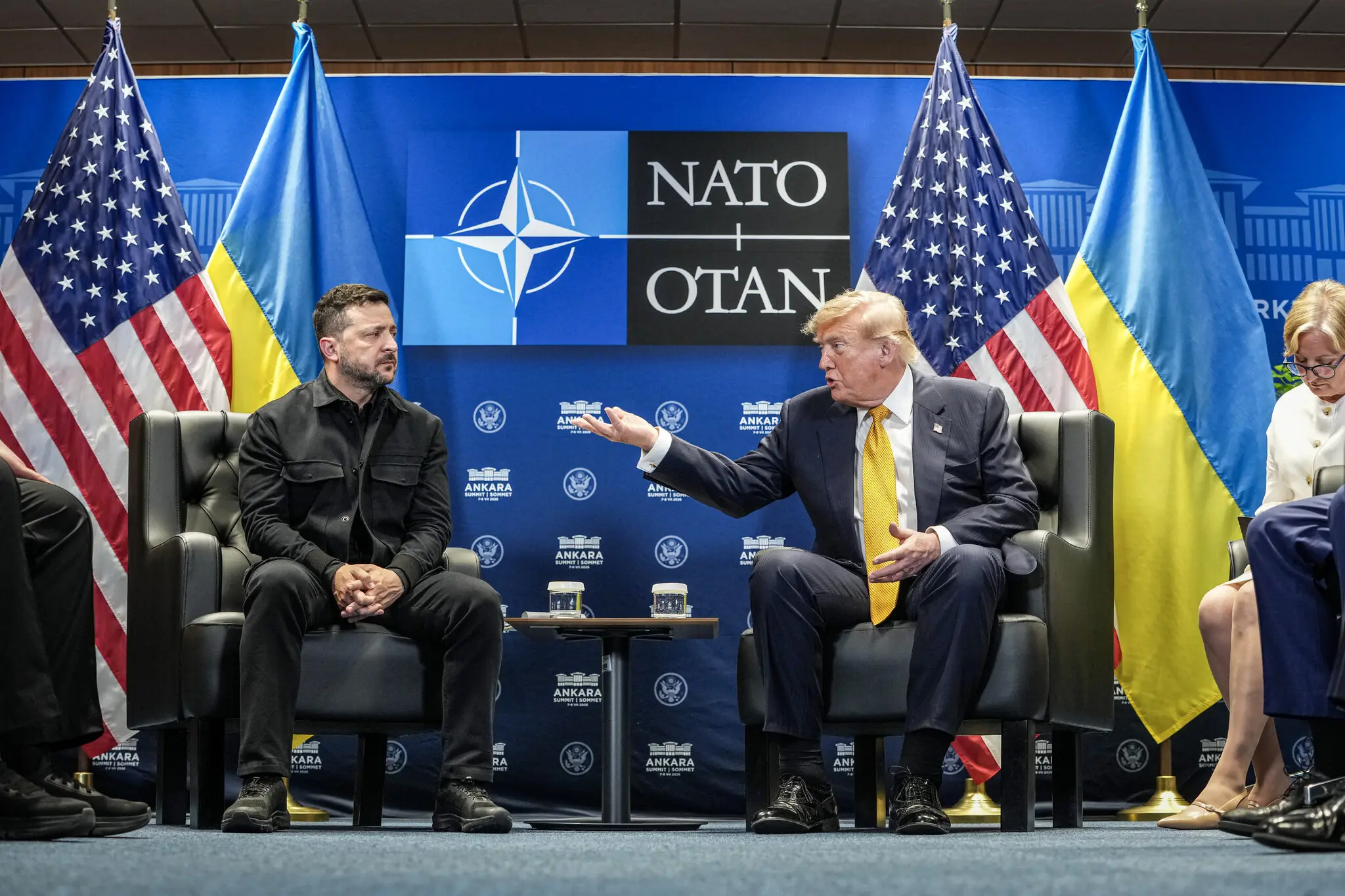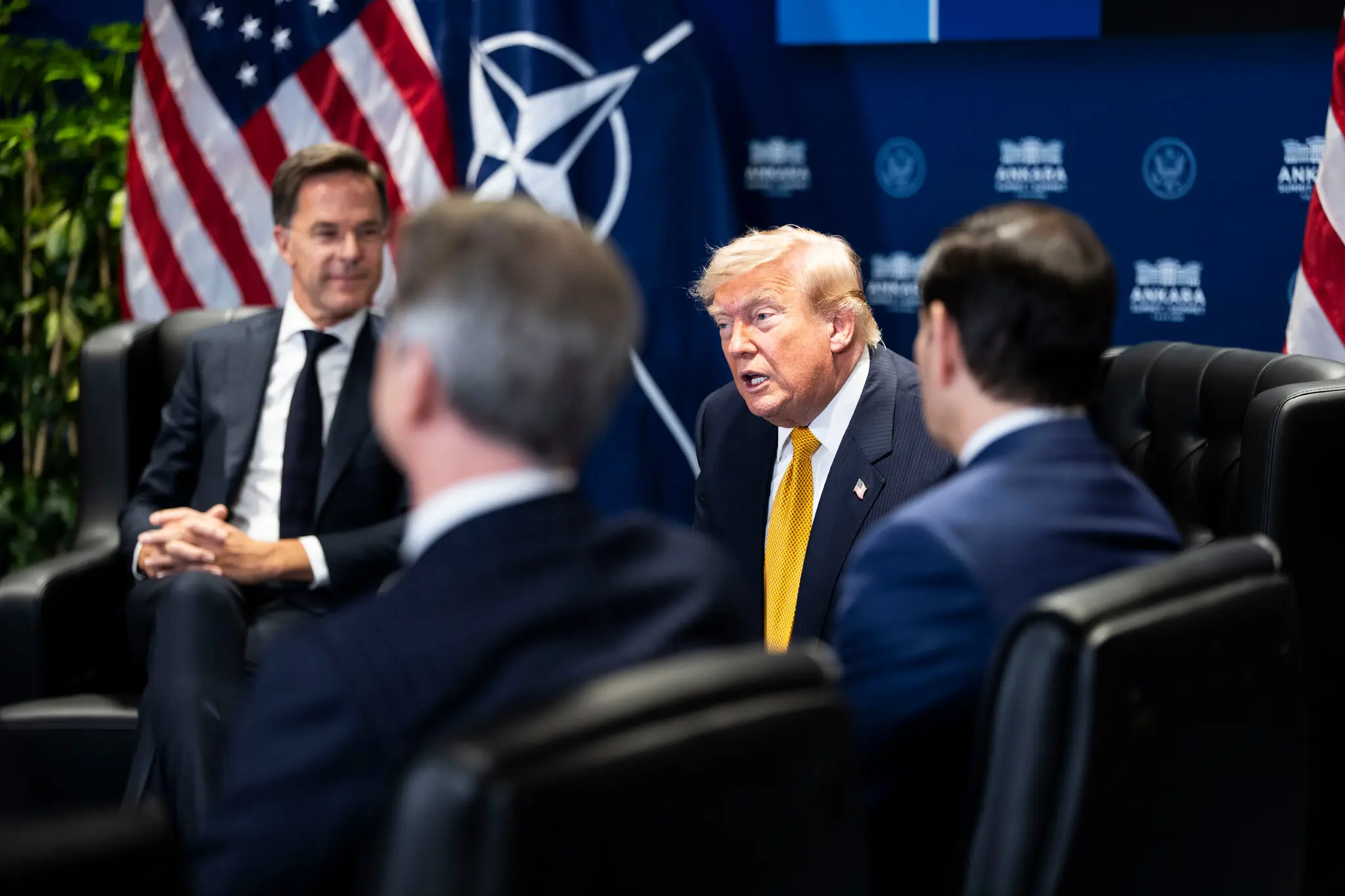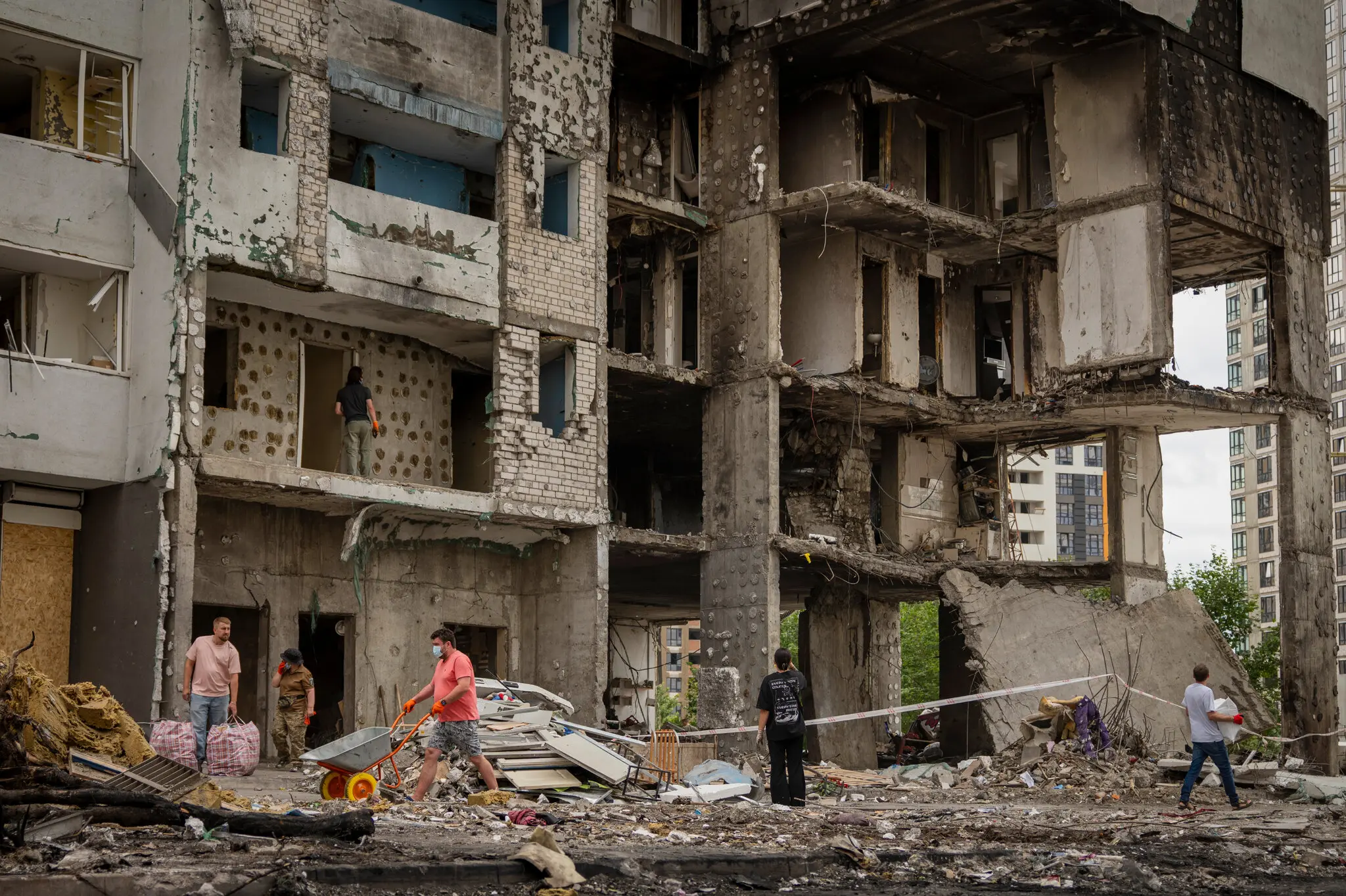

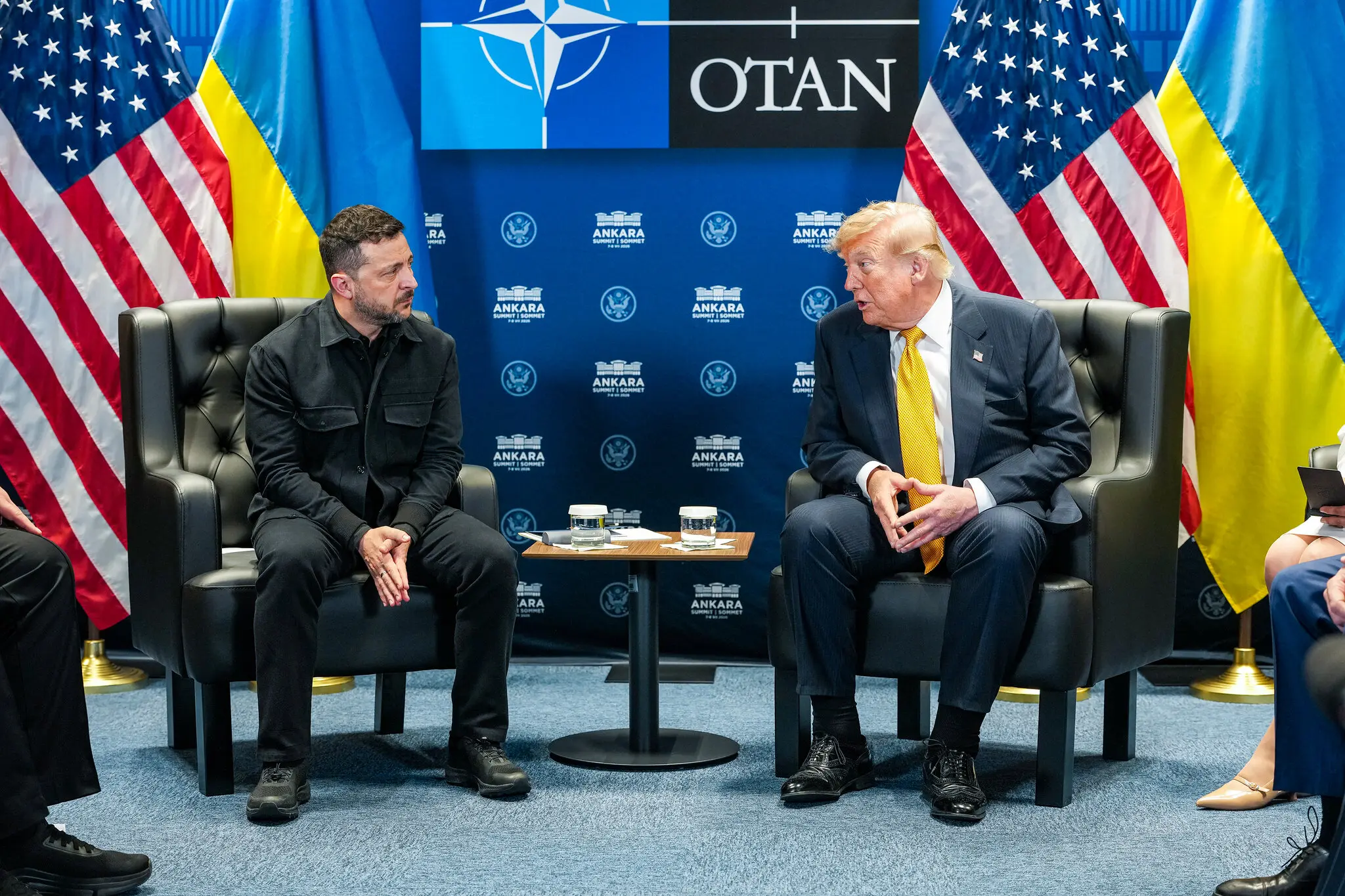







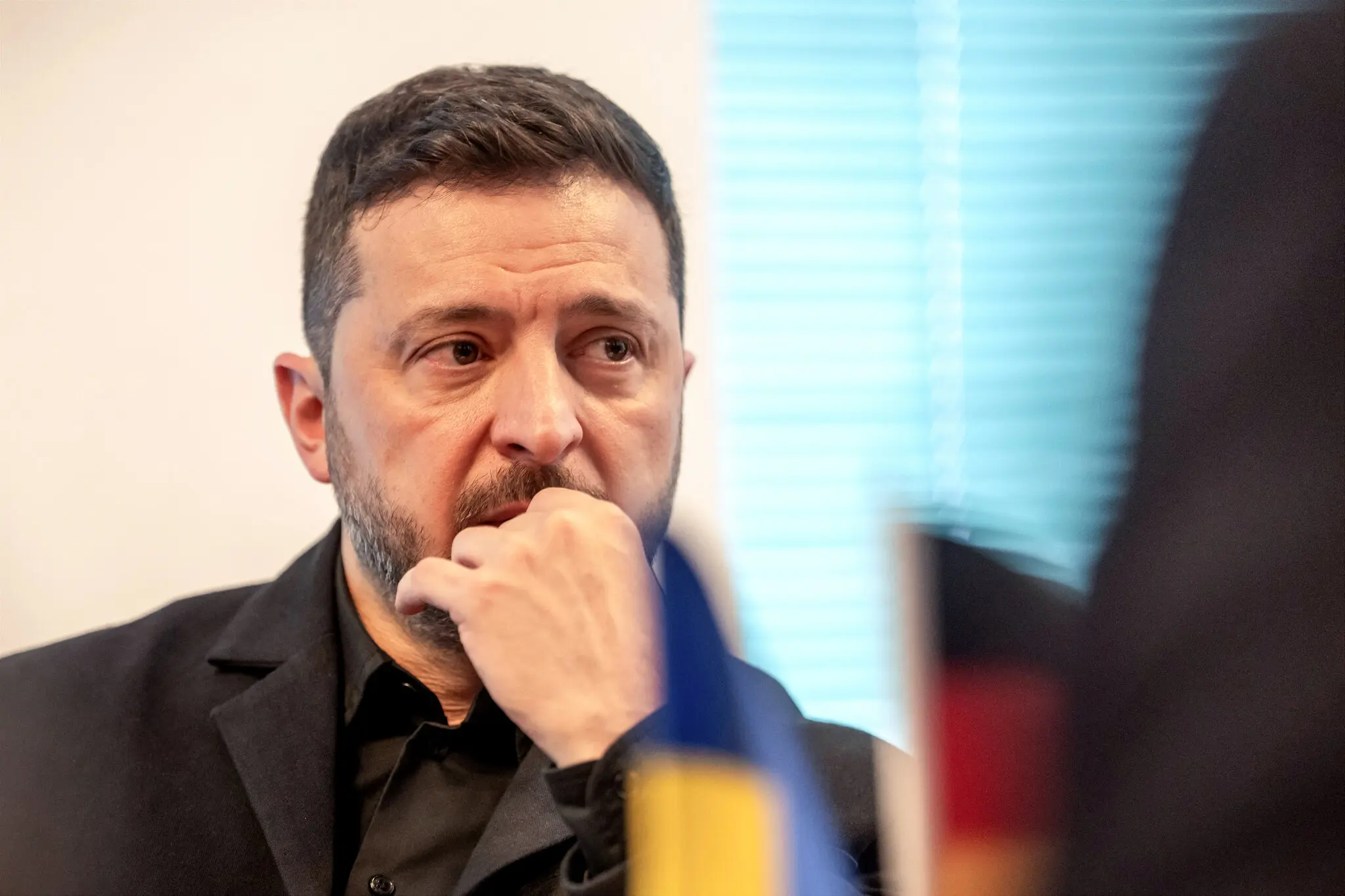
















Volodymyr Zelenskyy arrives for his meeting with Donald Trump at the NATO summit in Turkey not with diplomatic theory, but with a painfully concrete backdrop: destroyed homes in Kyiv, dozens killed in a single week and fresh evidence from the air war, in which Russian ballistic missiles once again passed through Ukraine’s defenses.
In recent days, Ukraine’s capital has endured a series of strikes that have returned air defense to the center of the West’s entire policy on the war. Last Thursday’s attack on Kyiv killed 31 people. On Monday, another massive strike on the capital and surrounding region killed at least 19 more. After that, any conversation about negotiations inevitably begins with one question: who will close Ukraine’s sky, and with what?
On the night before the meeting, Russia again attacked Ukraine with drones and missiles. Most of the drones were intercepted or suppressed, but ballistic missiles again became the weapon against which Ukraine has the least room to maneuver. This is no longer an isolated episode, but a persistent vulnerability that Moscow sees and exploits.
According to Daycom’s analysis, the Zelenskyy-Trump meeting in Ankara has become a test of whether the United States can translate sympathy for Ukraine into an operational decision. For Kyiv, Patriot is not a symbol of allied goodwill. It is the tool without which residential buildings remain exposed to missiles that arrive faster than a city can take shelter.
Zelenskyy is insisting precisely on this. Ukraine is not asking its partners for a new language of support. It needs air defense systems, interceptor missiles, production decisions and the political readiness to share a scarce resource. In his formula, the protection of the sky is directly tied to the protection of ordinary people, not only military infrastructure.
After the strikes on Kyiv, that logic has become clear even to those used to viewing the war through front-line maps. Ballistic missiles do not strike abstract “resilience.” They hit floors, stairwells, bedrooms, kitchens and apartment entrances. They turn night into a short interval between siren and explosion, and morning into a search for people in concrete.
That is why the future of U.S. military assistance cannot be filed away as a separate technical matter. If Trump wants to talk about ending the war, he must first recognize a simple reality: negotiations without stronger Ukrainian defenses create a temptation for the Kremlin to strike harder and dictate terms from a position of destruction.
Russia presents its latest strikes as a response to Ukraine’s long-range campaign on Russian territory. Kyiv rejects that symmetry and insists that Ukrainian attacks on oil refining, military production, logistics and rear facilities are a response to years of Russian bombardment. This distinction matters because it defines the moral and strategic frame of the war.
Ukraine is trying to carry the cost of the war deeper into Russia. Strikes on the Saratov region, Tatarstan and Bashkortostan follow the same logic as attacks on Crimea and Russia’s fuel system: to break the feeling of a safe rear, disrupt production, complicate supply and force Moscow to count losses beyond the front line.
The Kremlin, in response, is trying to return fear to the center of Ukrainian life. When it cannot quickly alter the front line, Moscow raises the stakes in the air. Drones exhaust air defenses, missiles stretch their resources, and ballistic weapons pierce the most dangerous gap. This forms the new rhythm of the war: Ukraine strikes Russia’s resources; Russia strikes Ukrainian cities.
For Trump, this meeting with Zelenskyy comes at the moment when his promise of swift peace collides with the physical reality of war. Peace cannot be measured only by a willingness to bring the sides to the table. If missiles are tearing into apartment buildings a day before talks, the real question is different: will Ukraine have the strength not to be forced into a pause under fire?
This is especially important because Russia’s position shows no retreat from maximalist goals. Moscow continues to demand territories it has failed to capture after years of war, and presents Ukrainian strikes on Russian infrastructure as a pretext for new attacks. In such logic, any weak cease-fire may become not an ending, but a pause before the next round of pressure.
Western allies are now dealing not with a lack of information, but with a lack of speed. They know Ukraine needs Patriot. They know those systems are the key to intercepting ballistic missiles. They see that every delay in deliveries carries not an abstract cost, but a human one.
Ankara is therefore becoming more than a venue for political statements. It is becoming the place where it must be decided whether Ukraine’s air defense will be treated as an urgent condition of European security or as another item in a long allied bureaucracy. For Kyiv, the difference between those two approaches is measured in nights under bombardment.
Zelenskyy has come to the summit with an argument that requires no complicated diplomatic language: the ruins of an apartment building. They explain why Ukraine is asking not simply for more weapons, but for a different tempo of decisions. Russia has already adapted to allied delays and uses them as a window for strikes.
Trump, in turn, has a chance to show that his peace initiative is not reduced to pressuring Ukraine for the sake of a quick image. If Washington helps close the ballistic gap, negotiations will gain a foundation in strength. If not, the Kremlin will continue testing how much destruction Ukraine can endure before the next round of diplomacy.
After a week in which Kyiv buried the dead and again cleared rubble, the meeting between Zelenskyy and Trump can no longer be an ordinary conversation on the sidelines of a summit. It has become a test of American resolve — not in speeches, protocol or general words about peace, but in the willingness to give Ukraine what can stop missiles before they hit homes.