




















Ukraine’s military says it has recaptured more than 600 square kilometers of territory since the start of 2026. For a front line that has moved slowly and brutally for years, the figure is more than a statistic. It suggests that after a long period of creeping Russian advances, the war is again moving in more than one direction.
Oleksandr Syrskyi said that in May alone, Ukraine restored control over roughly 100 square kilometers more territory than it lost. Volodymyr Zelensky had earlier given a similar estimate, saying around 600 square kilometers had been brought back under Ukrainian control since the beginning of the year.
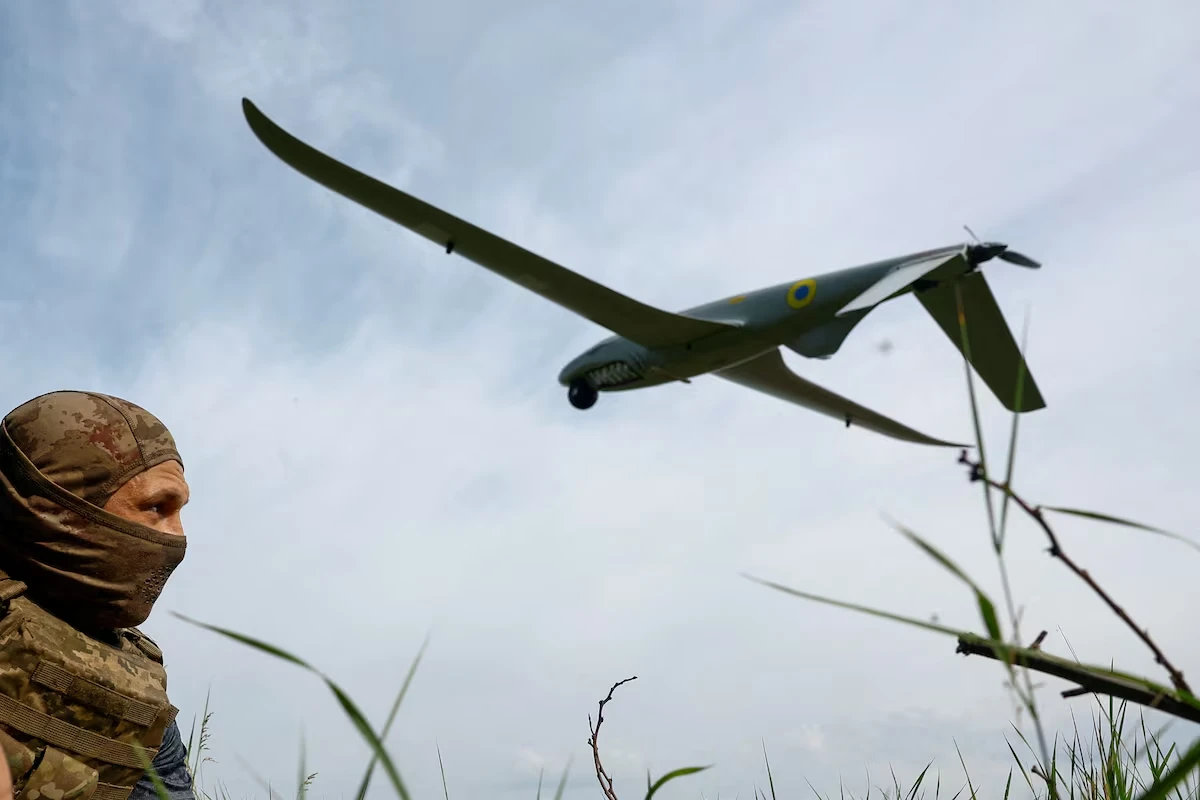
These statements do not mean a return to the scale of Ukraine’s counterstrikes in 2022, when rapid breakthroughs caused Russian positions to collapse. This is a different war now: drones, minefields, artillery exhaustion, small assault groups and a wide gray zone where control can change faster than maps can record it.
According to Daycom’s assessment, the main significance of Ukraine’s current gains lies not in the size of the territory, but in the shift of tempo. Russia long imposed its own mechanics on the front: slow pressure, small advances, the grinding down of Ukrainian defenses, and the attempt to turn every settlement into a separate battle of attrition. That mechanism is now beginning to falter.
Syrskyi did not specify where all the territorial changes had taken place. That is understandable: in a drone war, a public map can quickly become part of the battlefield. But his broader claim that Ukrainian forces are maintaining the initiative in some areas of the 1,200-kilometer front is important. It shows that Ukraine is trying not only to hold positions, but to force Russia to react.
The south and southeast appear especially important in this logic. Counterstrikes around Oleksandrivka and Huliaipole are not only about retaking land. Their military purpose is broader: to disrupt the rhythm of Russia’s spring offensive, force Moscow to shift reserves and stretch command across several active sectors.
In the current phase of the war, territory matters, but it is not always the only measure. Sometimes the greater value lies in breaking the enemy’s operational rhythm, damaging logistics, forcing it to defend where it did not plan to, and buying time to re-equip one’s own units.
After the failed large-scale counteroffensive of 2023, Ukraine spent a long period in a difficult position. Russia gradually regained the initiative, advanced in Donbas, pressed toward Pokrovsk, expanded the use of glide bombs and increased the number of small assaults. Ukrainian defense often appeared forced into reaction.
Now the picture is less one-sided. It has not become easy, but it has stopped being linear. When Ukrainian forces retake more territory than they lose, that does not guarantee strategic victory. But it weakens Russia’s claim of inevitable advance and shows that the front does not move only according to the Kremlin’s timetable.
 23 травня 2026 року в Дніпропетровській області, на тлі російського вторгнення в Україну, військовослужбовець 148-ї окремої артилерійської Житомирської бригади Збройних сил України веде вогонь з гаубиці M777 по російських військах — Анатолій Степанов
Syrskyi also stressed that the situation remains difficult and dynamic. The number of combat clashes has increased, and Russian forces continue to attack in the east and south. This is not a war in which one successful operation automatically opens the way to a rapid offensive. Every kilometer costs ammunition, lives, equipment and weeks of preparation.
The Pokrovsk sector remains the most intense node. Russia has been trying to fully capture the area since mid-2024, turning it into one of the symbols of the exhausting battle for Donetsk region. Even as the map around the city shifts, the area retains its importance as both a logistical and political marker.
Pokrovsk matters not only as a point on the map. It shows how much Moscow is willing to pay for movement and how long it can sustain offensive pressure through infantry mass, artillery and aviation. If Ukrainian counterstrikes force Russia to divert attention from this sector, that already has operational value.
Huliaipole and Oleksandrivka add the southern flank to the same picture. There, the struggle is about regional junctions, roads, elevations, logistics and the effort to prevent Russia from linking separate operations into one continuous line of pressure. In this kind of war, even a local success can have consequences larger than its area suggests.
Still, the figure of 600 square kilometers must be read soberly. It does not equal the liberation of a major city. It does not mean the Russian front has collapsed. It does not remove the threat of new attacks. The line of contact remains too long for one number to describe the whole reality of the war.
The nature of control itself has changed. Drone warfare has created a broad kill zone between positions, where the presence of infantry does not always mean stable control. Some areas may be under fire, mined or impossible to consolidate properly. That is why territorial estimates should be treated as indicators of a trend, not as exact accounting.
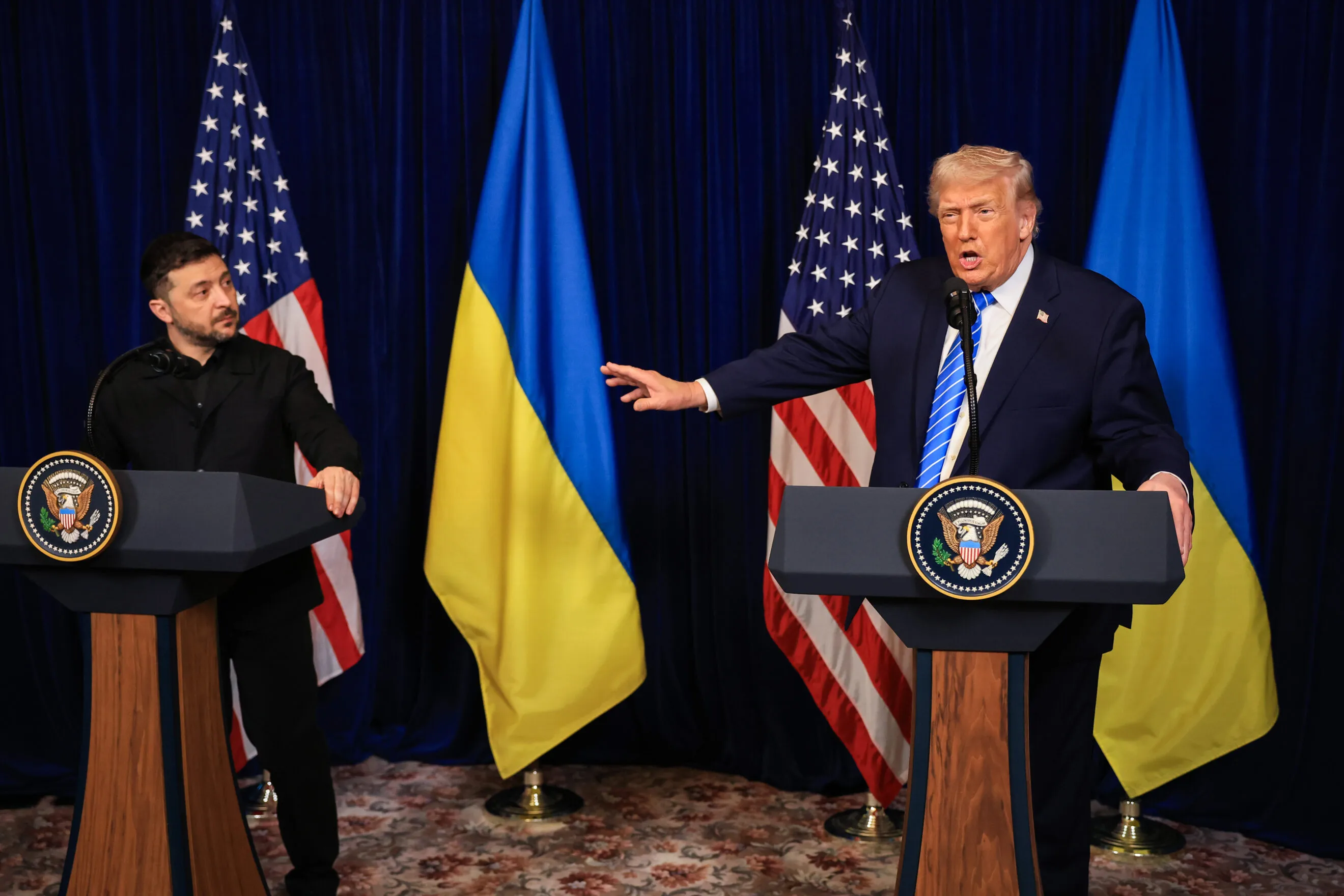
For Kyiv, these results also carry diplomatic weight. Ukraine enters a new round of negotiation signals not from a position of total exhaustion, but with the argument that Russia’s offensive can be not only contained, but pushed back. That matters for partners who assess not only Ukraine’s moral right to resist, but also the military prospects of that resistance.
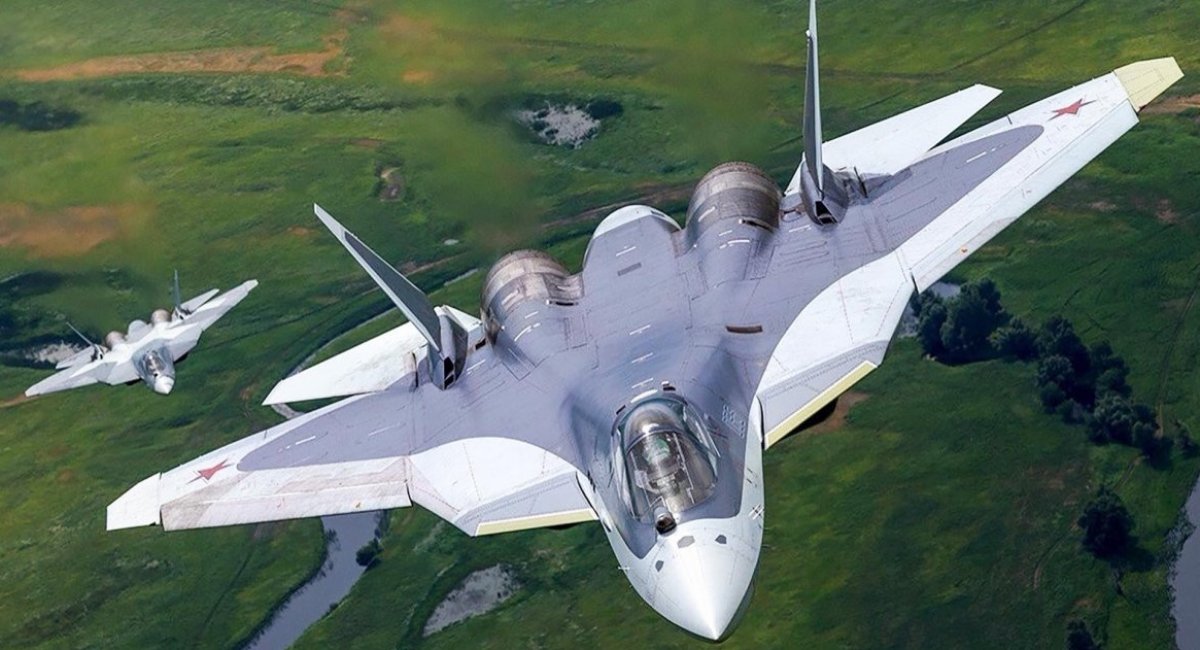
For Moscow, the signal is dangerous. The Kremlin has built its political logic on the assumption that time works in Russia’s favor: more men, more shells, more pressure, more Western fatigue. If the Ukrainian army can begin to shift the balance locally, the idea of Russian inevitability weakens.
The main conclusion should remain restrained. Ukraine has not launched a major offensive breakthrough. It has shown something different: the ability to regain initiative in places where the enemy had grown used to advancing slowly but almost continuously. In a war of attrition, that can sometimes matter more than a dramatic maneuver.
The 600 square kilometers retaken in 2026 do not provide a final answer to where the war is heading. They are the first clear sign that Russian momentum is no longer one-directional. The front remains hard, unstable and bloody. But Ukrainian action has returned to the battlefield — not only Ukrainian endurance.