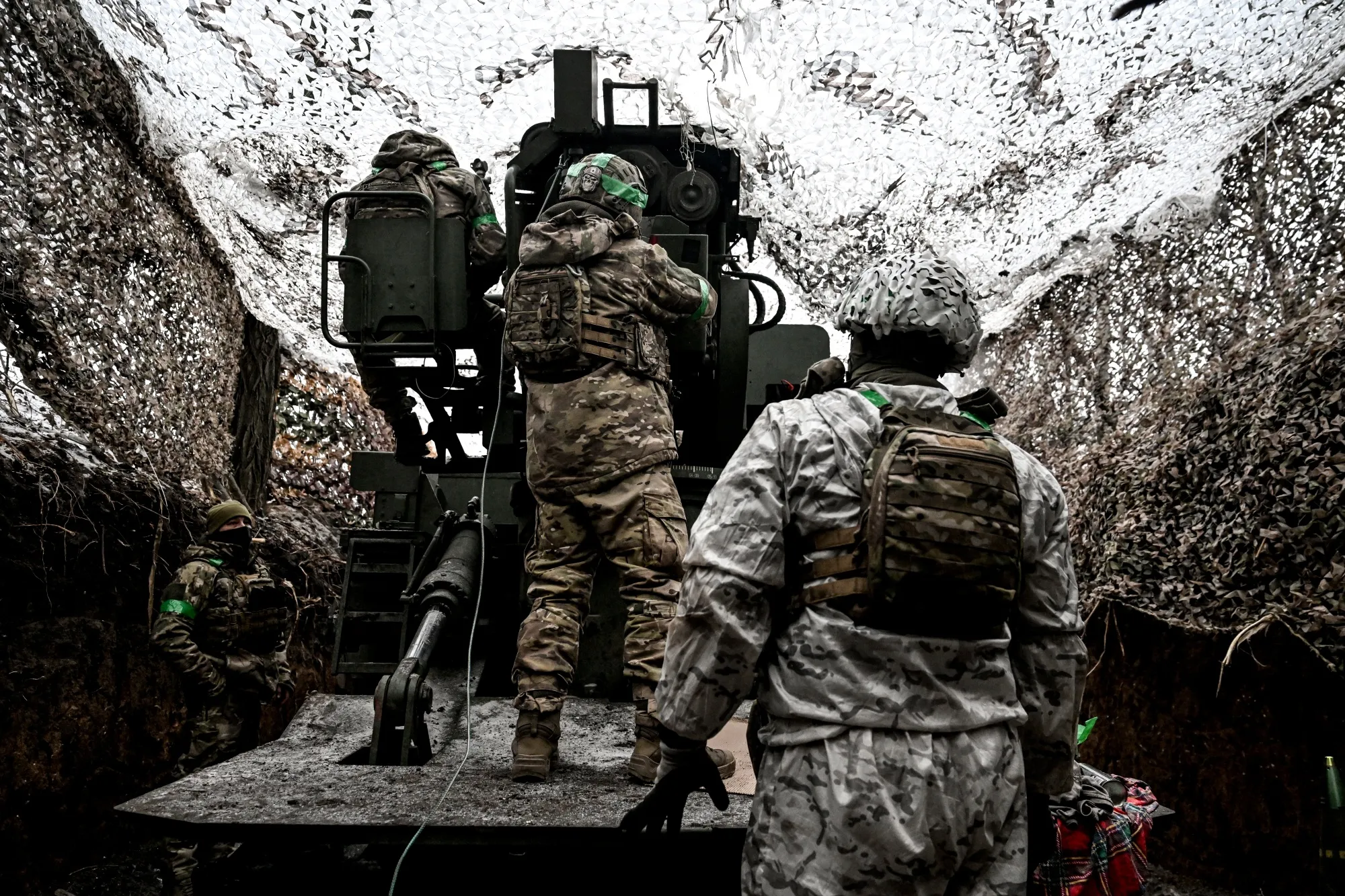
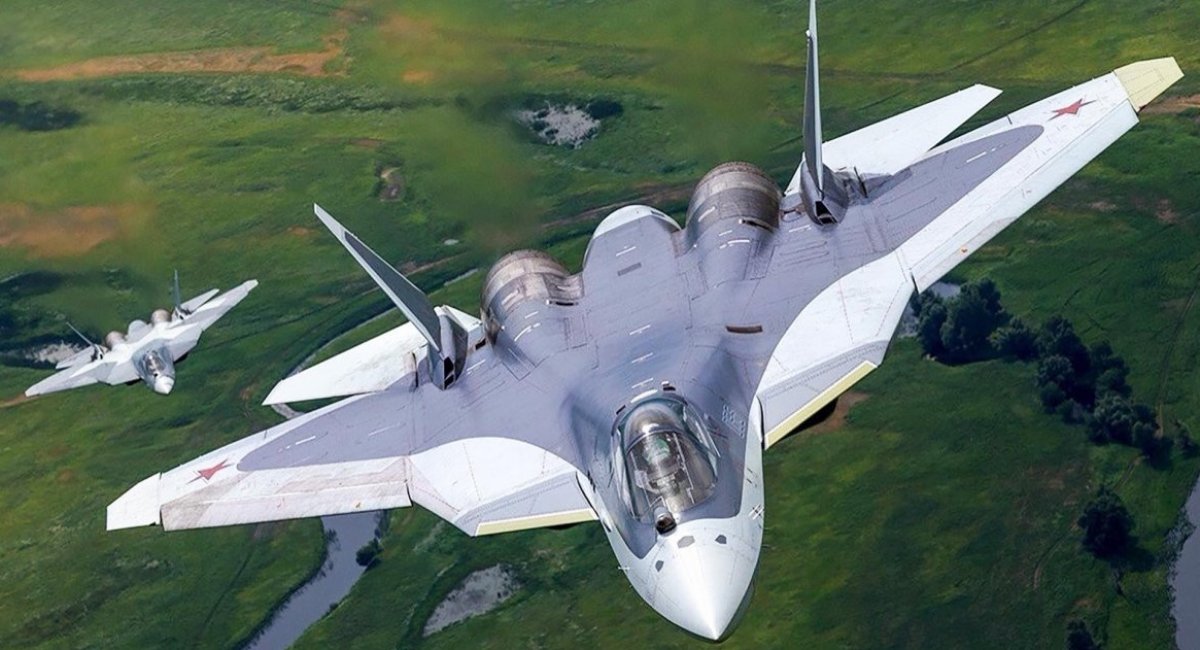























Inside the Kremlin, two realities that were long kept on separate tracks are now colliding more visibly. The first is military: Russia still refuses to retreat from its maximalist aims in the war against Ukraine. The second is financial: sustaining that posture is becoming more expensive than the Russian budget itself had assumed.
That is why the resumption of peace talks should not be read as evidence that Moscow is suddenly ready for compromise. It looks more like an attempt to convert still-available military momentum into diplomatic advantage before economic strain becomes systemic rather than manageable.
Formally, Russia is still far from fiscal collapse. But the cracks are already visible in the logic of wartime financing. If the war demands another round of unplanned spending this year, the government will have to search for new revenue simply to keep its core budget parameters within the limits it originally set for itself.
According to Daycom’s earlier analysis, the Kremlin’s problem is not only the scale of military spending, but the fact that the familiar mechanisms used to fund the war are working less efficiently than before. Russia can still finance the conflict, but no longer as cheaply, as freely, or with the same degree of confidence it projected in earlier phases.
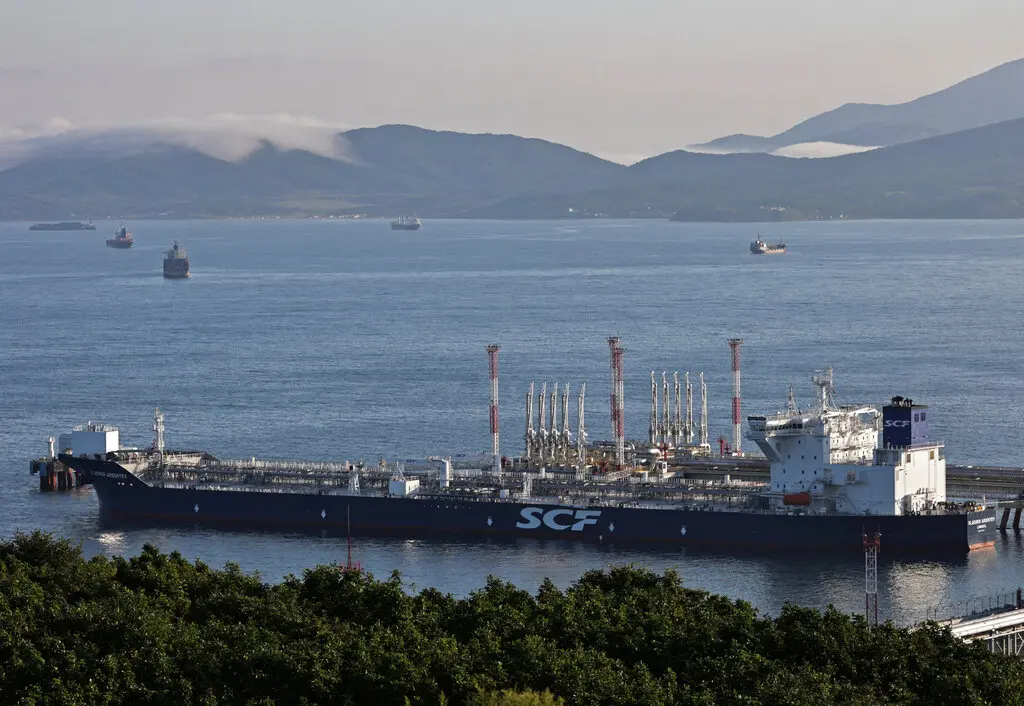
The most painful pressure comes from the convergence of two factors: weakening energy income and an unexpectedly strong ruble. In a resource-based economy, a stronger national currency is not always a sign of health. For the Russian state, it reduces ruble-denominated export earnings from oil and gas, which remain central to federal revenue.
This is where the deeper shift begins. The budget was built on assumptions of a higher Urals crude price and a weaker ruble. If actual market conditions continue to diverge from those assumptions, oil and gas revenues will fall well short of plan. For a country fighting a prolonged war, that is no longer a technical accounting issue. It is a political risk.
Sanctions intensify that vulnerability. Russian producers are increasingly forced to sell crude at a discount in order to keep exports moving, and that squeezes the fiscal base even further. As a result, the Russian budget is becoming less dependent on comfortable commodity rents and more dependent on costlier debt, manual reallocations and the steady postponement of harder decisions.
Last year already offered a preview of that model. Deficit targets had to be revised sharply, and spending was cut late in the year to keep official indicators under control. The gap was covered through aggressive domestic borrowing. That is not fiscal destabilization yet, but it is a clear sign that the war has entered a phase in which each additional ruble is harder to raise than the last.
That is precisely why the negotiating track matters to Moscow not only politically, but fiscally. Russia would like to lock in control over part of the occupied territories, freeze the front where it suits its interests and secure a pause without admitting defeat. Such an outcome would allow the Kremlin to present an exhausting war as a strategic gain while easing pressure on a budget that is already losing resilience.
But here the central contradiction reappears. Moscow remains rigid precisely where compromise is most necessary. The territorial issue — Donbas, control over parts of Donetsk, Luhansk, Kherson and Zaporizhzhia, and the terms of any cease-fire line — remains the point at which technical discussions run into Putin’s own political red lines. So far, he has shown no willingness to pay for peace with a concession that could be read inside Russia as retreat.
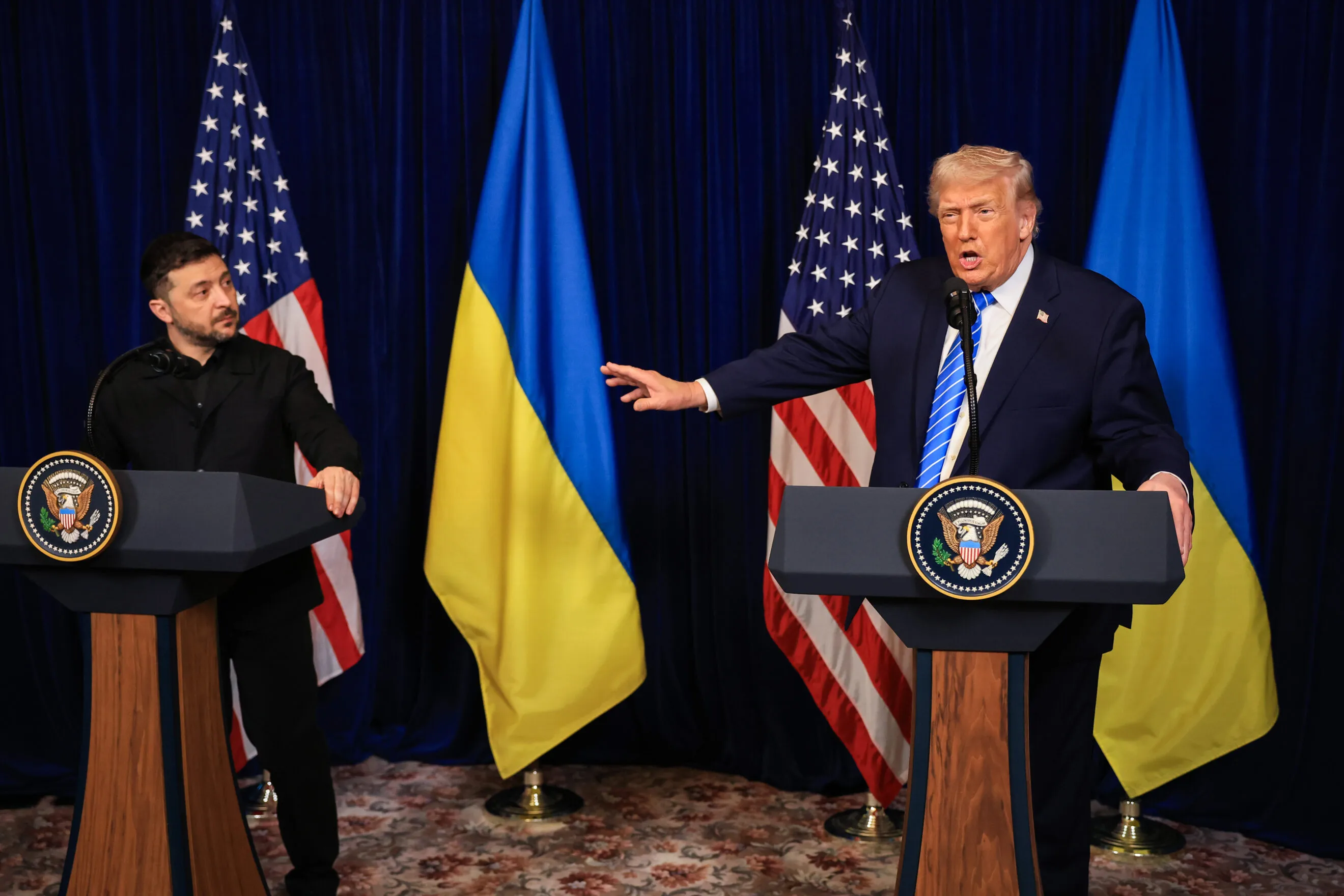
In that sense, budget pressure does not automatically make the Kremlin flexible. It simply narrows the time horizon. Moscow may well believe that the terms now available from Donald Trump are the most favorable it is likely to see for years, especially before the American political calendar begins to constrain the White House more sharply. For Putin, then, the question is not only whether to deal, but how long this window remains open.
That is the central tension of the moment. Russia has not been cornered economically, but it is moving into a zone where the war is becoming more expensive faster than the political return from continuing it. The Kremlin can still fund the front, but it is doing so through a less comfortable budget, more expensive sovereign debt, weaker energy income and increasingly heavy-handed management of the economy.
For Ukraine, that carries an important implication. Russia’s budget deficit alone will not break the Russian war machine tomorrow. But it does erode its long-term stamina, and that changes the context of negotiations. The more the war consumes Kremlin resources, the harder it becomes for Moscow to project itself as a power that can drag out time indefinitely without strategic cost.
That is why the current contacts should not be mistaken for the threshold of a major peace. They are better understood as an effort by the Kremlin to negotiate from strength at the very moment when the foundations of that strength are becoming more expensive to maintain. If the territorial deadlock holds and oil and gas revenues continue to underperform, Russia will move into the second half of the year with a weaker budget, less room for maneuver and the same question growing harder to defer: how much longer can war be sustained without a political result.