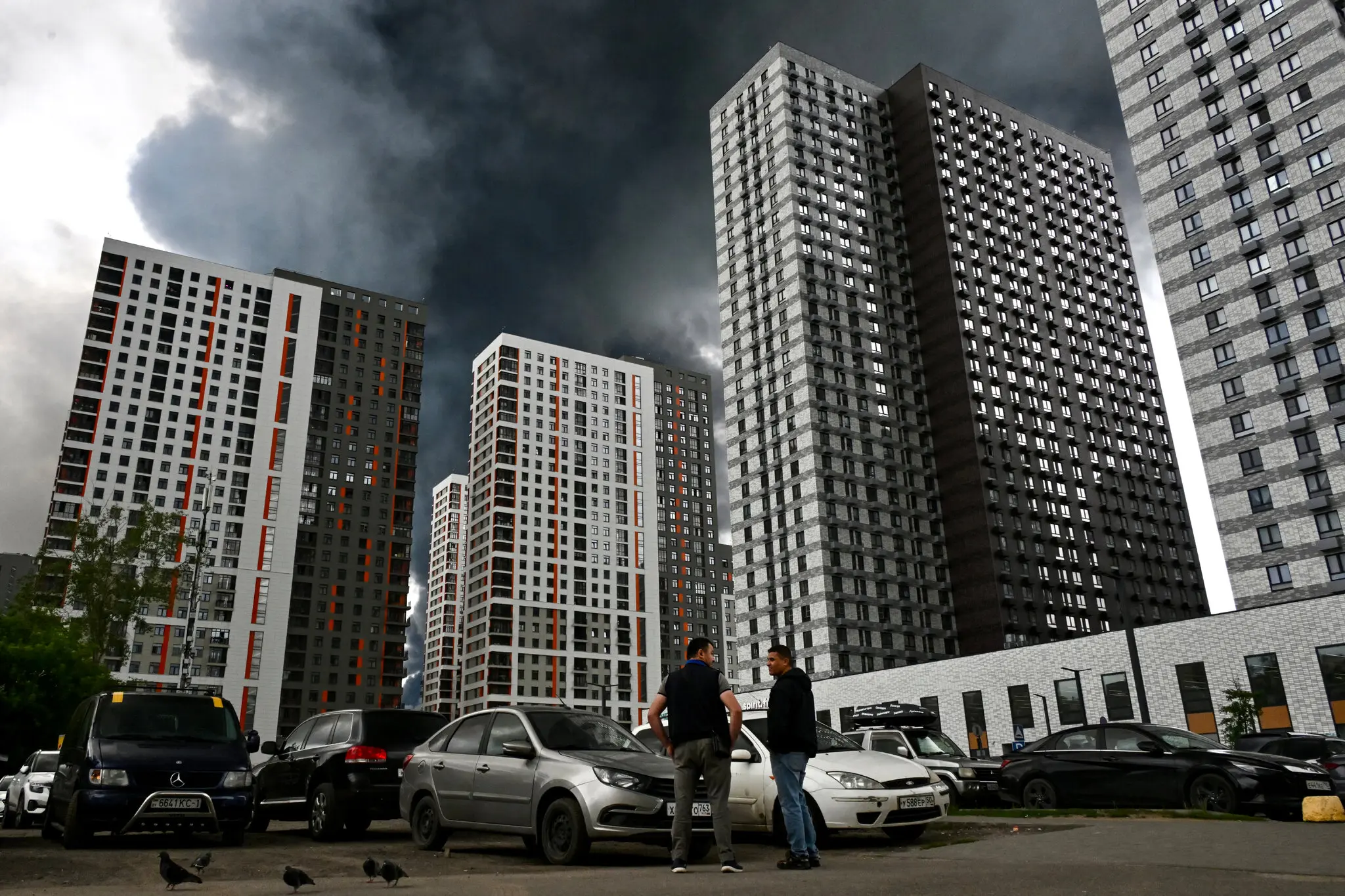





















Lebanon entered its national day of mourning not in silence, but in smoke. After the deadliest wave of Israeli airstrikes in this phase of the war, the country woke to a reality more brutal than any official language of de-escalation: a regional cease-fire may exist on paper, yet still fail to reach the cities now burying their dead.
That is what makes this moment larger than a single military episode. The central fact is not only the scale of destruction in Beirut, southern Lebanon and the east of the country, where more than 200 people were reported killed and roughly 1,000 wounded. It is that the war has once again proved stronger than the diplomatic formula meant to contain it.
Israel has made clear that Lebanon remains outside the U.S.-Iran cease-fire framework. In practical terms, that means one of the region’s most combustible fronts has been left beyond the boundaries of the current pause. According to Daycom’s earlier analysis, this is where the deepest weakness of the arrangement becomes visible: a cease-fire that excludes one of the key arenas of confrontation carries the logic of its own unraveling from the start.
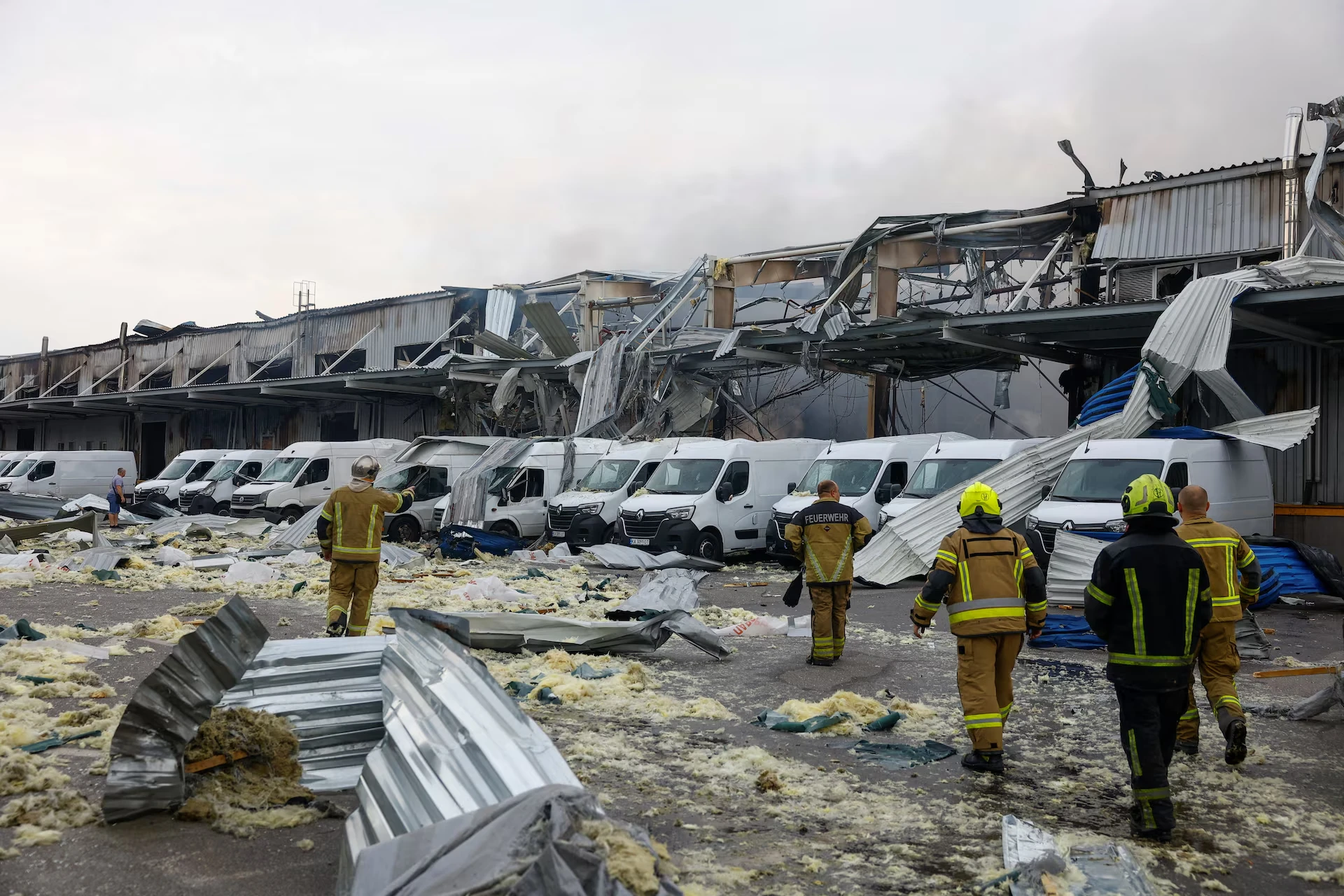
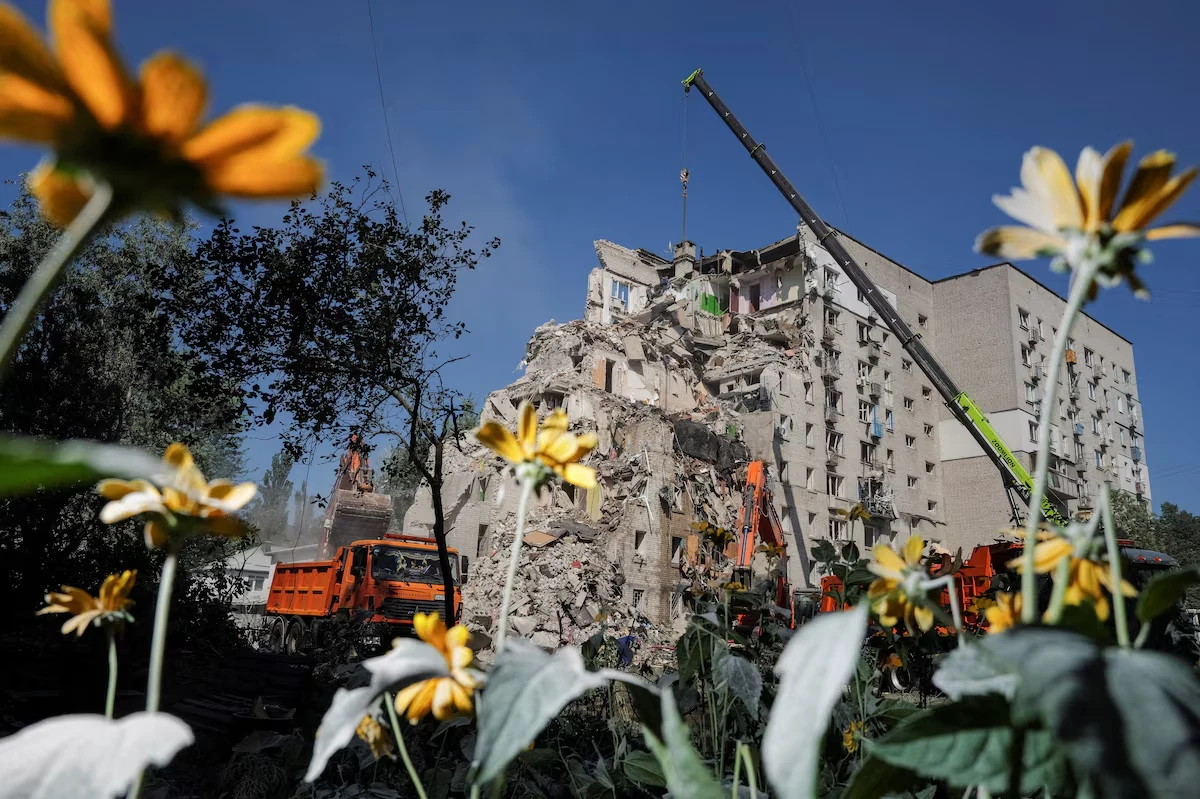
The intensity of the strikes only sharpened that point. Israel described a barrage of more than 100 airstrikes launched within minutes. Lebanon described crowded neighborhoods hit, apartment blocks torn open and rescue crews searching through rubble in districts where ordinary civilian life had never really recovered from the previous rounds of bombardment. At that scale, this no longer reads as a tactical message. It reads as a change in the war’s register.
For Benjamin Netanyahu’s government, the logic is straightforward. The war against Hezbollah is treated as a separate theater, governed by Israel’s own strategic priorities rather than by the limits of a truce reached elsewhere. But that position also exposes the central contradiction of the present regional diplomacy. If one of the principal fronts is deliberately placed outside the deal, then the deal itself stops looking like peace and starts looking like a narrow pause between larger episodes of force.
For Lebanon, the consequences are far greater than another round of escalation. The country has again become the place where stronger powers test the meaning of their own red lines while someone else absorbs the human cost. Beirut does not define the terms of the cease-fire. It does not control the rhythm of escalation. It does not determine where military necessity ends and political signaling begins. Yet its streets are where all of those arguments are settled in practice.
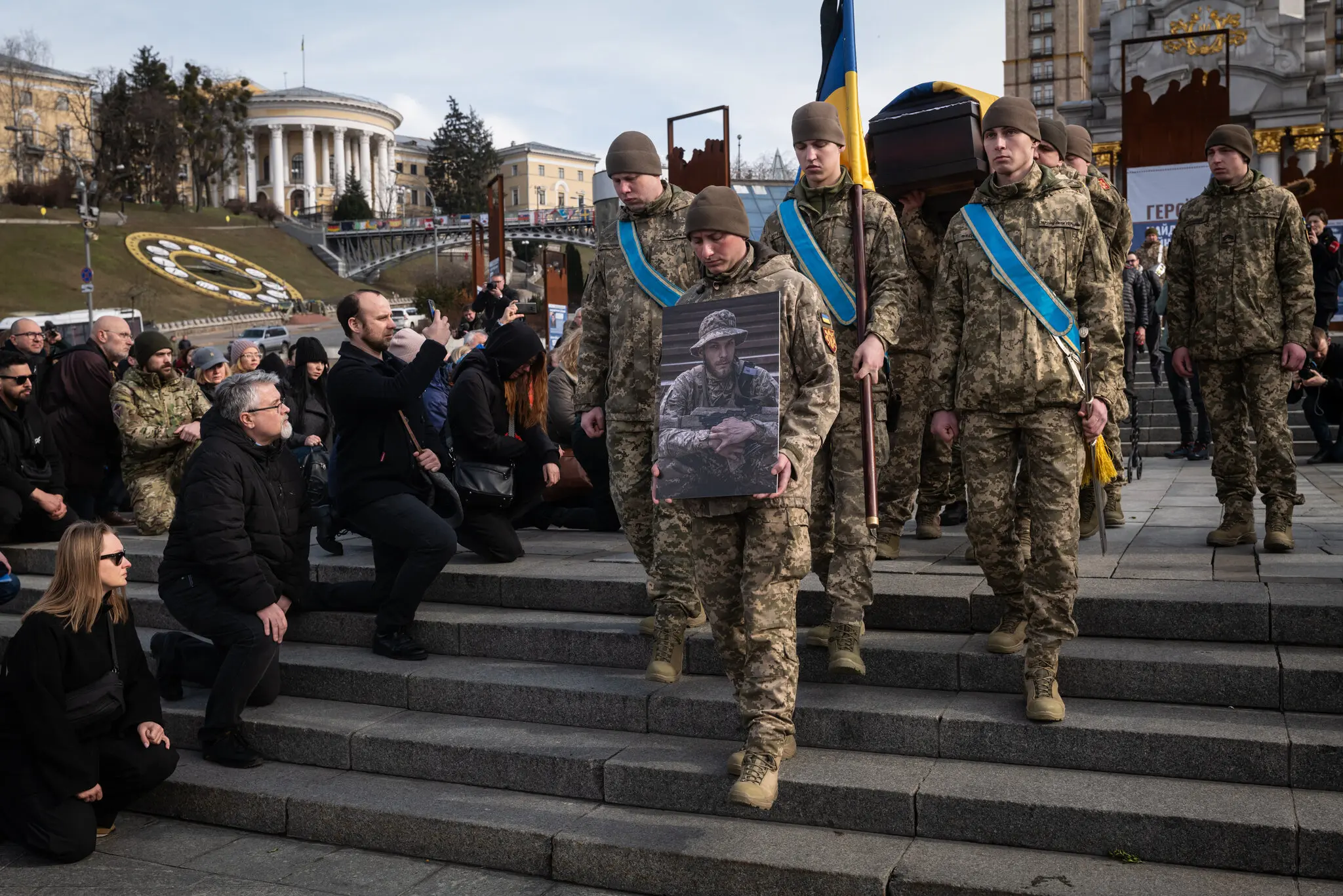
That is the harsh asymmetry at the center of the Middle East today. Those who negotiate are not always those who bury the dead. Those who argue over the wording of a truce are not always the ones searching hospital corridors for missing relatives. Lebanon’s mourning, in that sense, is more than a formal state ritual. It is an indictment of a regional order that can announce restraint while failing to protect civilian life.
The continuation of strikes on Lebanon also threatens the political meaning of the U.S.-Iran pause itself. Tehran can now argue, with increasing force, that a cease-fire which leaves its allies under bombardment is not a true reduction in violence but a selective arrangement designed around American and Israeli convenience. Every new strike on Beirut therefore does more than deepen Lebanon’s trauma. It also weakens confidence in any wider diplomatic process meant to stabilize the region.
That is why calls to include Lebanon in a broader cease-fire framework matter. This is not simply a humanitarian appeal, though the humanitarian case is overwhelming. It is a strategic necessity. So long as the Lebanese front remains open, no wider regional settlement can claim real coherence. The same crisis that touches Hezbollah touches Iran, Israel, maritime security, energy markets and the credibility of every mediator now trying to prevent a wider collapse.
The deeper problem is structural. The modern Middle East war no longer fits neatly into bilateral agreements. Washington may reach an understanding with Tehran, but if Israel, Hezbollah, Lebanon and the wider network of proxy conflict remain outside the operative frame, then the agreement does not end the war. It merely redistributes it. Violence does not disappear. It moves.
In that sense, Beirut is no longer a secondary theater or a tragic side story. It is the place where the authenticity of the region’s de-escalation is being tested. A cease-fire is real only if it changes the lived conditions of the people most exposed to the conflict. If one capital wakes under black smoke while others speak of diplomatic progress, then what exists is not peace, but sequencing.
That may be the hardest conclusion of all. Lebanon is once again paying for the gaps inside other people’s arrangements: for the limits of American diplomacy, for Israel’s separate war logic, for Iran’s proxy geography and for an international system that still treats civilian devastation as something that can remain politically compartmentalized. But in wars like this, nothing stays compartmentalized for long.
So the day of mourning in Lebanon marks more than grief. It marks a warning. If the region’s new cease-fire cannot stretch far enough to cover Beirut, then it is not yet a settlement. It is only an intermission between phases of violence — and Lebanon, once again, is the country forced to pay first for that truth.