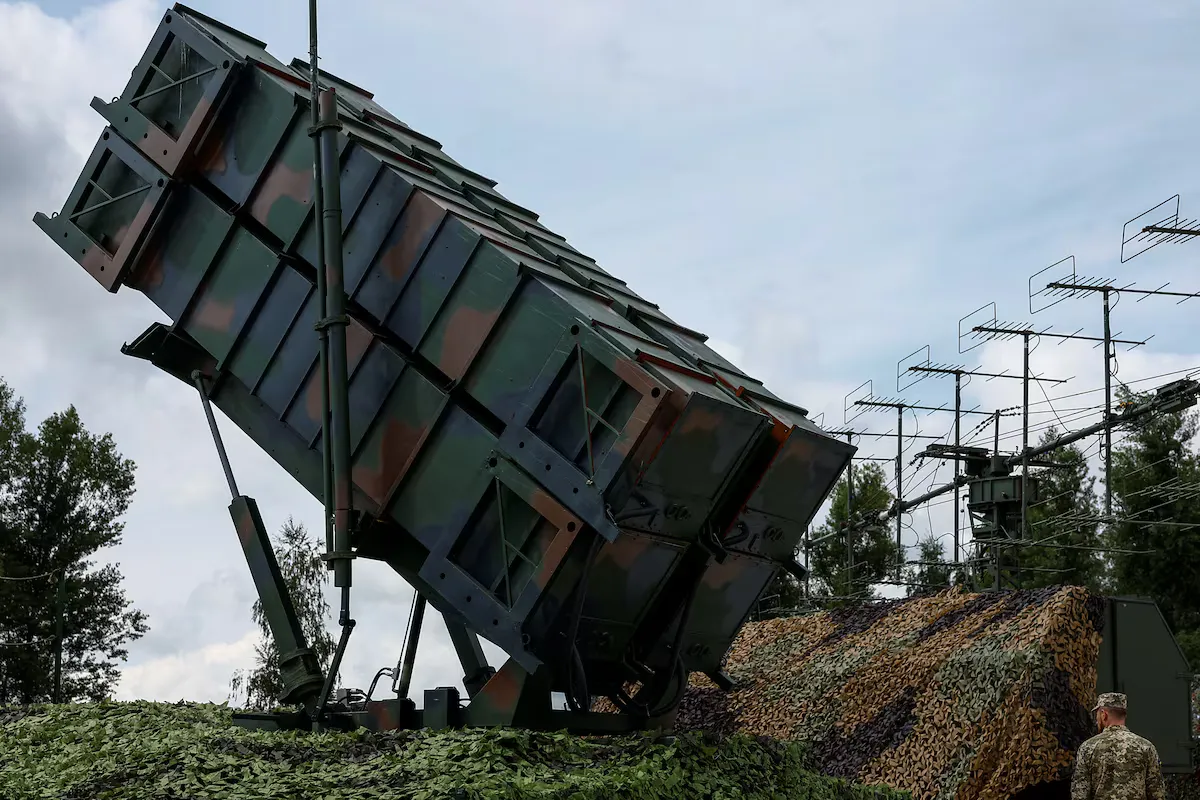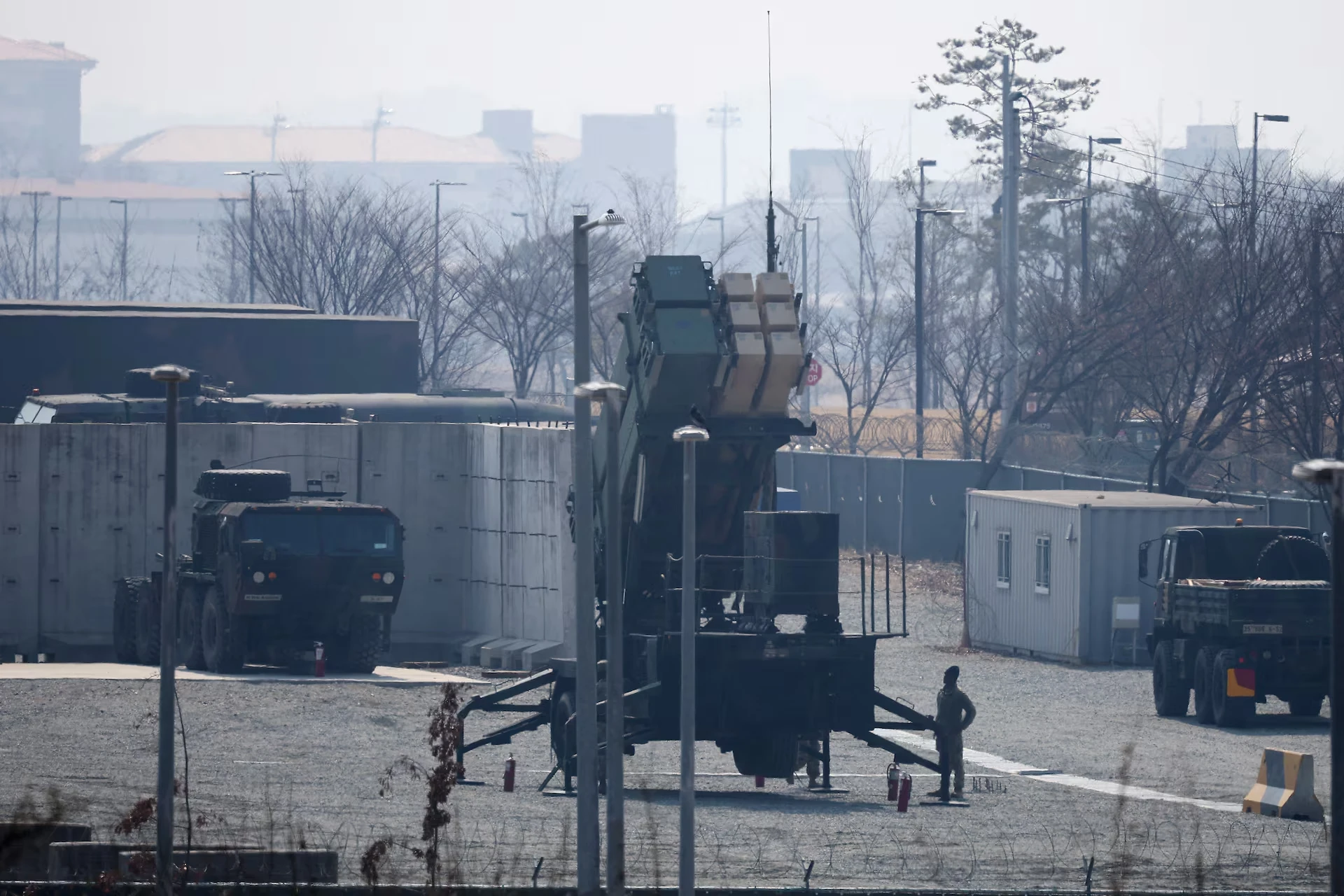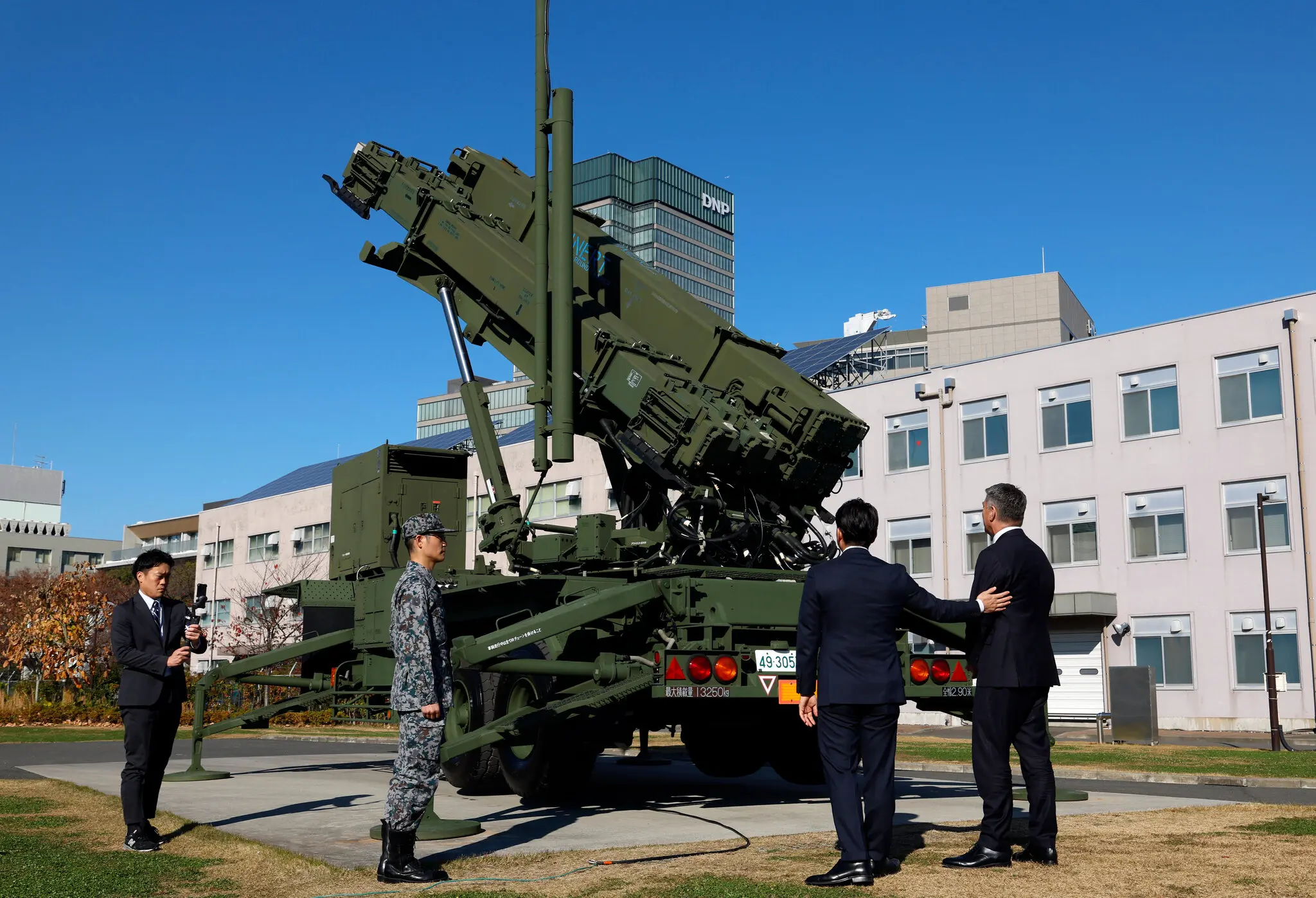






















Donald Trump has made one of the most important defense promises of this new phase in Washington’s relationship with Kyiv: the United States is prepared to grant Ukraine a license to manufacture Patriot interceptors. For a country that counts each night not only the drones it shoots down, but also the missiles it cannot stop, this sounds like a decision from another scale of war.
This is not about another shipment of ammunition. It is about access to the technological core of American missile defense. Ukraine has long asked not only for Patriot systems, but for stable access to interceptor missiles, because they have become the narrowest point in its defense against Russian ballistic strikes.
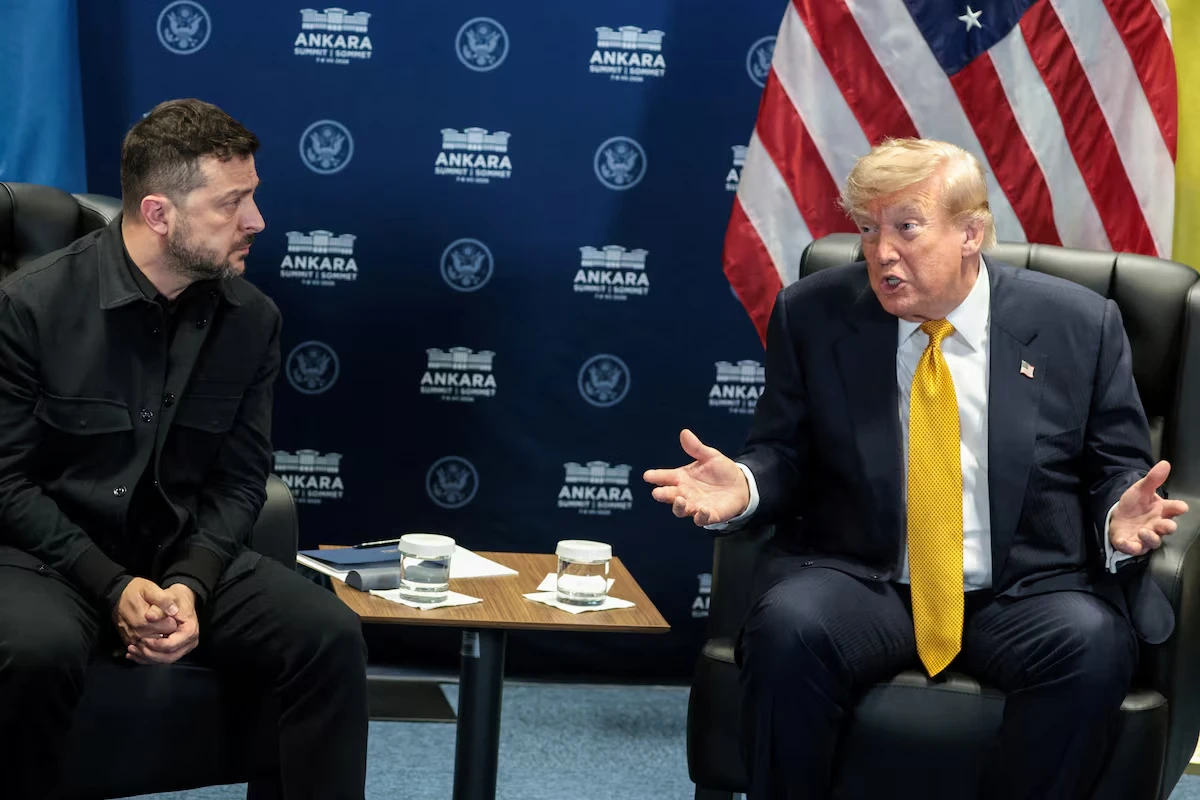
The announcement came during Trump’s meeting with Volodymyr Zelensky at the NATO summit in Ankara. The American president framed it in his characteristically direct style: Ukraine would get the ability to make Patriots so it could no longer complain about insufficient deliveries. Behind that line lies a much more serious shift — from the logic of assistance to the logic of joint production.
According to Daycom’s earlier analysis, this decision could become one of the most consequential outcomes of the Ankara summit if it is carried through into a legally and industrially complete arrangement. It does not change the battlefield immediately, but it does change the architecture of Ukraine’s long-term defense capacity.
For Kyiv, Patriot is not a prestige weapon. It is a weapon for the survival of cities. It is the only system in Ukraine’s arsenal capable of intercepting some ballistic missiles, which fly at high speed and along a steep trajectory. That is why every shortage of interceptors quickly becomes a strategic vulnerability.
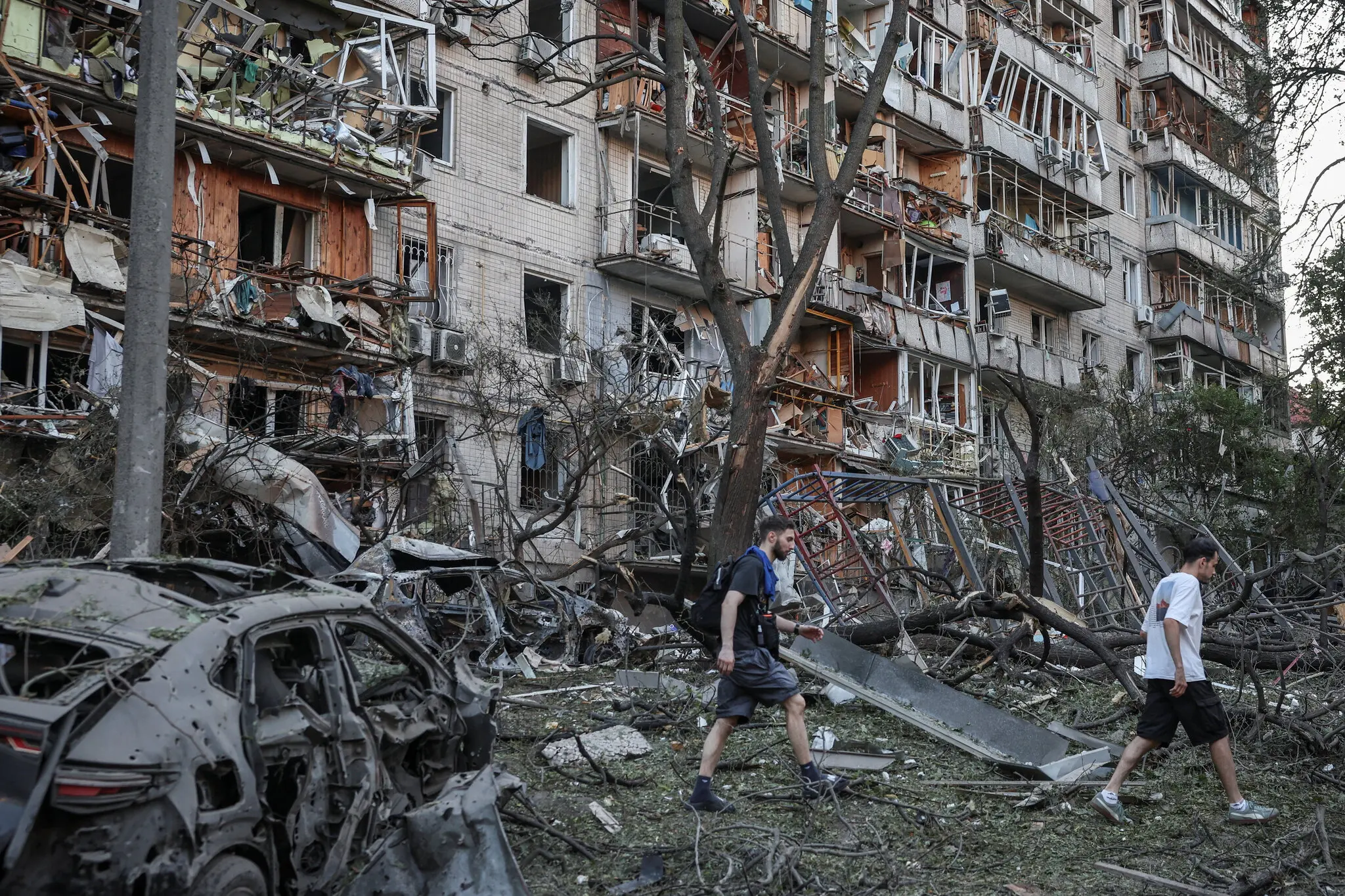
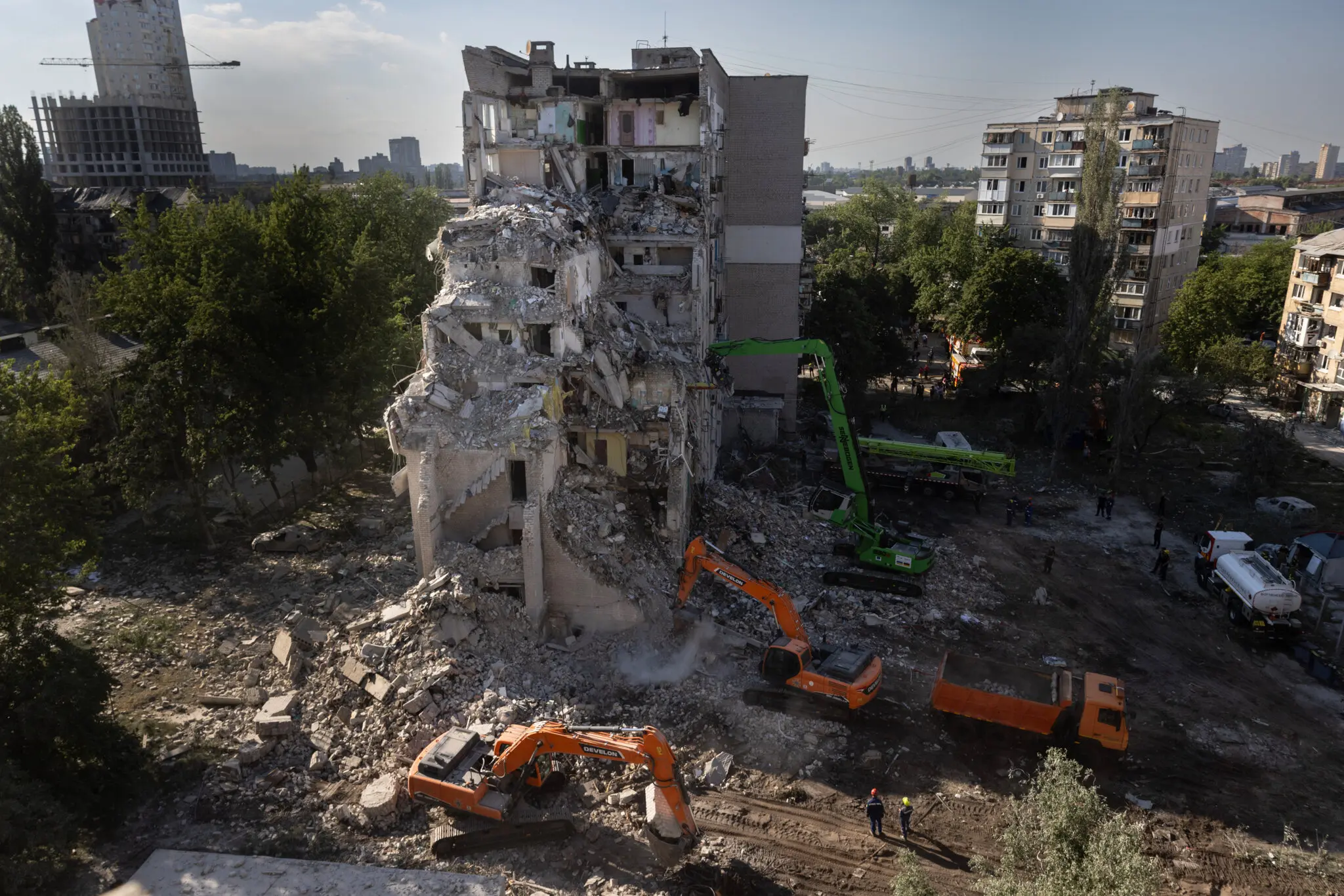
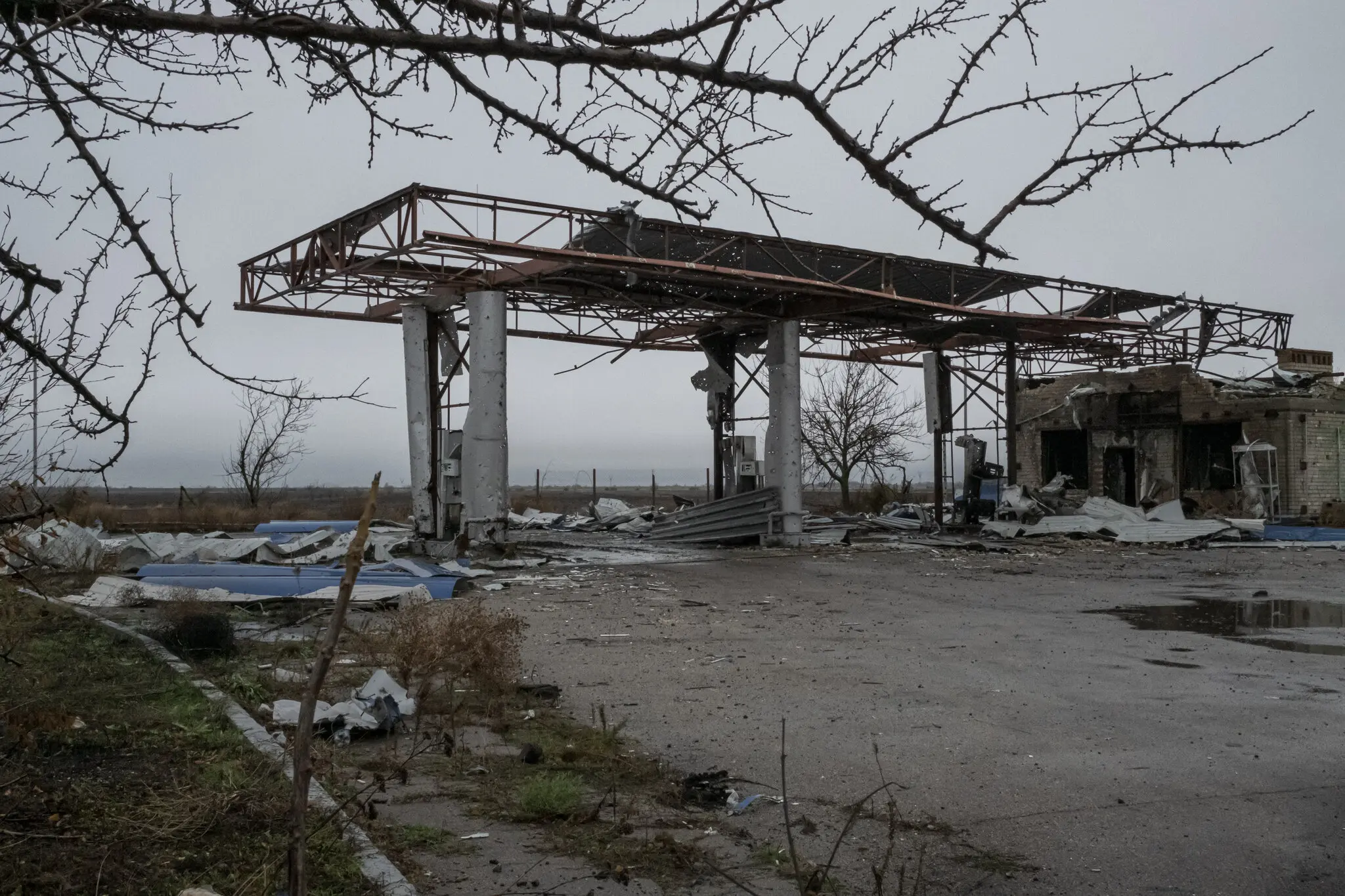
Russia has intensified its air war in recent months, compensating for slower movement on the ground with strikes on Kyiv, energy facilities, logistics and civilian infrastructure. Mass drone attacks exhaust Ukrainian air defenses by volume, while ballistic missiles test their most valuable resource: limited stocks of American-made interceptors.
Ukraine’s problem is not only the number of launchers. Without missiles, even the most advanced battery becomes an expensive waiting structure. That is why licensed production may matter more than the one-time transfer of another system: it creates a path toward regular replenishment of ammunition.
Yet the distance between a political statement and a real missile is long. Patriot is a complex system tied to American technology, export controls, supply chains, manufacturing quality and protection of sensitive components. A license opens the door, but it does not build a factory overnight.
That is why the most likely scenario would be production not directly inside Ukraine, but in Germany or another European country. This would reduce the risk of Russian strikes on production sites while also placing Ukrainian needs inside a broader European defense framework.
For Kyiv, such a model makes clear sense. It does not answer the missiles flying tonight, but it creates an industrial route without which a war of attrition becomes dangerously asymmetric. Ukraine cannot depend only on the pace of American stockpiles while Russia increases its own missile production.
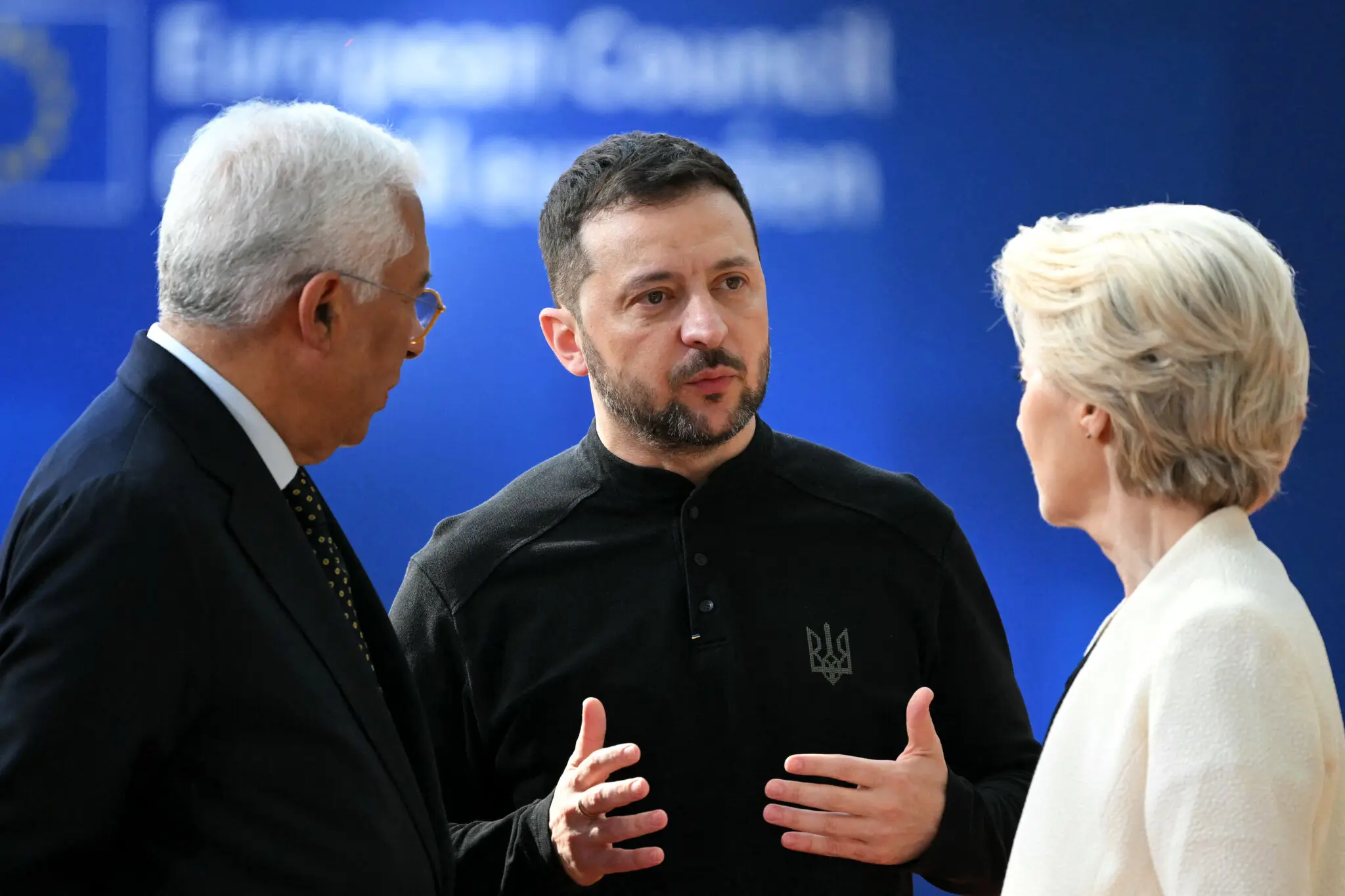
It is also an important signal to Europe. The war has shown that the continent lived for too long under the umbrella of American defense industry without building enough missile-defense capacity of its own. If Patriot interceptor production is localized in Europe, it would become not only support for Ukraine, but part of NATO’s own rearmament.
Trump separately emphasized that this is a defensive weapon. For him, that is a politically useful frame: he can support Ukraine without appearing to expand Kyiv’s offensive arsenal. Patriot does not strike Moscow or alter the front line through direct attack, but it can reduce the effectiveness of Russia’s missile terror.
The tone of Trump’s meeting with Zelensky also mattered. After periods of public harshness and accusations of ingratitude, the American president spoke of a good relationship and the possibility of ending the war. Yet his rhetoric remained double-edged: he described both Putin and Zelensky as difficult figures, as if trying to preserve the image of an arbiter between two hard sides.
For Ukraine, that ambiguity is a familiar danger. Kyiv needs not only warm phrasing, but decisions that can survive a change of mood in Washington. A license to produce Patriot interceptors could become such a decision if it is backed by contracts, technology agreements, production schedules and financing.
In Washington, the announcement was met largely with approval. For Republicans, it allows support for Ukraine without endless transfers from U.S. stockpiles. For Democrats, it offers a way to strengthen civilian protection and Ukraine’s long-term security. It is a rare case in which different political camps can see their own logic in the same step.
At the same time, skepticism remains justified. Ukraine needs interceptors now, not only future production prospects. If additional deliveries do not arrive in the coming weeks, Russian ballistic attacks will continue to exploit a critical gap in Ukrainian defenses. A license for the future cannot replace ammunition for the present night.
Trump himself acknowledged that the United States has a limited number of Patriots and needs them for its own security. That is the key phrase in the entire story. It explains why Washington is looking not only for a political answer, but for an industrial one: helping Ukraine without draining U.S. reserves or exposing weaknesses in American defense.
For defense companies, this will mean pressure to expand production. Lockheed Martin, Raytheon and European partners may find themselves at the center of a new chain in which Ukrainian demand is joined with American technology and European manufacturing sites. Such a scheme is complicated, but it fits the reality of a long war.
Moscow already sees NATO’s decisions and expanded support for Ukraine as a threat with serious consequences. The Kremlin understands that if Ukraine gains a stable channel for producing interceptors, Russia’s bet on ballistic pressure will lose part of its effectiveness. Not immediately, but gradually.
That is what makes the Patriot decision more than a technical announcement. It touches the Russian war model itself, which is built on exhausting Ukrainian air defenses, striking cities and applying psychological pressure to society. If Ukraine can produce or reliably receive more interceptors, the cost of that Russian campaign will rise.
The central condition for success is speed. In an air-defense war, time is measured not in quarters, but in nights of air-raid alerts. Every month of delay means new attacks, new destruction and new Russian attempts to prove that Ukraine’s sky can be overwhelmed by quantity.
Trump’s promise opens a strategic horizon for Ukraine, but it does not close the immediate need. Kyiv requires both a license and urgent deliveries. It needs factories for the future and missiles for today. It needs political will capable of turning a striking phrase into an industrial line.
If that happens, Ankara may be remembered not only as a summit of diplomatic statements, but as the point where the West began to rethink aid to Ukraine: not as the endless transfer of scarcity, but as the creation of defense capacity. In a war where Russia is betting on exhaustion, the ability to manufacture protection may become no less important than the ability to receive weapons.