
















Ukraine has received not only a new American aid package, but a more important signal: the production of Patriot interceptor missiles is moving from political declaration into practical implementation. Volodymyr Zelensky said Kyiv and Washington had reached a political agreement on licenses for PAC-3 missiles, with key initial supplies expected in the coming days.
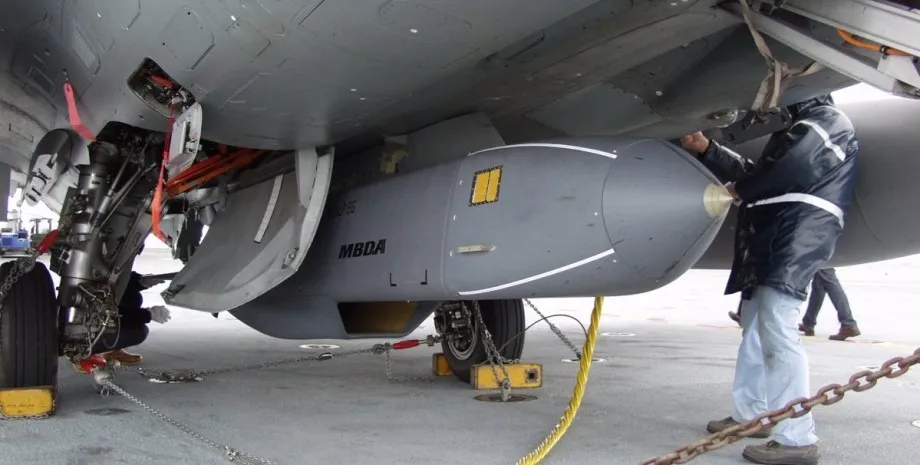
For Ukraine, this is not a technical matter but an existential one. The PAC-3 is one of the few Western interceptors capable of shooting down Russian ballistic missiles, which Moscow is increasingly using against Kyiv and other cities. As Russia tries to exhaust Ukraine’s air defenses, every interceptor becomes not just a munition, but time bought for the survival of cities.
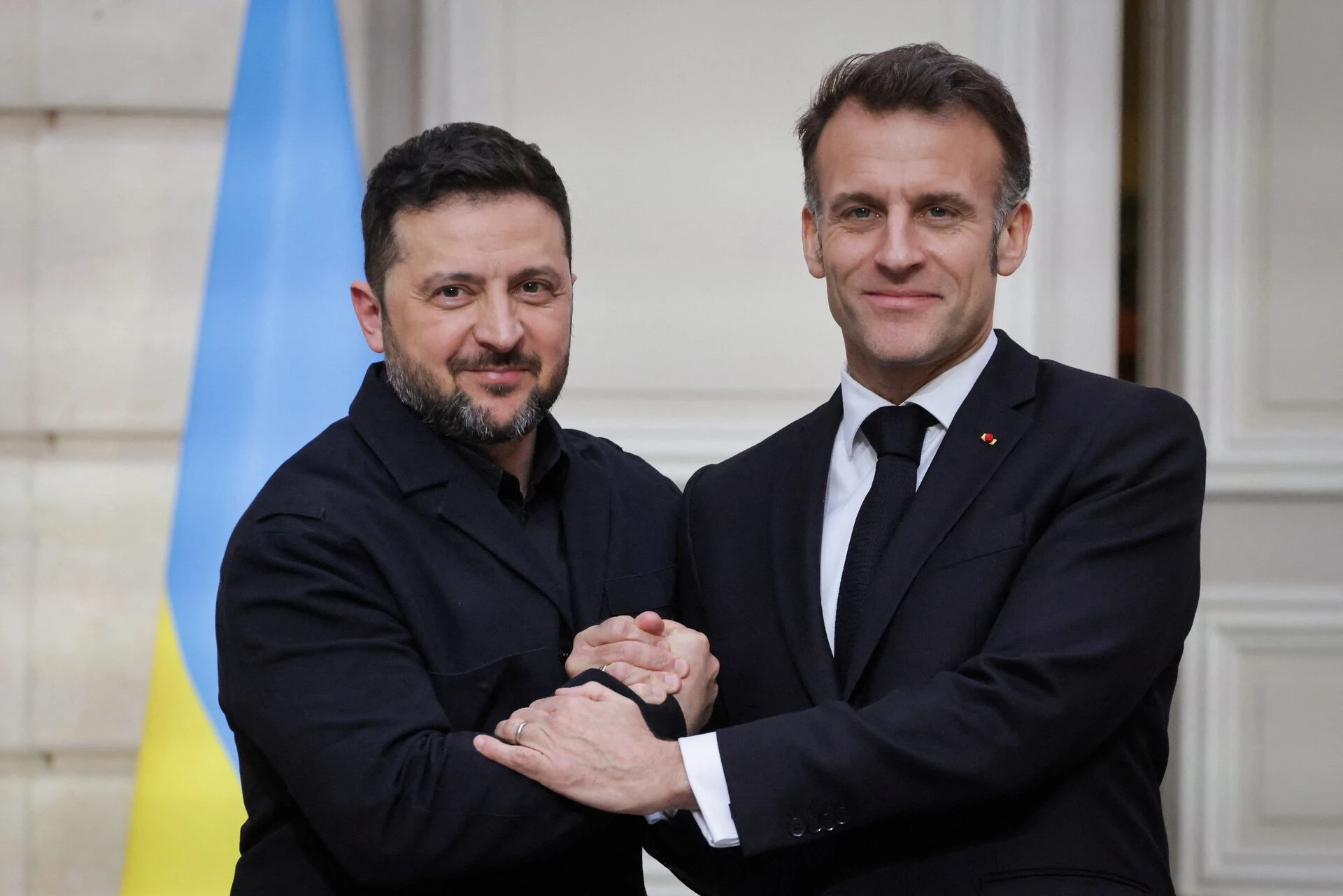
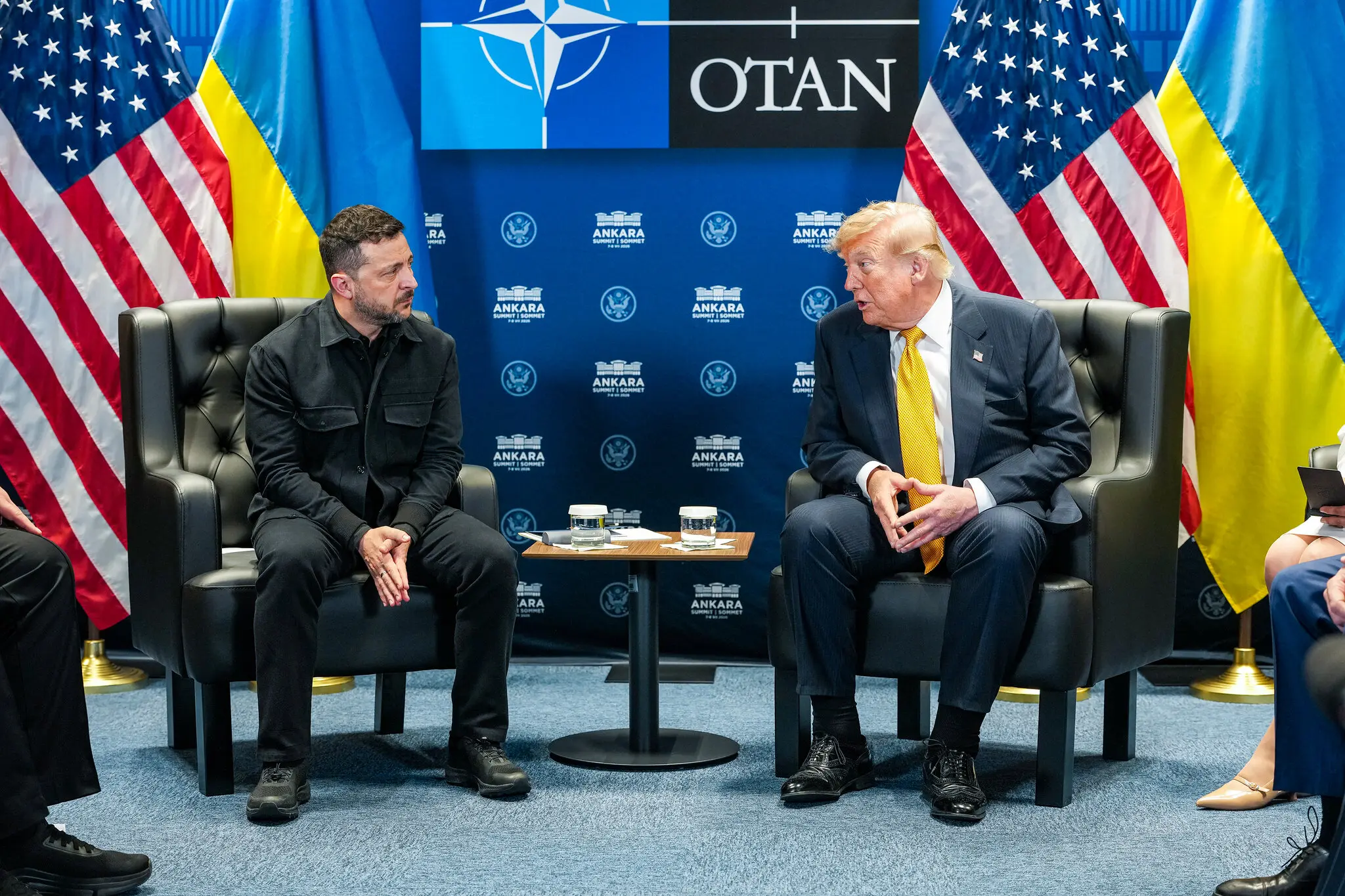
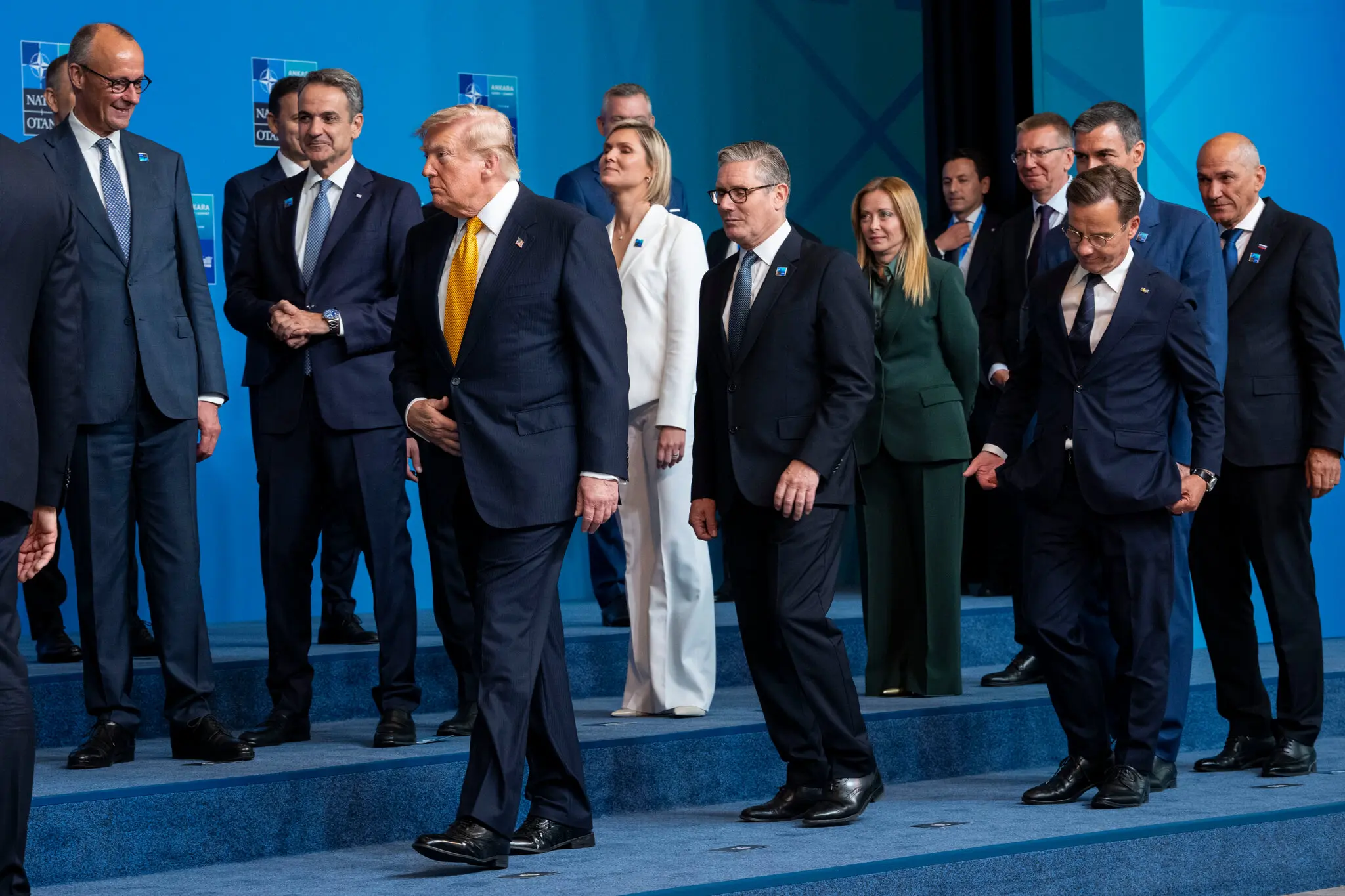
Zelensky spoke after returning from the NATO summit in Turkey and talks with Donald Trump. His wording was cautious but revealing: the licensing issue has been resolved politically, and now technical teams must begin work without delay. That means the main obstacle is no longer intent, but the speed of bureaucracy, technological access and industrial organization.
According to Daycom’s assessment, the shift from one-off deliveries to licensed production could become a strategic change in Ukraine’s defense. As long as Kyiv depends only on ready missiles from allied stockpiles, its resilience is limited by other countries’ political calendars. Domestic or joint production creates a different logic — slower, more expensive, but far more reliable.
Patriot has long become a symbol of Ukraine’s air-defense shortage. The systems are complex, costly and limited in number, while the missiles they use are being consumed faster than allies are willing to acknowledge publicly. Russia understands this and has built part of its air campaign around saturating Ukraine’s defenses: combining drones, cruise missiles, ballistic missiles and repeated waves of strikes.
In this kind of war, Ukraine needs not only additional batteries, but a guaranteed flow of interceptors. Without that, even the most advanced air-defense system becomes a resource that must be saved for the most critical moments. That creates a brutal choice: defend the capital, energy infrastructure, industry, frontline cities or military logistics.
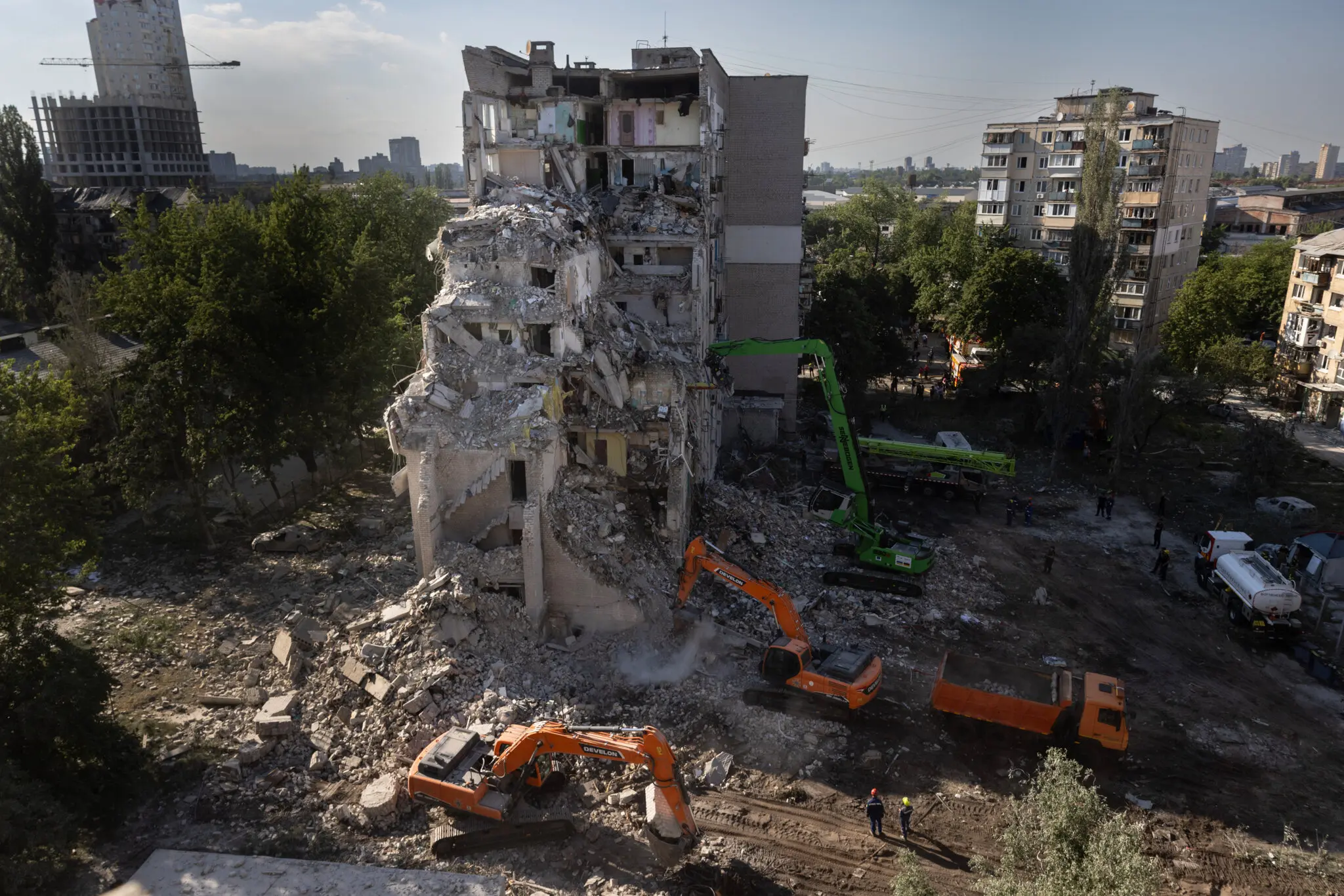
PAC-3 matters especially because of Russia’s ballistic attacks. These missiles fly faster, leave less time to react and can penetrate less prepared defenses. For civilians, the difference between having and not having an interceptor is not measured in abstract statistics, but in the number of homes, hospitals, power stations and lives that survive.
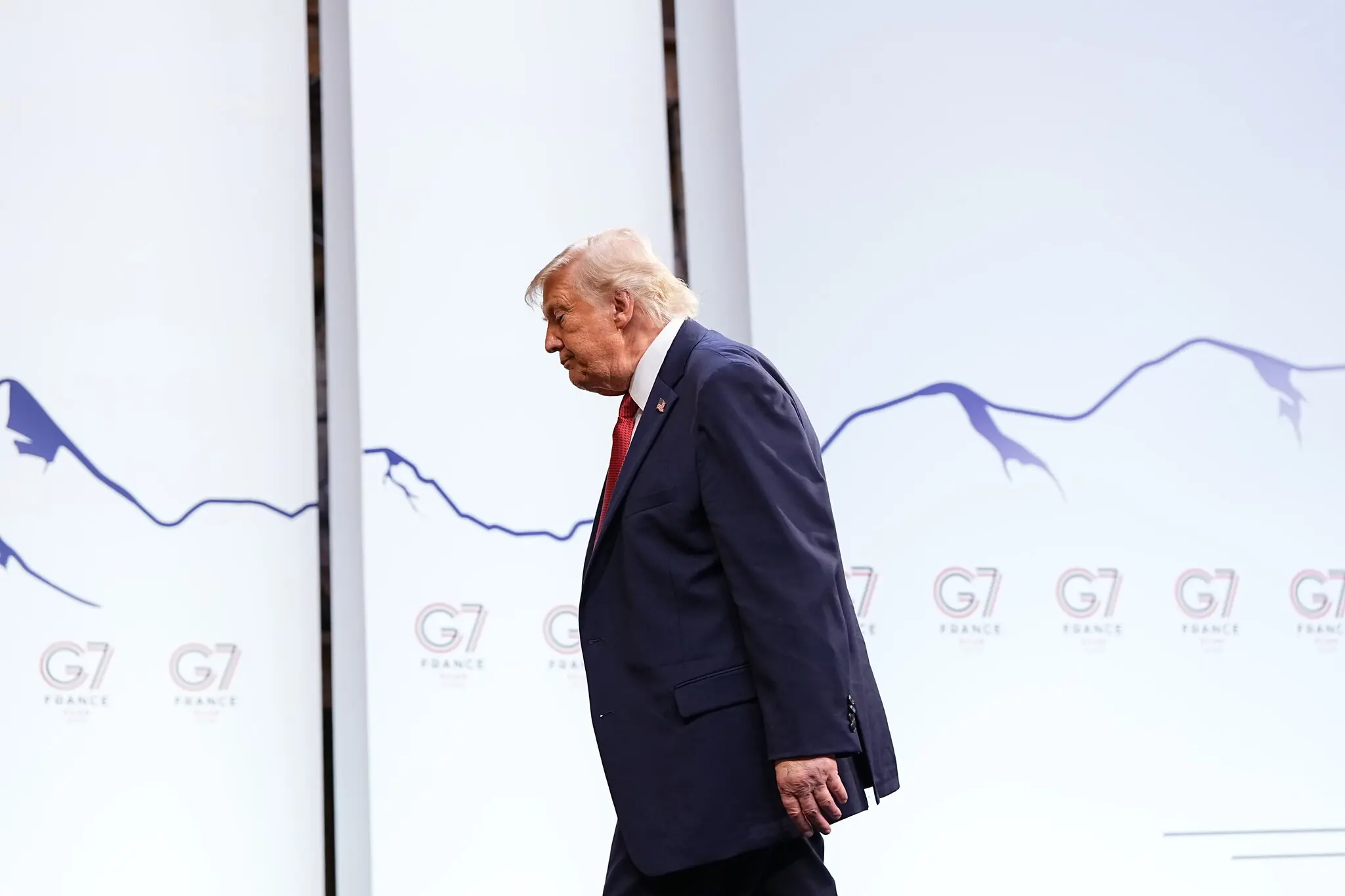
The agreement with the United States also changes the political context between Kyiv and Washington. After difficult moments in the relationship between Zelensky and Trump, the current tone looks far more pragmatic. The Ukrainian president described the meeting as constructive and said the American leader was now positive toward Ukraine.
That detail matters not because of diplomatic courtesy, but because Kyiv’s personal channel with Trump may shape the speed of weapons decisions, the scale of assistance and the limits of future diplomacy with Moscow. If Washington is advancing a peace initiative while also agreeing to strengthen Ukrainian air defenses, it means the negotiation track has not yet replaced the defense track.
Ukraine knows the danger of the opposite scenario well. Peace talks without stronger defenses can become pressure on Kyiv. Stronger Patriot support and production licenses send a different message: Ukraine should enter any diplomatic process not as a party being forced to endure a pause, but as a state capable of defending its sky and holding the front over time.
A separate track is the possible “drone deal” with the United States. Zelensky said no final agreement had been signed, but documents already allow the American side to receive different types of Ukrainian drones for testing. These include aerial drones, naval drones and other technological systems.
This is a different model of cooperation. Ukraine is not only asking for weapons; it is offering its combat experience and technology. Over the course of the war, Ukrainian drones have become one of the fastest-developing areas of defense innovation. They have changed tactics at the front, struck Russian rear facilities, ports, refineries and ships, and helped define a new language of modern warfare.
For the United States, Ukraine’s experience has practical value. The American defense industry has scale, funding and scientific depth, but Ukraine has the daily combat testing of technology in a high-intensity war. That makes Kyiv not only a recipient of assistance, but a partner capable of shaping the future standards of unmanned warfare.
Naval drones are especially important. Ukraine has changed the balance in the Black Sea without a traditional large fleet, using asymmetric tools against larger and more expensive Russian targets. For American military planners, this is not a theoretical experiment, but ready material for studying future conflicts in maritime zones.
Aerial drones are no less significant. They have turned the front into a space of constant surveillance and strike. Tasks that once required expensive systems are now partly performed by mass-produced, cheaper and rapidly upgraded platforms. That is why joint production or technology exchange could have consequences far beyond the Ukrainian theater of war.
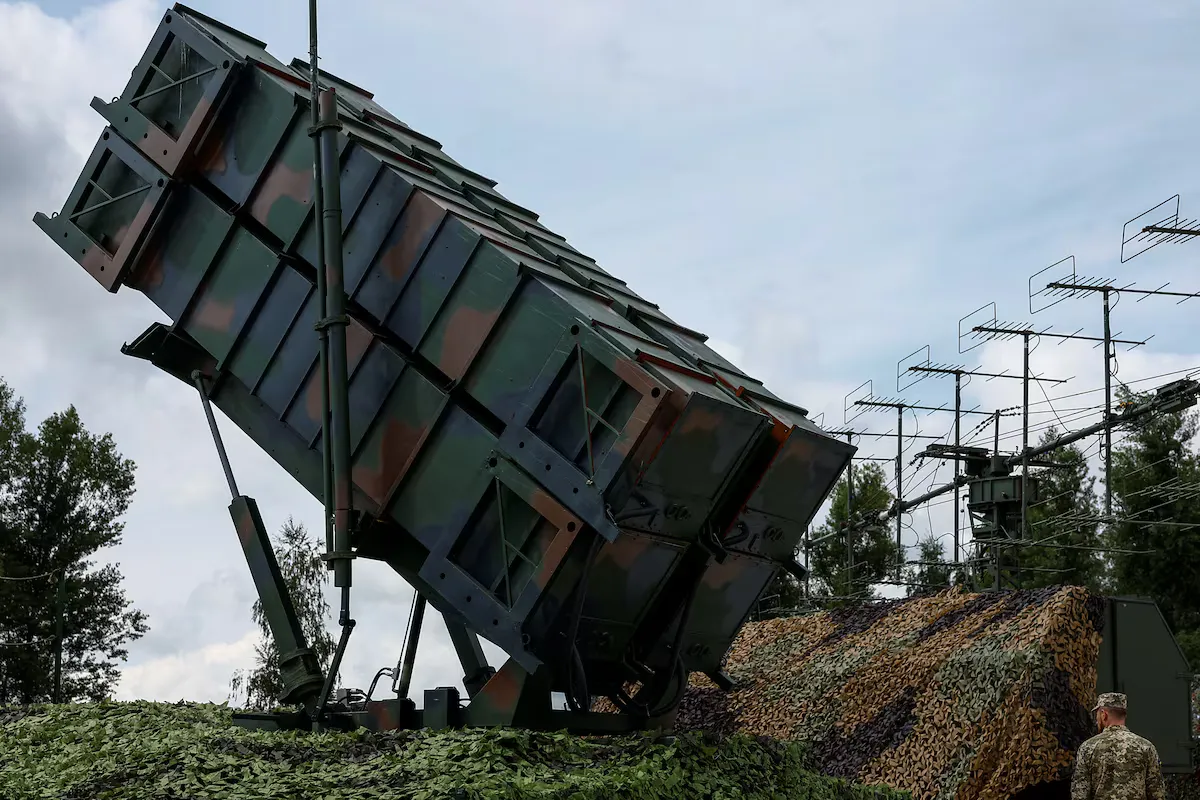
At the same time, the Patriot agreement does not erase the central challenge: time remains the critical resource. Licenses, technical teams, ministries, production lines and certification do not produce instant results. Ukraine needs interceptors now, while production is an answer for the coming months and years.
That is why the nearest U.S. package has dual significance. It covers part of the immediate need while a longer industrial framework takes shape. If the deliveries arrive in the coming days, they could strengthen the defense of cities at a moment when Russia is intensifying combined attacks and trying to pressure Ukraine’s energy system and civilian infrastructure.
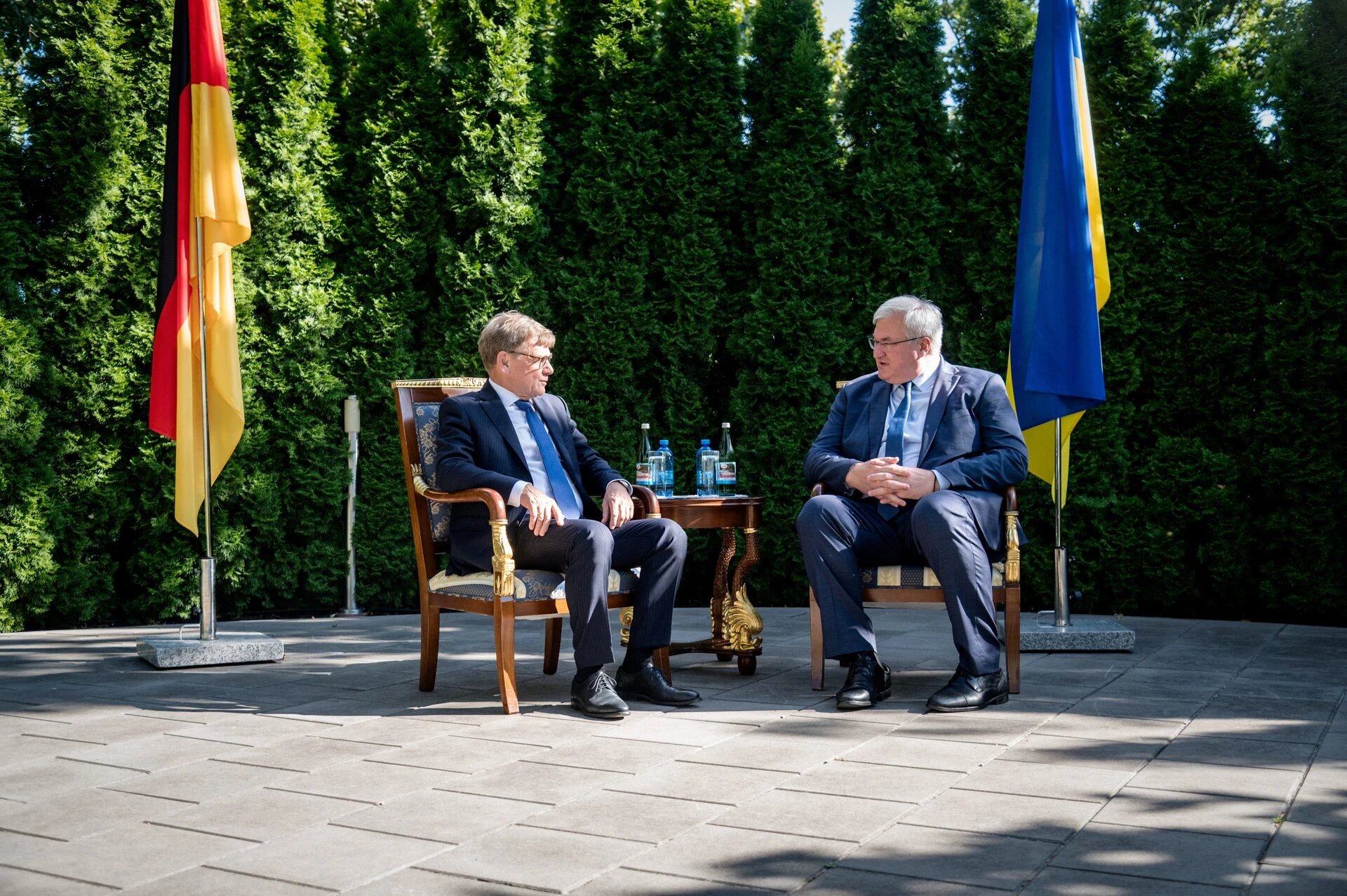
Zelensky is also pointing to a separate European track — the development of an anti-missile system with allies, with a meeting expected in France. That shows Kyiv does not want to depend on a single channel. American Patriots are critical, but Ukraine’s long-term security requires a broader architecture in which the United States, Europe and Ukrainian industry reinforce one another.
For Europe, this is also a test. The war has shown that the continent lacks not only political will, but production capacity in key categories of weaponry. If European countries want Ukraine to hold Russia back over the long term, they will have to move from symbolic packages to industrial programs with predictable volumes and timelines.
The coming months will show whether the PAC-3 agreement becomes a real turning point. Political approval is only the first level. Licensing procedures, technology protection, financing, production sites, personnel training and guarantees for uninterrupted component supplies must follow. In a war where missiles are used faster than decisions are made, slowness can devalue even the right strategy.
Still, the fact of the agreement already changes the tone. Ukraine is moving from asking for scarce interceptors to discussing their production. That does not eliminate dependence on allies, but it makes that dependence less passive. Kyiv is trying to build its defense not around waiting for the next package, but around a shared industrial base.
For Moscow, this is an unwelcome signal. Russia’s strategy of aerial terror is based on the assumption that Ukrainian air defenses will be depleted faster than they can be replenished. If Ukraine gains more stable access to PAC-3 missiles while developing drone cooperation with the United States, the cost of Russian strikes will rise and their political effect will weaken.
The war is increasingly becoming a contest not only between armies, but between production systems. The side that more quickly turns battlefield experience into serial production gains a strategic advantage. The Patriot agreement and drone talks show that Ukraine is trying to do exactly that: combine American technology, European support and its own wartime innovation.
In this sense, the NATO summit gave Kyiv not a final result, but an important direction. The nearest PAC-3 deliveries should cover part of the urgent need. Licenses could open the way to longer-term resilience. Drone cooperation could turn Ukraine from a battlefield of war into one of the designers of its future rules.
For a country living every night under the threat of ballistic missiles and drones, this is not a diplomatic success in the narrow sense. It is an attempt to win time, protect the sky and build industrial depth. In this war, those three elements increasingly determine who can not only survive the next strike, but endure the entire campaign.