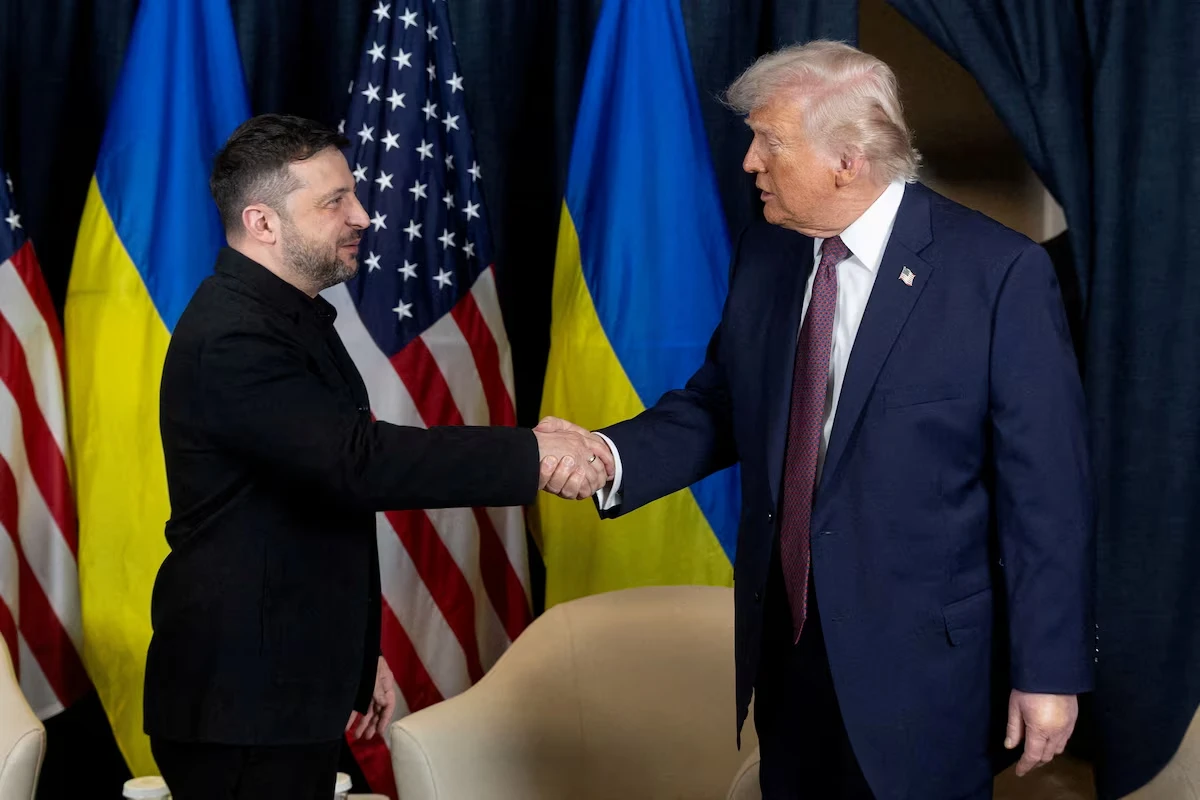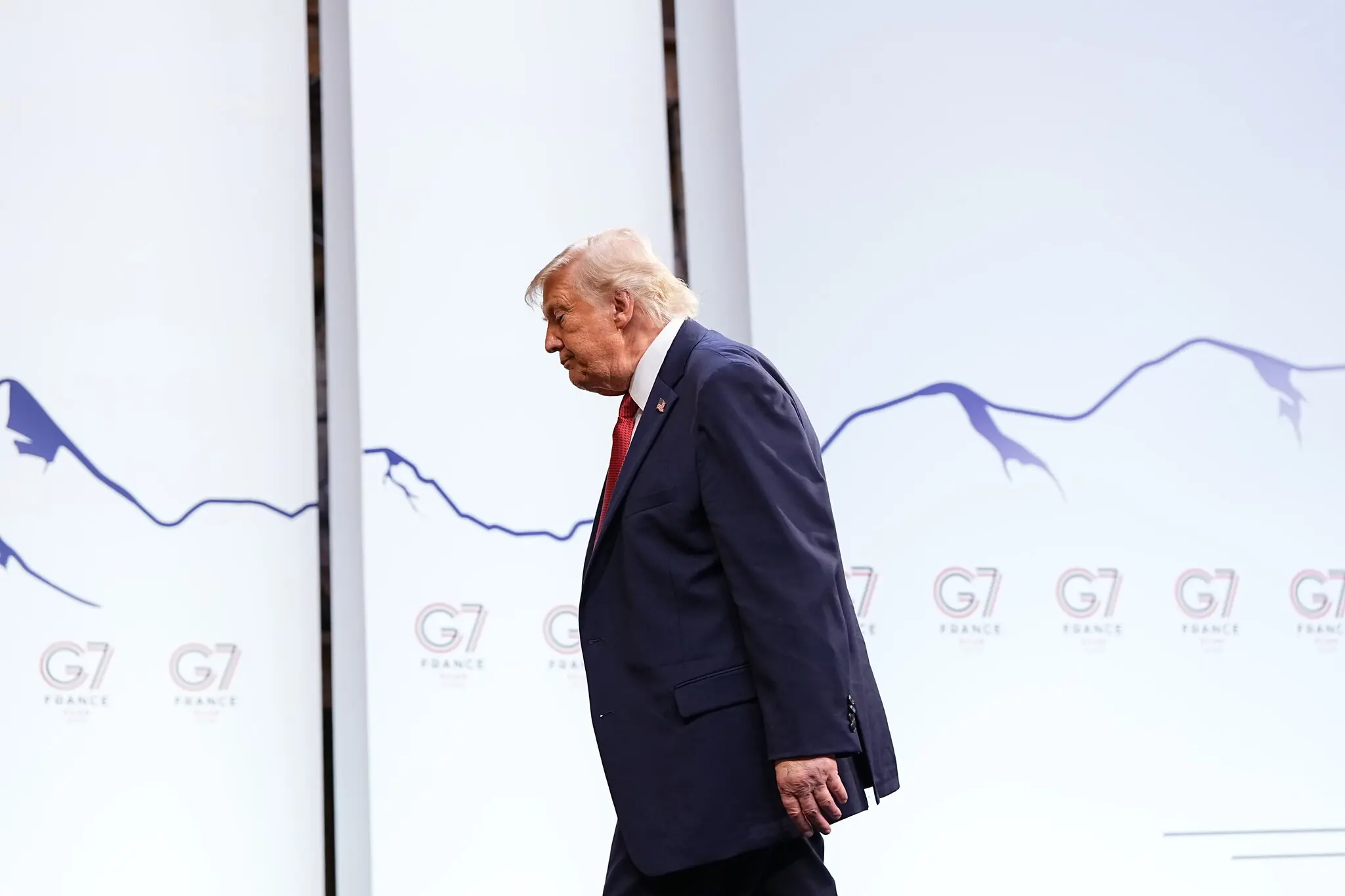























Donald Trump said the end of the war in Ukraine may be closer than many people realize. His remarks came after phone calls with Vladimir Putin and Volodymyr Zelenskyy, and ahead of a NATO summit in Ankara where Ukraine is expected to be one of the central issues.
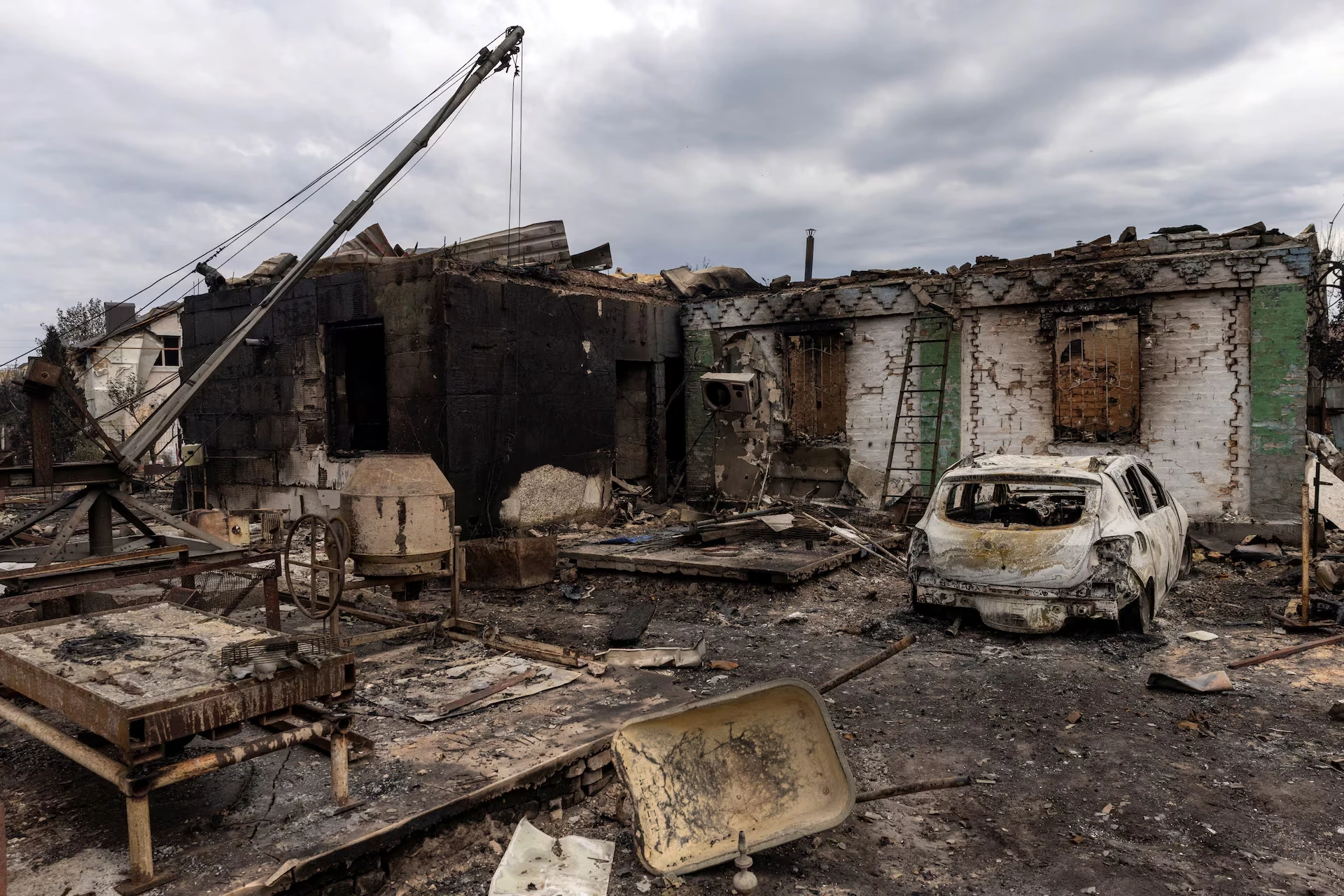
The statement might have sounded like a sign of diplomatic movement, if not for the context. That same night, Russia launched a large missile and drone attack on Kyiv and the surrounding region, killing dozens of people. Peaceful language from Washington collided with the reality of a Russian war that shows no sign of winding down.
Trump did not explain what exactly made him confident. He said Putin wanted the war to end and that Zelenskyy wanted it to end now. But between the desire to “end” a war and the readiness to accept just terms lies the central gap in every current attempt at negotiation.
In Daycom’s assessment, Trump’s new signal matters less as evidence of an imminent peace than as an attempt to restore the United States to the role of chief arbiter in the war. Washington wants to show it has channels to both sides and can shape a negotiating framework where European diplomacy has moved more cautiously.
The problem is that the Kremlin hears such signals in its own way. Moscow stresses the consistency of Trump’s position and emphasizes that the U.S. president is supposedly open to Putin’s arguments. For Russia, this is not a neutral detail, but a political resource: it wants to show that its vision of the war is again being treated as material for a grand bargain.
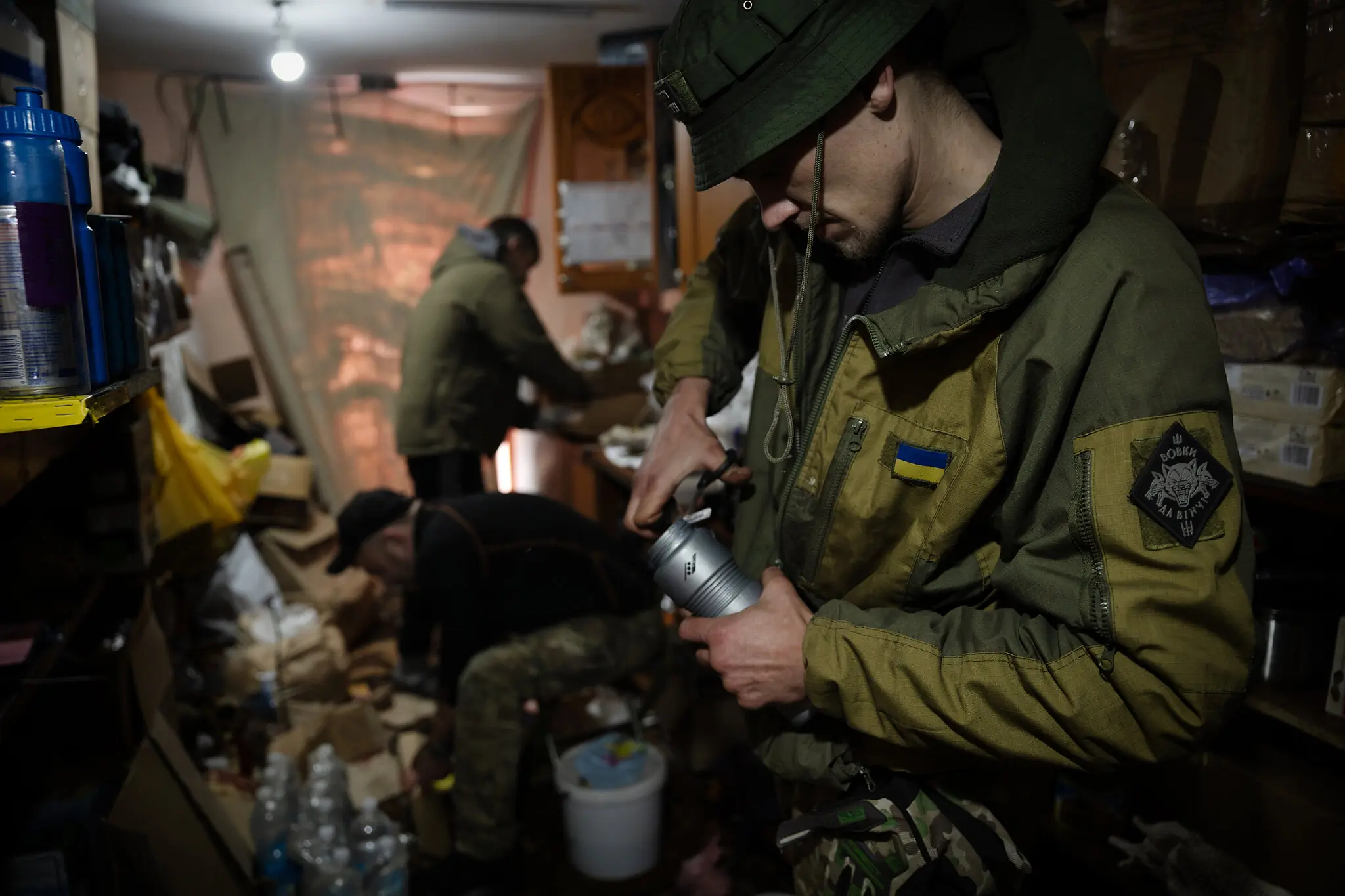
Ukraine reads the moment differently. Zelenskyy described his call with Trump as very good and suggested that the American president was seeing the war in a new light because of recent Ukrainian successes. Above all, this refers to long-range strikes on Russian oil infrastructure that have created visible fuel problems for Moscow.
That logic matters. Kyiv is trying to persuade Trump not through weakness, but through results. Ukraine is showing that it can hit Russia’s war economy, disrupt logistics, raise the cost of the war for the Kremlin and create real grounds for negotiation.
Zelenskyy understands the political nature of his counterpart. For Trump, success, strength and visible results carry special weight. If Ukraine appears not only as a country asking for help, but as a side capable of inflicting strategic damage on Russia, its position in the White House’s eyes may shift.
That is why the current stage cannot be reduced to personal chemistry between the two presidents. After last year’s tense encounter in Washington, Zelenskyy has worked steadily to rebuild contact with Trump. But more important than the tone of the conversation is whether the U.S. administration sees Ukraine as an actor with its own leverage, not as a side that must be pushed toward concessions.
Trump had previously said Kyiv lacked the “cards” for negotiations and should move more quickly toward a deal with Russia. His latest rhetoric is more cautious. He is no longer speaking mainly about Ukrainian weakness, but about the possibility of ending the war sooner. That is not a guarantee of policy change, but it is a notable shift in tone.
At the same time, the Kremlin is showing no sign of readiness for a just compromise. Moscow continues to demand Ukrainian territory it has failed to capture after more than four years of full-scale war. Its demands still include parts of Donetsk region where Ukrainian defenses continue to hold back Russian advances.
This is where the peace formula meets the reality of the front. If Putin speaks about ending the war while refusing to abandon maximalist demands, this is not peace. It is an attempt to lock Russian claims into a diplomatic settlement. For Ukraine, that would mean not the end of the war, but the transfer of its threat into the future.
Russia’s strikes on Kyiv were not a random backdrop to diplomacy. They were part of the political message. Moscow is showing that it can maintain contact with Washington while continuing terror against Ukrainian cities. It wants to talk and strike at the same time, building a position of force before the NATO summit.
For Zelenskyy, the meeting with Trump in Ankara will be an attempt to turn broad phrases about peace into concrete issues: air defense, long-range capabilities, sanctions, security guarantees and the stability of military aid. Ukraine’s position is straightforward: negotiations make sense only when Russia understands that continuing the war will cost more than stopping it.
For Trump, the meeting is also a test. He wants to appear as a leader capable of ending wars, but the war in Ukraine is not a conflict that can be closed by one phone agreement. Every phrase about a “quick settlement” is immediately tested by Russian missiles, Ukrainian defenses and the position of allies.
That is why the NATO summit in Ankara carries a double meaning. Publicly, it may create a new diplomatic impulse. Practically, it will show whether the United States and its allies are ready not only to speak about ending the war, but to strengthen Ukraine so that negotiations do not become pressure on the victim of aggression.
The Kremlin watches that distinction closely. If it sees fatigue, haste or a desire for a quick result at any price, it raises the stakes. If it sees unity, weapons for Ukraine and readiness to strike at Russia’s resources for war, Putin’s room for maneuver narrows.
For now, Trump’s claim that peace is closer than people realize remains not a fact, but a political bid. It can become the beginning of a serious process only on one condition: if behind it stands pressure on Moscow, not pressure on Kyiv.
Ukraine genuinely wants the war to end. But ending it cannot mean rewarding the aggressor for destroyed cities, occupied territories and murdered civilians. A peace that does not remove the cause of the war becomes only a pause before the next attack.
The overnight strikes on Kyiv gave this diplomatic moment its harshest explanation. As long as Russia fires missiles at the capital while speaking with Washington about possible contacts, every claim that a settlement is near must be read with caution. Peace can move closer only when the Kremlin stops believing it can gain more through war than through negotiations.