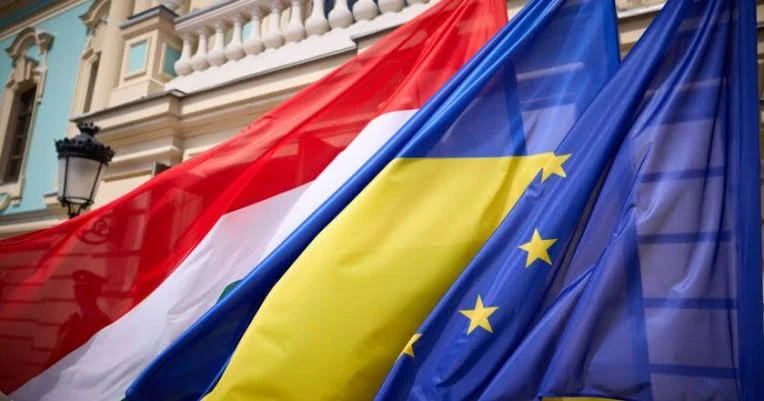


















Ukraine and Russia have agreed to a three-day ceasefire from May 9 to May 11, but the structure of the deal already reveals its limits. This is not a peace plan, not a political breakthrough and not the start of a durable settlement. It is a short pause in a long war, where each side is testing not only the front line, but also the intentions of the mediators.
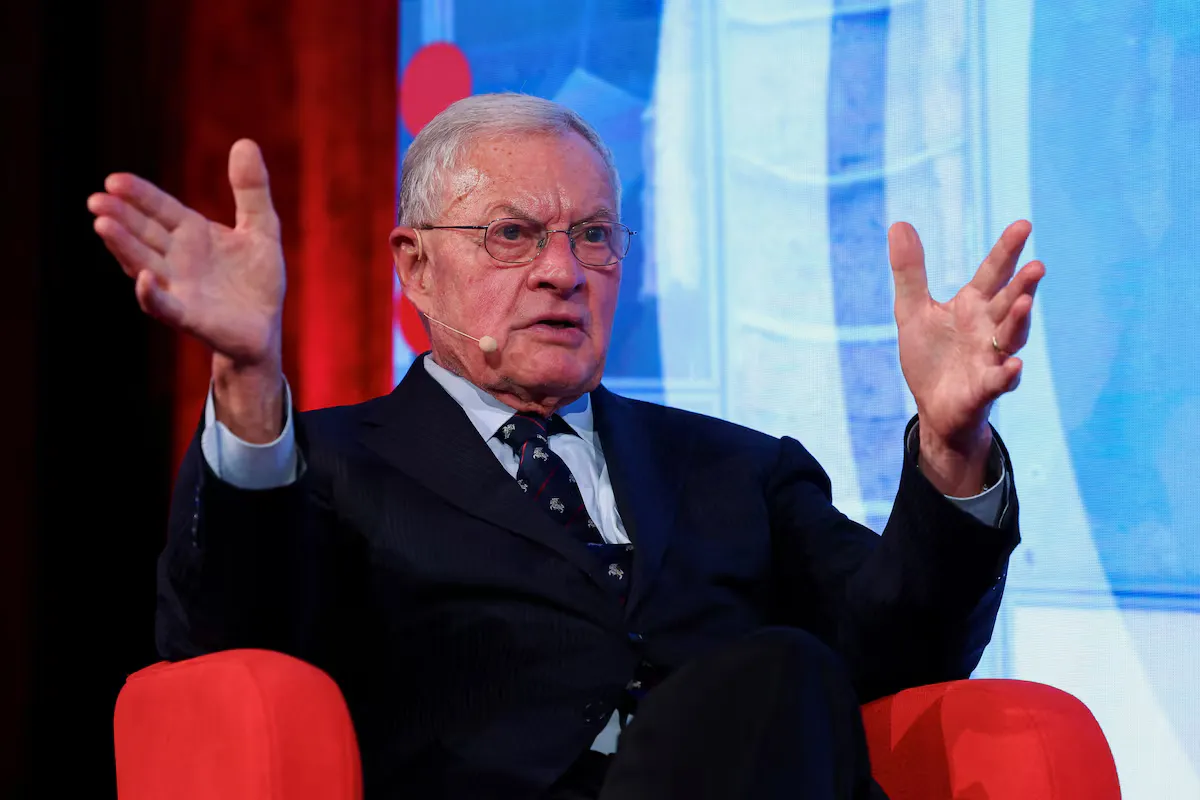
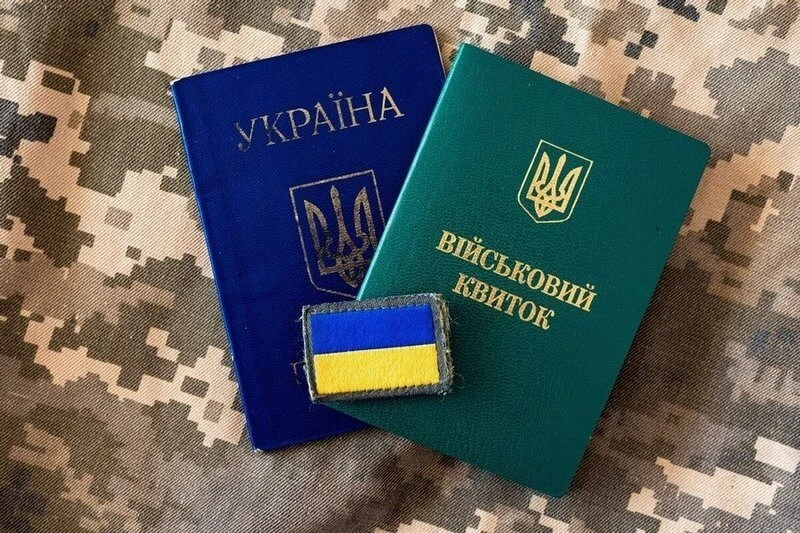
The agreement announced by Donald Trump includes a suspension of combat activity and a prisoner exchange in the format of 1,000 for 1,000. For Washington, it is a chance to show a diplomatic result. For Kyiv, it is an opportunity to bring people home. For Moscow, it is a way to pass through May 9 without additional risk to its central state ritual.
Trump immediately said he wanted to see a “big extension” of the ceasefire. That phrase contains the main uncertainty of the moment: a brief silence at the front could become either the first test of more serious negotiations or another episode in a war where temporary pauses only underline the absence of a political solution.
According to Daycom’s earlier analysis, limited ceasefires of this kind often serve less as answers than as diagnostics. They show whether the sides can honor basic commitments, whether the mediator has real leverage and whether there is enough minimal trust for a broader deal. So far, none of these elements looks guaranteed.
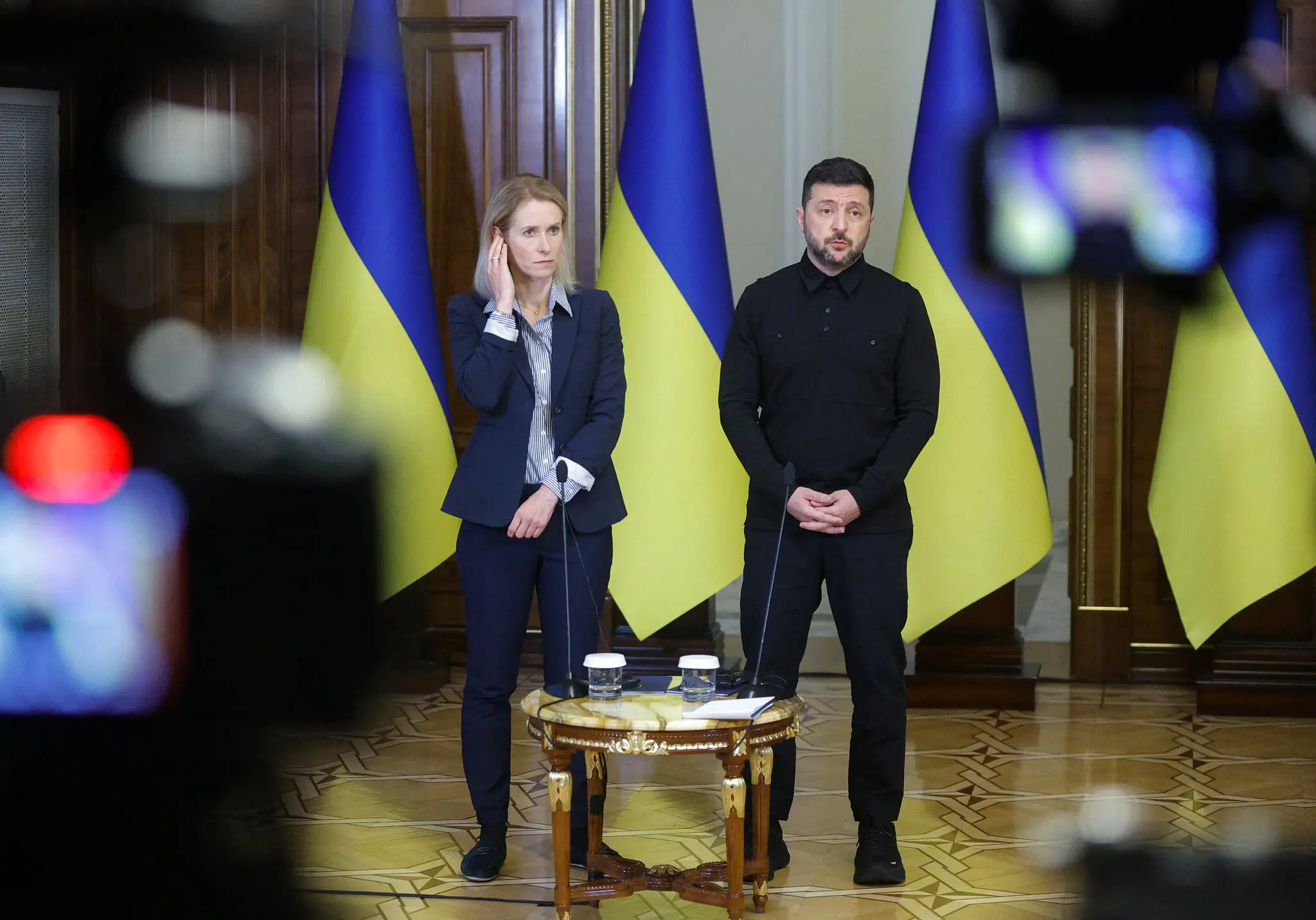
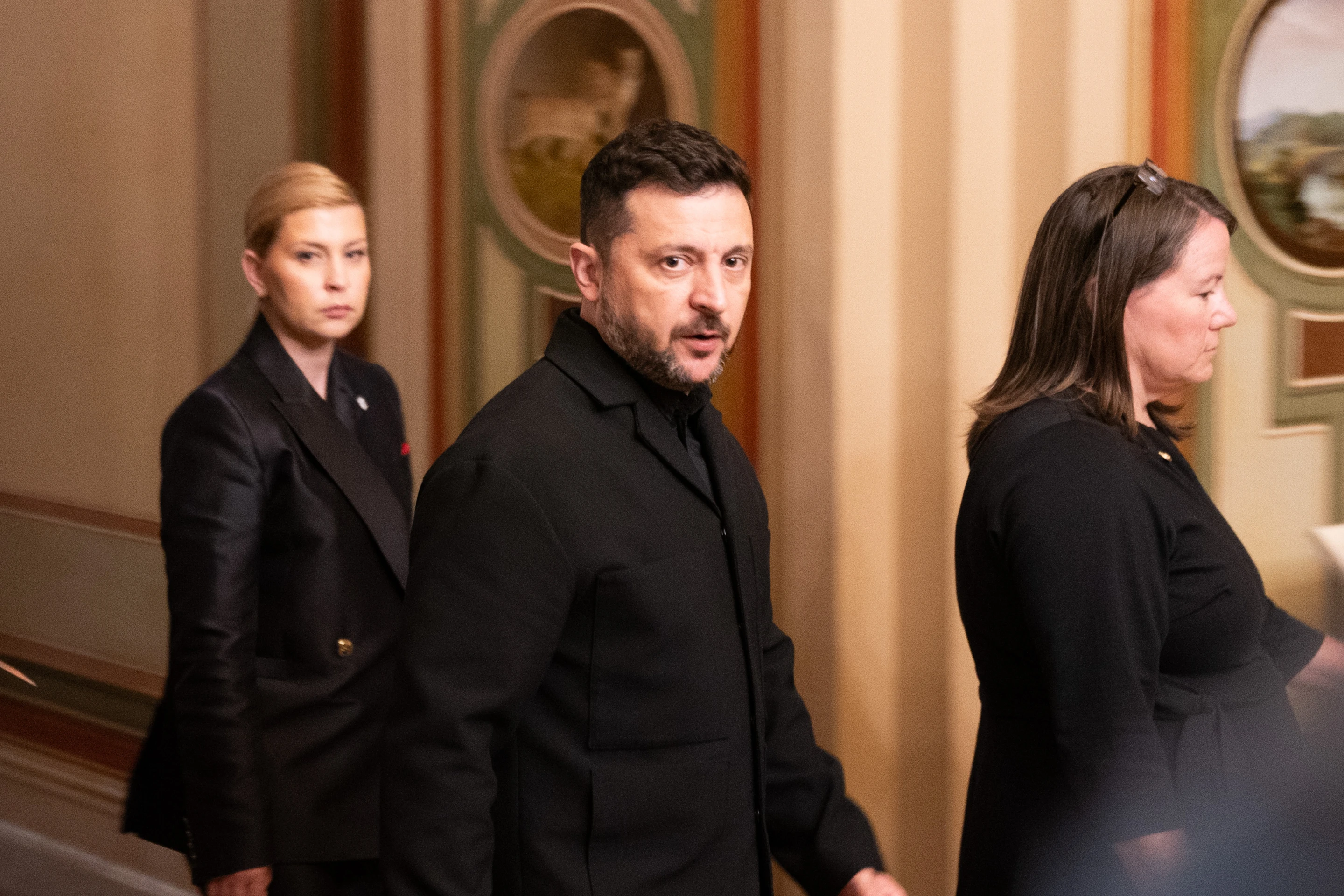
Ukraine’s position remains cautious. Volodymyr Zelensky confirmed the arrangement within the framework of U.S. mediation and emphasized its humanitarian dimension — the return of prisoners of war. For Ukraine, the exchange matters regardless of the political game around the ceasefire, because behind every number there are families, years of waiting and lives after captivity.
Moscow also accepted the initiative, but did so within the logic of its own calendar. For the Kremlin, May 9 is not merely a day of remembrance. It is a central pillar of state mythology. That is why a ceasefire tied to Victory Day looks to Russia not only like a humanitarian gesture, but also like a protective frame around its most important symbolic stage.
This year, that stage has become especially vulnerable. Russia prepared for the Red Square parade under the threat of Ukrainian strikes and amid mutual accusations over violations of earlier short ceasefires. Moscow warned of a large-scale response if the parade was attacked, while Kyiv replied with pointed irony, effectively “allowing” Russia to hold the ceremony.
That exchange of signals matters. Ukraine showed it can shape the psychology of the Russian capital even without striking Red Square. Russia, in turn, demonstrated that its most important symbols no longer exist outside the logic of war. Even a ceremony built around the memory of 1945 now requires a defensive framework.
The ceasefire also exposes a broader problem: the war has lasted more than four years, yet the sides remain far from a political formula for peace. Russia controls part of Ukrainian territory and demands concessions Kyiv considers unacceptable. Ukraine insists it cannot trade sovereignty for temporary silence.
That is why a three-day halt to combat activity does not resolve the core conflict. It may reduce the intensity of strikes, allow the prisoner exchange to proceed and create a diplomatic window. But it does not answer the questions of occupied territories, security guarantees, responsibility for destruction or the future architecture of European security.
For Trump, the agreement carries its own political weight. His administration is trying to show it can move a war that previous diplomatic efforts failed to stop quickly. But a short deal also carries risk: if the ceasefire collapses, part of the responsibility for that failure will fall on American mediation.
For Putin, the pause offers a way to get through Victory Day without major escalation, but it does not change the strategic dilemma. The Russian army continues a war of attrition, its advances have slowed, and the political rhetoric of inevitable victory increasingly diverges from the reality of a prolonged front.
For Zelensky, the agreement is a chance to bring prisoners home while preserving Ukraine’s core position. Kyiv has repeatedly stressed that a brief ceasefire arranged around Russian holidays cannot replace a genuine, lasting and verifiable silence. Ukraine’s logic is clear: a pause should save lives, not cover a military breather for the aggressor.
The real test will not be the announcement, but the behavior of both sides during these three days. If the silence holds, Washington will try to turn it into an argument for broader negotiations. If it breaks, each side will use the collapse as proof of the other’s unreliability — and the front will quickly return to the familiar logic of drones, missiles and artillery.
In this war, symbols have long carried practical force. A parade, a ceasefire, a prisoner exchange, a social media announcement, an ironic decree — all belong to the same political field. But the essential point remains unchanged: peace does not begin with a well-staged pause. It begins with a readiness to abandon the goals that made the war inevitable.
The three-day ceasefire may become an important humanitarian event. It may bring thousands of people home and reduce the number of deaths for several days. But it is not yet a turning point. As long as Moscow refuses to give up coercion, and Kyiv sees no security guarantees or just end to the war, silence remains not peace, but a brief interval between strikes.