






















The United States and Ukraine are discussing a possible air ceasefire that could suspend missile and drone attacks. The proposal may be presented to Russia as part of a renewed effort to revive peace negotiations that have largely stalled in recent months.
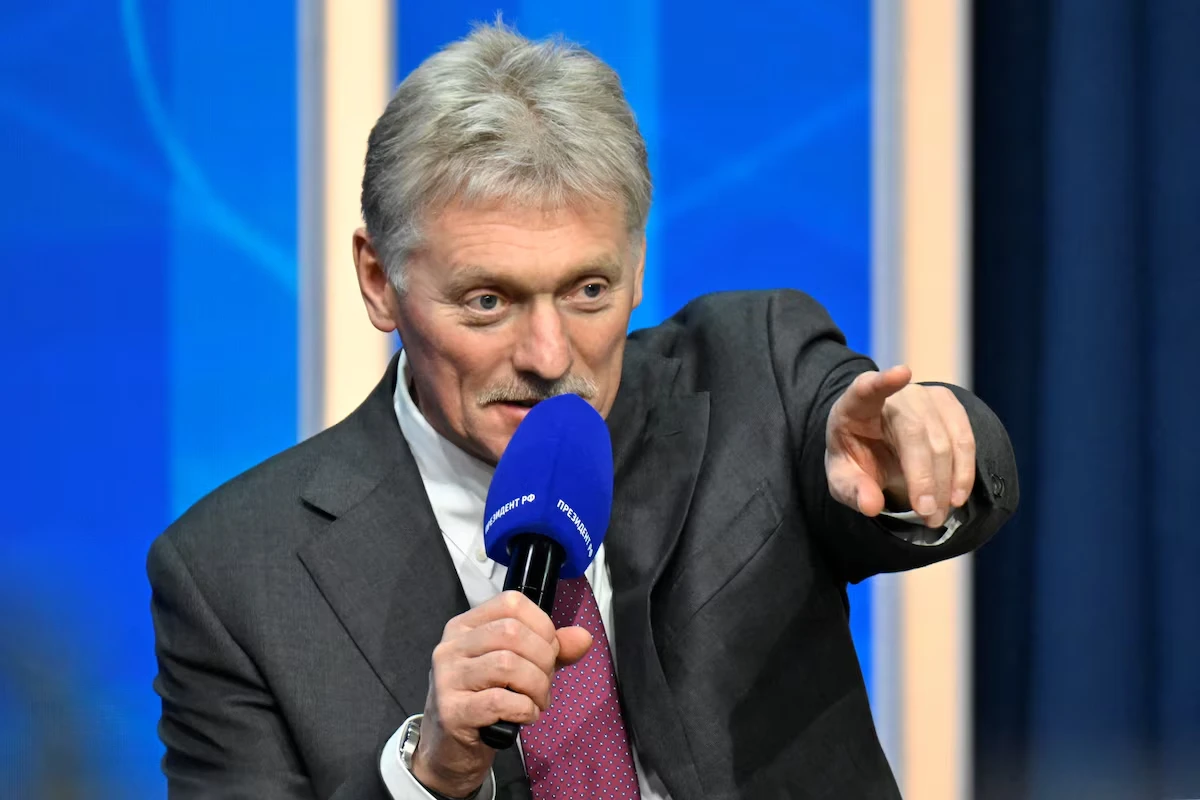
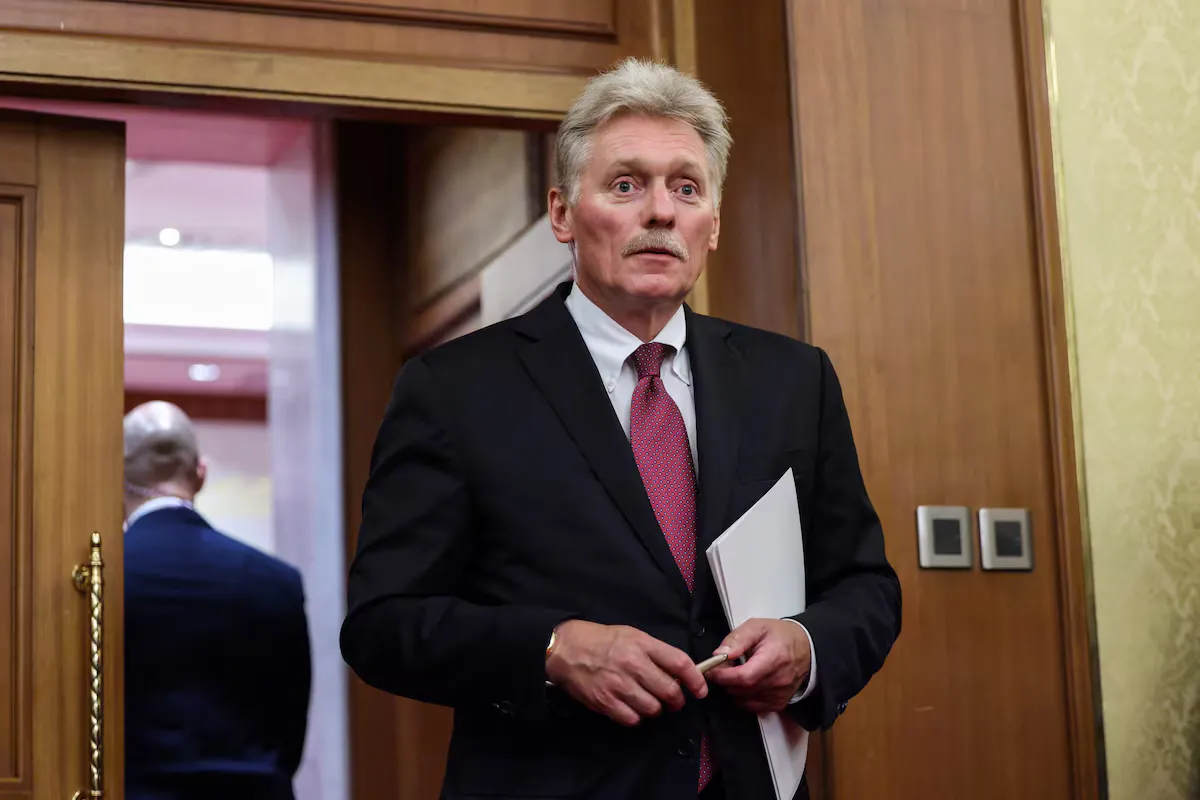
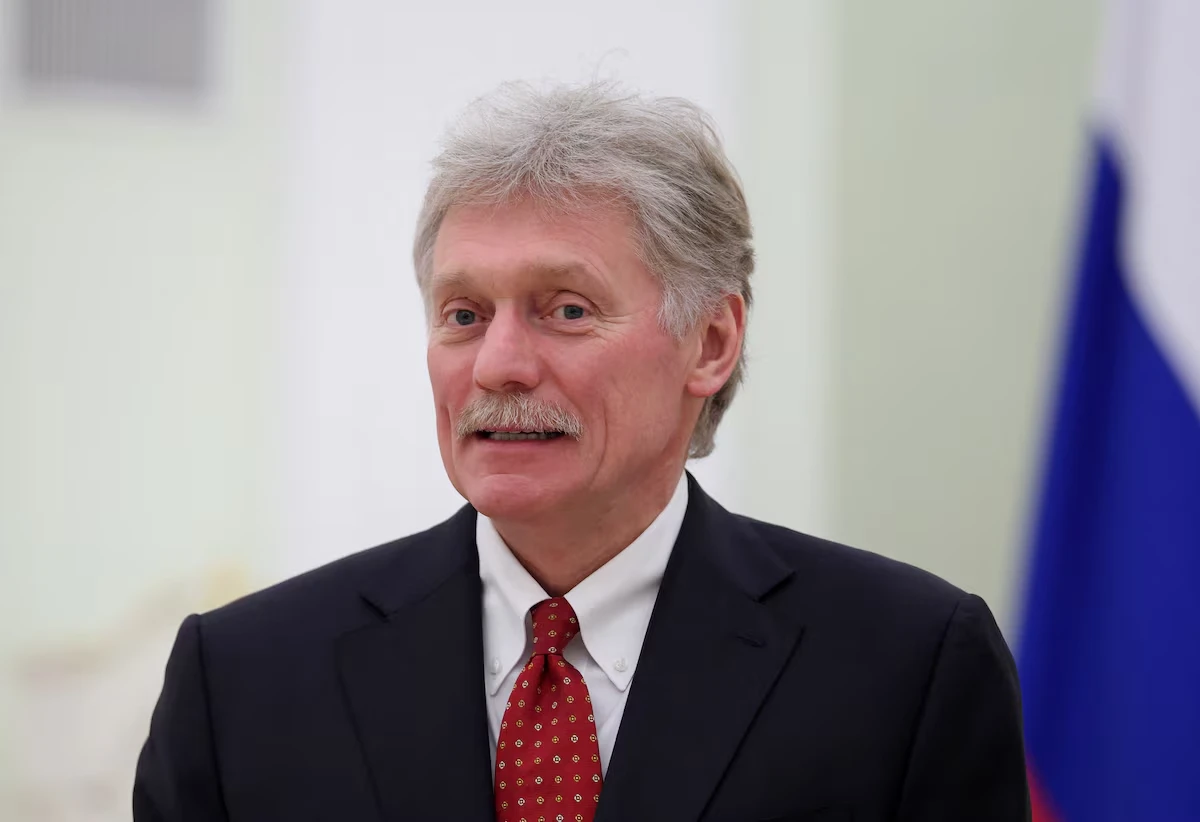
The Kremlin did not immediately dismiss the idea, but described public discussion of it as premature. Dmitry Peskov said Moscow would first need to examine any proposal and would judge it according to how closely it aligned with Russian interests.
That caution is not a neutral diplomatic pause. Moscow is preserving room to bargain without accepting obligations or acknowledging that stopping aerial attacks has humanitarian value in itself. Once again, the Kremlin defines success primarily through strategic advantage.
According to **Daycom’s** earlier analysis, an air ceasefire may be the most realistic limited agreement available at this stage of the war — and one of the most dangerous for Ukraine if its rules remain vague.
At first glance, the logic is compelling. Suspending missile and drone attacks would reduce civilian casualties, allow repairs to energy infrastructure, ease pressure on cities and create at least a narrow opening for further diplomacy.
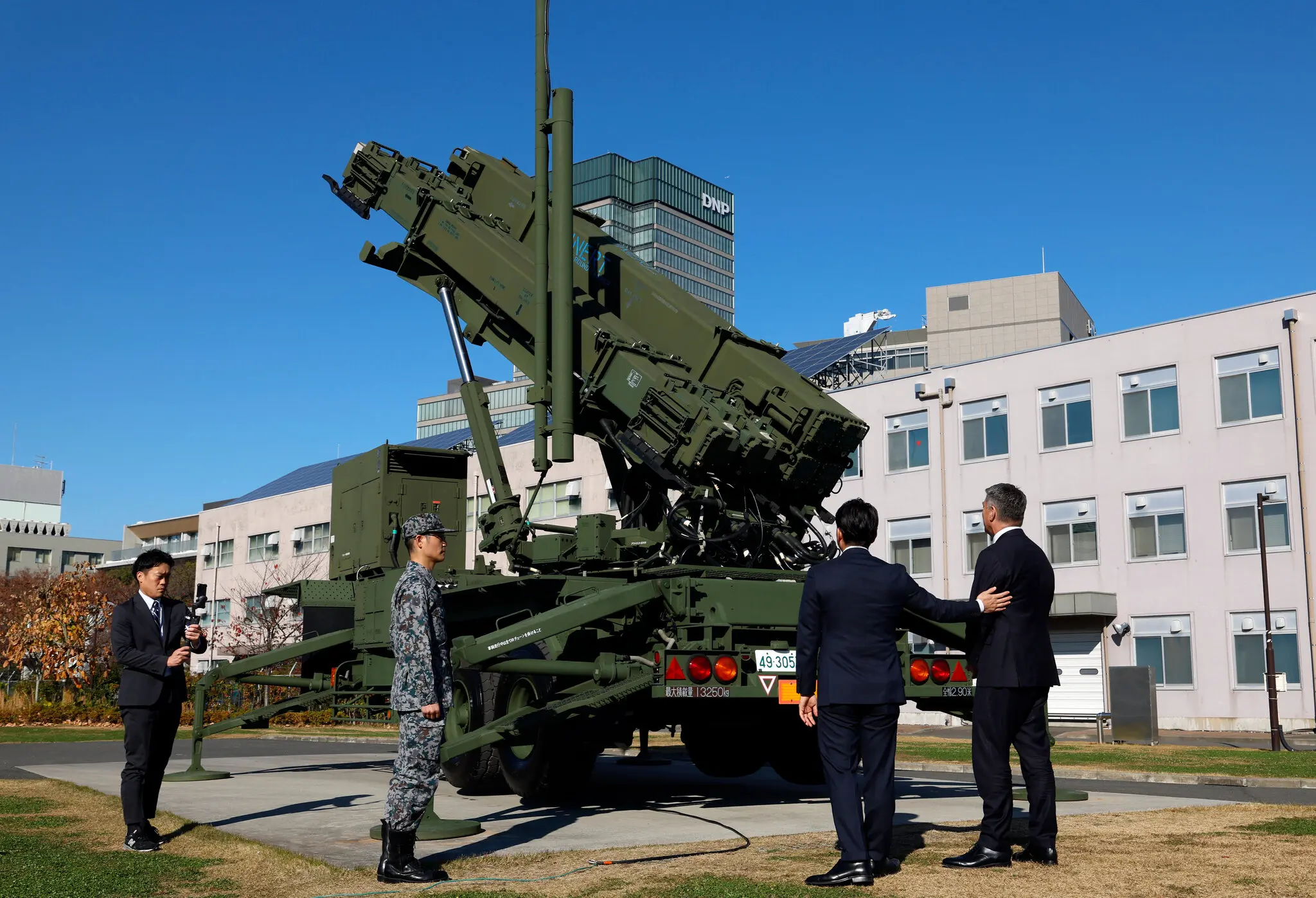
Yet the phrase “air ceasefire” conceals a series of difficult questions. Would it cover ballistic and cruise missiles, attack drones, guided aerial bombs, maritime drones and long-range artillery? Would it apply to the front line, occupied territories and military targets inside Russia?
For Kyiv, these are not technical details. If the arrangement restricts Ukrainian strikes on oil refineries, warehouses, airfields and military logistics but leaves Russia free to use guided bombs near the front, the agreement would be fundamentally unequal.
Russia possesses far larger stocks of missiles, combat aircraft and ammunition. Ukraine has partly offset that imbalance through long-range drones capable of striking military, industrial and energy infrastructure deep inside the Russian rear.
Those operations create one of the few forms of direct economic pressure available to Kyiv. They force Russia to expand air defenses, repair damaged facilities, alter supply routes and disperse protective systems between the battlefield and major cities.
Volodymyr Zelensky has repeatedly linked Ukraine’s medium- and long-range operations to the need to make Russia experience the cost of continuing the invasion. Kyiv’s assumption is that negotiations become more likely only when the war ceases to be politically and economically manageable for Moscow.
A halt to Ukrainian strikes without significant Russian concessions could therefore weaken one of Kyiv’s most important domestically developed forms of leverage. Moscow would gain a safer rear while retaining the ability to advance on the ground, accumulate missiles and reposition forces.
The most dangerous outcome would be a pause in which Russia does not abandon the war but simply rebuilds its stockpiles. Previous agreements have shown how effectively the Kremlin can use temporary limits on fighting to regroup, repair equipment and prepare another cycle of pressure.
To prevent that, an air ceasefire would have to form part of a broader package. It should include a ban on attacks against civilian and energy infrastructure, restrictions on guided bombs, a credible monitoring mechanism and clearly defined consequences for violations.
Verification would be a major challenge. Satellite imagery, radar and intelligence systems can identify missile and long-range drone launches, but determining the precise launch site and responsibility for every incident is more difficult, particularly during complex attacks.
Russia has repeatedly exploited uncertainty to deny strikes or blame civilian destruction on Ukrainian air defenses. Without an independent verification system, every impact could become an information dispute while military operations continue.
The parties would also need an agreed response procedure. If one side violates the ceasefire, does the other regain an immediate right to strike? Would an investigation take place first? Who would determine whether the breach was deliberate?
Without clear answers, the arrangement could become a system of one-sided restraint. Ukraine, dependent on American weapons and diplomatic backing, would face intense pressure to comply strictly. Russia could test the limits while accusing Kyiv of undermining the agreement.
Peskov’s emphasis on Russian interests already reveals Moscow’s approach. The Kremlin will not judge the proposal by the number of lives it may save, but by whether it restricts Ukrainian attacks, reduces economic pressure and allows Russia to preserve the initiative.
At the same time, Moscow’s refusal to reject the concept immediately suggests that Ukrainian long-range operations are imposing real costs. Earlier ceasefire proposals were dismissed when the Kremlin saw little reason to alter its course.
Russia’s economy must now finance the war, repair damaged facilities, sustain occupied territories and adjust to sanctions at the same time. Ukrainian strikes on oil and gas infrastructure add pressure to a system that remains heavily dependent on energy exports.
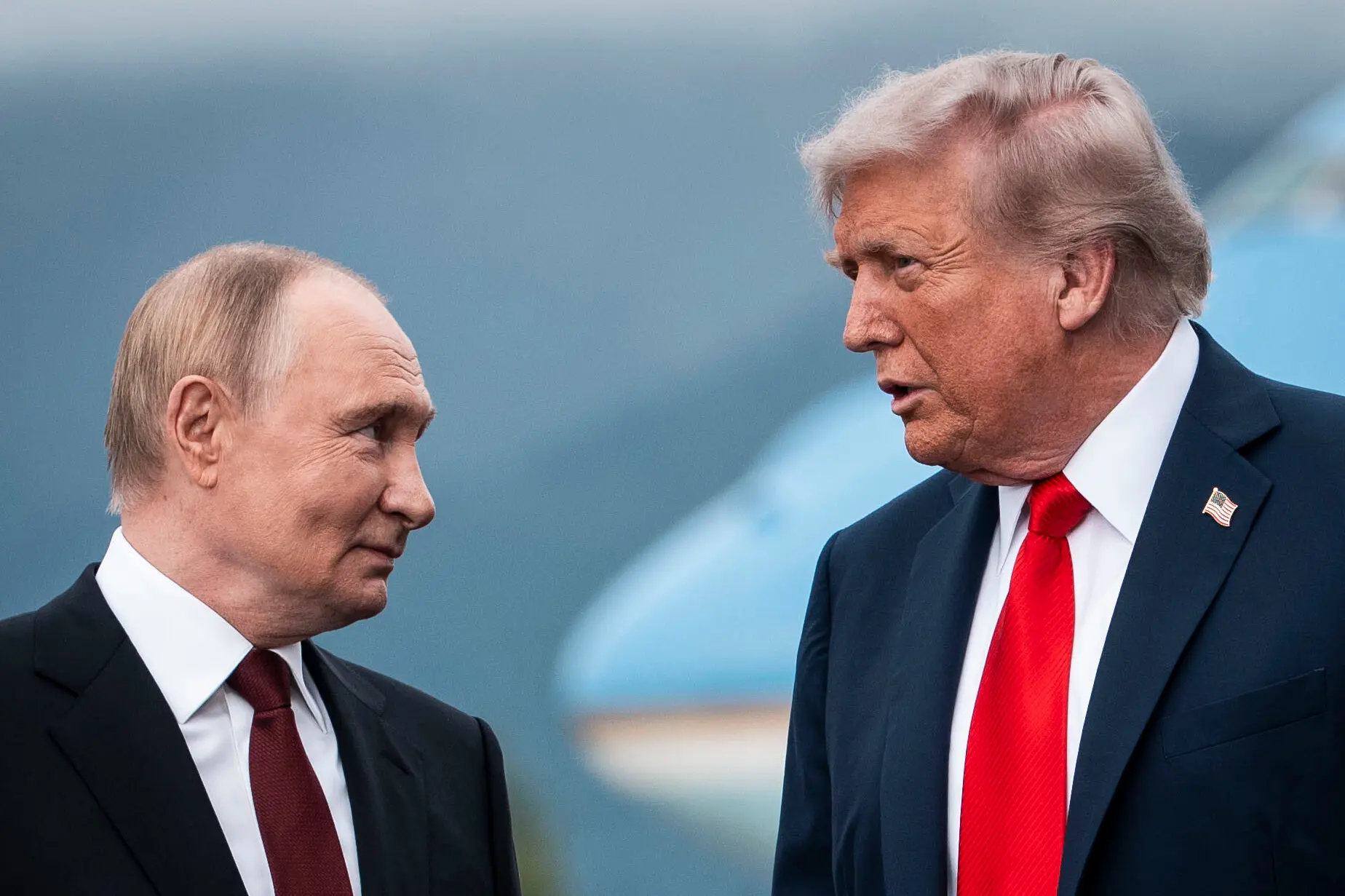
Washington appears to be trying to use that vulnerability to reopen diplomacy. Zelensky has discussed the possibility of renewed negotiations with American intermediaries, while his meeting with Donald Trump is expected to become the next stage of consultations.
For Trump, a limited air ceasefire may be more attractive than an immediate attempt to resolve territorial disputes. Halting missile and drone attacks is politically simpler than reaching agreement on borders, occupation, security guarantees and the future of Russian forces.
Such an arrangement would give the White House a rapid and visible result. An end to nightly attacks on cities could be presented as a humanitarian breakthrough even if artillery fire, ground combat and Russia’s advance continued.
Ukraine would also gain immediate benefits. Cities could repair homes and power infrastructure, while scarce air-defense missiles would no longer be consumed every night against repeated waves of incoming weapons.
But Kyiv cannot judge the proposal only by its short-term humanitarian effect. A pause that protects Russian factories and airfields without stopping ground offensives could make the war more dangerous over time.
Ukraine needs genuine reciprocity. If it suspends strikes inside Russia, Moscow must end every form of aerial attack — not only against Kyiv and energy facilities, but also against Kharkiv, Sumy, Zaporizhzhia and other cities close to the front.
The agreement should also prevent either side from accumulating offensive forces near the border under cover of the pause. Otherwise, Russia could use the ceasefire to expand missile and drone production before resuming attacks at a more favorable moment.
Geography will be another source of conflict. Moscow is likely to demand that Crimea and other occupied Ukrainian territories be treated as Russian territory and protected from attack. Kyiv cannot accept language that would indirectly legitimize occupation.
The debate over an air ceasefire will therefore extend far beyond the airspace itself. It will touch on territorial status, Ukraine’s right to self-defense, Western arms supplies and the limits of international monitoring.
Channels between Moscow and American negotiators remain open. Russian officials expect further contacts, but dialogue alone does not mean that the Kremlin is prepared to abandon the strategic objectives of its war.
Moscow continues to describe peace as a process in which other countries must accommodate Russian demands. Ukraine’s position is the opposite: negotiations must not reward aggression or create conditions for its repetition.
An air ceasefire could become the first effective restriction in a war that has produced few functioning rules. It could save lives and create the minimum level of confidence required for more difficult agreements.
Its value, however, will not depend on its name or the speed with which it is announced. What matters is whether the restrictions are reciprocal, whether violations can be verified and punished, and whether Ukraine retains the ability to defend itself.
The Kremlin has already stated its condition: any proposal must serve Russian interests. The task for Kyiv and Washington is to ensure that a pause in aerial attacks does not become a shield protecting Russia’s war machine from the consequences of the war it continues to wage.