



















The Airbus A380, the world’s largest passenger aircraft, is again at the center of an aviation safety question. European regulators have ordered inspections of 16 jets after cracks were found in a key wing component on some of the aircraft.
Five planes must be taken out of service immediately, while 11 others must be inspected within their next 25 flight cycles. In civil aviation, one cycle means a single takeoff and landing, so the timetable leaves little room for delay.
This is not a cosmetic defect. The cracks were found in a wing beam, a structural element involved in carrying and distributing load during flight. That is why the regulator’s response was strict: any uncertainty about the strength of a wing on a long-haul aircraft is unacceptable.
According to Daycom’s earlier analysis, the case matters not only for Airbus, but for the aviation market as a whole. It is a reminder that even after production ends, an aircraft model remains a living system of risk, maintenance and regulatory oversight.
The A380 has long held a special status. It is a symbol of the era of giant hubs, vast airports and the movement of hundreds of passengers on a single flight. But the scale of the aircraft also means scale of responsibility: any structural flaw in such a machine carries added weight.
The European aviation regulator warned that the cracks could reduce the structural integrity of the wing. For passengers, that may sound technical. For aviation, it is enough to justify immediate action.
Neither the regulator nor the manufacturer released the full list of airlines affected. Some of the aircraft belong to Emirates, the largest A380 operator, for which the superjumbo remains a central part of its long-haul network.
Emirates said it would comply with the directive and begin inspections within 48 hours. Any necessary work must be completed before the aircraft return to service. That is the basic logic of aviation safety: a plane does not go back into the schedule until engineers have closed the risk.
For passengers, such news can sound alarming. But the directive itself is evidence that the system is working. Aviation safety is not built on the idea that defects never appear. It is built on the ability to detect them before they become an emergency.
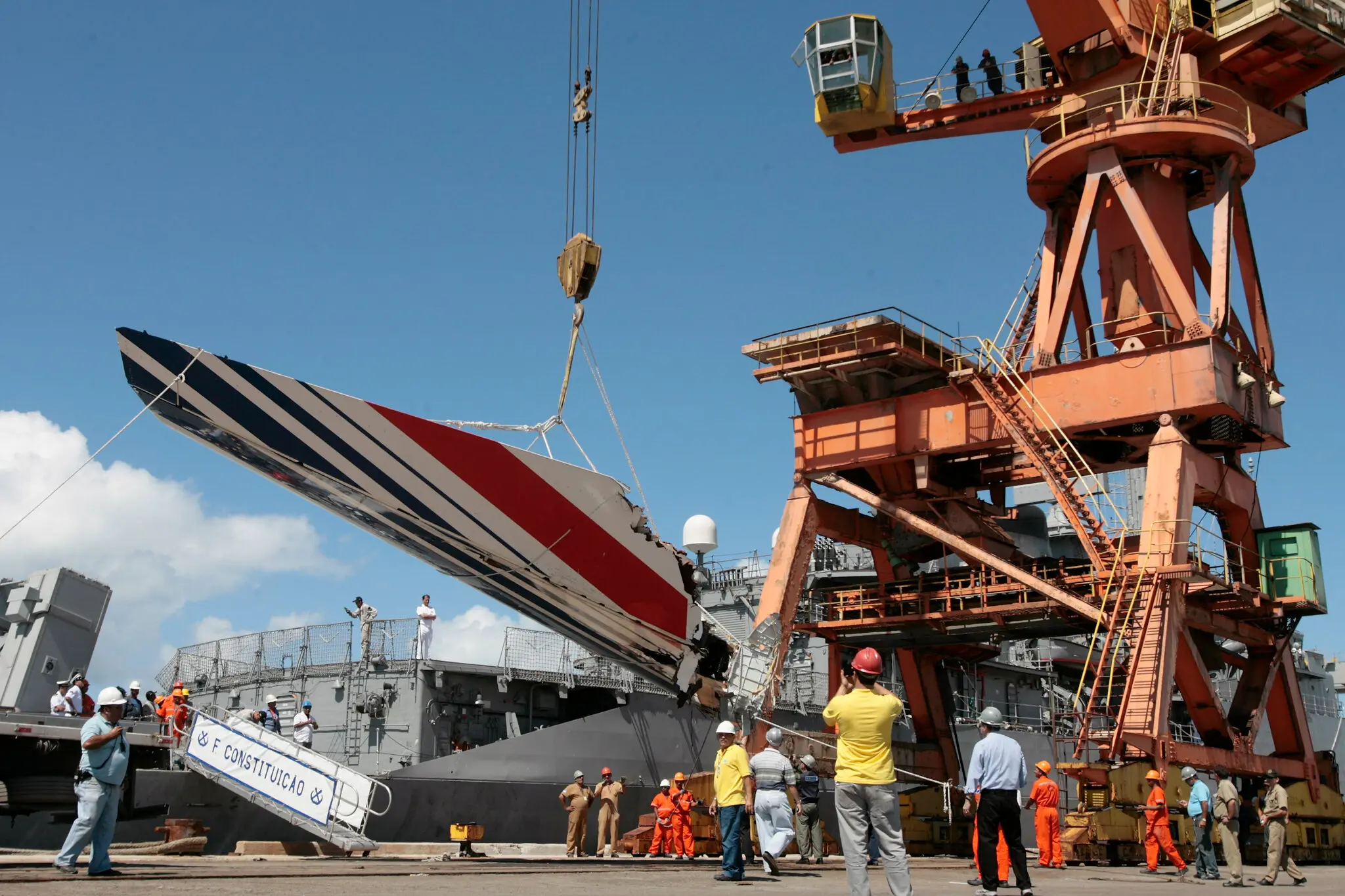
The A380 has faced similar concerns before. In 2012, European regulators ordered urgent inspections of the entire fleet over possible wing cracks. At the time, about 250 A380s were in service worldwide, making the issue one of the largest technical tests for the program.
The current scale is smaller, but the context is still important. Airbus delivered its last A380 in 2021, yet aircraft of this class can fly for decades. That means the responsibility of manufacturers, airlines and regulators does not end when the final jet leaves the production line.
More than 150 A380s remain active in passenger service today. They fly between major hubs, carry thousands of people every day and require unusually complex maintenance because of their size, age and distinctive design.
The wing-crack issue also highlights the changing era of very large aircraft. The A380 was built for a world of mass passenger flows through global hubs. After the pandemic, shifting route strategies and the rise of more efficient twin-engine jets narrowed its role, but did not erase it.
For Airbus, the directive is not a catastrophe. But it does return attention to a program that ended earlier than the manufacturer once expected. The A380 was an engineering triumph, but not the commercial template for the future. Its legacy now depends on flawless technical supervision.
For airlines, the issue is practical. When an aircraft leaves the schedule, fleets must be rearranged, timetables adjusted and seat capacity replaced. With the A380, that is especially difficult, because few aircraft can substitute for so many seats at once.
At the same time, the aviation industry is used to working under airworthiness directives. They are not exceptions, but part of the normal machinery of risk management. When a defect appears in a specific component, regulators set inspection deadlines and airlines complete the work before returning aircraft to the sky.
The central question now is whether the problem remains limited to this group of 16 aircraft or whether inspections reveal a broader pattern. If the cracks are tied to specific jets, the episode may end with repairs. If they are linked to aging structures or a production series, the consequences could last longer.
For passengers, the most important point is simple: temporarily grounding an aircraft is not a sign of failure. It is a sign that aviation does not ignore weak signals. Civil aviation maintains its safety record through strict prevention, not by waiting for incidents.
The Airbus A380 remains one of the most recognizable aircraft in the sky. But its size, history and prestige do not change the basic rule: in flight, there can be no minor cracks when they affect load-bearing structures. The current inspections are therefore more than a technical procedure. They are a test of discipline across the aviation safety system.